






As published in Waste360, September 15, 2026.
Originally published September 2026
Every August, I expect the numbers to ease as the summertime spike winds down. This year, they mostly did not, but buried in this month’s data is the most encouraging trend I have seen in 10 years of tracking waste and recycling facility fires.
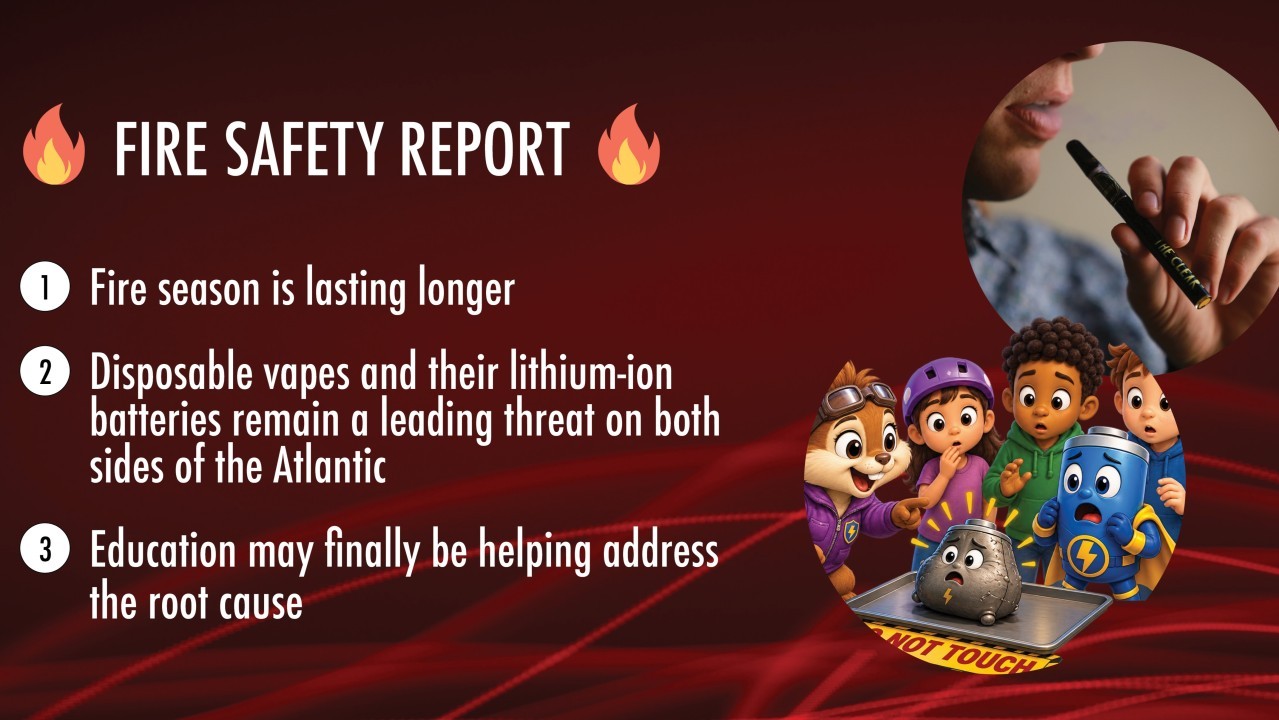
Through the first eight months of 2026, the data tells three stories:
- The Summertime Spike that doesn’t know when to end,
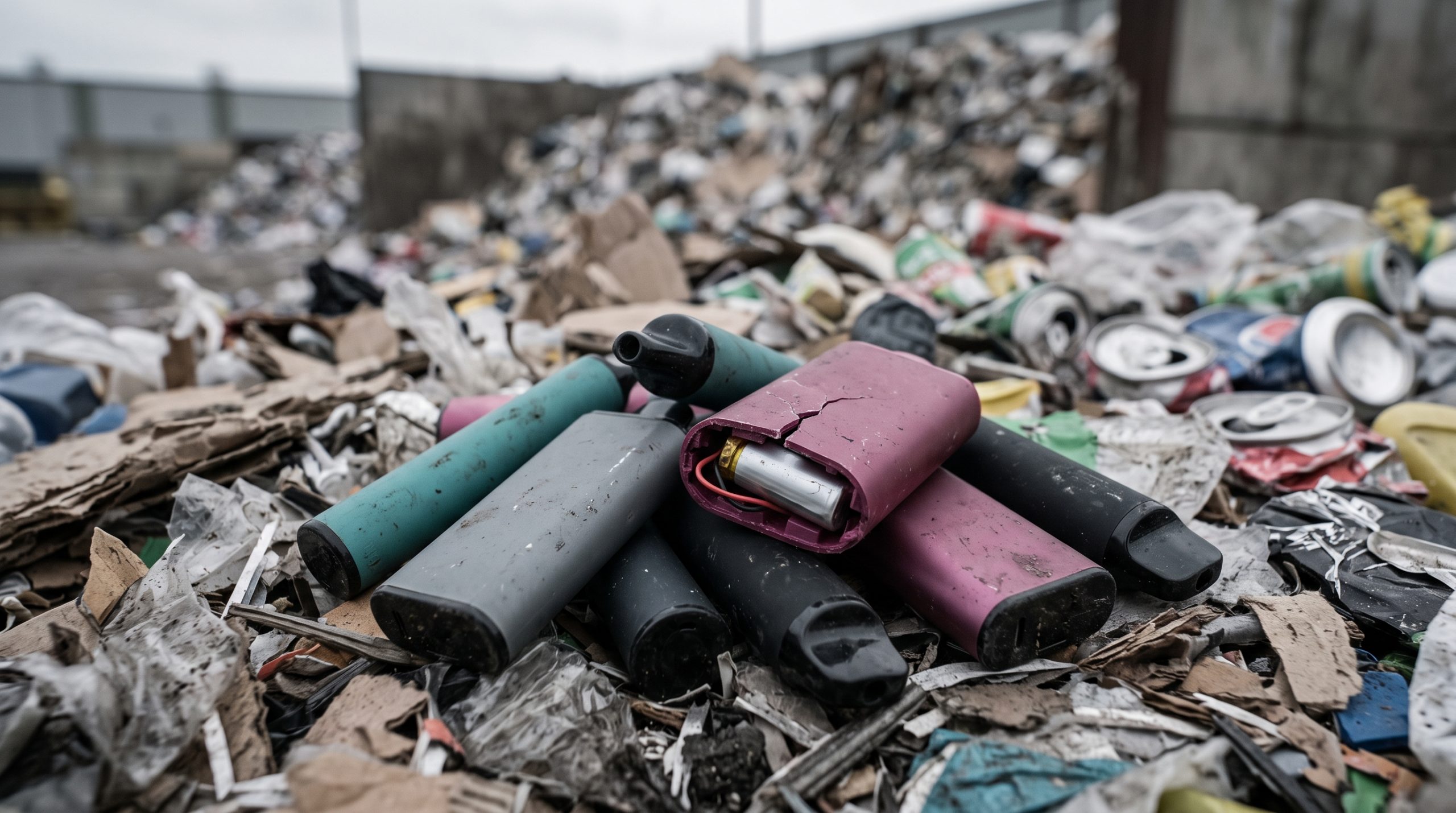
- Disposable vapes and their lithium-ion batteries remain a leading threat on both sides of the Atlantic, and
- Education may finally be helping address the root cause.
The Month in Numbers: 49 Fires in August 2026
I tracked 49 fires at waste and recycling facilities in August 2026, tying August 2025 for the highest August total in the 10 years I have been compiling this data. That brings the year-to-date count to 293 fires, the third-highest January-August total on record, behind the 300 logged during the same period in both 2024 and 2025.
Two numbers concern me more than the topline count:
- Catastrophic losses are already ahead of last year’s pace. I began tracking catastrophic loss fires separately in 2024, when the year ended with 71. In the first eight months of 2026, I logged 74, more than all of 2024 and nearing the 96 that occurred in 2025. Whatever is driving these fires is producing more total losses, not just more incidents.
- July’s injury toll. Twenty firefighters and workers were injured in July, including 10 firefighters in a major incident that made national news. This is a stark reminder of who stands between these fires and the communities they threaten: frontline responders and waste and recycling facility workers.
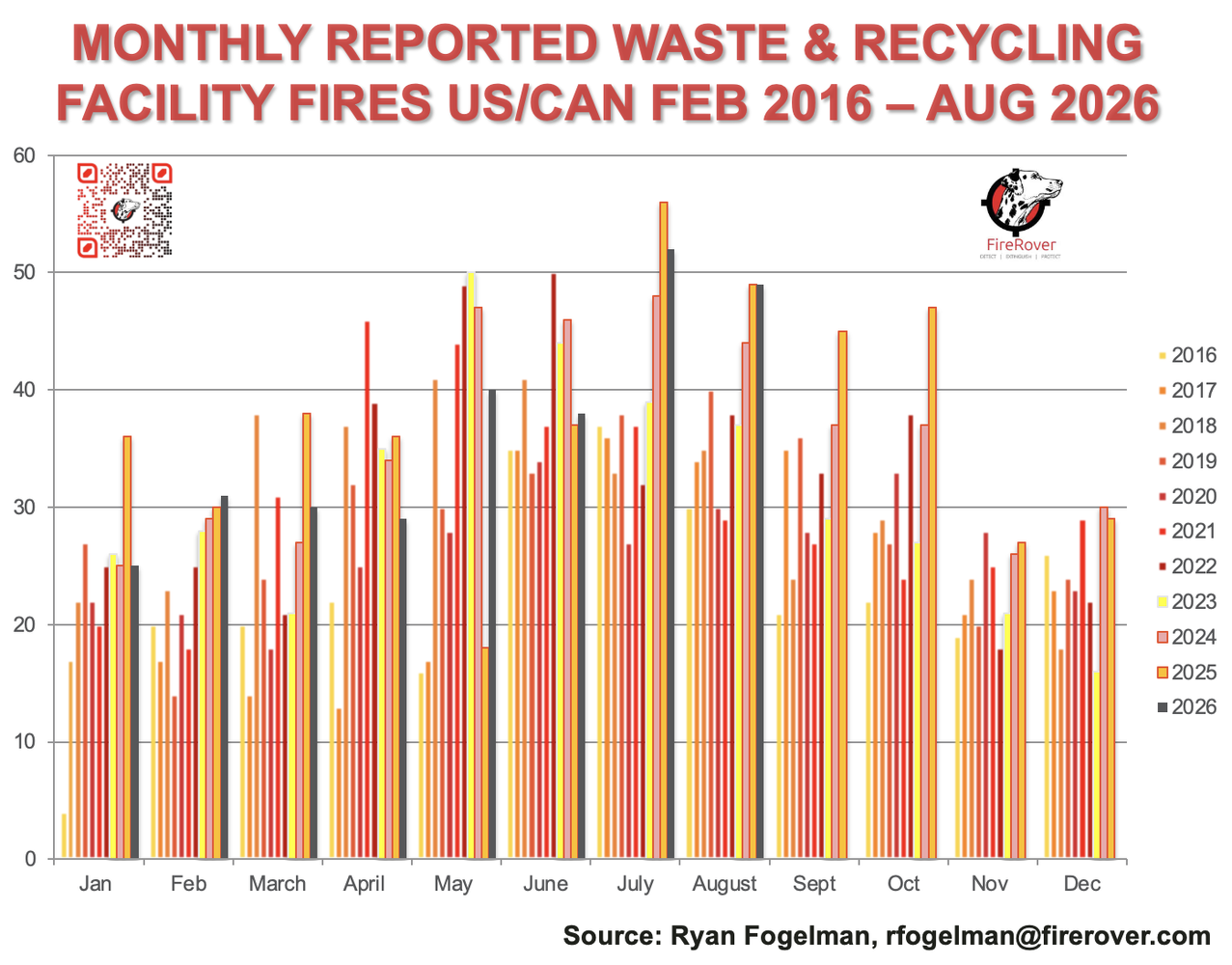
Monthly reported waste and recycling facility fires, US/CAN, February 2016 – August 2026. Source: Ryan Fogelman.
The chart above shows both storylines: 2026 tracked below the top of the 10-year range through July, then essentially matched 2025 in August. That raises the question explored below: Is the curve finally bending?
Where the 49 August Fires Happened
August 2026 by material type: Of the 49 fires, 26 occurred at waste, paper and plastics facilities (53.1%), and 10 occurred at scrap metal recycling yards (20.4%). The remaining incidents included four at hazardous material facilities (8.2%), three at construction and demolition (C&D) facilities (6.1%), three at rubber recycling facilities (6.1%), two at organics recycling facilities (4.1%) and one at an electronics recycling facility (2.0%).
This represents a shift from the historical August pattern, when waste, paper and plastics accounted for about 48% and scrap metal accounted for about 31%. This year’s mix skewed more heavily toward waste, paper and plastics and further away from scrap metals than typically expected. Hazardous material incidents (8.2%) also were running higher than their usual low, single-digit percentage. It will be worth watching in the coming months to determine whether this is a one-month fluctuation or the start of a new pattern.
The Vape Effect Is Not Slowing Down: It’s Spreading
Regular readers know I have flagged the “vape effect” for years, and a recent industry report put hard data behind what those of us in North America have been seeing anecdotally for years. Biffa, one of the U.K.’s largest waste companies, estimated that 480,000 vapes passed through four of its material recovery facilities in June and July 2026, marking its highest volume on record and about 32,500 more than the previous high in August and September 2025. That means nearly half a million lithium-ion batteries moved through sorting lines, where any one can ignite if punctured, crushed or short-circuited.
The Same Pattern in North American Data
That is not solely a U.K. problem. My facility fire data shows the combined waste, paper and plastics category, where a vape tossed into a household trash or recycling bin often ends up, climbed from 91 in the first eight months of 2016 to a peak of 161 during the same period in 2025, a near-uninterrupted decade-long climb. On a side note, scrap metal recycling yards, the category that has been frequently capturing battery-related ignition events buried in mixed loads, experienced 95 fires through August 2026, near the top of the 10-year range I have been tracking.
The pattern is consistent: improperly discarded lithium-ion batteries are entering the waste stream in growing numbers despite years of public education campaigns, takeback programs and retailer collection bins. The U.K.’s Environmental Services Association called battery fires an “epidemic” last year and advocated for mandatory curbside battery collection. Material Focus linked more than 1,200 battery-related fires in refuse vehicles and facilities to a 71% year-over-year increase. Every one of those numbers has a mirror image in the North American data I track. Where jurisdictions rely on voluntary separation of small electronics and batteries, fire counts reveal how well that is working. Even if the overall volume of battery-powered devices entering the waste stream remains enormous, improved disposal behavior among some consumers may be beginning to reduce the number reaching the most vulnerable waste streams.
A Hopeful Sign: Education May Finally Be Bending the Curve
Here is the positive development I have been waiting years to report. After a decade of near-continuous growth, 2026 is on pace for the first genuine, non-pandemic decline. Through August, we have experienced 293 fires, down 2.3% from the 300 recorded over the same period in both 2024 and 2025.
Fires in the combined waste, paper and plastics category are down 9.9% year over year, from 161 to 145. This marks the category’s first real pullback since 2020 and its sharpest yet.
The monthly data is even more encouraging. January was down 31% from a year ago, March 21% and April 19%. The timing is encouraging. Those declines coincide with expanded disposal education, retailer take-back efforts and municipal battery-collection programs. The data alone cannot establish causation, but the pattern is worth watching.
Summer was closer to flat, with June and August essentially matching last year, and July decreasing slightly. This suggests the message is reaching some audiences but that summertime-specific hazards like fireworks, hot barbecue briquettes, pool chemicals, paint thinner and oily rags remain. This is a trend to build on, not a victory to declare.
Caution is warranted. Catastrophic loss fires are still climbing, and 293 fires in eight months remains the third-highest total on record. The problem is not solved, but after years of writing reports in which every new month set another record, seeing the first sustained deceleration in a decade is encouraging.
What WM, NWRA and Rumpke Are Seeing
Industry partners are seeing similar signs. WM used its national media platform this Labor Day to publish “Battery Fires Rise in Summer: Here’s How to Prevent Them,” pulling data directly from my Fire Safety Report and putting the summertime spike in front of an audience far larger than mine. In June, WM added a fourth rule to its Recycle Right guide: Batteries never go in the trash or recycling, full stop. Ryan Nordt, the company’s executive director of recycling operations, pointed out that many people don’t realize a battery is hiding inside a broken toy, an old pair of earbuds or a cordless tool. WM’s willingness to use its own platform to address a problem facing all operators shows that this is a shared industry challenge, not a competitive one, and aligns with my No. 1 principle: “Safety knows no competition.”
The anecdotal evidence backing up my numbers also continues to pile up. I recently joined the National Waste & Recycling Association’s (NWRA) Genevieve O’Sullivan and Sarah Macedo, with Woodsy Owl in tow, for a battery takeback event in Delaware, Ohio. O’Sullivan told me that NWRA is beginning to see real decreases in industry fires tied directly to these education and battery recovery efforts. My friends at Rumpke Waste & Recycling have shared similar findings: When communities receive clear education paired with convenient disposal options, behavior changes and fire risk drops.
Between NWRA’s “Skip the Bin! Turn Your Batteries In!” campaign, National Battery Take-Back Day on September 12, WM’s updated guidance and takeback events popping up in communities across the country, we finally have several independent efforts using similar messaging to achieve the same goal.
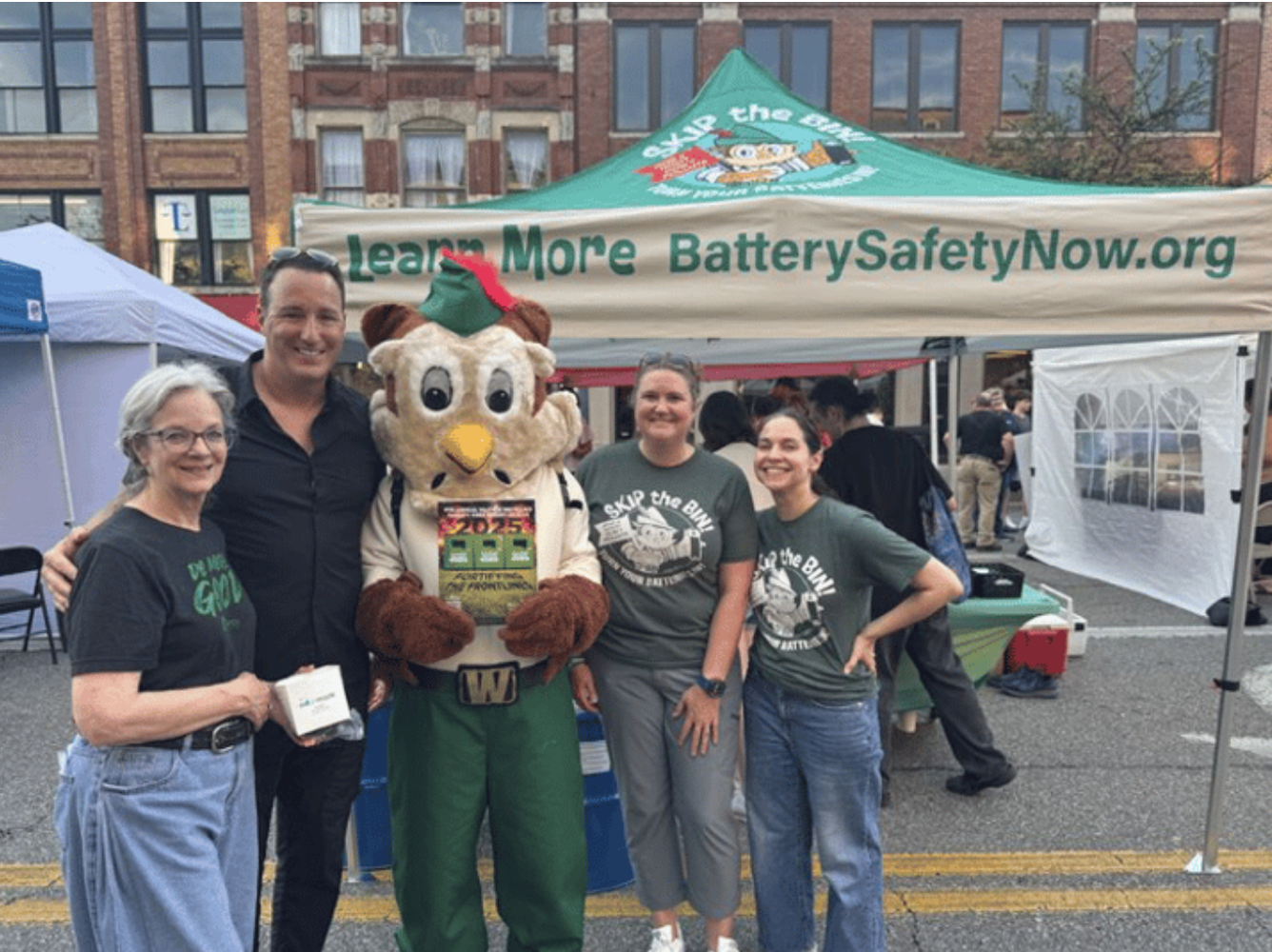
By working with NWRA on the front lines collecting batteries at the final First Friday festival of the year in downtown Delaware, we also celebrated Laurie Lendon’s eighth anniversary as a COhatch community manager. In true Laurie fashion, she marked the occasion by showing up with an incredible collection of used and end-of-life lithium-ion batteries. The batteries went straight into an NWRA collection drum and were safely removed through The Battery Network, keeping hundreds of pounds of potentially dangerous batteries out of our waste and recycling streams.
That is what this decline in the data actually looks like in practice: not an abstraction but a community manager, a collection drum and a couple hundred pounds of batteries that never made it into a truck, on a tipping floor, in sorting equipment, in a baler or in a bale. We still have a long way to go, but between the numbers and what I am seeing on the ground, I am convinced this problem is not unsolvable.
Talk Fire Risk With Ryan
Ryan tracks fire incidents nationwide and helps facilities reduce risk with smarter detection and suppression strategies. Connect with him to get expert guidance tailored to your operation.
How Long Does the Summertime Spike Last Now?
The second trend in this month’s numbers deserves more attention: The traditional summertime spike is not only intensifying, but also lasting longer.
For years, the summertime spike was predictable: Facility fires rose through June, peaked in July or August, then tapered off as temperatures cooled in September and October. That taper is now fading. In 2025, the September-October total equaled nearly 65 fires for every 100 fires recorded during the July-August peak, the highest fall-to-summer ratio since 2020 and above the historical range of about 45 to 55. September and October 2025 combined for 92 fires, nearly matching some full summer totals from just a few years earlier.
August 2026 data gives me no reason to think that pattern is reversing. Instead of easing off the July high, August held firm at 49 fires, tying the highest August total on record instead of declining from the summer peak. If 2026 follows the pattern of the past two years, facilities should not expect meaningful relief in September or October. The summertime spike, the “fire season” that once ran for about 90 days, now looks closer to five or six months, and plans based on the assumption that risk declines after Labor Day should be reevaluated.
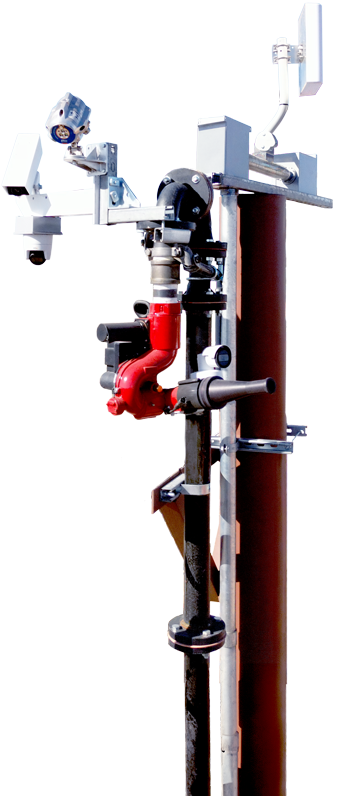
Continuous Suppression System
Eliminate threats before they spread. Our Continuous Suppression System provides nonstop, targeted suppression to keep fires from gaining ground and operations running safely.
Starting Earlier: The Idea Behind Supercharged!
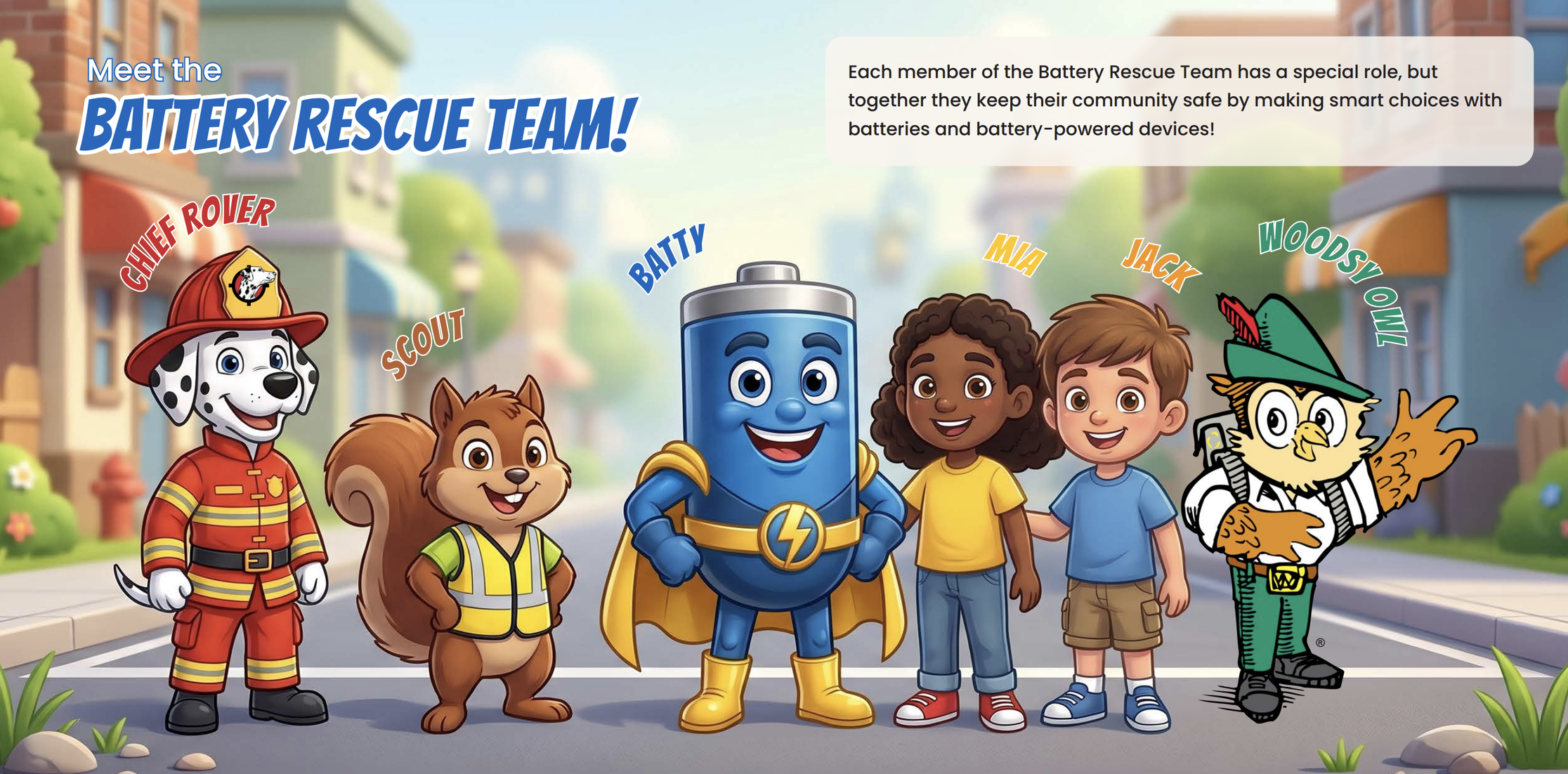
Reaching people before a battery ever reaches the bin is why I spent the past year working with Dalan Zartman, a 30-year firefighter and CEO of the Energy Security Agency, to create Supercharged!, a children’s book designed to teach the next generation a simple, potentially lifesaving lesson.
Every fire in this report begins with a battery that ended up where it did not belong, often because someone did not know the proper disposal option or understand the risk. This is why detection and suppression technology remain essential.
At Fire Rover, we are on pace to respond to an estimated 6,000 confirmed fire events and extinguish an estimated 700 fires this year. The best fire is the one that never starts. Detection and suppression remain critical once a battery reaches a facility, but prevention begins much earlier, with the decisions people make in their homes, garages and communities. And if we want those decisions to change for the long term, education has to start early. If we want the next generation to view improper battery disposal as an unacceptable and avoidable risk, that change in behavior has to start early.
That is the premise of Supercharged! Zartman and I wanted to write a book that explains what is inside everyday devices, why a damaged battery is different from a dead one and how to dispose of a battery properly. It is not intended to be a lecture but rather a story children can easily understand. The lesson complements NWRA’s “Skip the Bin! Turn Your Batteries In!” campaign, adapted for a classroom instead of a curbside. If it works, it may prevent one battery from entering one truck and causing one less fire at one less facility, a small intervention with the potential for a long-term impact. Given this month’s data, I cannot imagine a more useful goal.
Launching at SWANA RCon in St. Louis
We will officially launch Supercharged! Batty and the Battery Rescue Team on September 29 at the Solid Waste Association of North America’s (SWANA) RCon conference in St. Louis, followed by a full day of lithium-ion battery education and incipient fire training for all conference attendees on September 30. Our goal is to put the book in the hands of third through fifth-grade students in communities across the country and, ultimately, around the world.
We’re looking for others who believe education can change this trajectory. Whether that means joining our founding sponsors, donating books to students and schools, or helping bring Supercharged! into your community, please reach out, we’d love to have you on the Battery Rescue Team.
If you are looking for where to responsibly dispose of your own batteries in the meantime, check batterysafetynow.org or the SWANA/Fire Rover fire safety page, where you can also anonymously report any incident involving these powerful and potentially dangerous power sources.
What the Extended Summertime Spike Means for Facilities
Together, the trends point to a clear conclusion: More ignition sources are entering facilities in the form of discarded batteries and vapes, and the window during which those ignition sources are most likely to become fires, the summertime spike, is no longer confined to a few midsummer weeks.
That combination calls for year-round vigilance rather than seasonal readiness tied to a short summertime spike, including continuous, verified monitoring at the tipping floor and pit; suppression systems designed for the fast-developing signature of a lithium-ion fire, rather than a slow-smoldering one; and honest conversations with staff about what to do in the first 60 seconds after a hotspot is spotted. That window can mean the difference between a contained incident and a catastrophic loss.
I will continue tracking these trends through the fall. If the extended summertime spike holds true to form, September and October will reveal whether 2026 finishes as a record year for incidents and whether the early signs of a decline in fire counts turn into a real, sustained trend or prove to be only a pause. Either way, I will be at RCon September 29-October 2 in St. Louis with Supercharged!, doing my part to prevent more fires before they get the chance to start.
Data and analysis in this report are drawn from my own ongoing tracking of publicly reported waste and recycling facility fires across North America. U.K. vape volume data was reported by letsrecycle.com on August 14, 2026. Thank you to WM, NWRA, Genevieve O’Sullivan, Sarah Macedo, Woodsy Owl, Rumpke Waste & Recycling and other organizations working to keep batteries out of the waste and recycling stream. Read WM’s full article, “Battery Fires Rise in Summer: Here’s How to Prevent Them,” published August 31, 2026.
Stay Protected Through the Extended Summertime Spike
With the summertime spike now stretching toward October and more batteries and vapes arriving with every load, protection at the tipping floor and pit has to hold well into fall.
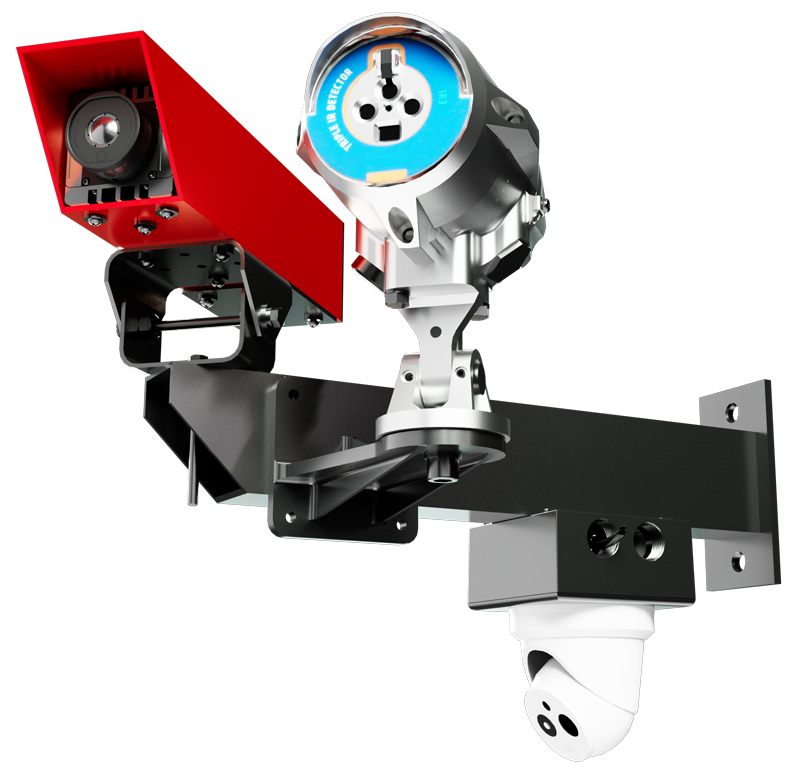
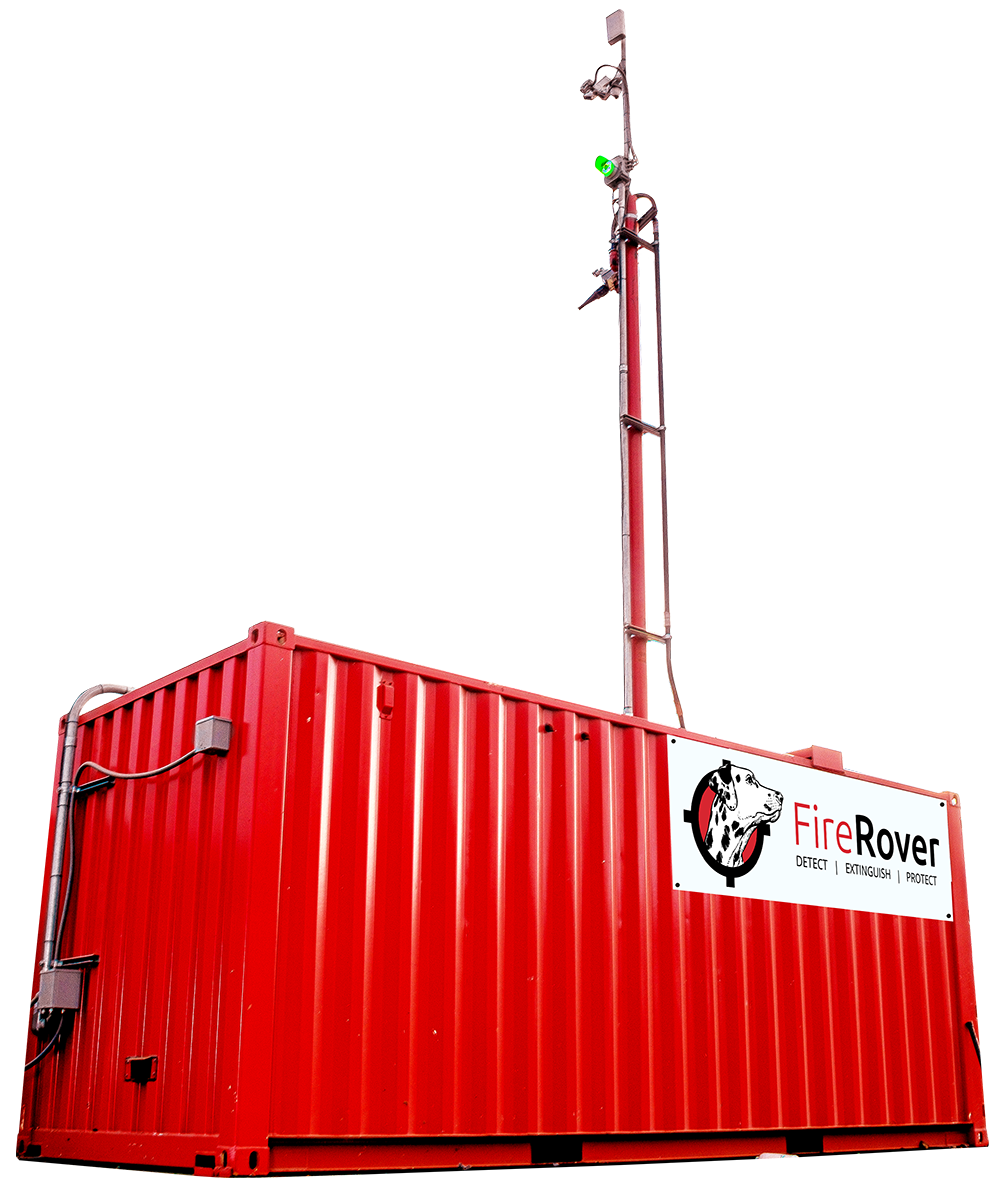
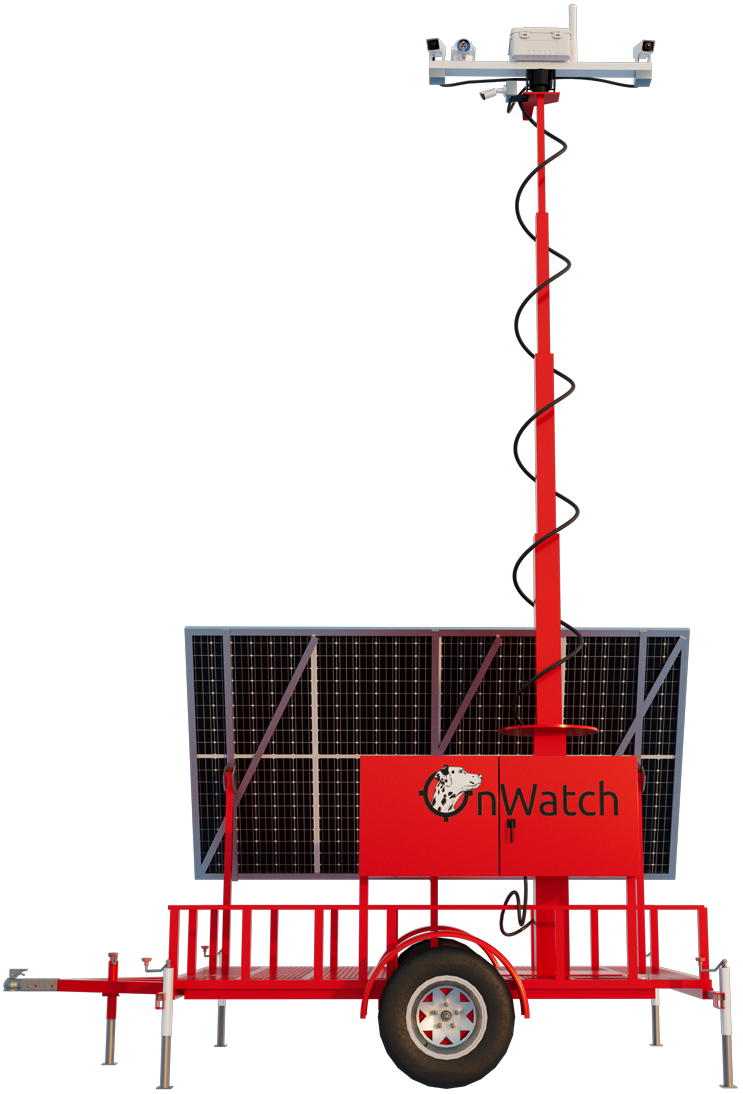
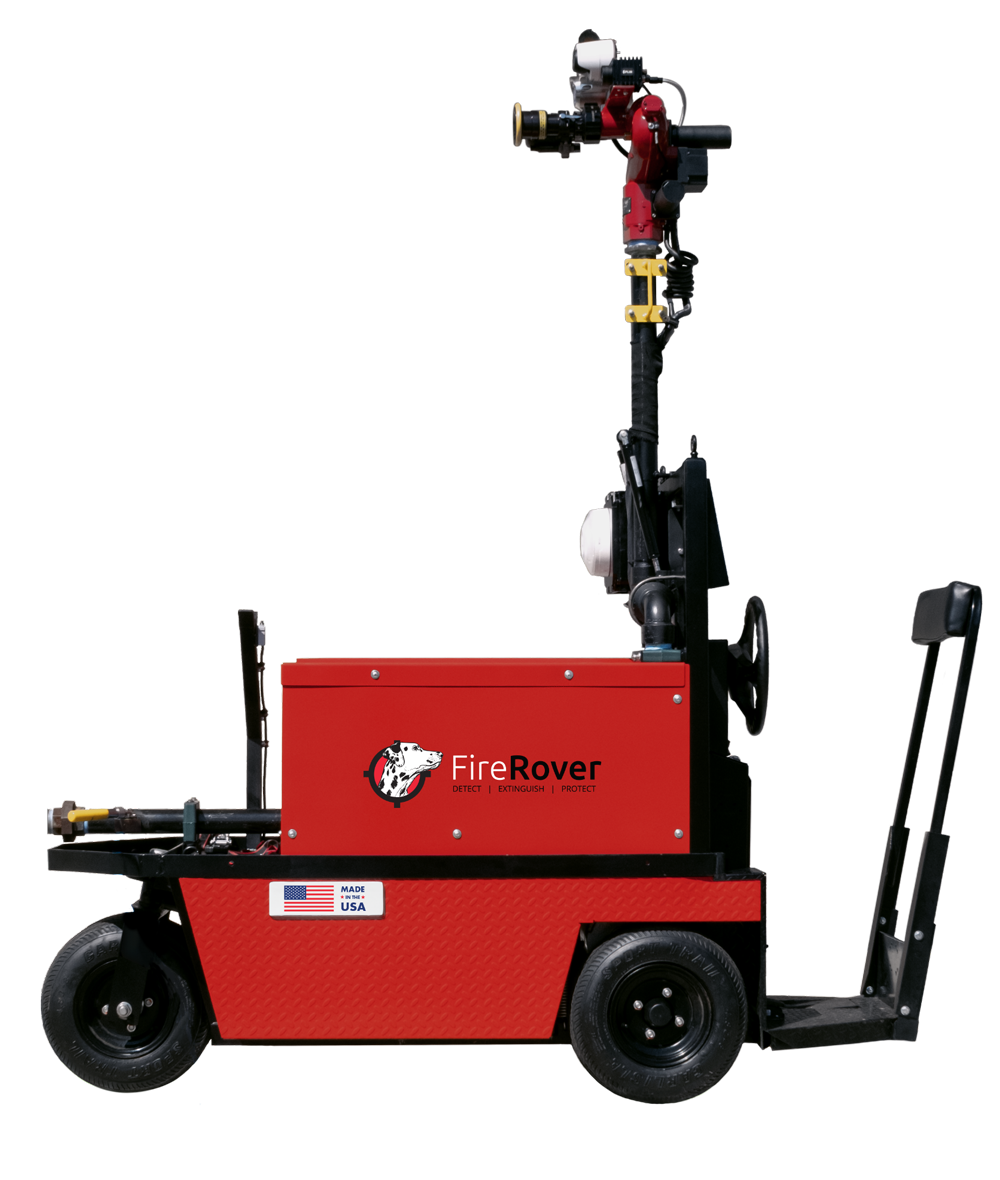
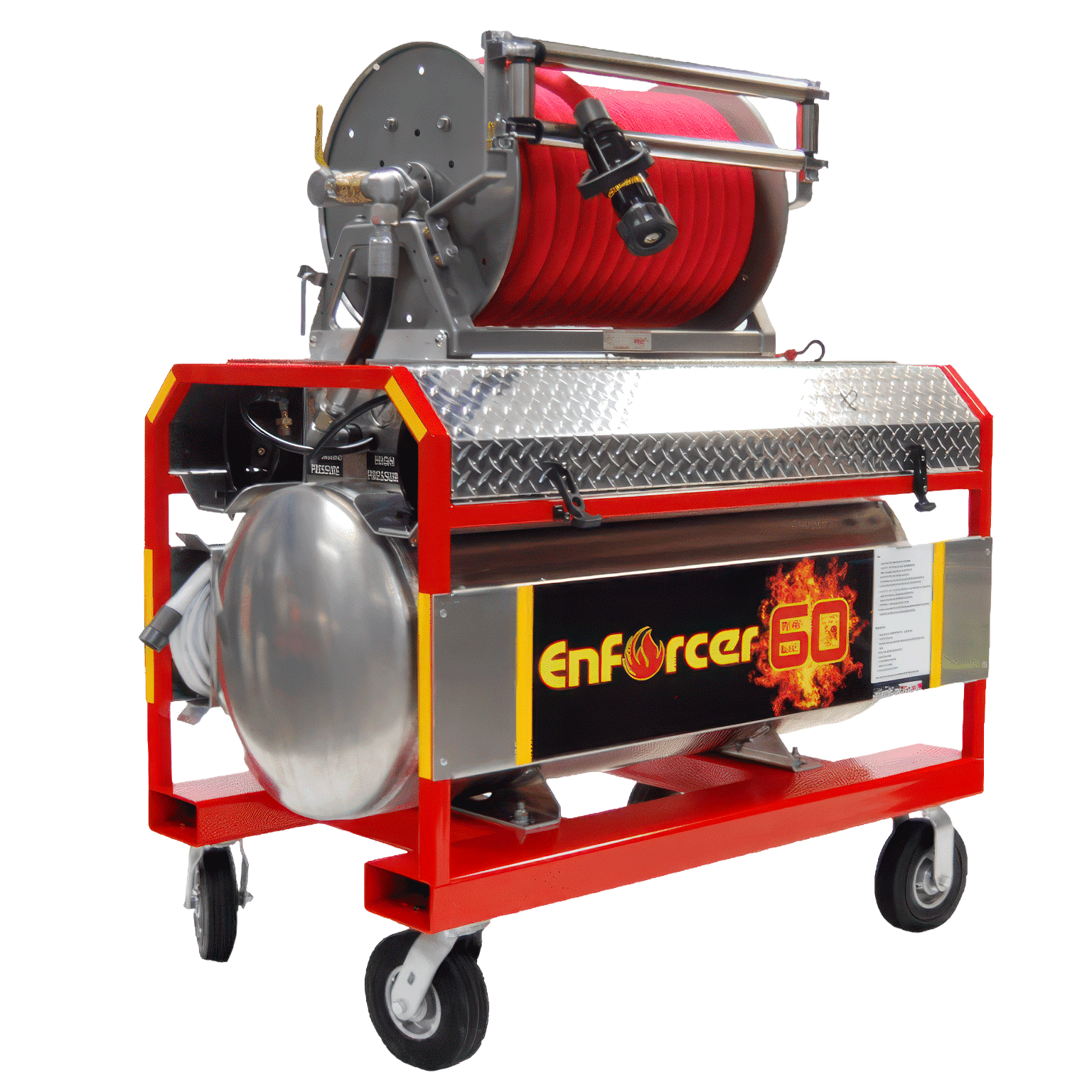
Fire Rover’s Continuous Suppression System pairs 24/7 thermal, flame and smoke detection with live human verification and high-volume water suppression, adding a layer of protection at the tipping floor that does not clock out after Labor Day. Contact our team to see how continuous, verified protection fits your facility through an extended summertime spike.
Related Articles
Leading Fire Protection Solutions for Private Aircraft Hangars
The Anatomy of an Electronics Recycling Fire