




Originally published August 2026
As featured in Waste360 earning top story of the week honors!
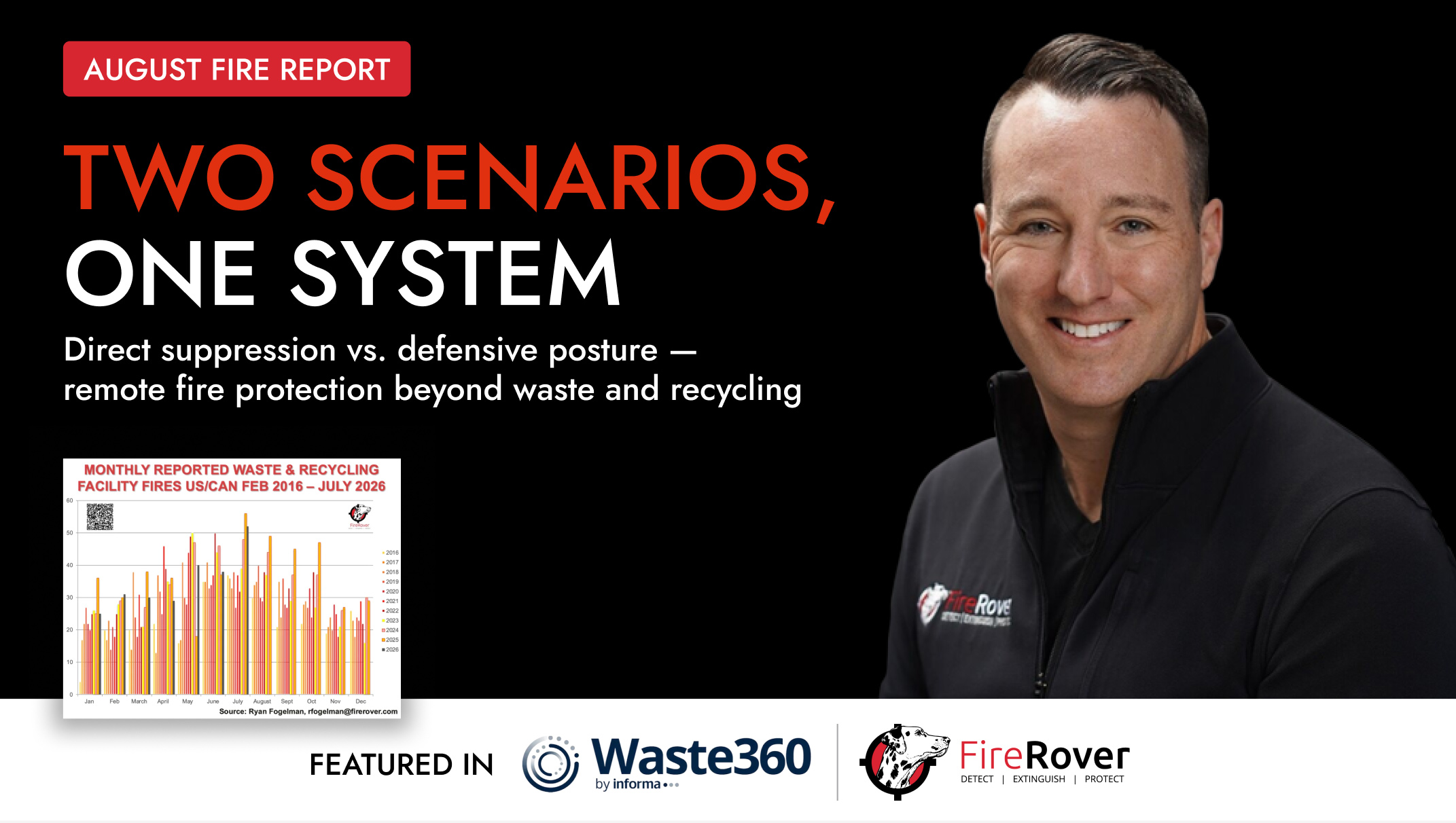
Every month, Fire Rover’s waste and recycling fire report tracks industry incident data to show operators where risk is rising. The August 2026 edition covers July’s numbers and lays out two scenarios where remote detection and suppression makes sense, inside waste and recycling and well beyond it.
Inside the July 2026 Waste and Recycling Fire Data
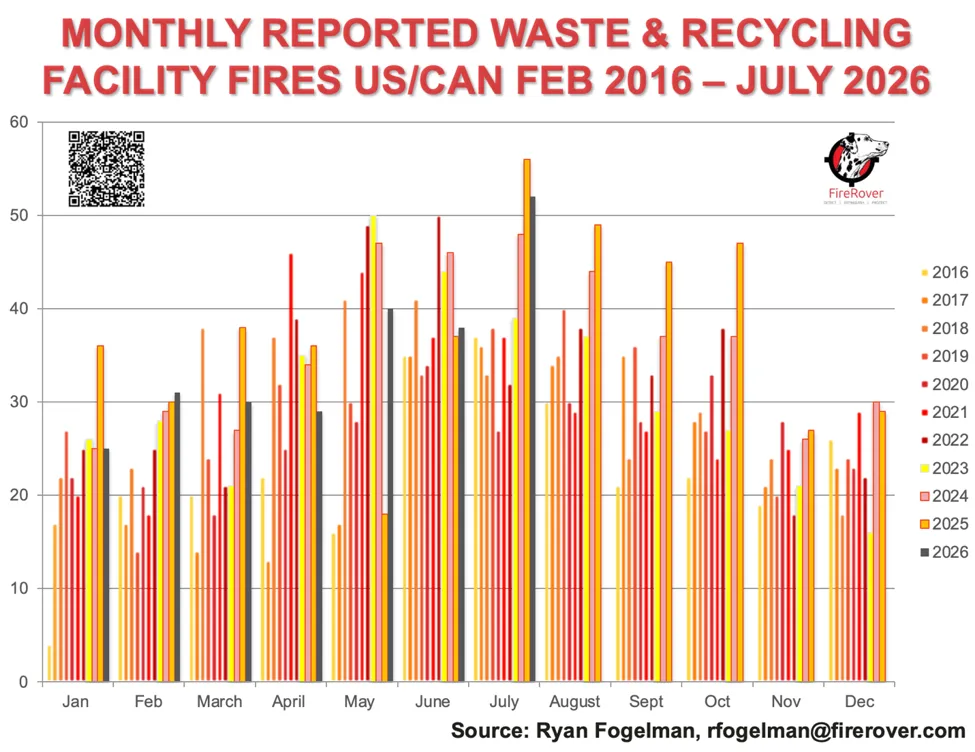
July produced the highest single-month total of 2026 so far. We recorded 52 publicly reported incidents, well above the 2016-25 July average of 38.3 and up sharply from 37 in June. Of those 52 events:
- 24 occurred at waste, paper and plastics facilities;
- 19 at metal recycling yards;
- 6 at construction and demolition (C&D) facilities;
- 1 at a rubber recycling facility;
- 1 at a chemical facility; and
- 1 at an electronics recycling facility.
Metals and Major Losses in July
Metals had an outsized month, accounting for 36.5% of July’s incidents, well above its typical 32% historical share. Waste, paper and plastics combined made up 46.2%, slightly below their usual 51% share. Fifteen of July’s 52 incidents, or nearly 29%, were flagged as major or catastrophic in public reporting, defined as more than $400,000 in damages. That is a reminder that summer heat continues to produce not just more fires, but more severe ones.
As always, these are only the publicly reported incidents. Actual incident totals across the industry are estimated to be approximately six times higher than what appears in news reports and public databases.
The Year So Far by the Numbers
Through July, the industry has logged 244 publicly reported incidents in 2026, the second-highest first-seven-month total in the 10 years I have been tracking this data. That trails only 2024’s 256 and is well above the 2016-25 January-July average of 213.4. Two deaths and 39 injuries have been reported across those incidents through July, underscoring what is at stake behind these numbers.
Here is how the year-to-date total breaks down by material category, measured against the 10-year historical baseline:
- Waste, paper and plastics: 48.8% of 2026 incidents, compared with a 50.8% historical share, essentially in line, if slightly below normal.
- Metals: 34.8% of 2026 incidents, compared with a 31.5% historical share, the category to watch, continuing the same upward drift I flagged in June and July.
- C&D: 4.9% of 2026 incidents, compared with a 2.6% historical share, running nearly double its typical rate.
- Chemicals and hazardous materials: 3.3% of 2026 incidents, compared with a 3.5% historical share, holding roughly steady rather than accelerating, a small piece of good news in an otherwise elevated year.
Why Are Metals the Category to Watch in 2026?
Metals remain the clearest structural trend of 2026. Scrap and metal recycling operations are running nearly 3.5 percentage points above their 10-year historical share of total incidents, and July’s outsized metals showing, 36.5% of the month’s total, reinforces that this is not noise; it is a pattern that has held for several months.
Talk Fire Risk With Ryan
Ryan tracks fire incidents nationwide and helps facilities reduce risk with smarter detection and suppression strategies. Connect with him to get expert guidance tailored to your operation.
Beyond Waste and Recycling: Two Scenarios for Remote Detection and Suppression
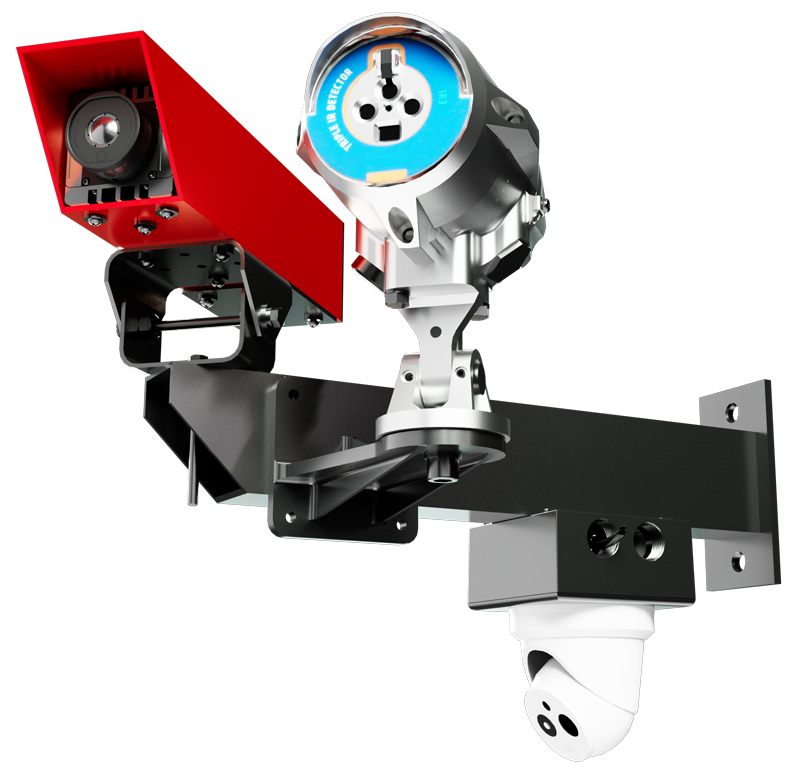
I recently sat down with Lewis Tyler of Fire and Safety Journal Americas (IFSJ) for a feature interview, and it pushed me to put language around something I have been saying informally for years: There are two scenarios where a remote, human-verified detection and suppression system like Fire Rover’s, FM Approved Automatic Detecting Remote Controlled Monitoring Solution, makes sense.
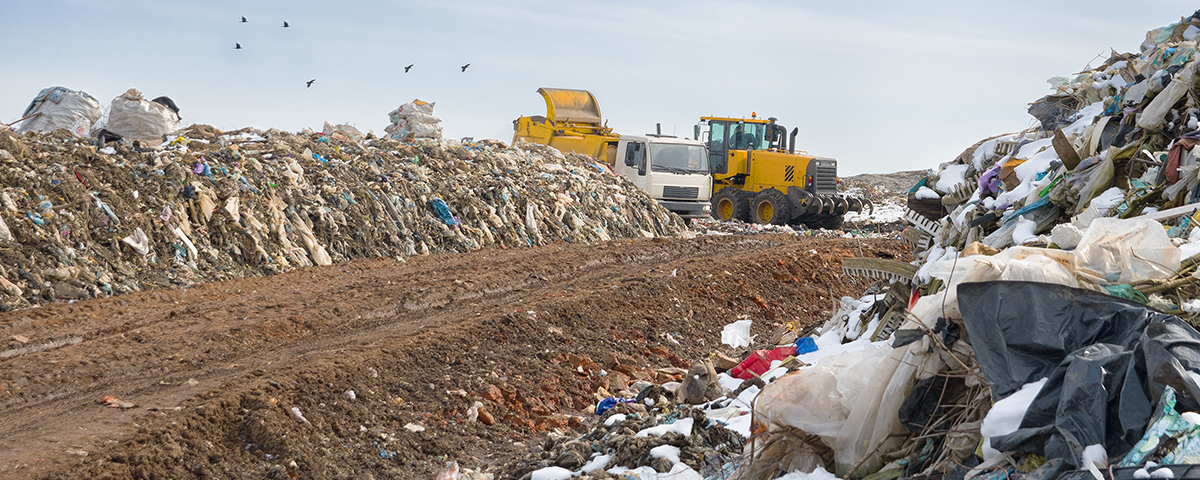
- ACTIVE OPERATIONS like waste and recycling sites: A system that can properly identify a fire or hotspot early and apply suppression before it grows into something a fire department has to fight. Additionally, the solution works on the front line with first responders and the well-trained employees to come out with the best outcome.
- High Hazard Event: The fire, chemical or explosion risk is severe enough that the safest position for first responders is to hold a defense position around the perimeter, protect exposures and let remote, and allow the front line suppression and flame/gas containment activities to remote agents.
Where Else Does Remote Detection and Suppression Apply?
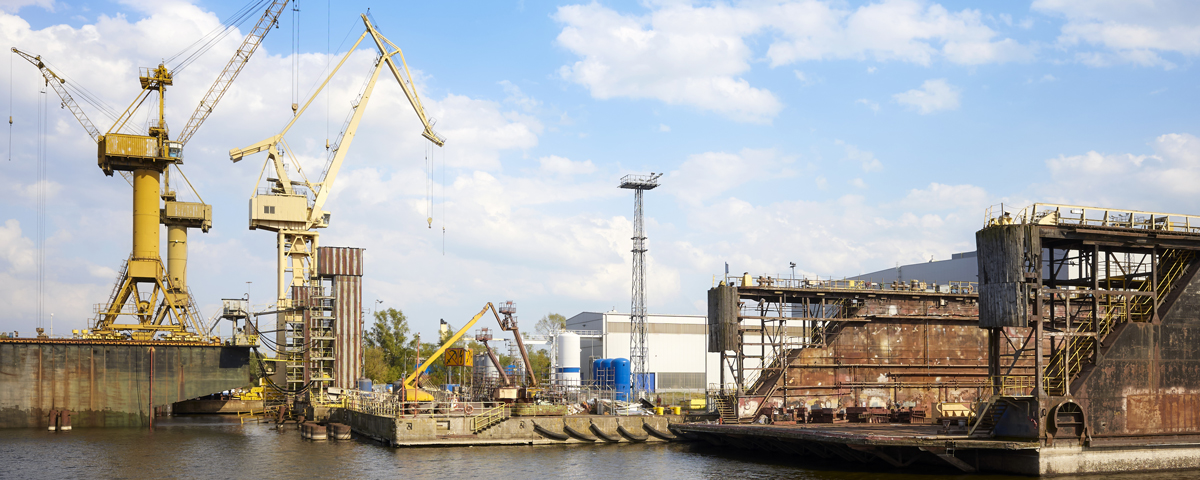
That framework is not unique to waste and recycling; the same logic applies to battery energy storage systems (BESS), aircraft hangars, tank farms, chemical facilities and automated warehouses. Each shares the same underlying problem: a fire event where sending a person in first is either unnecessary or unsafe, and where minutes matter more than almost anything else.
The question is not whether a human should be involved; it is where that human stands when the suppression decision gets made.
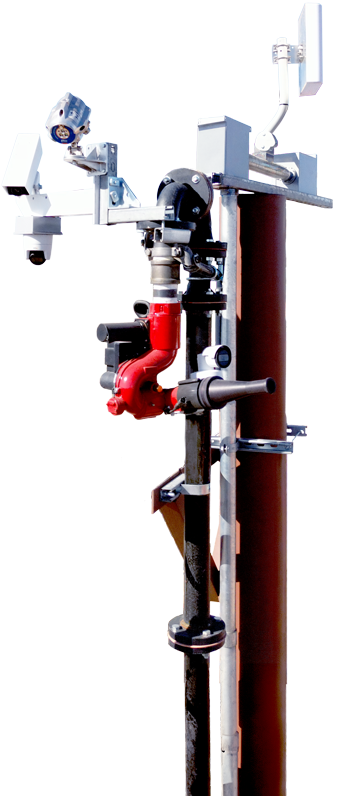
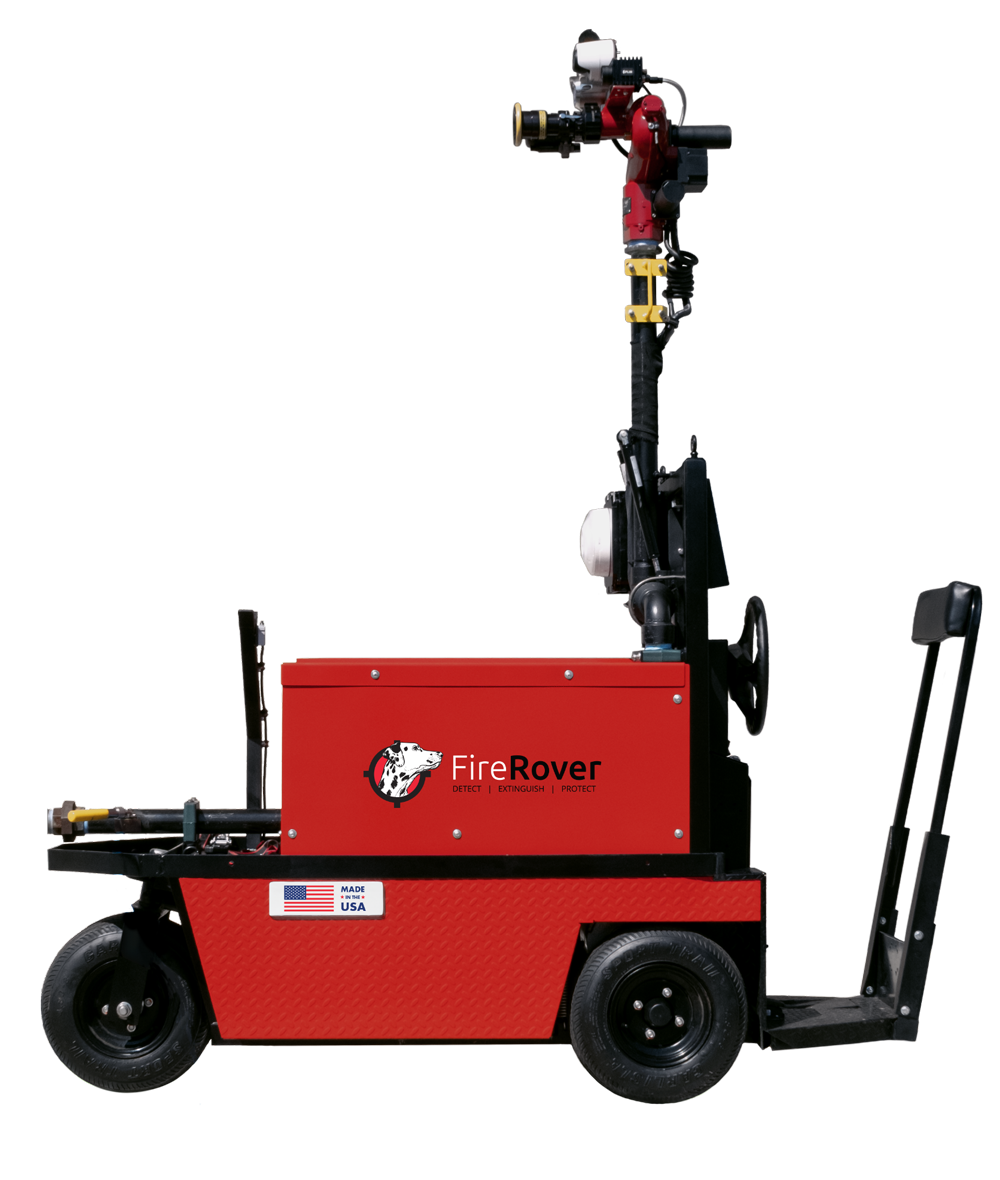
Continuous Suppression System
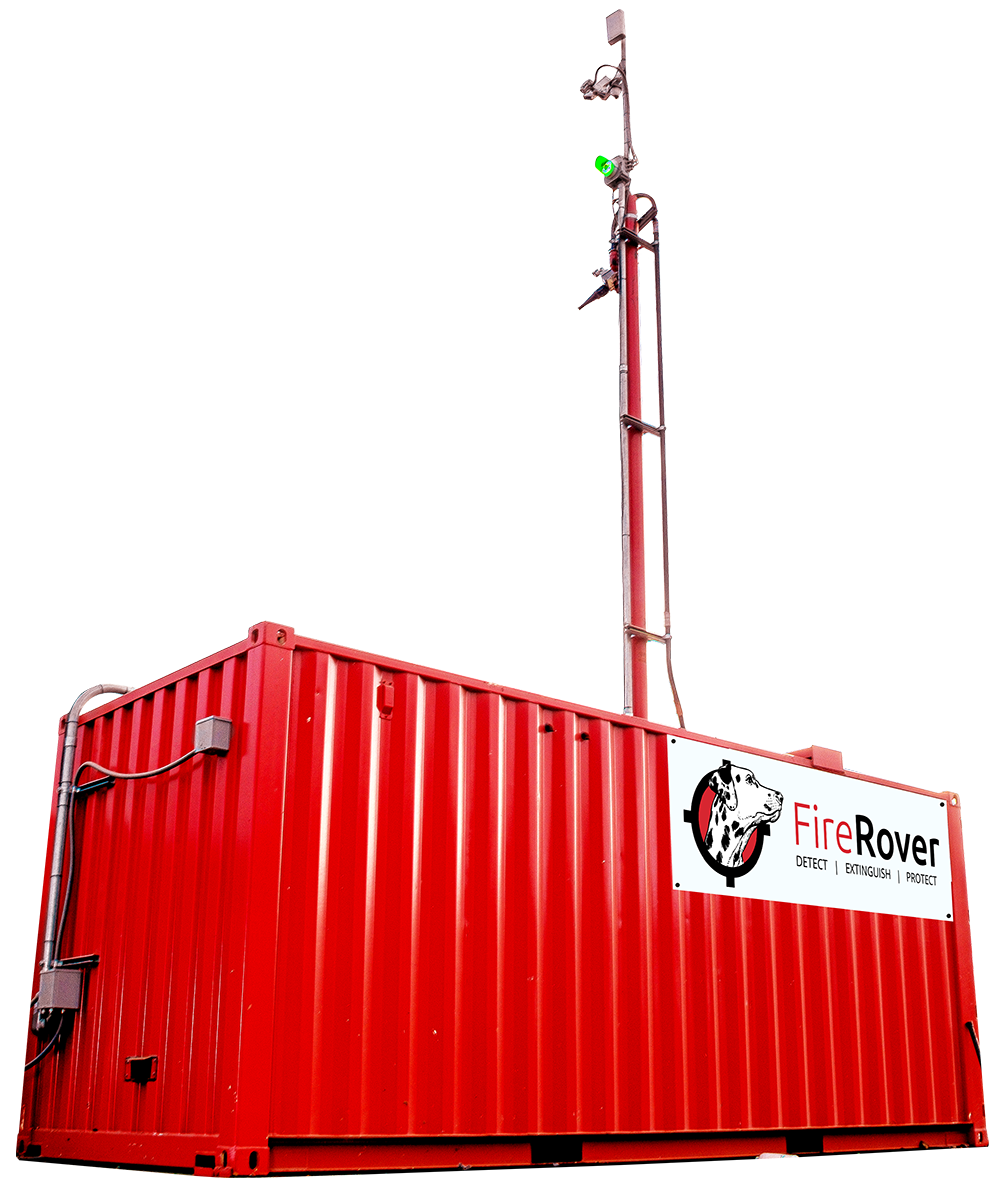
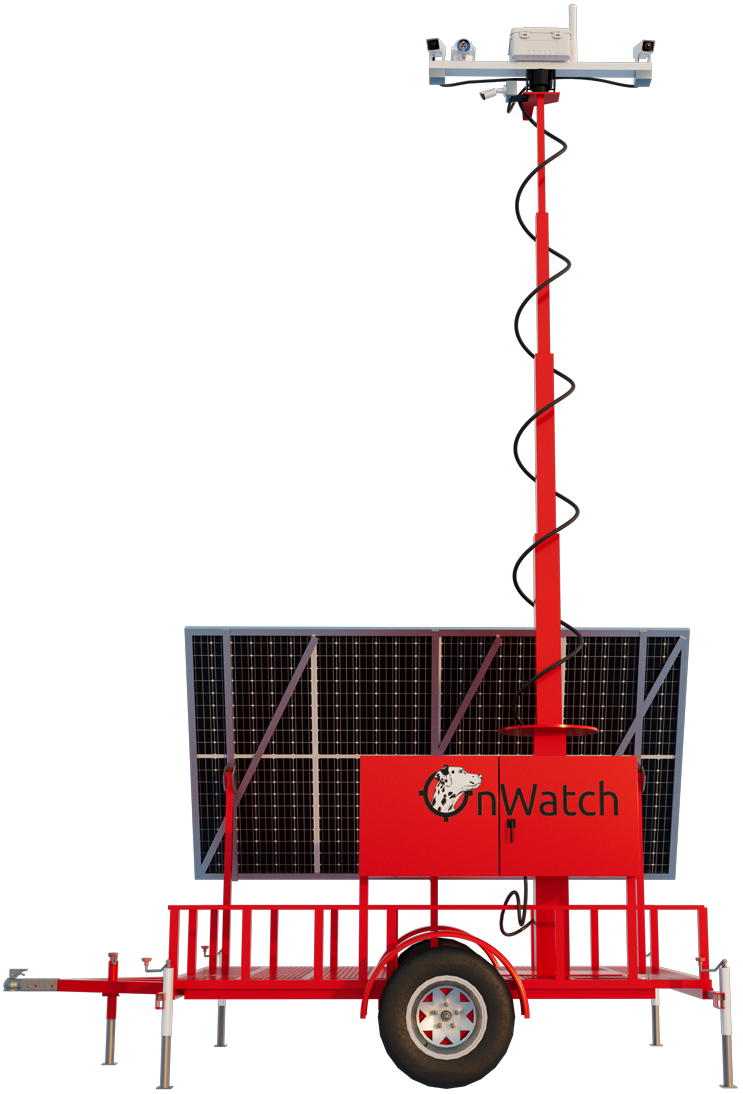
Eliminate threats before they spread. Our Continuous Suppression System provides nonstop, targeted suppression to keep fires from gaining ground and operations running safely.
Remote Detection and Suppression at the FRA Global Annual Symposium
I am building out this material for a presentation at the FRA Global Annual Symposium Sept. 21-24 in Cambridge, Maryland, focused on remote detection and suppression across high-hazard environments, including waste and recycling, BESS, aircraft hangars, tank farms, chemical facilities and automated warehouses. The through line across these occupancies is the same: early, verified detection paired with a suppression decision that does not require putting a person in the hazard zone first.
I will share more on both the IFSJ feature and the FRA presentation as they are published. The short version is that everything we have learned protecting waste and recycling operations since 2015 translates directly to occupancies most people would not think to compare with a tipping floor or a baling operation.
Strategic Takeaway
July’s data confirms the story 2026 has been telling all year: elevated fire activity, a metals category that keeps increasing steadily and a summer producing more catastrophic-flagged events than usual. None of that is new. What is new is how far the underlying detection-and-suppression logic extends beyond our industry’s traditional four walls. The operators, insurers and authorities having jurisdiction thinking hardest about this problem right now are not just asking how to catch a fire faster; they are asking where a person needs to stand when it happens. That is the conversation I will have at FRA, and it is the same conversation worth having about any high-hazard facility, waste and recycling or otherwise.
A Call to Action: Support “SUPERCHARGED! Batty and the Battery Rescue Team”
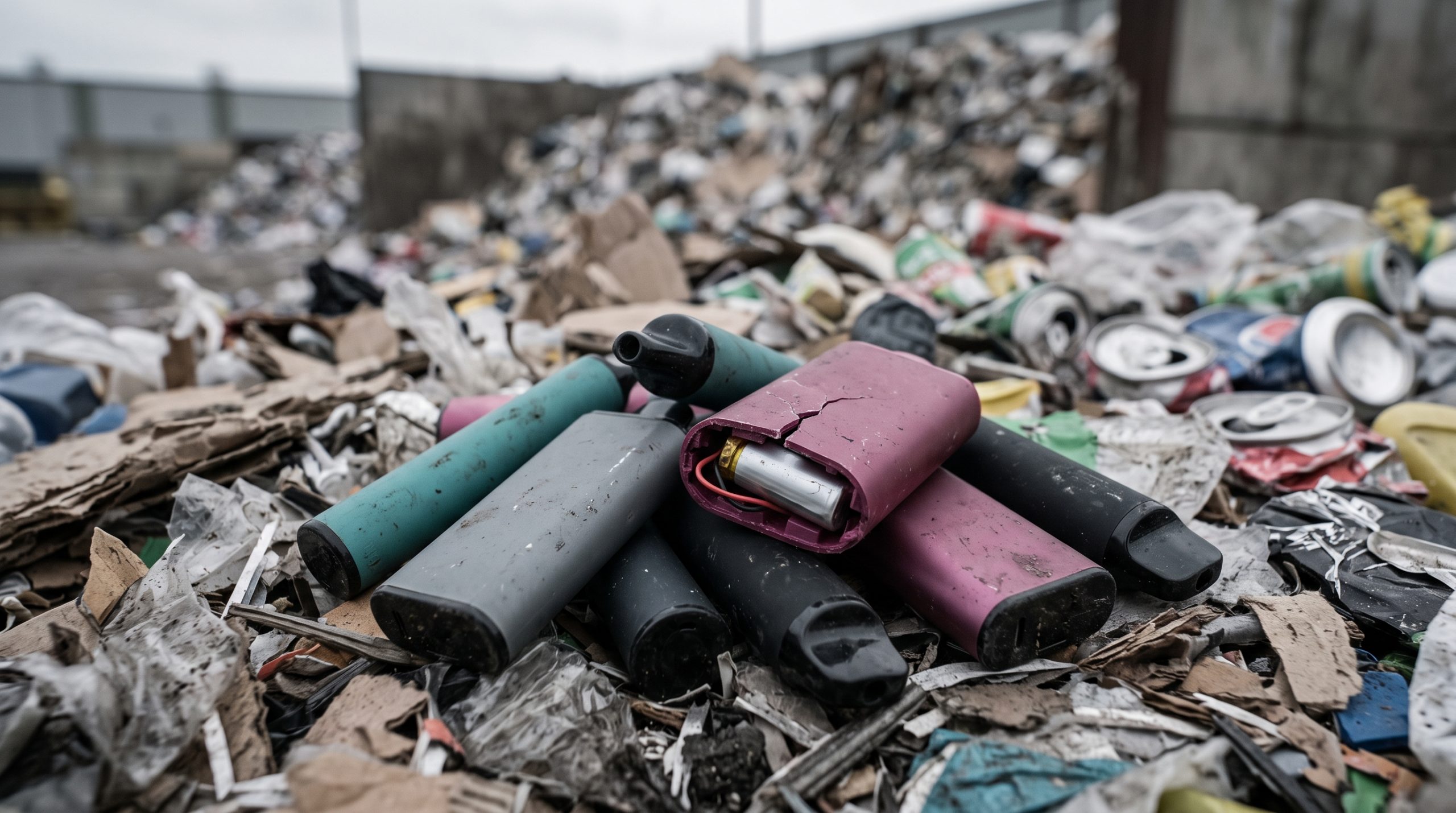
Everything in this report points back to the same root cause: Lithium-ion batteries are entering the waste and recycling stream in growing numbers, and most people, including children, simply do not know how to use, store, recycle or dispose of them safely. Better detection and suppression technology can catch the fires that result, but it cannot prevent the battery from ending up in the wrong bin in the first place. Only education can do that.
I am proud to partner with Dalan Zartman, a 30-year firefighter and CEO of the Energy Security Agency, on “SUPERCHARGED! Batty and the Battery Rescue Team,” a children’s book backed by the Solid Waste Association of North America (SWANA), Recycled Materials Association, National Waste & Recycling Association, Construction & Demolition Recycling Association, Environmental Research & Education Foundation and National Fire Protection Association. The book teaches children what batteries are, why they are powerful, how to use them safely, why damaged batteries are dangerous and how to recycle batteries responsibly. Educated children become informed families, and informed families are exactly what this industry needs upstream of every transfer station, materials recovery facility and scrapyard in North America.
What if one book could prevent thousands of fires?
SUPERCHARGED! is designed to become part of a nationwide educational initiative, with the goal of putting battery safety education into the hands of every child in America. We are looking for founding sponsors, including waste and recycling companies, municipalities, nonprofits, battery manufacturers, fire departments, public utilities, insurers, retailers and sustainability programs, to help place this book in classrooms, libraries, community programs and homes across the country. We have already received more than $100,000 in commitments, which equates to more than 10,000 books in the hands of our youths. However, there are more than 12 million children in the U.S. and Canada attending third through fifth grade, so there is still plenty of opportunity to help. If your organization wants to demonstrate a real commitment to public safety and help fund donations of these books to children, schools and families, I would love to talk. Please email me at rfogelman@firerover.com.
Decide Where Your Team Stands Before a Fire Starts
Whether the site is a tipping floor, a scrapyard or a high-hazard occupancy beyond waste, the case for remote detection and suppression comes down to the first minutes of a fire and how close your people have to get to it.
Fire Rover’s Continuous Suppression System pairs early, human-verified detection with suppression that trained operators activate from an offsite central station, adding a layer of protection that supports your site team and local first responders. Contact our team to see how remote detection and suppression fits your facility.
Related Articles
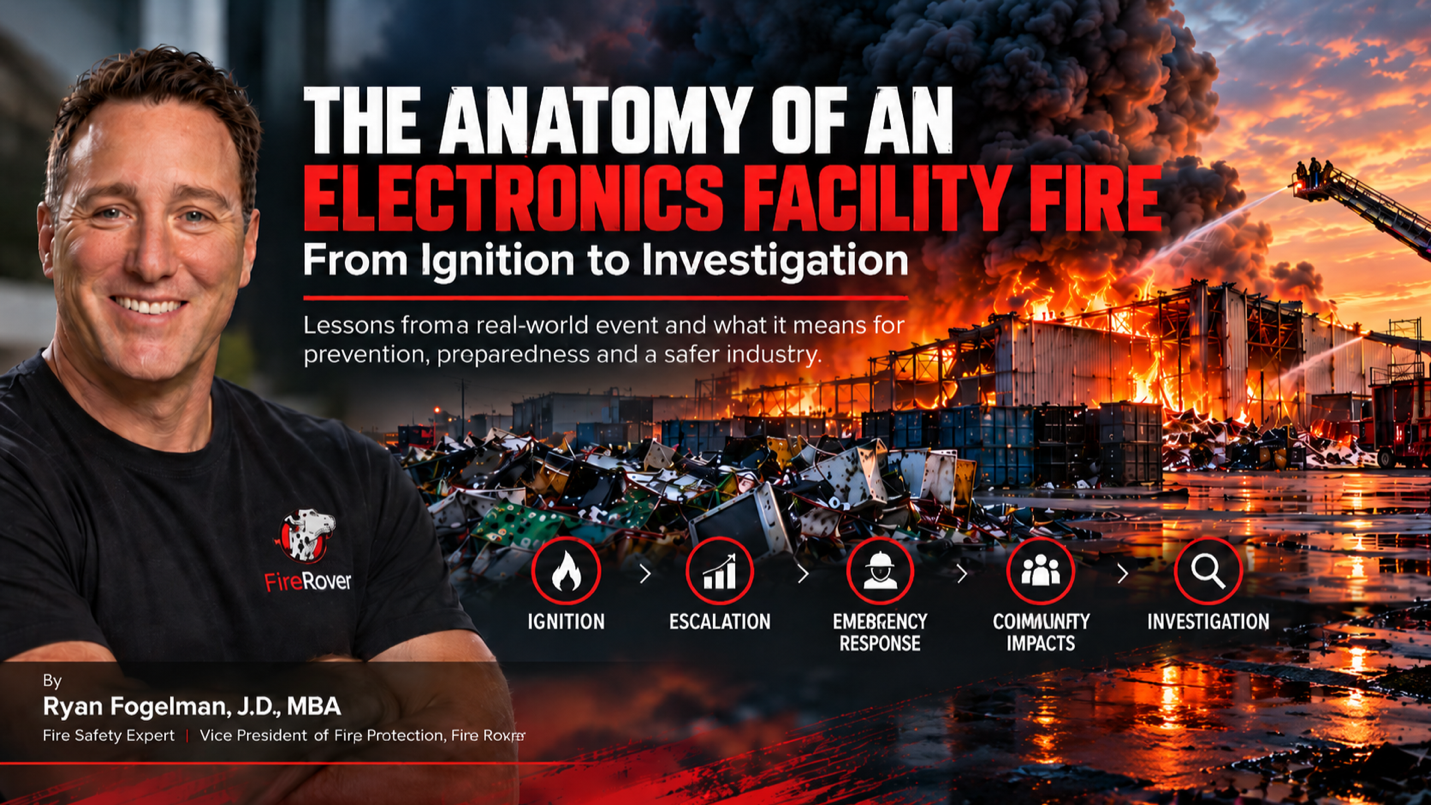
The Anatomy of an Electronics Recycling Fire
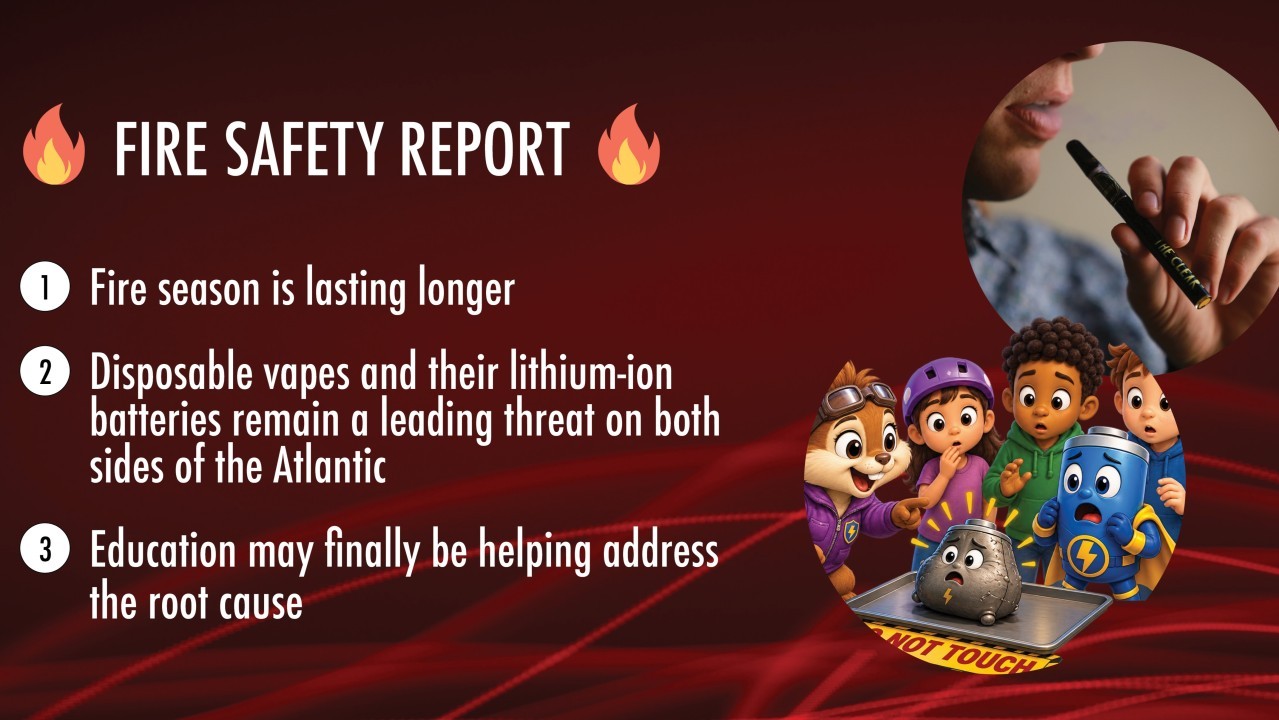
September 2026 Fire Report: The Extended Summertime Spike, the Vape Effect and a First Sign of Progress