Best Places To Work

Fire Rover Named Crain's Best Places to Work 2026

Talk To Us About Fire Safety
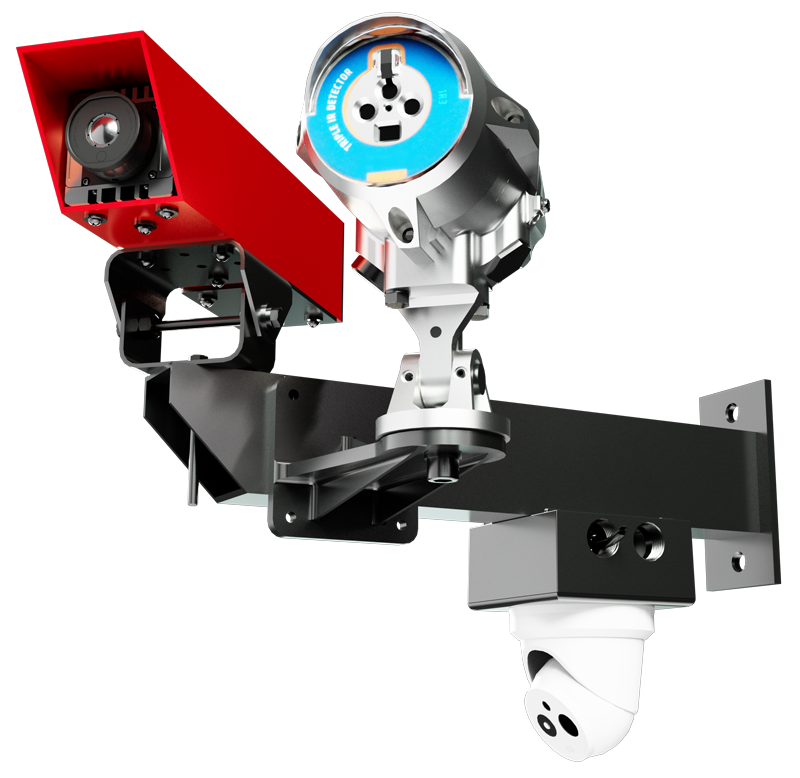
Early Detection System

Early Detection System

Fire Rover’s Early Detection System combines thermal, flame, and smoke analytics to identify fire risks before they spread, enabling rapid response and protecting high-risk environments around the clock.

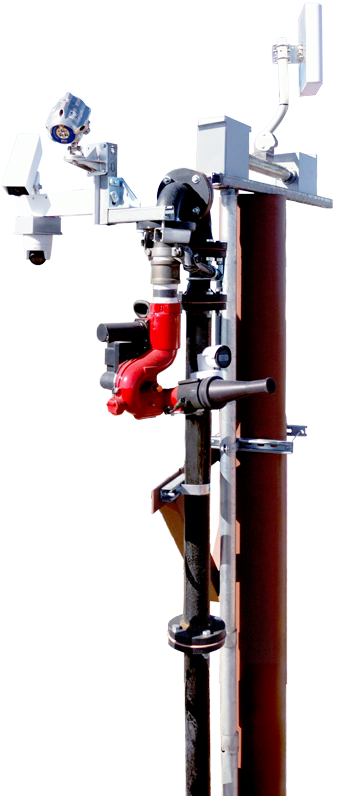
Continuous Suppression System

Continuous Suppression System

An automated, large-scale protection solution that detects, verifies, and suppresses fires in seconds — providing constant coverage for operations that can’t afford downtime.

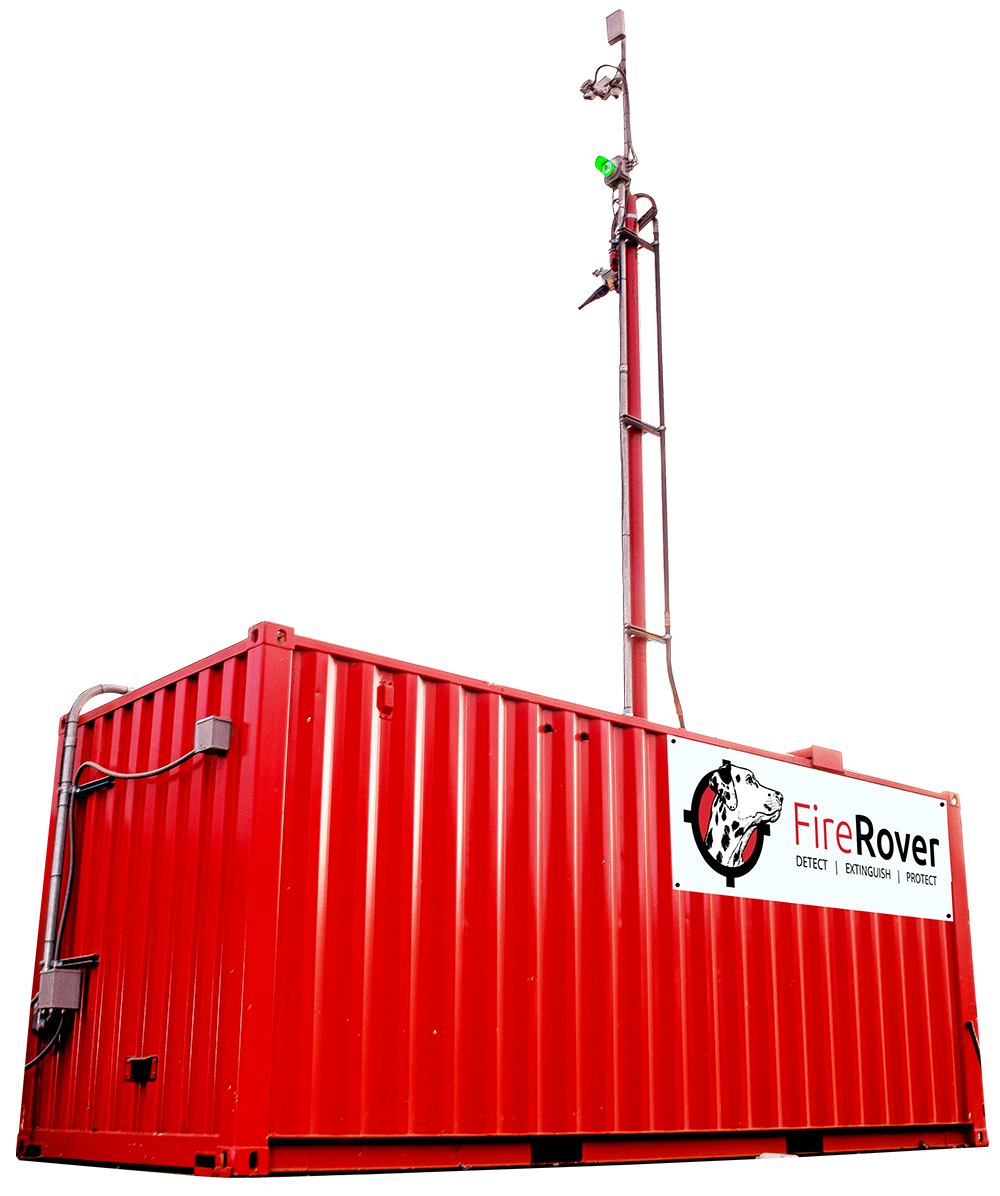
Self-Contained Suppression System

Self-Contained Suppression System

A compact, all-in-one system designed for standalone fire protection, ideal for targeted coverage in smaller or remote areas without existing infrastructure.

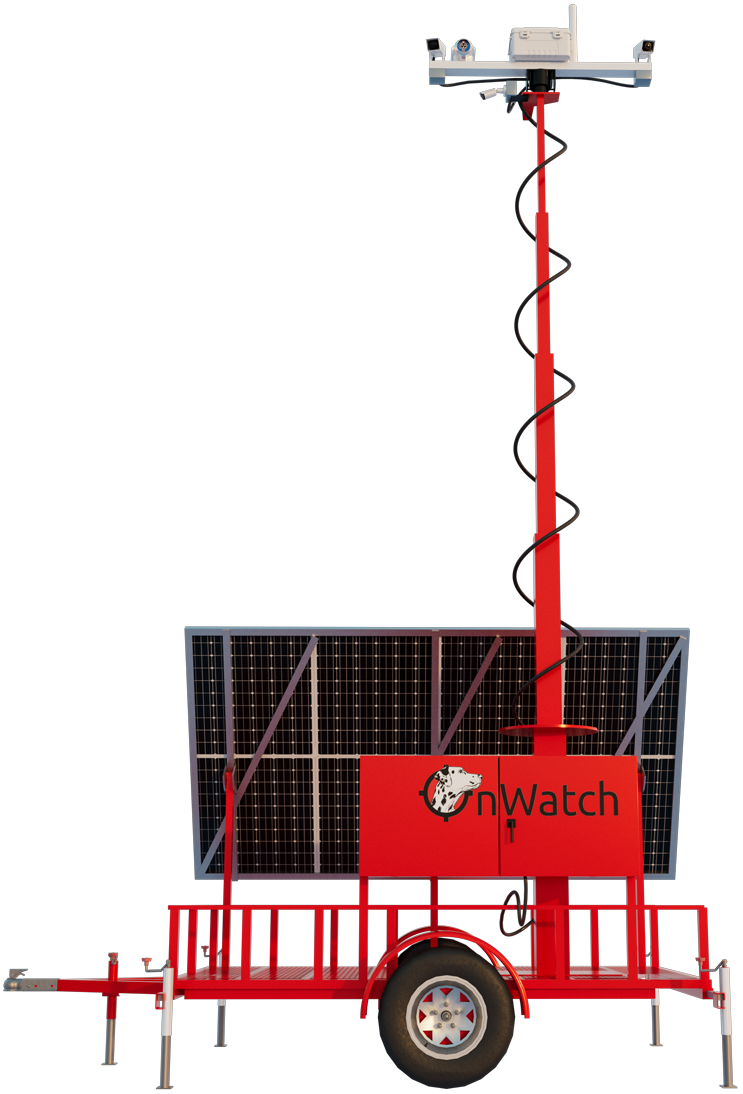
OnWatch Mobile Detection System

OnWatch Mobile Detection System

A flexible, camera-based monitoring system that brings real-time thermal detection and human verification anywhere it’s needed — ideal for temporary sites or expanding operations.

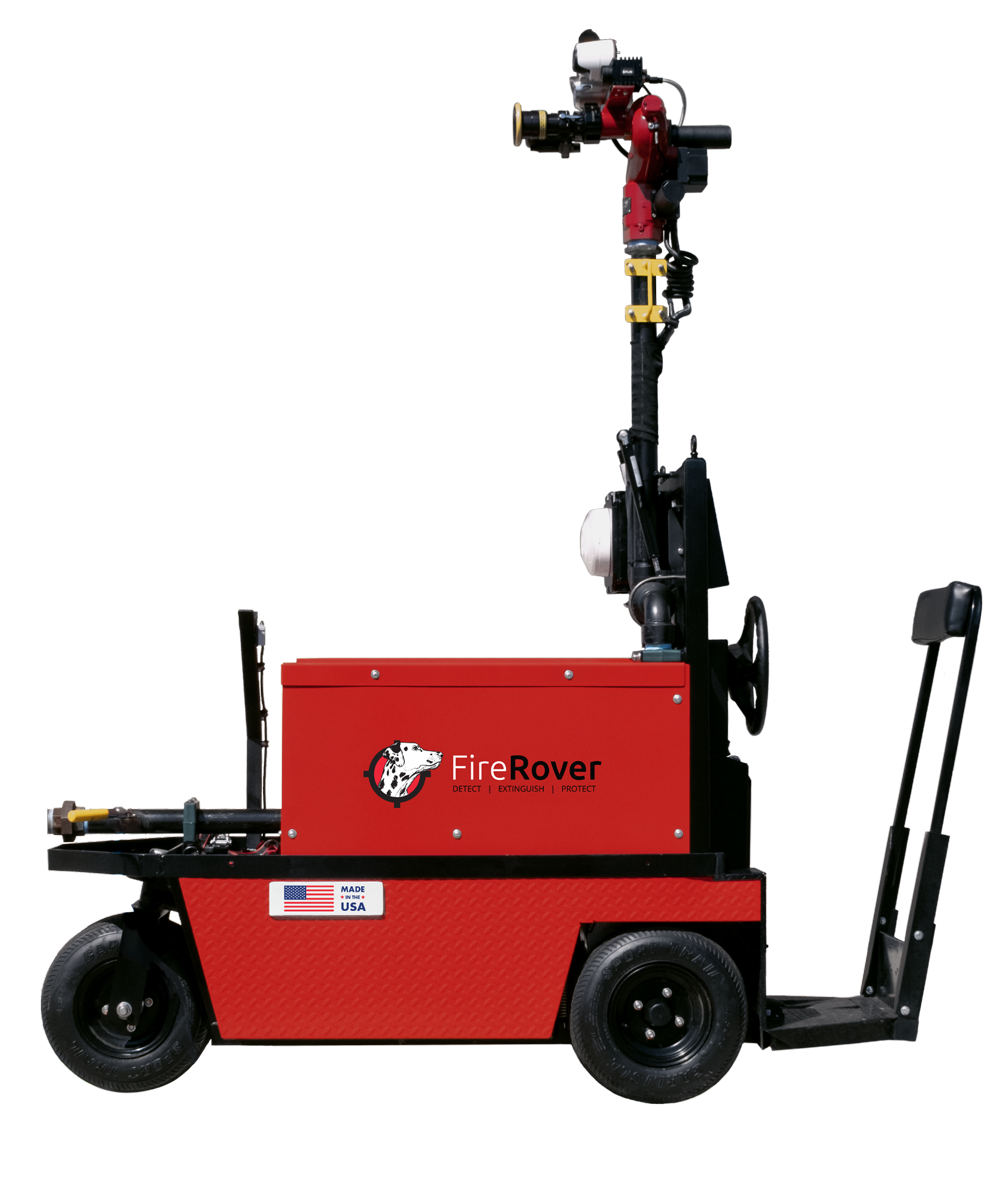
Mobile Suppression Unit System

Mobile Suppression Unit System

Fire Rover’s fully mobile suppression system combines advanced detection, onboard agent storage, and remote operation to deliver rapid response and protection wherever the risk is.

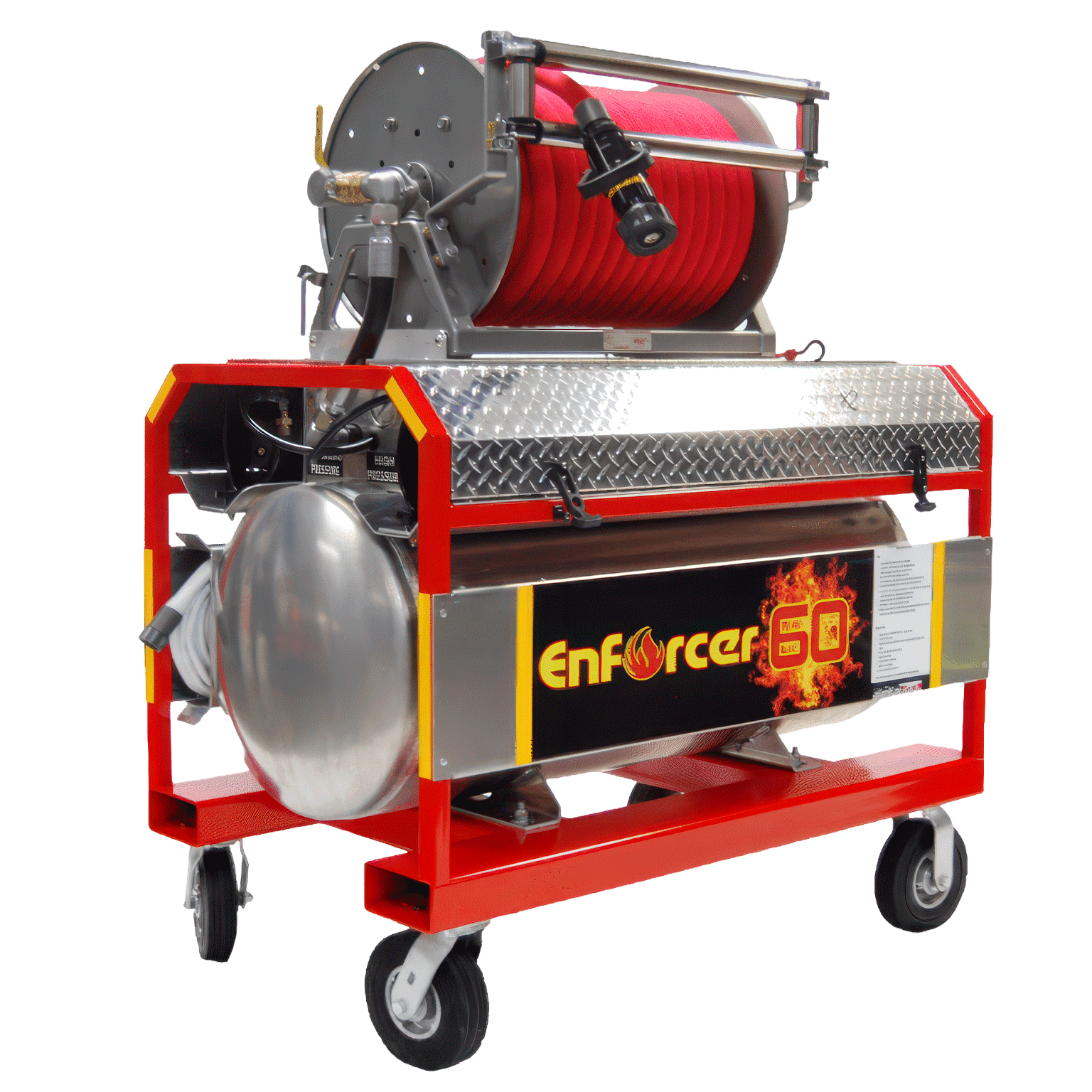
Enforcer Suppression Unit

Enforcer Suppression Unit

Enforcer provides scalable, mobile suppression for industrial environments where speed and flexibility matter most.

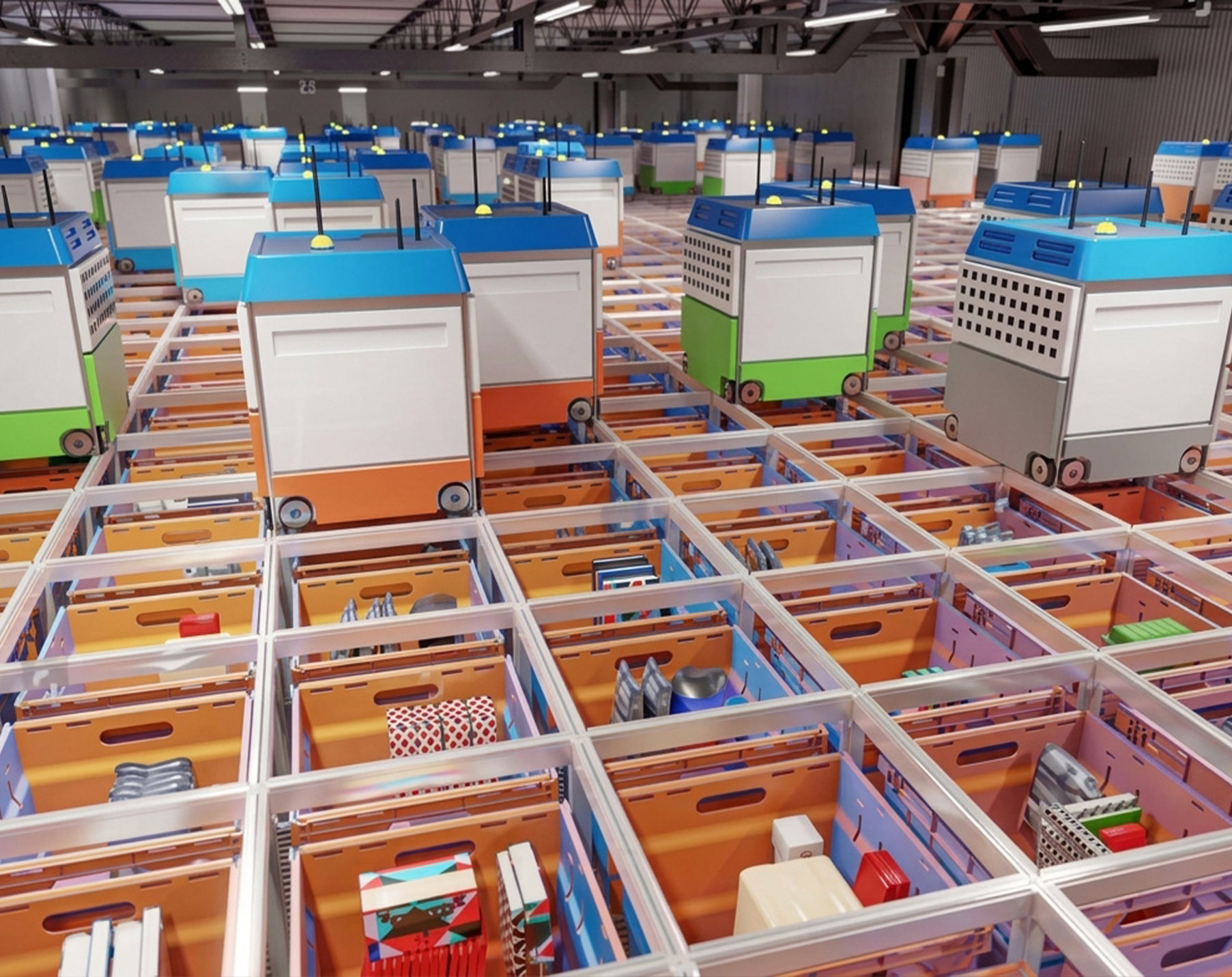
Automated Storage & Retrieval Systems

Automated Storage & Retrieval Systems

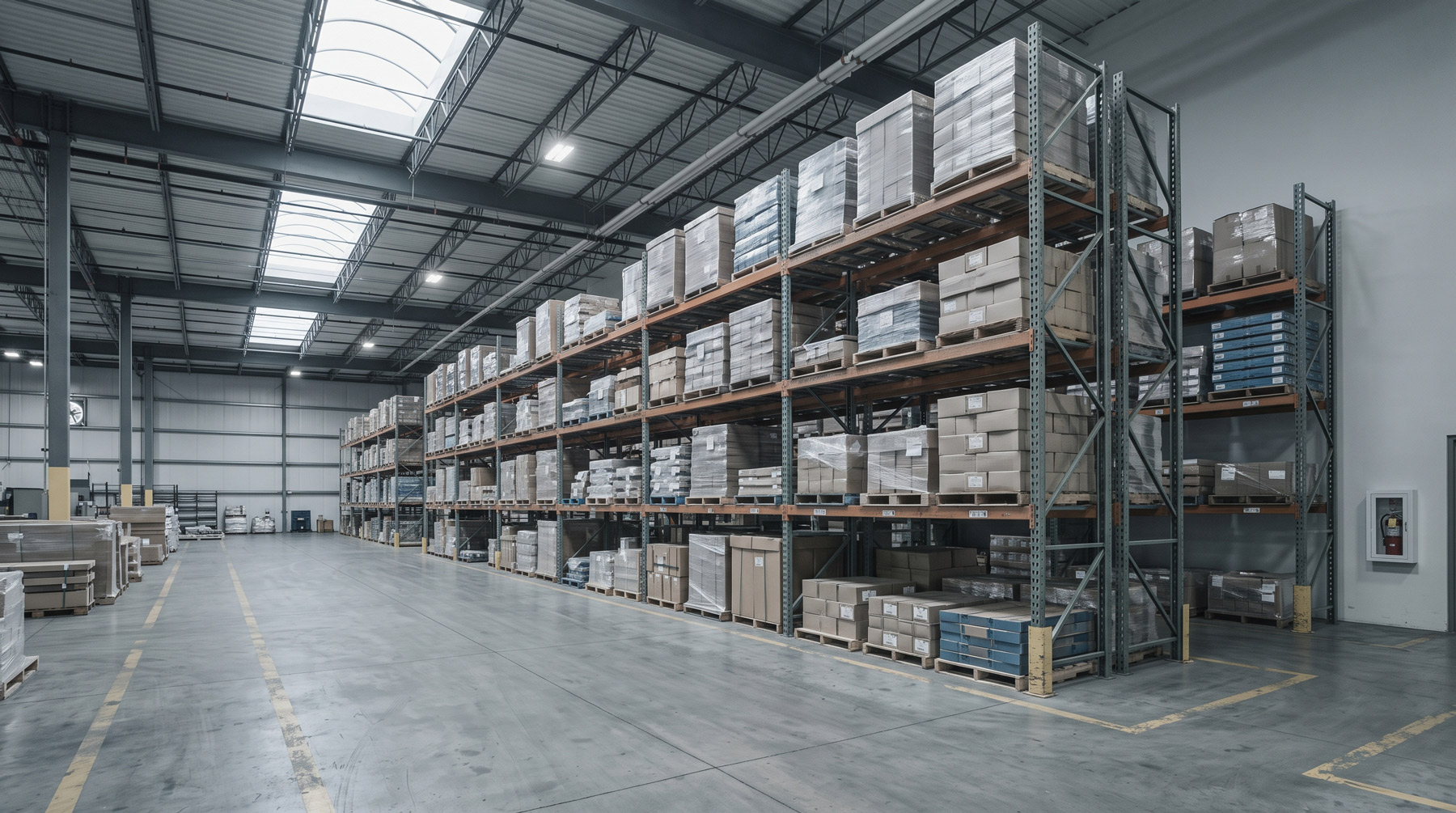
In dense ASRS racks, fires can smolder inside stacked totes long before heat or smoke reaches ceiling-level detection. Fire Rover adds continuous human-verified detection, ensuring no false discharge, and targeted high-pressure suppression aimed into the flue spaces and voids where these fires start.

Waste and Recycling

Waste and Recycling

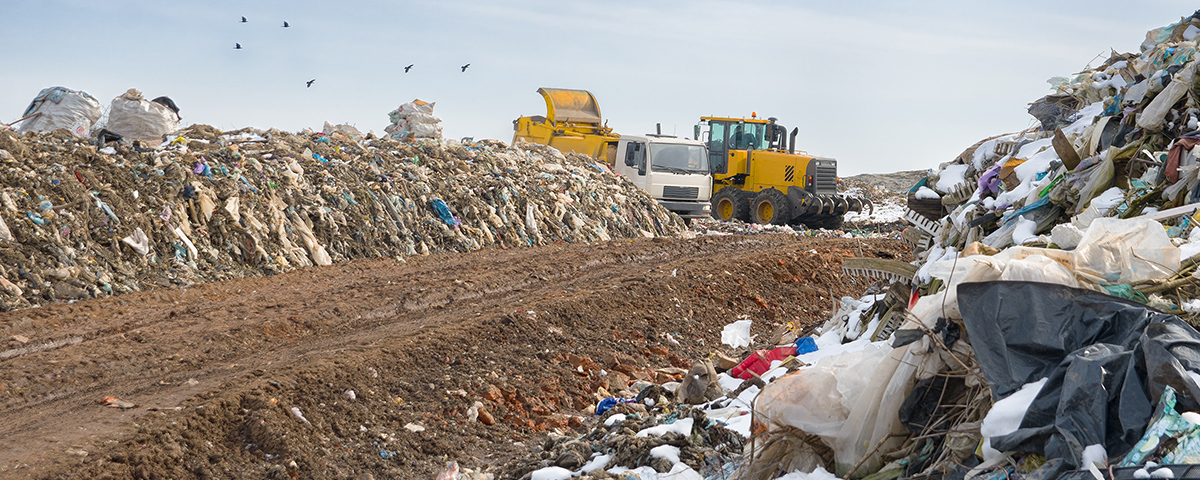
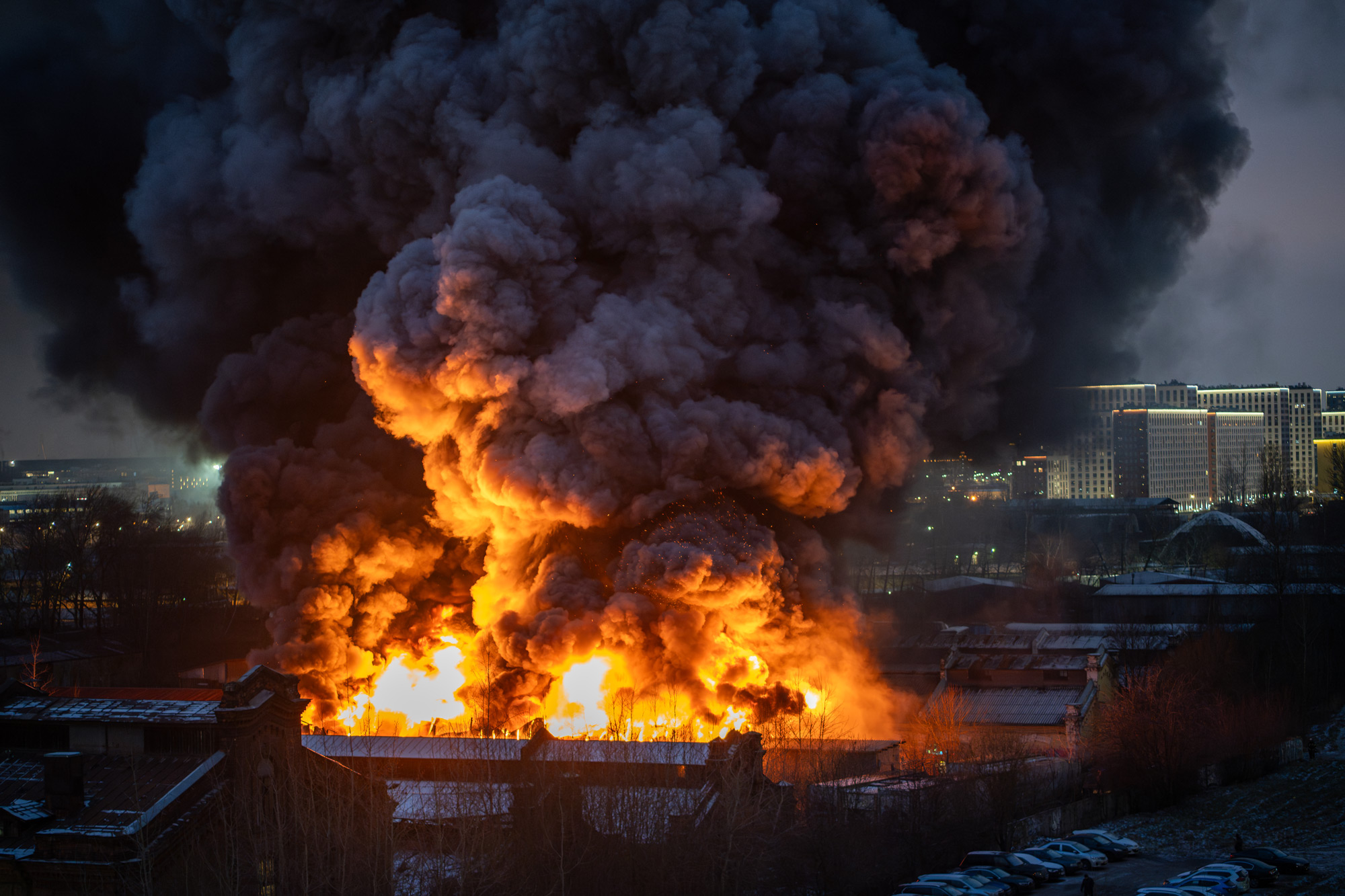
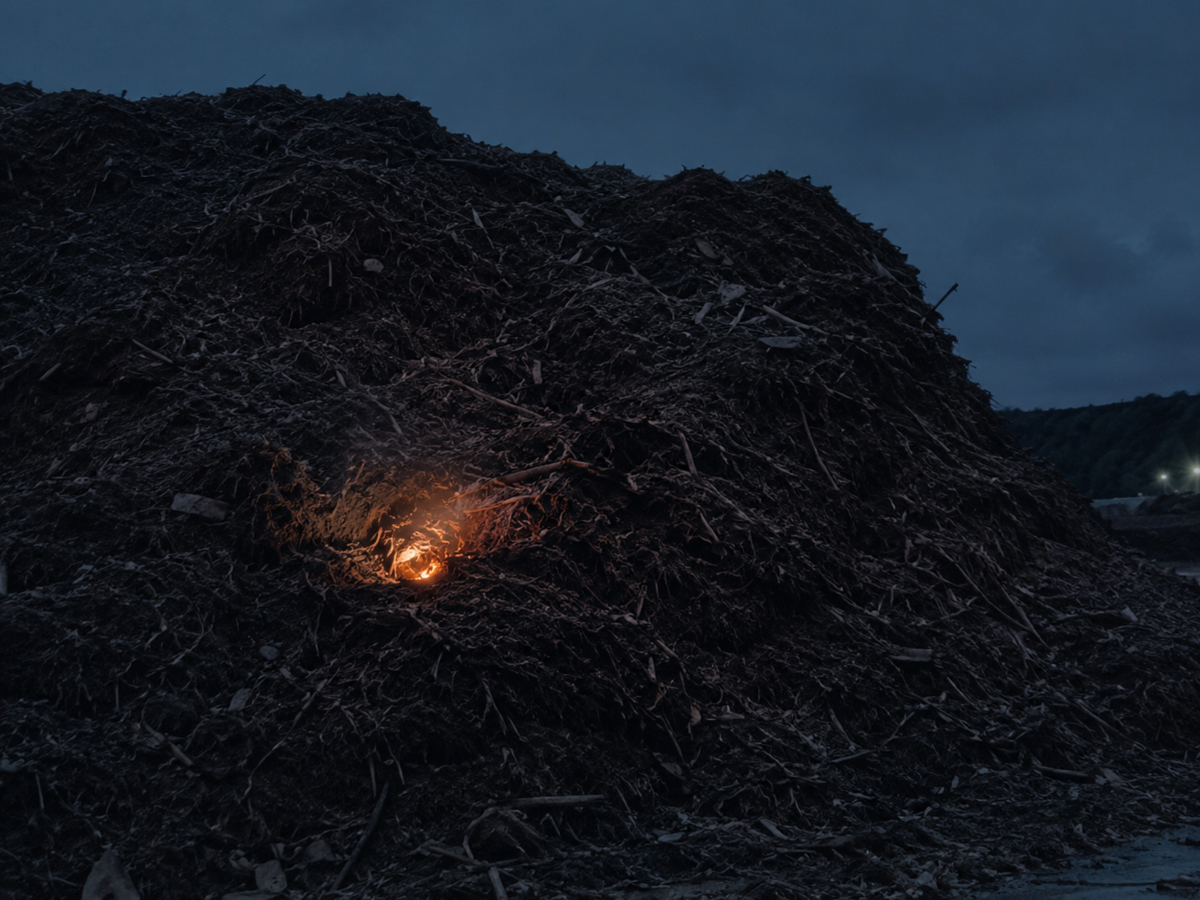
Open air, shifting materials, and limited infrastructure make landfills especially vulnerable to incipient fires. Fire Rover provides rapid mobile detection with 24/7 thermal monitoring and video-verified alerting — delivering protection where permanent systems can’t reach.

Marine

Marine

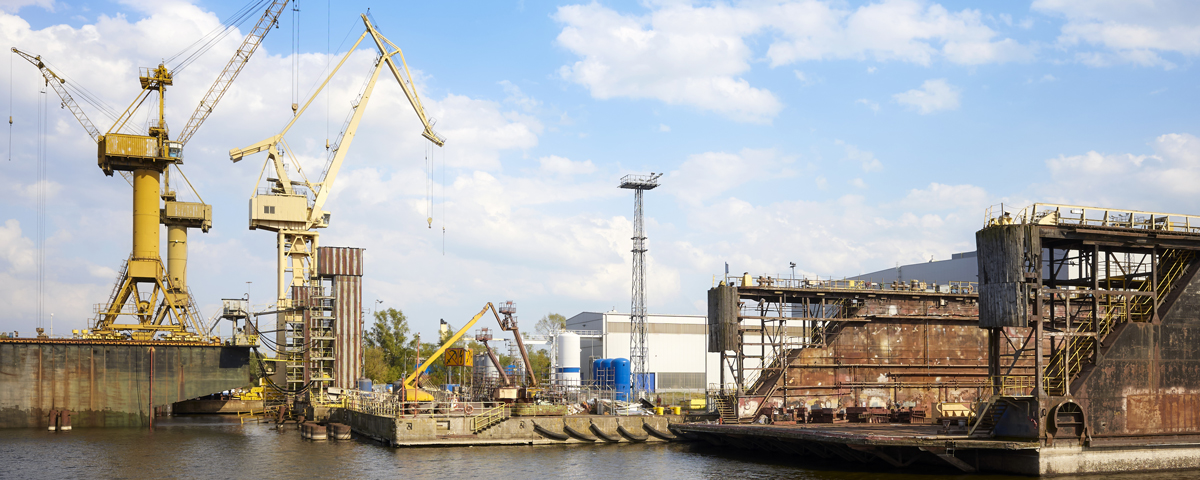
Sparks, welding equipment, and combustible materials are common in shipyards and other marine situations. Our Mobile Suppression System quickly delivers high-volume suppression directly to the ignition source — all while keeping your crew at a safe distance.

Metal Processing

Metal Processing

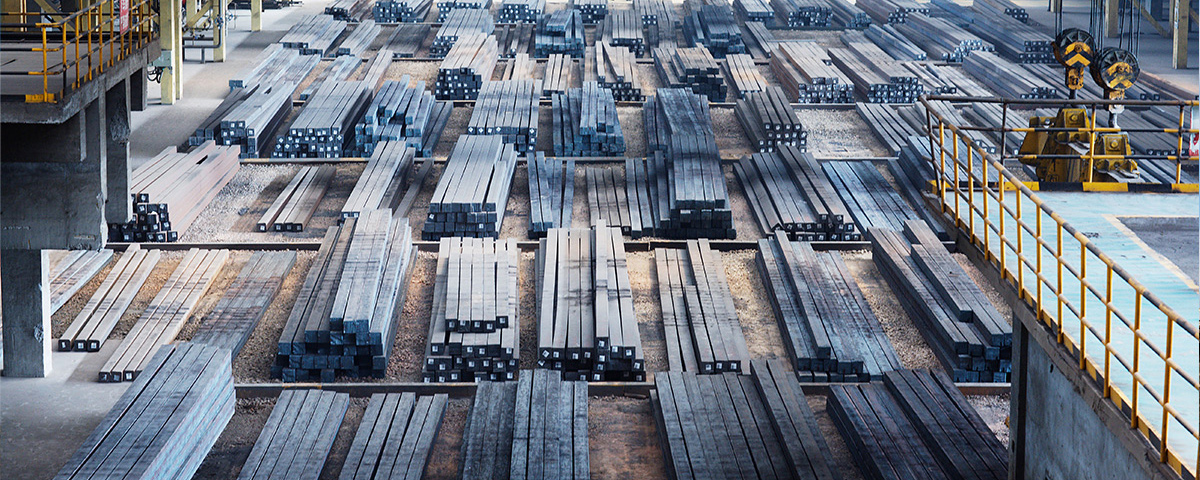
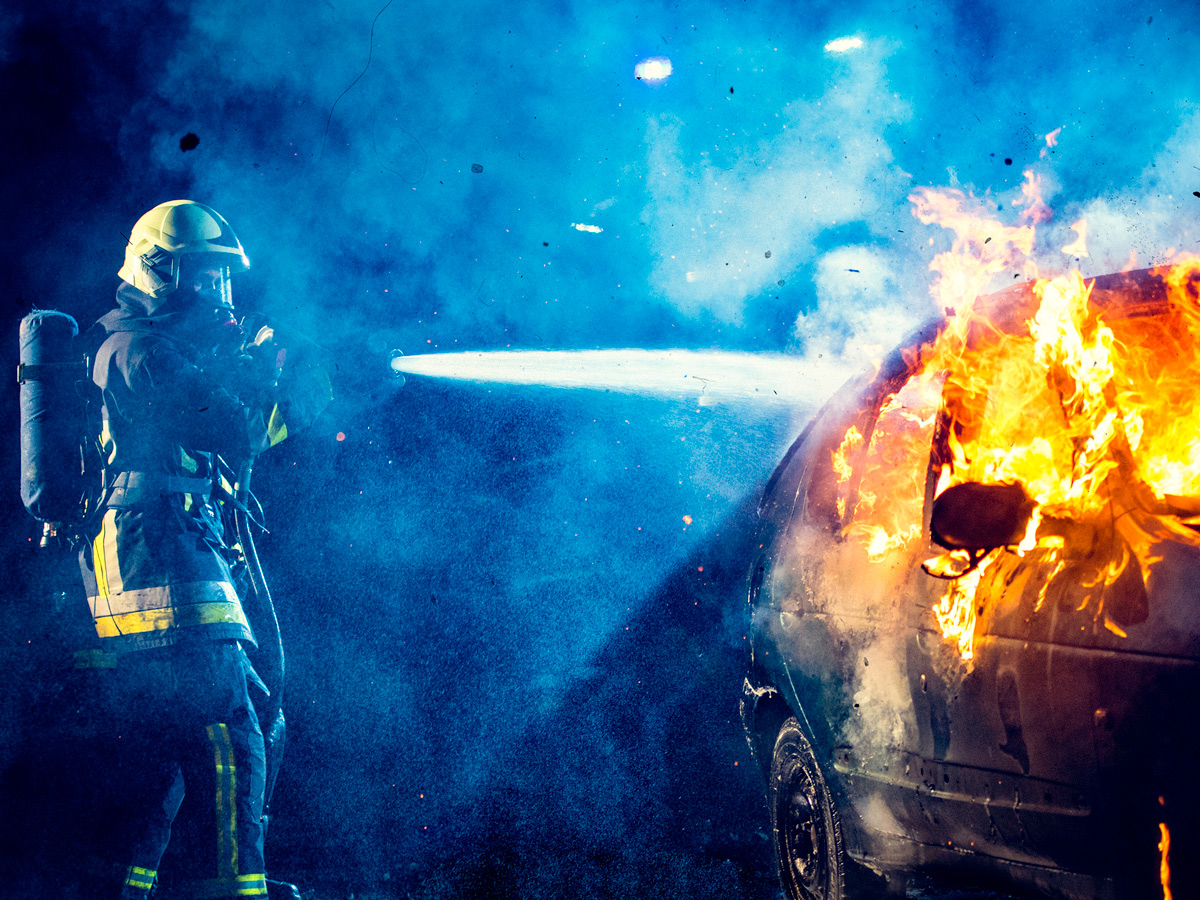
From hot loads to lithium battery ignitions, scrapyards face unpredictable fire risks. Our hybrid approach combines mobile detection, continuous suppression, and site-specific strategies to stay ahead of threats in even the harshest environments, whether indoors or outdoors.

Wood Processing

Wood Processing

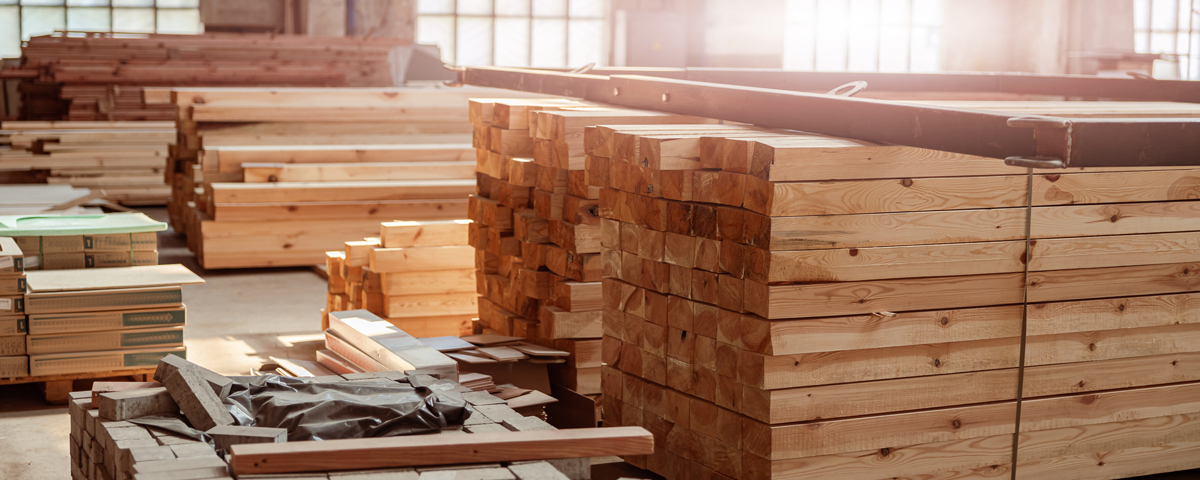
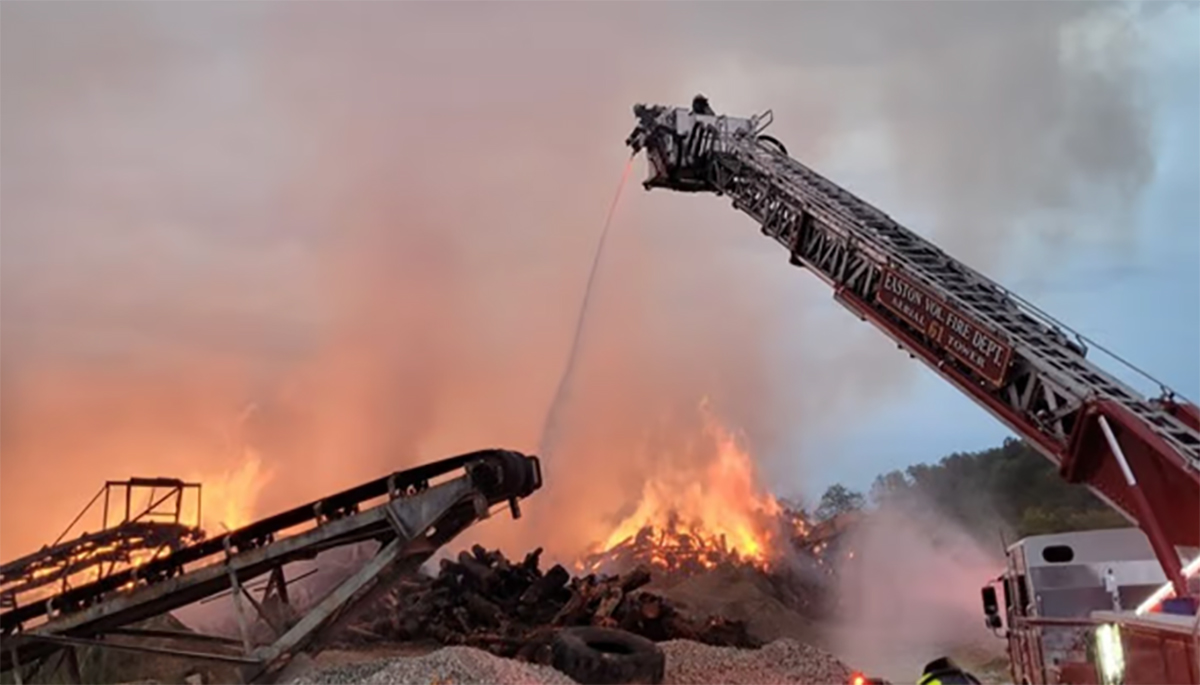
Dust, organic material, and high heat combine to make these facilities a fire hazard. Fire Rover’s integrated detection and suppression systems provide persistent monitoring and immediate suppression to prevent deep-seated fires in bulk storage or conveyor lines.

EV Fleets

EV Fleets

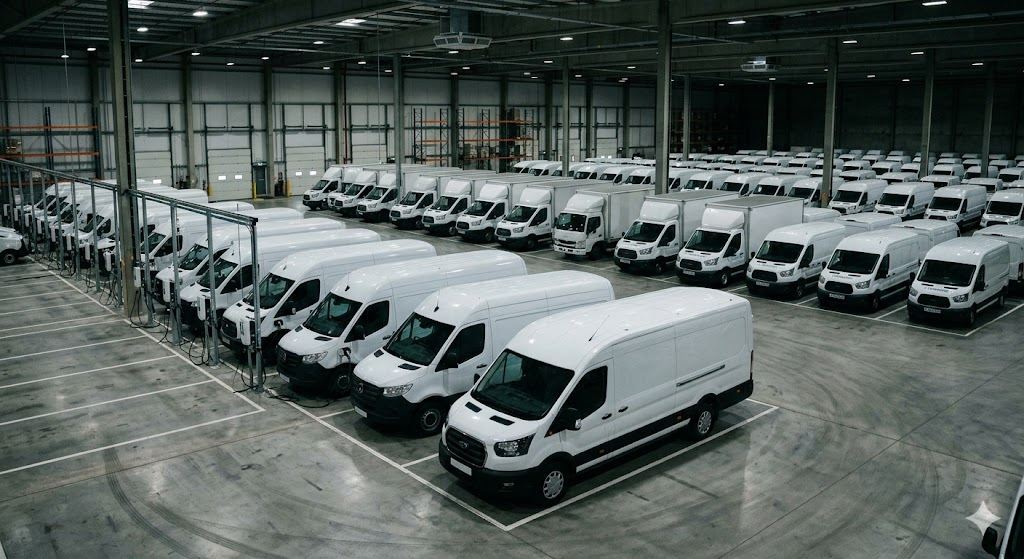
Early detection and targeted response for EV fleet facilities — helping reduce fire spread, protect vehicles, and minimize operational disruption.

Aircraft Hangars

Aircraft Hangars

Aircraft hangars combine jet fuel, maintenance activity, and large open spaces where fires can grow quickly. Fire Rover delivers early detection and targeted suppression to protect high-value aircraft, critical equipment, and hangar operations.

Blogs and Articles

Blogs and Articles

Practical fire prevention insights, industry trends, and expert guidance for high-risk operations looking to reduce fire risk, protect assets, and improve safety.

Fire Reports

Fire Reports

Monthly fire incident reports for the waste and recycling industry, highlighting risk trends, emerging patterns, and key takeaways for safer operations.

Fire Reports

Cost of a Fire

See how a single fire can disrupt operations, damage assets, and drive major losses from both direct and indirect costs.

Industrial fires rarely begin as emergencies. They begin as conditions, such as a bearing running hot, scrap staged near a heat source, or a spark from hot work landing out of sight. A fire prevention plan is the document that puts those conditions on record and assigns someone to manage each one before it becomes an incident.

For safety directors, plant operators, and risk managers, the value of the plan shows up in daily operations. A well-built plan protects employees, limits downtime, and gives leadership and insurers a clear picture of how fire risk is controlled.

Below are the core requirements, three ways a plan improves safety in your workplace, and the point where continuous monitoring helps the plan hold up between inspections.


What Is a Fire Prevention Plan?

A fire prevention plan is a written program that identifies the fire hazards in a workplace and describes how each one is controlled. In OSHA’s words, the purpose of the plan is to prevent a fire from occurring in a workplace.
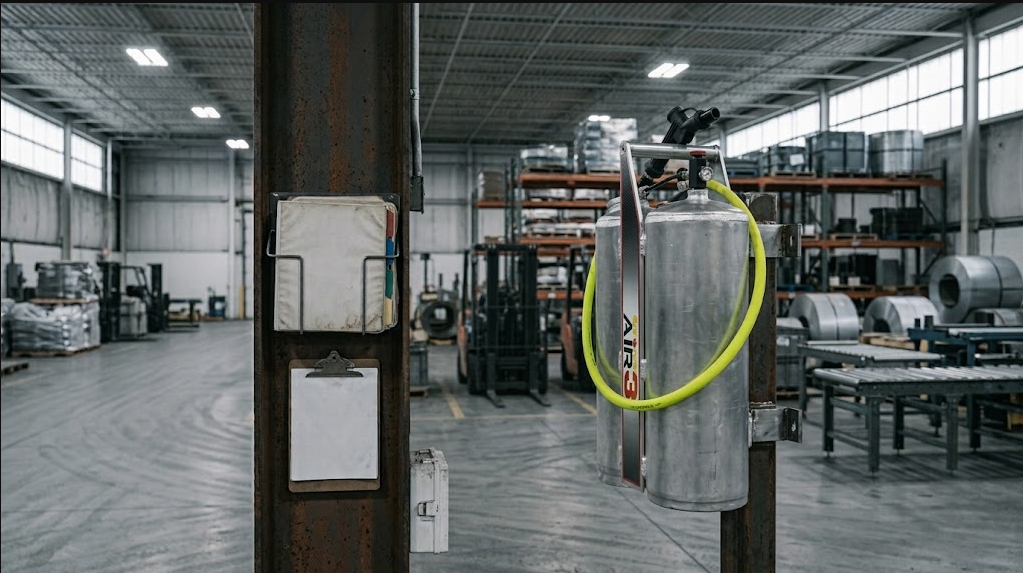
 

Enforcer air three in warehouse


The federal requirements sit in OSHA standard 29 CFR 1910.39. The standard applies whenever another OSHA standard calls for a plan, and many facilities choose to follow the same framework even when it is not mandated. The plan must be in writing, kept in the workplace, and available to employees for review. However, employers with 10 or fewer employees may communicate it orally.

At a minimum, the plan must cover five elements:

  1. Major fire hazards: A list of the major fire hazards on site, handling and storage procedures for hazardous materials, potential ignition sources and their control, and the fire protection equipment needed for each major hazard.
  2. Waste control: Procedures to control accumulations of flammable and combustible waste materials.
  3. Equipment maintenance: Procedures for regular maintenance of the safeguards installed on heat-producing equipment.
  4. Ignition control owners: The name or job title of the employees responsible for maintaining equipment that prevents or controls sources of ignition.
  5. Fuel hazard owners: The name or job title of the employees responsible for controlling fuel source hazards.

A fire prevention plan is also different from an emergency action plan, which covers reporting and evacuation once a fire has started. The two documents work together. One reduces the chance of ignition, and the other directs people when ignition actually happens.


1. It Puts Every Fire Hazard on Record

Fire needs fuel, heat, and oxygen. In most industrial settings oxygen is a given, so prevention comes down to keeping fuel and heat apart. That is difficult when knowledge of the hazards is kept only in the minds of a few experienced employees.

Building the plan requires a full walk of the site, and the results differ by operation. For example, a wood products plant will document dust accumulation and dryer heat. A metal processing facility will list combustible fines and torch cutting. Similarly, a waste and recycling operation will flag lithium-ion batteries arriving in the inbound stream.

The plan also pairs each major hazard with the fire protection equipment needed to control it. That pairing shows whether protection still matches the hazard as the site changes. A storage area that held one commodity five years ago may hold a different one today.
Once the hazards are written down, they can be ranked, tracked, and reviewed. As a result, new equipment, layout changes, and new materials are evaluated against a known baseline instead of memory. The same record gives insurers and corporate risk teams a documented view of how the site controls its exposure.


2. It Gives Each Hazard an Owner

A hazard that belongs to everyone tends to belong to no one. For that reason, OSHA requires the plan to identify, by name or job title, the employees responsible for ignition source controls and for fuel source hazards.

Ownership turns the plan into a schedule. Housekeeping rounds keep combustible waste from accumulating. Maintenance teams inspect the guards, thermostats, and shutoffs on heat-producing equipment. In addition, supervisors confirm that hot work precautions are in place before a torch is lit.
 

Fire Rover building customer relations


Named owners also make gaps visible. When a role changes hands or a shift runs short, the plan shows which controls need coverage. That clarity is most useful during turnarounds, seasonal peaks, and other periods when routines are under pressure.

Documented ownership matters to the business side as well. After an incident, insurers and investigators are likely to ask who was responsible for a control and when it was last checked. A plan with named owners and maintenance records gives the facility a direct answer.


3. It Prepares Employees to Recognize Risk

The people closest to the work are usually the first to notice when something is off. Accordingly, OSHA requires employers to inform employees of the fire hazards they are exposed to when they are first assigned to a job. Employers must also review the parts of the plan each employee needs for self-protection.

That training gives a site a shared vocabulary. An operator who knows why dust is cleared from a motor housing is more likely to report it when the cleaning slips. Likewise, a contractor briefed on site rules is less likely to stage materials near a heat source.

Training supports response, too. Employees who understand the hazards in their area know when to raise an alarm and when to leave. As a result, they stay out of harm’s way, and responders arrive to accurate information about what is burning and where.

Finally, the plan stays useful only as long as it stays current. A review each year, and after any process change, incident, or near miss, keeps the document matched to the site it describes.


What Can a Fire Prevention Plan Miss?

A fire prevention plan describes how a site intends to operate. Fire risk, however, follows how the site is operating at a given moment. The distance between the two is where incidents develop.

Housekeeping rounds and inspections happen at intervals, and heat can build between them. Materials can self-heat inside a pile, out of view of anyone walking past. Meanwhile, equipment keeps running, cooling, or charging after the last shift leaves. In each case the plan is being followed, but a hot spot can still form.
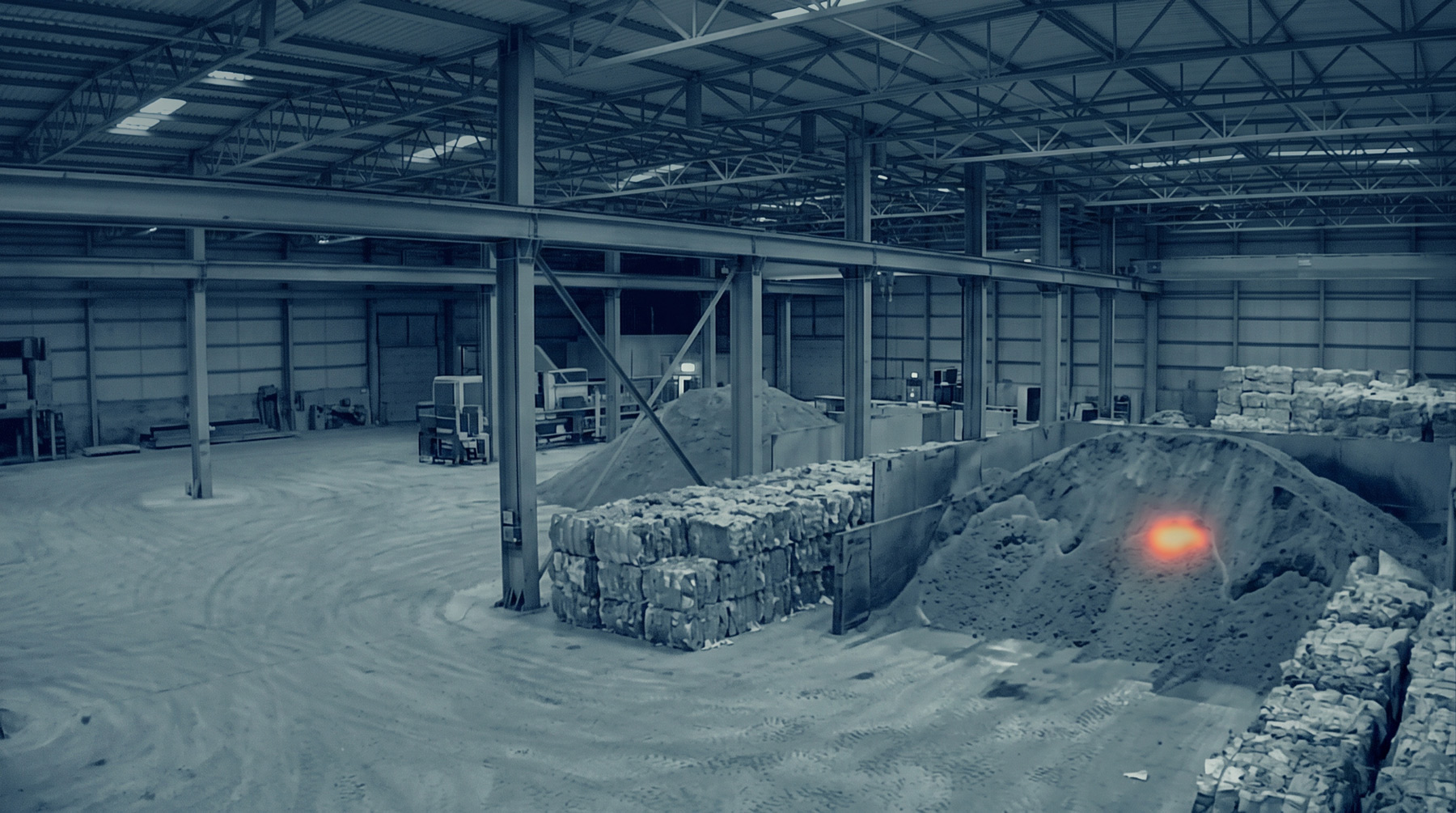
 

A thermal hotspot and pile of recycling


None of this is a flaw in the plan or in the people carrying it out. Compliance sets a baseline, but a written document was never meant to watch a facility around the clock. The same is true of the fire protection already in the building. Sprinklers and alarms are designed to act once heat or smoke reaches them, and they do that job. The open question is what happens in the minutes before that point.

For many facilities, that question becomes the next step after the plan is written. How will the site know sooner?


Early Detection System

Don’t wait for smoke and flames. Fire Rover’s Early Detection System uses thermal cameras and human verification to spot fire threats instantly and dispatch emergency services quickly.


How Does Early Detection Support the Plan?

Early detection adds a continuous layer of observation to the controls the plan already describes. Fire Rover’s Early Detection System combines thermal, smoke, and flame analytics to identify fire risks before they spread.

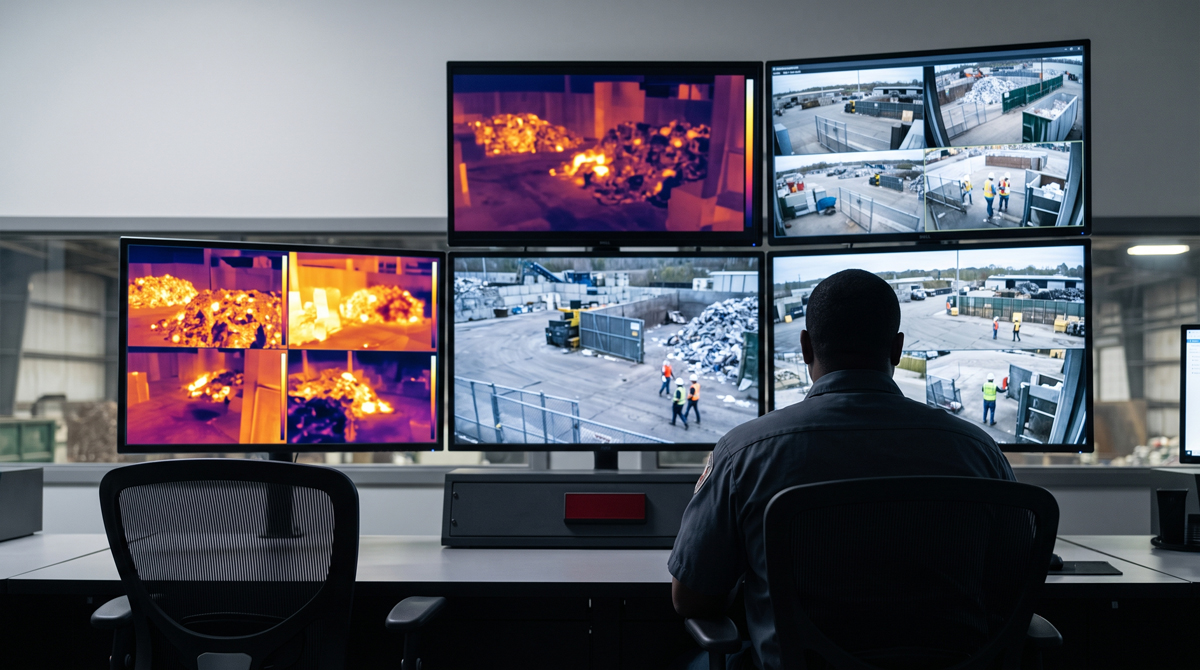
Thermal cameras monitor for abnormal heat patterns around the clock, including the hours when a site is thinly staffed. Smoke analytics help separate a genuine threat from dust and steam. When the system flags a potential fire, trained personnel at a central monitoring station verify the event and its location. Therefore, site teams and responders can act on confirmed information.

Each part of the fire prevention plan benefits. First, the hazard list shows where monitoring is needed, so camera coverage can be planned around risks the site has already documented. Second, the people responsible for a hazard can be alerted to a verified event as it develops instead of finding it on the next round. Third, each verified event gives the team something concrete to examine when the plan is reviewed.

Detection is one layer. Facilities also need to decide how a confirmed fire will be suppressed, and fire suppression system requirements vary by hazard, occupancy, and local code.


Put Your Fire Prevention Plan to Work

A written plan identifies the hazards, assigns the owners, and prepares employees. Between inspections and after hours, though, conditions on the floor keep changing, and an unnoticed hot spot puts employees, production, and equipment at risk.

Fire Rover’s Early Detection System provides continuous thermal, smoke, and flame monitoring with human verification, adding a layer of awareness to the controls already in place. Contact our team to talk through how early detection fits your fire prevention plan.


Industry Insights

Expert perspectives, trend analysis, and practical guidance for high-risk industries facing evolving fire threats. Explore Fire Rover’s latest thinking on risk management, operational resilience, safety, and the limitations of traditional fire protection.

Storage Racks in a warehouse

3 Ways a Fire Prevention Plan Can Improve Safety in Your Workplace

Industrial fires rarely begin as emergencies. They begin as conditions, such as a bearing running hot, scrap staged near a heat source, or a spark...

The Anatomy of an Electronics Recycling Fire

When I first started consolidating publicly reported waste and recycling facility fires in 2016, one of the biggest challenges was putting together...
Fire Rover wins Crain's Best Places to Work 2026 award.

Fire Rover Named to Crain’s Best Places to Work 2026

Fire Rover was named one of Crain’s Best Places to Work in 2026. We are especially proud of this recognition because it comes directly from...
remote agent monitoring multiple fire security feeds

How FM Global’s New Data Sheet 4-14 Validates Smart Fire Protection

The new FM Global Data Sheet 4-14 is reshaping how high-hazard facilities plan fire protection. For years, the fire protection industry has followed...
Biomass pile after dark, unmonitored subsurface hotspot becoming larger.

Why After-Hours Fire Safety Is Critical for Industrial Facilities

When the workday ends, fire risk doesn’t disappear. Even after production stops and employees leave for the day, energized equipment, charging...
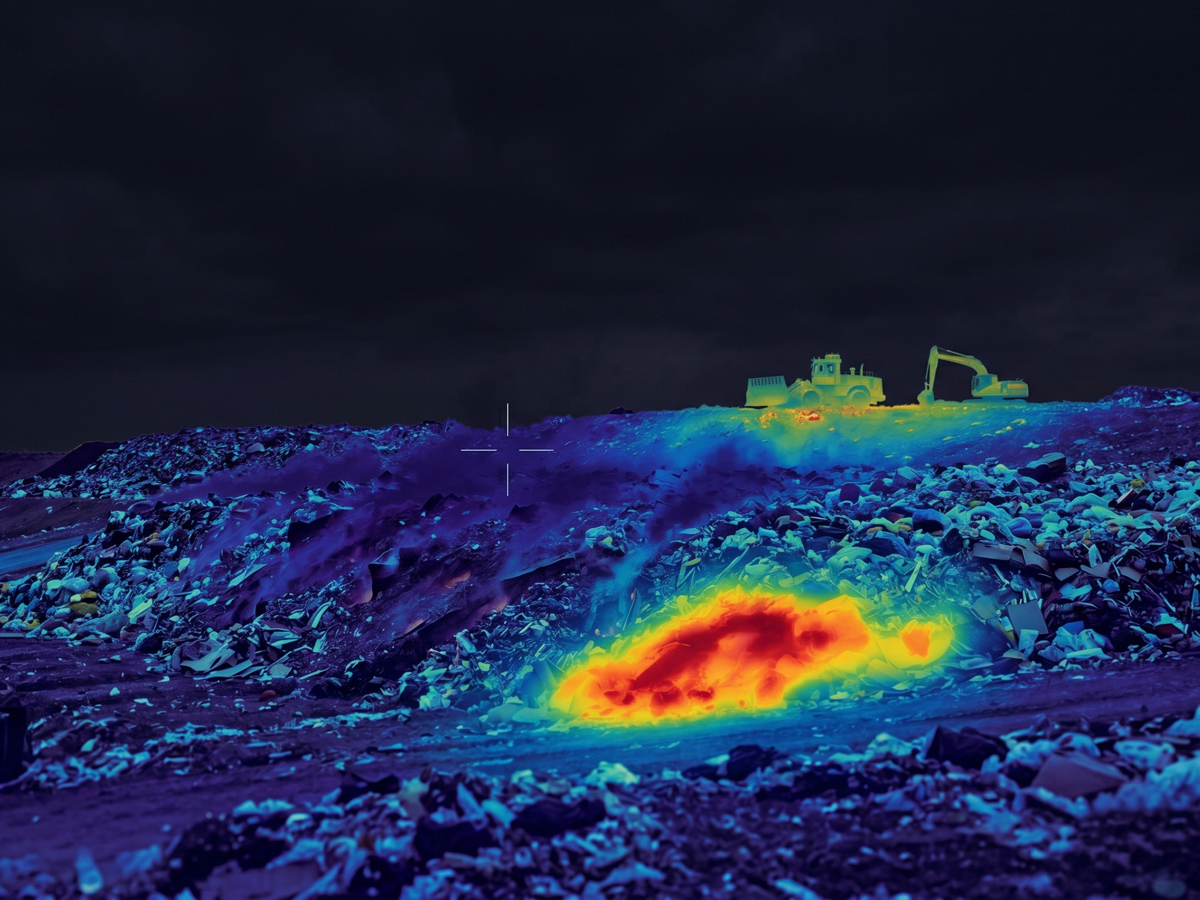
A thermal image of a landfill with a red spot showing a subsurface hotspot

Landfill Fires Explained: What Causes Them and How Facilities Can Reduce Risk

Unfortunately, landfill fires are more common than many operators would like — and they’re often more difficult to manage than they first appear....
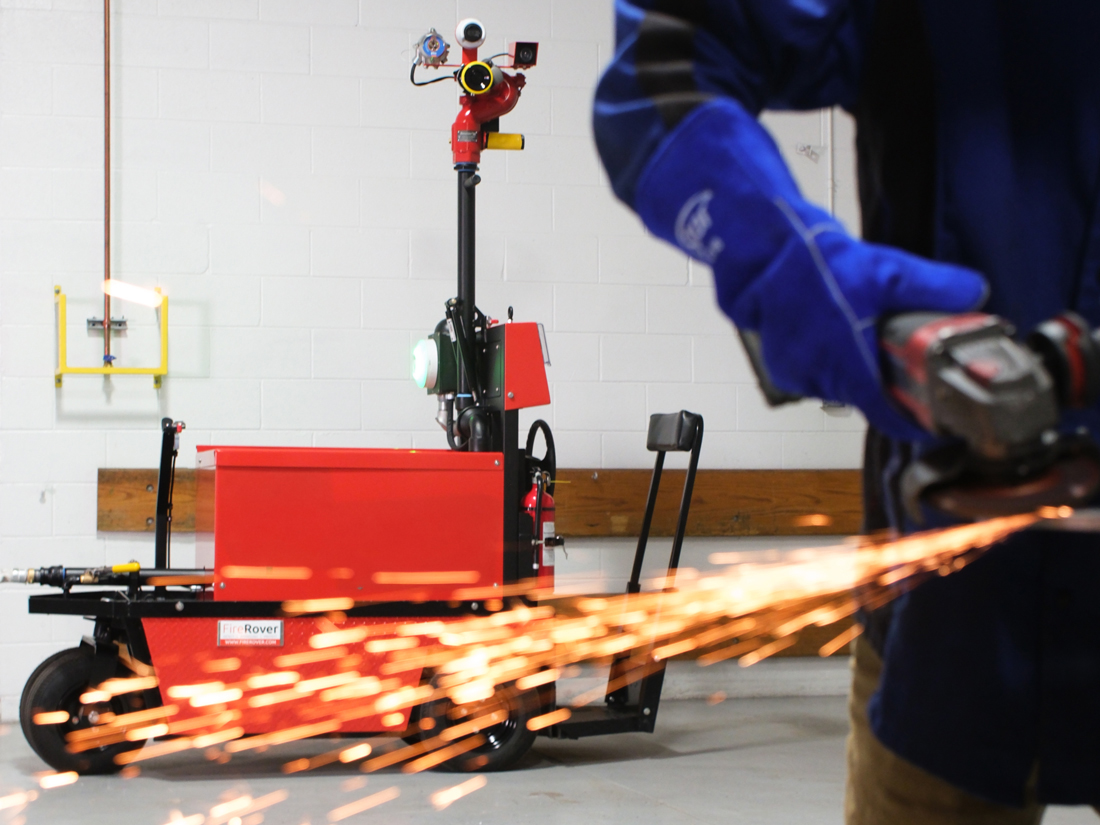
A Fire Rover mobile suppression unit positioned on a concrete floor monitors a worker in blue welding gloves using an angle grinder, with a dramatic stream of orange sparks flying toward the unit during a hot work safety demonstration.

When is Fire Watch Required?

Fire watch is a common requirement in industrial environments, but it’s often misunderstood. Many facilities treat it as just a box for compliance...
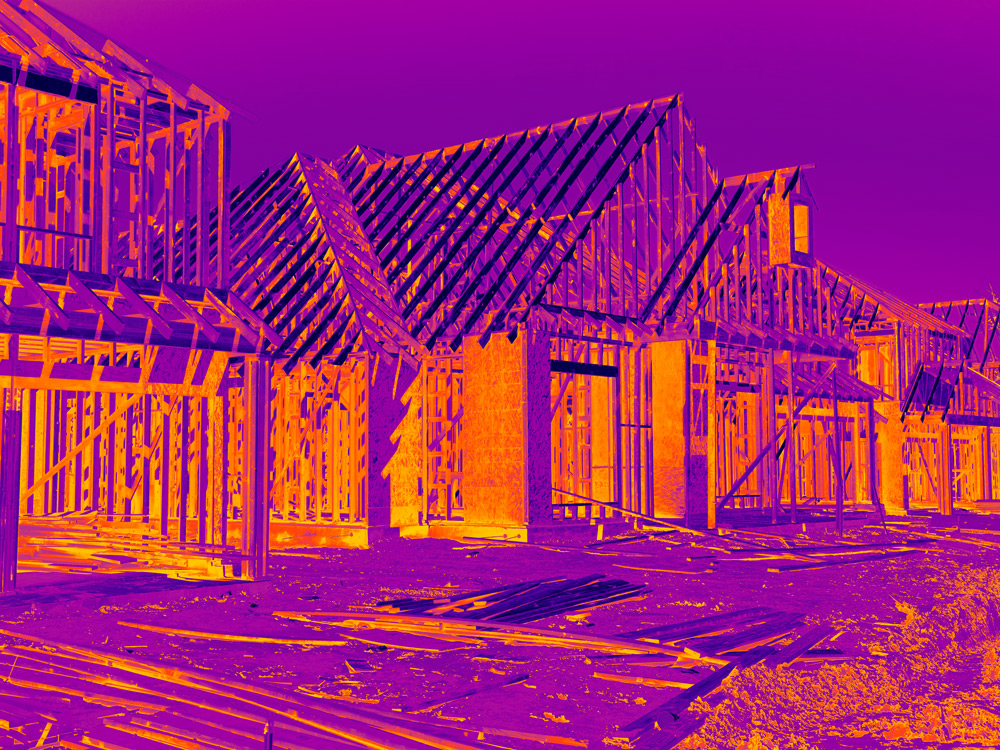
Thermal imaging of a house under construction

Thermal Imaging Explained: How It Works and Why It Matters for Fire Safety

In today’s high-risk industrial environments, early detection isn’t just smart — it’s essential. Thermal imaging is one of the most powerful tools...
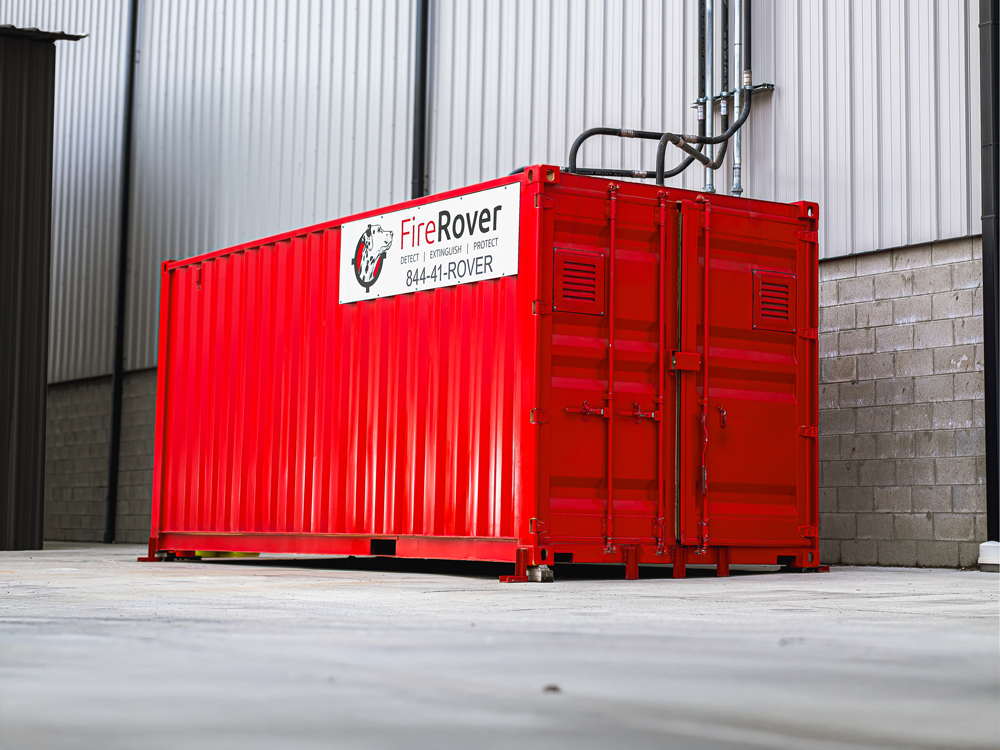
A FireRover Container

7 Types of Fire Suppression Systems That Every Business Should Know

When it comes to protecting people, property, and operations, fire suppression systems are a critical line of defense. Fires don’t just destroy...
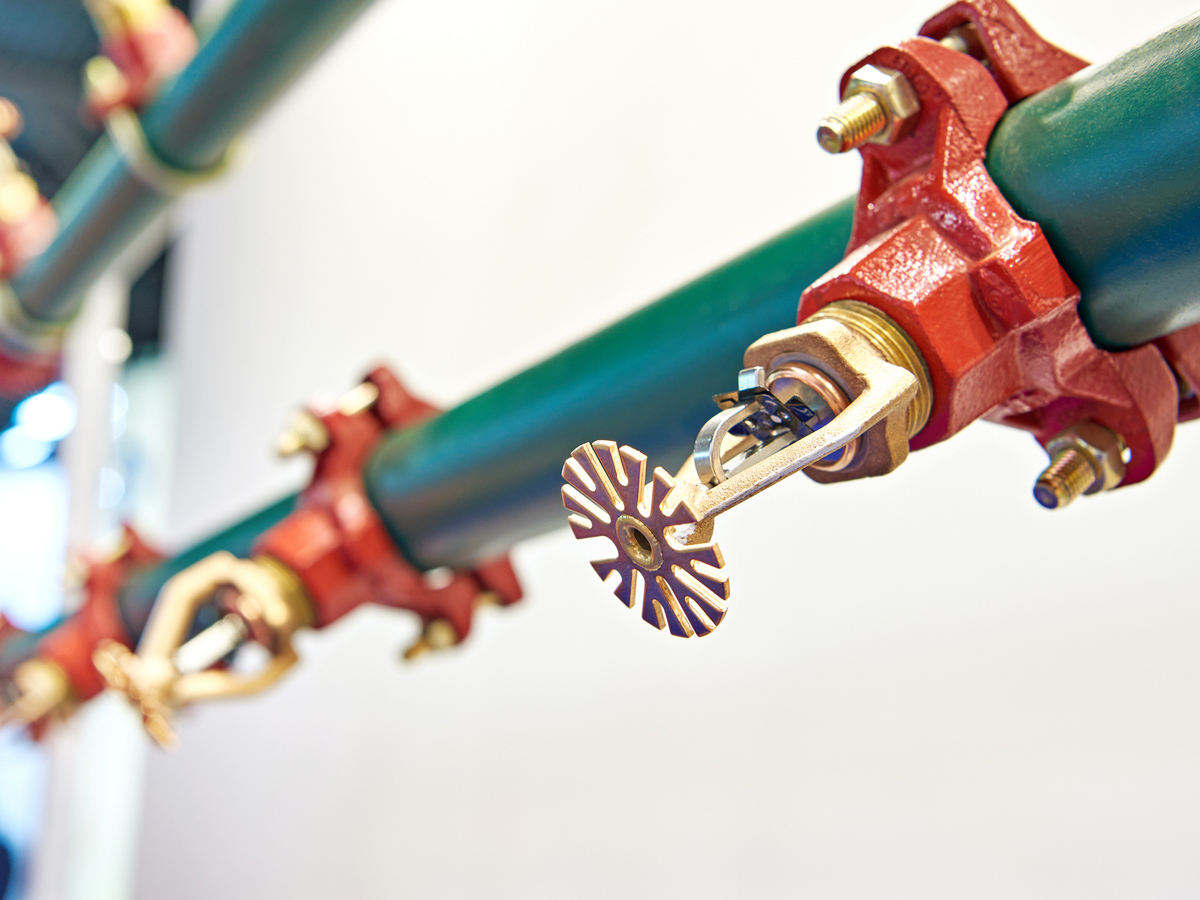
Fire sprinkler system

6 Alternatives to Fire Sprinkler Systems

When most people think of fire protection, the first thing that comes to mind is sprinklers. They’re everywhere — in office buildings, retail...

Want to
Talk to Us?
Get in Touch.

Contact Us
Phone: (248) 671-6899
Email: info@firerover.com

Headquarters
24505 Indoplex Circle
Farmington Hills, MI 48335

Sales and Administration
6960 Orchard Lake Road, Suite 303
West Bloomfield, MI 48322

Please fill out the form below.

This field is for validation purposes and should be left unchanged.
By submitting this form, you agree that Fire Rover may use the information you provide to respond to your request and contact you about our products and services. We process your data in accordance with our Privacy Policy. You can unsubscribe or request deletion of your data at any time by contacting privacy@firerover.com.

Download The
Pricing Guide

Contact Us
Phone: (248) 671-6899
Email: info@firerover.com

Headquarters
24505 Indoplex Circle
Farmington Hills, MI 48335

Sales and Administration
6960 Orchard Lake Road, Suite 303
West Bloomfield, MI 48322

Please fill out the form below.

This field is for validation purposes and should be left unchanged.
By submitting this form, you agree that Fire Rover may use the information you provide to respond to your request and contact you about our products and services. We process your data in accordance with our Privacy Policy. You can unsubscribe or request deletion of your data at any time by contacting privacy@firerover.com.