Talk To Us About Fire Safety

Early Detection System

Fire Rover’s Early Detection System combines thermal, flame, and smoke analytics to identify fire risks before they spread, enabling rapid response and protecting high-risk environments around the clock.

Continuous Suppression System

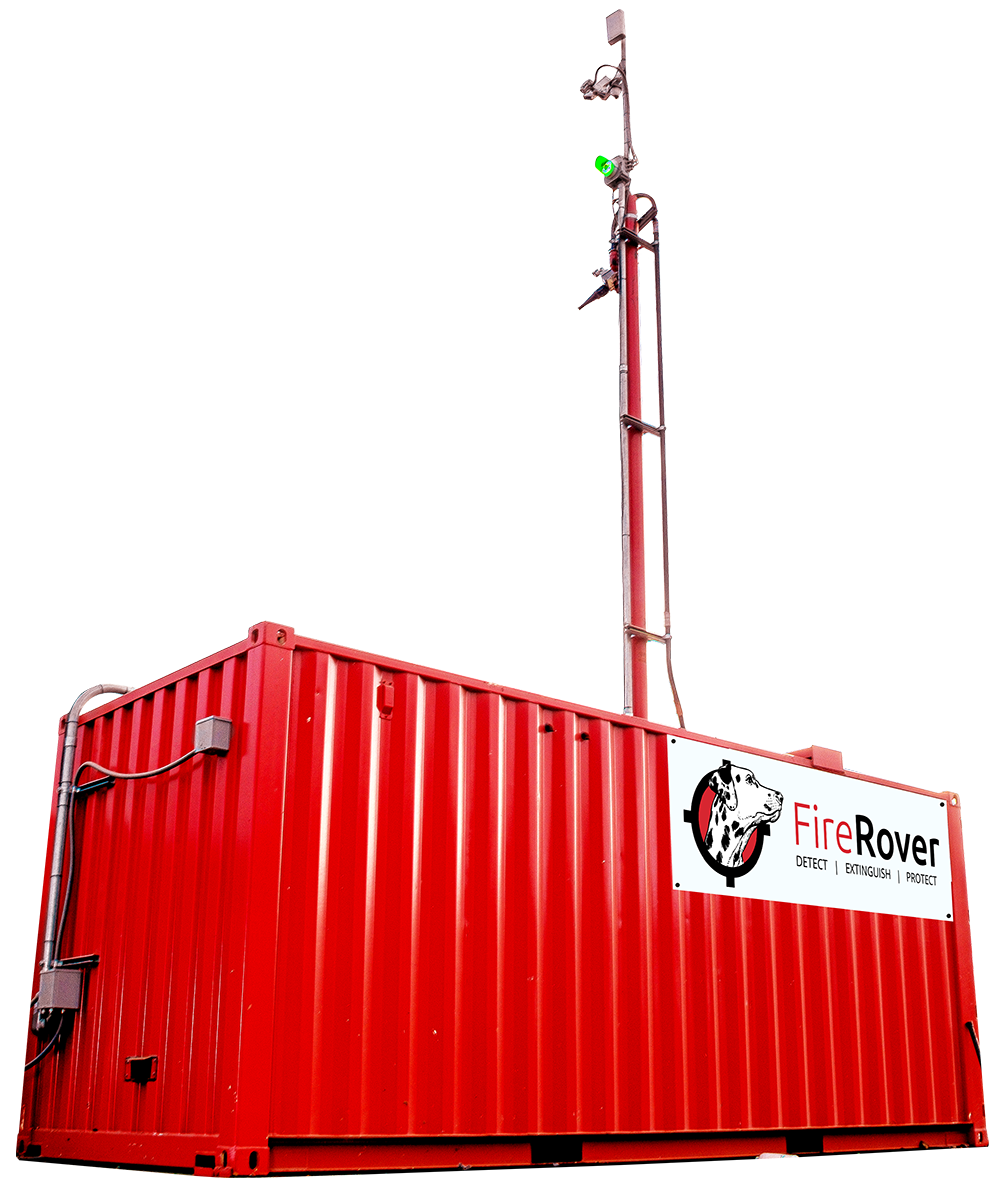
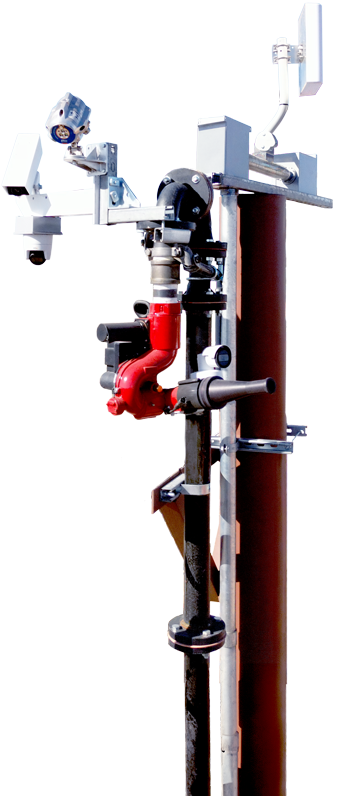
An automated, large-scale protection solution that detects, verifies, and suppresses fires in seconds — providing constant coverage for operations that can’t afford downtime.

Self-Contained Suppression System

A compact, all-in-one system designed for standalone fire protection, ideal for targeted coverage in smaller or remote areas without existing infrastructure.

OnWatch Mobile Detection System

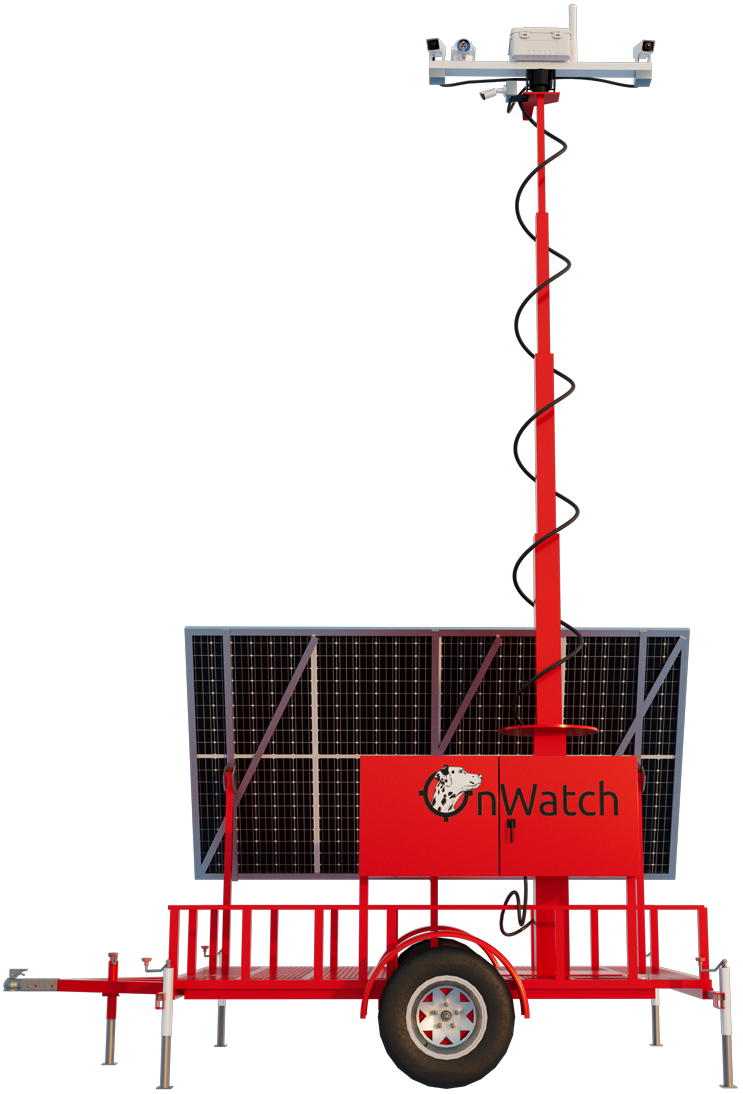
A flexible, camera-based monitoring system that brings real-time thermal detection and human verification anywhere it’s needed — ideal for temporary sites or expanding operations.

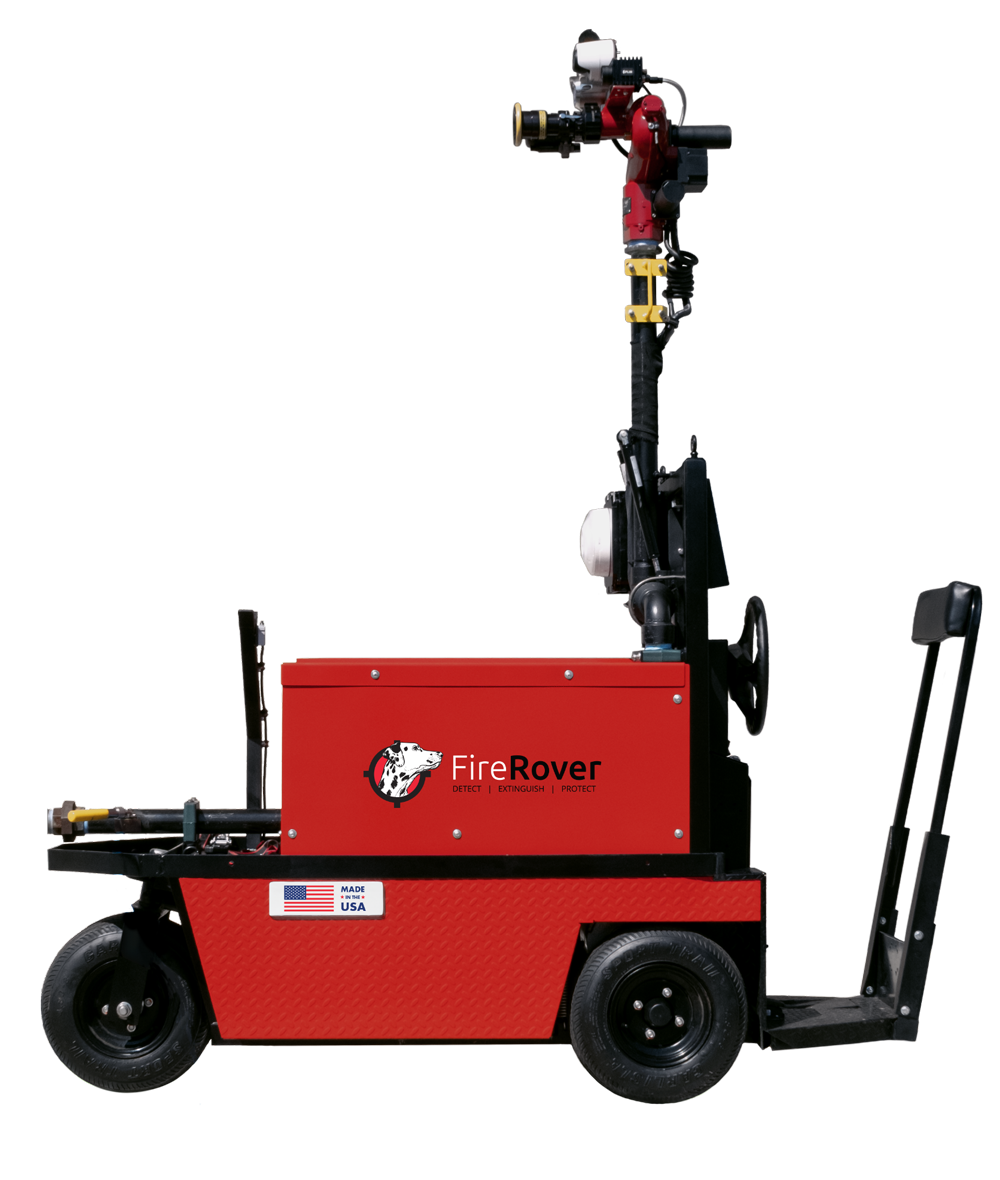
Mobile Suppression Unit System

Fire Rover’s fully mobile suppression system combines advanced detection, onboard agent storage, and remote operation to deliver rapid response and protection wherever the risk is.

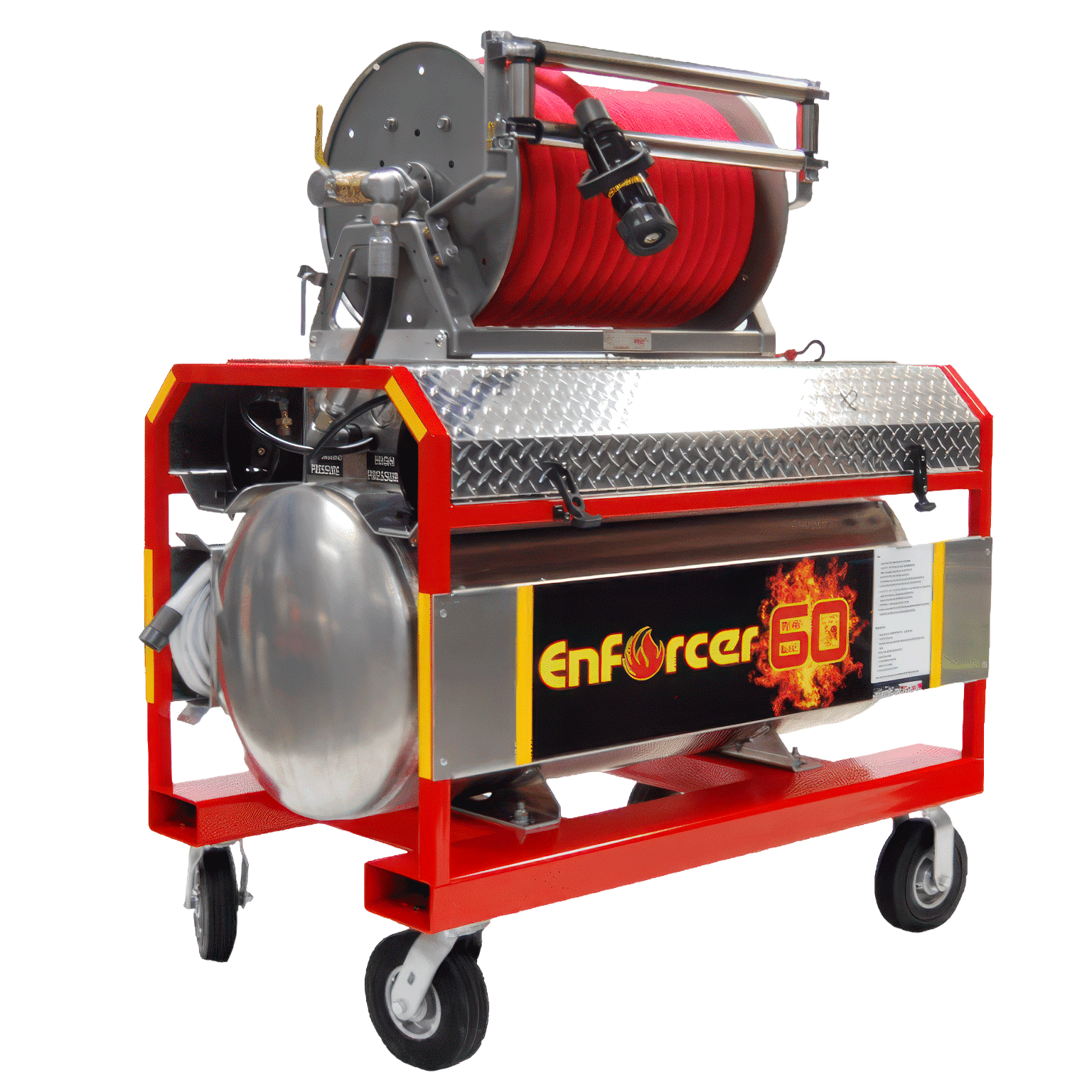
Enforcer Suppression Unit

Enforcer provides scalable, mobile suppression for industrial environments where speed and flexibility matter most.

Waste and Recycling

Open air, shifting materials, and limited infrastructure make landfills especially vulnerable to incipient fires. Fire Rover provides rapid mobile detection with 24/7 thermal monitoring and video-verified alerting — delivering protection where permanent systems can’t reach.

Marine

Sparks, welding equipment, and combustible materials are common in shipyards and other marine situations. Our Mobile Suppression System quickly delivers high-volume suppression directly to the ignition source — all while keeping your crew at a safe distance.

Metal Processing

From hot loads to lithium battery ignitions, scrapyards face unpredictable fire risks. Our hybrid approach combines mobile detection, continuous suppression, and site-specific strategies to stay ahead of threats in even the harshest environments, whether indoors or outdoors.

Wood Processing

Dust, organic material, and high heat combine to make these facilities a fire hazard. Fire Rover’s integrated detection and suppression systems provide persistent monitoring and immediate suppression to prevent deep-seated fires in bulk storage or conveyor lines.

Aircraft Hangars

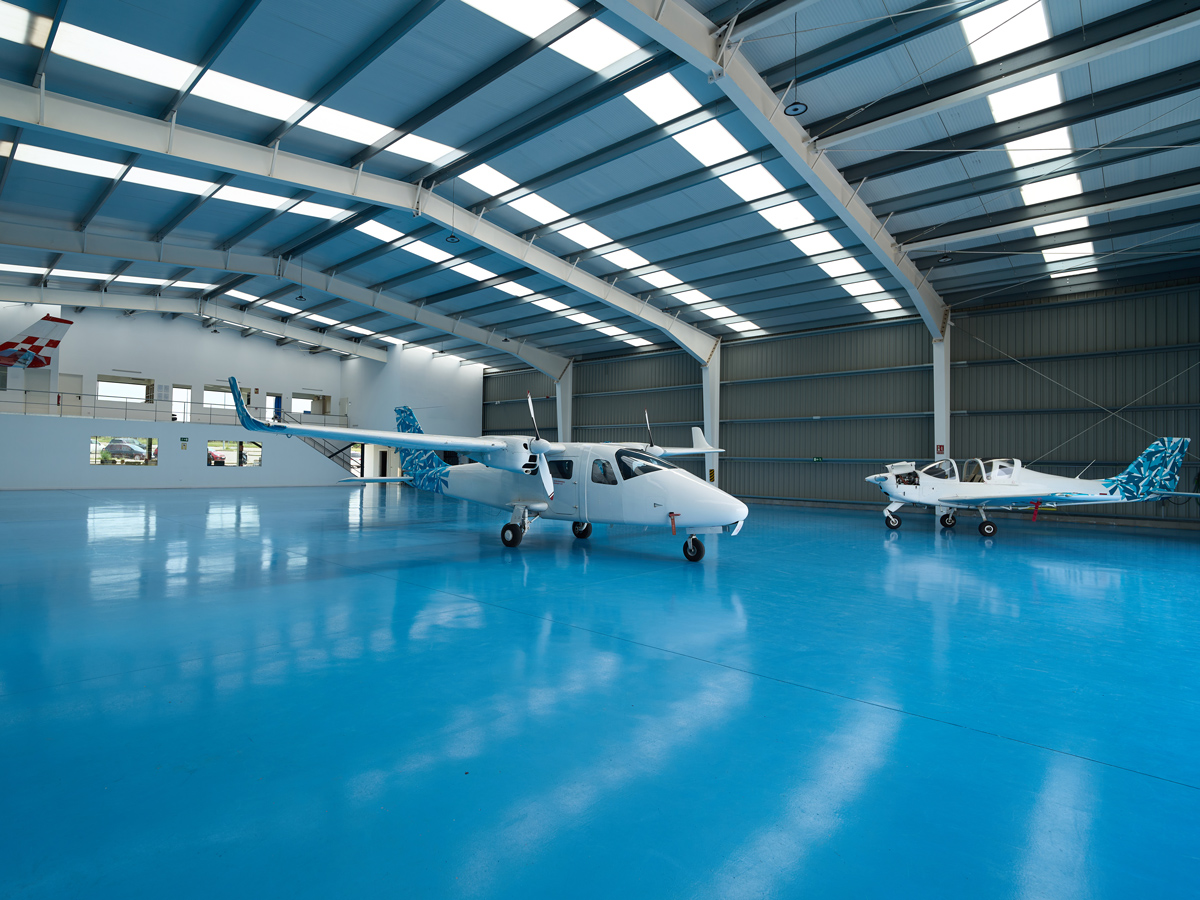
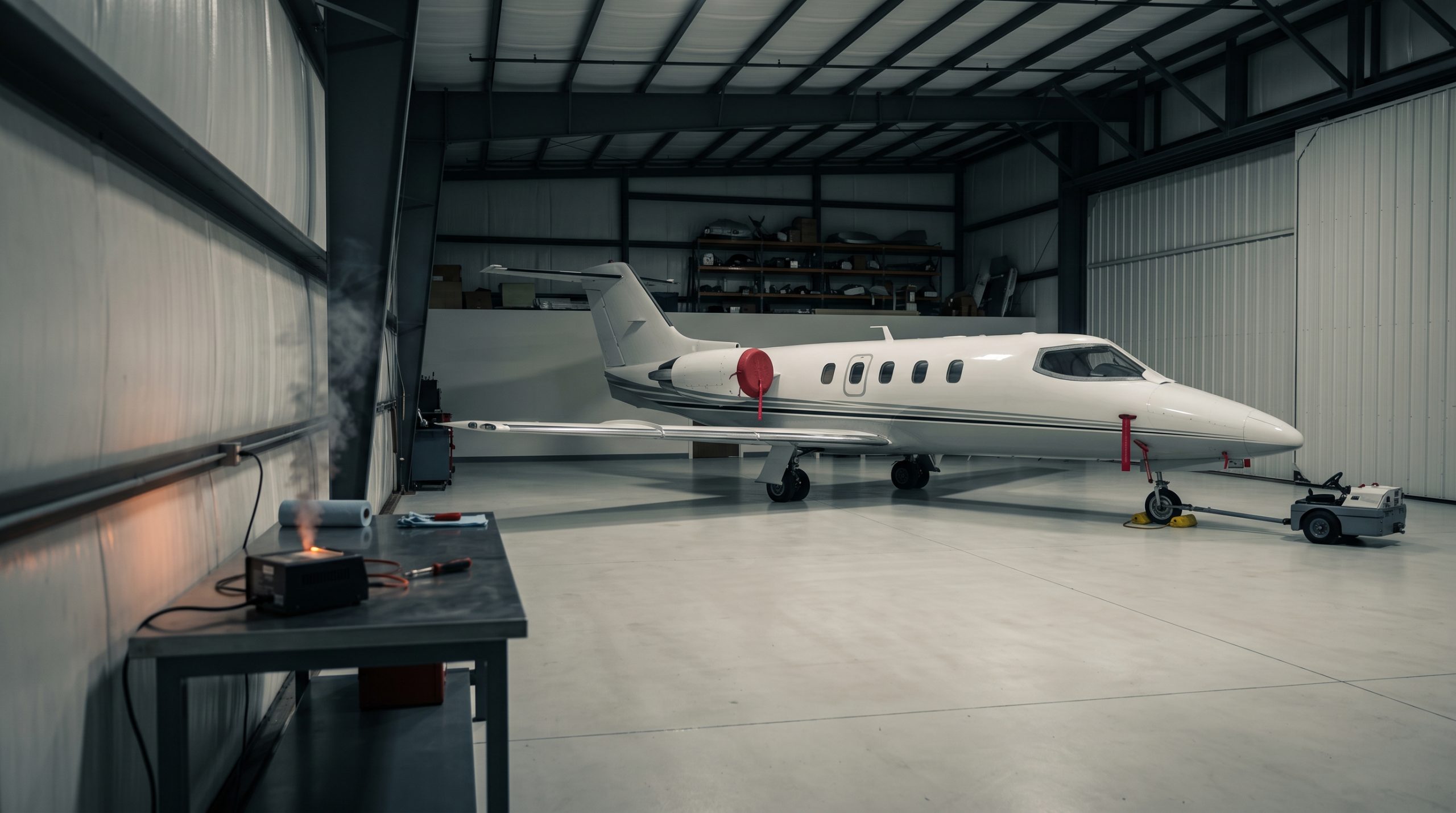
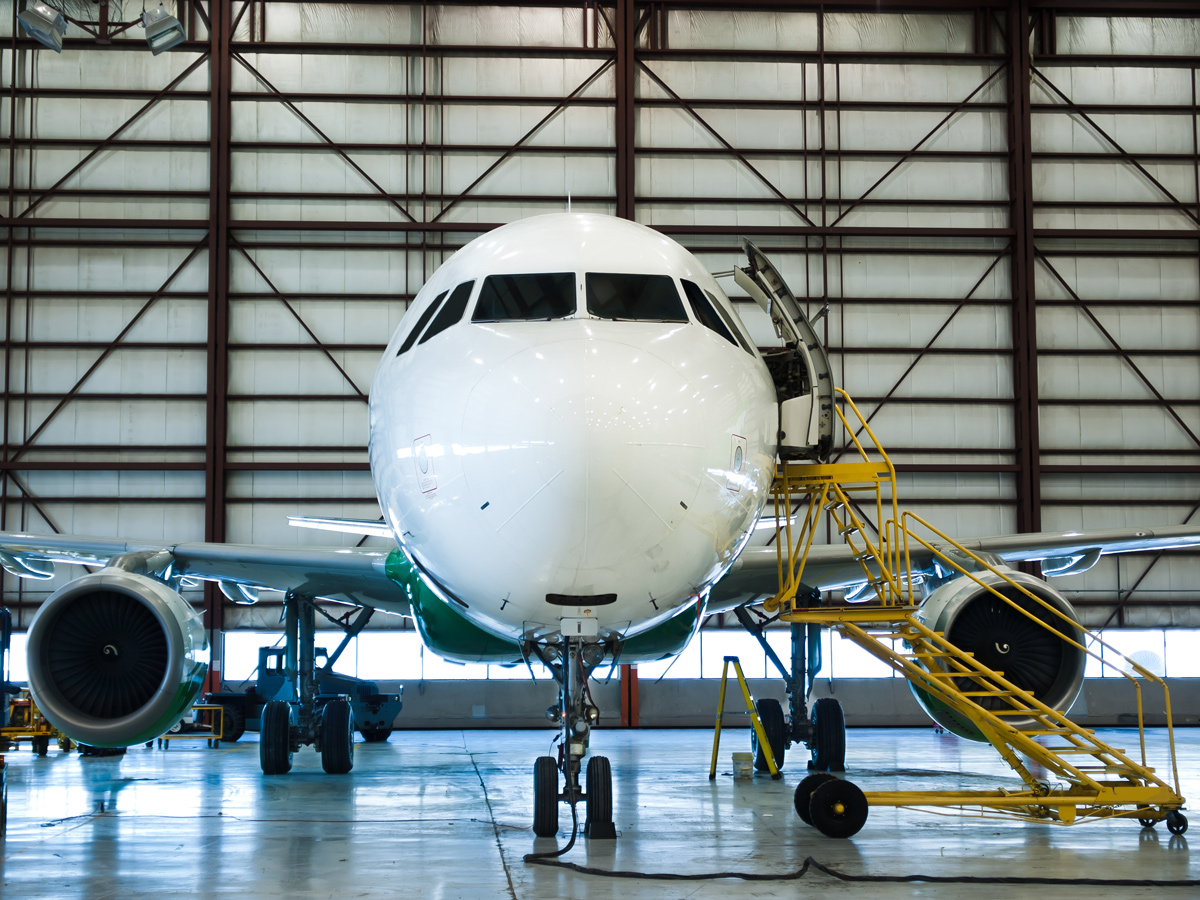
Aircraft hangars combine jet fuel, maintenance activity, and large open spaces where fires can grow quickly. Fire Rover delivers early detection and targeted suppression to protect high-value aircraft, critical equipment, and hangar operations.

Innovative Fire Protection for Aircraft Hangars

See The True Financial Impact Of An Industrial Fire

Most facilities underestimate fire losses by more than half. Explore the real costs - damage, downtime, premiums, liability - and see how quickly a single incident becomes a major financial event.

Protecting Aircraft, Hangars, and Operations
Around the Clock

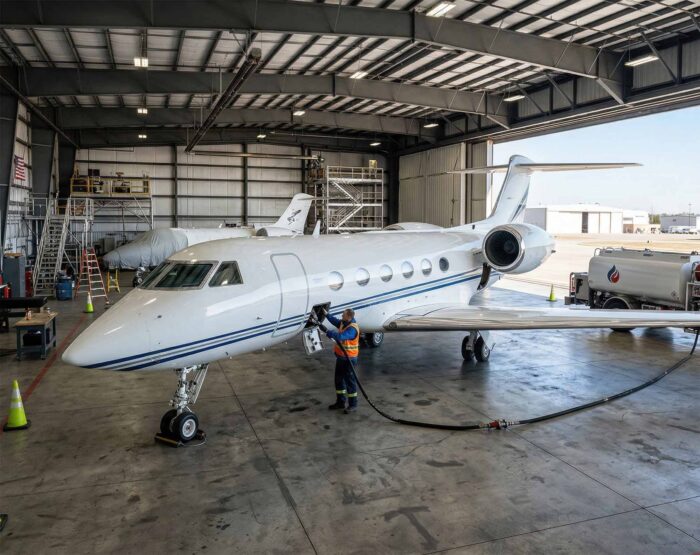
Aircraft hangars represent the highest-consequence fire environment in commercial aviation. Jet fuel, active maintenance operations, and large open volumes create conditions where a small ignition can escalate rapidly. Traditional suppression systems rely on full-scale discharge that impacts every aircraft in the bay. Fire Rover delivers precision detection, human verification, and targeted suppression — protecting high-value aircraft, equipment, and operations before fire spreads.
1

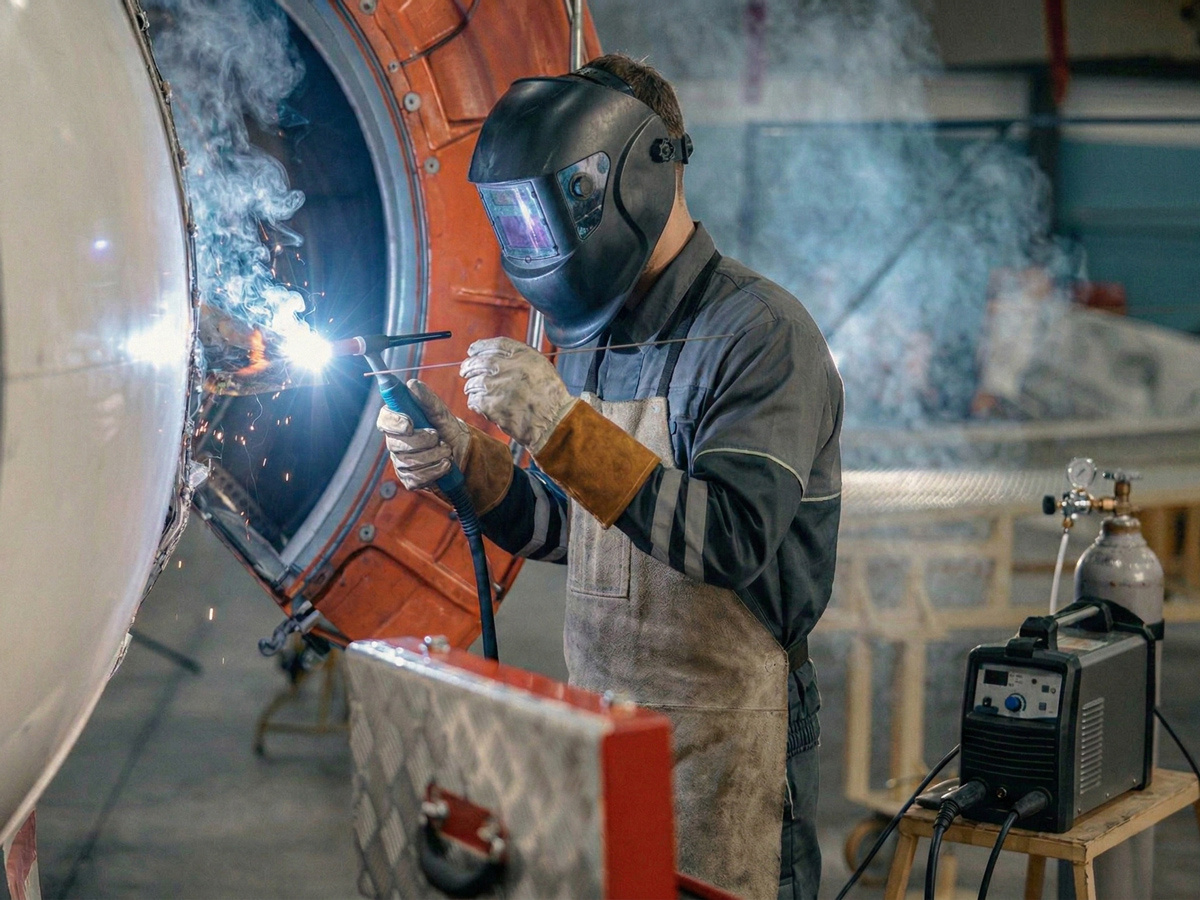
Hot Work and Maintenance

Welding, grinding, and other maintenance activities introduce sparks and high heat into environments where fuel systems and sensitive aircraft components are present. Even small flare-ups can escalate quickly without immediate response.

2

Jet Fuel and Fuel System Servicing

Aircraft fuel systems and ground support operations introduce flammable liquids and vapors into the hangar. A minor ignition source can rapidly involve surrounding equipment or adjacent aircraft.

3

Large Open-Volume Fire Growth

Hangars are expansive, high-ceiling structures. Heat can accumulate and fire can spread before traditional heat-based systems activate - increasing the risk of widespread impact.

4

Legacy Foam System Activation

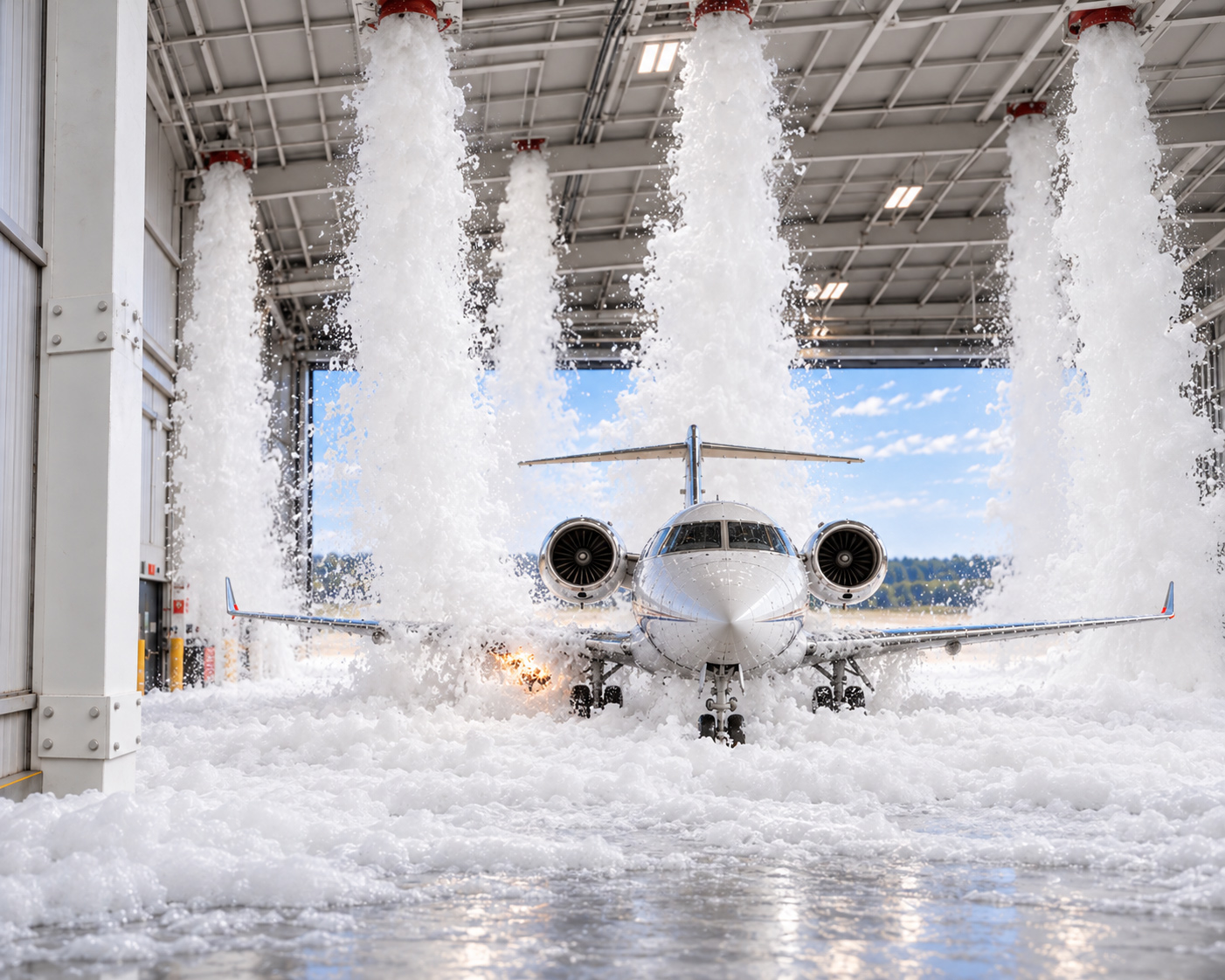
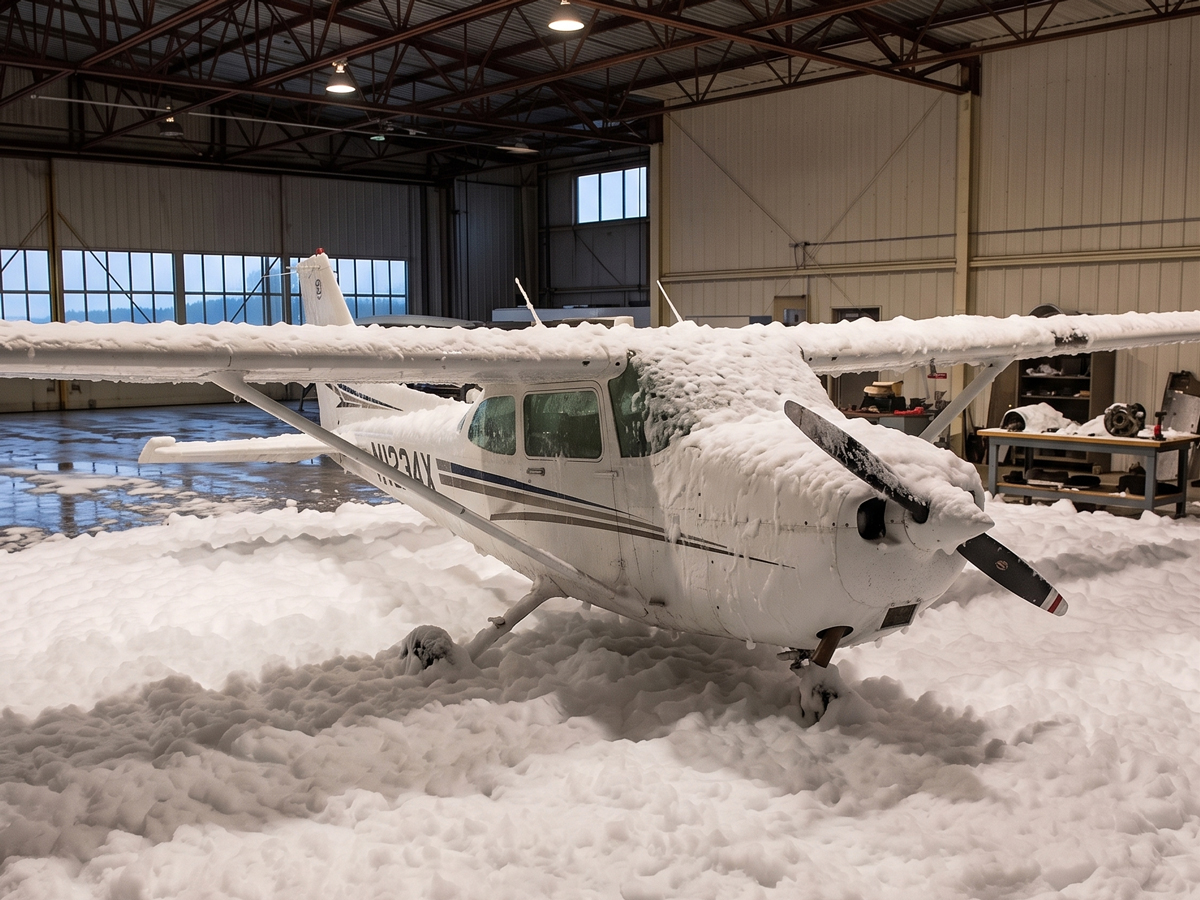
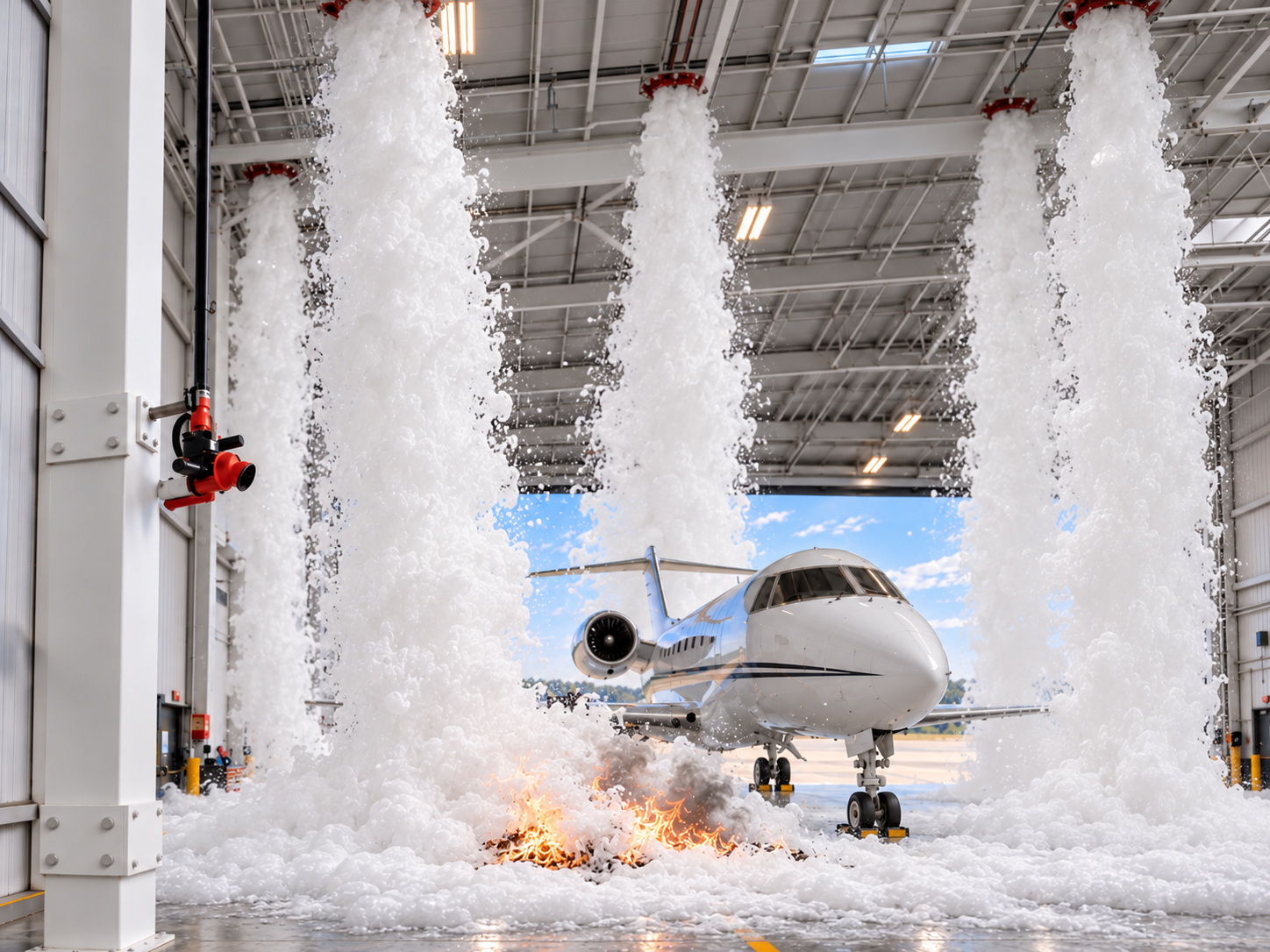
Traditional foam deluge systems are designed to flood the hangar volume when triggered. While effective, they can impact every aircraft in the bay, halt operations, and require extensive cleanup and inspection before returning to service.

5

Multi-Aircraft Exposure

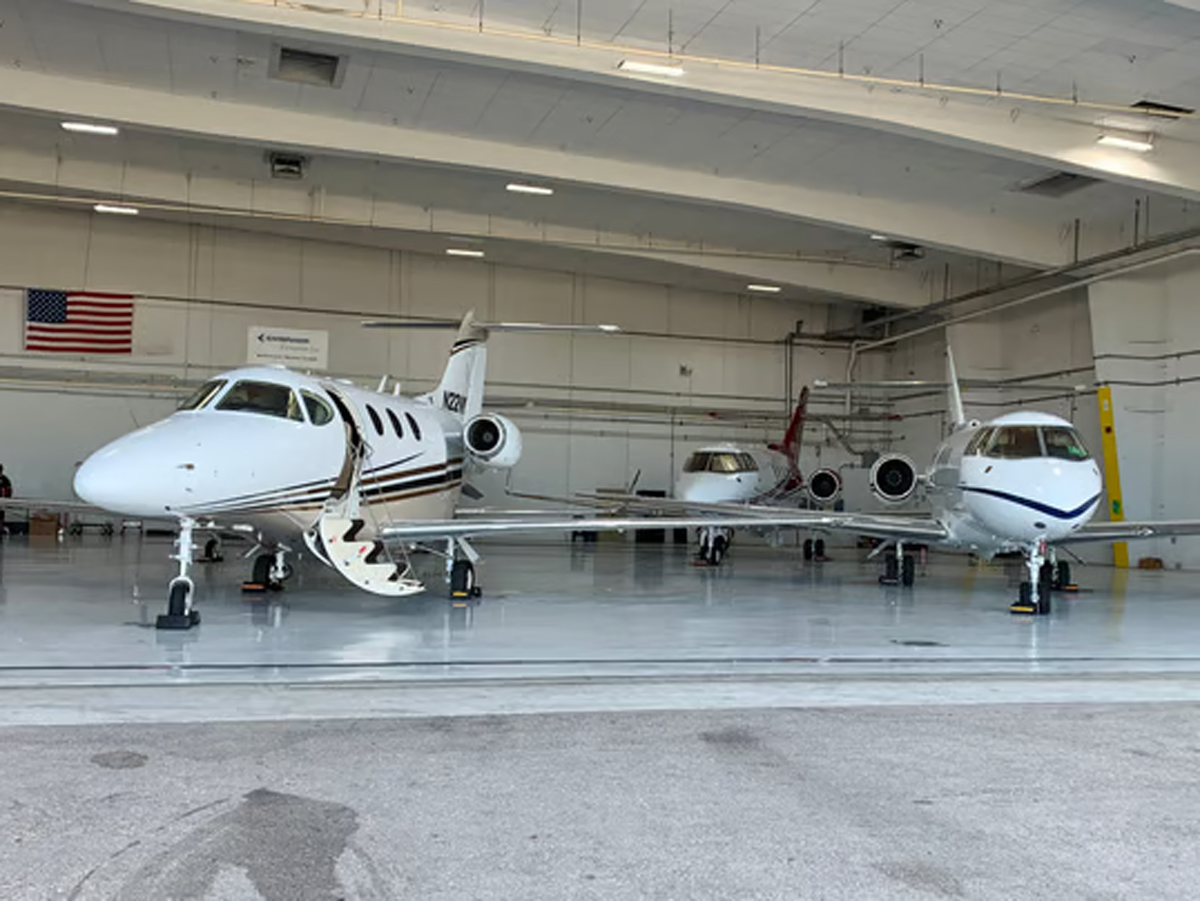
Many hangars house multiple aircraft simultaneously. A single ignition event can threaten tens or hundreds of millions of dollars in assets without precise, targeted suppression.

Outsmart Fire With Real-Time Response

Faster Detection,
Smarter Response

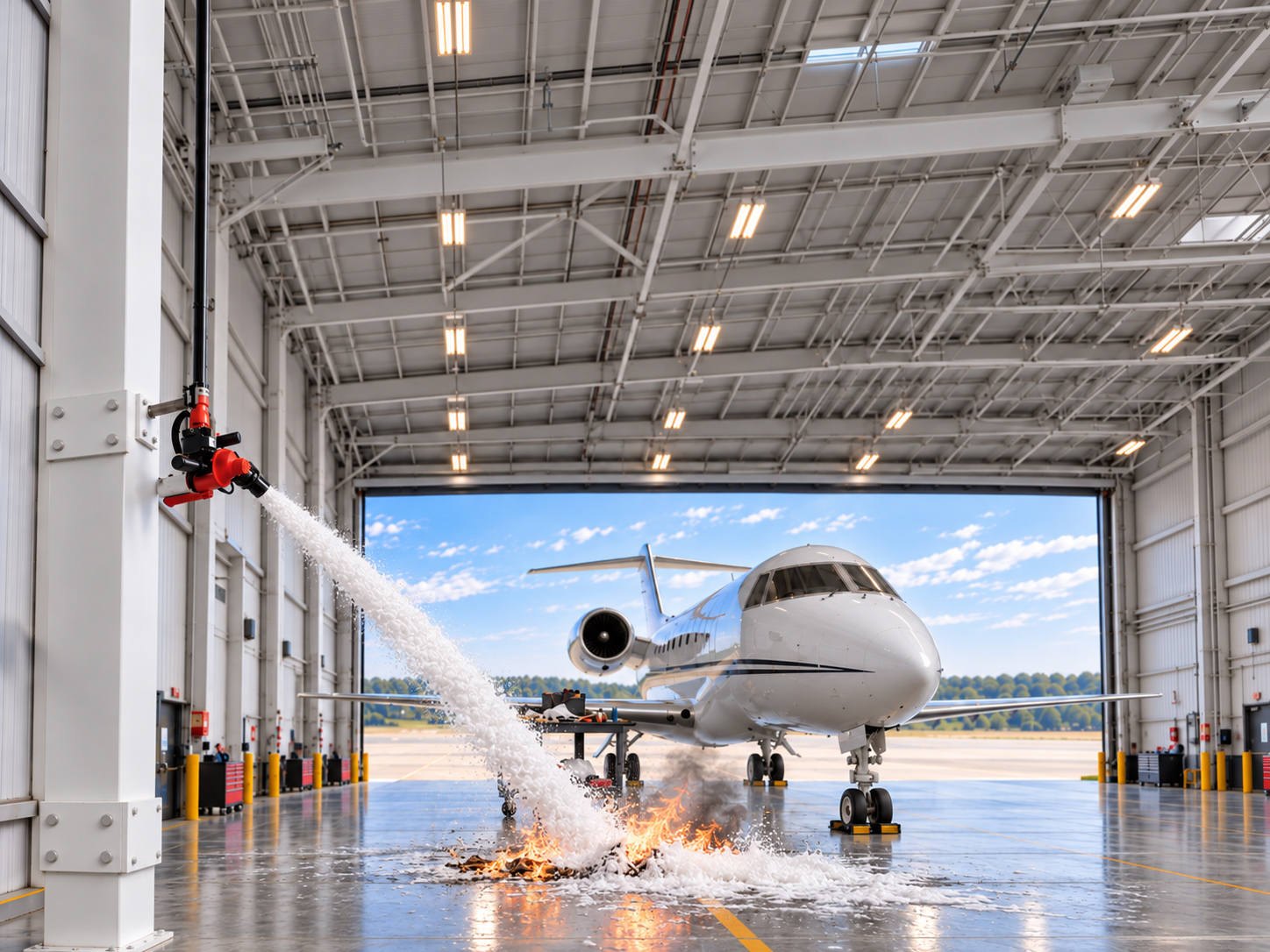
Fire Rover detects incipient fires before they escalate using thermal imaging, flame, and smoke analytics—then confirms threats through 24/7 live human monitoring to prevent false alarms and initiate real-time suppression.
Safer, Cleaner
Fire Protection

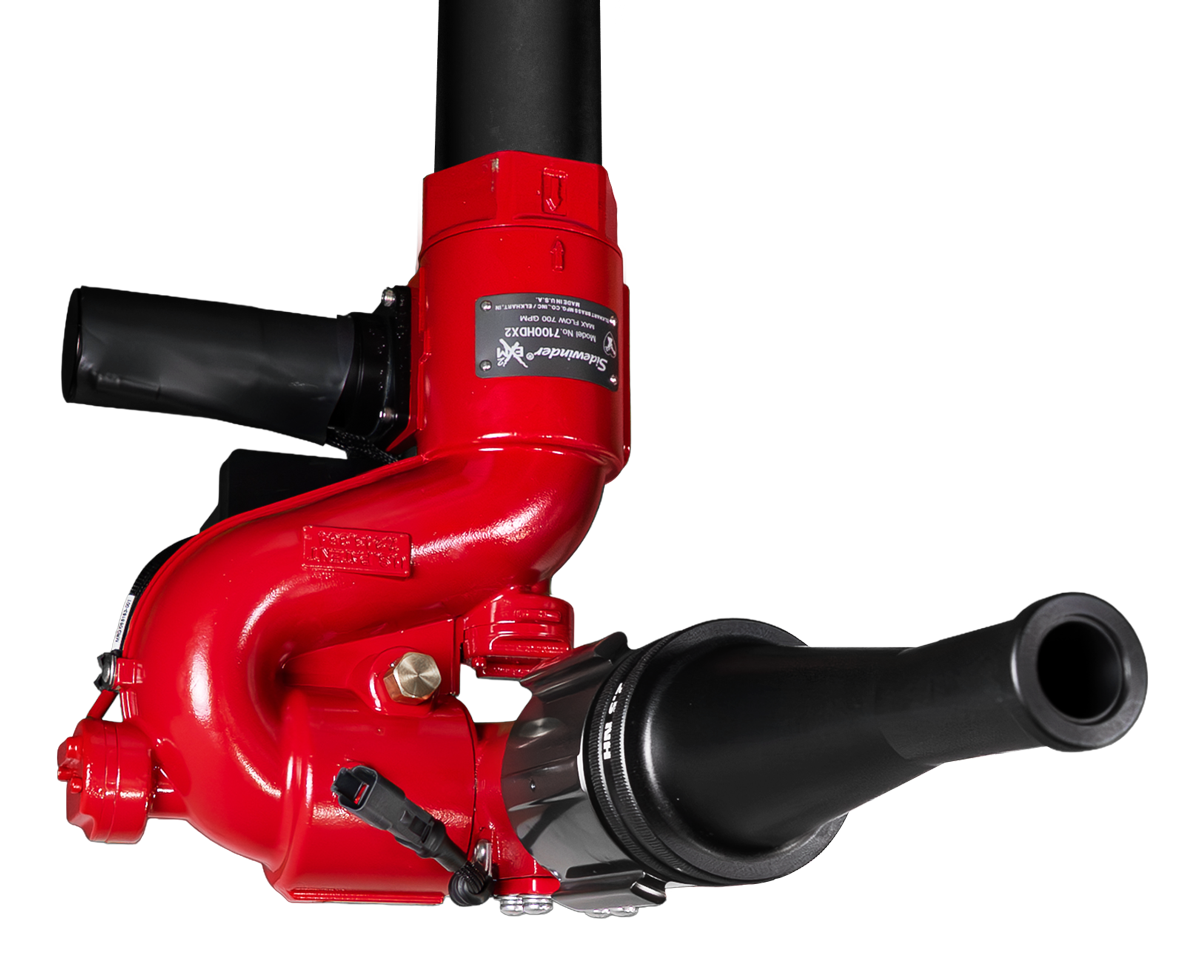
With remote-operated suppression, Fire Rover keeps your team out of harm’s way and reduces downtime after incidents. Our water-efficient technology uses up to 88% less water than traditional systems, minimizing mess, damage, and environmental impact.

Lower Risk,
Higher Confidence

Protect your people, assets, and reputation with a system designed to outpace fire threats and outsmart traditional suppression. Fewer disruptions, fewer claims, and complete peace of mind backed by innovation and FM Approval.

Aircraft hangars aren’t defined by how often fires occur — they’re defined by what’s at stake when they do. Protecting high-value aircraft requires faster detection and a more precise response than traditional systems can provide.

John Gibson
Sales Director at Fire Rover

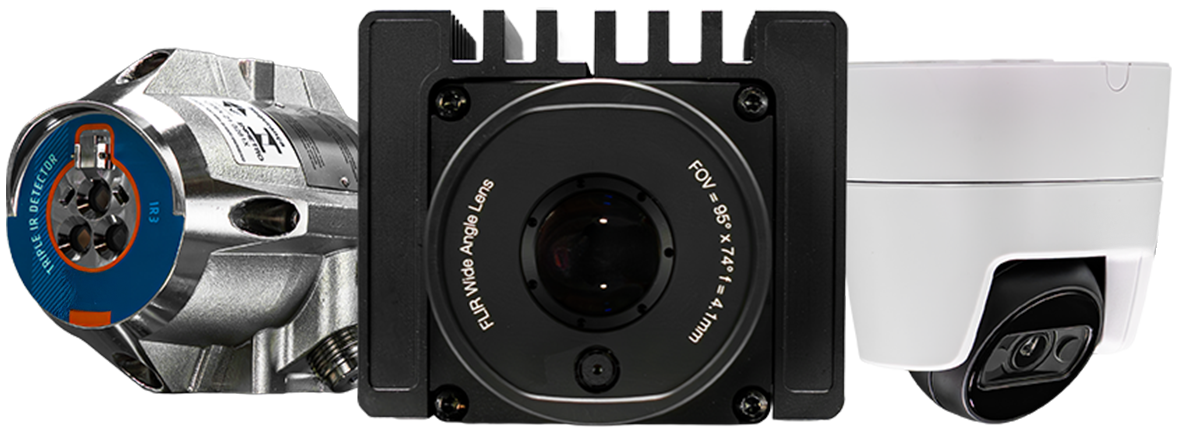
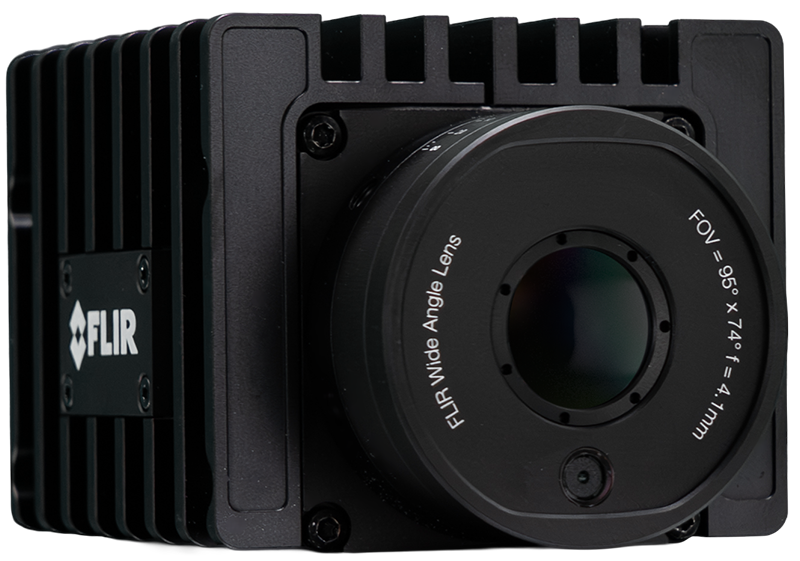
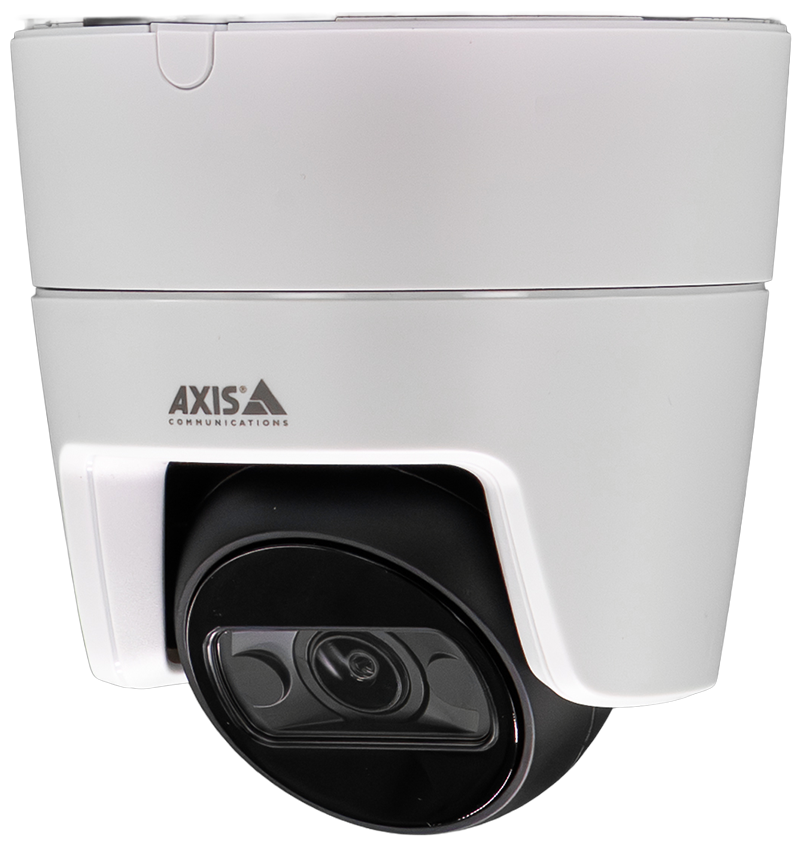
Three Cameras. Triple The Protection.

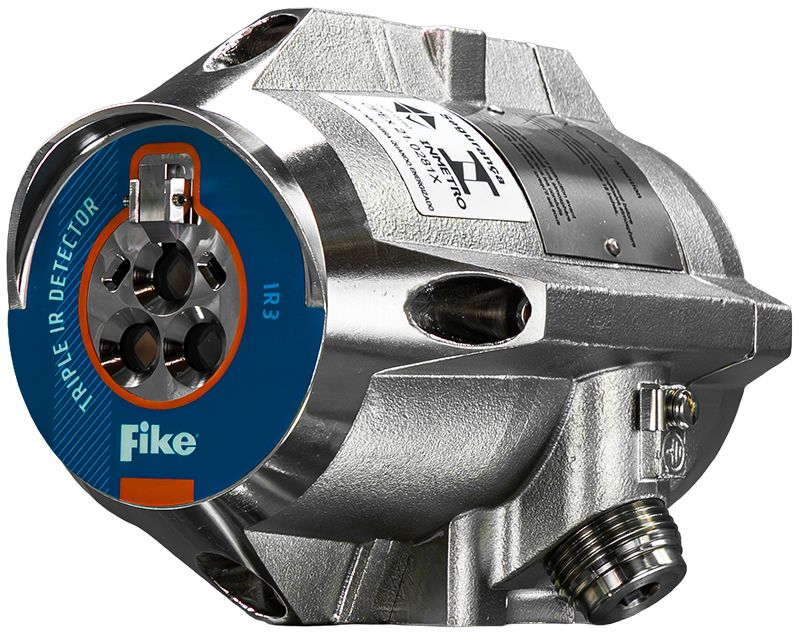
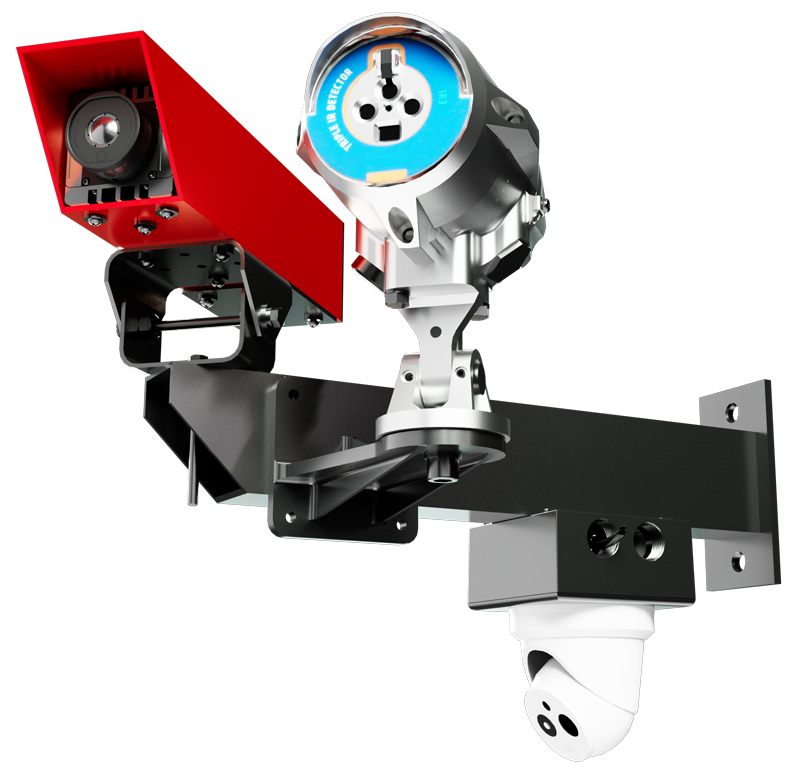
Engineered for demanding sites, Fire Rover cameras withstand tough conditions while delivering the clarity and accuracy needed to catch fires early. With thermal, flame, and smoke imaging working together around the clock, these cameras provide continuous, 24/7 monitoring — ensuring that even the smallest ignition risks are detected and addressed before they can escalate.

Flame Detection
Thermal Detection
Smoke Analytics
Flexible Configurations.
Scalable Protection.

Early Detection System

Continuous Suppression System

Self-Contained Suppression System

Mobile Suppression Unit System

Early Detection.
Rapid Response. Proven Results.

From waste and recycling to marine and metal processing, Fire Rover protects high-risk industries nationwide. Our early detection systems have prevented hundreds of ignition events before they escalated into costly disasters — helping teams save time, money, and lives.
  • Pre-Incipient
    Stage
  • Incipient
    Stage
  • Smoldering
    Stage
  • Flame
    Stage
  • Fire
    Stage
  • Major
    Fire Incident
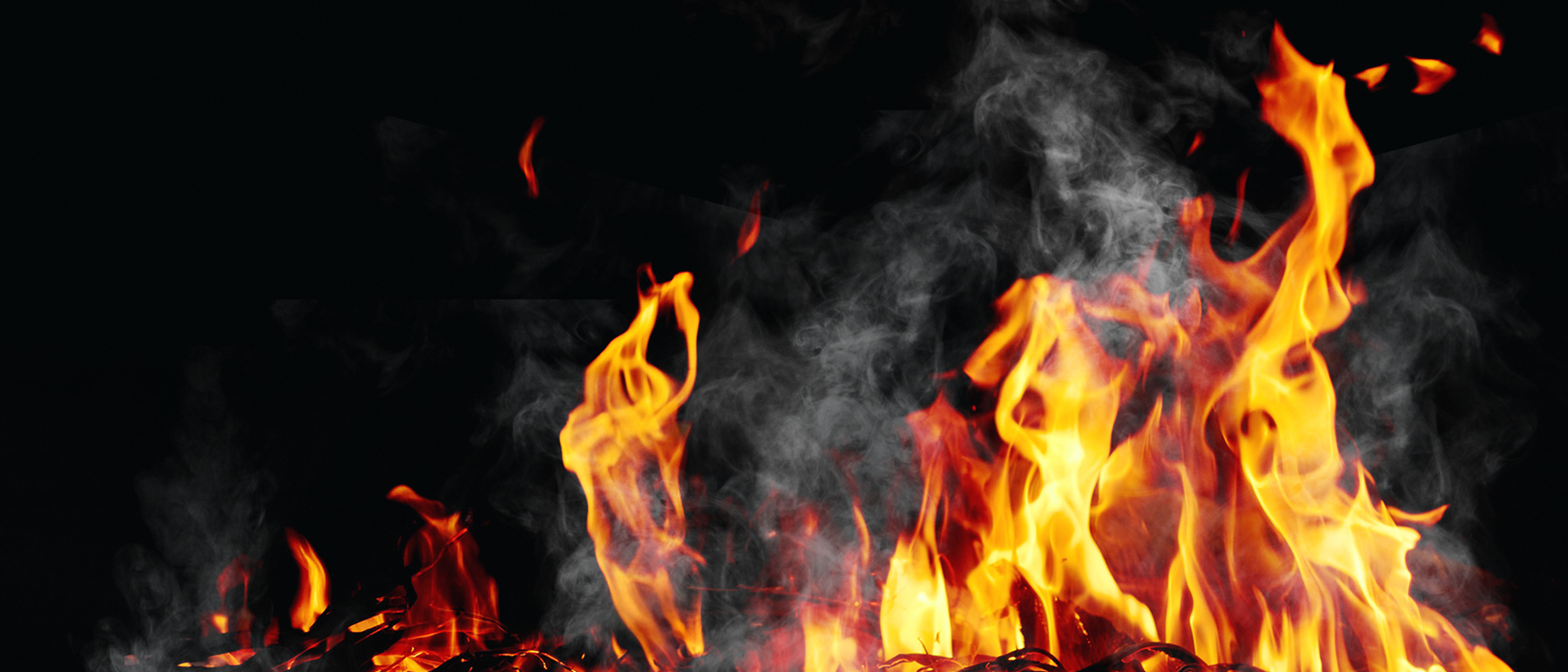
Fire Rover catches fires within seconds

Pre-Incipient Stage

Invisible to the eye — heat buildup begins before smoke or flame

Incipient Stage

The very first visible signs of fire — often seconds from spreading

Smoldering Stage

Smoke develops as materials heat; just 30 seconds from open flame

Flame Stage

Ignition is visible and spreading; suppression is now critical

Fire Stage

Active fire growth threatens equipment, property, and safety

Major Fire Incident

Uncontrolled fire requiring full emergency response

Industries We Protect
Every Day

Fire Rover is trusted in environments where fire risk is highest — from combustible waste piles to open storage yards. Our systems are designed for industries that face daily fire hazards, providing early detection and rapid response that keeps people safe, facilities secure, and operations running smoothly.
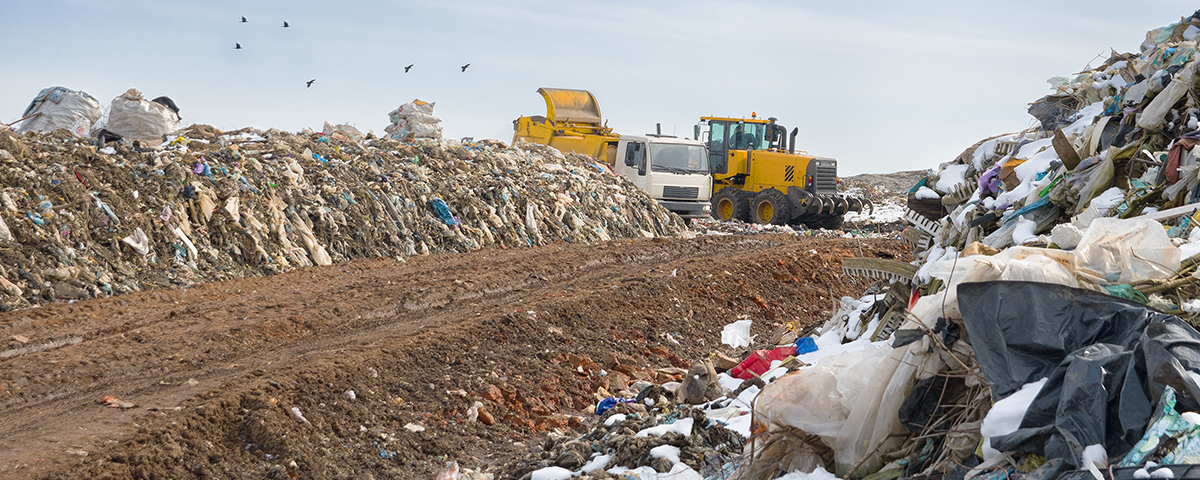
Waste and Recycling

Open air, shifting materials, and limited infrastructure make landfills especially vulnerable to incipient fires. Fire Rover provides rapid mobile detection with 24/7 thermal monitoring and video-verified alerting — delivering protection where permanent systems can’t reach.
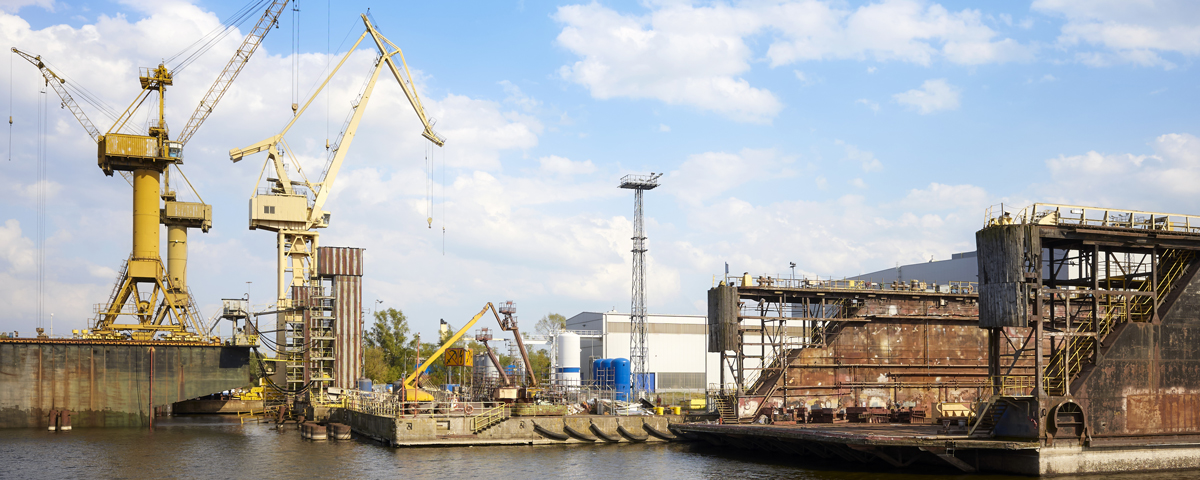
Marine

Sparks, welding equipment, and combustible materials are common in shipyards and other marine situations. Our Mobile Suppression System quickly delivers high-volume suppression directly to the ignition source — all while keeping your crew at a safe distance.
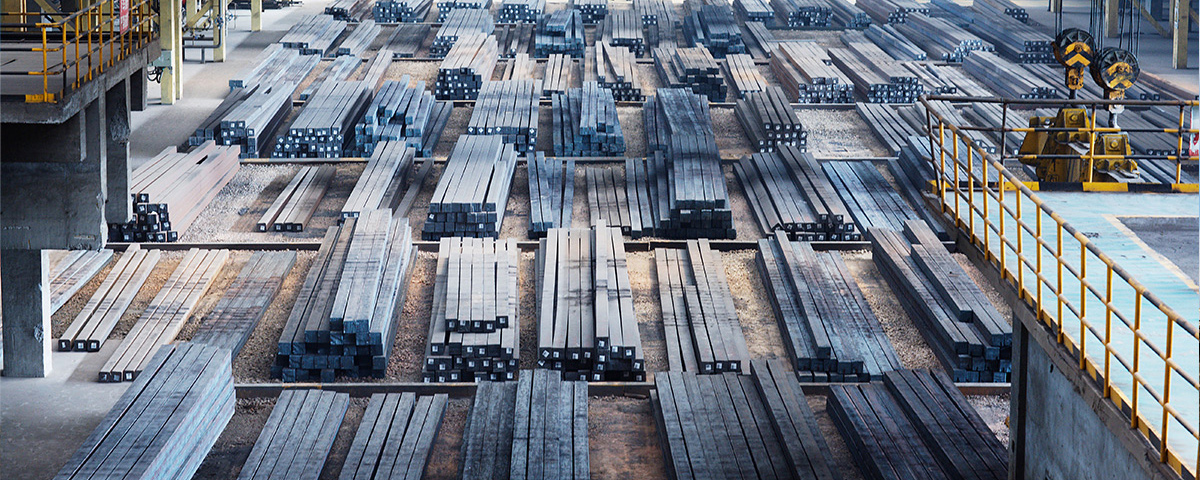
Metal Processing

From hot loads to lithium battery ignitions, scrapyards face unpredictable fire risks. Our hybrid approach combines mobile detection, continuous suppression, and site-specific strategies to stay ahead of threats in even the harshest environments, whether indoors or outdoors.
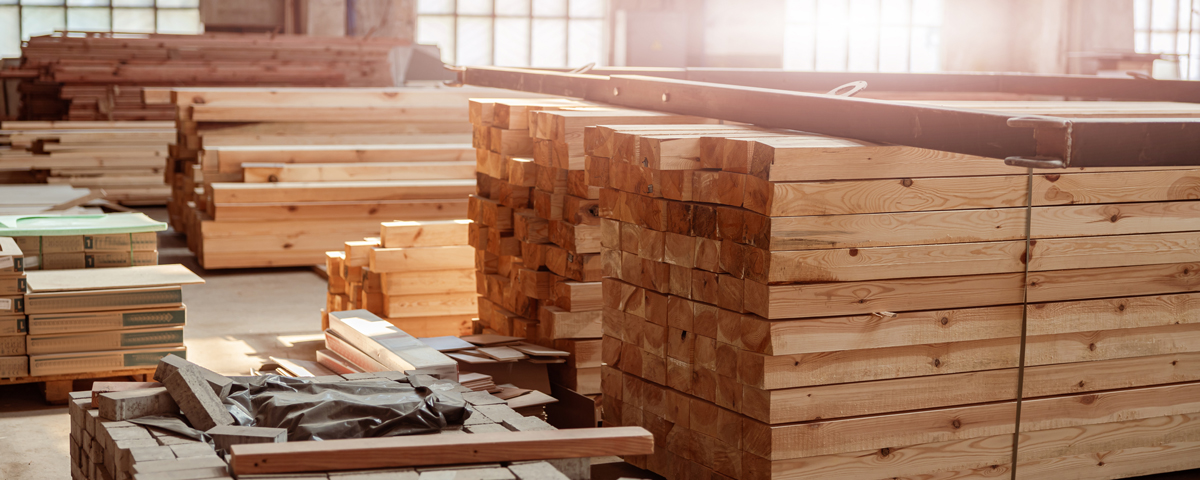
Wood Processing

Dust, organic material, and high heat combine to make these facilities a fire hazard. Fire Rover’s integrated detection and suppression systems provide persistent monitoring and immediate suppression to prevent deep-seated fires in bulk storage or conveyor lines.
Frequently Asked Questions

Why are aircraft hangars considered high-risk fire environments?

Aircraft hangars combine flammable fuel systems, active maintenance work, and large open spaces. While fires are relatively rare, the potential severity of loss — including multiple aircraft and operational downtime — makes advanced protection essential.

How does Fire Rover improve aircraft hangar fire protection?

Fire Rover uses continuous infrared monitoring, flame detection, and live human verification to identify ignition at its earliest stage. Targeted suppression is deployed directly at the source, reducing spread and minimizing collateral damage.

How is Fire Rover different from traditional foam deluge systems?

Traditional systems often discharge foam across the entire hangar volume once triggered. Fire Rover provides precision response — verifying threats and applying suppression only where needed, helping limit operational shutdown and cleanup impact.

Can Fire Rover protect multiple aircraft within the same hangar?

Yes. By identifying and suppressing ignition early, Fire Rover helps prevent fire from spreading to adjacent aircraft — reducing exposure across the entire bay.

Does Fire Rover provide 24/7 monitoring?

Yes. Fire Rover adds an active human response layer to passive systems, ensuring that potential fire events are verified and addressed in real time — day or night.

Related Articles

Alternative Fuel Fire Protection: Preventing Fires in High-Risk Energy Facilities

As industries pursue more sustainable energy solutions, alternative fuels are becoming increasingly common in recycling, waste management, and...

Wood Processing Fire Hazards: Causes, Risks, and Prevention Strategies

Every day in a wood processing facility means operating in a fuel-rich environment. From sawmills and lumber yards to pellet plants and engineered...

How Often Do Electric Cars Catch Fire? A Look at the Statistics

Every day, countless car fires happen — but how often do electric vehicles (EVs) catch fire? With headlines spotlighting EV battery blazes,...

Want to
Talk to Us?
Get in Touch.

John Gibson

John Gibson

Director of Sales

Phone: (248) 762-8908
Email: jgibson@firerover.com

Headquarters
24505 Indoplex Circle
Farmington Hills, MI 48335

Sales and Administration
6960 Orchard Lake Road, Suite 303
West Bloomfield, MI 48322
Please fill out the form below.

This field is for validation purposes and should be left unchanged.
This field is hidden when viewing the form

Download The
Pricing Guide

Contact Us
Phone: (248) 671-6899
Email: info@firerover.com

Headquarters
24505 Indoplex Circle
Farmington Hills, MI 48335

Sales and Administration
6960 Orchard Lake Road, Suite 303
West Bloomfield, MI 48322
Please fill out the form below.

This field is for validation purposes and should be left unchanged.
This field is hidden when viewing the form