






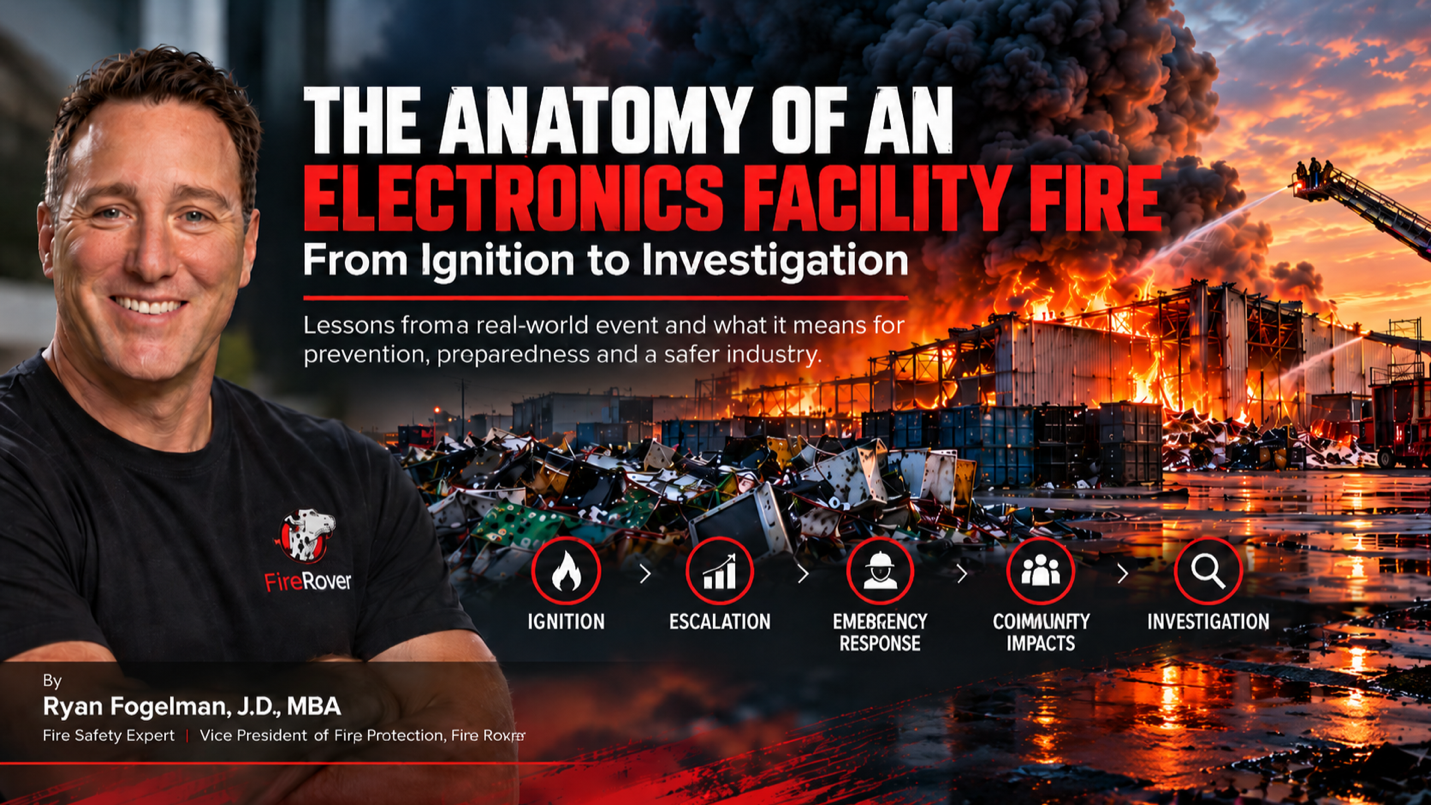
When I first started consolidating publicly reported waste and recycling facility fires in 2016, one of the biggest challenges was putting together the complete story of an incident. This article tells that complete story for one electronics recycling fire.
Individual news sources often had only bits and pieces. One outlet might report how the fire started, another might describe the emergency response, and another might cover what happened hours later. I spent a tremendous amount of time piecing those timelines together and creating what I began calling “The Anatomy of a ______ Fire.”
One of my earliest examples was The Anatomy of a Recycling Fire, published in January 2017
With the emergence of AI tools, pulling together information from multiple sources has become somewhat easier. But the thoughts, observations and conclusions that follow are my own, based on nearly a decade of tracking these incidents, along with decades of conversations, education, training and experience in fire protection.
Why Study the Anatomy of an Electronics Recycling Fire?
As I have done since the beginning, I am not highlighting the actual company involved in this incident because, for our purposes, the name is not important.
This could happen to any major operator.
We need to learn from one another.
I have long followed what I call the Volvo philosophy of safety: “Safety knows no competition.”
This major electronics recycling fire provides a useful look at how quickly an incident involving electronics, batteries, stored materials and industrial equipment can escalate.
How Does the Fire Start and Escalate?
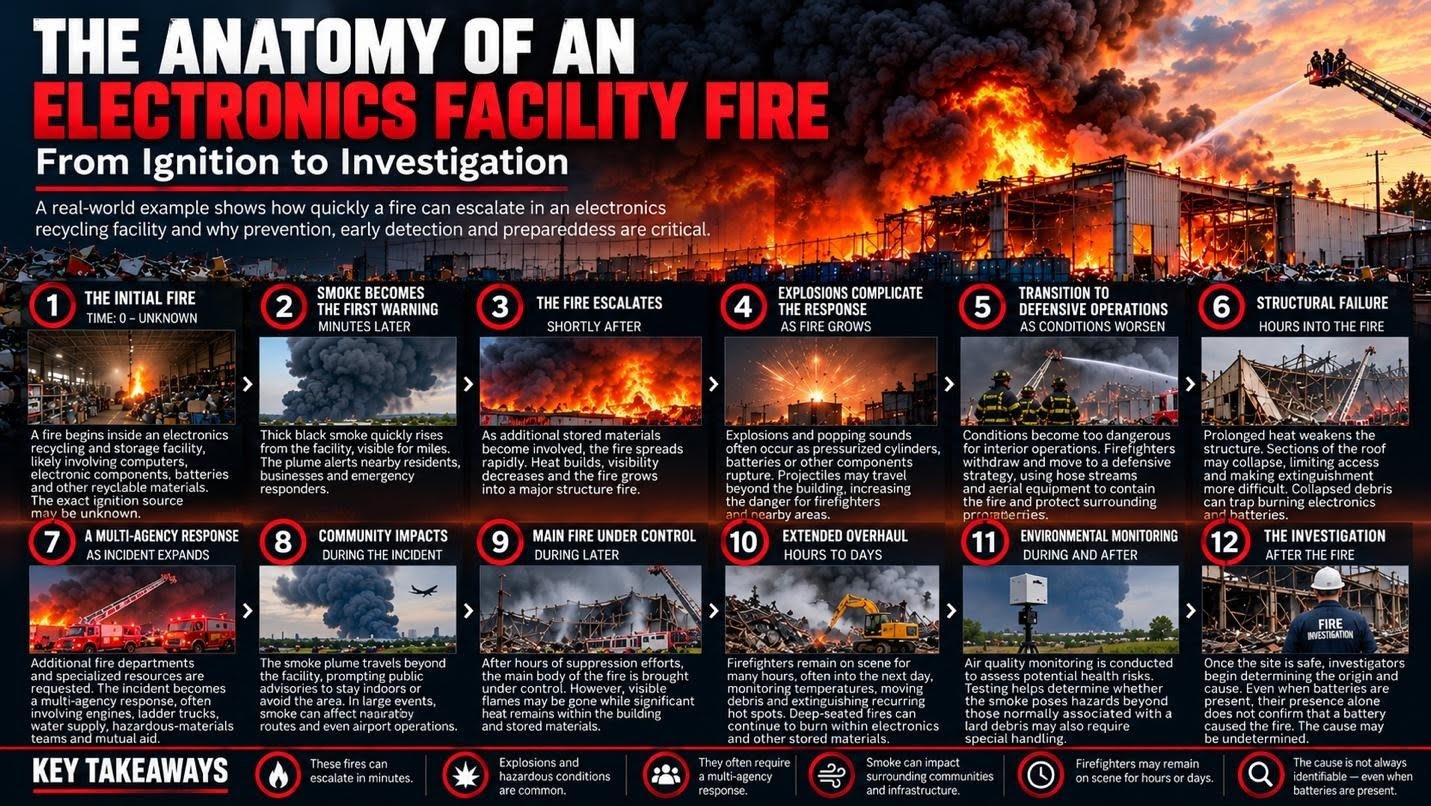
1. The Initial Fire
The incident begins inside an electronics recycling and storage facility containing computers, circuit boards, electronic components, batteries and other recyclable materials.
At this stage, the original ignition source may be unknown.
In many facility fires, determining exactly what started the event can take days or weeks, and in some cases, the cause may never be conclusively established.
2. Smoke Becomes the First Visible Warning
As the fire grows, a large column of thick black smoke begins rising from the facility.
The plume becomes visible from miles away, quickly drawing the attention of nearby residents, businesses and emergency responders.
With plastics, electronics and other manufactured materials involved, smoke becomes an immediate concern for both firefighters and the surrounding community.
3. The Fire Escalates
As additional stored materials become involved, conditions inside the building deteriorate rapidly.
What may have started as a localized incident is now developing into a major structure fire.
4. Explosions and Projectiles Complicate the Response
Firefighters begin hearing explosions and popping sounds from inside the facility.
Pressurized cylinders and other stored components can rupture when exposed to extreme heat, potentially creating projectiles. Batteries and electronic devices can also vent gases, ignite or become involved as fire conditions intensify.
Electronics facilities may contain numerous battery chemistries, energized equipment and other hazards, adding another layer of uncertainty for responding firefighters.
As those hazards increase, incident commanders may have little choice but to increase firefighter stand-off distances and transition toward a more defensive strategy designed to contain the fire and protect surrounding people and property.
What Changes When Firefighters Move to Defensive Operations?
5. Firefighters Transition to Defensive Operations
Conditions eventually become too dangerous for firefighters to continue operating inside the building.
Crews withdraw and transition to an exterior defensive attack using hose streams, aerial equipment and ladder trucks.
At this point, the priority changes.
Instead of attacking the fire from inside the structure, firefighters must protect personnel, contain the incident and prevent the fire from spreading to surrounding buildings and property.
6. The Structure Begins to Fail
Prolonged fire exposure weakens the building.
Sections of the roof may collapse, further limiting firefighters’ ability to access burning materials.
Collapsed roofing and structural debris can also bury burning electronics, batteries and other materials, making complete extinguishment significantly more difficult.
7. The Incident Expands Beyond One Fire Department
As the size and complexity of the incident grow, additional departments and specialized resources are requested.
Multiple agencies may provide engines, ladder trucks, water supply, hazardous-materials support and additional personnel.
A fire that began within a single facility has now developed into a significant multi-agency emergency response.
8. Smoke Impacts the Surrounding Community
The massive smoke plume travels well beyond the property.
Residents may be advised to avoid the area, remain indoors or limit their exposure to the smoke.
Air-quality monitoring may also be initiated, particularly when electronics, plastics, batteries and other industrial materials are burning.
In a sufficiently large event, the smoke plume can even affect nearby transportation infrastructure and aviation operations.
The consequences of the electronics recycling fire are no longer limited to the property where it began.
What Happens After an Electronics Recycling Fire Is Controlled?
9. The Main Fire Is Controlled, but the Incident Is Not Over
After hours of suppression efforts, firefighters may finally bring the main body of the fire under control.
But that does not mean the emergency is over.
Deep-seated fires can remain beneath collapsed roofing, stored materials, electronics and debris.
Crews continue searching for hot spots and applying water long after the visible flames have disappeared.
10. Firefighters Remain for Hours, or Even Days
Crews may remain at the facility well into the following day, monitoring temperatures, moving debris and extinguishing recurring hot spots.
This extended response is one of the defining characteristics of many waste, recycling and electronics facility fires.
The challenge is not simply knocking down the visible flames.
It is finding and extinguishing heat that may be trapped deep inside large quantities of stored or collapsed material.
11. Environmental Monitoring Begins
Hazardous-materials teams or environmental agencies may conduct air monitoring around the site.
Testing can help determine whether smoke or other emissions present hazards beyond those normally associated with a large structural fire.
Firewater runoff, damaged batteries, electronics and other contaminated materials may also require special handling during the response and cleanup.
12. The Investigation Starts
Only after conditions are safe can investigators begin trying to determine where and how the electronics recycling fire started.
Even when batteries are known to be present, their presence alone does not establish that a battery caused the fire.
That distinction is extremely important.
Electronics recycling facilities can contain batteries, electrical equipment, combustible materials, compressed cylinders and numerous other potential ignition and fuel sources.
Until investigators identify the origin and cause, the responsible approach is to classify the cause as undetermined.
Talk Fire Risk With Ryan
Ryan tracks fire incidents nationwide and helps facilities reduce risk with smarter detection and suppression strategies. Connect with him to get expert guidance tailored to your operation.
The Bigger Lesson
The anatomy of an electronics recycling fire demonstrates just how quickly a single incident can evolve.
Initial ignition.
Rapid smoke development.
Increasing heat and fire spread.
Explosions and hazardous conditions.
Withdrawal of interior firefighters.
Structural collapse.
A multi-agency response.
Community smoke concerns.
Hours of suppression.
Extended overhaul.
Environmental monitoring.
And, finally, an investigation that still may not produce a definitive cause.
The ultimate lesson is not simply about what starts these fires.
It is about what happens after ignition.
Facilities handling electronics and batteries need strategies focused on prevention, early detection, rapid verification, emergency communication, employee training, fire department coordination and, where appropriate, intervention before an emerging event develops into a large-scale structural fire.
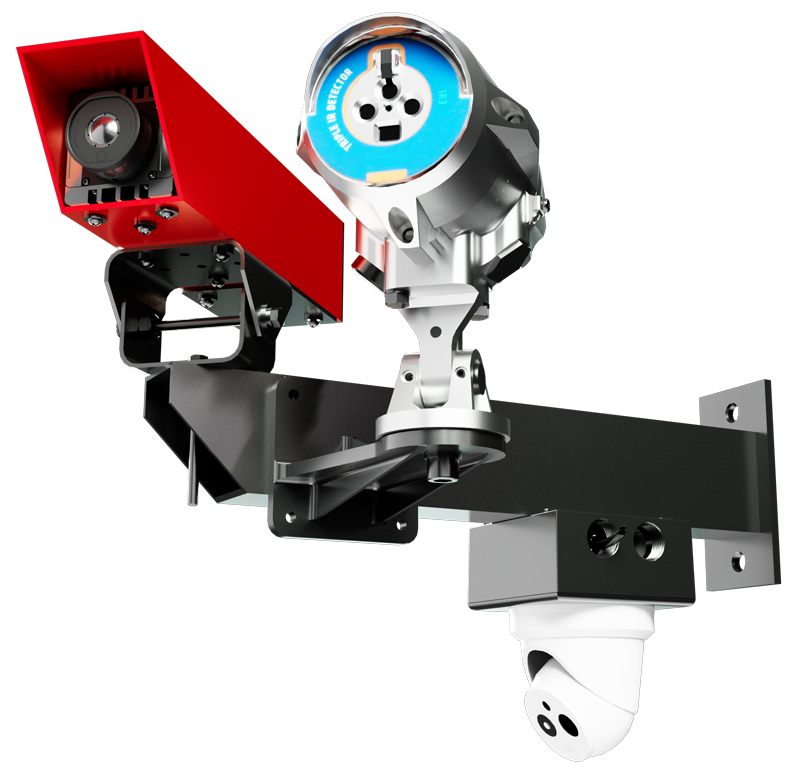
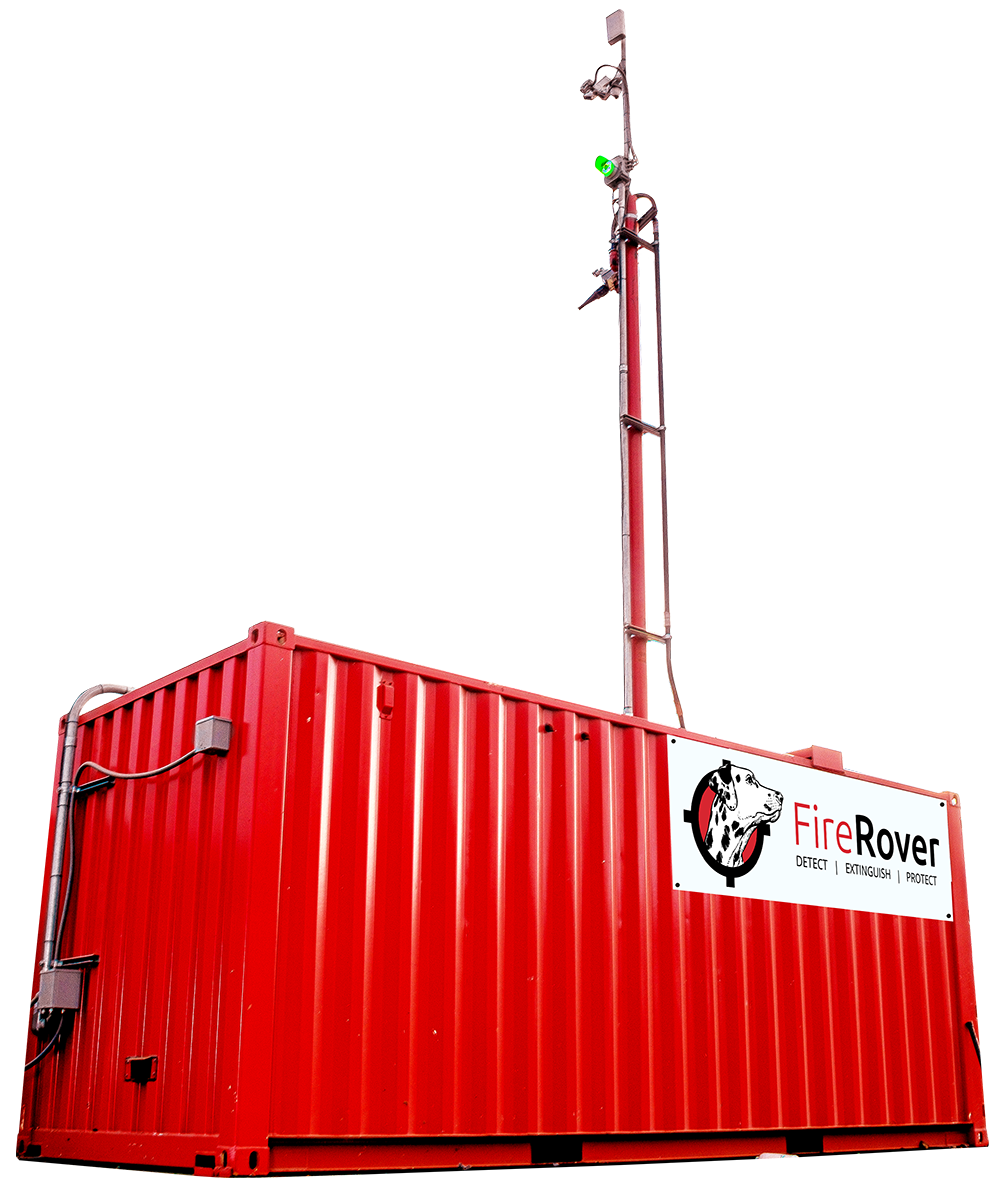
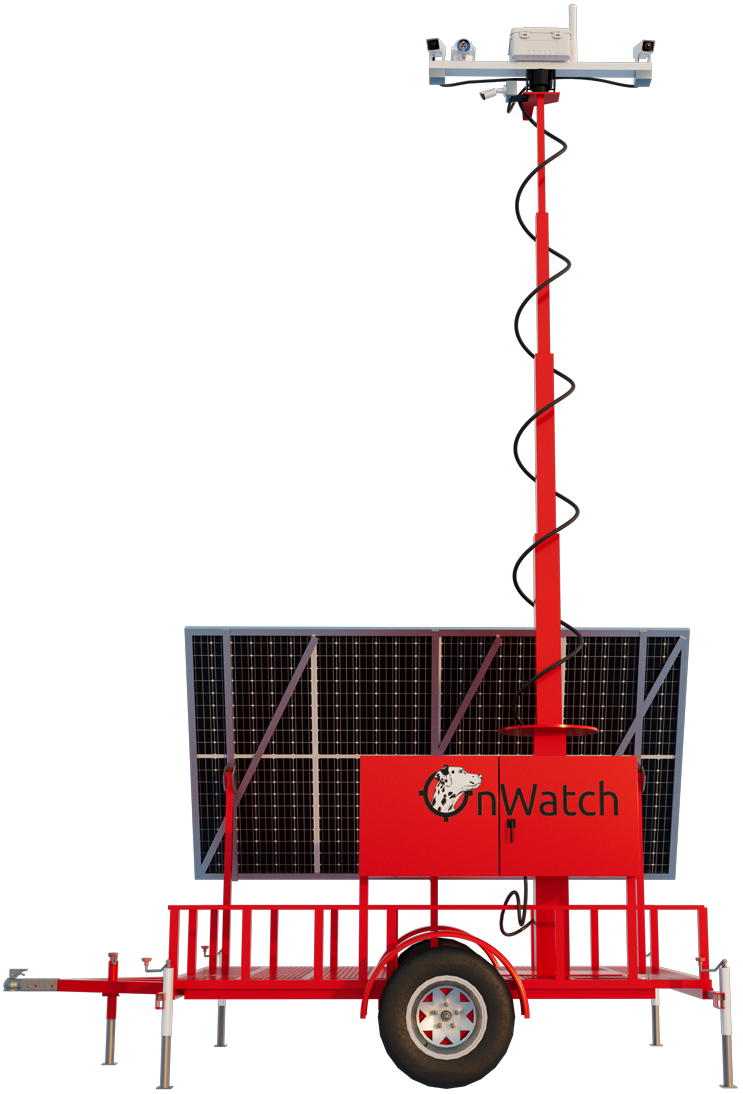
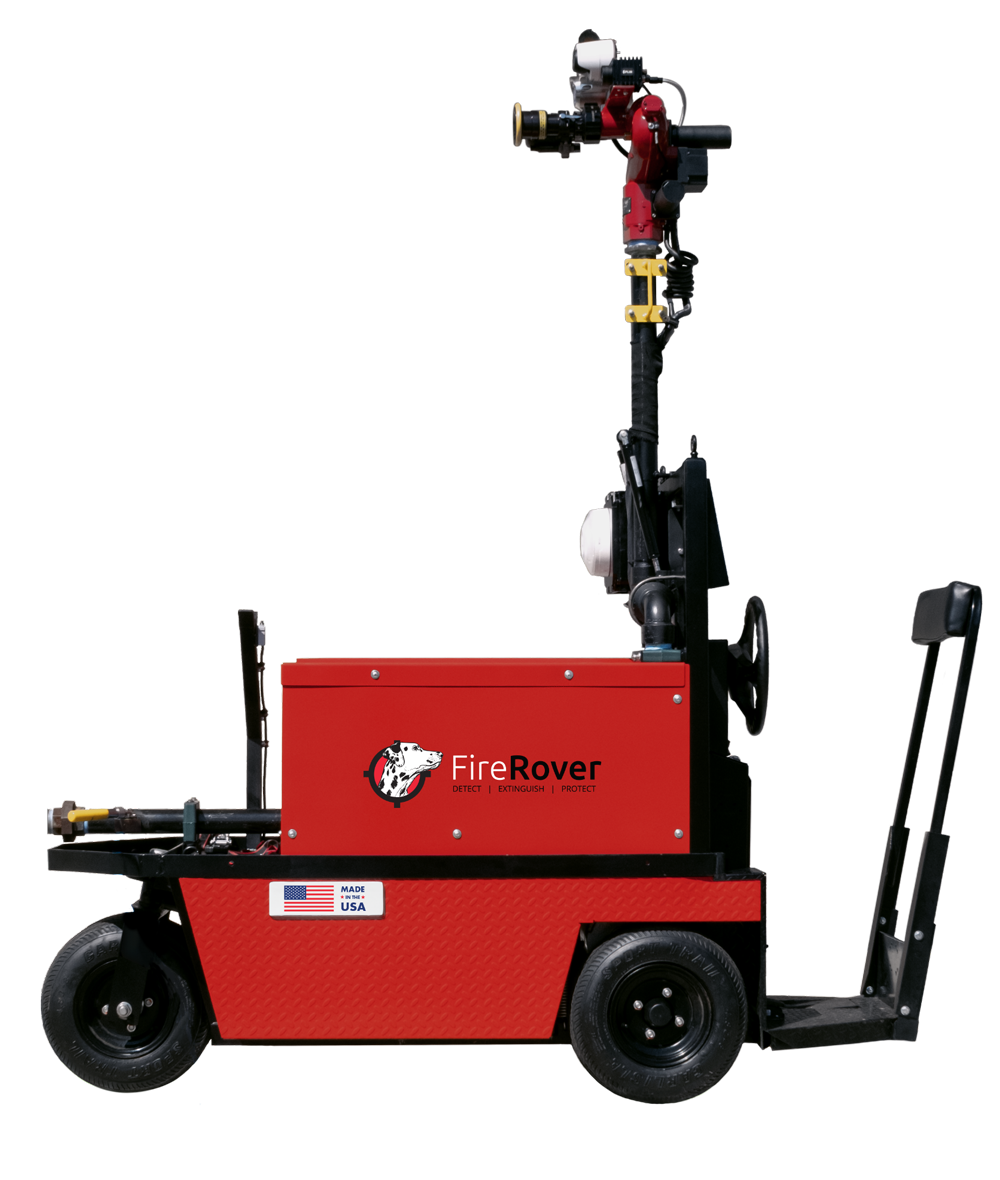
That is the philosophy behind our FM Approved Fire Rover solution. The goal is to identify an abnormal condition as early as possible, verify what is happening and give trained operators an opportunity to respond while the incident is still manageable.
What Early Intervention Can Look Like
The video below shows a very different outcome at an electronics recycling operation protected by Fire Rover.
In this incident, drums containing small batteries were staged for processing when a reaction developed inside one of the drums. Thermal runaway began spreading through the batteries contained within that drum.
Our Fire Rover virtual firefighter identified the event and began applying suppressant to help protect the surrounding drums while focusing on preventing the incident from spreading beyond the original container.
The video represents approximately 18 minutes of activity and has been sped up for viewing.
What is important is not simply the flame itself. Watch what does not happen.
The incident does not immediately spread throughout the surrounding inventory.
The adjacent drums do not become involved.
The event remains manageable until professional firefighters arrive on scene and take over the response.
That is the window that matters.
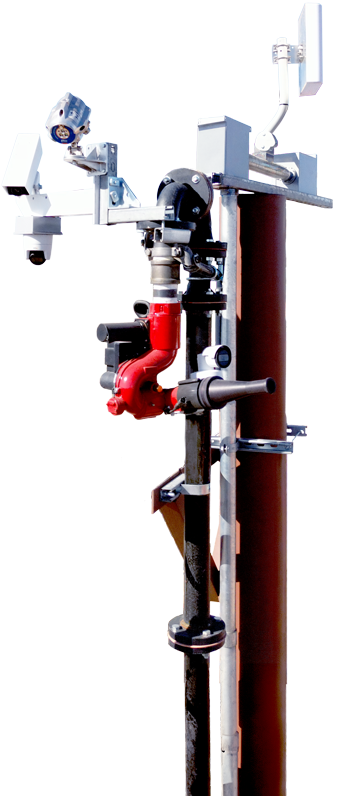
Continuous Suppression System
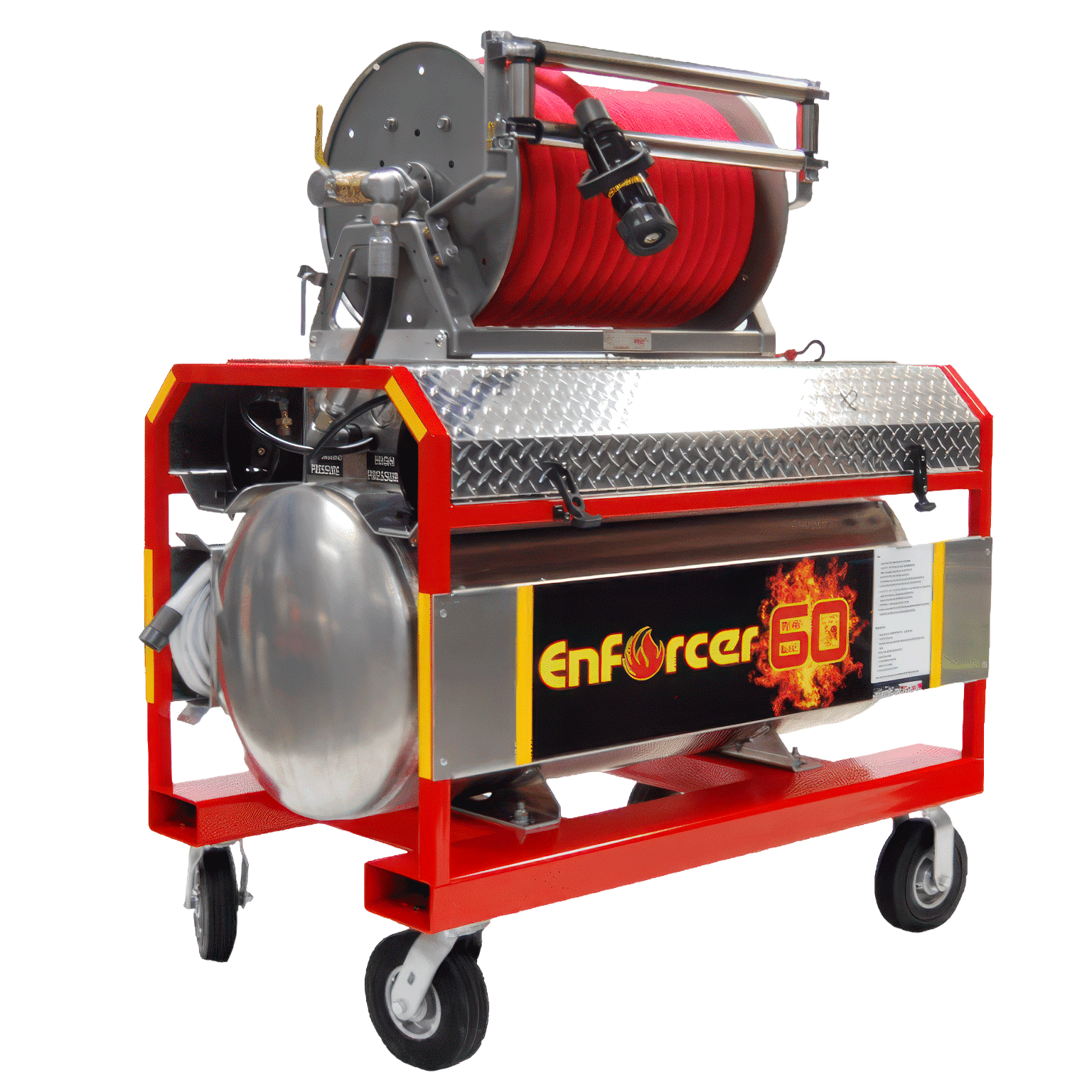
Eliminate threats before they spread. Our Continuous Suppression System provides nonstop, targeted suppression to keep fires from gaining ground and operations running safely.
A small battery event can become a major facility fire, and in the wrong circumstances, a catastrophic loss, if it is not identified quickly and managed appropriately.
Early detection does not eliminate the risk.
It creates options.
And those options become increasingly limited as every minute passes.
Because once conditions deteriorate to the point where firefighters can no longer safely enter the building, the entire strategy changes.
At that point, the objective may no longer be to save the building.
It may simply be to contain the fire, protect the surrounding community and prevent an already serious incident from becoming even worse.
Get Ahead of an Electronics Recycling Fire
At a facility handling electronics and batteries, the first minutes after ignition decide how many options you still have. The earlier an abnormal condition is identified and verified, the more of those options remain open.
Fire Rover’s Continuous Suppression System combines thermal, flame and smoke detection with 24/7 human verification and high-volume water delivery, so a developing event can be addressed early while your team stays clear and firefighters are on the way. Contact our team to see how this approach could fit your site and how it would respond in the first minutes of an electronics recycling fire.
Related Articles
September 2026 Fire Report: The Extended Summertime Spike, the Vape Effect and a First Sign of Progress
How Disposable Vapes Are Driving a New Wave of Landfill Fires