






For those of you who completed your taxes by the April 15 deadline, you already know the kind of disciplined, detail-oriented grind it takes to get there. That is exactly how I would describe putting together this year’s annual report. Instead of deductions and depreciation schedules, I am working through incident logs, facility breakdowns and trend lines that I wish told a different story.
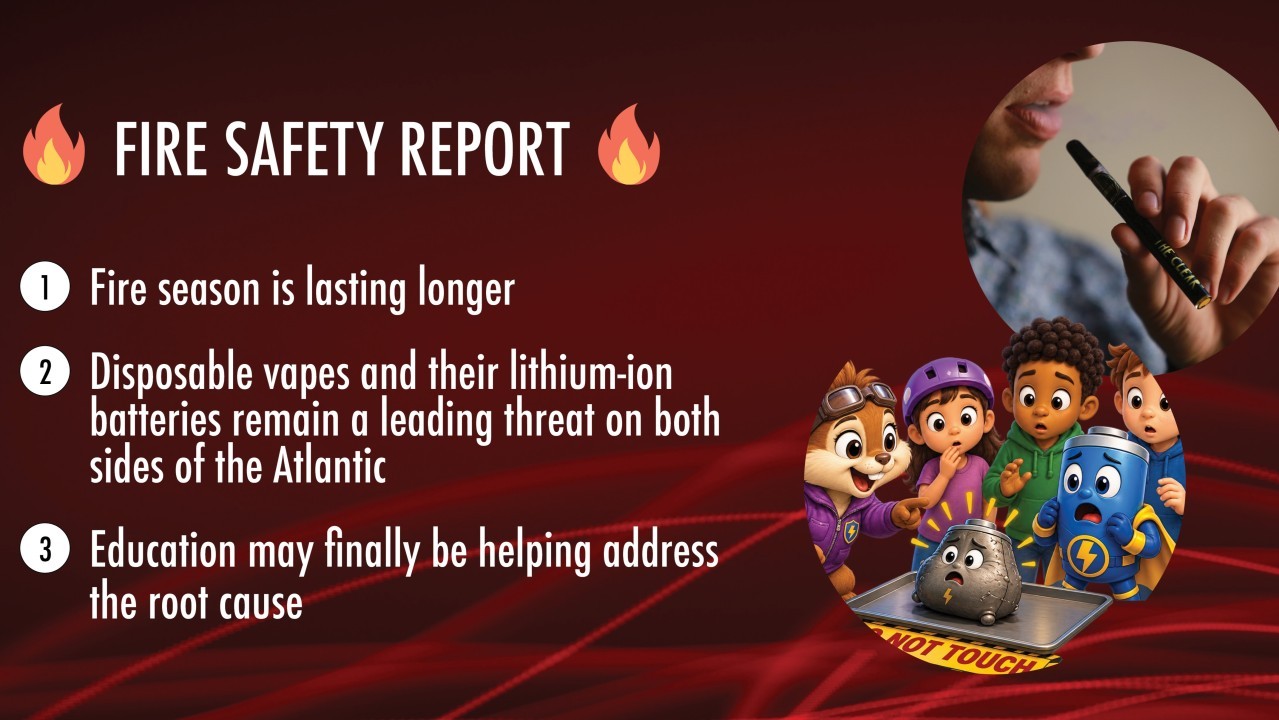
This is the May 2026 fire report — my monthly look at where waste and recycling industry fires are trending. This time, it comes paired with an in-depth conversation on the human side of battery fire response.
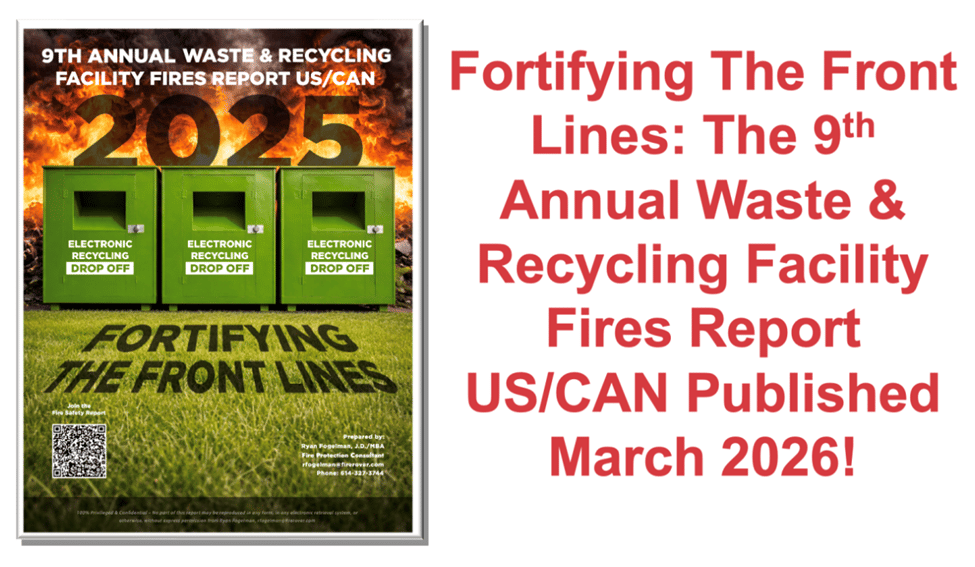
This year was especially taxing (no pun intended) because we once again set new, unfortunate record highs. I shared that data and my latest analysis in the “Fortifying the Front Lines: 9th Annual Waste & Recycling Facility Fire Report US/CAN,” released last month. To everyone who has read it, shared it and taken the time to send feedback, I cannot thank you enough.
Inside the May 2026 Fire Report: March and April Data
In March, we experienced 30 incidents. Fifteen were at waste, paper and plastics facilities, nine at metal recycling yards, three at hazmat operations and one each at organics, electronics and rubber facilities.
In April, we saw 29 incidents. Fifteen were at waste, paper and plastics facilities, 11 at metal recycling yards, two at electronics facilities and one at an organics recycling facility.
2025’s Record Year, and Where 2026 Stands
If you read my reports, you already know last year was the worst on record. I’ve been consolidating and sharing this fire data since 2016, and publicly reported fires have never run this high. We closed 2025 with 448 publicly reported waste and recycling facility fires across the U.S. and Canada. That surpassed 2024’s record of 430 incidents and landed nearly 25% above the annual average of 360.
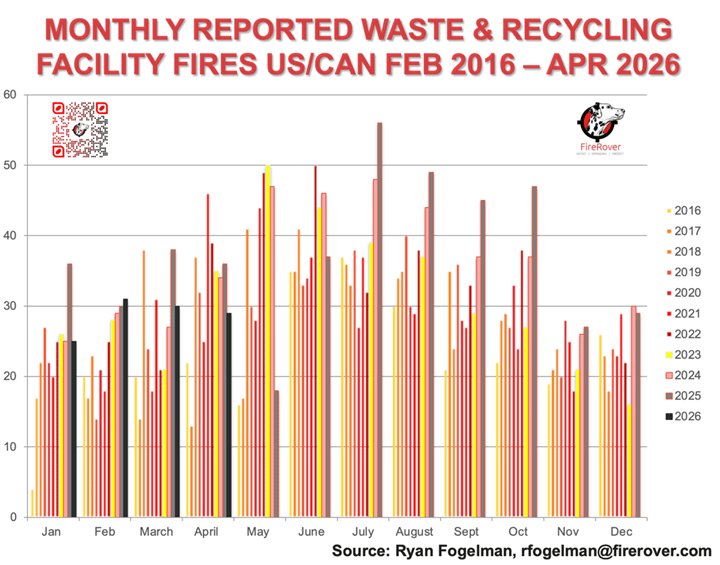
Now nearly halfway through 2026, I can allow myself a cautious exhale. The first four months of this year produced 115 fire incidents, coming in behind 2025’s 140 incidents and 2018’s 120 incidents over the same period. We are currently tied with 2021 and 2024 at this point in the calendar year.
So, what does that mean in practical terms? If historical forecasting holds, we’re on pace to land between 360 and 430 incidents for the full year. While those are educated projections, I am certainly not going to complain about 25 fewer major fire incidents compared to the same time last year. In this industry, that is meaningful and a step in the right direction.
Exclusive Interview: Kathleen McCaffery on Bridging the Gap Between Fire Departments, the Green Energy Sector and EPA
I often hear frustrations from facility operators and first responders, the most common one being when a lithium-ion battery fire occurs, everyone is learning in real time. This means operators do not always understand what fire departments can and cannot do. And fire departments often don’t understand the recycling sector’s operations and the dangers that come with them, such as lithium-ion battery fires.
Until recently, there were no national guidelines governing how to handle these batteries across the full waste stream. Kathleen McCaffery, founder of McCaffery Consulting and Training LLC, has spent the last several years working to close every one of those gaps.
Her background is unique. Her work—including two landmark Environmental Protection Agency (EPA) projects on lithium-ion batteries in the waste stream—is directly shaping how industry prepares for and responds to the fire crisis we are all living through.
As part of this May 2026 fire report, I recently sat down with McCaffery to talk about her journey, her methodology and what she believes is still missing the mark.
Talk Fire Risk With Ryan
Ryan tracks fire incidents nationwide and helps facilities reduce risk with smarter detection and suppression strategies. Connect with him to get expert guidance tailored to your operation.
Her Path from Firefighter to Tesla’s Global Fire Liaison
Ryan Fogelman (RF): You have accomplished a lot over the years. Tell us about your career and how it led you to where you are today.
Kathleen McCaffery (KM): I spent the first 28 years of my career as a professional firefighter with Fairfax County Fire and Rescue in Virginia, retiring as a battalion chief. After I retired, Tesla recruited me to build a fire response team at its California gigafactory. That program became the pilot for the company’s gigafactories in Texas, Berlin, Shanghai and Mexico.
It was in that role that everything changed for me professionally. As we built out the team and started interfacing with local fire departments and green industry partners, one thing became clear fast. There were major, and sometimes dangerous, misconceptions on both sides of that relationship. Tesla recognized that problem was bigger than one facility and created a position specifically for me. I became Tesla’s first Global Fire Liaison. I traveled the world to train fire departments and green energy companies on lithium-ion battery fire response in an effort to bring both sides together to form one cohesive plan.
In 2023, I left Tesla and founded McCaffery Consulting and Training LLC (MCT) to further bridge the critical gap between advancing renewable energy technology and fire service awareness. MCT enhances fire safety protocols, training and emergency response measures for every stakeholder involved, fostering a safer and more efficient environment that goes beyond current fire code for all stakeholders involved.
The Most Dangerous Misconceptions About Battery Fires
RF: What are the most dangerous misconceptions about lithium-ion battery fires that you have encountered?
KM: On the fire department side, there is often an over-reliance on traditional suppression tactics that simply don’t translate to lithium-ion battery chemistry. Firefighters train extraordinarily well, but that training targets fires that behave in predictable, traditional ways, and lithium-ion fires don’t follow those rules. The Key difference is that LIB create their own oxygen, thus each cell is a complete fire triangle. Because of this, simplify displacing the oxygen of the fire is only a short-term solution that results in rekindle. For example, fire departments are taught, “big fire=big water”. LIB fires are the opposite: “big fire=limited water”. There are also myths that the byproduct of LIB fire is somehow more toxic than an ordinary structure fire: this is not the case. Both situations create toxic exposures, but our bunker gear and SCBA protect us from that.
On the green energy side, there is sometimes an expectation that the fire department has the tools and knowledge to easily deal with the emergency. Many in the industry erroneously think our gear is arch-flash rated and electrically protective and is Haz-mat protective: this is not the case. Many also assume fire departments already know BESS and LIB operations inside and out, and that’s a misperception too. That opinion is just not realistic. When conflicting and erroneous expectations collide with operational realities during an active incident, friction can arise at exactly the wrong moment, which can result in injury, death and a disorganized incident scene.
How She’s Training Fire Departments and Facilities
RF: How are you addressing those misconceptions through training?
KM: I developed what I call ‘back to basics” fire training, ‘designed to provide the FD the knowledge and tools to handle the operational strategies and tactics needed to safely approach for lithium-ion battery incidents. The first objective is to first dispel the myths and then teach fire departments how to safely operate on a BESS fire scene, because sound response protocols can’t be built on faulty assumptions. Next is to help them understand when a scene is “stable” and can be safely turned back over to the owners (another aspect of the fire operations no one is talking about). I also produced two short training videos for Tesla, geared specifically toward fire departments, which are available on Tesla’s website.
Equally important to me is the education I provide to the green energy sector. One of the most predominant misconceptions from the green industry is when they apply for fire permits, they are working with the fire department: they are not. I encourage, and at times, facilitate cooperation with the green energy and the operational fire service. These are the members who will respond to the actual fires, not fire inspectors.
Facilities must understand their local fire department’s realistic capabilities and limitations and then use that understanding to develop mutual preplans before an incident occurs. My role is to serve as a facilitator, bringing both entities together to establish a common understanding before an emergency happens. That preplan is everything.
Working With EPA on National Battery Guidance
RF: You are also working with EPA on lithium-ion battery projects. Can you share some details about that partnership?
KM: Last year, EPA contracted me to help development two major projects focused on lithium-ion batteries in the waste stream. Prior to this work, there were no national guidelines addressing lithium-ion battery fire response across the full waste life cycle. And what little guidance was out there, had no fire service input on the fire response, often contradicting current fire standards. That is a remarkable gap given how many billions of these batteries are flowing through our waste and recycling infrastructure every single year.
The first project was comprehensive best practice guidance for fire response at every stage of the waste cycle, from collection and transport to processing, transfer and disposal and land fill operations. The second was a quick reference brochure for community battery collection sites, designed to be practical for program leaders. This included detailed guidance on how and when to contact your local fire department and some sample questions to ask.
What the Guidelines Actually Cover
RF: Walk us through what those guidelines cover. What do facilities and first responders need to know?
KM: The number one thing to realize if a LIB makes it into the waste stream and creates a fire, is that traditional fire extinguishment may not work and that the event is not over when the flames go out. Because of the unique nature of the LIB, it creates its own oxygen, and thus, often re-ignites, no matter what fire agent you use to extinguish it. Secondly, crews must carefully remove any LIB exposed to fire and place it in isolation before discarding it.
The community document can be found on the EPA’s web-site. EPA will post the “Best Practices for Waste Management” shortly. Below are some key components which are discussed on the EPA LIB waste pages. I encourage everyone to reference them after, as this technology, along with its guidance, is rapidly changing. I will break it down the way EPA structures it because the guidance is built for different audiences, and all of them matter.
Guidance for Consumers and Households
At the consumer and household level, the core message is non-negotiable: Lithium-ion batteries should never go in household trash or curbside recycling bins. Beyond that, EPA recommends isolating battery terminals with non-metallic tape like electrical tape or placing individual batteries in separate plastic bags before transport to prevent short-circuiting. Batteries should be stored at room temperature, away from direct sunlight, extreme heat or freezing conditions. If a battery is physically damaged or swollen, consumers should contact their local household hazardous waste facility for specialized handling instructions before attempting to move it at all. The best public tool available for finding nearby authorized drop-offs is the Earth911 Recycling Locator.
On charging and daily use, the guidance covers things that sound like common sense but aren’t commonly practiced, such as only buying certified devices from nationally recognized testing laboratories, charging batteries on hard, flat surfaces away from flammable materials and never storing batteries in extreme heat environments like a car in direct sunlight. These individual behaviors, multiplied across millions of consumers who aren’t following them, feed directly into what we see on our tipping floors each month.
Requirements for Businesses and First Responders
For businesses, waste facilities and transporters, the requirements become more formal and consequential. Under RCRA [Resource Conservation and Recovery Act], spent lithium-ion batteries are frequently classified as hazardous waste due to their ignitability and reactivity. Businesses are legally responsible for making an accurate hazardous waste determination and managing those batteries under the appropriate regulatory standard. EPA’s guidance requires written inspection and safety protocols for handling both intact and damaged batteries, comprehensive employee training, proper storage in fire-resistant containers like drums filled with sand or vermiculite, storage kept well away from combustibles and established working relationships with local fire departments before a thermal event occurs. That last one is where I spend a lot of my time. You cannot build that relationship at 2 a.m. during an active incident.
For emergency responders, EPA and its task force have developed detailed tactical protocols for battery fires and incidents. The “EPA On-Scene Coordinator Lithium-Ion Battery Response Guide” gives first responders immediate, actionable safety guidance for use in the field. That document should be in the hands of every fire department that serves facilities handling lithium-ion batteries.
All these resources, plus the EPA Battery Collection Best Practices Toolkit, the “Battery Collection Best Practices” report and others, are publicly available at no cost. There is no excuse for operating without these resources. They exist. They are free. Use them.
Is the Industry Closing the Gap?
RF: Last question: In your honest assessment, how close are we in solving this problem?
KM: Progress is real, and I don’t want to minimize it. Some examples of meaningful steps forward include EPA’s guidance, the National Waste & Recycling Association, Recycled Materials Association and SWANA’s “Guide for Establishing Lithium-ion Battery Management Practices at Materials Recovery Facilities,” legislative movement in California and New Jersey and takeback pilots in New York and Missouri.
However, the truth is the problem is still outrunning the progress. The volume of lithium-ion batteries entering waste streams is growing faster than our training, infrastructure and regulatory frameworks can keep pace with. Manufacturers are actively marketing products as “daily disposables,” but there still aren’t enough safe, convenient places to dispose of them properly. So, they end up in curbside bins, trucks, tipping floors and sometimes incident reports like the ones you publish monthly.
To solve this problem, mutual preplans need to become a reality, not just an idea. Every facility and fire department serving a facility that handles lithium-ion batteries needs one before an incident happens. Waiting until after the first incident or first insurance claim is not going to help anyone. You need to take action before an event. That is the only way we will turn this ship around. I will continue to do the important work I do until the problem is solved or I physically cannot do it anymore.
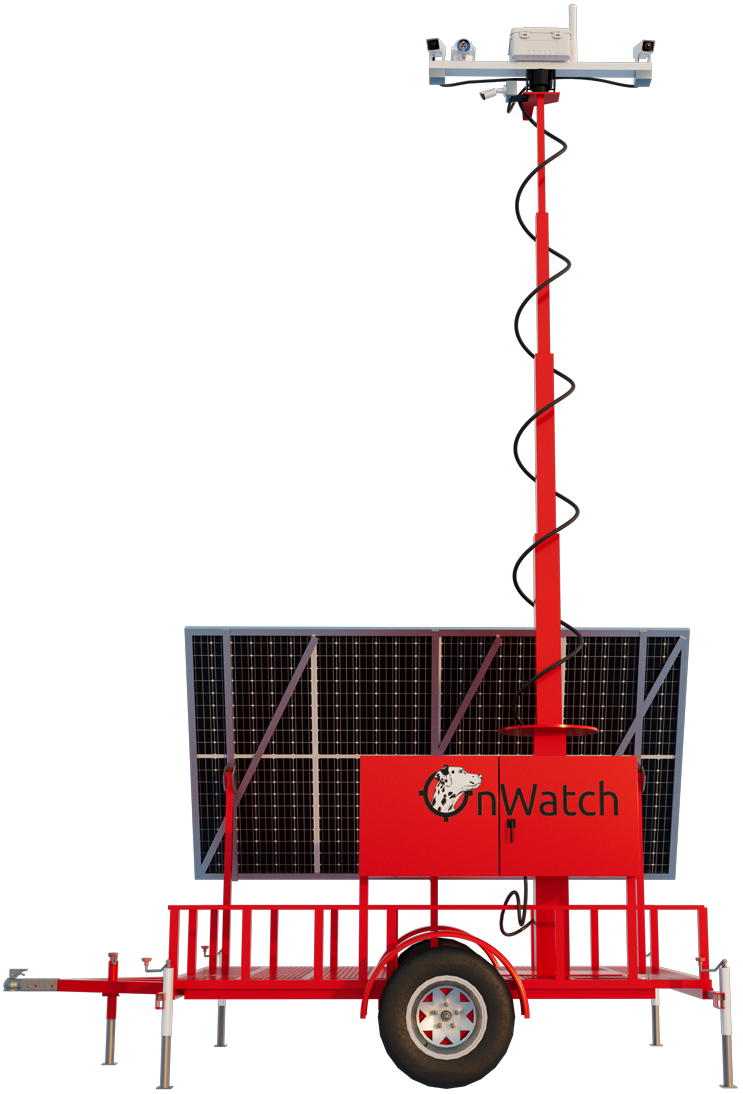
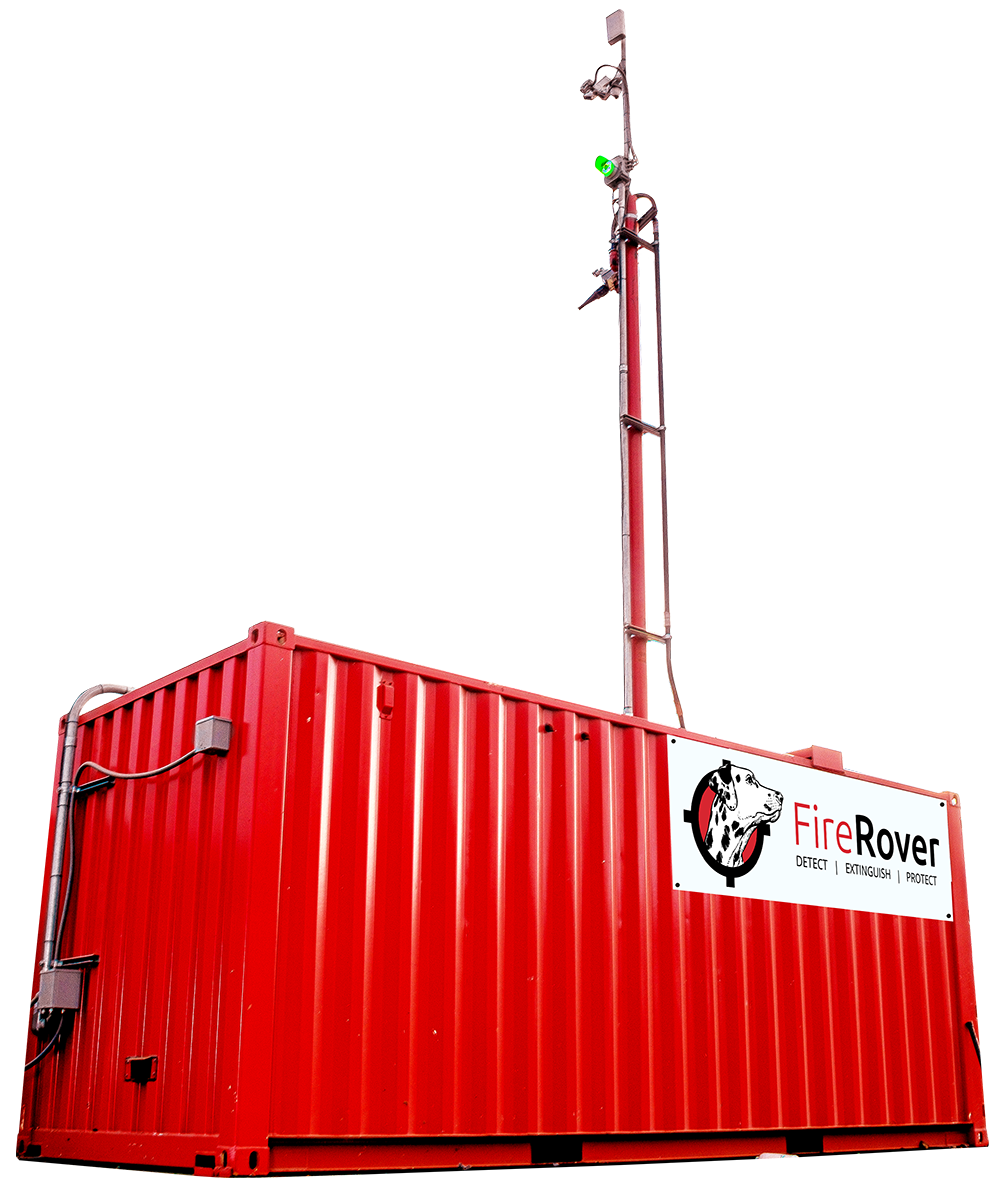
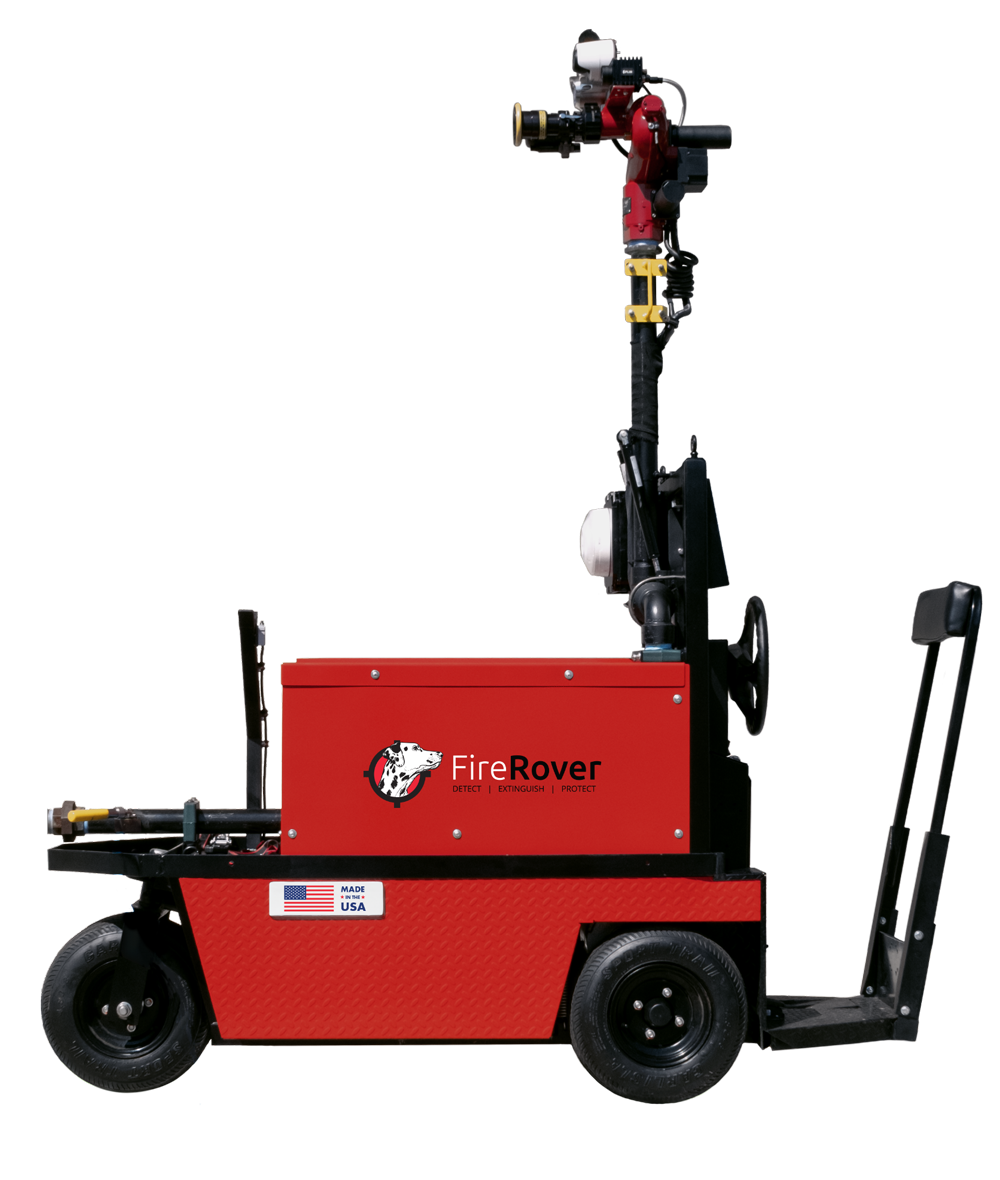
OnWatch Mobile Detection System
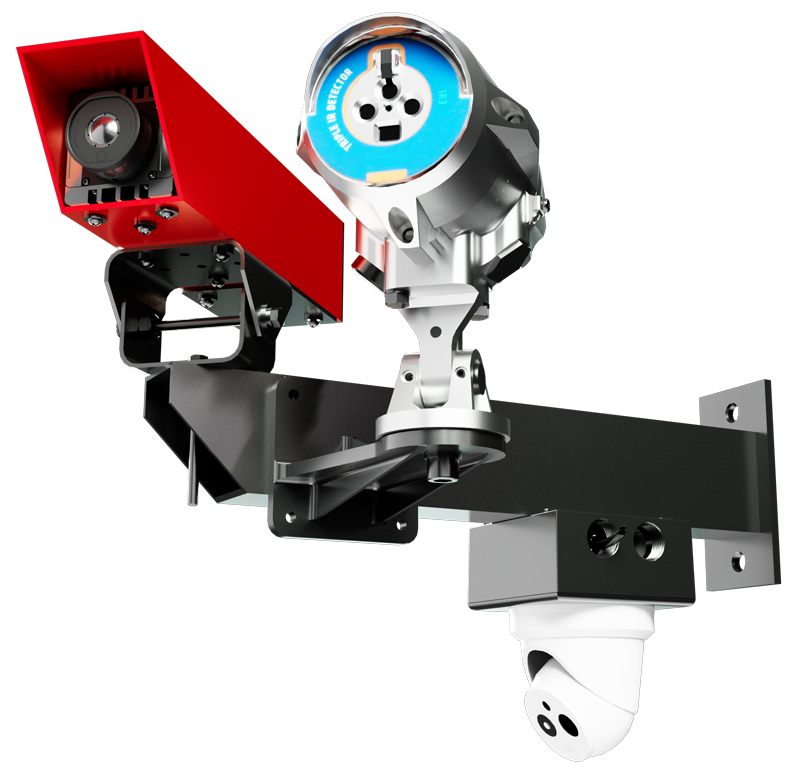
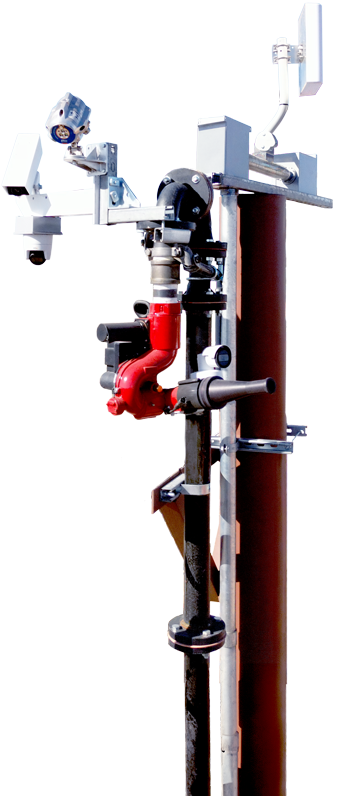
Fire hazards move. So does OnWatch. This mobile detection unit brings Fire Rover’s industry-leading early fire detection to wherever your risks are highest.
The Takeaway: Preplans Can’t Wait for the Next Incident
As we continue down this path of understanding the hazards of the onslaught of lithium-ion batteries in our lives and waste and recycling streams, we all need to stay diligent and learn together as the underlying conditions that drove us to record highs still haven’t changed. Batteries are still entering waste and recycling streams, infrastructure to intercept them safely is still insufficient and summer months continue to rack up a high number of incidents.
On that note, I am excited to share one of the submissions to the joint Solid Waste Association of North America (SWANA)-Fire Rover Advancing Safe Management of Batteries and Preventing Fires portal, which is a good reminder that lithium-ion batteries are not the only ignition source of fires and consequences are always serious. As the video below shows, lightning struck a barrel of sorted batteries, which proceeded to catch fire and spread to the back quarter of the outdoor storage yard.
Every Facility Shares This Risk
Whether you are processing metal, paper, plastics, municipal solid waste, construction and demolition material, organics, hazmat material, chemicals or rubber, we are all facing these risks together. Unfortunately, these risks are increasing every day; therefore, the work must continue because there is no alternative when it comes to keeping our employees, facilities and the public safe by properly managing these materials.
I remain hopeful that we will see a reversal in these trends and one day look back on this period as an anomaly. Until then, we must stay vigilant and continue the fight.
In the meantime, if you witness a fire incident at home, in public, at your facility, in a truck or at a landfill, you can report it publicly or anonymously through the portal. Your participation helps raise awareness about the dangers we face daily and how additional training and the exchange of best practices can help move the needle on reducing the number of incidents the industry experiences each year.
If your facility needs help building that mutual preplan, our team can help. Contact us today to learn more about how Fire Rover can keep your facilities safe from fire risk.
Related Articles
Leading Fire Protection Solutions for Private Aircraft Hangars
The Anatomy of an Electronics Recycling Fire