



Insights from Jim Emerson (Starr Tech), Ryan Fogelman (Fire Rover), David DeVito (ReSource Waste)
Construction and demolition operations sit at one of the most underappreciated fire risk intersections in the entire waste and recycling industry. You’re processing materials that span wood, drywall, metal, roofing, concrete, insulation, wiring, and increasingly, lithium-ion batteries ripped out of everything from smart home systems to commercial HVAC units. The fire hazard is complex, layered, and growing — and the playbook most C&D operators are running is dangerously out of date. Getting ahead of these risks starts with a disciplined approach to C&D fire prevention.
Having spent years tracking fire incidents across the waste and recycling industry and working closely with insurance professionals and facility operators in the C&D space, we want to share what we’ve learned — not just about how fires start, but what you can actually do about them, both before and during an event.
Part One: C&D Prevention — Before the Fire Starts
1. Know Your Material Stream Cold
C&D debris is not a uniform commodity. On any given day your tipping floor may receive wood framing, roofing shingles, drywall, treated lumber, electrical wiring, plumbing fixtures, insulation, and increasingly, end-of-life building automation equipment containing lithium-ion batteries. Each of these carries a different ignition profile.
The first step in any real C&D fire prevention program is an honest, documented material stream assessment. What is coming in? Where is it going? How long is it sitting? What are the combustion characteristics of each material category? If you can’t answer those questions, you don’t have a fire prevention program, you have a hope strategy.
2. Segregate and Reduce Dwell Time
Jim Emerson, Engineering Manager at Starr Tech (Starr Indemnity), has been one of the most consistent voices in our industry on this point: pile management and dwell time are among the most controllable fire risk variables an operator has. Large, unmanaged piles of mixed C&D debris are essentially pre-staged fuel loads. Segregating wood from other combustibles, limiting pile heights and footprints, and turning material regularly are basic housekeeping practices that directly reduce ignition risk and dramatically reduce the severity of any fire that does occur. Effective C&D fire prevention starts with this kind of disciplined pile management.
From the insurance perspective, carriers like Starr are actively evaluating whether operators have documented pile management protocols in place and they are increasingly tying coverage terms to it. This is no longer a box-check exercise. Underwriters are looking at whether you’re actually doing it.
3. Eliminate Ignition Sources Proactively
Hot work, cutting, welding, grinding, is one of the most common ignition sources in C&D environments. Every facility should have a written hot work permit program, a designated fire watch protocol, and clear separation distances between hot work activities and combustible material storage. This is basic, but it is still frequently absent or poorly executed in C&D operations.
Equipment maintenance is equally critical. Hydraulic fluid leaks, overheated bearings on conveyor systems, and electrical faults in processing equipment are all ignition sources that a proactive maintenance program can intercept. David DeVito, COO for ReSource Waste, has emphasized that engaging local fire departments in advance, not at 2:00am during a fire event, is one of the most underutilized prevention tools available to operators. When your local fire department knows your facility, knows your material streams, and has walked your yard before something goes wrong, the response is faster and smarter.
4. Deploy Thermal Detection Early for C&D Fire Prevention
Traditional smoke and flame detectors are fundamentally mismatched to the C&D environment. High dust loads, variable humidity, and the normal off-gassing of mixed debris create a sensory environment that generates false alarms and desensitizes staff or worse, masks a real event until it’s already serious.
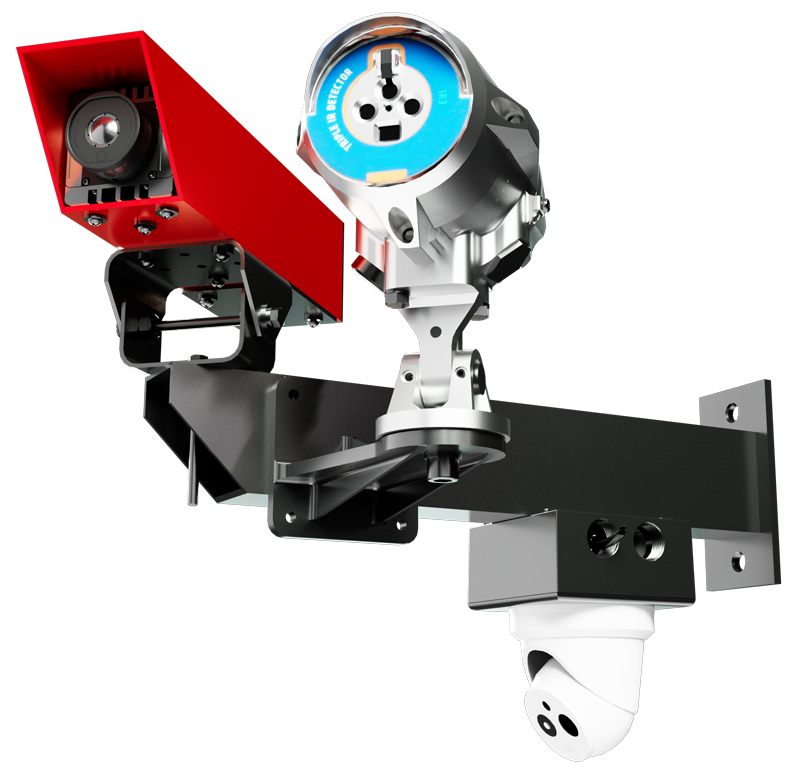
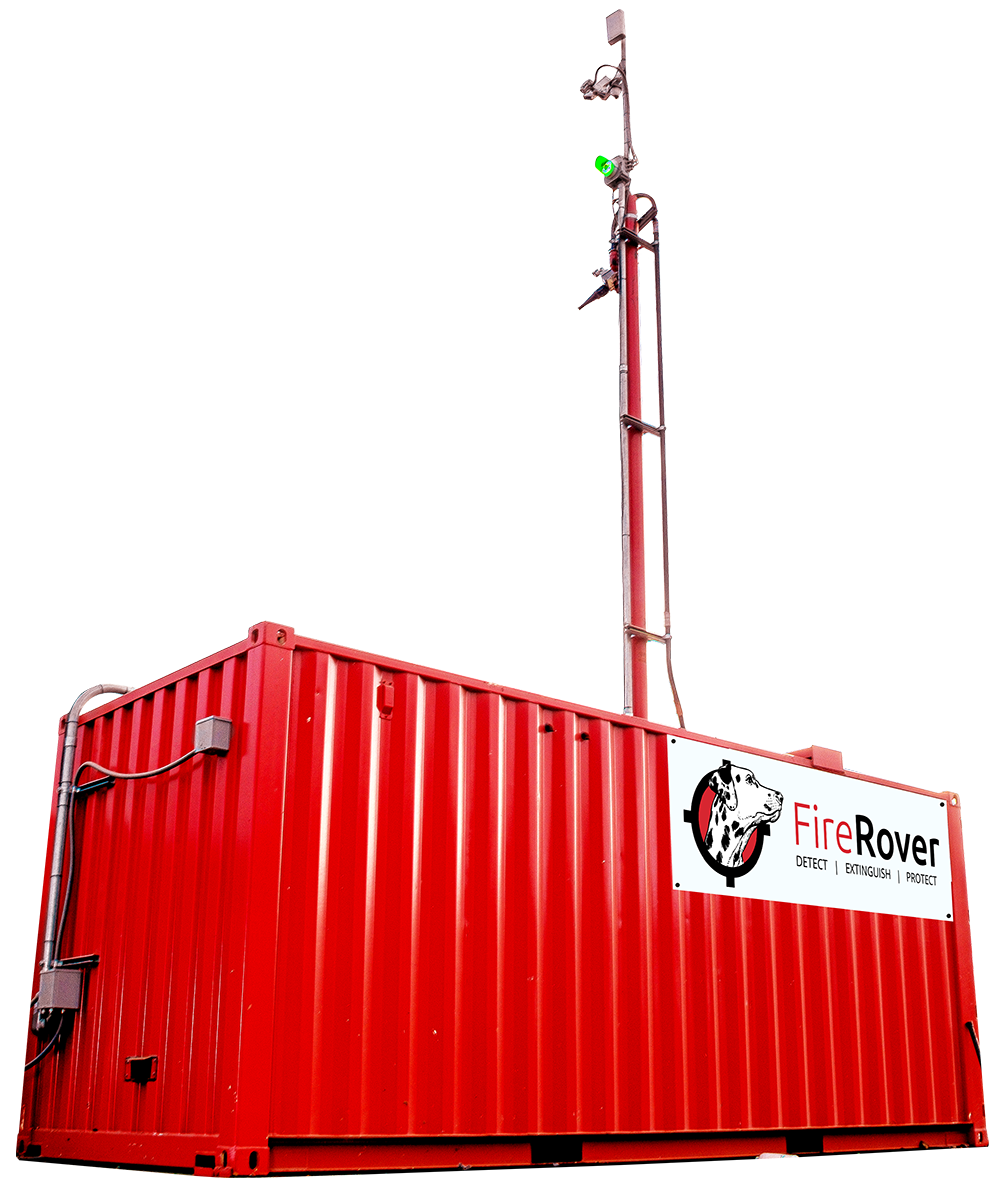
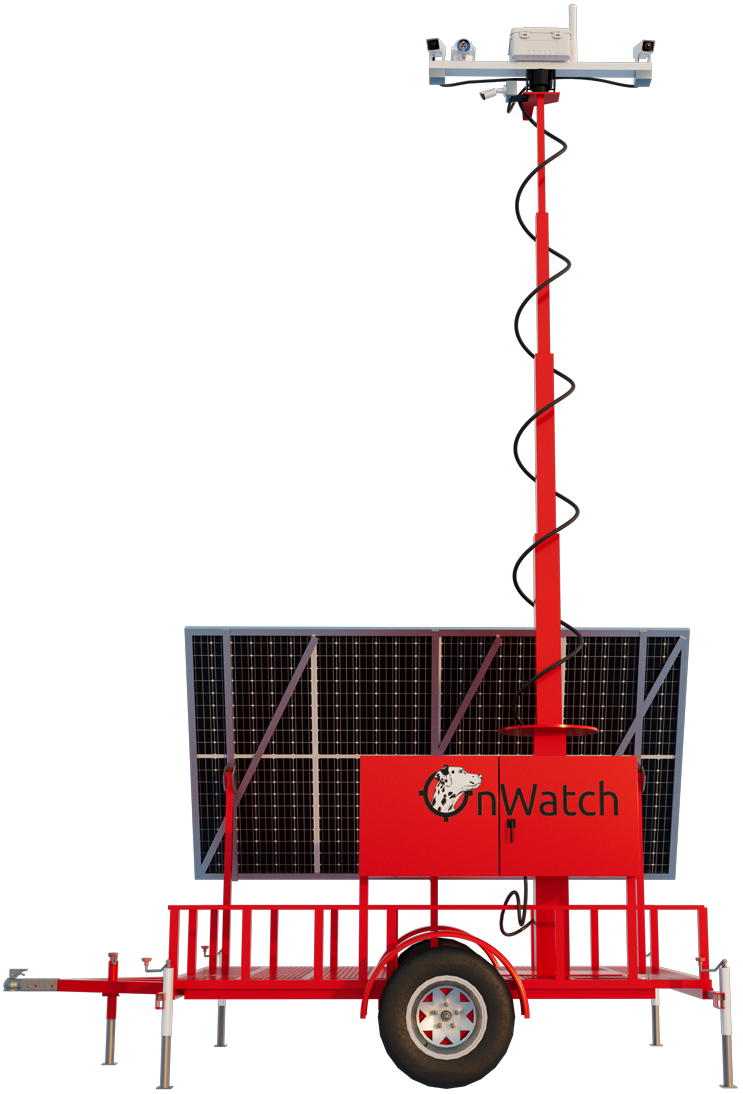
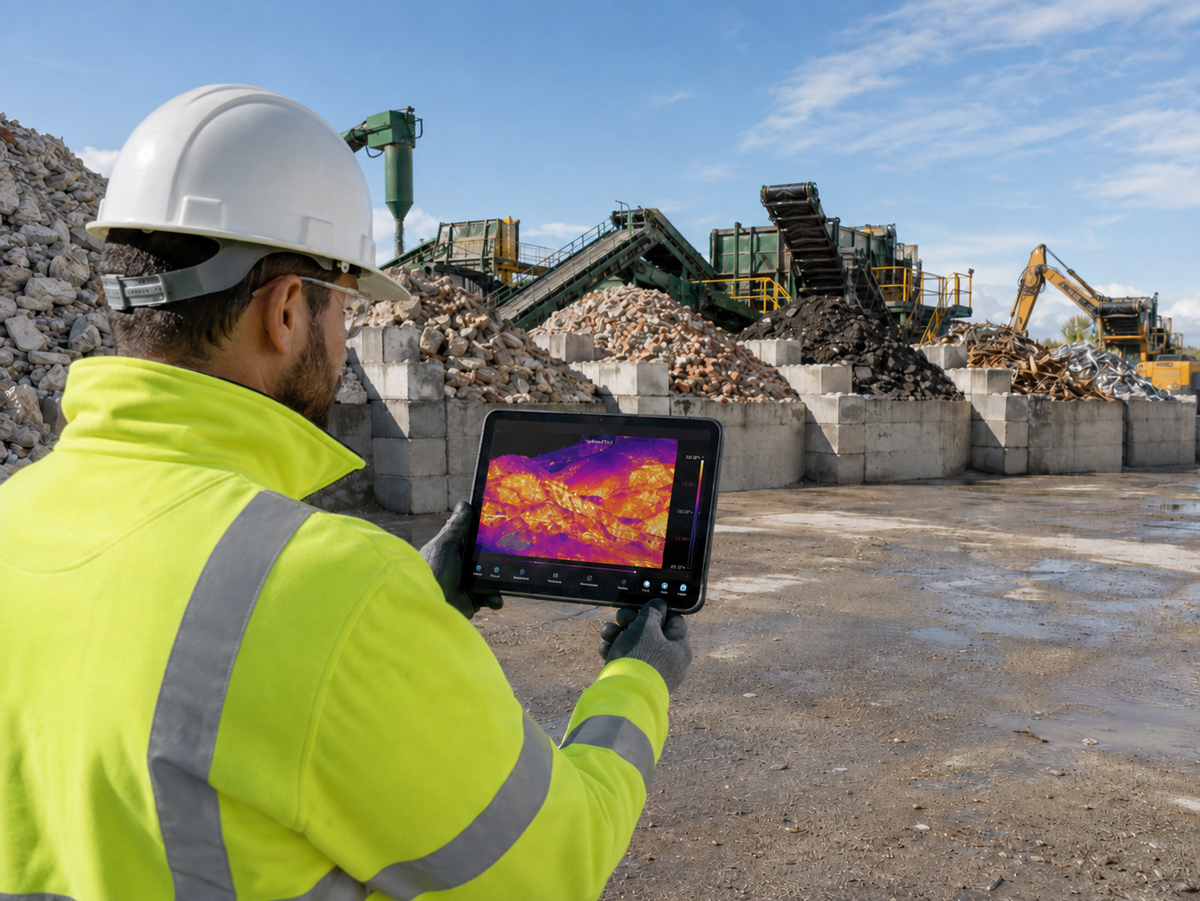
Thermal imaging technology, optical flame detectors and smoke analytics changes this equation entirely. These early detection solutions by Fire Rover are surprisingly affordable. These systems detect heat anomalies in the pre-incipient stage, before visible smoke or flames develop, and they do so reliably in the dusty, visually cluttered environments that defeat conventional sensors. Placing thermal cameras over your tipping floor, processing lines, and primary storage areas gives you eyes on the early thermal signatures that precede every fire. In C&D operations where deep-seated smoldering in wood piles and buried debris loads is common, this early visibility is the difference between a manageable event and a total loss.
5. Build a Real C&D Fire Prevention Plan
A C&D fire prevention plan is not a binder on a shelf. It is a living operational document that addresses:
- Material stream fire risk assessment by category
- Pile management and dwell time standards
- Hot work permit and fire watch protocols
- Equipment inspection and maintenance schedules
- Thermal detection system coverage and response thresholds
- Staff training and fire watch responsibilities
- Insurance carrier notification requirements and documentation practices
Jim Emerson has been direct about this in our prior work together: operators who approach their insurance carrier with a documented, operational fire prevention plan are in a fundamentally different conversation than those who don’t. Coverage terms, premiums, and the carrier’s willingness to engage with you on complex claims are all affected by whether you’ve demonstrated a proactive, documented approach to risk management.
Talk Fire Risk With Ryan
Ryan tracks fire incidents nationwide and helps facilities reduce risk with smarter detection and suppression strategies. Connect with him to get expert guidance tailored to your operation.
Part Two: Response — When a Fire Occurs
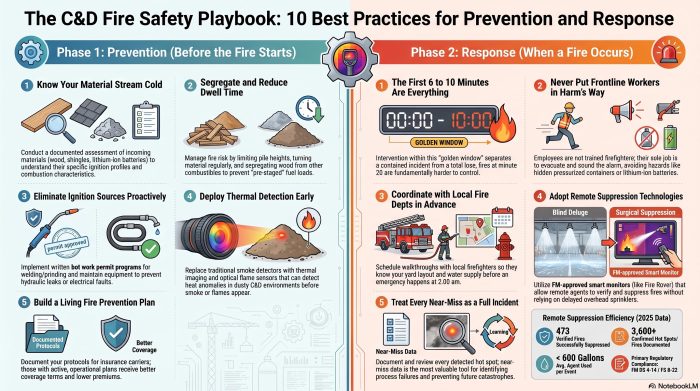
6. The First 6 to 10 Minutes Are Everything
The single most important concept in C&D fire response is this: the fire you have in the first 6 to 10 minutes is a fundamentally different fire than the one you have at minute 20. Early intervention, when verified, targeted, and executed without hesitation, is what separates a contained incident from a catastrophic loss.
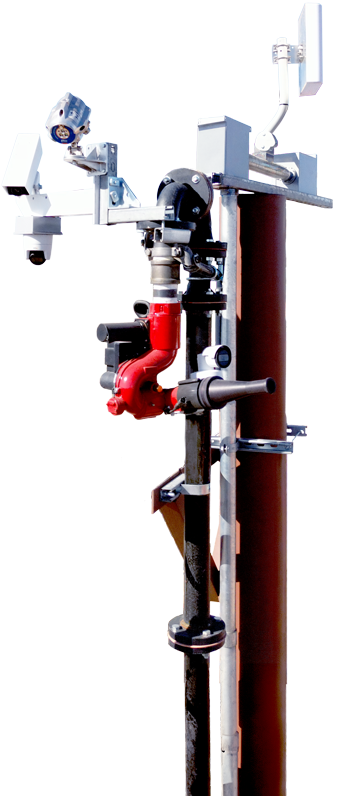
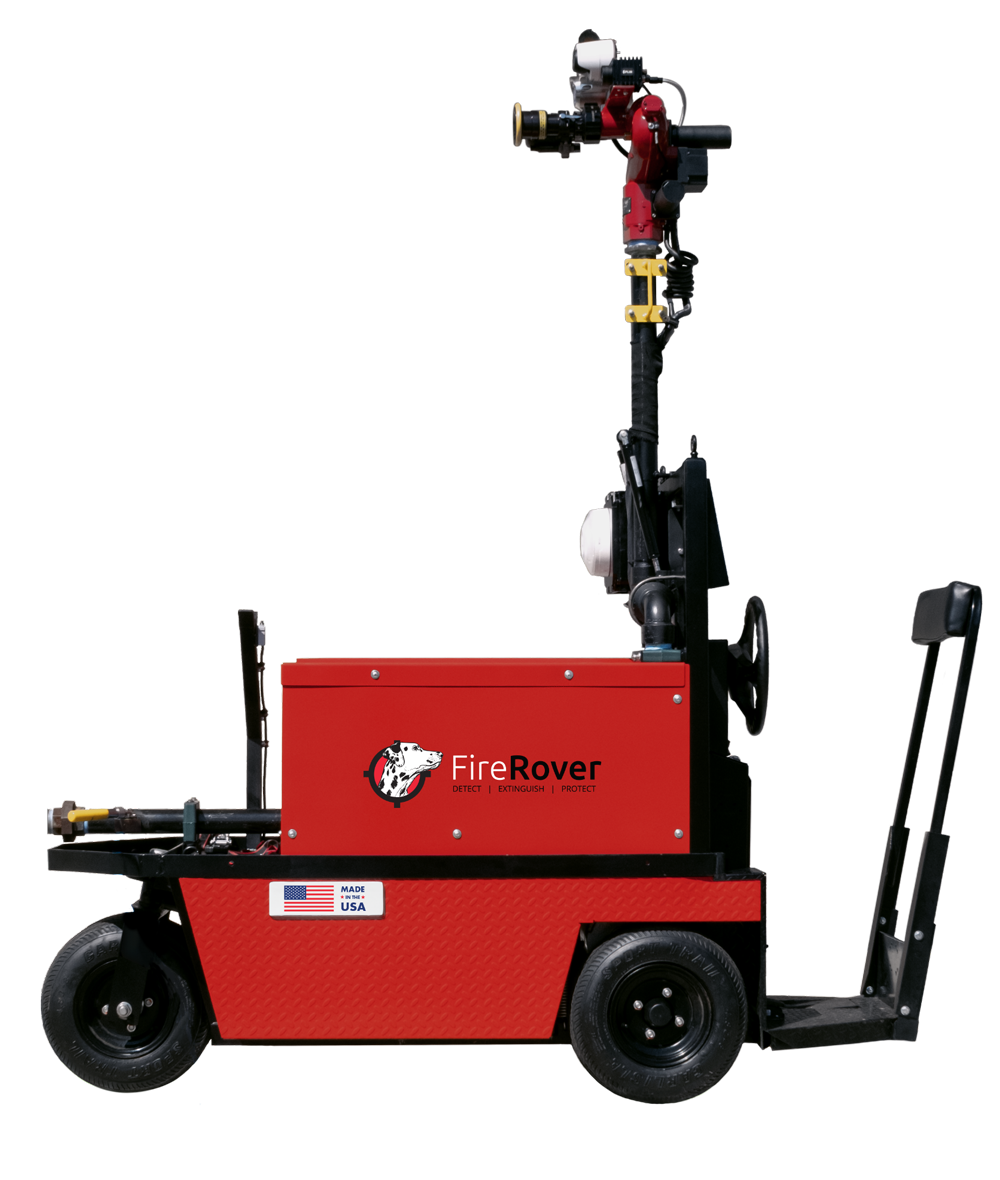
This is why Fire Rover’s FM Approved Targeted Remote Response model was built around human-in-the-loop verification. Trained remote agents monitor thermal detection feeds in real time, verify the nature and location of a thermal event, and direct suppression precisely where it is needed. Stopping the fire in its tracks before it can establish itself. In 2025, Fire Rover agents successfully suppressed over 473 fires using an average of less than 600 gallons of water or eco-friendly agent per event. That is surgical suppression, not blind deluge.
7. Never Put Frontline Workers in Harm’s Way
David DeVito’s guidance on this is unambiguous: your frontline employees are not trained firefighters. They should not be expected to fight fires with hand-held extinguishers in a C&D environment where a pile of debris can contain pressurized containers, lithium-ion batteries, unknown chemicals, and other hidden hazards. The job of your staff when a fire occurs is to sound the alarm, evacuate, and keep people away from the hazard. They should not try to engage it.
This is both a safety imperative and an insurance imperative. Jim Emerson has noted consistently that insurance carriers view employee injury exposure from fire-fighting attempts as a serious and entirely avoidable loss driver. Technology-based suppression systems that remove the human from the hazard zone are increasingly viewed favorably by underwriters precisely because they eliminate this risk class.
8. Coordinate with Local Fire Departments in Advance
As David DeVito has recommended: build the relationship with your local fire department before you need it. Schedule a walkthrough. Show them your facility, your material piles, your water supply access, your processing equipment. Make sure they know where your utilities shutoffs are and where your highest-risk areas are located.
When a fire occurs, Fire Rover’s operational model is specifically designed to support a clean handoff to responding municipal units. Our remote agents stabilize the incident, suppress the active fire front, and provide real-time situational awareness to arriving firefighters. The goal is for first responders to walk into a managed situation, not a chaos scenario. Protecting first responders from unnecessary risk is not a secondary consideration. It is a core design principle.
9. Don’t Rely on Overhead Sprinklers Alone
Many C&D operations are not configured for traditional overhead sprinkler coverage. They typically have high-bay open spaces, inadequate water supply, open-air or semi-enclosed processing areas. Even where sprinklers exist, they are a last resort: they activate late, discharge indiscriminately, and can cause catastrophic secondary damage to equipment and material inventory.
FM Approvals Data Sheet DS 4-14, read in conjunction with FM Standard FS 8-22, now explicitly provides a code-compliant pathway for remotely operated suppression monitors to serve as primary suppression in facilities where traditional sprinkler infrastructure cannot be accommodated. This is a significant regulatory development for C&D operators who have historically had no compliant alternative to inadequate sprinkler systems. This does not mean that unmanned and uncontrolled monitors are approved, currently Fire Rover is the ONLY FM approved automated smart monitor that is approved for use as primary suppression solution under this code.
10. Treat Every Near-Miss as a Full Incident
Every thermal event that is detected and suppressed before it becomes a reportable fire is a data point. Document it. Review it. Ask: what caused the heat signature? Was it a material type we need to segregate? An equipment issue? A process failure? Near-misses are the most valuable fire prevention data your operation will ever generate. Fire Rover confirmed over 3600 hot spots/fires in 2025 and documented them for our clients. Real data allows our clients to make real decisions. Most operators lose a chance by not tracking it systematically.
The Bottom Line on C&D Fire Prevention
C&D operations are not immune to the forces reshaping fire risk across the entire waste and recycling industry. The material streams are more complex, the lithium-ion hazard is real and growing, and the cost of a major fire in property loss, operational downtime, insurance consequences, and human safety has never been higher.
The good news is that the tools to address this risk proactively have never been better. Thermal detection, targeted remote suppression, human-verified response, and a clear regulatory pathway through FM DS 4-14 give C&D operators a genuinely effective, operationally practical fire protection strategy. This not only protects frontline workers, supports first responders, and satisfies the increasingly rigorous expectations of insurance underwriters.
VP of Fire Protection
Ryan Fogelman, JD/MBA, is Vice President of Fire Protection Solutions at Fire Rover. He has been tracking and publishing waste and recycling facility fire data since 2016 and is a member of the NFPA 401 Hazardous Materials Committee.
Jim Emerson is Engineering Manager at Starr Tech, a division of Starr Indemnity, specializing in insuring commercial industrial risks.
David DeVito is Director of Regional Operations at ReSource Waste.
Click here to watch David DeVito and Ryan discussing prevention and best practices on the frontlines.
Related Articles
Leading Fire Protection Solutions for Private Aircraft Hangars
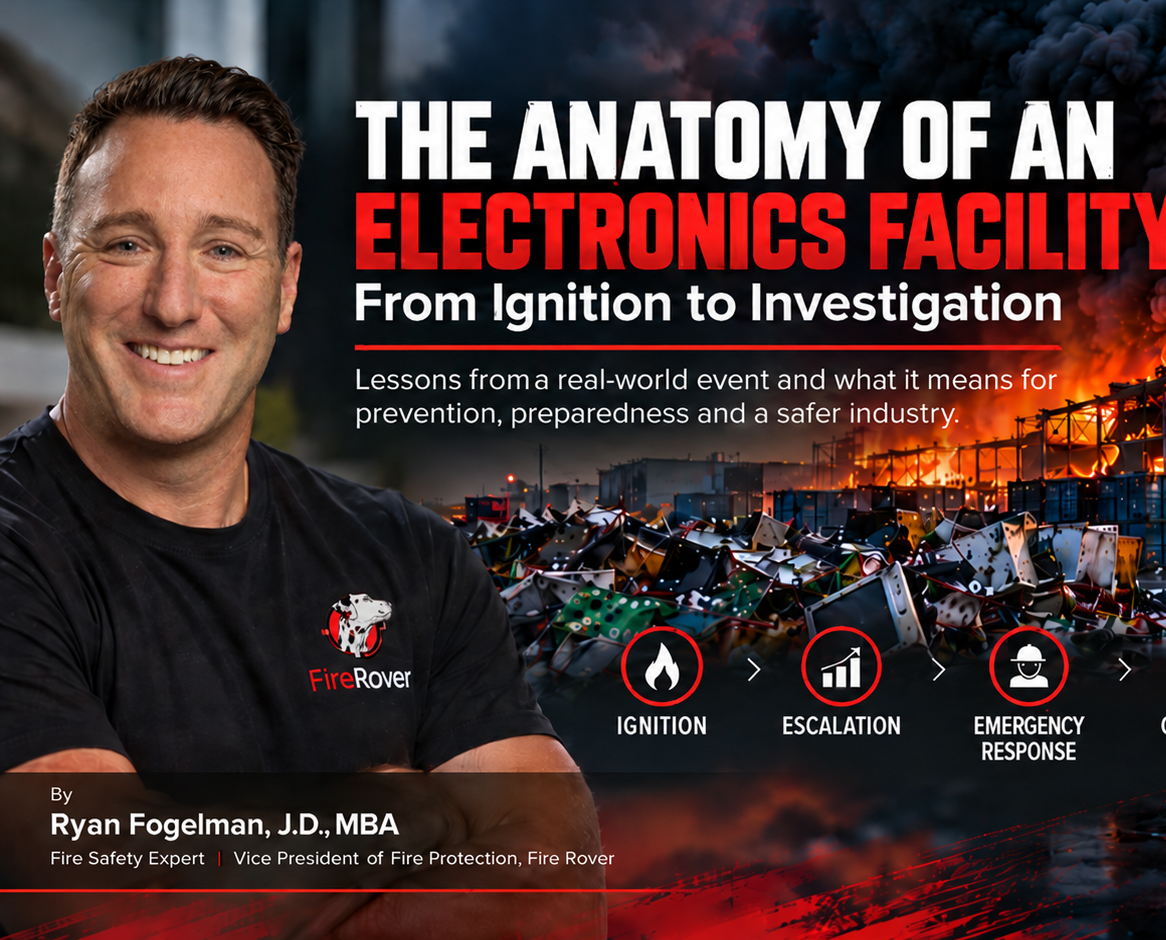
The Anatomy of an Electronics Recycling Fire