







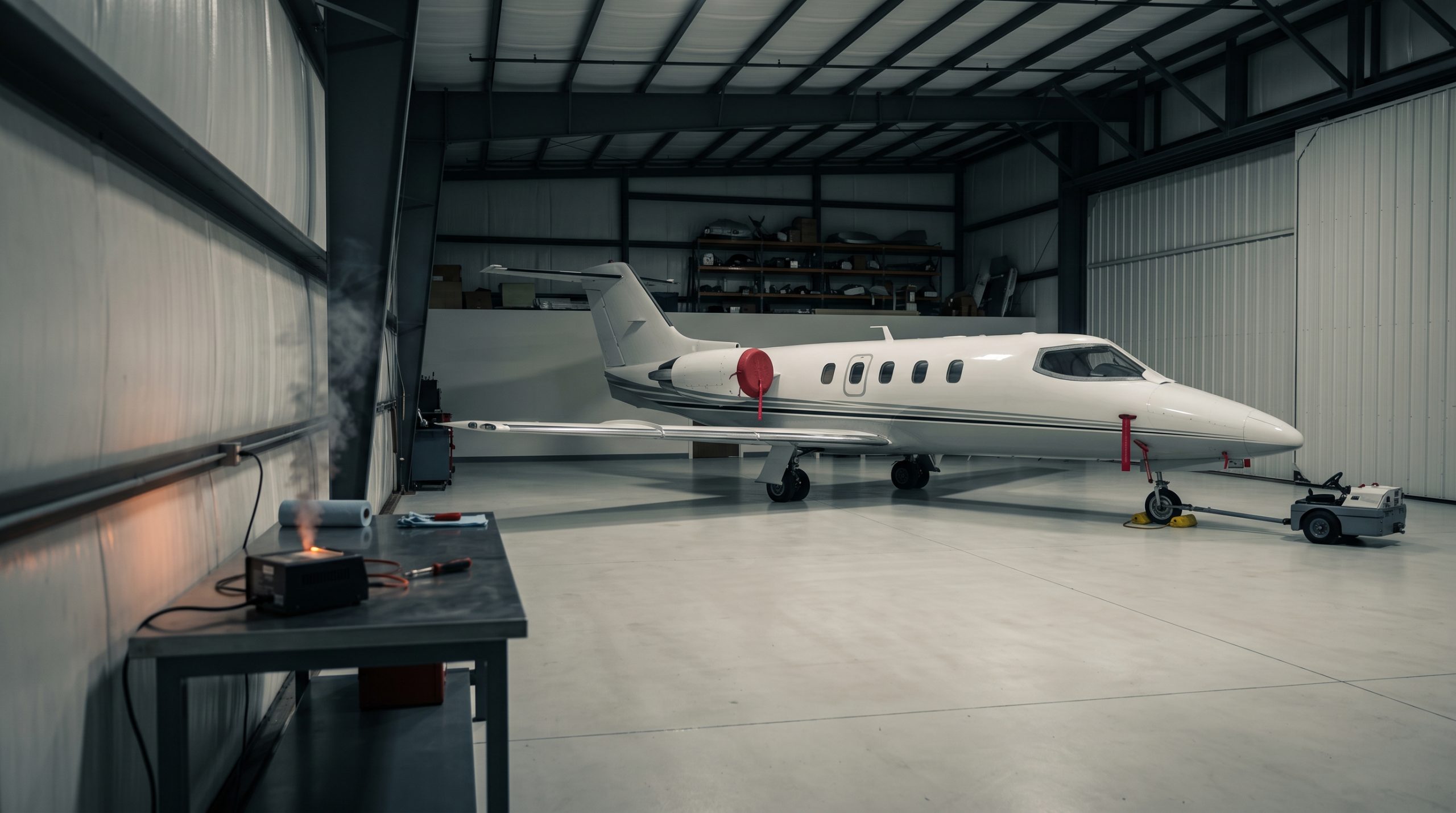
A private hangar holds one of the most valuable assets an owner or flight department has. For most of the week, it holds that asset with nobody around. Aircraft sit between trips with fuel in the tanks and chargers plugged in. That is why private aircraft hangar fire protection depends on what happens while the building is closed.
The stakes are practical. A fire can damage the aircraft, the aircraft next door in a shared building, and the structure itself. In addition, it can ground a flight schedule for an extended period while insurers, inspectors, and repair shops work through the claim.
This guide covers how NFPA 409 treats smaller hangars, where fires tend to start, and the leading fire protection options owners and operators are combining today.
What Makes Private Hangars a Different Fire Risk?
Commercial maintenance hangars run on shifts, so people are usually nearby. Private hangars work differently. A single-owner hangar, a hangar condo, a corporate flight department, and an FBO storage bay may each go days between visits. As a result, the building spends long stretches with the lights off and nobody on the floor. The broader risks of aircraft hangar environments still apply, but they play out with fewer people present to notice them.
Storage habits add another layer. Private hangars often double as workshops and garages, so vehicles, tools, solvents, and spare parts share space with the aircraft. Meanwhile, row hangars and hangar condos place several owners under one roof. Because units share walls, a fire in one bay can expose the aircraft in the next.
For that reason, private aircraft hangar fire protection has to account for two things at once: what the building is required to have, and what the owner needs during the hours nobody is there.
How NFPA 409 Shapes Private Aircraft Hangar Fire Protection
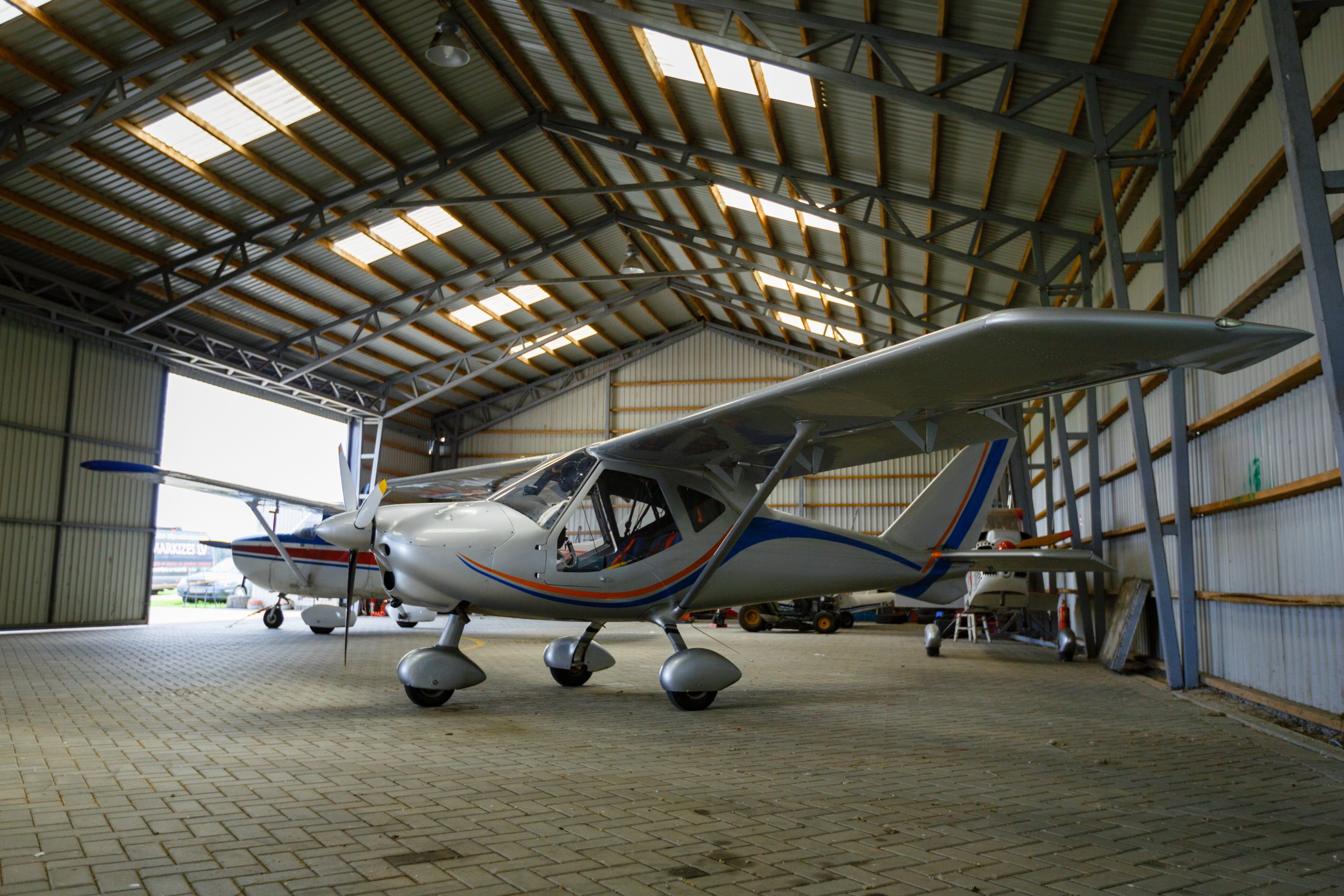
NFPA 409, Standard on Aircraft Hangars, sets construction and fire protection requirements for buildings that store or service aircraft. It sorts hangars into four groups. Groups I through III are based mainly on aircraft access door height and the size of the single fire area, while Group IV covers membrane-covered structures.
Most private, corporate, and FBO storage hangars fall into Group II or Group III. Group III includes row hangars with multiple units, open-bay hangars that hold several aircraft, and freestanding hangars built for a single aircraft. In practice, the protection a Group III hangar needs often depends on local code and on what happens inside it. Hazardous operations such as hot work, fuel transfer, and spray finishing can move a smaller hangar toward the suppression requirements of a larger one.
The standard has also changed. The 2022 edition introduced risk-assessment and performance-based design paths, along with alternatives to foam suppression in certain hangars. The National Air Transportation Association has followed these revisions closely because of their effect on general aviation hangars.
However, NFPA 409 becomes enforceable only when a jurisdiction adopts it, and adoption cycles vary. The local fire marshal or building official decides which edition applies. Insurers may also set their own expectations. Therefore, the first practical step for any owner is confirming which requirements apply to their specific building.
Where Do Fires Start in Private and Corporate Hangars?
Hangar fires rarely trace back to a single dramatic cause. More often, they start with ordinary equipment and routine activity. The most common ignition sources include:
- Engine preheaters and battery chargers: Equipment left plugged in between flights keeps drawing power after the hangar door closes.
- Owner and contractor maintenance: Grinding, cutting, and soldering bring sparks and heat close to fuel, fluids, and other combustible materials.
- Fuel and fuel vapors: Fueled aircraft, fuel samples, and small spills during servicing create conditions where a minor spark can spread quickly.
- Lithium-ion batteries: Tugs, golf carts, power tools, and personal devices stored in the hangar carry batteries that can fail without an obvious outside cause.
- Electrical systems and portable heaters: Older wiring, extension cords, and space heaters add heat sources that often run unattended.
- Mixed storage: Vehicles, oils, cleaning supplies, and packaging add fuel around the aircraft and give a small fire room to grow.
These risks also overlap. A charger fault near stored solvents is a very different event from the same fault on a bare concrete floor. Notably, several of these sources are most active when nobody is in the building.
Why Unattended Hours Create the Biggest Detection Gap
When someone is working in a hangar, a small fire usually gets noticed early. The harder question is what happens overnight, when the aircraft has not flown in days. A fire that begins after the door closes has time to develop before anyone sees it.
Existing protection is built to act at a defined point. Sprinklers activate once heat reaches the sprinkler heads, and conventional smoke detectors respond once smoke reaches the ceiling. In a tall, open hangar, heat and smoke spread out as they rise, so that point arrives after the fire has already grown. That is how these systems are designed to work, and they remain essential for protecting the structure.
Detection covers the time before that threshold. Consequently, the question most private owners end up asking is simple: how do I know sooner, and who gets told when something is wrong?
Early Detection System
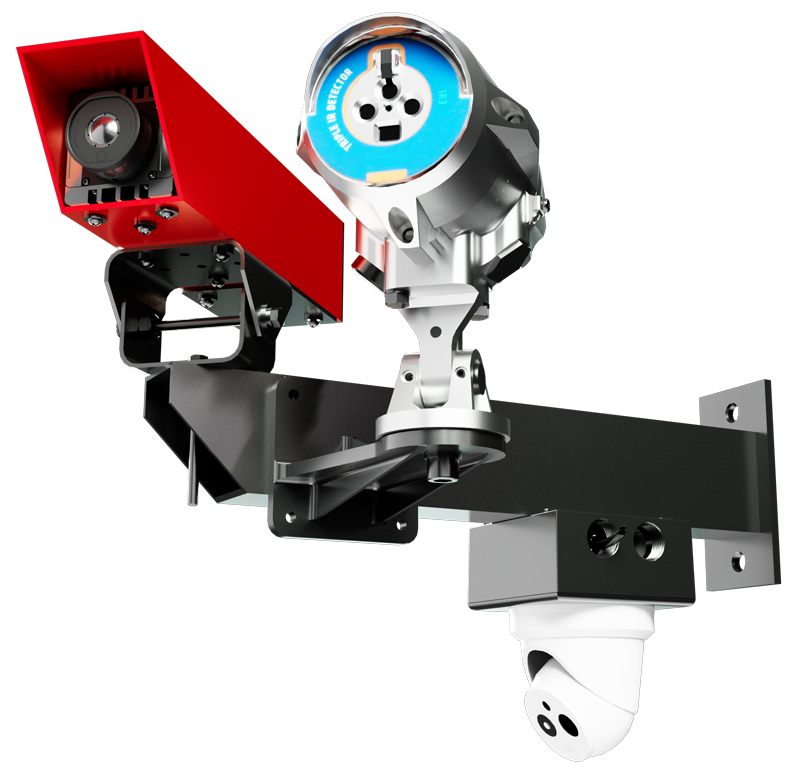
Don’t wait for smoke and flames. Fire Rover’s Early Detection System uses thermal cameras and human verification to spot fire threats instantly and dispatch emergency services quickly.
Leading Options for Private Aircraft Hangar Fire Protection
No single system covers every hangar. Instead, the strongest private aircraft hangar fire protection plans combine several layers, each suited to a different stage of a fire. For a broader look at larger facilities, see our guide to aircraft hangar fire protection in high-value aviation environments.
Portable Fire Extinguishers and Trained People
Portable extinguishers are the baseline in nearly every hangar, and many smaller hangars rely on them heavily. They work best when they are mounted near exits, inspected on schedule, and matched to the fuels present. Most importantly, they depend on a trained person being there when the fire starts.
Automatic Sprinkler Systems
Where code requires them or where an adequate water supply exists, sprinklers protect the building and limit fire spread once heat reaches them. Their design should follow NFPA 409 and the locally adopted code. For that reason, a fire protection engineer and the local fire marshal belong in the conversation from the start.
Foam and Alternative Suppression Designs
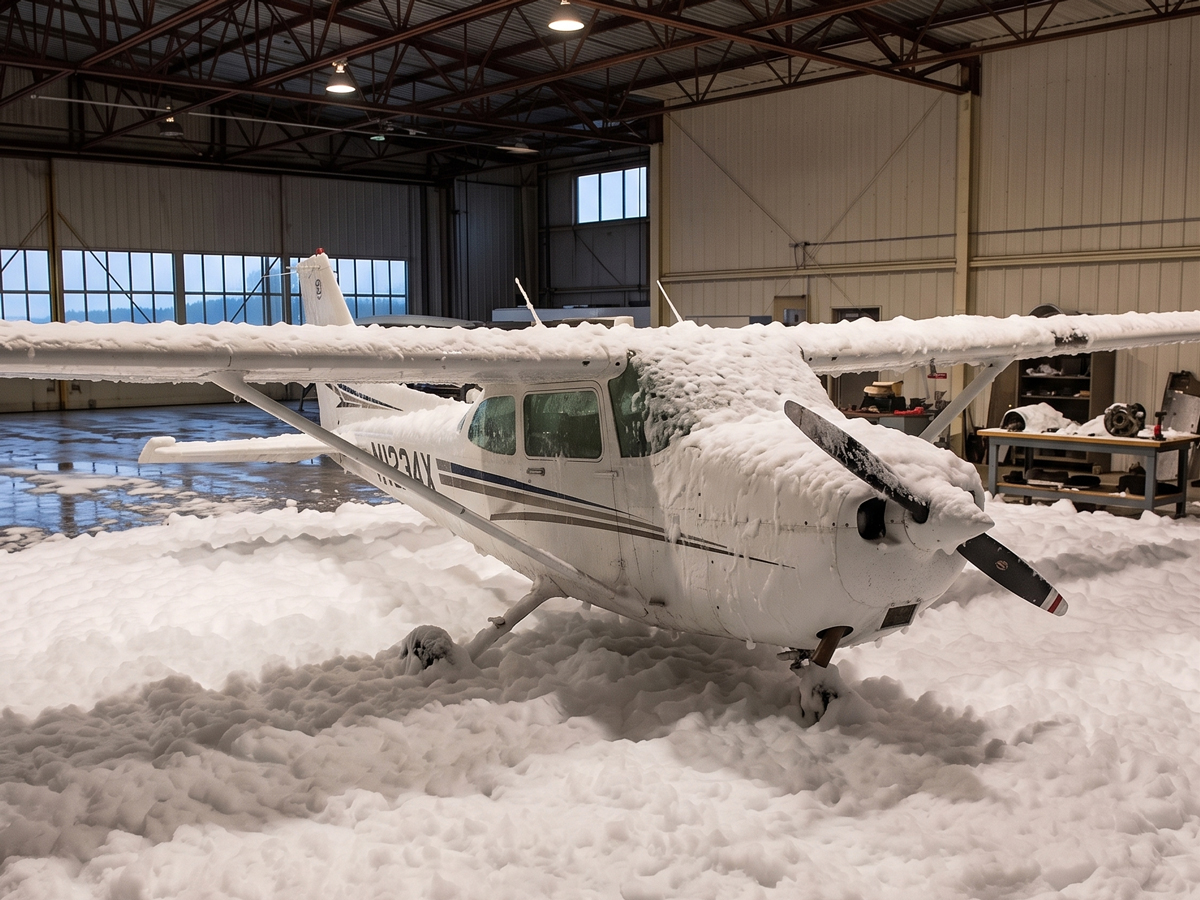
Larger hangars, and smaller ones that host hazardous operations, may still require foam or an approved alternative. The 2022 edition opened risk-based and performance-based options. As a result, owners can work with an engineer and the jurisdiction on a design that fits their building and operations.
Early Detection With Human Verification
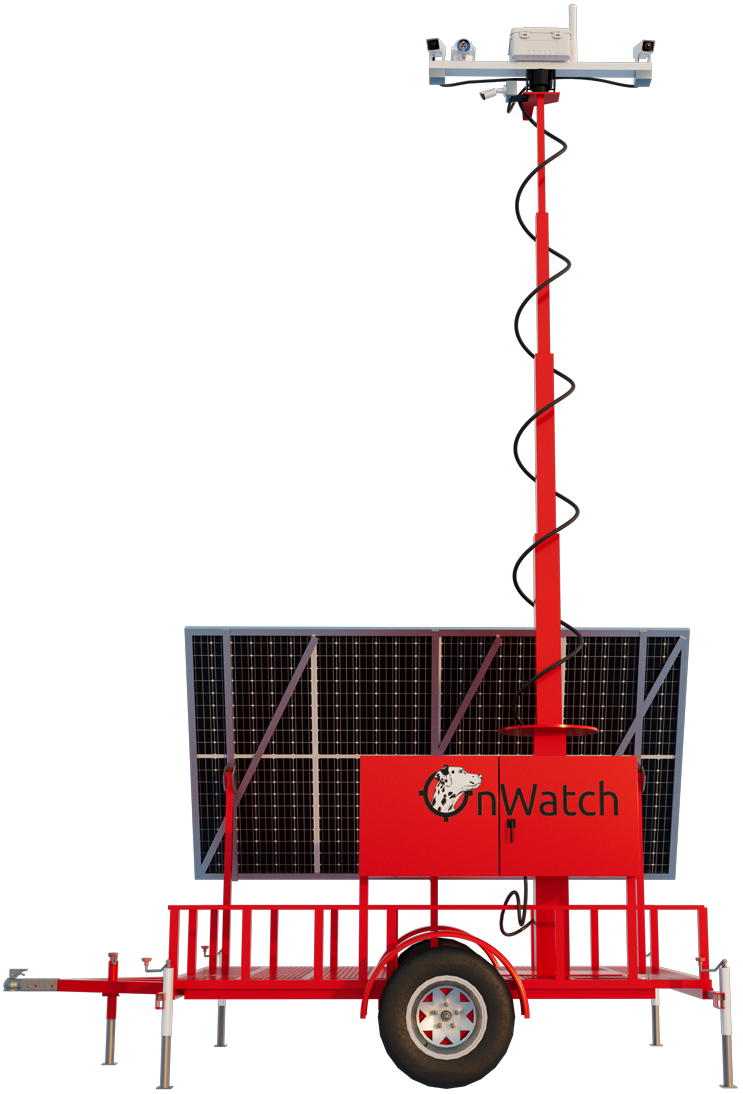
Early detection closes the gap between ignition and the moment other systems activate. The Early Detection System combines thermal imaging, flame detection, and smoke analytics to identify abnormal heat before visible flames appear. Trained personnel then verify each alert around the clock, which distinguishes a genuine fire event from a false alarm. It also works alongside existing alarm and suppression systems rather than taking their place.
Targeted Suppression Where Infrastructure Is Limited
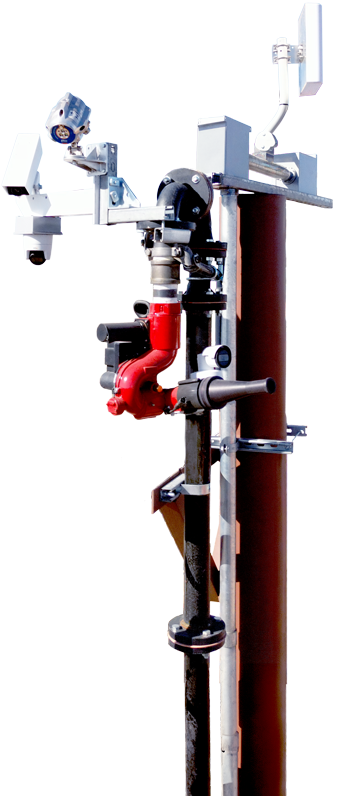
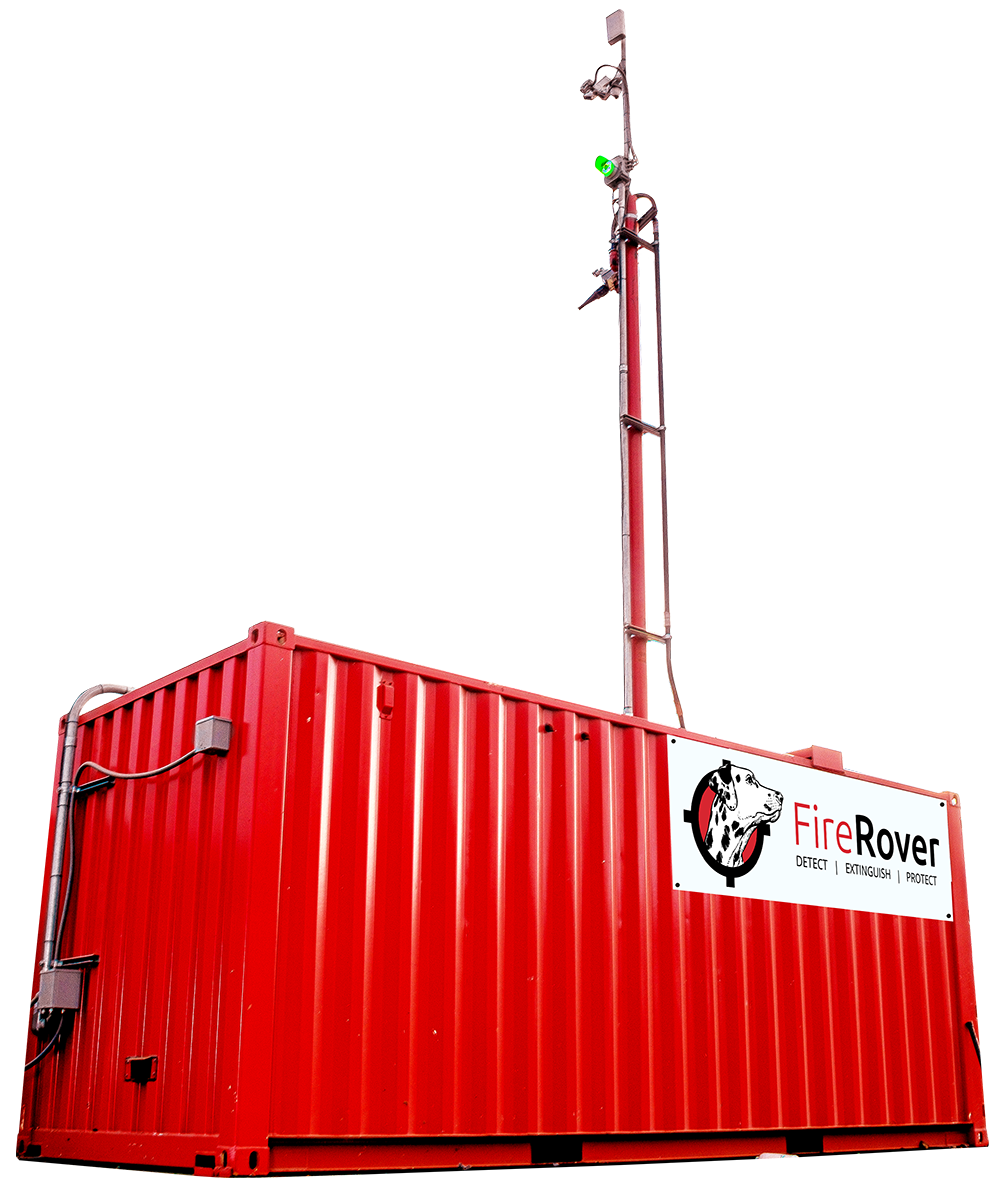
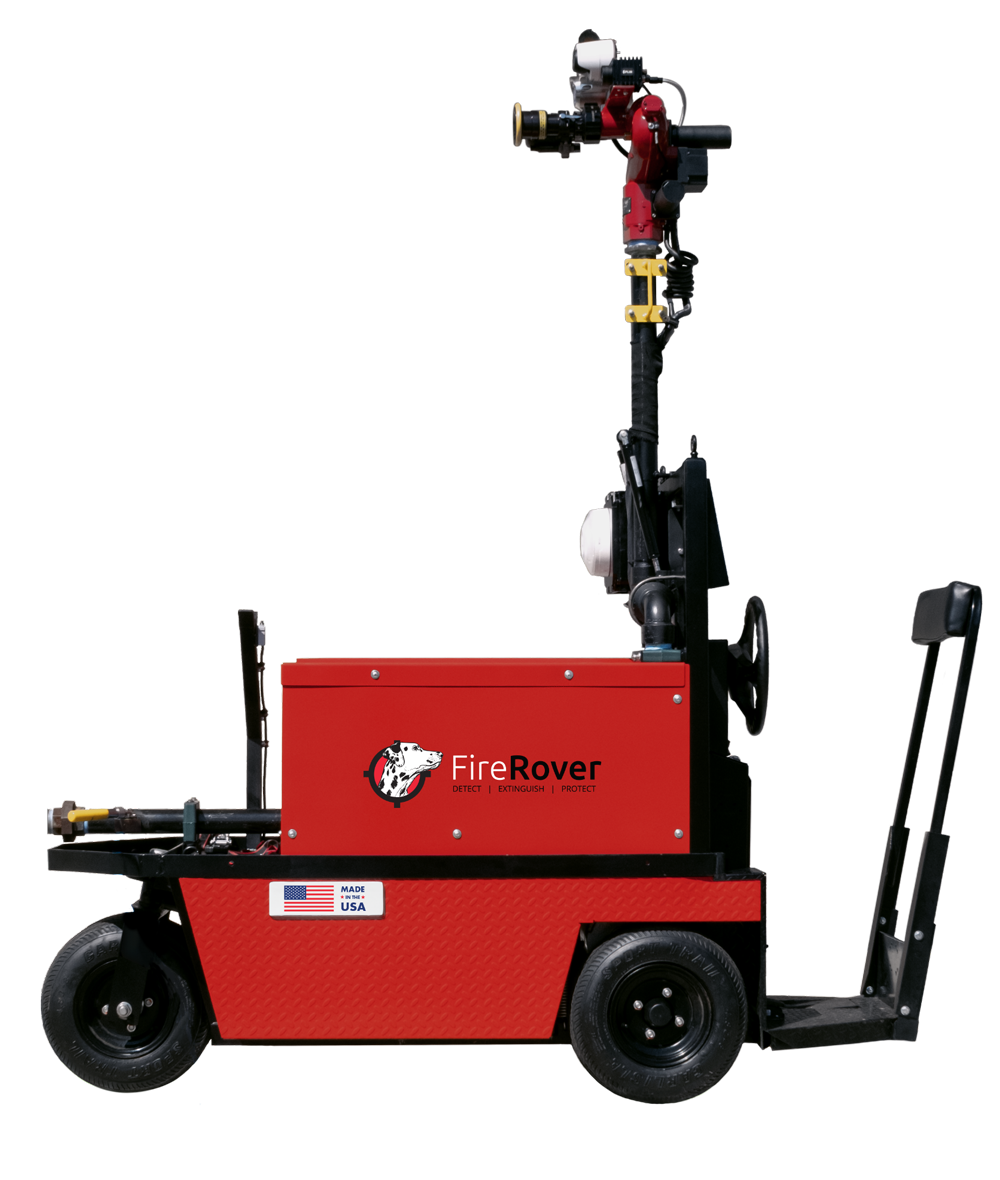
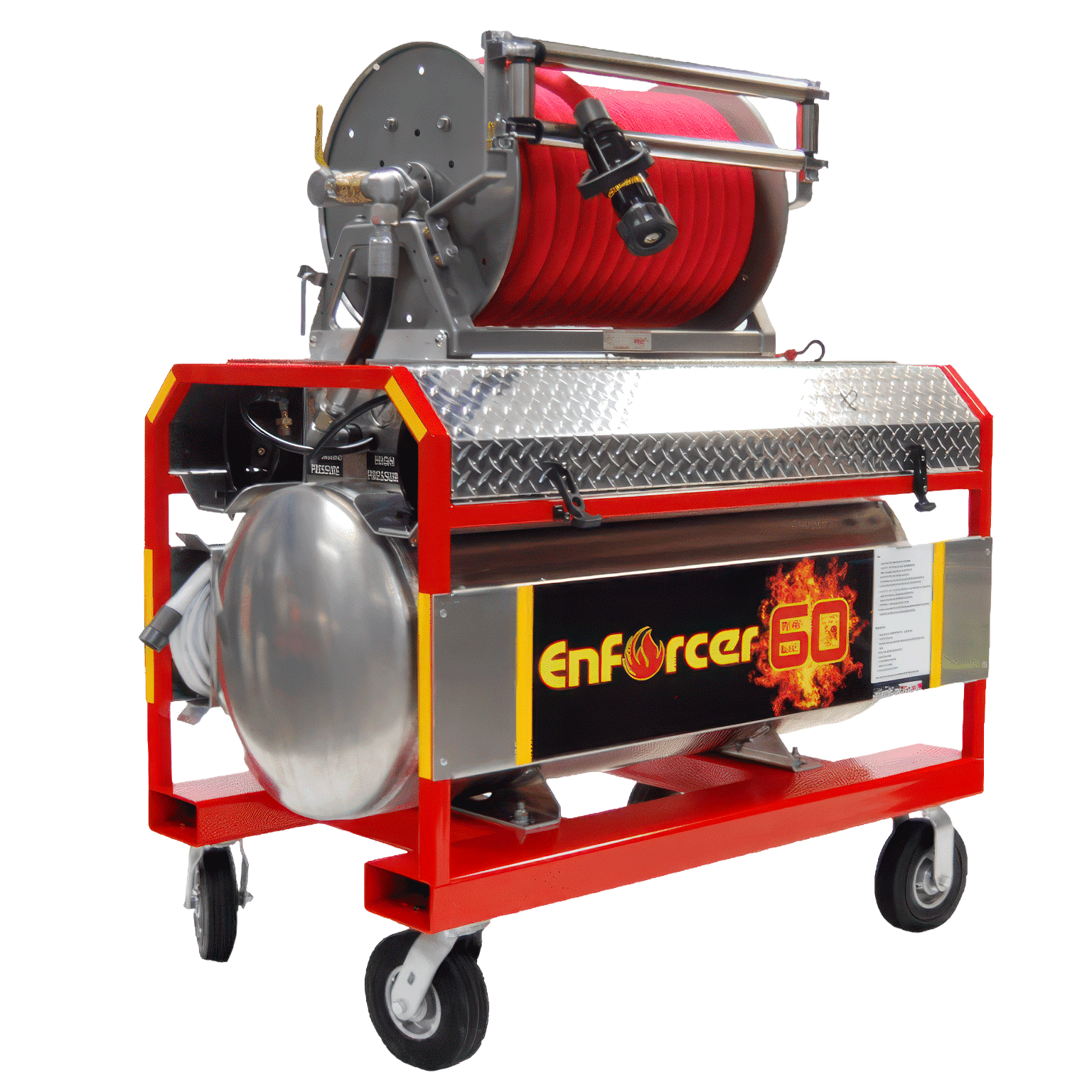
Some hangars have no fire water main, no dedicated power, or both. For those buildings, the Self-Contained Suppression System provides standalone protection with an onboard water supply. Larger hangars with existing water supply can use the Continuous Suppression System, which detects, verifies, and applies water directly at the point of ignition. In both cases, suppression stays focused on the affected area rather than the full hangar.
Talk Fire Risk With John
With 25+ years in fire protection and deep expertise in high-risk industries, John helps facilities choose the right Fire Rover system with confidence.
How to Build a Layered Plan for Your Hangar
A practical plan starts with the building. First, confirm the hangar group and the edition of NFPA 409 your jurisdiction has adopted. Then, compare what the building currently has against what that code and your insurer expect.
Next, look honestly at what happens inside. Owner maintenance, charging habits, stored vehicles, and fuel handling all change the risk picture. Likewise, map the unattended windows, including overnight hours, weekends, and the weeks an aircraft sits between trips.
Finally, match the layers to those findings. Extinguishers and required sprinkler or foam systems cover the building and the moments when people are present. Early detection with verified alerts covers the hours when nobody is there. Where water or power is limited, targeted suppression fills the remaining gap. For hangar condos and multi-tenant buildings, coordinating that plan across units protects every owner who shares the roof.
Protect Your Aircraft Between Flights
In a private hangar, the aircraft is often alone for days at a time. That quiet period is when a small fire has the most room to grow before anyone knows about it.
The Early Detection System monitors the hangar around the clock and sends verified alerts at the earliest stage of a fire. Contact our team to talk through protection for your hangar and the aircraft inside it.
Related Articles

The Anatomy of an Electronics Recycling Fire
September 2026 Fire Report: The Extended Summertime Spike, the Vape Effect and a First Sign of Progress