








Originally published in Waste360, January 2025.
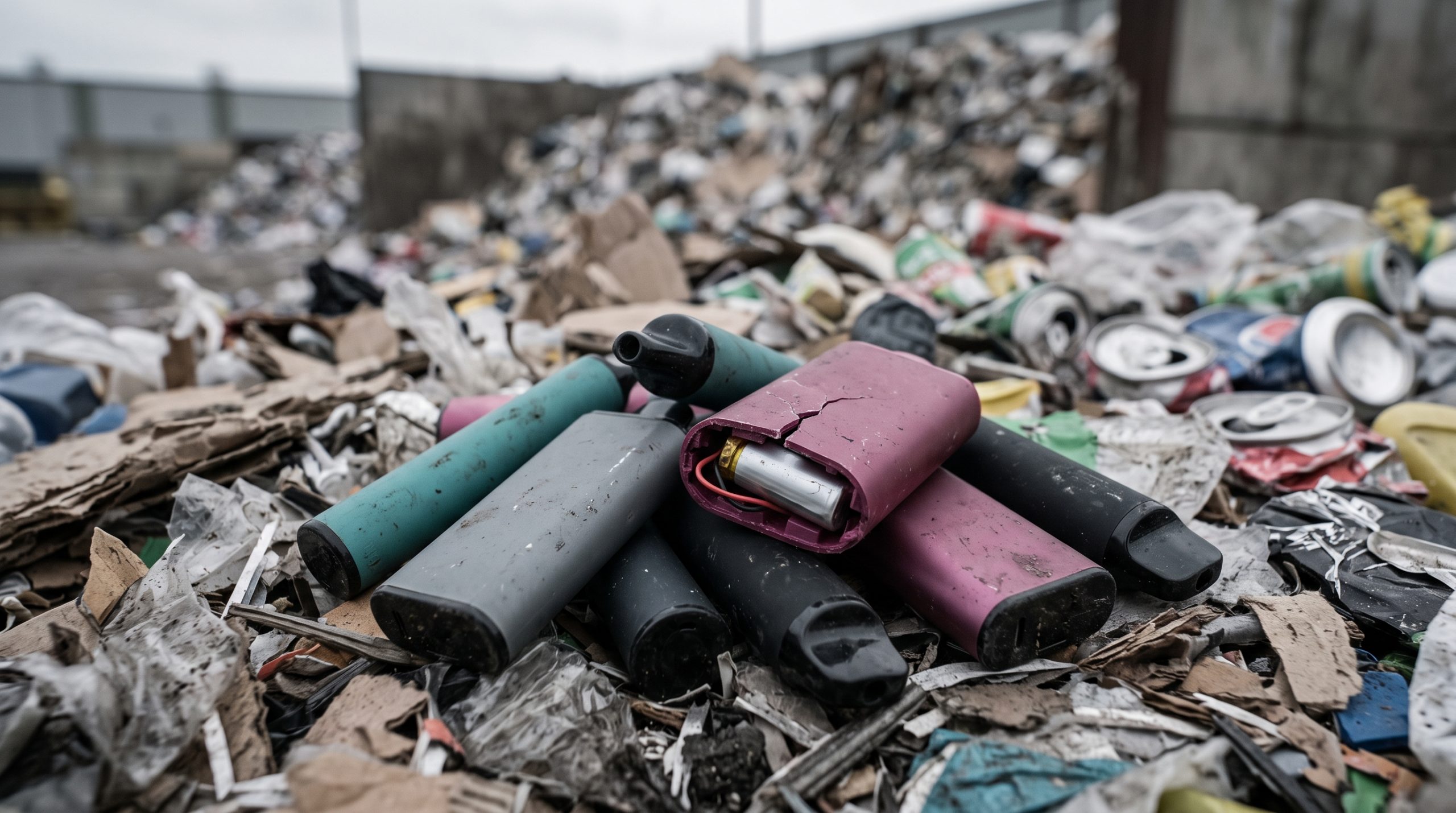
Each year, the waste and recycling industry faces new challenges related to fire risks. This year, I am predicting we will continue to battle the rise of lithium-ion batteries in our waste and recycling streams, particularly from an increasingly popular source: vapes, and the vape battery fires that follow.
In this month’s column, I dive into “The Vape Effect” and explore how the growing popularity of vaping and the lack of disposal options is leading to more vape battery fires within our industry, putting facilities and employees at risk.
As we face this hidden danger in our waste and recycling streams, it is clear a coordinated effort between industry leaders, policymakers and the public is critical. Together, we can address and combat this challenge to protect our facilities, employees and the communities in which we operate and serve.
December 2024 Waste and Recycling Fire Data
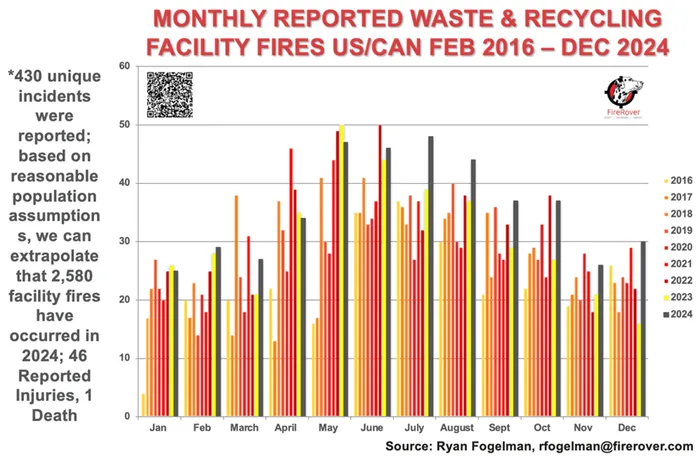
In December, the waste and recycling industry experienced 30 fire incidents, marking the worst December for fire incidents since I began consolidating data in 2016. Among these, 18 occurred in waste, paper and plastic operations, six in metals recovery facilities, three in e-scrap operations, two in organics operations and one in a rubber facility. Nine of these incidents were considered catastrophic, based on the National Waste & Recycling Association and Resource Recycling Systems’ definition from a report last year, which considers losses of $400,000 or more as catastrophic. At Fire Rover, we continue to respond to fires at our clients’ 750-plus operations at an average rate of one suppression incident daily.
Why Are Waste and Recycling Facility Fires Increasing?
Despite an increase in consumer education and the widespread adoption of fire safety best practices and technologies such as our Fire Rover solution, fires in the waste and recycling industry are on the rise. And traditional hazards, such as propane tanks, fireworks, accelerants and pressurized containers, are not the only culprits presenting hazards in waste and recycling streams anymore. The increase in lithium-ion batteries entering our streams is also becoming a major challenge.
While this news is not new and the problem has been accelerating for nearly 10 years, it is an issue we must keep a pulse on and address with effective and efficient solutions to protect our industry’s facilities and employees.
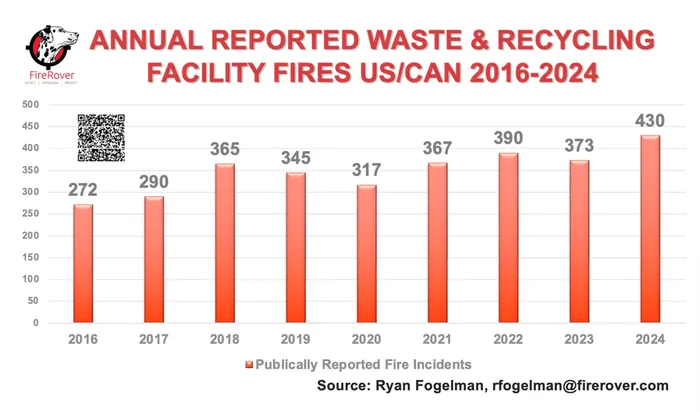
When this problem first became apparent in the industry, fire incidents actually decreased from 2018 to 2020 as operators implemented new best practices, industry associations created and launched new education campaigns and waste and recycling companies began adding messaging like “no batteries” to residential and commercial bins.
In 2021, the awareness of this problem reached a broader audience as major news outlets began covering fires sparked by lithium-ion batteries, such as a fire on a plane caused by a charging battery in a suitcase or a fire in an apartment building caused by an overheated and charging e-bike or scooter. However, I haven’t seen any national voice get behind proper drop-off of these batteries, which is what is needed to stop these fires in our waste and recycling streams.
Although we saw that small decrease five years ago, numbers are on the rise again due to improper disposal practices. This increase is partially due to lack of education, as many consumers simply may not know where to bring their batteries or battery-containing products at the end of their useful life.
Where Can Consumers Drop Off Vapes?
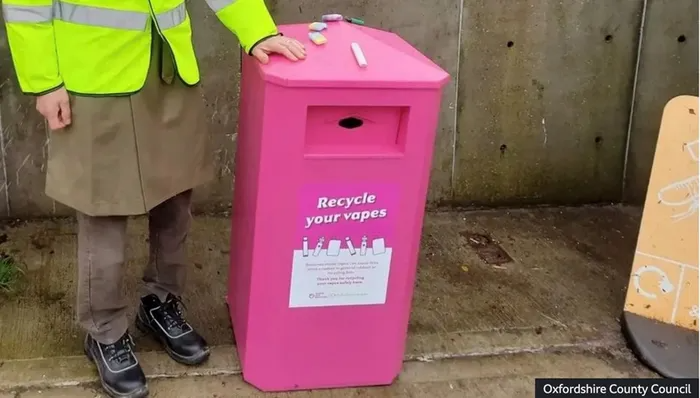
If you follow me on LinkedIn, you have seen me bring a bag of batteries to one of 11 battery drop-off locations listed in my area on Call2Recycle.org’s recycling drop-off locator. By visiting these locations, I learned you cannot bring alkaline batteries to some locations and products like electric toothbrushes aren’t accepted due to health and safety concerns. When asked if they accepted vapes, I was told no for the same reason. This discovery has led me to believe the public does not have a safe drop-off location for their vapes at the end of their useful lives, which is a concern.
How Many Vapes Are Improperly Discarded?
A recent study by Material Focus revealed that of the 13.5 million vapes purchased weekly in the U.K., approximately 8.2 million are either improperly discarded or recycled. The study also found that 77% of survey respondents claimed they lacked access to clear information on recycling options for vapes. To no surprise, this improper disposal of vapes has contributed to a 77% increase in battery fires, with more than 1,200 incidents reported in the last year alone. Using a simple population equivalent, this means an estimated 48 million vapes are incorrectly discarded or recycled in the U.S. and Canada weekly.
The study also found:
- 5 million disposable vapes are discarded weekly in the U.K., a fourfold increase over the previous year.
- Only 17% of vapers recycle their vapes in appropriate recycling bins.
- U.K. adults purchase approximately 30 million vapes monthly, reflecting the rise in popularity of these products.
Using my simple population estimate, the U.K. has about one-sixth of the population as the U.S. and Canada, meaning that about 24 million vapes are improperly disposed of weekly across North America. This equates to a staggering total of about 1.2 billion vapes annually.
Talk Fire Risk With Ryan
Ryan tracks fire incidents nationwide and helps facilities reduce risk with smarter detection and suppression strategies. Connect with him to get expert guidance tailored to your operation.
The Vape Effect: How Vape Battery Fires Drive the Increase
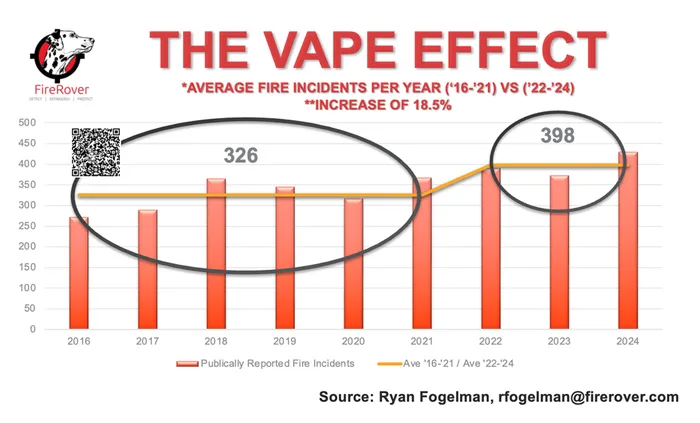
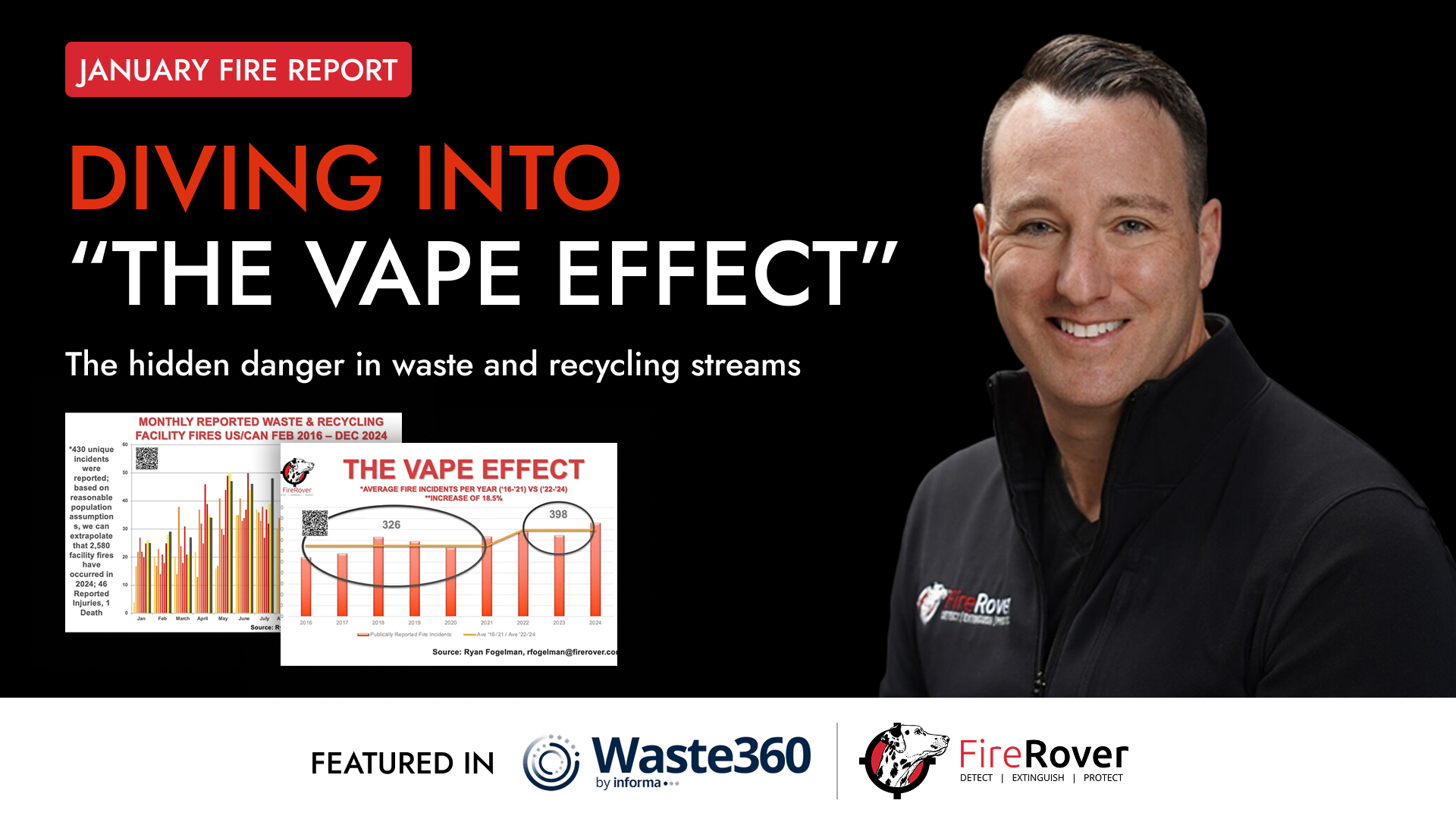
When you look at the history of reported waste and recycling facility fires in the U.S. and Canada, we have seen a significant uptick in reported fires when comparing the first five years of data versus the past three/four years. The average number of fires each year has increased by a jaw dropping 18.5% from 2016-2021 to 2022-2024. Again, with all of the focus on best practices, fire technology and more, something is causing the increased hazards we are seeing across the board.
You may be wondering how big the issue of vape battery fires really is. When we analyze the numbers, 18.6 million people have reported vaping in the past 30 days, up from 13 million in 2022. These vapers primarily use one of two products: disposable vapes or reusable vapes, and are typically smokers making the switch from traditional cigarettes to electronic vapes, not new tobacco users. Disposable vapes can be recharged with standard charging equipment but cannot be refilled, while reusable vapes can also be recharged, they use replaceable cartridges of “vape juice,” extending the life of the vape for longer term usage.
With 18 million potential users each month consuming an average of 66 vapes per person annually, it is to no surprise this has significantly contributed to the $2.5 billion annual cost of fire incidents reported by waste and recycling facility operators.

How Do We Stop Vape Battery Fires?
I am singling out vapes because we finally have a common enemy and know vapes are attacking our society at levels we have never seen before. The good news, however, is it is a problem we can wrap our hands around and hopefully take control of. The messaging around proper disposal of vapes should be clear and concise, so users know they only have one choice, and that choice is to responsibly and safely drop it off at a drop-off site or facility accepting these devices.
The challenge is there are very few, if any, locations that currently accept vapes. This must change in order for vapes to stay out of our bins, fleets, facilities and landfills.
We are at war with this enemy hiding in our waste and recycling streams, and without immediate action to increase education, expand recycling infrastructure and creation of convenient and accessible drop-off locations for vapes, this growing problem of vape battery fires will remain a dangerous threat to the waste and recycling industry.
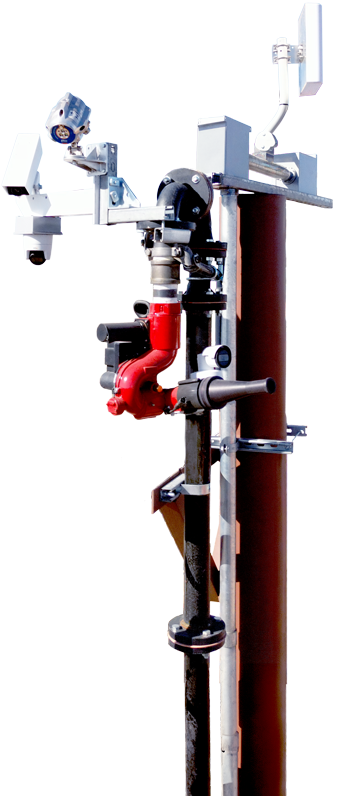
Continuous Suppression System
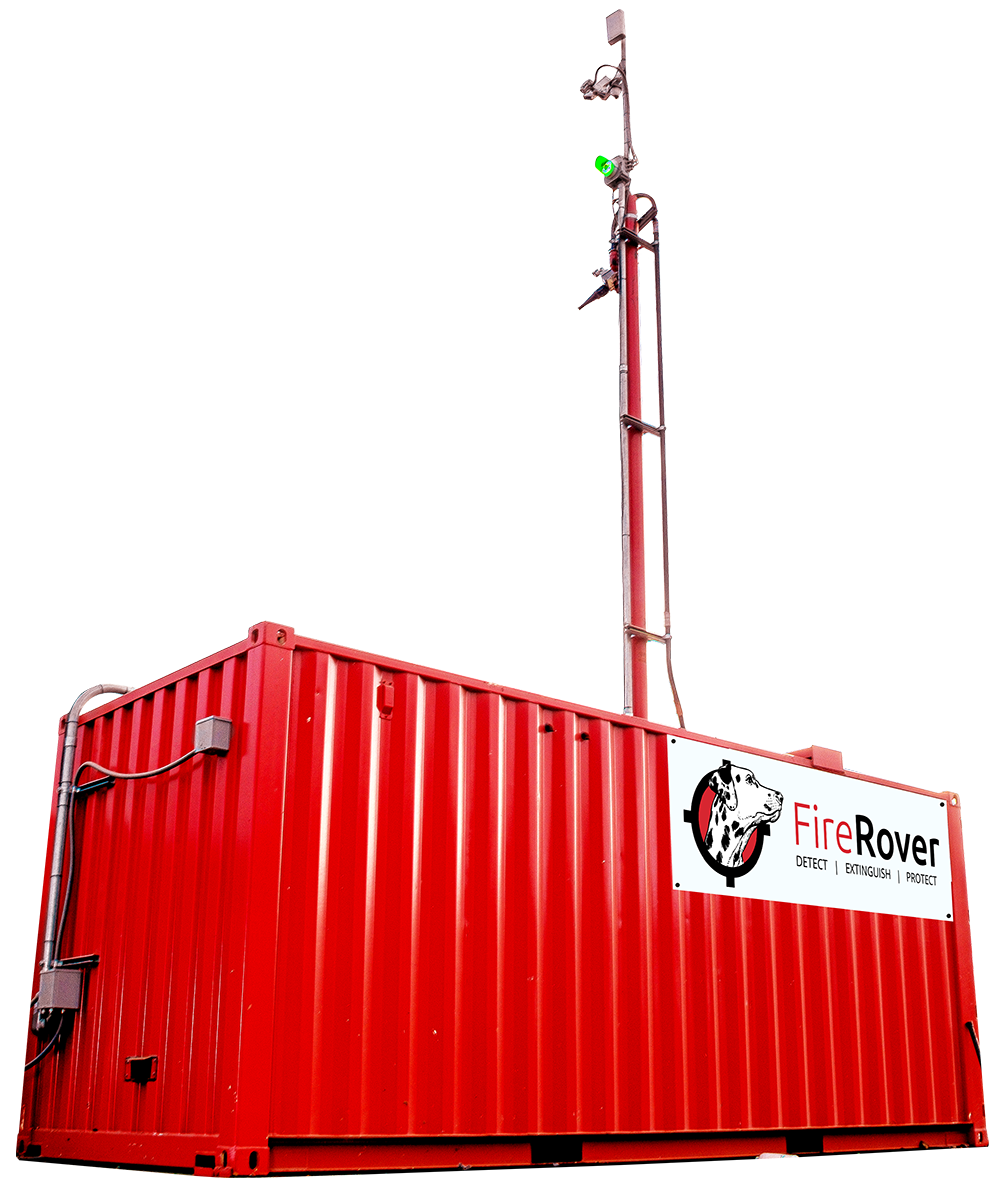
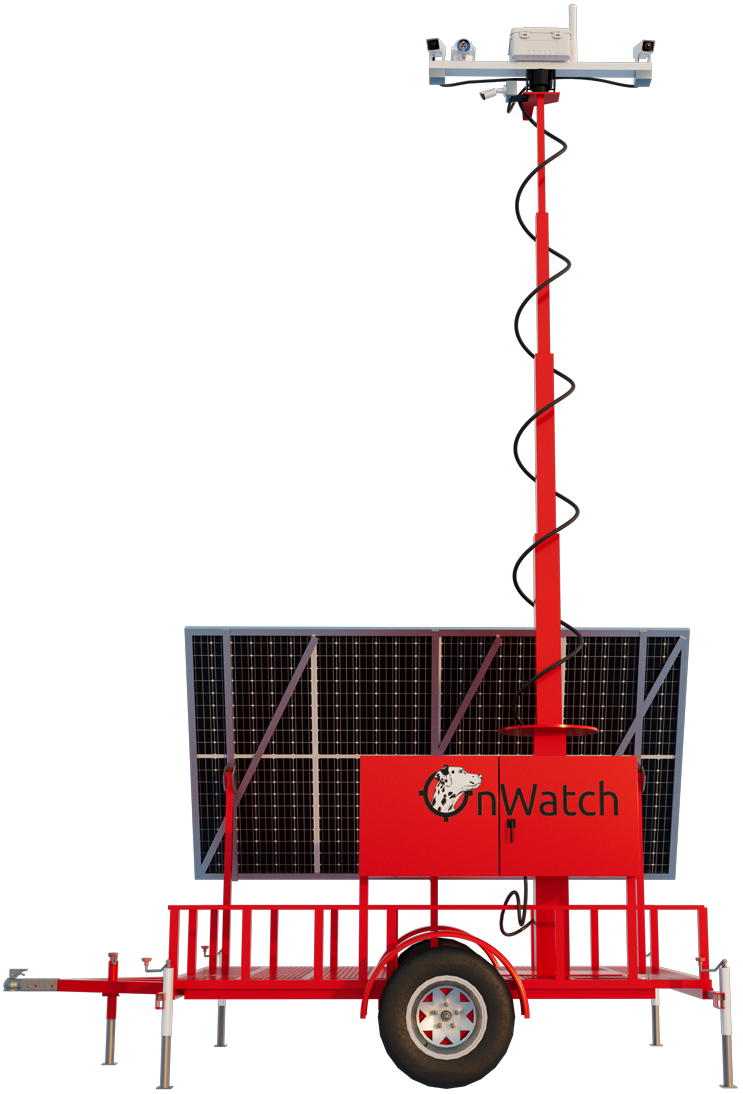
Eliminate threats before they spread. Our Continuous Suppression System provides nonstop, targeted suppression to keep fires from gaining ground and operations running safely.
Three Steps Toward Proper Battery Disposal
Dealing with the broader issue of proper battery disposal requires three steps:
- Educating the public on what batteries are.
- Identifying common products like vapes that contain batteries.
- Finding safe and nearby disposal options.
As we have learned as an industry, these steps are not moving the needle, especially when taking into account the significant EOL batteries improperly entering the waste and recycling streams. But vapes are an entirely different animal and until we establish convenient and standardized recycling options for vapes, they will continue to enter our waste and recycling streams, and vape battery fires will pose a growing threat to our facilities and employees. The time to act is now: we must tackle this problem head-on with a coordinated effort between the public, policymakers, battery manufacturers and waste and recycling companies. I will be diving into these issues more significantly in my latest annual report that I am working on and should be ready to publish in March, “We Are at War! The 8th Annual Waste and Recycling Facility Fire Report US/CAN.”
Protect Your Facility From Vape Battery Fires
Until vapes have safe, convenient drop-off options, vape battery fires will keep arriving at your facility inside ordinary loads, where a single damaged cell can ignite the material around it.
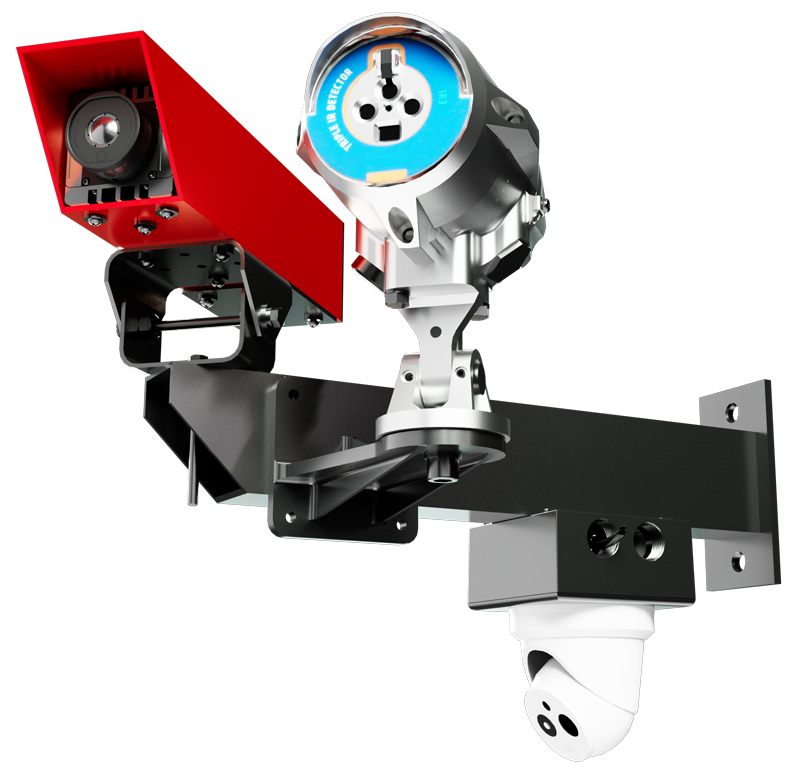
The Continuous Suppression System combines advanced detection, human verification and high-volume suppression to knock down incipient fires before they spread, supporting your site team without asking anyone to move closer to the flames. Contact our team to see how Fire Rover can help protect your operation from vape battery fires.
Related Articles
The Anatomy of an Electronics Recycling Fire
September 2026 Fire Report: The Extended Summertime Spike, the Vape Effect and a First Sign of Progress