





Originally published May 2025.
As published in Waste360.
Every month, Fire Rover’s waste and recycling fire report tracks publicly reported incidents to show operators where risk is rising. This edition looks at metal recycling fires: the April 2025 numbers, what metal recycling operators heard at ReMA 2025, and why the operators absorbing the cost of metal recycling fires did not create the hazard.
As we approach midyear, fire incidents across the waste and recycling industry continue to increase at an alarming rate. The first quarter of 2025 was the worst on record since I began tracking fire data in 2016, and if we keep this pace, we will continue to face a troubling reality: fire risks in our industry are not going away anytime soon.
In this month’s column, I highlight data from the month of April, some takeaways from the ReMA 2025 Convention & Exposition and what’s currently happening with metal recycling fires.
April 2025 Fire Data
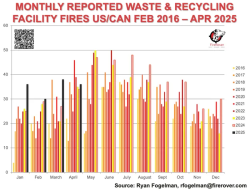
The first three months of this year marked the worst first quarter on record since I began reporting data in 2016. In April, we experienced 36 reported fire incidents, which is consistent with the month’s historical trends. While it wasn’t a record month, it was still the fourth-highest April on record and higher than the monthly average of 31.4 incidents.
Of the 36 events, 19 occurred at waste, paper and plastics facilities, 10 at metal recycling yards, four in organics operations and one each in electronics, hazardous materials and construction & demolition (C&D) operations.
At Fire Rover, we’ve already suppressed more fires in 2025 than in any previous year. We’re on pace to suppress more than 400 incidents at client facilities across the globe in 2025, up from 268 in 2024. As the year progresses, I’ll continue to share and consolidate data to identify trends that can help us continue to successfully combat these fires on the frontlines.
What’s Happening in Metal Recycling?
If you’re like me, May is always a whirlwind—a time to break away from the daily grind of meetings, site visits and calls to reconnect with old friends and industry professionals to share insights, lessons learned and discover new innovations. This year was no different.
At the ReMA 2025 Convention & Exposition (view session recording below), I had the privilege of speaking to metal recycling operators about Fire Rover and how we are helping suppress metal recycling fires in an industry that is often misunderstood and under-appreciated by the public. While often unnoticed, local metal and C&D operators are the ones handling the vast majority of tonnage that gets recycled and reused.
Who Is Responsible for Metal Recycling Fires?
Take a moment to think about that: The majority of material that doesn’t go into a landfill and is instead recycled into new products is metal. Yet, these hardworking operators are criticized by the public for noise, smoke, dust, etc. It is important to note the public is not the victim here. In fact, consumer behavior is one of the major contributors to the hazards posing dangers to our operators and facilities daily.
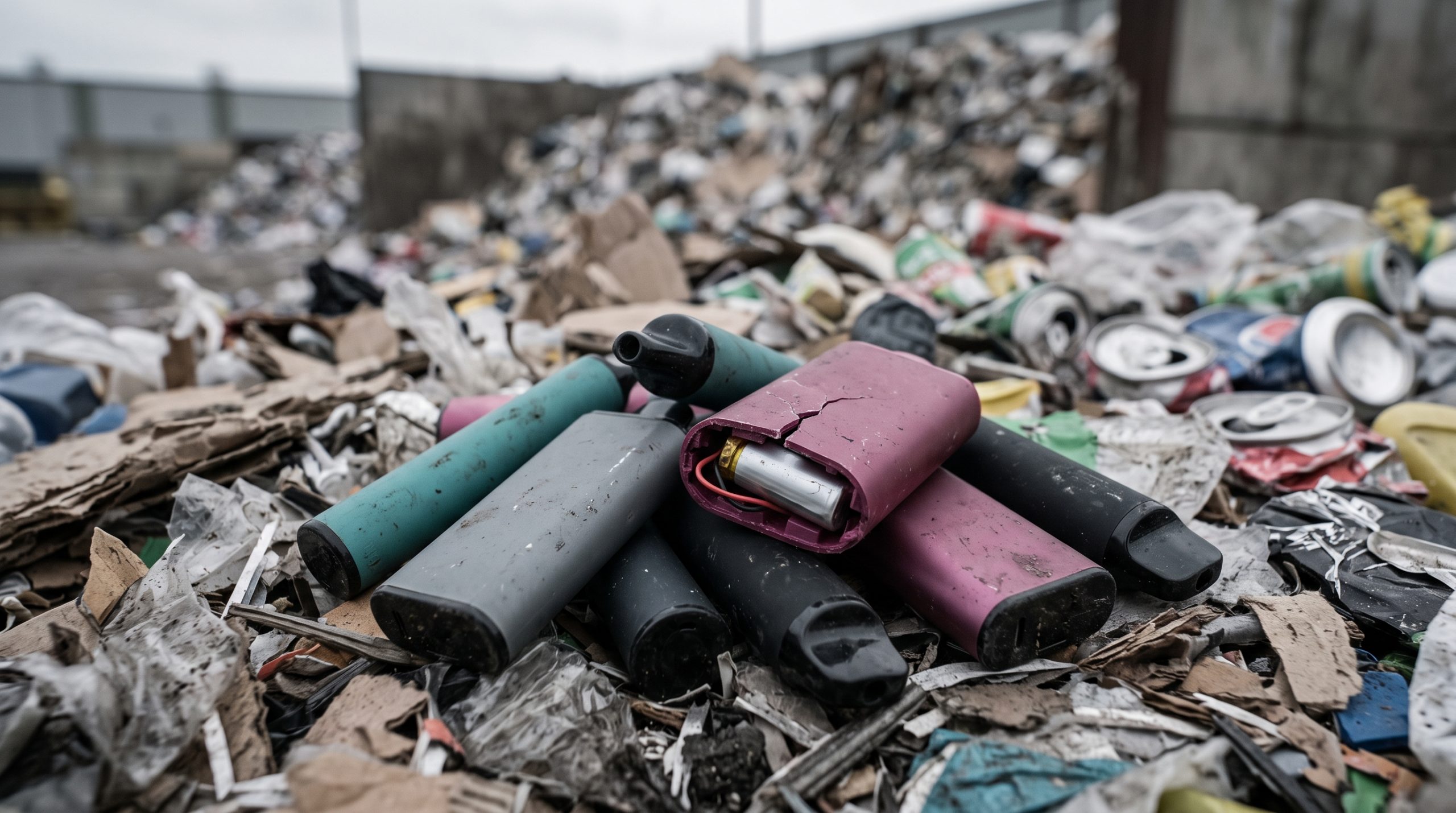
How can that be, you say? The public is demanding more and more power in smaller, more compact forms—not only for their electric vehicles (EVs) but for their personal storage, electronics and more. These batteries, which make up more than half of waste and recycling facility fires, cause more than half of the estimated $2.5 billion in damages our operators and their insurance companies are subjected to.
Therefore, waste and recycling operators are the victims of these batteries and other hazards placed in curbside recycling. While most contamination is unintentional, there are a few bad actors who deliberately conceal contaminants in the truckloads of material they deliver to our operators.
So, you may be wondering why I am so adamant about protecting these operators from the unnecessary folks who continue to try to give our industry a black eye. In my opinion, the media tends to talk about the things the recycling industry does wrong. Just look at the numerous articles I have called out over the years from the so-called “concerned citizens” who place a rechargeable battery tracker in the recycling bin to see if the material goes to the right destination so they can prove “recycling doesn’t work.”
Am I saying there aren’t issues in our current system? Absolutely not. But instead of calling out these operators for inherent sounds, smells and dust that come from a “dirty” but necessary operation that is critical to maintaining and growing our economy, we should focus on the hundreds of millions of tons of material that the metal and C&D operators are correctly recycling.
What Should EPR Funding Pay For?
This is especially important when it comes to drafting and passing state legislation or regulations. For example, when I receive calls from the U.S. Environmental Protection Agency or an operator interested in using my annual report to help pass a legislation but that legislation is written in a way that takes the blame off the public’s insatiable need for portable power and the funding isn’t directed toward the true victims of this equation—the operators—I have a problem.
The waste and recycling industry needs tools funded by manufacturers or the public through extended producer responsibility (EPR) programs that fund more drop-off locations, better training and equipment for first responders and financial assistance to help offset the investments needed to get these operations to a level where firefighters or employees are no longer serving as the frontline’s defense.
The reality is the industry has been battling these fires for years. But the increase in newer electronic hazards has brought us to the brink of this crisis, which is now reaching the forefront of our everyday lives, as these batteries are causing problems in our homes, apartments, offices, airports, trains and more.
Batteries are no joking matter, and the public has been able to avoid most of the consequences by improperly discarding them in their waste and recycling bins. Businesses also have been able to sneak these hazardous materials into loads, leaving the end processor to deal with the problem.
In one case, a major city dropped off an electric police bike that had been damaged in the field. The bike lit up like a Christmas tree at my client’s operation. When my client called the city’s hazmat team, they wanted to charge $75,000 to remove the bike they had delivered to my client. Incidents like this cannot continue to happen, but undoubtedly, they will.
Instead of addressing these difficult issues, funding from EPR laws is being directed toward more education. But education without proper infrastructure to handle growing hazardous materials like vapes is not only a waste of money, but it actually creates more confusion amongst the public.
What Makes Lithium-Ion Batteries So Dangerous in a Scrap Load?
Lithium-ion batteries are not hazards to be taken lightly. They rapidly heat up to extremely high temperatures, release toxic smoke and can shoot off projectiles in the area where they are burning. The only thing the public can and should do after thermal runaway begins is evacuate and hope the fire doesn’t spread.
UL’s Lithium-Ion Battery Safety Guidelines
Here’s a breakdown of UL’s key rules and guidelines:
- Use UL-Certified Chargers and Devices
- Choose chargers and devices that bear the UL mark, indicating they have undergone rigorous safety testing.
- Always use the charger specifically designed for your device.
- Charge in a Safe Environment
- Never charge batteries in unsafe locations like under pillows, on beds or on couches.
- Ensure the charging area is well-ventilated and away from flammable materials.
- Avoid overloading electrical outlets.
- Temperature Control
- Lithium-ion batteries should be charged at room temperature, ideally between 32 degrees Fahrenheit and 105 degrees Fahrenheit.
- Allow batteries to cool down after use before charging.
- Discontinue charging if the battery becomes excessively warm.
- Overcharging Prevention
- Turn off the device or disconnect the load during charging to avoid overcharging.
- Overcharging can lead to instability and potential hazards.
- Storage
- Store lithium-ion batteries in a cool, dry, well-ventilated area, preferably at or below 86 degrees Fahrenheit.
- Follow the manufacturer’s specific storage temperature recommendations.
- Inspect for Damage
- Regularly inspect batteries for signs of damage, such as deformed, dented or swollen parts or frayed wires.
- If damage is found, discontinue use and follow manufacturer’s instructions for disposal.
- Follow Manufacturer’s Instructions
- Always adhere to the manufacturer’s instructions for charging, storage and disposal.
- Travel Regulations
- When traveling, pack lithium-ion batteries in your carry-on luggage.
- Inspect batteries for damage before packing.
- Follow airline regulations for carrying lithium-ion batteries.
Did you get all that? UL’s rules are in-depth and culminate in some good advice, but how do we break this down into basic facts the public can understand?
What the ReMA 2025 Demonstration Shows About Metal Recycling Fires
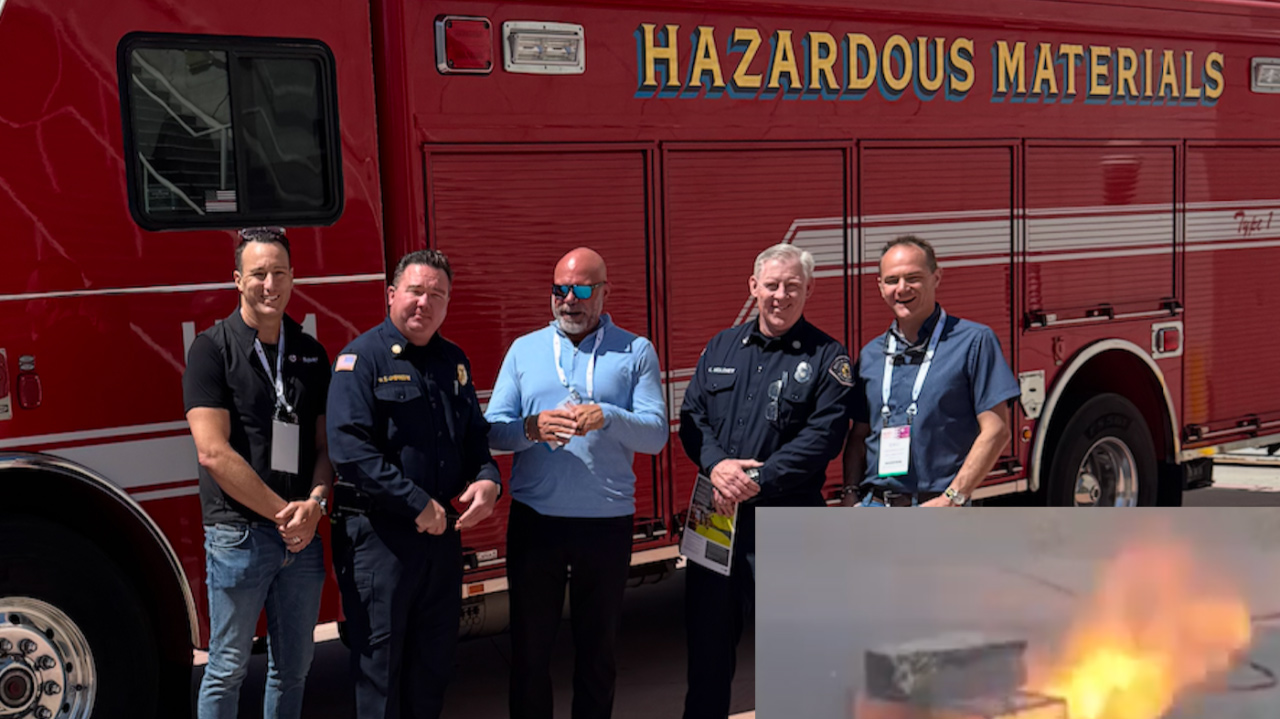
During the initial discussion of our demonstration, Frederickson explained that while we wait for four small cells to be heated up to put the battery into thermal runaway, lithium-ion batteries are predictably unpredictable. These cells have between 10 and 15 watt-hours of energy each. To put this demonstration into perspective, an e-bike battery has about 600 to 1,000 watt-hours of energy, and a Tesla has about 6,000 to 7,000 of these cells in each EV.
You can view some of the demonstrations below:
What you can see from these incidents is that no two incidents are the same. One of the fires burns with reckless abandon. The other lights one cell and then blows the other three cells to the opposite side of the cage and ignites again.
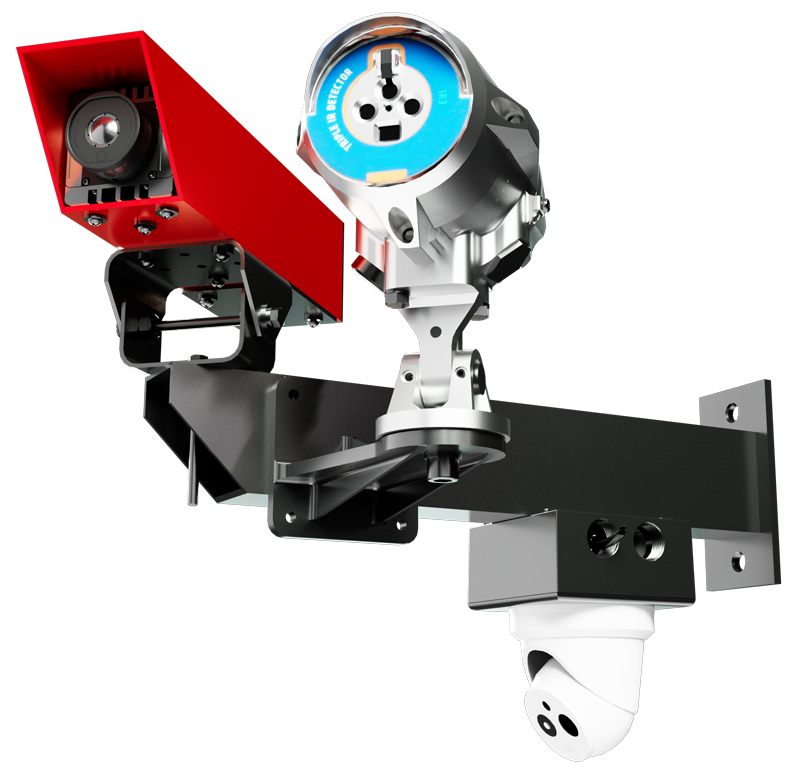
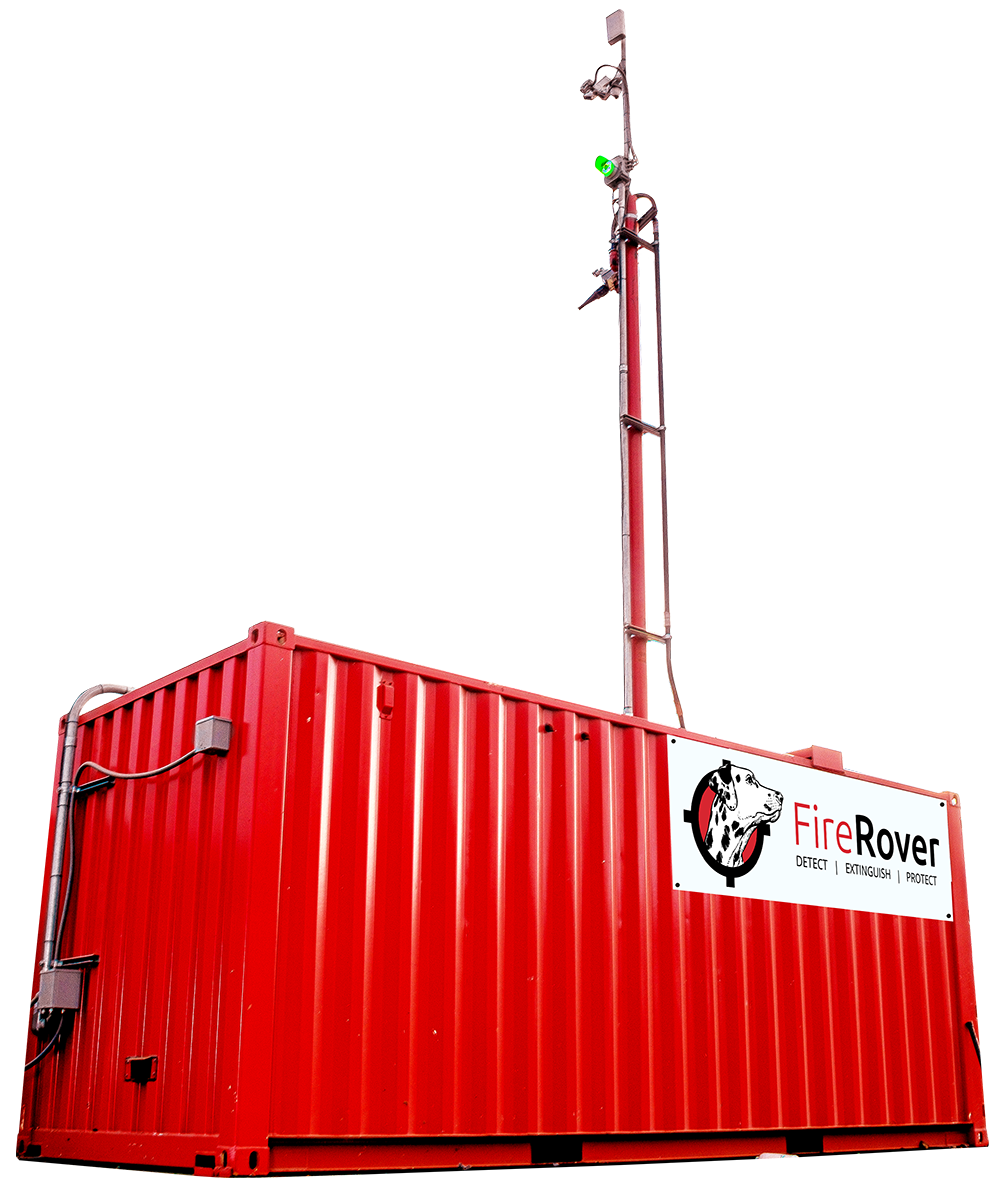
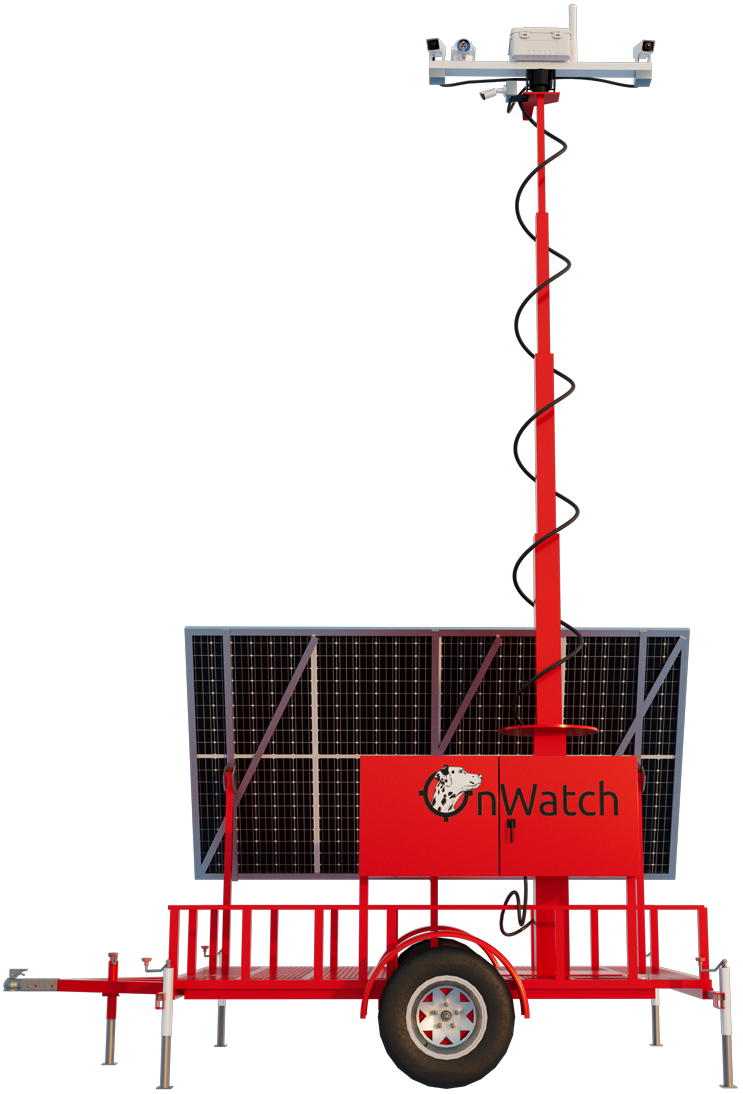
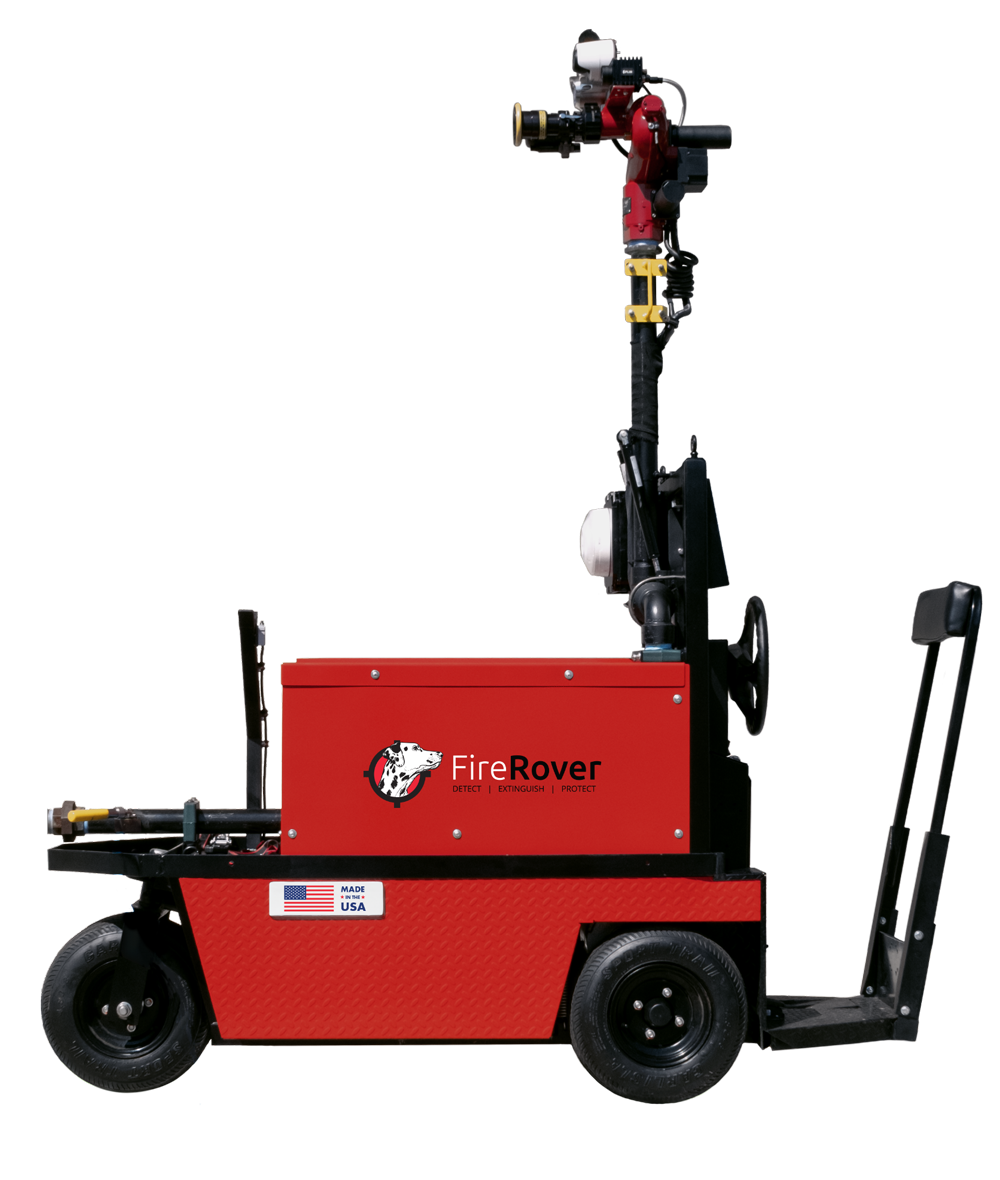
Now imagine that these, or batteries with hundreds of times more power, are accidentally left in a truckload of material heading for a recycling facility, or when this type of hazard happens in a pile. The potential for damage is extremely likely. That is why our Fire Rover solution, which can cool the fire and collateral assets within seconds or minutes, is critical to safely and quickly fight metal recycling fires from our remote control room.
Once these fires have had a chance to spread to collateral assets in piles, shredders or commodity material, it can be too late to make a significant dent in the size of the fire. The bigger the fire, the bigger the response needed. The more water required, the higher the chance of injury, public nuisance and more.
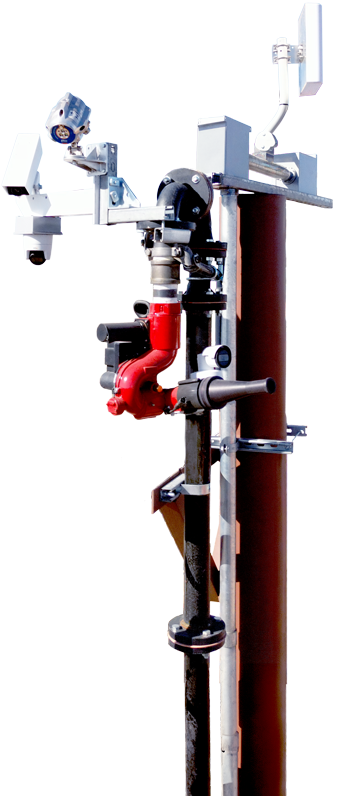
Continuous Suppression System
Eliminate threats before they spread. Our Continuous Suppression System provides nonstop, targeted suppression to keep fires from gaining ground and operations running safely.
The Operators Behind the Recycled Tonnage
First, I want to thank everyone who uses my reports to help make the world a better place. Your efforts matter, and as you advocate for your causes, I ask that you also champion support for the real victims in this equation: the great operators (estimated to operate more than 10,000 businesses across the U.S. and Canada) who work tirelessly to safely and efficiently process and prepare discarded materials for reuse.
These operators play a critical role in building a more sustainable future by ensuring the materials we discard today can support future generations in a safe and responsible way. Together, we can make a big difference.
Add a Layer of Protection Against Metal Recycling Fires
A single damaged cell buried in a scrap load can move from first heat to open flame before anyone on the yard sees it. Metal recycling fires that reach the pile or the shredder demand more water, more equipment, and more exposure for the people responding.
Fire Rover’s Continuous Suppression System detects, verifies, and cools a thermal event in seconds, adding a layer of coverage that supports your site team and your local fire department without flooding the facility. Contact our team to see how the system is built and installed for operations facing metal recycling fires.
Related Articles
The Anatomy of an Electronics Recycling Fire
September 2026 Fire Report: The Extended Summertime Spike, the Vape Effect and a First Sign of Progress