




Originally published in Waste360, March 2025.
Every month, Fire Rover’s waste and recycling fire report tracks industry incident data to show operators where risk is rising. The March 2025 edition reviews the full 2024 numbers and shares a milestone ten years in the making: the Continuous Suppression System is now an FM Approved fire suppression system for waste and recycling operations.
The 2024 numbers are in, and unfortunately, the waste and recycling industry has been inundated by fires. Here’s to a safer and more successful 2025. I hope we can achieve our goal of fewer “major” and “catastrophic” fires at our waste and recycling facilities.
March has traditionally been the month to review the previous years’ fires, analyzing and consolidating the waste and recycling industry’s track record on facility and operational fires, lessons learned and insights gained. However, this March I have some exciting news to share with those who have followed Fire Rover’s journey from our inception.
Fire Rover’s Continuous Suppression System Earns FM Approval
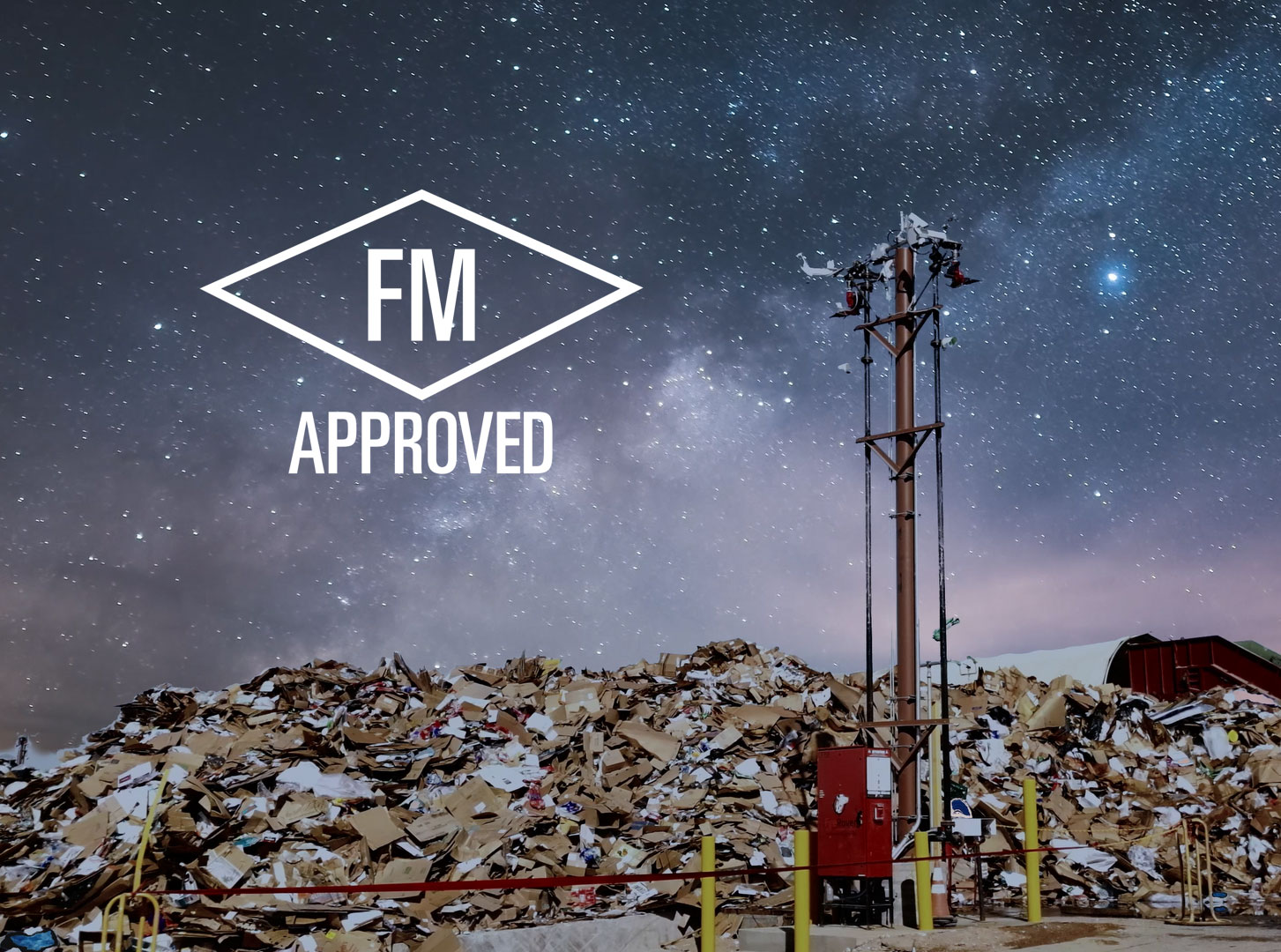
In last month’s article, I highlighted the latest technological advancements and how our clients took a chance on us by installing Fire Rover systems to protect their industrial and outdoor operations. Now, 10 years later, we have reached a major milestone: Fire Rover’s Continuous Suppression System is now an FM Approved fire suppression system, having officially earned FM Approvals certification, validating its effectiveness against rigorous industry standards. FM Approval varies based on system configuration.
The certification follows extensive testing against multiple FM standards, including FM 1421, FM 5511, FM 5560, FM 3810, FM 3010, FM 3011 and FM 3260. We will soon share more details on what an FM Approved fire suppression system means for operators, but from my perspective, this certification reinforces our commitment to revolutionizing firefighting: moving away from the traditional “water, water, water” approach and toward patented solutions like ours that use a combination of early detection and remote response capabilities.
The State of Fire in 2024
The 2024 numbers are in, and unfortunately, the waste and recycling industry has been inundated by fires.
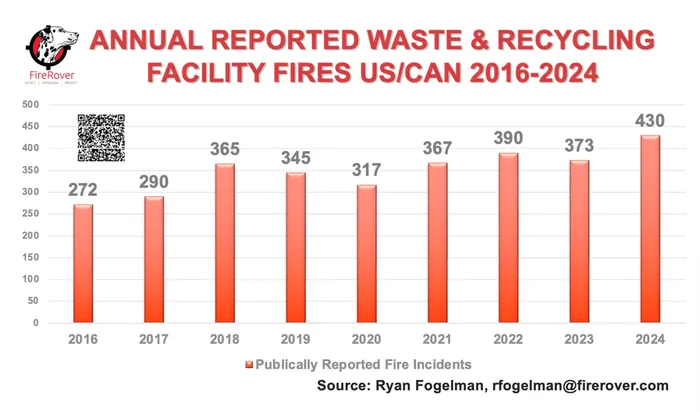
We are fighting more fires than ever as the public, often unknowingly, sends fire hazards to frontline operators. The number of incidents in 2024 has far outpaced the number we experienced during the “lithium-ion wave” of 2018. What’s most concerning is Fire Rover now proactively protects about 7% of waste and recycling operations in the U.S. and Canada, which means the majority of these fires are likely occurring at unprotected or improperly protected facilities.
Since beginning my journey with Fire Rover in 2015, I have learned a lot about fires, their causes, what works and what doesn’t. Fast forward to today, and we are now on the frontlines fighting more than one fire daily at our clients’ facilities, with no signs of slowing down anytime soon.
I still remember meeting a fire engineer who told me if I had a fire innovation, it would take at least 20 years to even get a chance at earning FM certification. We accomplished that tough goal for our Continuous Suppression System in just 10 years, but rather than feeling like we have crossed the finish line, it feels like we are just getting started.
The Growing Threat of Lithium-ion Batteries and Vapes
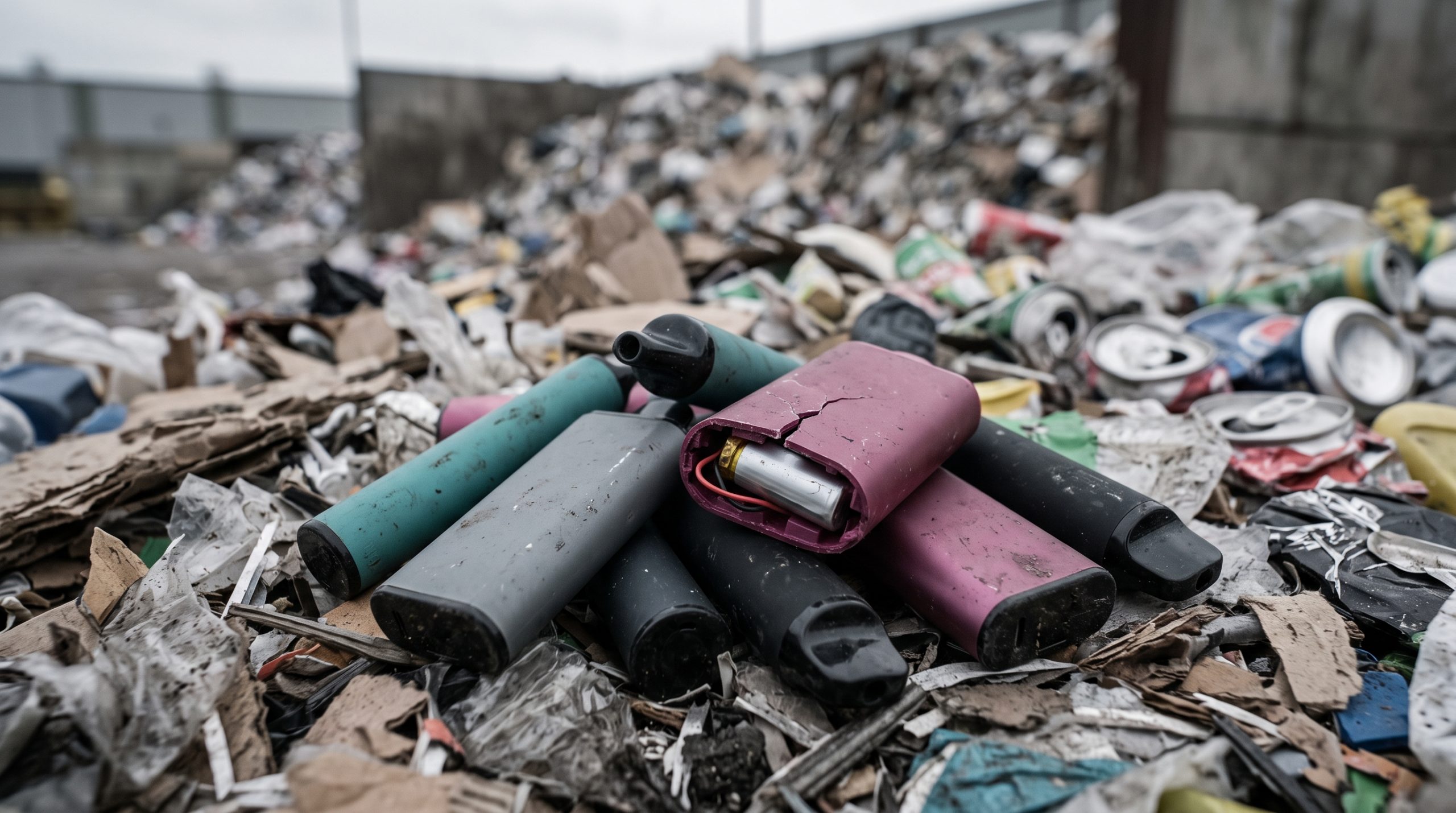
The number of daily hazards the waste and recycling industry faces, in trucks, facilities, landfills and materials recovery facilities, is increasing at an alarming rate. Take vapes, for example. As these devices grow in usage by the public, they also pose an increasing threat to operators at every level of their business. Their batteries are being improperly discarded in waste and recycling bins, and disposal technology has not kept pace with the 1.2 billion vapes entering our waste and recycling streams annually. With little to no safe disposal options available, this problem is only expected to worsen.
The Fire Rover Advantage
2024 was a turning point, as operators and insurers finally realized that relying solely on local fire professionals as the only frontline response is no longer viable. Waste and recycling industry fires often contain hazardous materials such as batteries, accelerants and pressurized containers, making swift action necessary. However, responding quickly doesn’t mean subjecting employees to these hazards without proper protection.
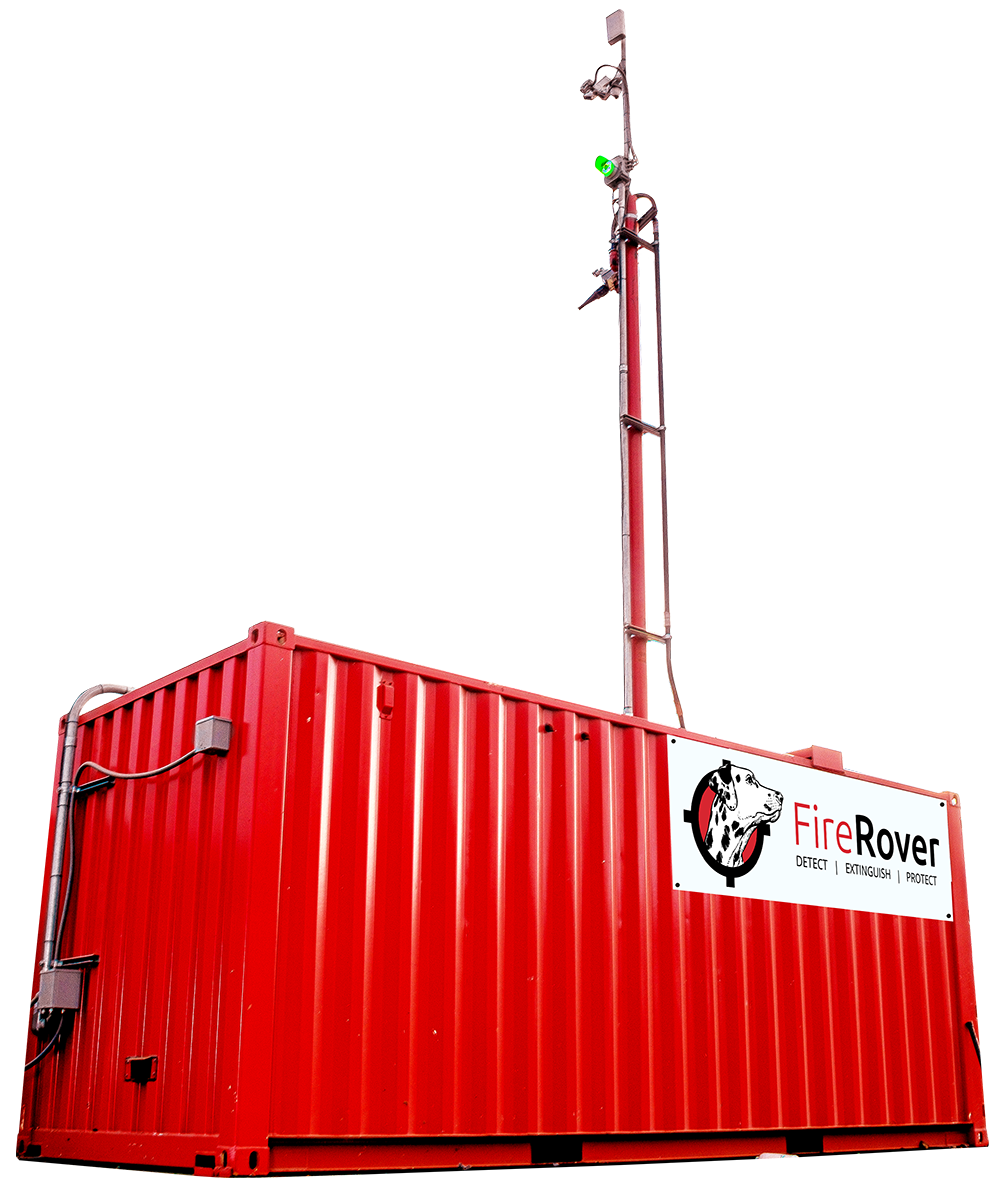
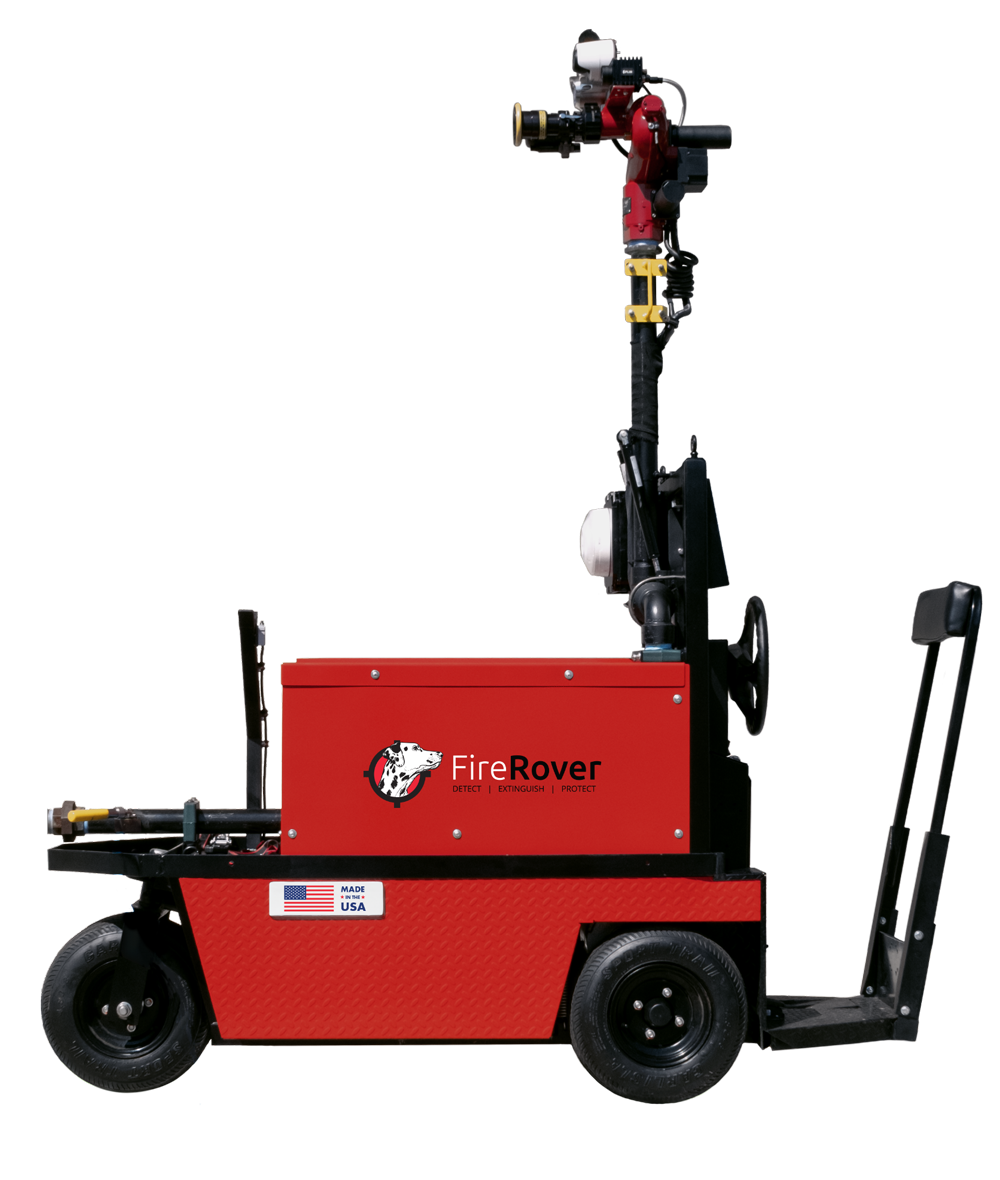
Early detection is key, but it is not the sole solution. Many competitors market their offerings as “early detection” solutions, but the real differentiator of Fire Rover’s system is we actively fight fires for our clients on the frontlines, either independently or in concert with local fire departments. Our newly FM Approved fire suppression system, the Continuous Suppression System, gives us a head start on the fire before crews arrive, as we can see through smoke and darkness to target the source of the fire. When fire professionals arrive onsite, they can direct their water to the areas we are already fighting and coordinate with our operators on the best possible outcome. Our solution has never accidentally discharged, so local fire professionals never have to shut it down on arrival and can instead work alongside it. Additionally, we use an average of just 440 gallons of water per fire, significantly reducing the environmental impact from smoke and water contamination.
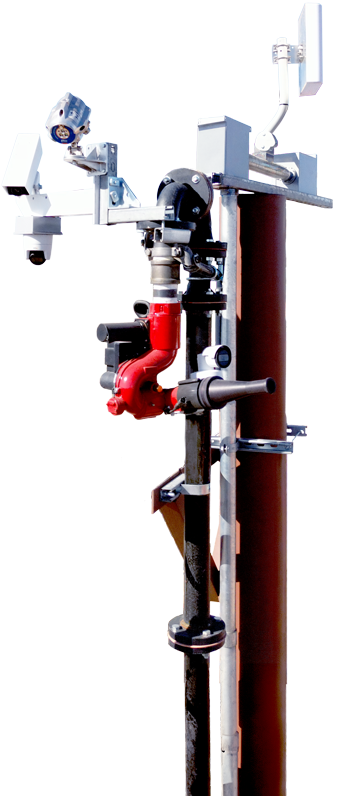
Continuous Suppression System
Eliminate threats before they spread. Our Continuous Suppression System provides nonstop, targeted suppression to keep fires from gaining ground and operations running safely.
The Global Impact of Fire Rover
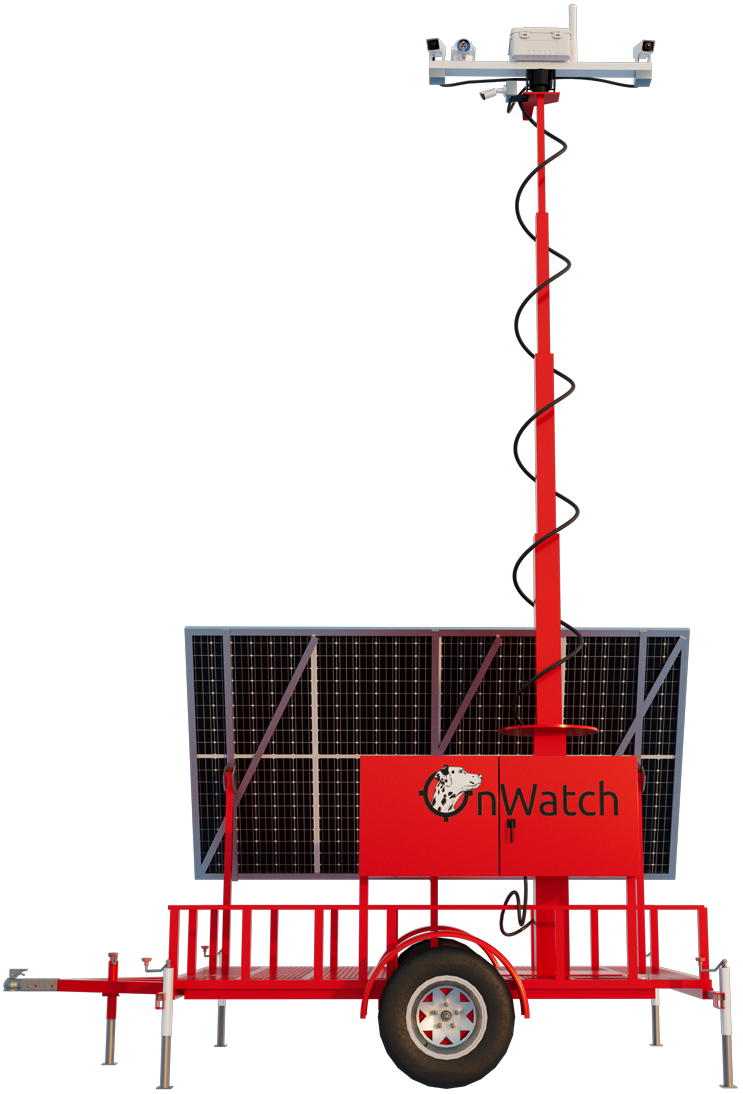
The Fire Rover team has installed more than 750 of our fire response solutions globally. With each installation, we are gaining more knowledge about which sites are experiencing issues and which are not. As our performance continues to improve, it has become an essential resource for insurance companies looking to assess and compare risk mitigation strategies against traditional fire protection solutions, which were designed without consideration of the material’s proper load characteristics.
How does the U.S./Canada compare to the rest of the world?
The data tells a compelling story. Despite the increase in fire incidents, the U.S. and Canada are seeing fewer catastrophic losses compared to other countries. I believe this is largely due to the early adoption of Fire Rover’s remotely operated suppression solution as opposed to “automatic water cannon systems.” Many companies that invested in these traditional systems are now experiencing issues that Fire Rover’s FM Approved fire suppression system addresses:
How an FM Approved Fire Suppression System Compares to Automatic Water Cannons
- Continuous Heartbeat Monitoring. Fire Rover continuously monitors for issues and fixes them remotely and onsite when necessary, while alternative systems rely upon manual checks.
- Lack of Intelligent Suppression. Many alternatives rely on oscillating heads and lack the intelligent targeted suppression system like Fire Rover’s.
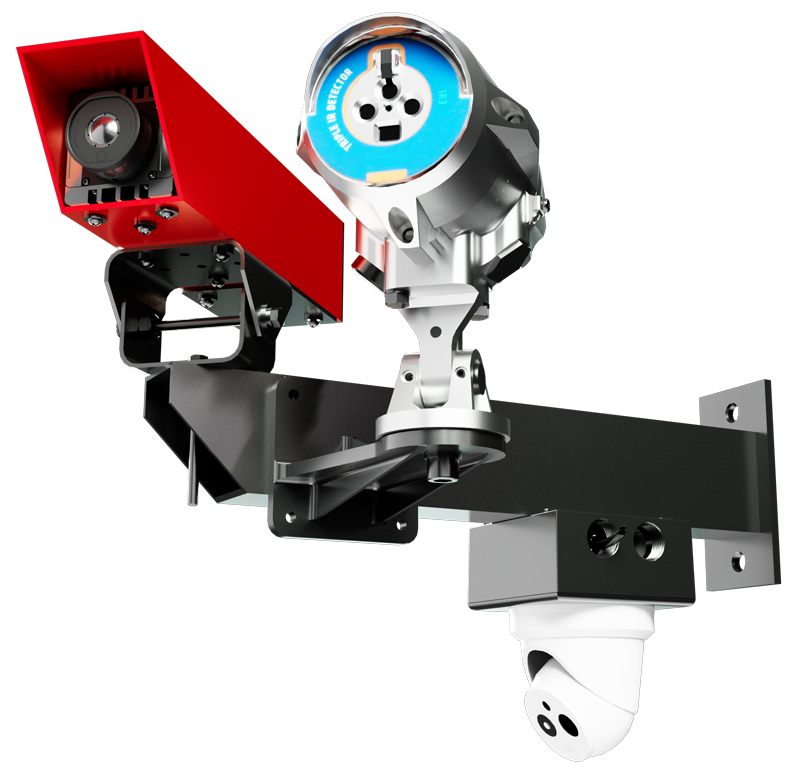
- Fixed Cameras. Conventional cameras often rely upon fixed cameras only. Fire Rover’s solution includes fixed cameras and cameras that are able to rotate with the spray nozzle, allowing our operators to follow the fire threat even if it moves out of the field of view of our fixed cameras.
- Outdoor Applications. In outdoor use, systems without the capability of adapting to environmental conditions, like a crosswind of 32 kilometers per hour, often miss hotspots. Fire Rover’s system has the ability to adjust to these changes as needed.
- False Alarms. Automatic systems are prone to triggering false alarms. Fire Rover has remote agents who review and verify alarms in real-time, providing a final layer of protection against false alarms and unnecessary system discharges.
- Operator Safety. Alternative systems can fail to account for operator safety. For example, if an operator enters the scene of a fire with a fire extinguisher to start extinguishing the fire, the camera might trigger and put the operator at risk by inadvertently pushing them into the flames. Fire Rover prioritizes the safety of personnel and fire professionals and accurately recognizes where and when it’s safe to fight the fire.
- Water Usage. For decades, traditional systems have relied on the water, water, water approach, leading to excessive and problematic amounts of firewater. Fire Rover focuses on intelligent water usage and avoids deluges that become environmentally problematic firewater.
- Slow Camera Scanning. Unlike Fire Rover’s cameras, which continuously monitor an entire area simultaneously, traditional cameras only scan bit by bit and respect the VdS standard, meaning they must scan the whole area in less than 120 seconds. That is a long time in the firefighting business and could lead to a catastrophic event if a threat exists under the temperature threshold. Fire Rover’s cameras instantly respond to emerging threats, minimizing the chance of a catastrophic event.
- Limited Detection. Alternative systems often rely solely on thermal scanning, while Fire Rover combines thermal, flame and smoke detection.
- No FM Certification. The alternative systems are not FM certified, while Fire Rover’s Continuous Suppression System became an FM Approved fire suppression system in 2025.
Talk Fire Risk With Ryan
Ryan tracks fire incidents nationwide and helps facilities reduce risk with smarter detection and suppression strategies. Connect with him to get expert guidance tailored to your operation.
8th Annual Reported Waste & Recycling Facility Fires Report Update
2024’s report is nearly complete. It includes a detailed section on Fire Rover’s performance on the frontlines as well as a full-year analysis highlighting the number of fires and hotspots we have responded to, the number of times our systems were pressurized, and the number of times we suppressed fires.
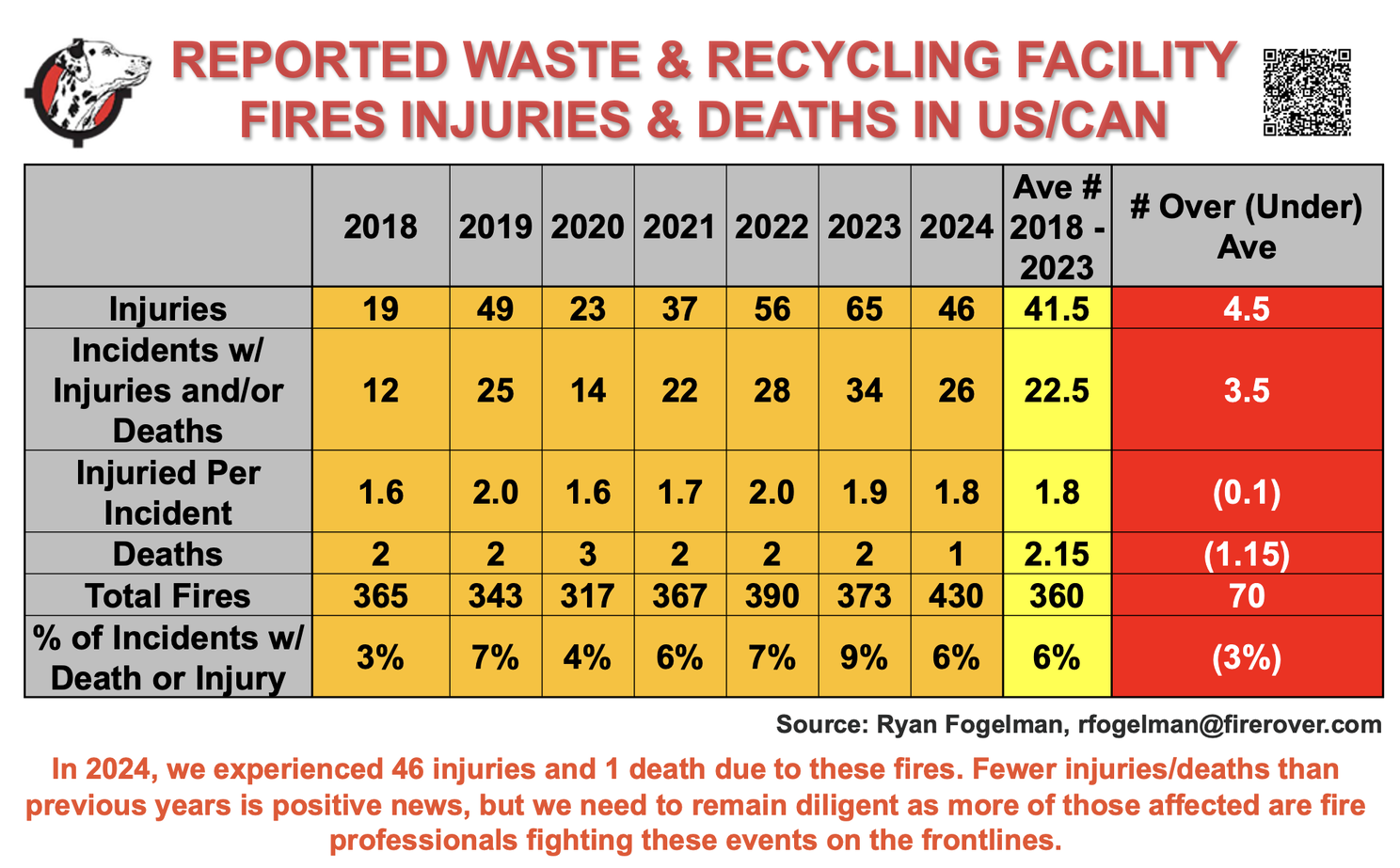
The report also will include data on the injuries and deaths associated with these fire events. In 2024, we saw fewer fire injuries from our high-water mark in 2023. Only 6% of the events I tracked resulted in a death or injury, down from 9% in 2023. Although we are still above the average of the past seven years, the reality is most of these injuries occur to the fire professionals fighting these fires on the frontlines. So, by stopping fire events in their tracks, we can protect these responders, along with employees, from preventable injuries and fatalities.
Preparing for a Safer 2025
Here’s to a safer and more successful 2025. I hope we can achieve our goal of fewer “major” and “catastrophic” fires at our waste and recycling facilities. However, the influx of end-of-life batteries in our waste and recycling streams shows no sign of slowing down. So, it is time to face the facts, hunker down and prepare ourselves to be ready when these threats come knocking. This is unfortunately a part of our daily lives now, and we must do everything we can to develop solutions that stop these fires in their tracks.
Add an FM Approved Fire Suppression System to Your Frontline
The batteries, accelerants and pressurized containers arriving in your material stream are not going to slow down, and the majority of 2024’s fires occurred at facilities without protection in place.
Fire Rover’s Continuous Suppression System is an FM Approved fire suppression system for waste and recycling operations, combining early detection, human verification and targeted suppression so your team and local fire professionals are never the only line of defense. Contact our team to see how it fits your facility.
Related Articles
The Anatomy of an Electronics Recycling Fire
September 2026 Fire Report: The Extended Summertime Spike, the Vape Effect and a First Sign of Progress