






Originally published in Waste360 in June 2025.
Every month, Fire Rover’s waste and recycling fire report tracks publicly reported fire incidents across the U.S. and Canada. The June 2025 edition covers May 2025 fire data and takes a closer look at vape recycling, including why post-consumer devices are so difficult to manage once they enter waste and recycling streams. It also features a conversation with g2 revolution on what post-consumer vape recycling requires in practice.
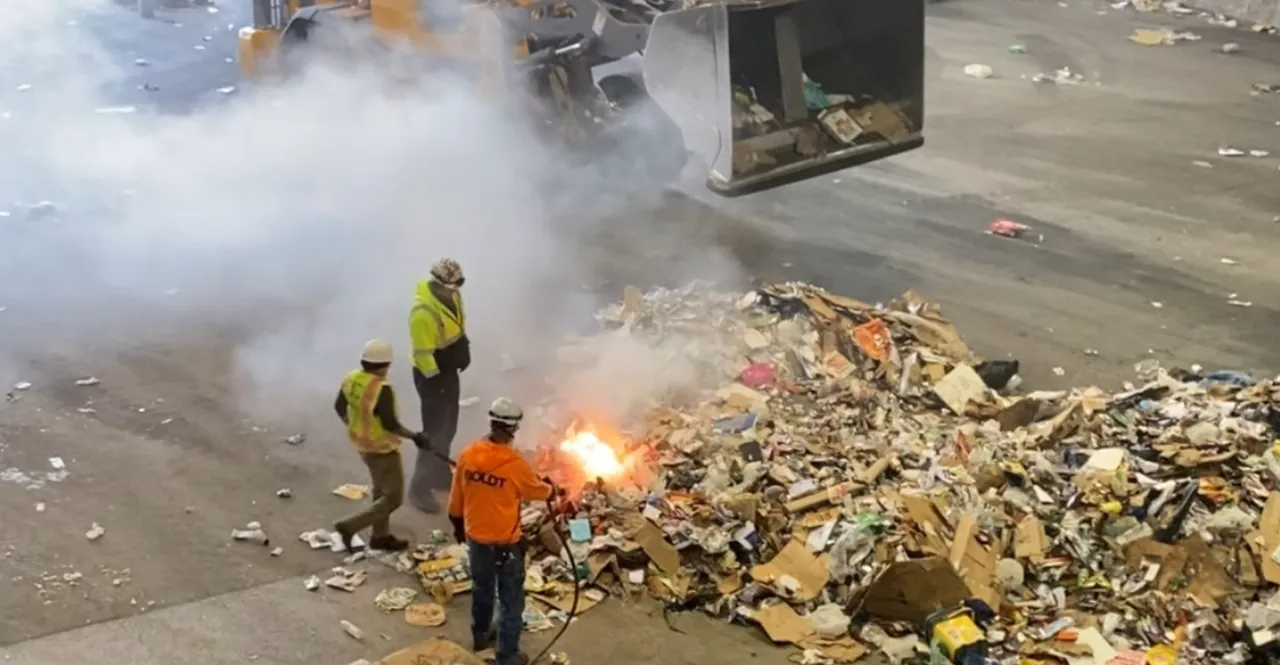
Well, it finally happened. After several years of increased fire incidents at waste and recycling facilities in the U.S. and Canada, driven largely by a phenomenon I have dubbed the “Vape Effect,” we reached record highs in three of the first four months of 2025. But in May, we hit a reprieve.
Inside the May 2025 Waste and Recycling Fire Report
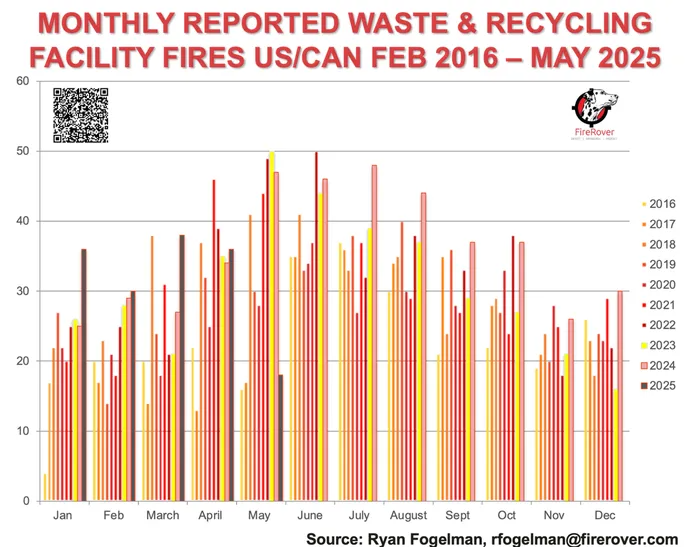
The first four months of this year marked the worst first quarter on record since I began reporting data in 2016. However, in May, we experienced only 18 fire incidents at our waste and recycling facilities in the U.S. and Canada. To put this in perspective, we’ve averaged around 50 fire incidents each May in recent years, so this decrease is encouraging for many reasons. It might mean that fire prevention and suppression technologies are becoming more effective, seasonal or environmental factors could be decreasing and educational campaigns are continuing to make a difference. While it’s too early to tell if this is a one-month aberration or the new norm, it’s a positive sign worth noting.
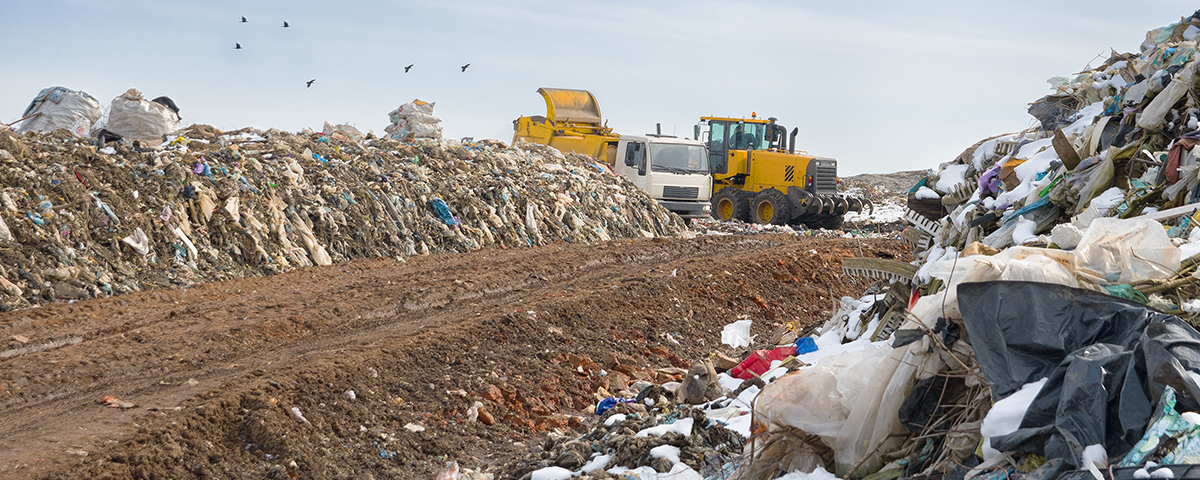
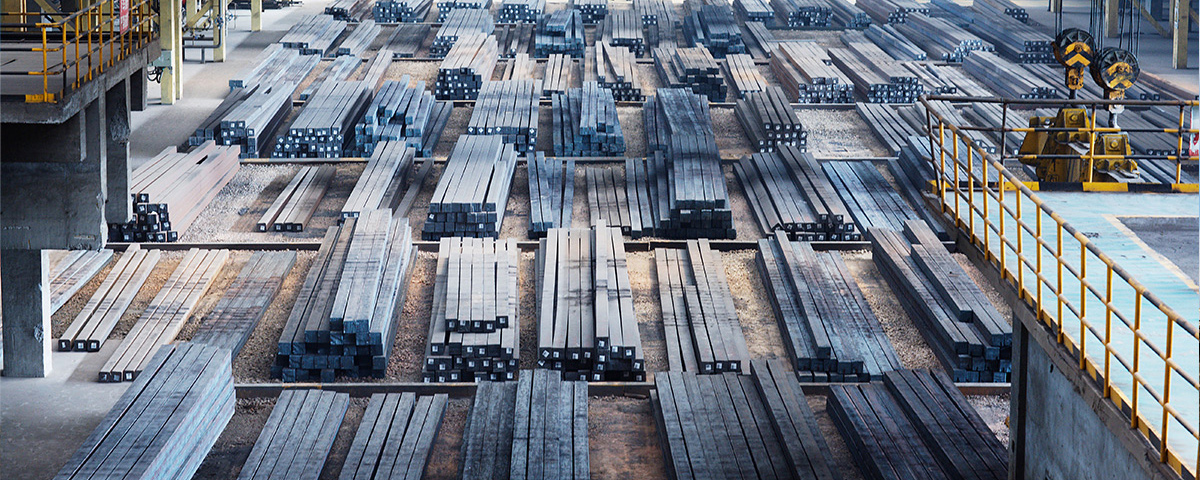
Of these 18 incidents, 11 occurred at waste, paper and plastics facilities, five at metal recycling yards and one each at rubber and hazardous materials operations. As I’ve said before, a single month does not tell the whole story, but we will know how this unfolds as we continue to closely watch these incidents.
At Fire Rover, we’ve already suppressed more fires in 2025 than in any previous year. We’re currently on pace to suppress more than 400 incidents at client facilities across the globe in 2025, up from 268 in 2024. As we head toward the second half of the year, I’m excited to share our latest performance dashboard and analysis in next month’s article.
Vapes, Vapes and More Vapes!
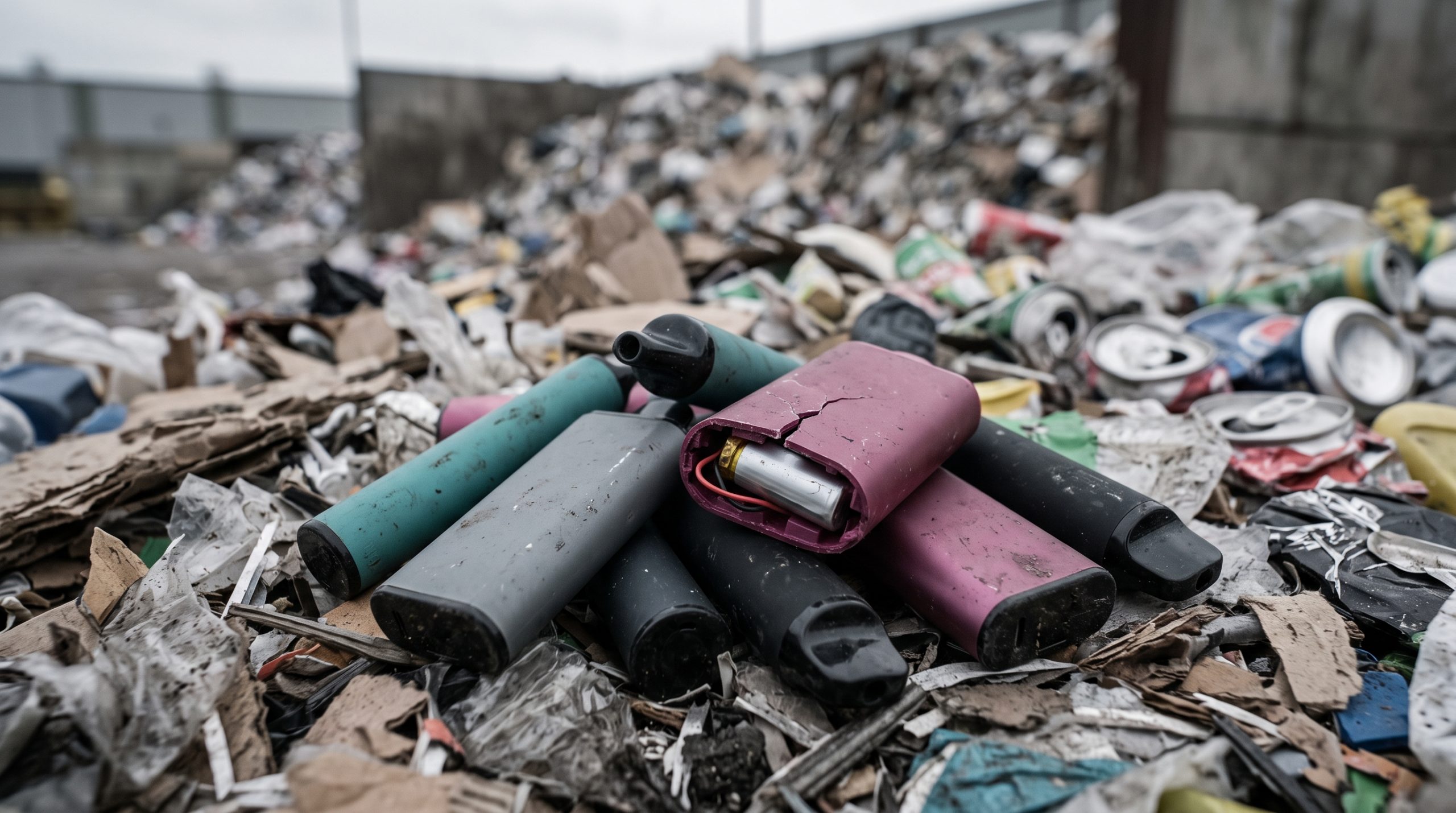
It appears 2025 is shaping up to be “the year of the vape” or, more specifically, the year when all the warnings from those of us in the fire prevention, safety and waste and recycling sectors are becoming a real and dangerous reality. Globally, it’s clear that small, personal electronics are wreaking havoc on our waste and recycling streams and posing risks to frontline operators. These small batteries, often hidden inside items like disposable vapes, can release up to two gallons of toxic smoke when damaged—and they’re showing up in our waste and recycling facilities every day.
What Waste Crews Are Seeing on the Front Lines
In a BBC News article highlighting a hauler’s experience on the frontlines, one of the drivers, Sean Holness, accounted:
“We don’t know when a fire can break out—we feel unsafe and are concerned about the safety of the general public.”
Within the last six months in his job as a loader at a waste management company, Holness has witnessed two fires that were the result of vapes being thrown in the wrong bin.
“It was a normal day and then the back of the lorry set ablaze,” he said.
Holness told BBC London there have been several more fires at work in the past year or two, compared to when he started with the firm eight years ago.
Vapes are among a number of dangerous items being thrown away in household waste, causing fires and explosions and putting refuse workers at risk, he explained.”
Talk Fire Risk With Ryan
Ryan tracks fire incidents nationwide and helps facilities reduce risk with smarter detection and suppression strategies. Connect with him to get expert guidance tailored to your operation.
One effort to reduce the number of vapes entering our waste and recycling streams is bans on single-use vapes. As these policies gain traction, we’re beginning to see the market shift toward “non-disposable vapes,” which are actually single-use and disposable and made with cheaper materials.
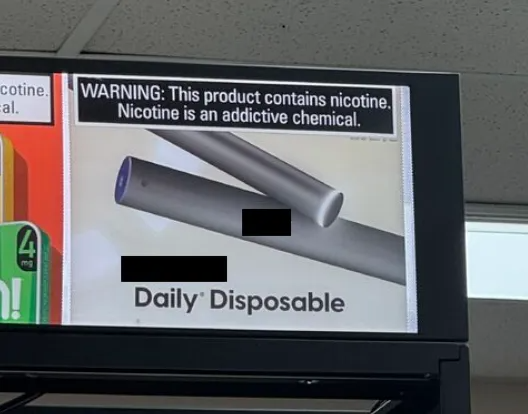
It is clear from this advertisement, hanging right up the register at my local gas station is pushing for the consumer to purchase (and dispose) of one disposable vape per day. My 1.2 Billion number was based on 18 Million 21+ smokers using sixty-sixty vapes per year. As you can imagine this would multiply the problem by six times.
Perhaps even more concerning is the growing trend of stockpiling disposable vapes, bringing these potential fire hazards right into our homes.
How Are Vapes Classified for Disposal in the U.S.?
In the US, vapes are managed according to their pre-consumer or post-consumer status. Pre-consumer vapes are typically managed as RCRA Hazardous Waste, unless the nicotine is reclaimed. On the other hand, post-consumer devices (used in residential setting) are managed according to local household hazardous waste rules. Of course there are exceptions to this rule.
Most major retailers don’t accept them due to their classifications, and when it comes to damaged vapes, the options are even more limited. Currently, the only national retailer offering a collection program for damaged vapes is Batteries Plus, and that program is still in its early stages of development and rollout.
The Complexities of Vape Recycling
To better understand the challenges of vape recycling and proper disposal in our waste and recycling streams, I sat down with Bill Eichenberger from g2 revolution, a Midwest-based specialty recycler focused on hard-to-recycle materials and products, for an insightful discussion.
Ryan Fogelman (RF): Explain what g2 does and why your position in the market differs from other recyclers.
Bill Eichenberger (BE): We manage everything from consumer goods with residual contaminants to complex items that require depackaging or contain multiple material types, such as mixed plastics or plastic and metal combinations. We also manage potentially regulated materials, including hazardous health and beauty products, nicotine-containing items, household cleaners and universal waste. In short, we handle materials that don’t have an ‘easy’ button when it comes to recycling.
RF: How did g2 begin its journey into post-consumer vape recycling?
BE: g2 has long been an industry leader in pre-consumer vape recycling, offering an alternative to hazardous waste disposal for damaged, expired and returned vape devices. We’ve processed these materials from retailers, manufacturers and distributors across the U.S. through a variety of logistical approaches.
We looked at the expertise we developed over years of handling pre-consumer vape devices and asked ourselves, ‘Why not post-consumer?’ There’s clearly a need to provide sustainable end-of-life solutions for these materials. No one was leading the charge in this area, so we stepped in to initiate take-back programs sponsored by retailers, work with agencies on confiscated items and develop drop-off options for consumers.
What Makes Post-Consumer Vape Recycling So Difficult?
RF: What are the challenges associated with recycling post-consumer vape devices?
BE: Three significant hurdles are ensuring regulatory compliance, having the appropriate processing capabilities for the wide variety of devices on the market and securing sustained funding to maintain program integrity.
Regulatory compliance can become an issue when state and federal laws differ, and that’s where our strong internal compliance team can step in and address those nuances. On the processing side, including the breakdown of product components, we excel thanks to our extensive experience with pre-consumer products. When it comes to funding, it’s important for an organization to understand that recycling these often-complex devices involves real costs, so budget is an important part of the conversation.
Which Industries Benefit Most?
RF: What industries would benefit from post-consumer vape device recycling?
BE: Three key groups come to mind: waste haulers, school districts and retailers. Each of these come into possession of post-consumer vape devices through use, confiscation or drop-off. Implementing effective recycling programs can help ensure these materials are properly handled, reducing both environmental impact and operational risk.
RF: Thank you Bill from g2 for your insights!
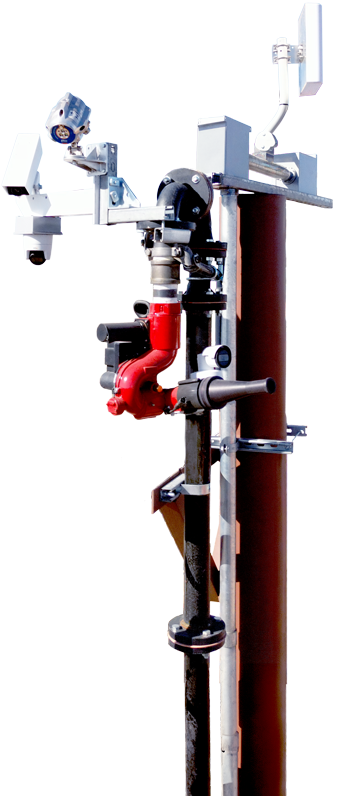
Continuous Suppression System
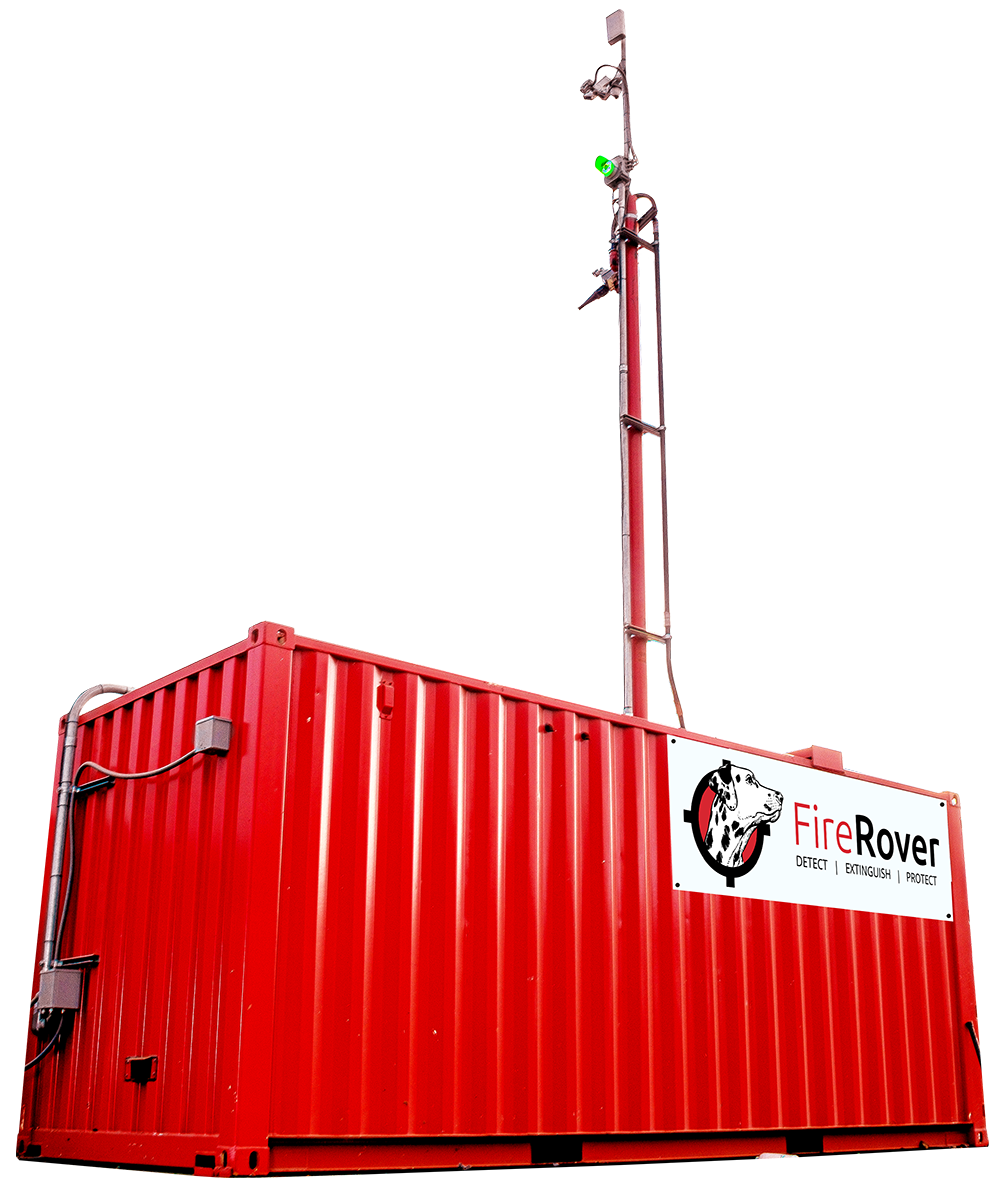
Eliminate threats before they spread. Our Continuous Suppression System provides nonstop, targeted suppression to keep fires from gaining ground and operations running safely.
What Comes Next for Vape Recycling?
I’m not in favor of outright bans on any one type of product, as product manufacturers always find workarounds. Check out the latest claim by Albion Environmental regarding the realities of the ban on rechargeable vapes.
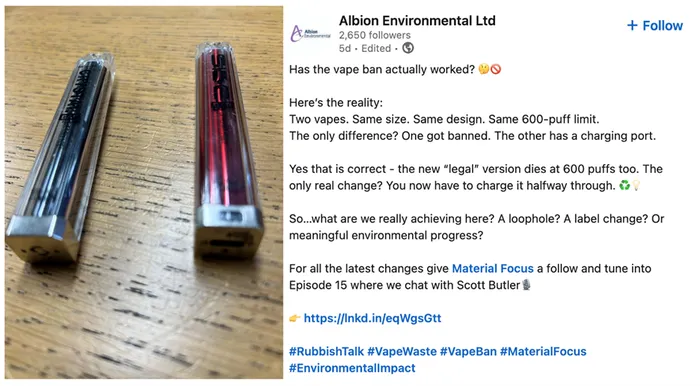
Instead, I stand behind extended producer responsibility (EPR) policies that hold stakeholders in the supply chain accountable. These policies help lift the burden off the waste and recycling operators and their insurers, which are estimated to absorb $1.25 billion in losses this year alone.
This increasing risk of catastrophic losses was confirmed in a 2024 lithium-ion battery fire safety report released by the National Waste & Recycling Association and Resource Recycling Systems. According to the report, catastrophic losses at single stream materials recovery facilities have risen by 41% over the past five years (2019-2024). As a result, insurance costs have significantly increased from less than 20 cents per $100 insured property value to as much as $10 per $100 insured. Unfortunately, due to the increasing number of batteries in our waste and recycling streams, these rates are only expected to continue to rise.
It’s time for the manufacturers and distributors to share in the full complexities of the supply chain. Until that starts to happen, we need to come together to create safe and easily accessible disposal options nationwide. This could mean installing reinforced drop-off boxes on every street corner, similar to how ashtrays and cigarette butt receptacles were readily available during the height of the smoking area. Let’s face it, this problem is only getting bigger, and we need a large, well-funded effort to move the needle.
Get Ahead of the Battery Fires Already in Your Stream
Vapes and other battery-powered devices will keep reaching tipping floors while vape recycling and disposal options continue to develop. For operators, what matters most is how quickly a hidden battery fire is found, verified and controlled.
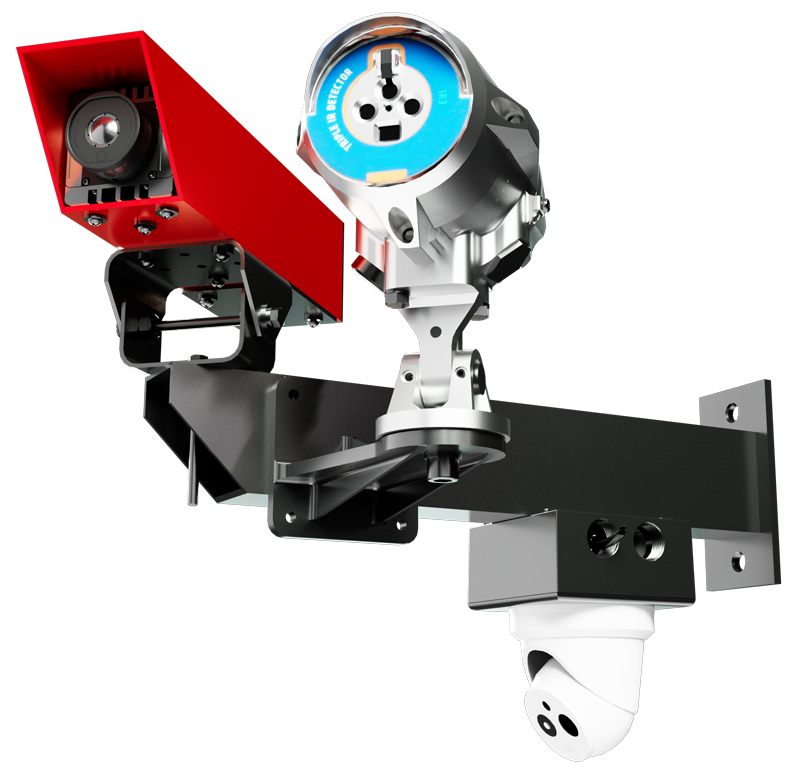
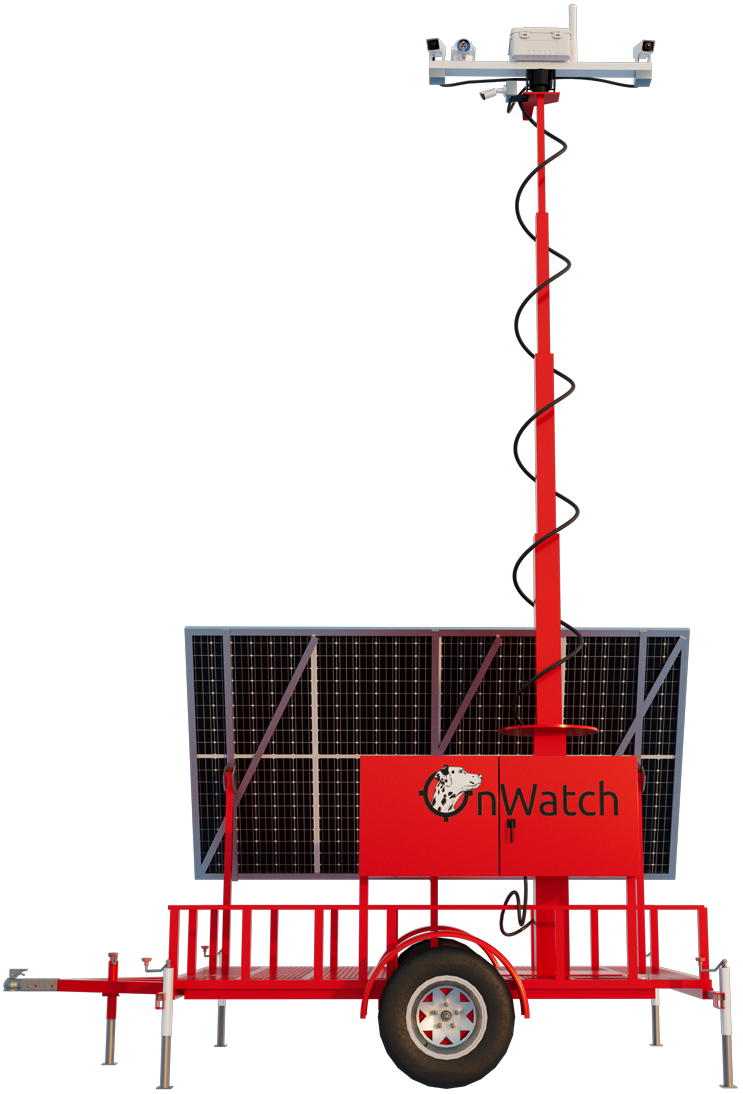
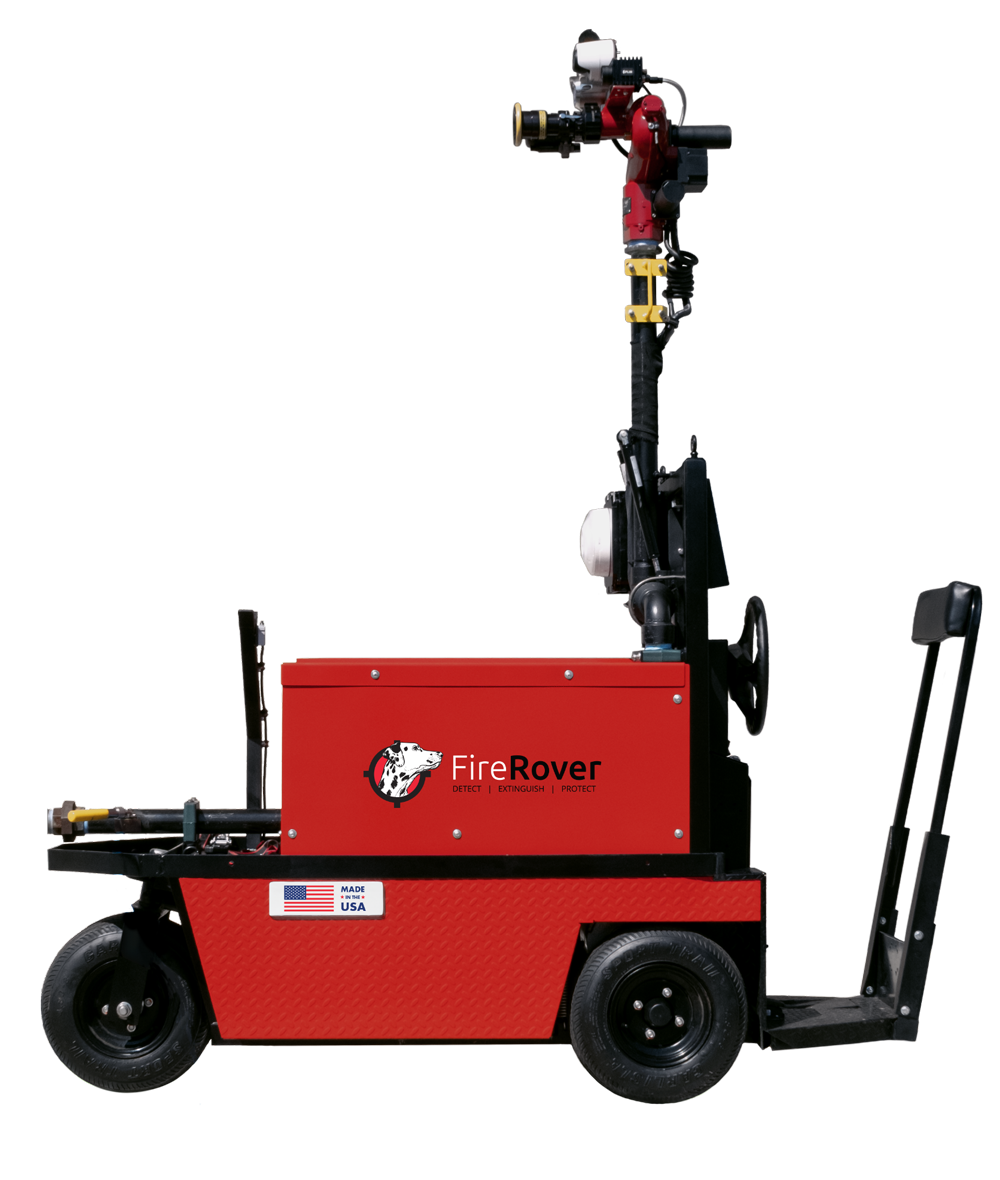
Fire Rover’s FM Approved Continuous Suppression System pairs thermal, flame and smoke detection with 24/7 human verification and high-volume water delivery, so a small battery fire can be addressed before it spreads while your team stays at a safe distance. Contact our team to see how continuous suppression fits your facility and the battery risks you manage every day.
FM Approval varies based on system configuration.
Related Articles
The Anatomy of an Electronics Recycling Fire
September 2026 Fire Report: The Extended Summertime Spike, the Vape Effect and a First Sign of Progress