




As published in July 2025 on Waste360.
Every month, Fire Rover’s waste and recycling fire report tracks industry incident data. This July 2025 edition covers June’s numbers and makes the case that recycling facility fire protection works best in layers, with your local fire department as one of them.
June 2025 Waste and Recycling Fire Data
The first four months of this year marked the worst first quarter on record since I began tracking and reporting waste and recycling facility fire data in 2016. However, in May, the industry caught a much-needed break, and in June, we experienced 37 reported fire incidents, which is below the nine-year average of 39.7. While it may appear incidents are decreasing, it’s no reason to let our guard down in July and August.
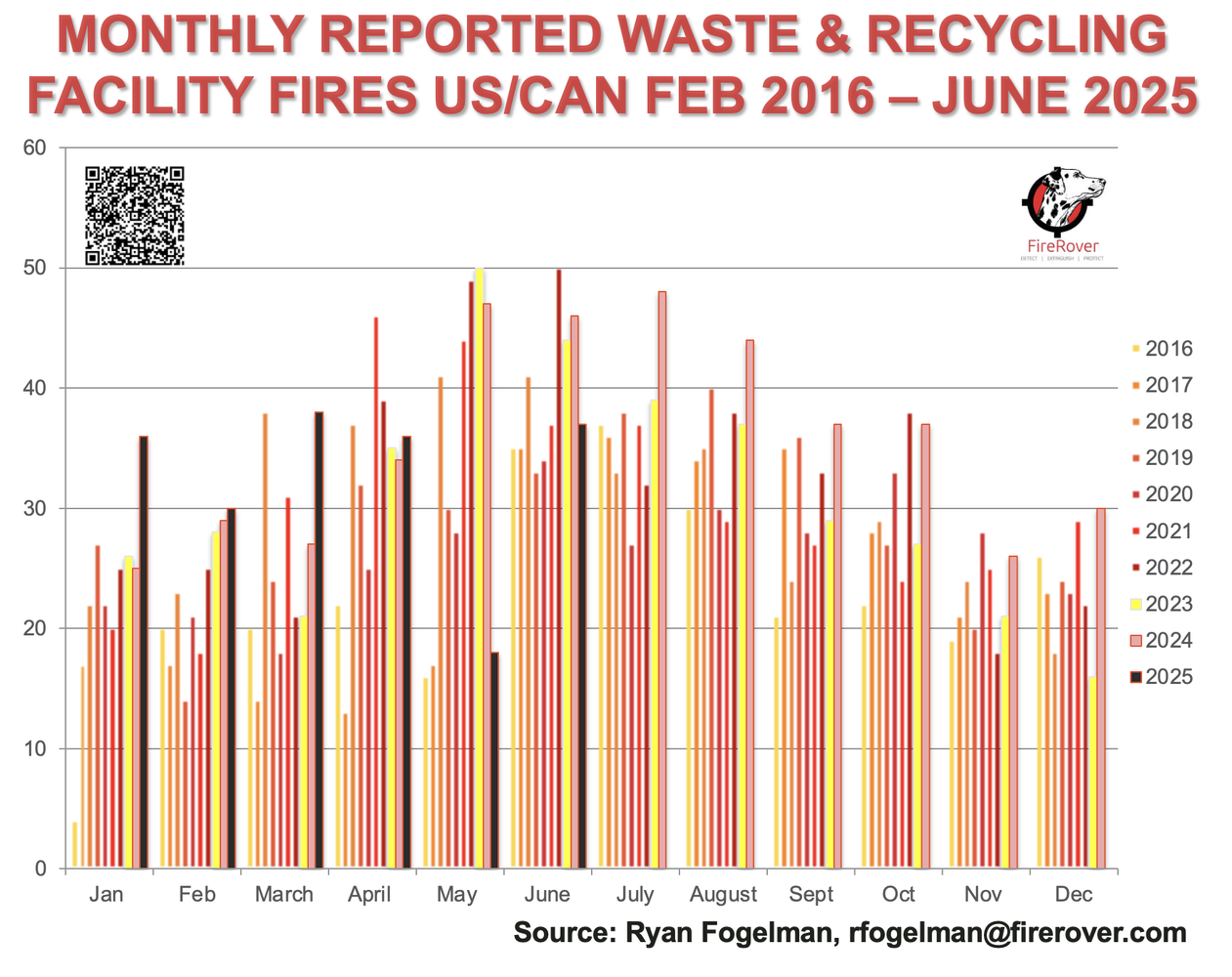
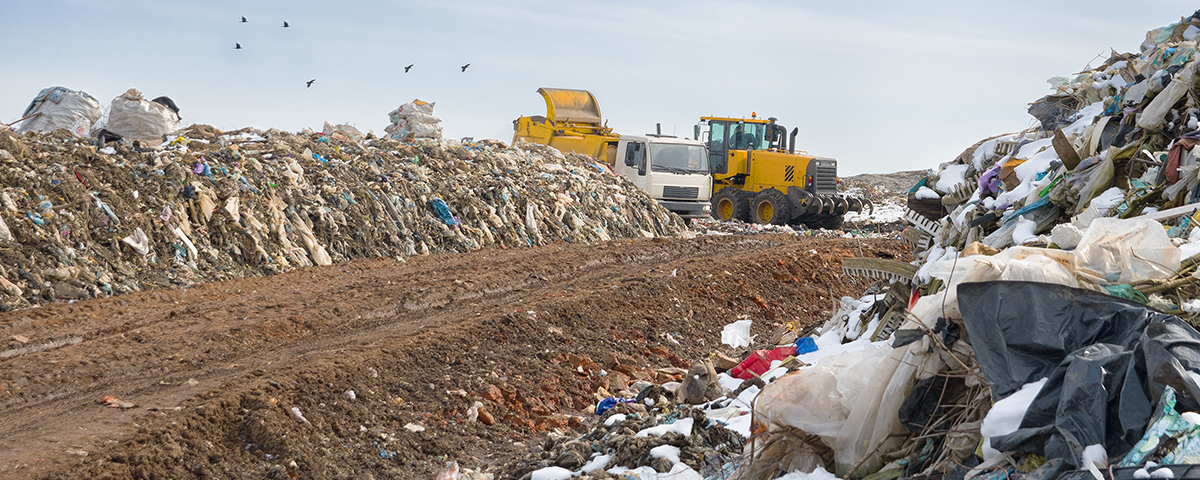
Of these 37 incidents, 20 occurred at waste, paper and plastics facilities, four each at metal recycling and hazard materials processing operations, three at organics facilities, two at rubber operations and one at an electronic recycling facility.
At Fire Rover, we’ve already suppressed more fires in 2025 than in any previous year. We’re currently on pace to suppress more than 400 incidents at client facilities across the globe in 2025, up from 268 in 2024. As we progress further into the second half of the year, I’m excited to share our latest performance dashboard and analysis in next month’s article.
Firefighters Don’t Want to Fight Your Fire
After more than a decade of working in the fire response business and having thousands of conversations with frontline fire professionals, one thing has remained consistent: Firefighters don’t want to fight your fire, or anyone else’s.
Dr. Burton A. Clark, EFO wrote an amazing book on the subject called “I Can’t Save You And Don’t Want to Die Trying: American Fire Culture,” where he explains the problem pretty succinctly:
Society needs to change how it thinks and feels about fire death. When a civilian is killed by fire it is not an act of G-d, and when a firefighter is killed it is not part of the job. When there is a fire death something went wrong.
Most firefighters are trained to fight the fires they see the most which is often centered around best practices in residential and commercial fire setting. They typically aren’t trained or equipped to handle industrial fires, which I would define the main type of incidents we experience in our waste, recycling, hazmat, battery, rubber and metal operations. The good news is we have limited deaths each year due to these incidents, last year we had 42 reported injuries due to these fires which was mostly to fire fighters with some type of heat exhaustion or dehydration.
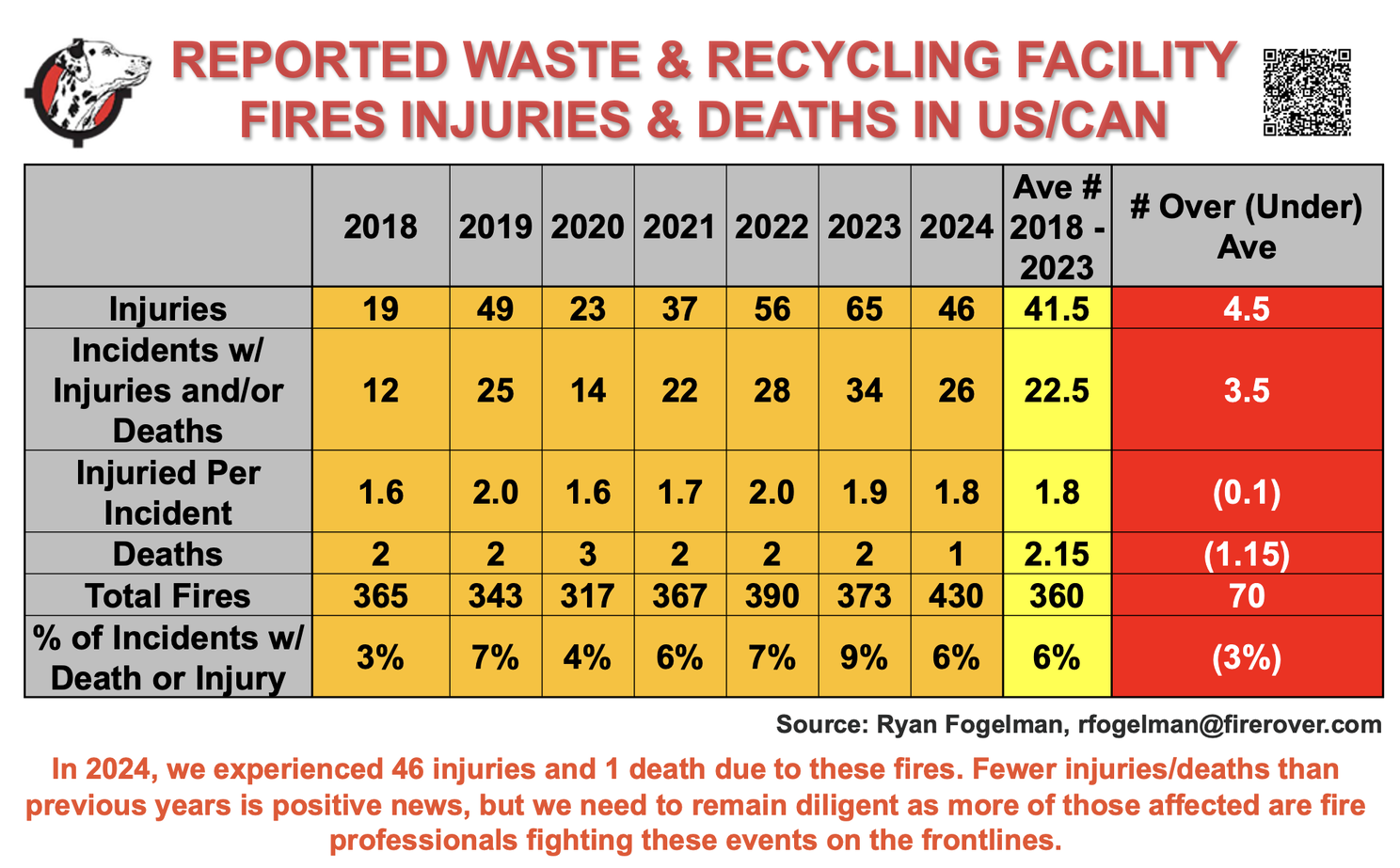
According to the NFPA, an estimated 63,175 firefighters were injured in the line of duty in 2023, and that Firefighters were more likely to be injured at fireground operations than during any other duties. Our Industry’s 65 reported fires might be a relatively small total of the problem, Dr. Clark would say, one injuries or death is too many.
There are specialized departments trained to handle fire events in these types of operations, but they are typically only found in large metropolitan areas with corporate fire brigades that receive funding for the additional training and specialized equipment.
What Happens When a Fire Department Goes Into Containment Mode?
That’s why, unless there’s an immediate threat to human life or the fire is manageable, many fire departments will go into containment mode and deploy 50-to-75-foot hoses from a safe distance. This method is safer for all involved, but it can take your operations offline and even lead to catastrophic losses, with an estimated rebuild time of at least 36 months.
This is not a criticism of how fire departments respond to incidents; it’s a reality. Most firefighters are trained to fight the hazards they are often faced with in their line of duty. Most of the time, those hazards are present in single-family homes, multifamily homes, offices and light industrial sites, not waste and recycling facilities. Therefore, I feel it’s not acceptable to just rely on your local fire department as your frontline defense. You need to have additional measures in place like the Fire Rover to keep your facility, employees and firefighters as safe as you possibly can. Unfortunately, those who are prone to the most injuries are those fighting the fires on the frontlines, so we need to take the necessary precautions to reduce risks and prevent fires from starting in the first place.
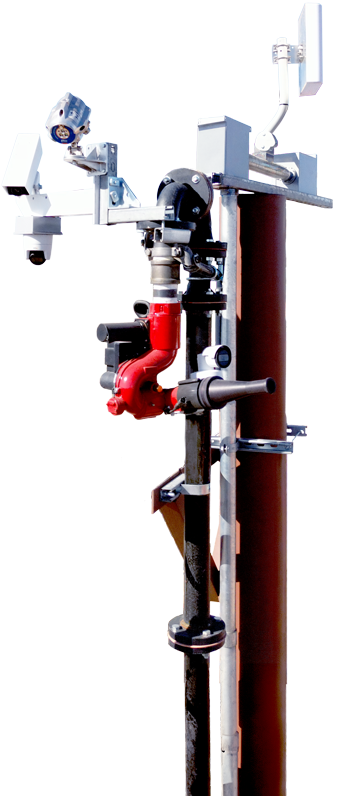
Continuous Suppression System
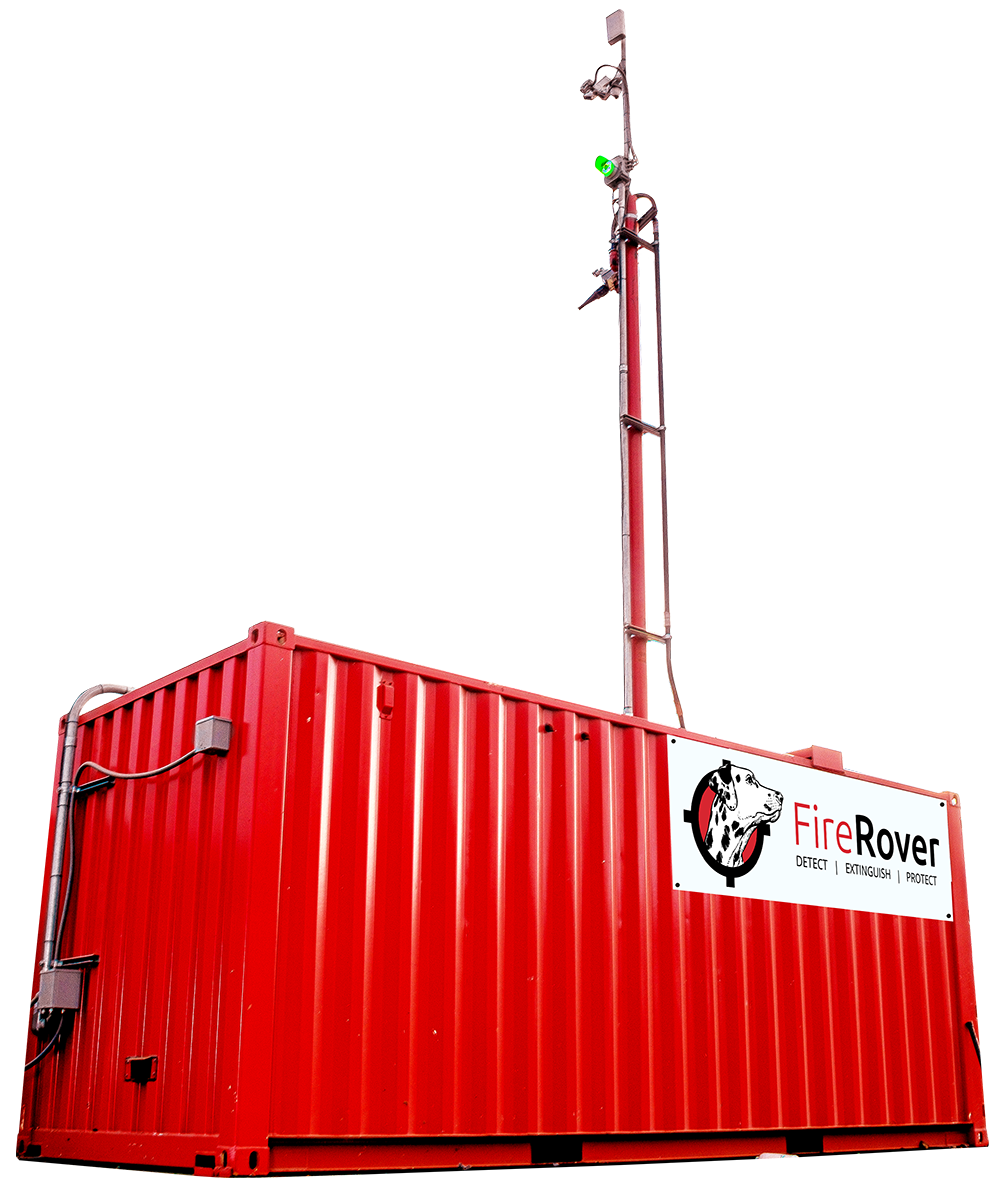
Eliminate threats before they spread. Our Continuous Suppression System provides nonstop, targeted suppression to keep fires from gaining ground and operations running safely.
Take Responsibility and Invest in the Right Tools and Training
If you depend on your local fire department as part of your fire response plan, it’s your responsibility to provide the department with the necessary funding, training and equipment needed to potentially fight a hazard in your operation. While large municipalities may have the budget to cover some of these costs, most smaller municipalities don’t. Therefore, it’s wise to invest in your own onsite recycling facility fire protection and ensure your employees and the firefighters are well equipped to properly handle a fire incident.
What Layers Does Recycling Facility Fire Protection Include?
Fire mitigation solutions come in many layers and can include:
- Adequate Water Volume and Pressure – City water systems with sufficient pressure are ideal but not always available, so investing in proper tanks and pumps are critical to ensure water is always available when needed. The more water the better.
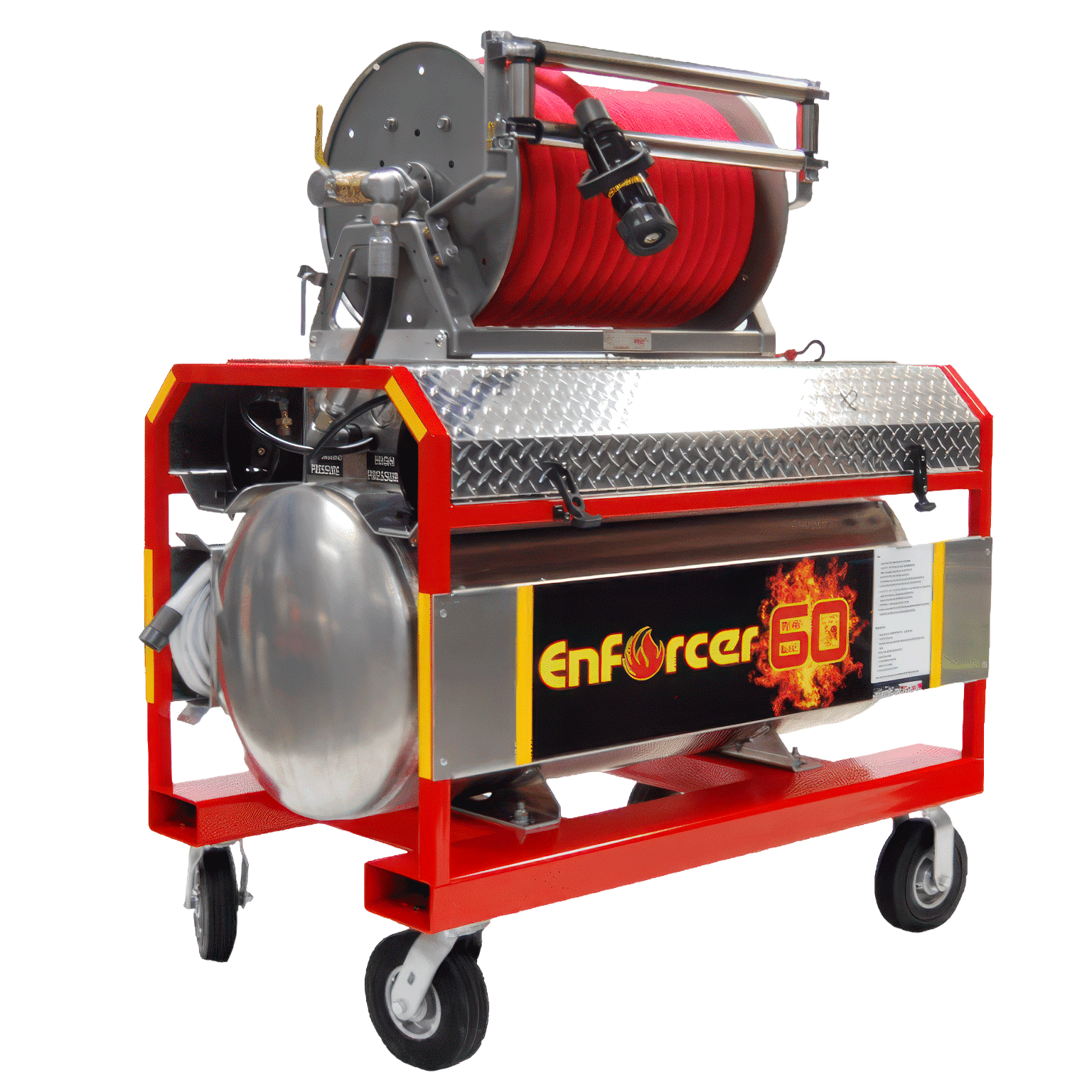
- Compressed Air Foam Systems (CAFS) – These systems allow employees and fire professionals to spray water or wetting agents from more than 180 feet away, making them more optimal than handheld extinguishers for battery fires or hazards emitting toxic fumes or projectiles.
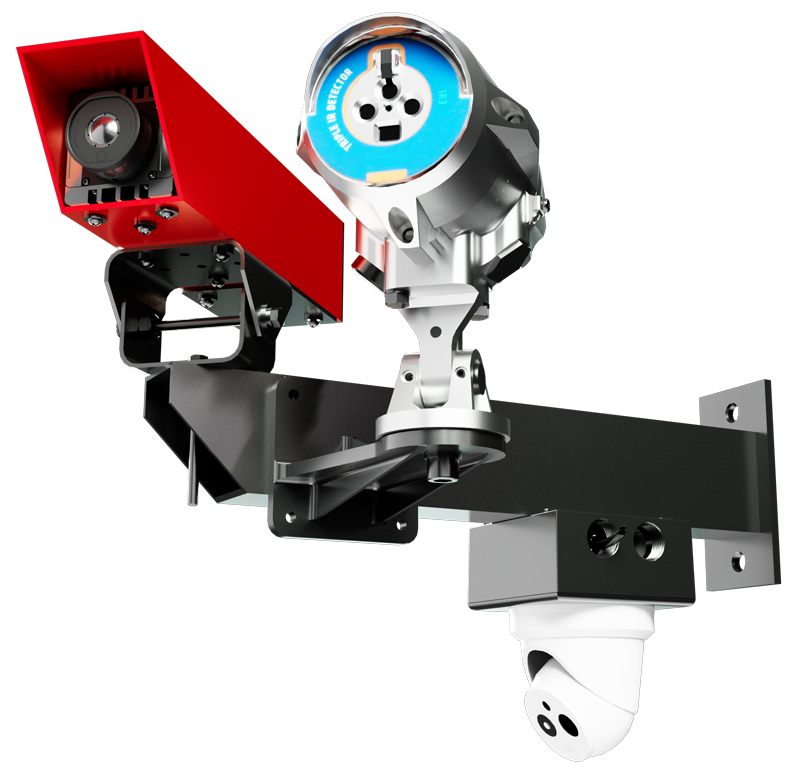
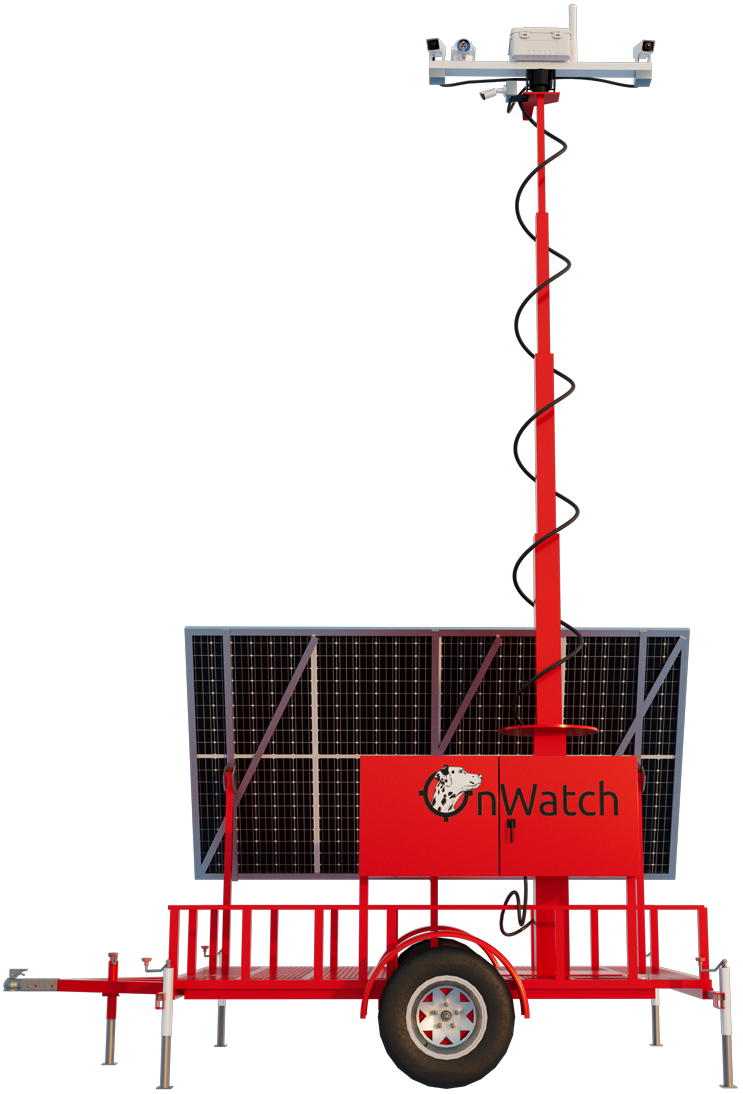
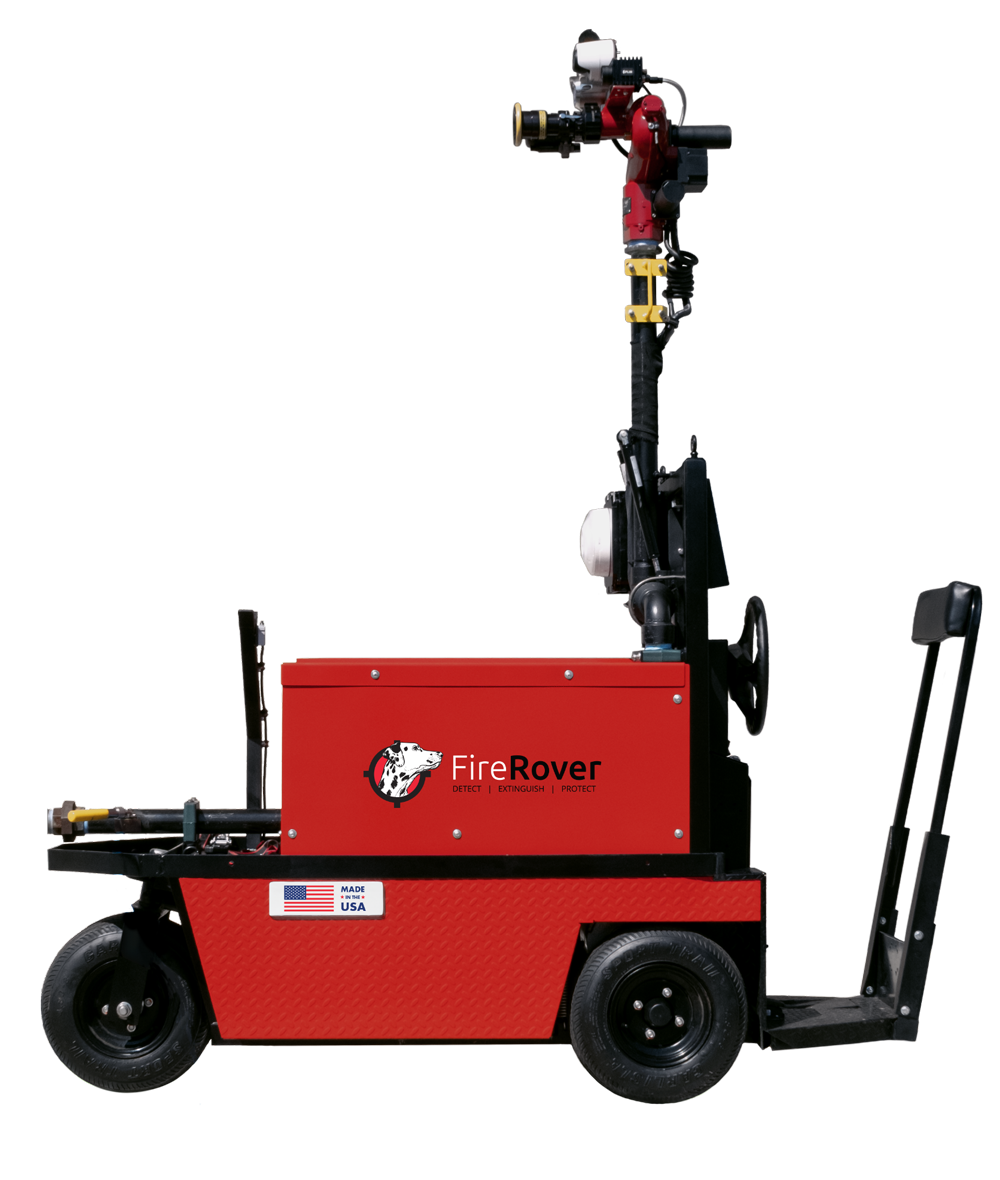
- Fire Rover Systems – Fires in waste and recycling facilities have increased nearly 18.5% over the past three years versus the previous six-year period. With this in mind, it’s important to have additional fire prevention methods available in your facility, such as a Fire Rover system. With more than 750 facilities protected by Fire Rover across the U.S. and Canada, Fire Rover uses an average of less than 500 gallons of water during a typical response. This year, we’re trending toward more than 400 fire responses.
- Other Solutions – Knowing and understanding what’s coming in and out of your facility is key to preventing fires. I anticipate a future where operators understand every material and the rate of contamination that comes in and out of their facility. At WasteExpo, I spoke with Raghav Mecheri of Visia about his x-ray technology used for identifying and sorting batteries and removing hazards. Watch the video below to learn more about this solution:
- Ongoing Training – By providing site-specific training, you can improve response outcomes and ensure fire professionals can access all areas of your facility. I’ve heard too many stories about fire professionals trying to respond to onsite incidents and they cannot get through the front gates after hours. Conflicts like this can be avoided if you properly prepare for an event and communicate with employees and your local fire department.
Talk Fire Risk With Ryan
Ryan tracks fire incidents nationwide and helps facilities reduce risk with smarter detection and suppression strategies. Connect with him to get expert guidance tailored to your operation.
Recycling Facility Fire Protection Requires Layers
In my years of collecting and reporting industry fire data, I have found there’s no single solution and recycling facility fire protection requires layers of solutions, including:
- Educating staff and the public about contamination risks.
- Ensuring adequate water volume and access.
- Creating, maintaining and practicing a documented fire response plan.
- Installing a sprinkler system for containment.
- Installing an enhanced sprinkler system with Fire Rover early detection and monitoring capabilities, including:
- Ensuring first responders have the right equipment at their fingertips.
- Ensuring local fire departments are familiar with your facility and prepared to respond to a fire.
I know I’m missing some, but you get the point. These layers reduce the chance of a “Swiss cheese” scenario, where all the holes align and a major or catastrophic fire occurs at your facility. We all know fires are inevitable, but being properly prepared will make or break you within the first 10 minutes of a fire incident. It needs to be an organized plan, and not just chaos.
Build Recycling Facility Fire Protection for the First 10 Minutes
The first 10 minutes of a fire decide whether your operation keeps running or goes offline for a long rebuild. Recycling facility fire protection that acts on site gives your team and your local fire department a smaller fire to manage.
Fire Rover’s Continuous Suppression System detects, verifies, and suppresses fires in seconds, adding a layer that supports your team and first responders. Contact our team to see how it fits into your recycling facility fire protection plan.
Related Articles
The Anatomy of an Electronics Recycling Fire
September 2026 Fire Report: The Extended Summertime Spike, the Vape Effect and a First Sign of Progress