





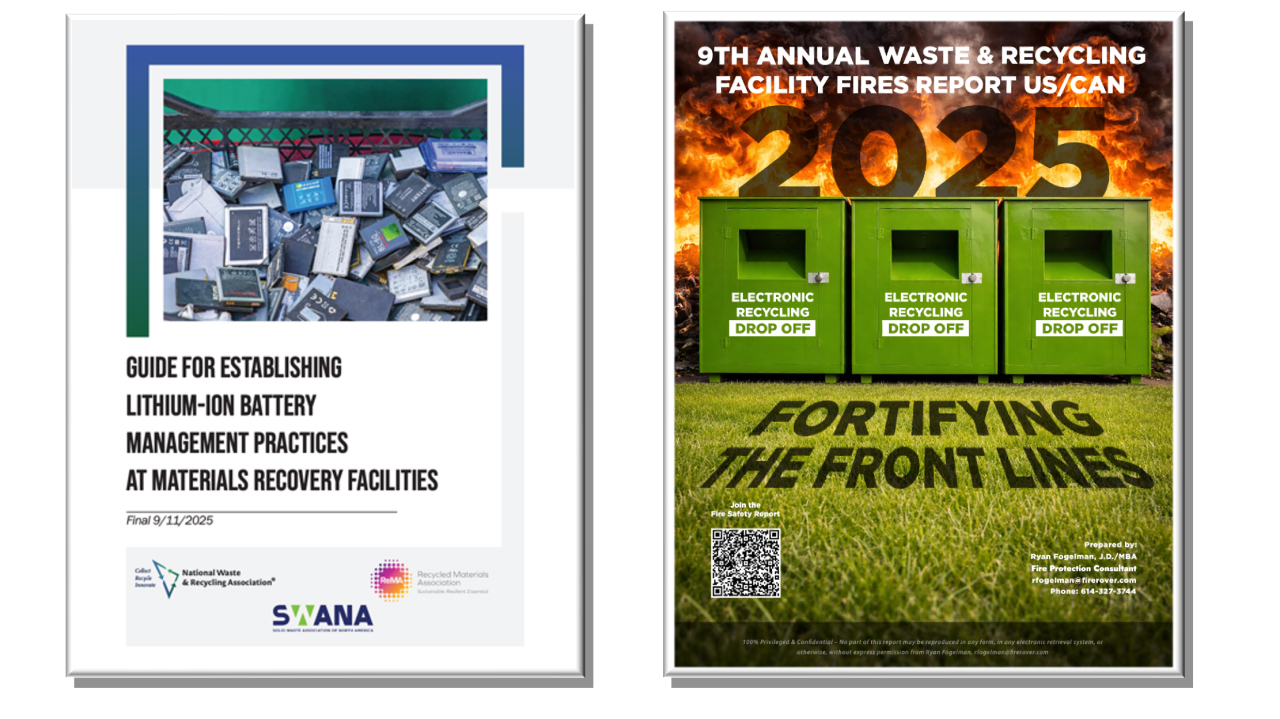
For years, operators, firefighters, insurers and municipalities have grappled with a problem that continues to grow faster than our collective ability to manage it. That’s why the “Guide for Developing Lithium-Ion Battery Management Practices at Materials Recovery Facilities,” jointly published by the NWRA, ReMA, and SWANA, represents an important and timely step forward.
As published in Waste360, the #1 article for the week.
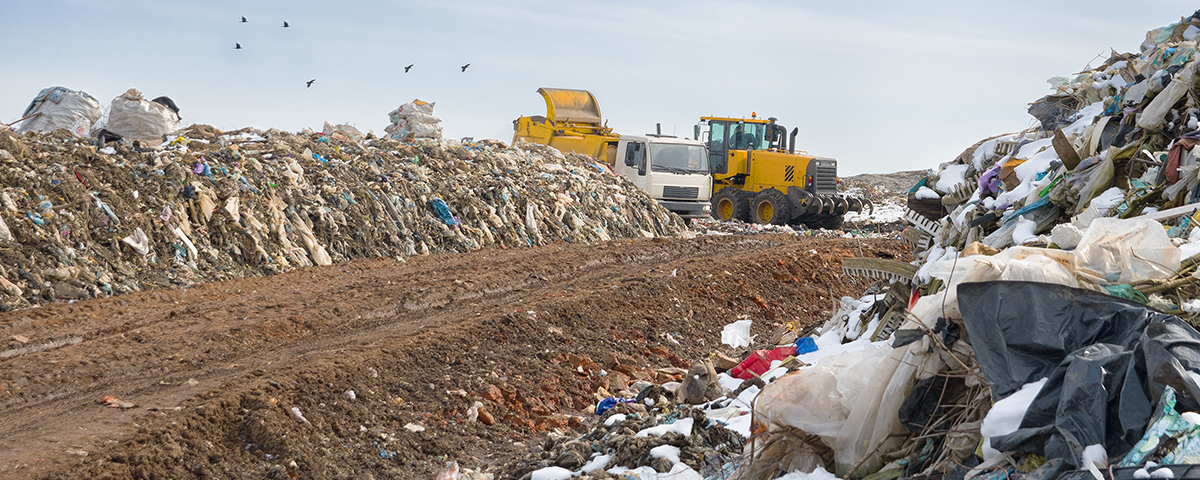
The waste and recycling industry has reached a critical inflection point when it comes to lithium-ion battery fires. For years, operators, firefighters, insurers and municipalities have grappled with a problem that continues to grow faster than our collective ability to manage it. That’s why the “Guide for Developing Lithium-Ion Battery Management Practices at Materials Recovery Facilities,” jointly published by the National Waste & Recycling Association (NWRA), Recycled Materials Association (ReMA) and Solid Waste Association of North America (SWANA), represents an important and timely step forward.
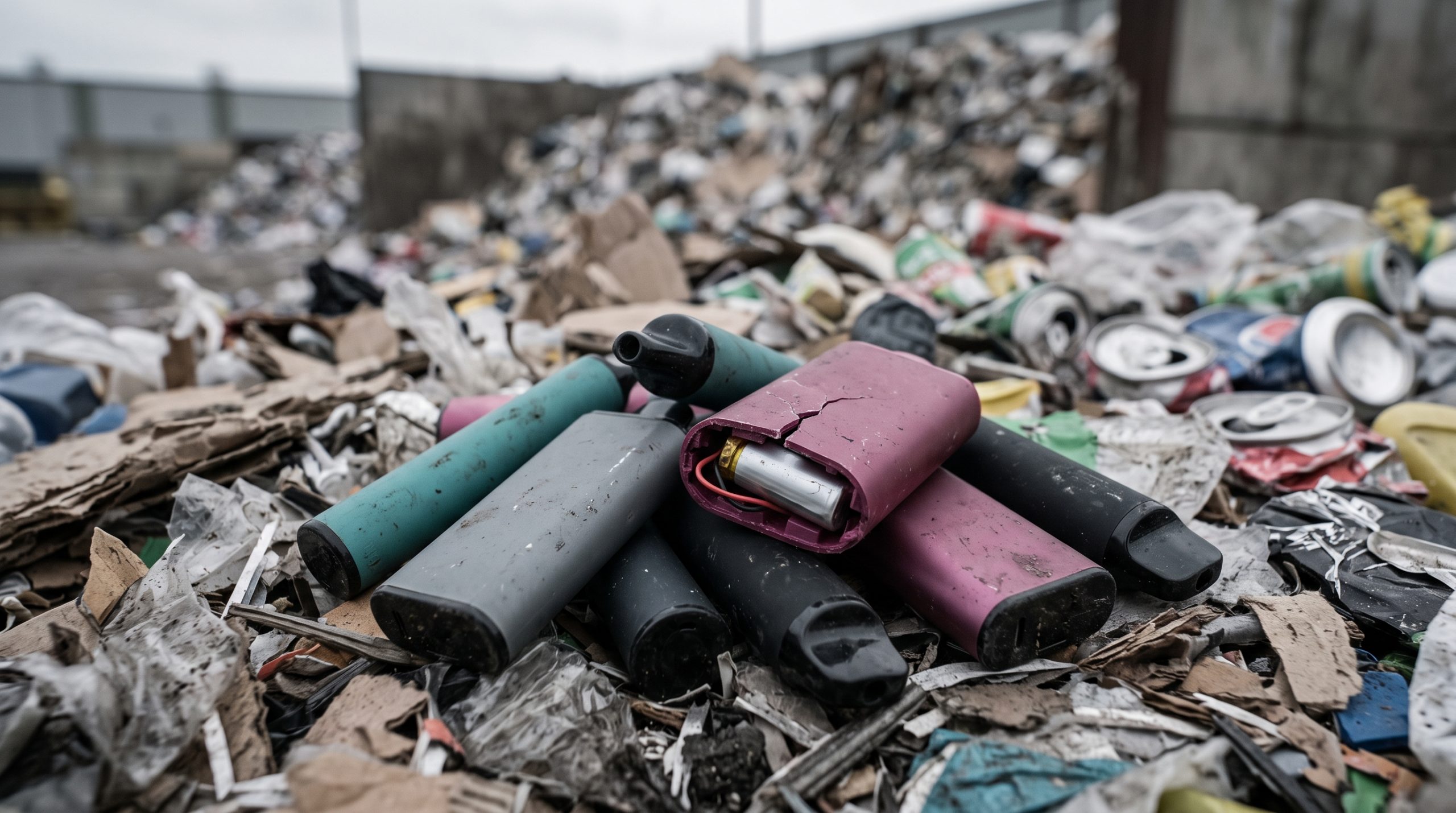
The guide acknowledges a reality many of us in fire protection have been documenting for nearly a decade: Lithium-ion batteries—particularly those embedded in everyday consumer products—are now the leading cause of fires at waste and recycling facilities across North America. From phones and power tools to e-bikes and disposable vapes, these batteries are entering waste and recycling streams in unprecedented volumes, often damaged, hidden and highly unstable. I’m humbled by the recognition in the guide, particularly in connection with the fire incident data I’ve been compiling and publishing annually since 2016.
If you read my reports, you already know that this year was the worst on record for publicly reported fires since I began consolidating and sharing the data in 2016. We finished the year with 448 publicly reported waste and recycling facility fires in the U.S. and Canada, which is more than last year’s record of 430 fire incidents and nearly 25% above the annual average of 360 fire incidents.

Annual Reported Waste & Recycling Facility Fire US/CAN 2016-2025
While data alone doesn’t solve the problem, it plays a critical role in validating what operators and first responders experience on the frontlines every day. The guide’s inclusion of this information signals an important shift: Industry associations are now aligning around the fact that lithium-ion battery fires aren’t isolated events or operator failures. They are a systemic risk tied to product design, consumer behavior and inadequate end-of-life pathways.
The guide doesn’t pretend there is a single solution, nor does it place unrealistic expectations on facility operators. Instead, it focuses on risk reduction, not risk elimination. The more layers of protection you have, the lower the chance that fire can slip through the cracks and grow out of control. As the guidance states, operators should focus on the following key areas:
- Early identification and isolation practices for suspect batteries.
- Employee training that emphasizes recognition and response rather than blame.
- Safe storage and handling protocols designed to limit collateral damage and contamination.
- Emergency response planning that accounts for the unique behavior of lithium-ion fires.
- Public education and customer messaging that acknowledges that upstream behavior matters.
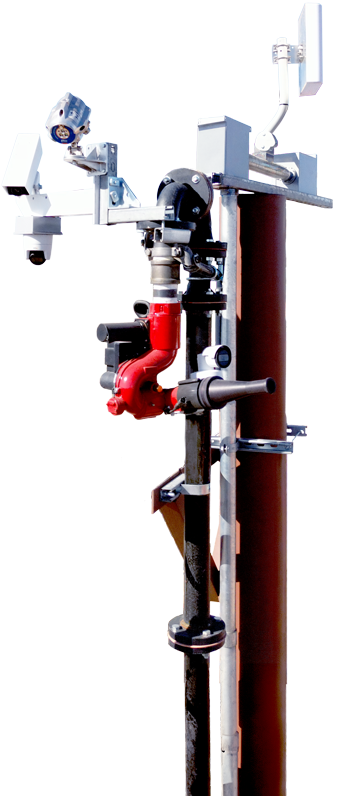
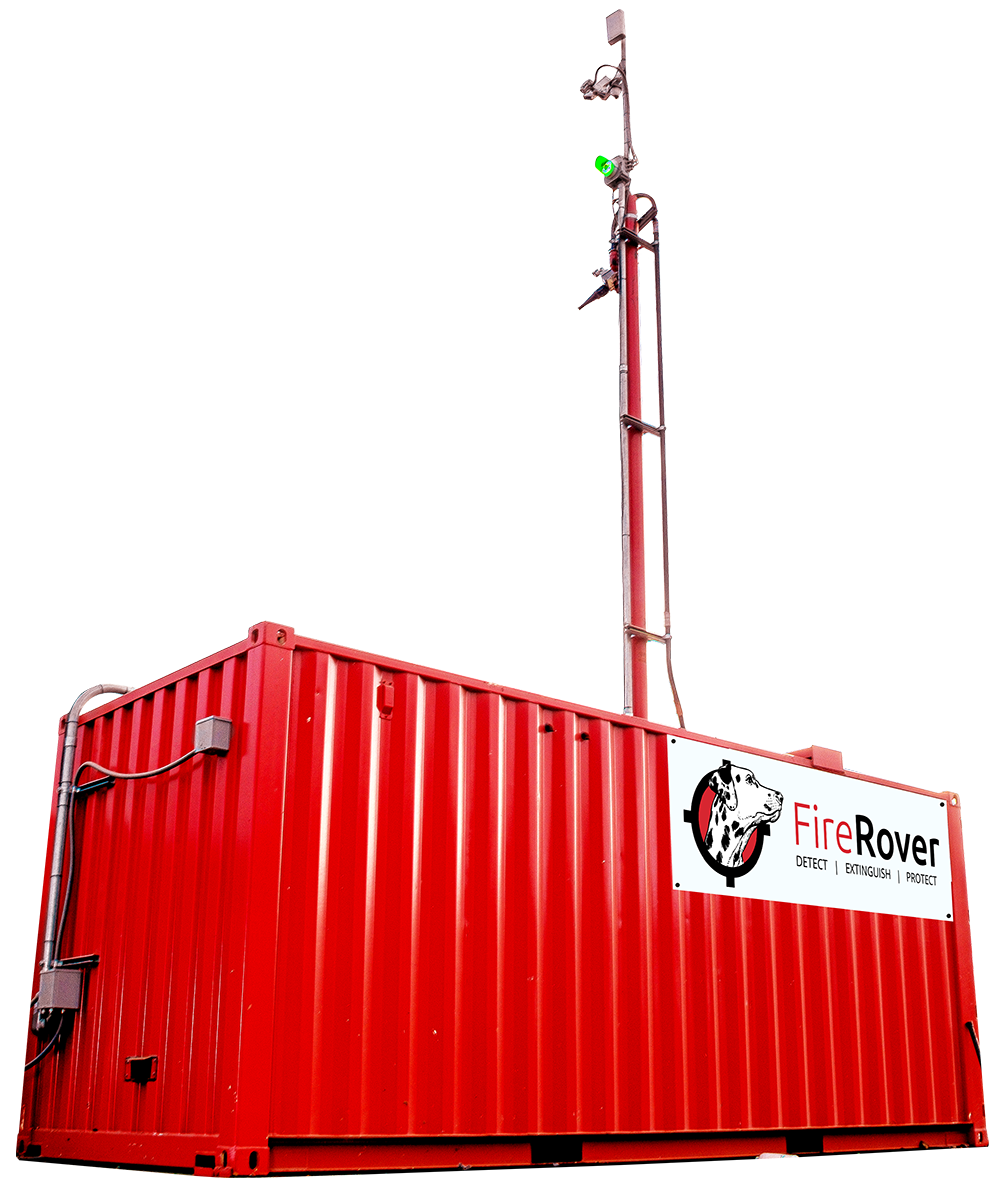
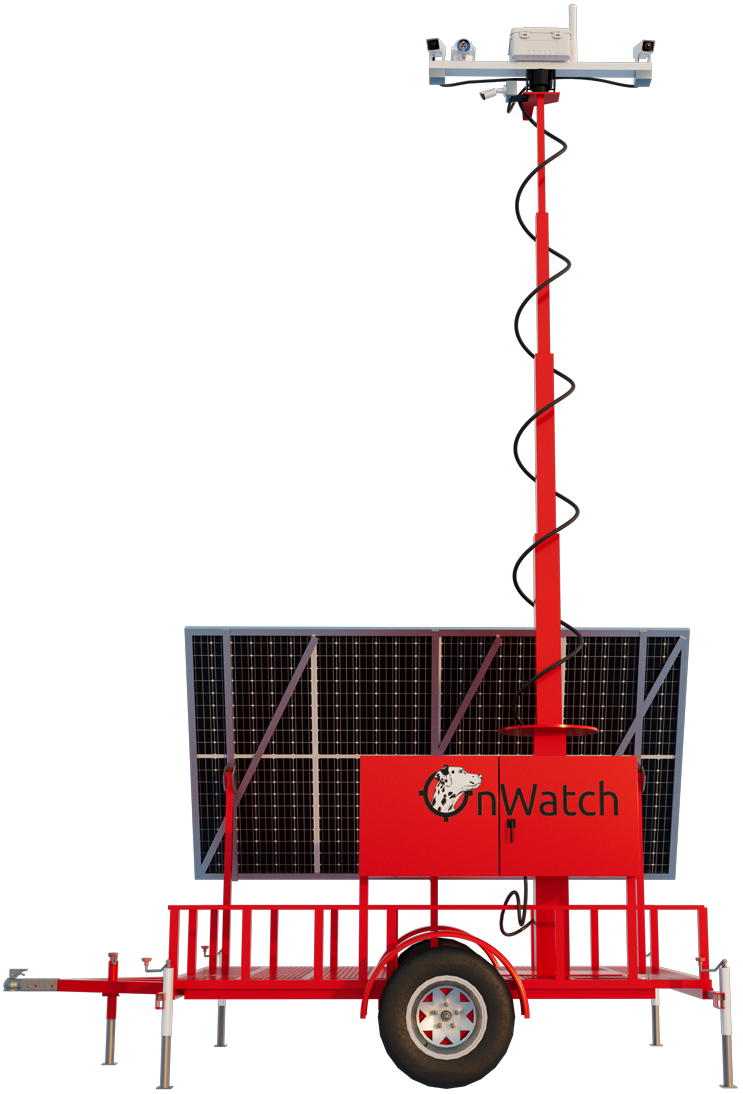
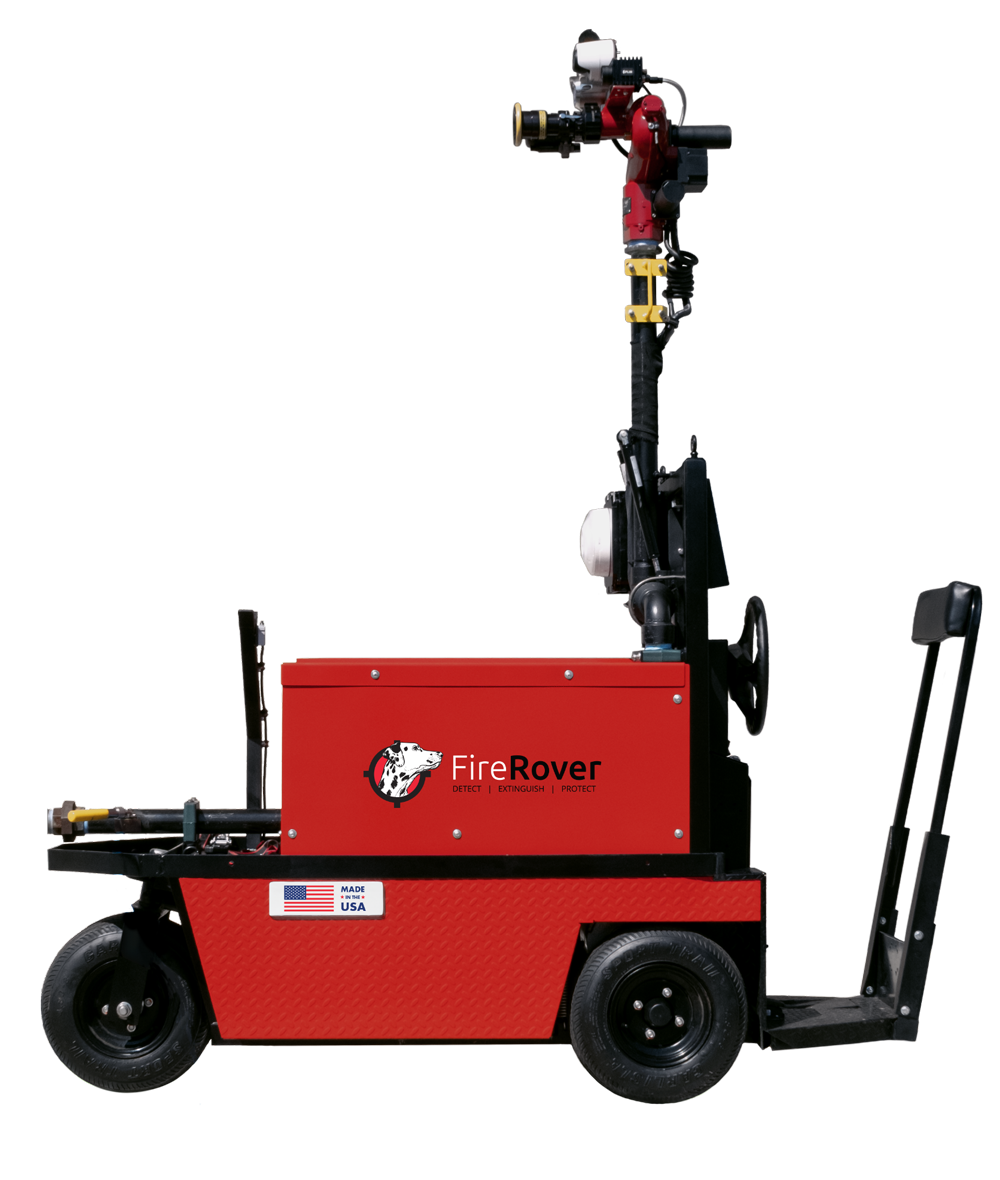
But the overlying fact remains that our waste and recycling employees should not be the front-line response team unless they are fully and properly trained and equipped with the right tool belt for the job. This is why our Fire Rover solution is so effective. It provides the earliest confirmed detection possible, and our agents manage the first six to 10 minutes of an incident, bringing order to the chaos and providing critical communications to operators and fire professionals.
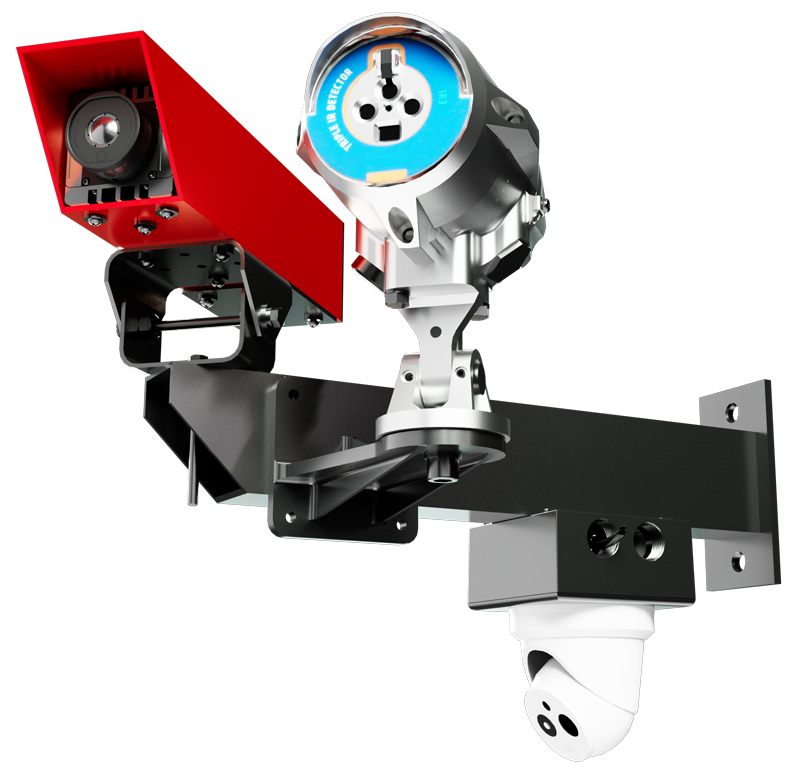
Early Detection System
Don’t wait for smoke and flames. Fire Rover’s Early Detection System uses thermal cameras and human verification to spot fire threats instantly and dispatch emergency services quickly.
The Continuous Trend of “The Vape Effect”
In reality, waste and recycling facilities are being asked to manage a fire risk created largely outside their control. Disposable vaping devices are a prime example. These products combine lithium-ion batteries, thin casings and widespread improper disposal, making them uniquely dangerous once they enter processing equipment. Data drawn from publicly reported fires at waste and recycling facilities consistently shows a troubling upward trend that I’ve identified as “the vape effect.”

In a nutshell, we’ve seen reported incidents increase about 26% from 2022 to 2025 compared to the average from 2016 to 2021. I believe this vape effect is driven largely by the lack of safe, convenient drop-off locations for post-consumer electronics such as vaping devices. Notably, in the US/CAN, this increase would be much higher if a significant number of facilities weren’t protected by Fire Rover.
The release of this guide by NWRA, ReMA and SWANA sends a clear message: The industry is no longer treating lithium-ion battery fires as an operational nuisance. It’s recognizing them as a defining safety challenge of our time, and these associations are now being called on to create a proven and practical strategy for their members to learn from and best practices to follow.
From my perspective, this guide is best viewed as a foundation, not a finish line. It equips facilities with tools they need today while reinforcing the case for broader systemic change tomorrow.
Fire risk in the waste and recycling sector will not be solved by education, technology, regulation or operators alone. It will be solved when data, policy, product design and on-the-ground fire protection strategies finally move in the same direction.
This guide is an important step toward that alignment, and one the industry has needed for a long time.
The guide rightly calls for collaboration, but the next phase must include direct accountability and participation from battery, consumer electronics and tobacco manufacturers to help fund solutions. Product design changes, battery removability, takeback programs and funding for public collection infrastructure aren’t optional if we expect meaningful reductions in fire incidents.
Talk Fire Risk With Ryan
Ryan tracks fire incidents nationwide and helps facilities reduce risk with smarter detection and suppression strategies. Connect with him to get expert guidance tailored to your operation.
How Fire Rover Has Approached The Problem
At Fire Rover, we continue to do our part. We finished the year protecting more than 850 facilities. Over the past 10 years, our system has only been overpowered twice while delivering results that were previously unheard of in the fire protection space.

Fire Performance Dashboard 2022 – *2025 EST
The reality is that many suppliers are talking a lot and selling solutions, whether DIY approaches or other technologies, that may appear to address the problem on the surface. Buyer beware. There’s a reason Fire Rover is the only FM Approved smart monitor in the world, and that comes from experience, not arrogance.
I’m blessed that in 2015, Brad Gladstone and his partners, Jeremy and Pete, invented Fire Rover and that I was able to witness the first box demonstrated in the back of a scrap metal yard in my hometown of Detroit. As with any company starting out, some people believed in us and some didn’t, but we’ve since proved to our loyal customers, insurance partners and thousands of fire professionals that our solution does what we said it would do.
In the early years, some assumed our solution was off the shelf and their best route was to try and build their own in-house solution. But even if you can, that doesn’t mean you should. The cost of our system is largely offset by insurance savings as it helps mitigate the risk of a major or catastrophic loss by more than 99%. For most of our systems, the cost is roughly equivalent to half of a full-time employee. Insurance companies have been learning the hard way that all solutions are not created equal. Many of these systems have been turned off (especially during the day) or pulled out leaving a trail of wasted dollars, time and effort.
I’ve seen many systems look pretty in the brochure but fail when it comes to real-world deployment. Our systems are battle-tested, and we install them, maintain them and warranty all the components. We’ve never had a false discharge, and our systems use an average of less than 500 gallons of suppressing agent or water per event.
I’ll share an updated dashboard in next month’s article, but in 2025, we identified and responded to 3500+ confirmed fire/hot spots and helped suppress about 450 fire events on our customers’ frontlines.
Looking Ahead Into 2026
It feels like tax season again: Another year is complete, and another set of data is ready to be added to my annual report. Last year’s report, “We Are at War: The 8th Annual Waste & Recycling Facility Fires Report in the US & CAN,” is being updated to include 2025 data and analysis. I’m calling this report, “Fortifying the Front Lines.”

Reserve Your PDF Copy Today!
Across the U.S., Canada, France, Australia and now the United Kingdom and New Zealand, operators are making the investments needed to get a handle on the battery-related fire risk, a challenge sure to haunt us for many years to come. To be clear, this investment is not just in Fire Rover. It’s a layered approach that combines public education, policies to expand local and safe battery drop-off locations, efforts to make batteries removable from devices, operational best practices and continued investment in technologies.
Speaking of public education, I’m proud to announce that we’re making progress on a children’s book about lithium-ion battery safety, which we’re currently writing with the help of Dalan Zartman of the Energy Security Agency (ESA). The book will include a children’s story and parent/teacher facts provided by SWANA, NWRA, ESA and several other organizations.
Individuals and organizations can make a donation to provide copies of this book to classrooms across the U.S. and Canada through The Recycling Society. If you’re interested in sponsoring a school or school district, feel free to reach out, and I will point you in the right direction.

As Fire Rover heads into its 11th year, the fire problem continues to grow. Despite this, I truly believe we’re beginning to get a handle on this massive challenge that affects not only waste and recycling operators but the public at large. I hope to have better news to share over the next 12 months. Our waste and recycling operators perform a critical service for society, and we cannot afford for this risk to continue without an “all hands on deck” approach from all sides.
Related Articles
The Anatomy of an Electronics Recycling Fire
September 2026 Fire Report: The Extended Summertime Spike, the Vape Effect and a First Sign of Progress