




As published in Waste360.
Originally published February 2025.
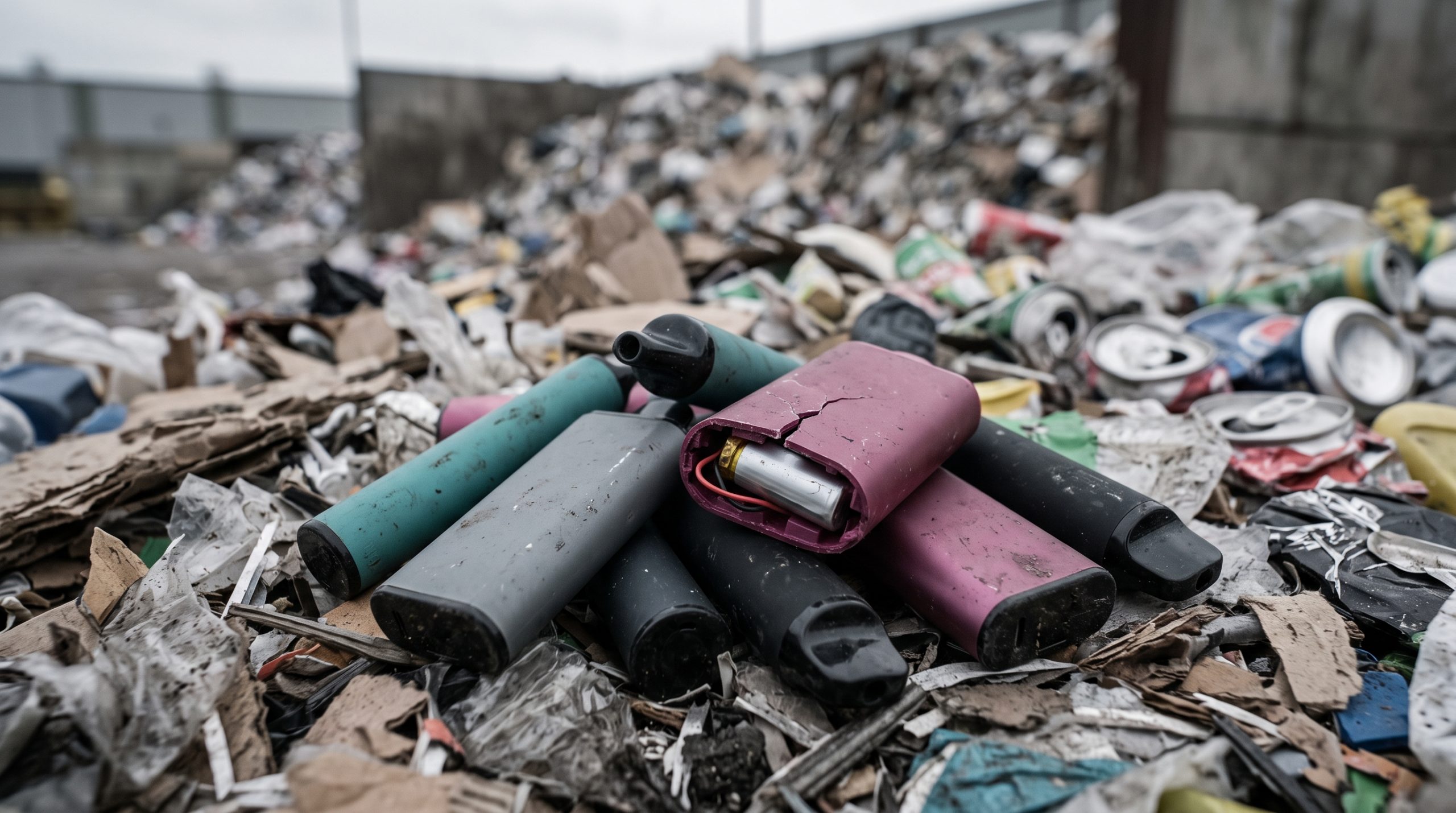
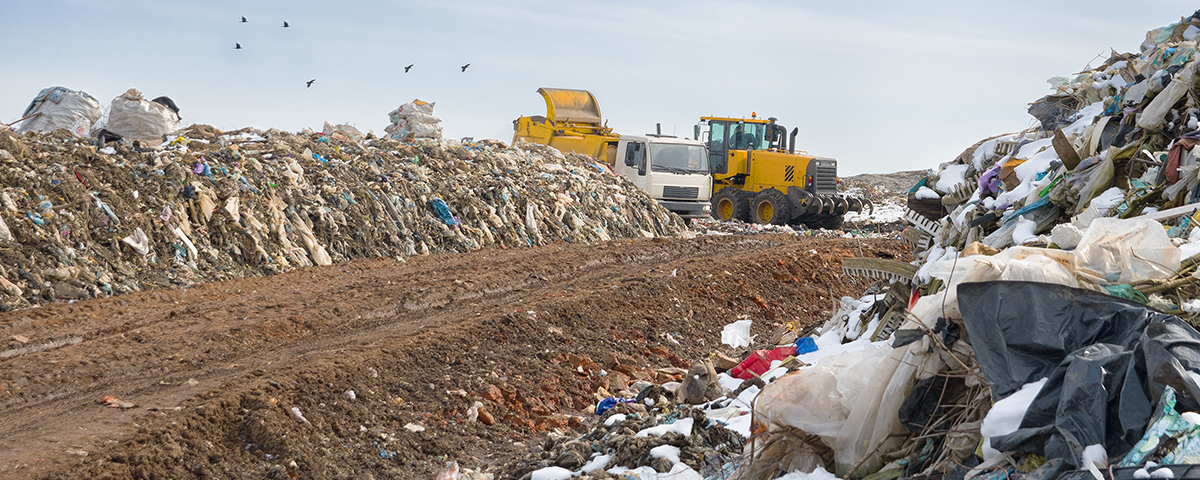
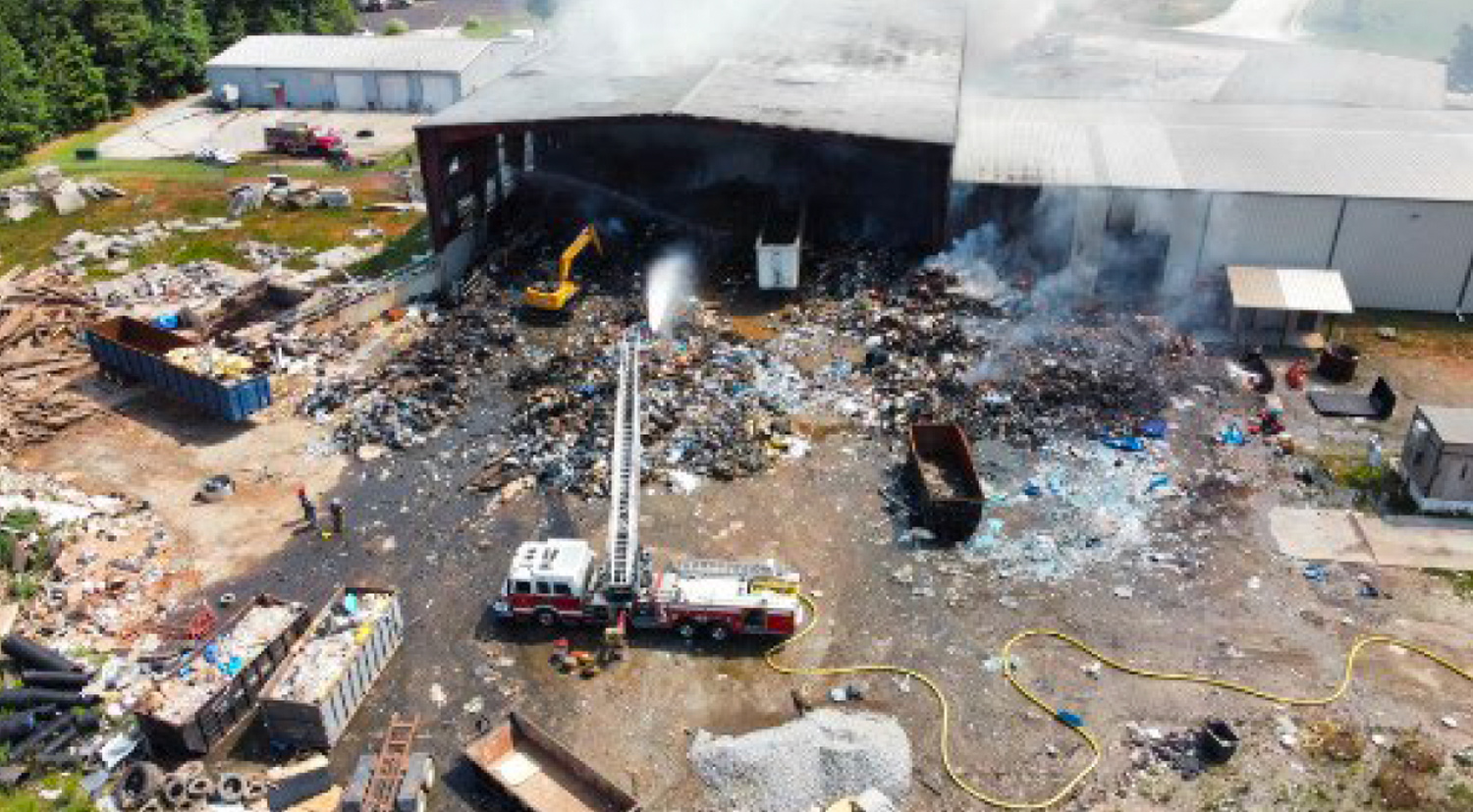
Between 2016 and 2018, the waste and recycling industry faced an unexpected challenge as lithium-ion batteries flooded waste streams, triggering a sharp rise in recycling facility fires. Initially, fire experts and facility operators relied on familiar strategies: cleaning up operations and refining best practices, to address the issue. However, as the problem grew, it became clear that more aggressive solutions were needed to mitigate fires.
How Fire Rover’s Technology Reached Adoption
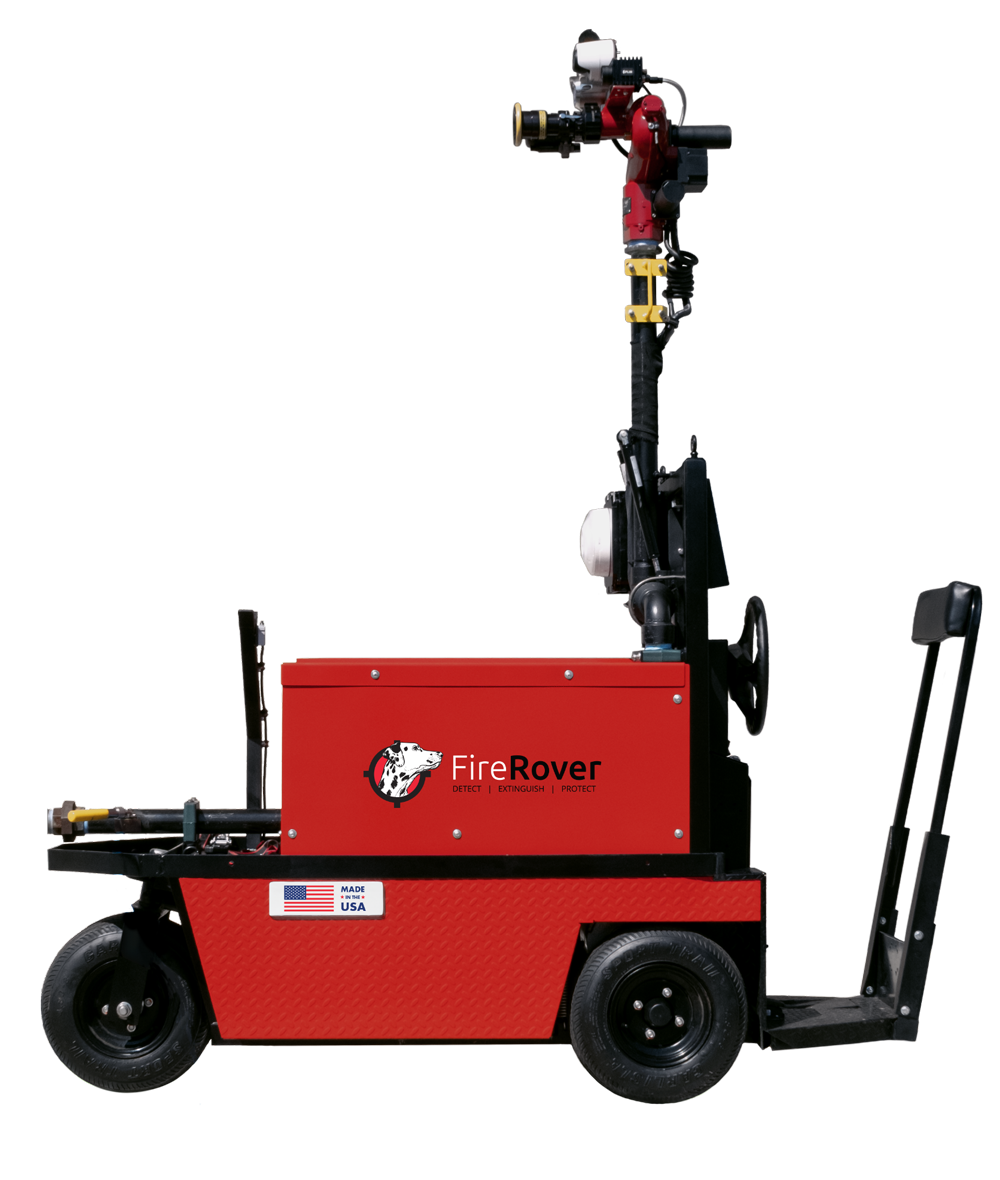
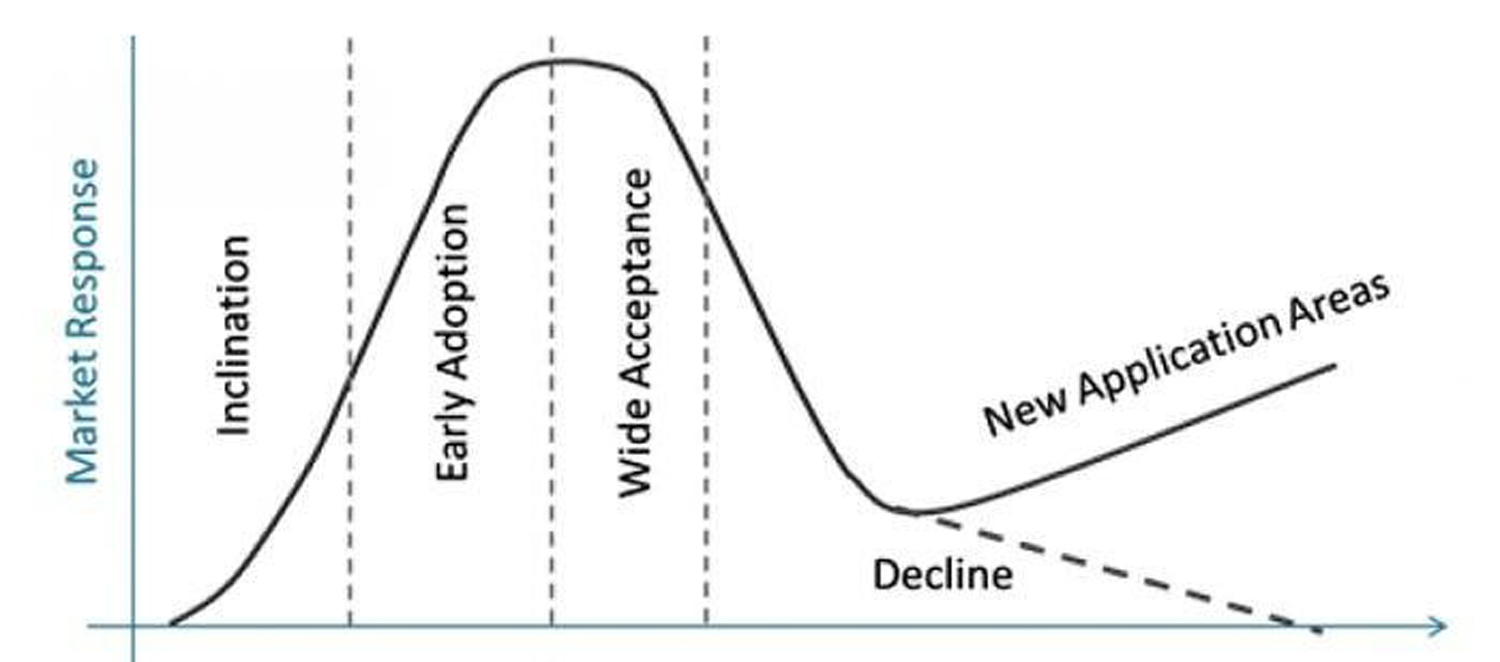
When new technology hits the market, it follows a lifecycle before reaching widespread adoption. Many companies go down this path only to fizzle out well before reaching this stage. At Fire Rover, we began developing our technology solution in 2015. It integrates multiple layers, not just technology but also people, software, service, warranty and more. When we started Fire Rover, there was no certainty our solution would work or it would be adopted by customers.
Fortunately, during our early stages, we formed strong partnerships with leaders in scrap metal, municipal solid waste (MSW) and recycling, sectors facing a fast-growing problem invading their commodity streams: lithium-ion batteries. These batteries posed an impending threat to the sectors’ businesses, and combined with already inherent traditional fire hazards, created a need for new and innovative solutions to keep these hazards at bay.
Why Are Recycling Facility Fires Increasing?
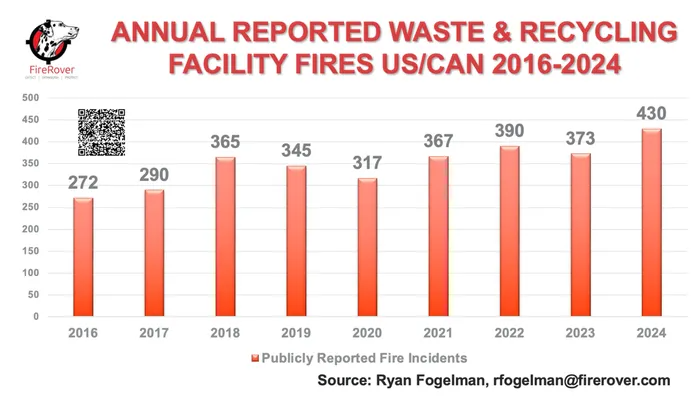
The reality is most people don’t like change. Sometimes change is voluntary, but usually, it’s driven by external forces. In 2024, we saw the highest level of waste and recycling facility fires since I began tracking them in February 2016. Over the past three years, publicly reported waste and recycling facility fires have increased to an average of 18.5%, a phenomenon I refer to as the “vape effect.” A phenomenon I shared in last month’s fire report.
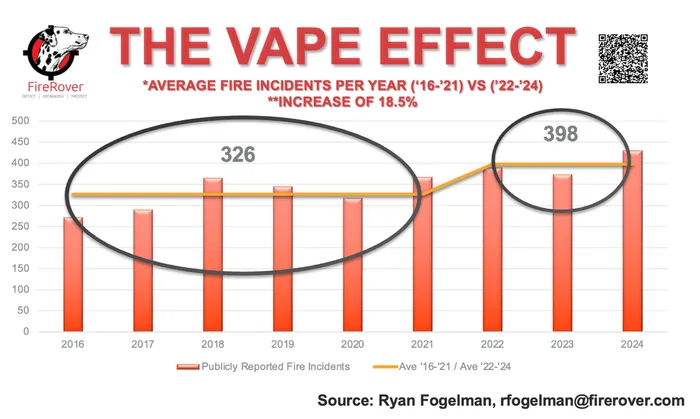
The vape effect coincides with the large transition of traditionally cigarette smokers to electronic vapes.
Between 2016 and 2018, the waste and recycling industry was caught off guard by the rapid uptick of lithium-ion batteries that entered waste and recycling streams and led to an increase in waste and recycling facility fires.
Fire experts and industry facility operators initially responded to these fires as they always had: by cleaning up their operations and developing processes and best practices to combat the problem. However, more was needed to get this growing problem under control.
Adding a New Layer to Traditional Fire Protection
During that time, some of our customers started looking to fire technology for a solution to the impending problem and recognized traditional fire protection methods alone were not sufficient.
For more than a century, the fire industry has been utilizing the same approach: “water, water, water.” Sprinkler and deluge systems have become the standard across industries and are mandated in most U.S. jurisdictions; however, these systems are designed to contain fires, not fully extinguish them. In environments with fast-moving, explosive fires, typically due to accelerants like jet fuel, the fire industry has implemented expansive foam deluge solutions. While they can be effective, these solutions are costly and pose risks to personnel and equipment.
In recent years, regulations have begun to change, and these solutions have started to be replaced or paired with new and improved solutions. For example, the National Fire Protection Association (NFPA) code 409 now allows targeted deluge solutions like the Fire Rover to replace these older, costly and dangerous deluge systems in airplane hangars.
As Fire Rover’s technology advanced, it became clear there were two sides to both the operators and fire protection experts: those for change and innovation and those against it. I understand why some people were skeptical as many fire protection technologies came to market and failed, but we are where we are today thanks to our early adopters who took financial and operational risks and a chance on us to prove our solution’s long-term value.
Ten Years on the Front Lines
Fast forward to today, we have been on the frontlines proactively responding to our clients’ fire incidents for more than 10 years. We have learned some tough lessons along the way, but like any great American company, not only did we survive, we thrived. We now suppress one or more fires daily across three continents, providing a significant layer of protection for many unprotected hazards. Our solution uses an average of 450 gallons of water per incident, showing that while water, water, water still works for many hazards, it’s not always the best solution for frontline operations facing inherent fire risks.
Over the years, we’ve been able to achieve many milestones, including:
- Successfully mitigating thousands of potential major fire events while using fewer resources and safeguarding personnel, equipment and property from catastrophic losses.
- Securing a utility patent for our solution in multiple countries, most recently Australia.
- Winning a Gold Edison Award for industrial innovation.
- Earning variances that allow our solution to replace traditional sprinkler systems in industrial applications.
- Being featured in NFPA’s “Fire Protection Handbook” and several code appendices.
- Achieving UL 508A certification for our system control panels and panel production facility.
- FM Global classified our solution as the first “smart monitor” due to our unique layering approach that allows for early detection and safe and controlled suppression of fire hazards.
The Fire Rover Performance Scorecard
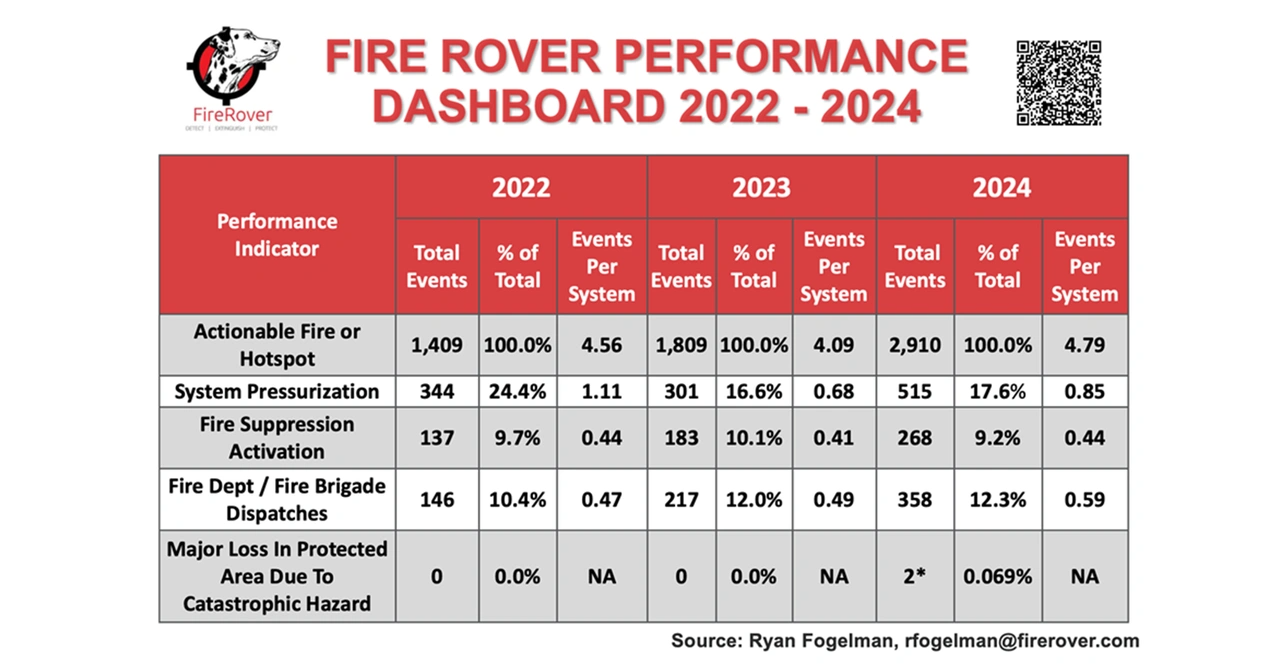
2024 was a year of growth, both in the number of operations we protect and the number of waste and recycling facility fires. Fire Rover now covers a significant percentage of major materials recovery facilities (MRFs), transfer stations and metal recycling facilities, and last year, our equipment was part of two major losses. Our system performed as engineered in these events, but the fuel levels and fire propagation in these two events were beyond design consideration.
What we do is not for the faint of heart. Some operators face greater risks than others due to the volatility of the material they handle.
Fire protection is a statistical endeavor, similar to insurance. More protected facilities mean more successful saves. Although our record may not be perfect, Fire Rover significantly reduces the potential for loss across protected sites. From an insurance company’s perspective, the win/loss record matters. The good news is many insurers are now providing premium benefits to clients who invest in our solutions and more are validating our solution every day. The reality is no fire protection system is perfect and can be overpowered with the right (or wrong) set of circumstances.
Digging into the Numbers
Actionable Fires/Hotspots
These are verified fire hazards that our Fire Rover agents detect during monitoring. Picture a loader pulling a lithium-ion battery out of a pile on a tipping floor or an auto shredder residue pile. The main difference between our solution and other solutions is we examine every piece of hay to find the needle in the haystack. Our agents review thousands of straws of hay (false triggers like machinery and equipment) to find the needles (actionable fire events) to catch these fire events early.
The total number of incidents has increased primarily due to our growth. The average number of events per operation grew to 4.79 in 2024 from 4.56 in 2023 and 4.09 in 2022. This mirrors a similar pattern in publicly reported fire data from 2022 to 2024. The number of publicly reported waste and recycling facility fires is up 18.5% from the previous five-year period, a trend I largely attribute to the growing popularity of vaping over traditional smoking and our lack of public drop-off points.
Due to the continuous uptick of lithium-ion batteries in MSW facilities, recycling centers, scrap metal yards and other facilities, there are unfortunately no signs of a decrease in incidents anytime soon.
System Pressurizations
A system pressurization occurs when a Fire Rover agent brings water to our strategically placed nozzles. We continuously refine this process to keep it as low as possible while balancing a rapid response time.
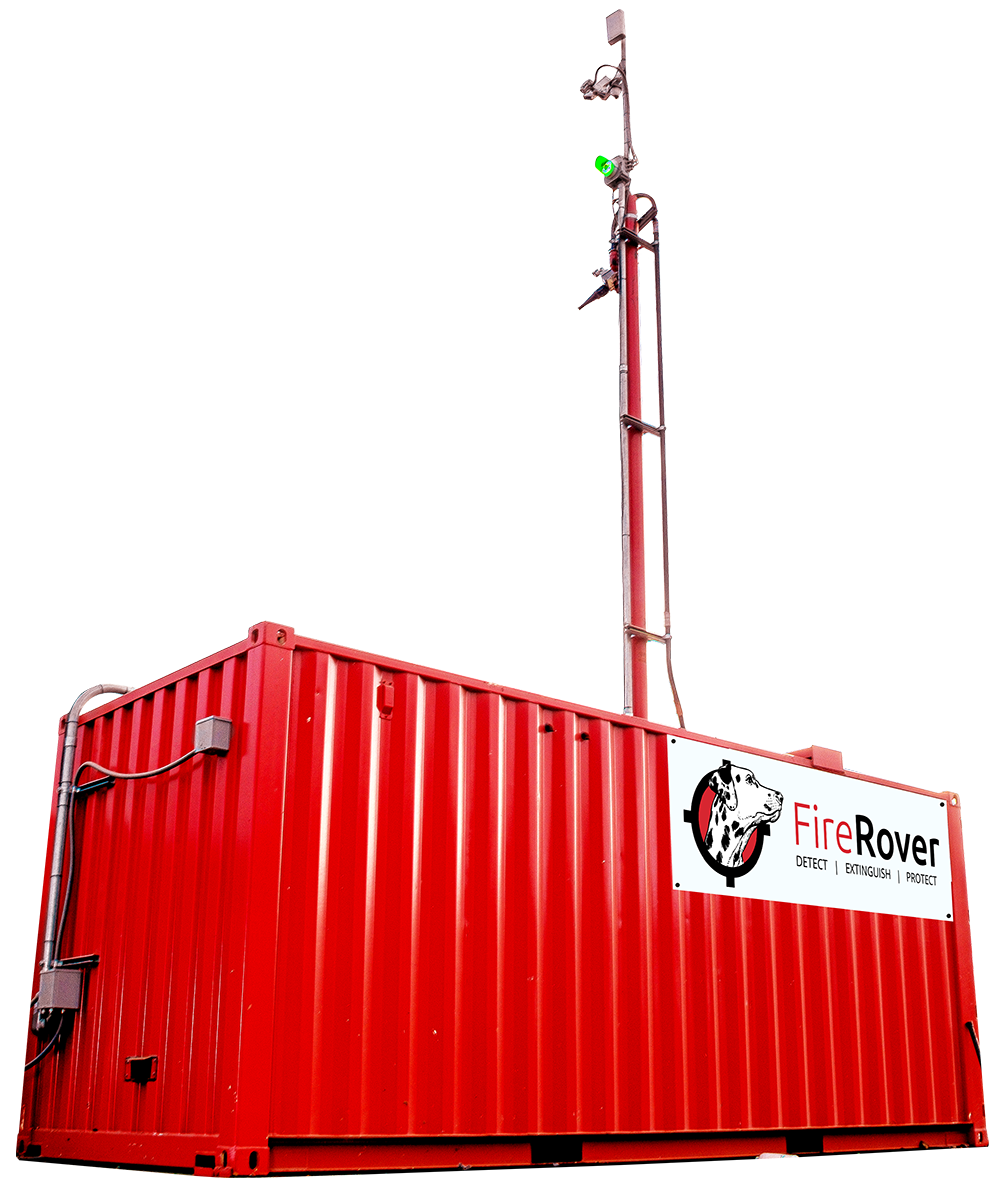
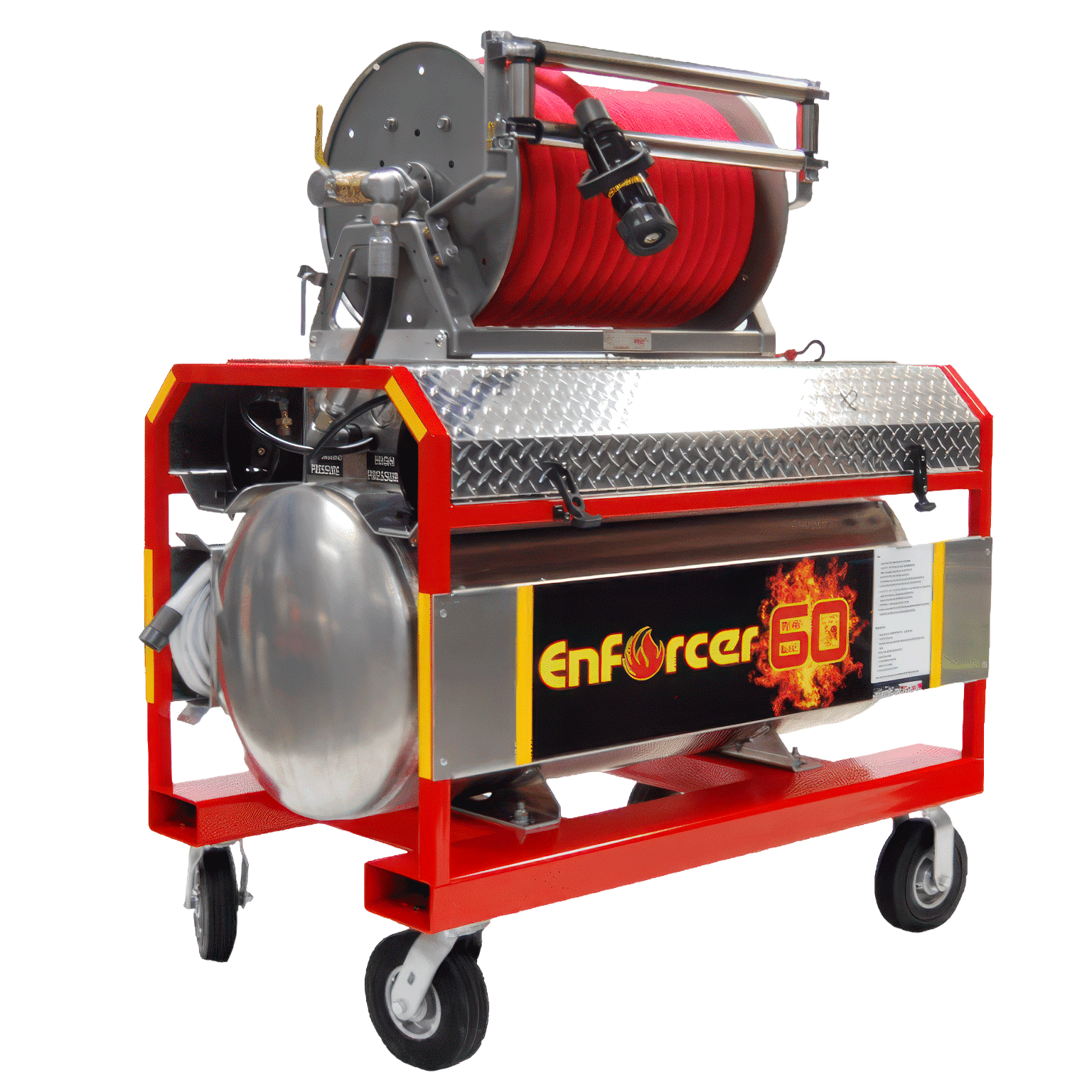
Pressurization not only affects us, it affects our clients, as filling a “dry” system with water can have consequences. In our Fire Rover box systems, if the suppressant isn’t used, we have to purge it to prevent it from freezing. Similarly, our Continuous Suppression System utilizes water from the city or an outside tower and requires pipes to be drained after use. As a company, we have worked extremely hard to learn and train our operators to be as efficient as possible with our clients’ resources, especially those that can lead to any disruption to businesses’ operations.
Activations
An activation occurs when one of our agents actively suppresses a fire by deploying suppressant through one of our system’s nozzles. Activations account for approximately 10% of the incidents we detect and have remained relatively consistent over the years.
Fire Department Dispatches
The number of fire department dispatches increased by nearly 50% year-over-year and by 2% in total events from 2022 to 2023. We have some discretion as to whether an event will require fire professionals to arrive on the scene; however, by working with our clients, we have determined a more aggressive dispatch approach is warranted to keep workers safe during an active fire and in the overhaul/clean-up phase.
Activations/Suppressions versus Dispatches
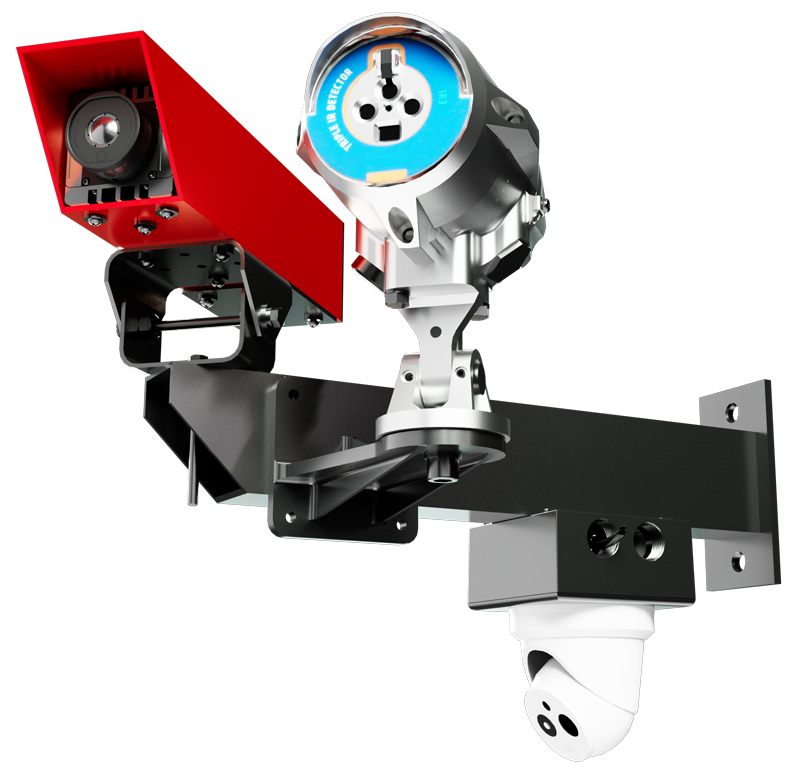
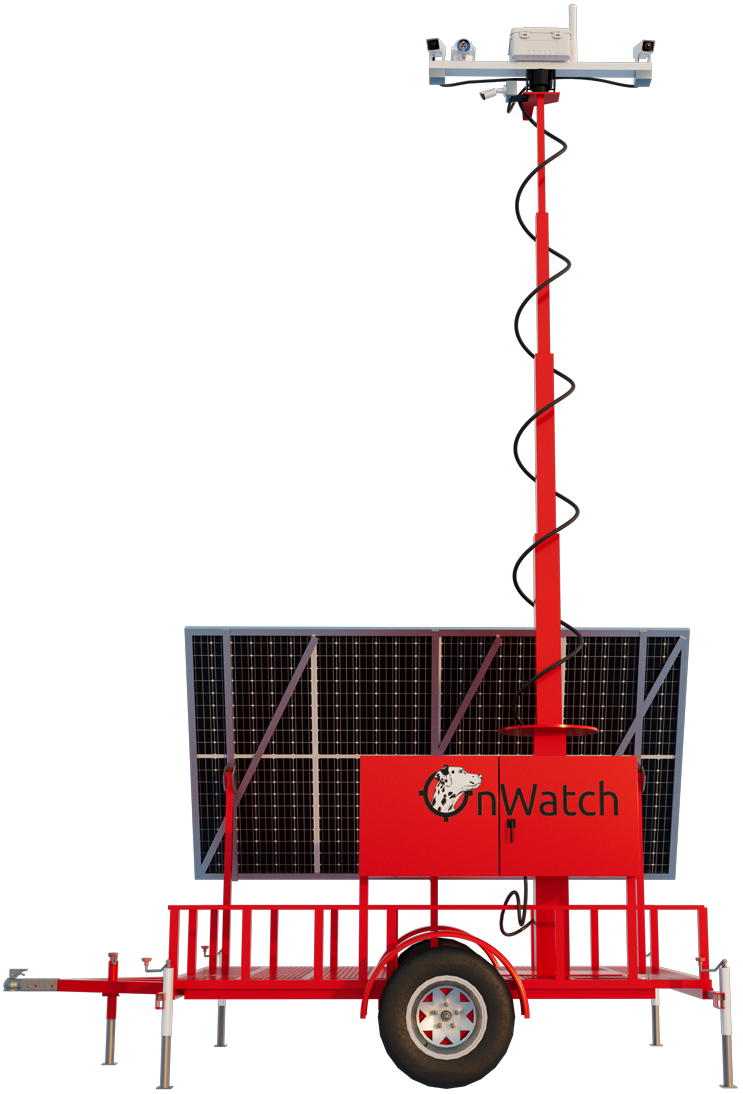
It’s no surprise we are seeing more dispatches compared to activations or suppressions. We offer our customers detection-only solutions like the OnWatch Mobile Detection System and our detection-only fire watch support solution, where the identification of a fire hazard results in an immediate dispatch to the fire department. Additionally, we commonly encounter incidents where our detection equipment identifies fire incidents that are out of our nozzles’ range, so our only response would be by our client or the local fire professionals.
Talk Fire Risk With Ryan
Ryan tracks fire incidents nationwide and helps facilities reduce risk with smarter detection and suppression strategies. Connect with him to get expert guidance tailored to your operation.
Why Share Data on Recycling Facility Fires?
The biggest challenges currently facing the waste and recycling industry are a lack of insurance options, rising premiums and an overarching decrease in appetite for the risk we see in the industry. The only way to shift this perception from insurers is to prove the industry at large is investing in solutions to mitigate these risks and solve our fire problem.
I’ve said it before, and I’ll say it again: Our Fire Rover system virtually eliminates the risk of catastrophic fire loss in MSW facilities, curbside recycling, metal recycling and other operations. Additionally, in nearly all events, operations are back up and running within hours, with very few instances of damage requiring repair.
Have there been instances where hazards bypassed every layer of protection? Yes, twice in 10 years and thousands of successful activations and frontline responses. Insurance companies need to understand the mitigation of fire risk and that it is manageable with an investment in our solution and operational best practices.
Last year, I set a goal to ensure we had less publicly reported waste and recycling facility fires. But with the billions of batteries infiltrating our waste and recycling streams, it’s becoming increasingly difficult to achieve that goal.
Fire Is All We Do
I was recently referred to as one of the “lithium-ion battery disposal alarmists,” in a comment on one of my LinkedIn posts. Like it is a bad thing. I own it, I have been an alarmist since 2015. Every time I think we do “enough” to get ahead of the problem, we get another wave of attacks. I didn’t create the hazards, but I will always do everything in my power to teach everyday folks about the issues we face. My door is always open to anyone willing to fight for the waste and recycling operators, whether it be innovative products/solutions, front line learnings and best practices, risk mitigation strategies or any way to help the industry share and educate effectively. I can tell you this, as dedicated as I might seem, our team at Fire Rover is what I am most proud of. They eat, breathe and sleep these fire incidents, every hour, minute and second of the day. Fire is all we do.
The work on the “8th Annual Reported Waste & Recycling Facility Fires Report” continues. I have spent the past year compiling data, and now it is time to consolidate and analyze the findings. This year’s report will include a deeper dive into Fire Rover’s performance scorecard; the latest death and injury data; a state-by-state and province-by-province breakdown of facility performance based on tonnage and site numbers; and additional insights and key trends.
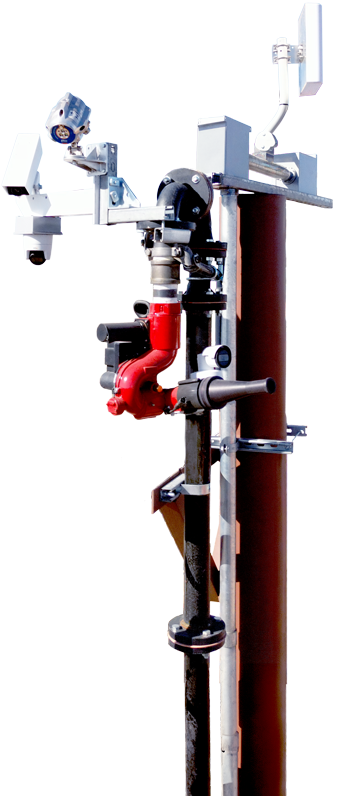
Continuous Suppression System
Eliminate threats before they spread. Our Continuous Suppression System provides nonstop, targeted suppression to keep fires from gaining ground and operations running safely.
Add a Proven Layer of Protection to Your Operation
Batteries are not leaving the waste stream, and the hazards on tipping floors and in scrap piles compound with every product cycle. The question for every operator managing recycling facility fires is whether the next thermal event gets caught while it is still a hotspot.
Fire Rover’s Continuous Suppression System combines 24/7 monitored early detection with remotely operated, targeted suppression, so a verified hotspot can be addressed without sending your team toward the hazard. Contact our team to explore how a layered detection and suppression approach fits your facility.
Related Articles
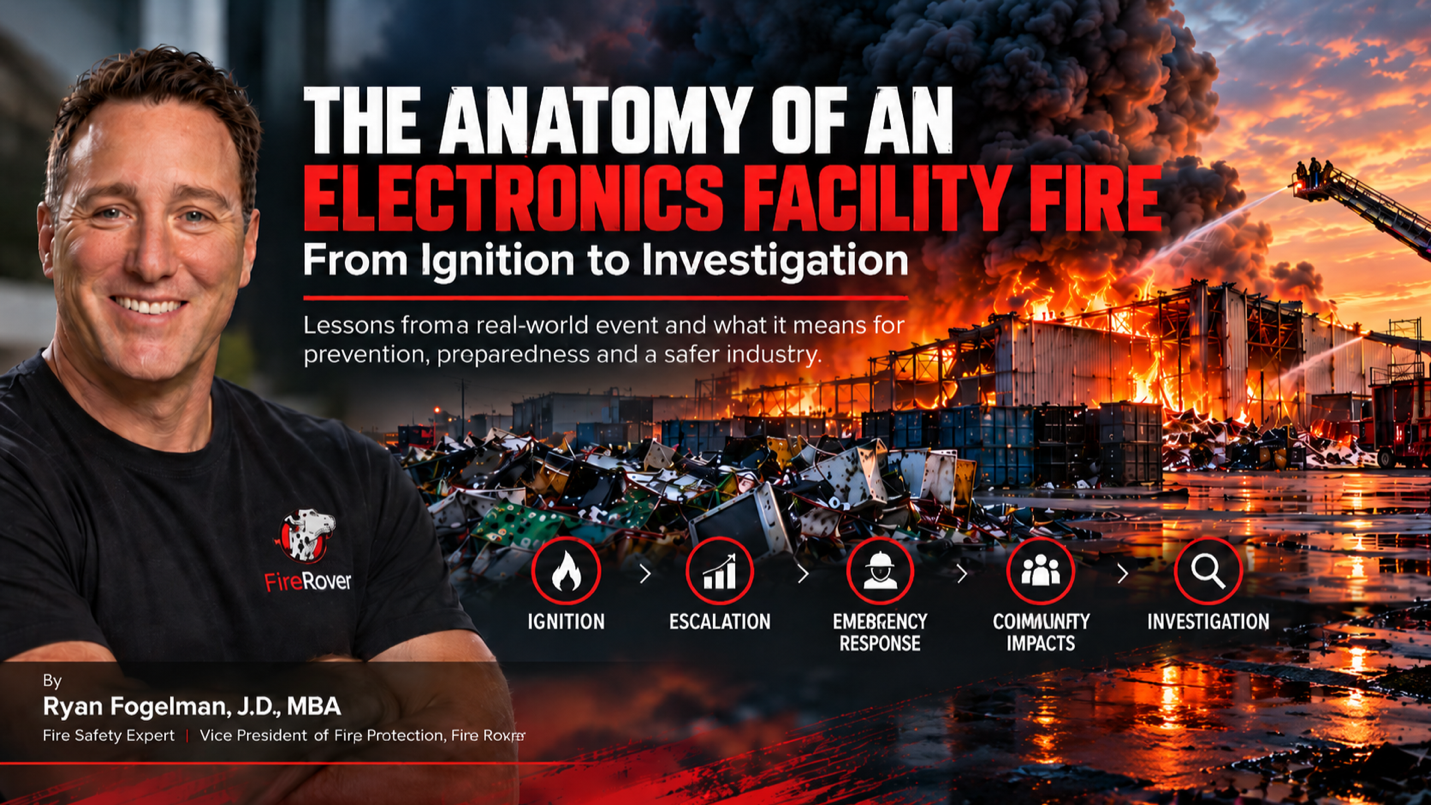
The Anatomy of an Electronics Recycling Fire
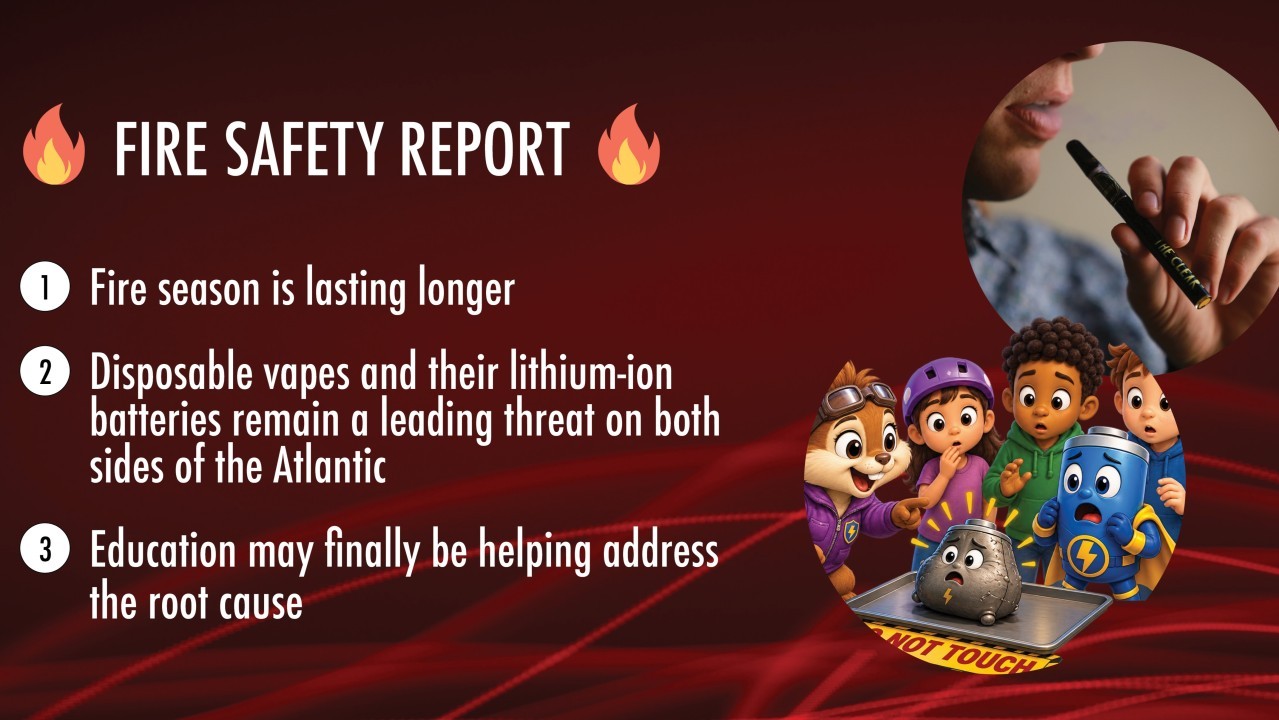
September 2026 Fire Report: The Extended Summertime Spike, the Vape Effect and a First Sign of Progress