








Originally published December 2025. This edition of Ryan Fogelman’s monthly fire report covers November 2025 data and his open letter to the tobacco industry on vape battery fires.
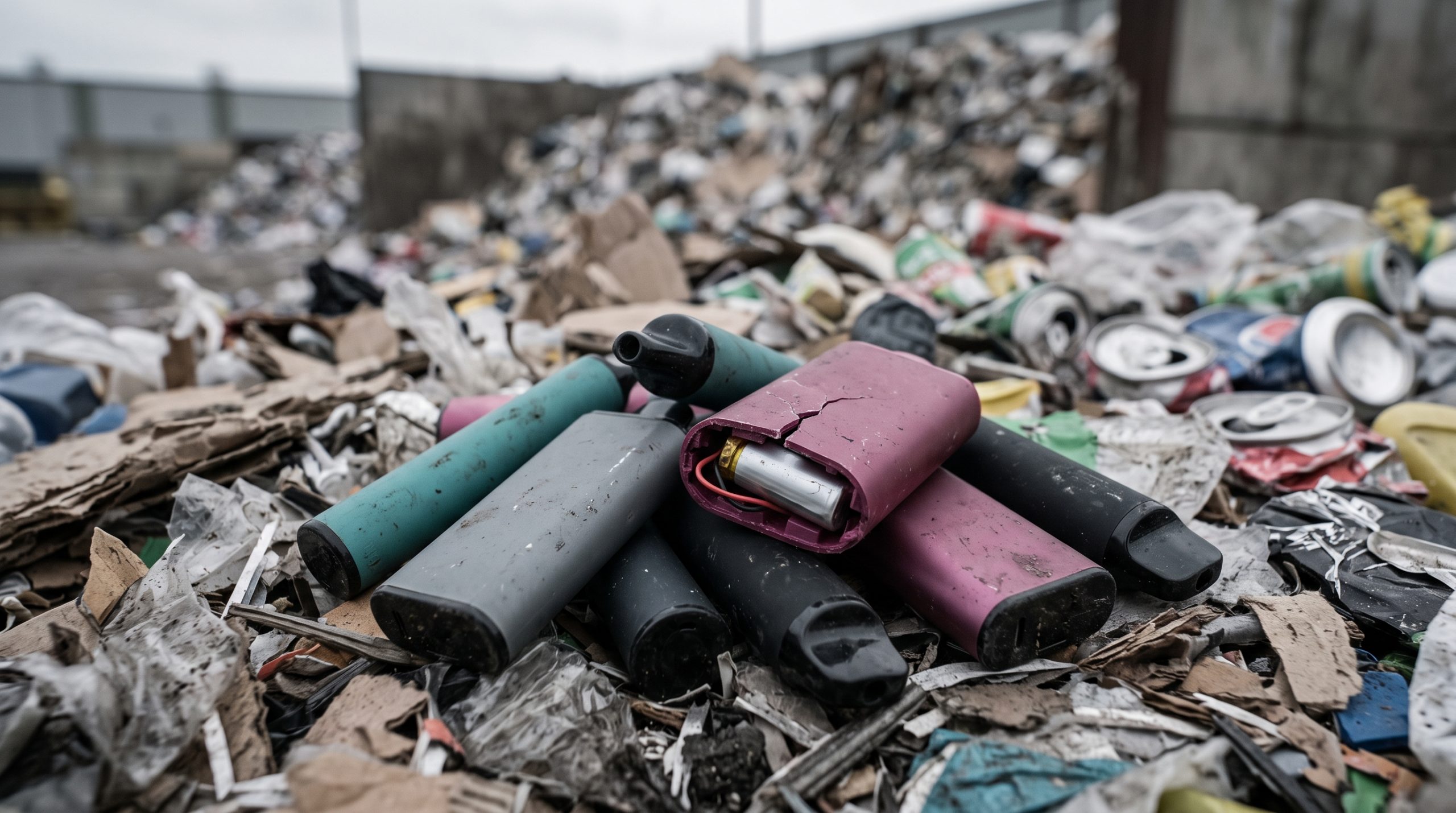
As we approach the end of the year, the waste and recycling industry is unfortunately on track to reach a record number of publicly reported facility fire incidents in the US & Canada, driven largely by improperly discarded lithium-ion batteries, including vapes.
As published in Waste360, December 2025. Top Story of The Week Dec 1st-Dec 4th!
Follow Up Article: Why the vape effect matters: A plea to the tobacco industry from Fire Rover’s Ryan Fogelman December 2025
November 2025 Fire Data
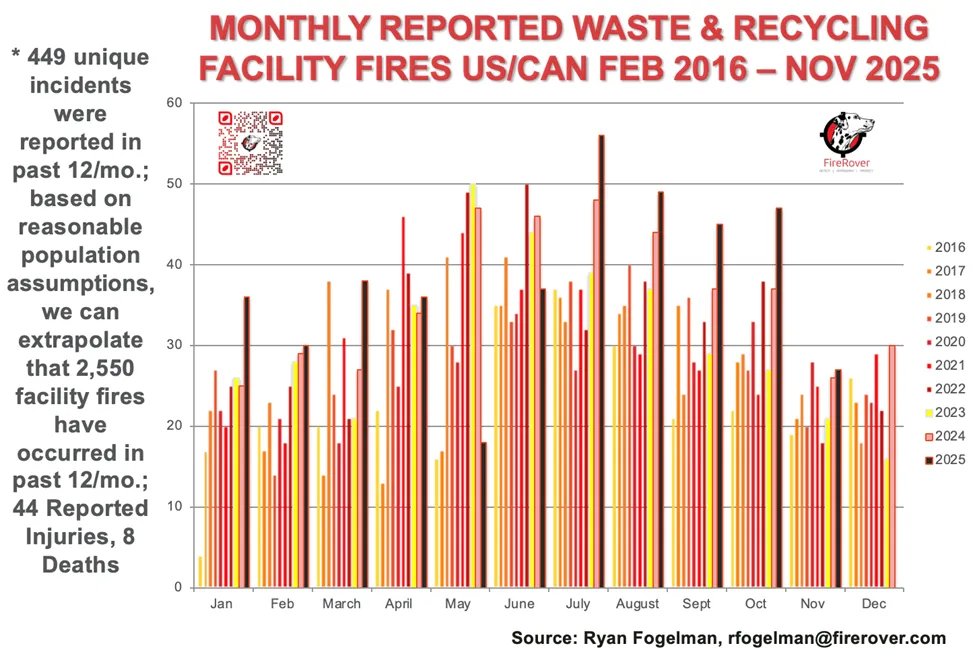
We started 2025 off on the wrong note by setting some new and concerning records that marked the worst start to a year since I began tracking and reporting waste and recycling facility fire data since 2016.
July’s 56 reported fire incidents set not only the highest total ever recorded for that month but also the highest single-month total for publicly reported fire incidents in the past 10 years. August followed with 49 reported fire incidents, and September reached a new monthly high with 45 incidents. In October, there were 48 publicly reported fire incidents, outpacing the former record holder, 2022, by 10 incidents. In November, we had good and bad news. We experienced 27 fires, and while that wasn’t a record, it was just one incident shy of our highest November in 2020.
November Fire Incidents by Facility Type
On a positive note, after two months of leading the pack, scrap metal recycling yards fell back to behind waste, paper and plastic facility fires with nine incidents, while waste, paper and plastic facilities took first position with 13 incidents this month. Organics management, rubber, construction and demolition and chemical/hazmat facilities each recorded one incident for the month.
As mentioned in last month’s article, based on year-to-date numbers for 2025, even with two months of the highest incidents, scrap metal recycling yard fires are still about 30% of all publicly reported incidents year to date, which is in line with the historical norm.
Is 2025 the Worst Year on Record?
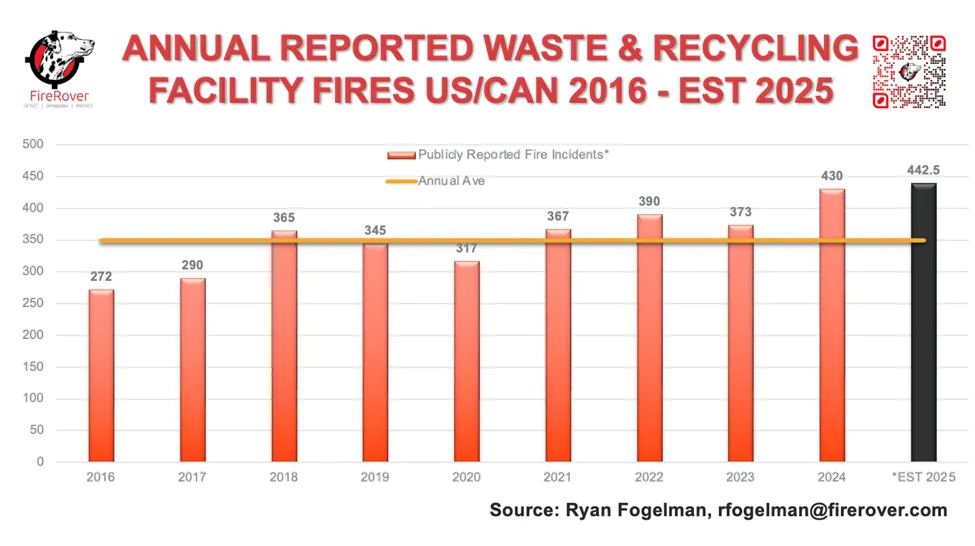
However, when looking at overall incidents, it’s still clear that we’re heading into the end of the year at a historic pace. Realistically, I’d be shocked if we didn’t end 2025 with the highest number of fire events ever recorded. Even using a simple December average, we would be at 442.5 incidents. Barring an unusually low month, the year is basically wrapped up as the worst year for publicly reported fire incidents since I began tracking these numbers in February of 2016.
What Fire Rover Is Seeing on the Frontlines
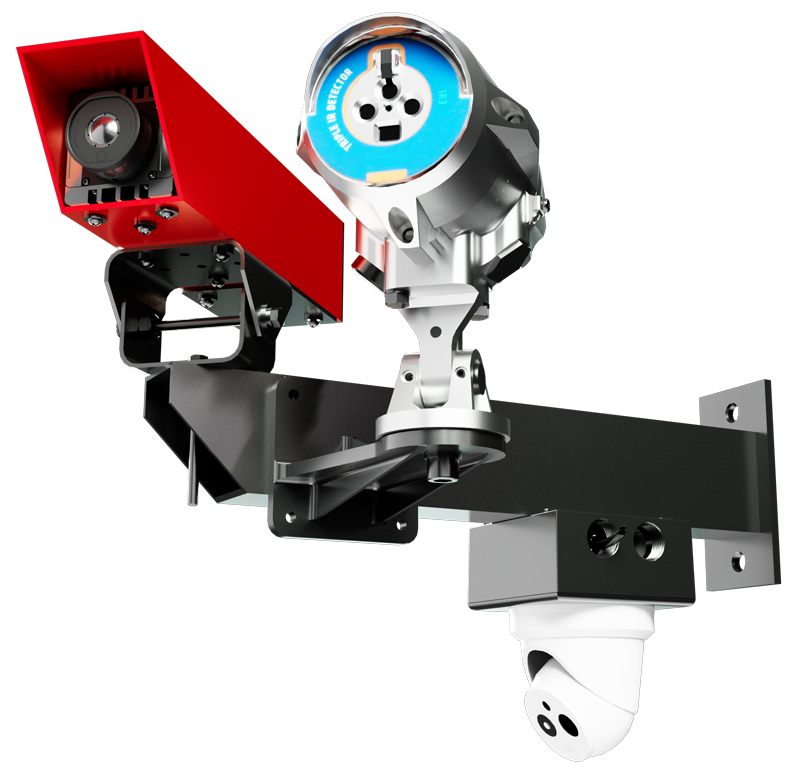
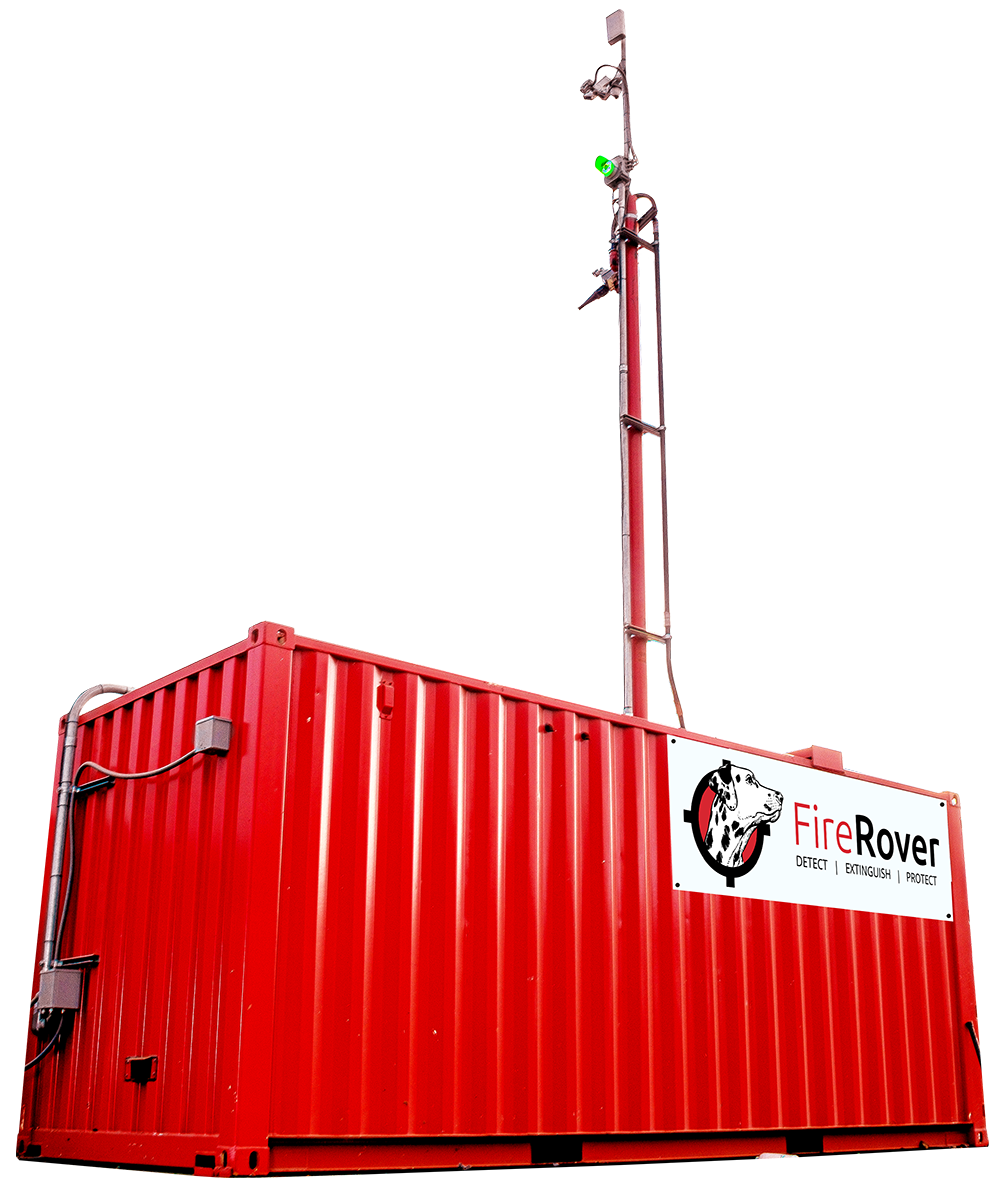
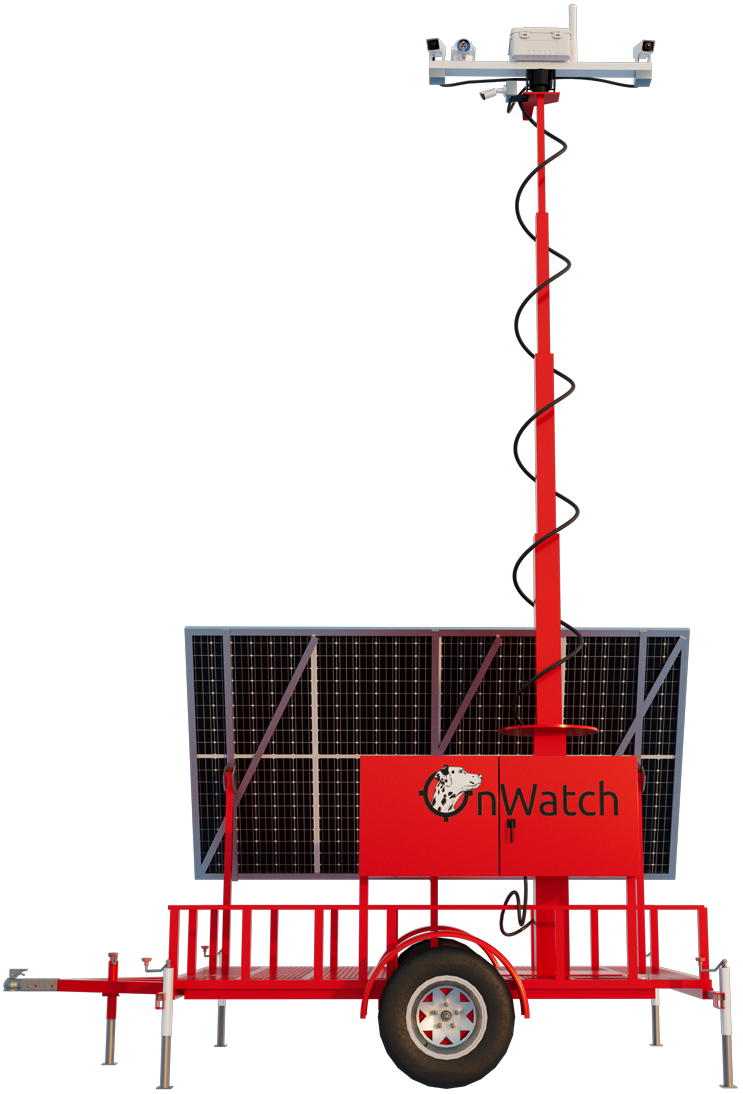
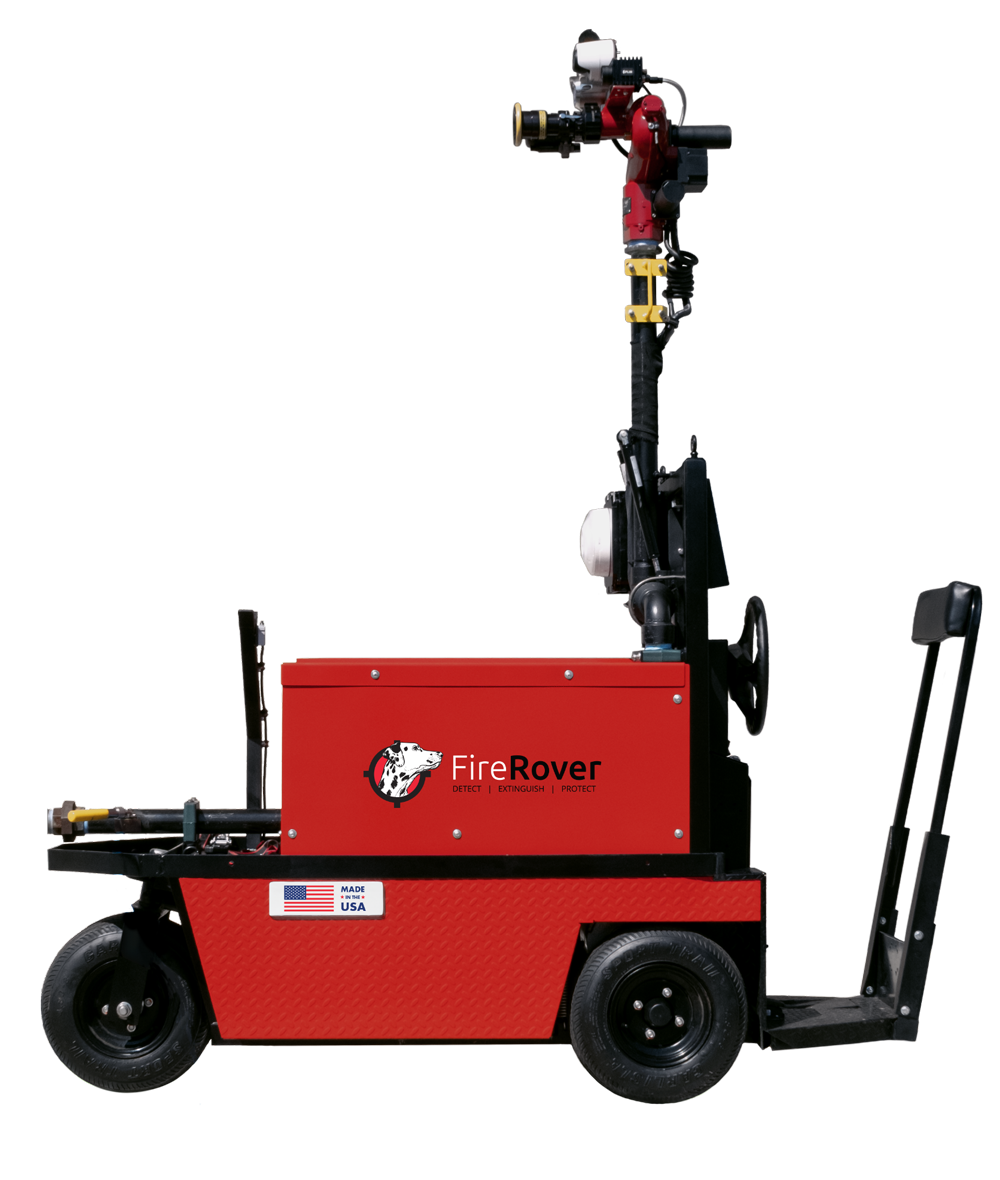
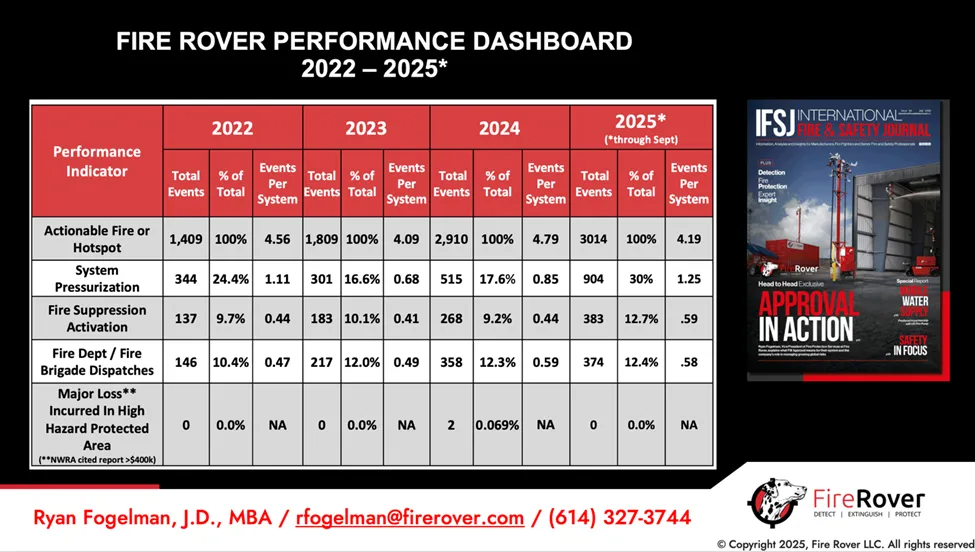
We’re seeing similar numbers on the frontlines at Fire Rover. Through September, we responded to more than 3,000 confirmed fire events at our clients’ facilities and successfully responded to and suppressed 383 fire events using our patented, FM-approved smart monitoring solution. Like the publicly reported data, our incident volume has slowed heading into the last two months of the year, but once the year comes to a close, I look forward to releasing our full performance dashboard for 2022-2025.
If you missed my session at RCon, I joined Alex Finkelstein of Teledyne FLIR for a discussion on how Fire Rover’s solution helps protect our clients from the hazards of lithium-ion batteries in critical infrastructure. We took a deep dive into early detection and remote-operated smart monitoring solutions, highlighting how our partnership has grown over the past decade and led to the first FM-approved remote-operated fire protection system. Operators, insurers and fire professionals came together to learn how Fire Rover leverages our relationship with Teledyne FLIR to enhance our early detection capabilities and successfully manage fire events during the critical first six minutes, coordinating with all parties to prevent major or catastrophic losses or injuries.
As much as we all talk about lithium-ion batteries as the major cause of increased fire incidents, as mentioned in my last annual report, I’ve found that increased heat and dryness across the U.S. and Canada continue to be a main culprit for waste and recycling operations. I’ll be sure to analyze the weather patterns and any correlations in my 2025 annual report, publishing in March 2026. If you would like to be the first group to receive a PDF copy of my 2025 annual report when it releases, click here.
Is The “Vape Effect” Global, and Is Battery Manufacturing EPR the Answer?
If you follow my research on publicly reported waste and recycling facility fires in the U.S. and Canada, you know I have long relied on our counterparts across the pond for reliable fire data to help validate my assumptions.
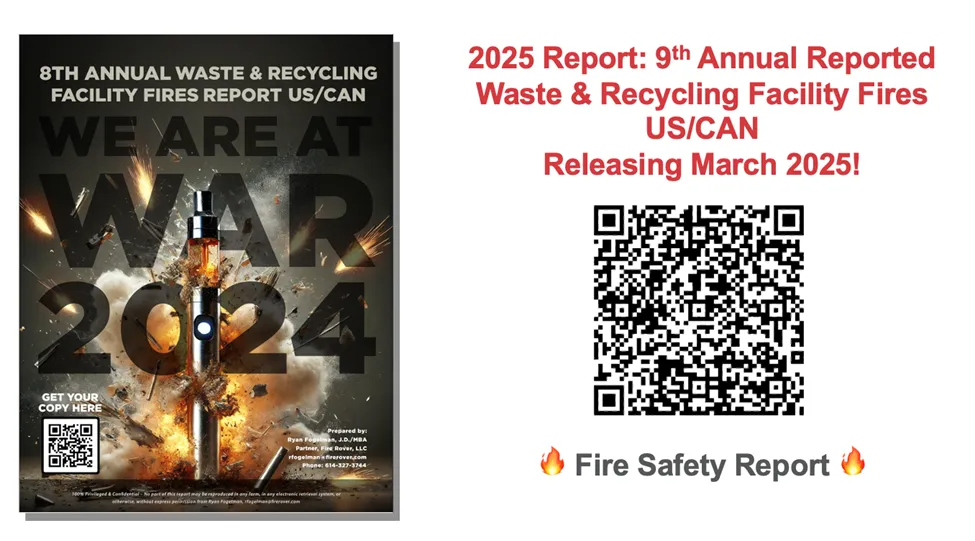
In last year’s annual report, “We Are at War: The 8th Annual Waste & Recycling Facility Fires Report in the US & CAN,” I highlighted a phenomenon I call the “vape effect.” In short, the U.S. and Canada have seen a 26% increase in the average number of fire events from 2022 to 2025 compared with the previous six years. That doesn’t account for the 7% to 10% of facilities in the U.S. and Canada that Fire Rover protects, but if those were included, I believe the increase would be closer to 40+%. (*Assuming 20% of Fire Rover suppressions for 2022-2025 would increase the average number of events from 411 to 463; or 52 additional 2-alarm+ fires)
In my recent presentation at RCon, “When Vapes Ignite: Fires & EPR Solutions in Our Waste & Recycling Streams,” I highlighted why battery manufacturers aren’t the only stakeholders who need a seat at the table on vape battery fires. These manufacturers have been footing a big piece of the bill, but the reality is that, currently, funding/programs are not enough. Tobacco manufacturers need a seat at the table and, in my opinion, are in a better position to help with something as simple as making the batteries in vapes removable, so they can be disposed of properly. I recognize this isn’t an easy and quick change, but the waste and recycling industry has leverage to drive real change, and it’s time we use it. Making batteries removable and providing more safe and convenient drop-off locations can be far more productive than that alternative of outright vape bans, which have failed in other counties and do not solve the problem, as alternatives and counterfeits are motivated to fill the demand.
How Many Vapes Enter the Waste Stream?
The data reveals a rapid transition from traditional cigarettes to vapes—there were approximately 6 million new vape users from 2022 to 2024 alone. Many of these vapes are marketed and sold as “daily disposables,” and the reality is we’re lacking safe, convenient drop-off locations due to these products’ hazardous classifications.
My estimate that 48 million vapes per week are used and discarded in our waste and recycling streams is likely conservative. When you consider the fact that Biffa sorted 840,000 vapes in just four months at only four locations, with an average of 7,000 vapes per day, it puts the scale of this problem into perspective.
If you extrapolate that daily number by the estimated 10,000 waste and recycling facilities in the U.S., the total exceeds 70 million vapes improperly discarded every day. That is far more than my conservative estimate of 48 million per week, which was based on Altria’s user numbers and on the assumption that adult vape users go through an average of 64 vapes per year, again a conservative assumption that I made to do my analysis.
A Multilayered Approach to Vape Battery Fires
Regardless of the “real number,” the scale of the problem is staggering. We need all hands on deck, including battery and tobacco manufacturers, to help fund and support realistic solutions to vape battery fires.
In my humble opinion, outright bans are not the answer. What we need is a multilayered approach that includes education, innovation, more safe and accessible drop-off locations and the ability for processors and consumers to easily remove batteries before disposal or recycling.
We have the power and responsibility to change the way producers manufacture these products.
Talk Fire Risk With Ryan
Ryan tracks fire incidents nationwide and helps facilities reduce risk with smarter detection and suppression strategies. Connect with him to get expert guidance tailored to your operation.
An Open Letter to the Tobacco Industry on Vape Battery Fires
See my open letter to the tobacco manufacturers on vape battery fires:
November 15, 2025
The American Tobacco Industry
United States of America
Washington, D.C.
Dear tobacco industry executives,
I hope this letter finds you well. My name is Ryan Fogelman, and I’m reaching out in my capacity as a representative of the waste and recycling industry. As someone deeply involved in monitoring and analyzing fire incidents within our sector, I’m writing to seek your collaboration in addressing a critical and growing safety issue: fires caused by improperly disposed vaping devices.
My data highlights a concerning trend: the increasing frequency of fires in waste and recycling facilities linked to discarded vaping devices, an unfortunate phenomenon I refer to as the “vape effect.”
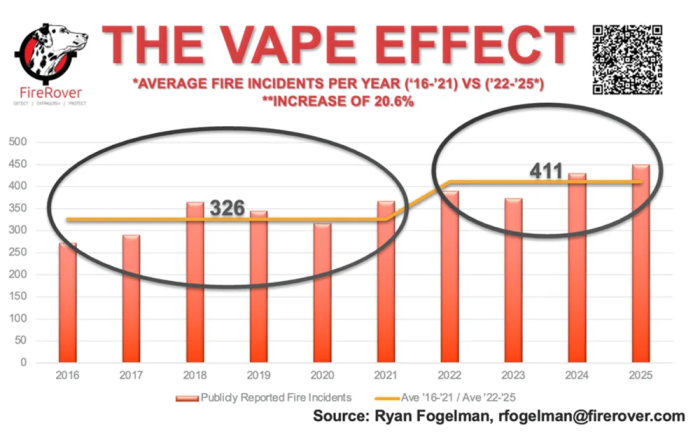
As more American adults transition from traditional cigarettes to vapes, these incidents continue to rise and pose significant safety risks to workers and the public, as well as result in substantial financial losses and environmental damage. The lithium-ion batteries commonly found in vapes are particularly hazardous when not disposed of correctly, as they can easily ignite under certain conditions highlighted in my annual reports.
To be clear, I’m not demanding that you engage with our industry on the fires caused by the billions of vapes entering waste and recycling streams. In fact, I don’t believe you should be punished for providing a product that consumers freely choose to purchase. What I’m asking for is a vested and engaged partner in identifying reasonable and achievable solutions to reduce the number of needless losses and injuries resulting from the current situation. I believe that together we can develop and implement effective strategies to mitigate this issue. Your support and expertise could make a significant impact in several areas, including:
- Public Awareness Campaigns. Partnering on educational initiatives to inform consumers about the proper disposal of vaping devices could greatly reduce fire risks. Your reach and influence can help amplify these messages. For example, my colleagues and I are currently writing a children’s book, “Supercharged,” to teach children, parents, teachers and others about lithium-ion battery hazards and the proper ways to mitigate risks. This book is being sponsored by some of the largest fire and waste and recycling industry associations, with the goal of reaching all the estimated 4 million-plus classrooms in the United States and Canada.
- Product Design and Innovation. Collaborating on the development of safer, more easily recyclable vaping devices would be a proactive step toward minimizing environmental impacts and reducing fire hazards. Specifically, designing devices with removable batteries, without requiring an arduous disassembly process, would help save batteries from alternatives like incineration and allow battery recyclers to safely and efficiently recover critical minerals from these devices.
- Collection and Recycling Programs. Supporting the establishment of convenient, safe and accessible collection programs for used vaping products would help ensure safe and responsible disposal. Given the shire volume of vaping devices sold, we need to develop a national plan with convenient, local drop-off locations to significantly improve collection rates.
- Research and Data Sharing. Sharing insights and data would help us all better understand the scope of the problem and develop targeted solutions. Joint research efforts could lead to innovative approaches that benefit both industries.
In closing, I want to emphasize that I’m not judging the tobacco industry. I smoked traditional cigarettes for nearly a decade, and didn’t blame your industry then or now. You simply provided a product that I and other consumers were asking for, and you met our needs in quality, taste and flavor. My plea is not intended to be a punitive request or assertion that you should pay for any wrongdoing; it’s simply an acknowledgement that you can play an important role to help the public and the waste and recycling industry deal with the billions, or possibly trillions, of lithium-ion batteries entering our facilities and causing major and catastrophic fires that result in an estimated $1.2 billion in damages annually. Without your assistance, the problem is only going to get worse, as shown in my research.
Fortunately, battery manufacturers, through voluntary programs and extended producer responsibility legislation, are helping fund solutions to the problem. However, the waste and recycling industry continues to bear most of the costs.
I’m confident that by working together we can address this pressing issue in a way that aligns with both our industries’ goals of promoting safety and sustainability. I’d welcome the opportunity to discuss this further and explore potential collaborative efforts.
Thank you for your consideration. I look forward to the possibility of working together to create a safer environment for all.
Sincerely,
Ryan Fogelman, J.D, MBA
Fire Protection Consultant
Fire Rover
rfogelman@firerover.com
Fighting Vape Battery Fires on the Frontlines
As we approach the end of the year, I remain committed to continuing to learn and help the industry successfully fight fires—caused not only by lithium-ion batteries but also by traditional hazards—on the frontlines. I’m also excited to announce a new partnership with the Solid Waste Association of North America (SWANA) to offer resources that help waste operators understand and mitigate risks by providing safe, convenient disposals in more communities.
Additionally, we’re launching the first Anonymous Incident Database for reporting these hazards. When combined with videos shared by customers that allow us to use their footage, this database will be extremely valuable to insurers, fire professionals and facility operators working to mitigate these risks that are too often dropped on their doorsteps.
“This partnership reflects our shared commitment to protecting workers, facilities and communities from the dangers posed by improperly disposed lithium-ion batteries,” SWANA CEO Amy Lestition Burke, MA, FASAE, CAE says. “By combining Fire Rover’s real-time data and expertise with SWANA’s educational reach and policy leadership, we’re creating a powerful alliance for change.”
As we head into 2026, we can all be assured that education, operational best practices and technologies like Fire Rover are working to reduce the risks of major or catastrophic losses across our critical global waste and recycling infrastructure. But buyers beware: early detection and automated solutions are not Fire Rover. Do your research.
Just as there’s no magic solution that will stop lithium-ion battery fires in their tracks, there’s also no substitute for trained human operators and a fully comprehensive, well-maintained fire protection solution that has proven to be there rain or shine, 24/7/365, to handle whatever comes our way.
If you would like to be the first group to receive a PDF copy of my 2025 annual report when it releases, click here.
Take Control of Battery Fire Risk at Your Facility
Upstream fixes for vape battery fires, from removable batteries to more drop-off locations, will take time to reach the tipping floor. Until they do, what each facility controls is how fast a hotspot is found and how soon water reaches it.
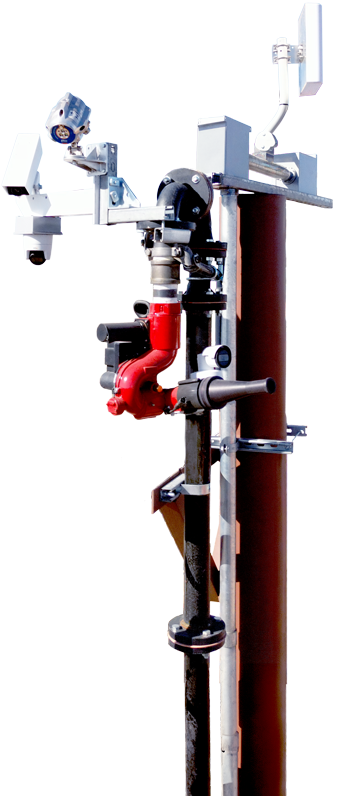
Continuous Suppression System
Eliminate threats before they spread. Our Continuous Suppression System provides nonstop, targeted suppression to keep fires from gaining ground and operations running safely.
The Continuous Suppression System pairs thermal detection with trained central station operators who verify a fire and direct targeted water onto it, so your team is not walking toward the hazard. Contact our team to see how it fits your plan for vape battery fires and the traditional hazards that still reach your site every day.
Related Articles
The Anatomy of an Electronics Recycling Fire
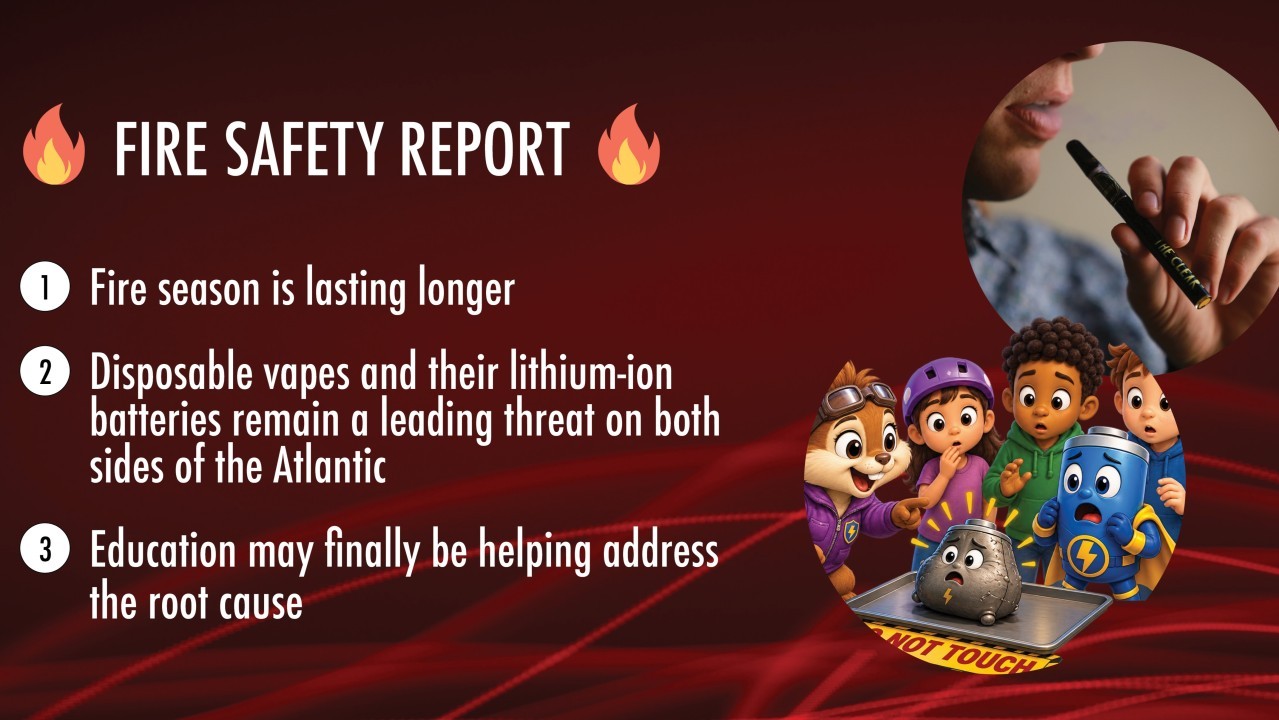
September 2026 Fire Report: The Extended Summertime Spike, the Vape Effect and a First Sign of Progress