




As published in Waste360. Originally published August 2025 by Ryan Fogelman on LinkedIn
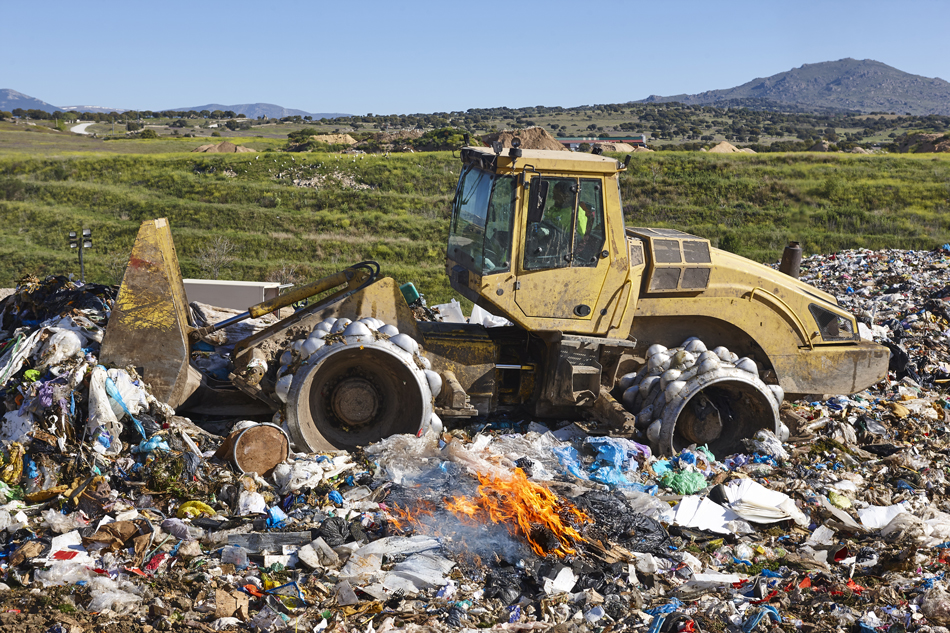
July 2025 saw the highest number of waste and recycling facility fires ever recorded in a single month, marking a turbulent start to the first half of the year.
While the returning “summertime spike” is partially to blame for this increase in fires, the ongoing data reveals fires can spark at any moment, and the need for proactive prevention and rapid response has never been greater.
In this month’s column, I dive into the midyear data and highlight how Fire Rover is breaking records of our own, from worldwide growth to an increase in fire suppression activity on our clients’ frontlines.
July 2025 Fire Data: A Record Month for Waste and Recycling Facility Fires
The first four months of this year marked the worst first quarter on record since I began tracking and reporting data on waste and recycling facility fires in 2016. However, in May, the industry caught a much-needed break, and in June, we experienced 37 reported fire incidents, which is below the nine-year average of 39.7. Then came July, where we hit a record-breaking 56 reported fire incidents, which is the highest ever for a single month.
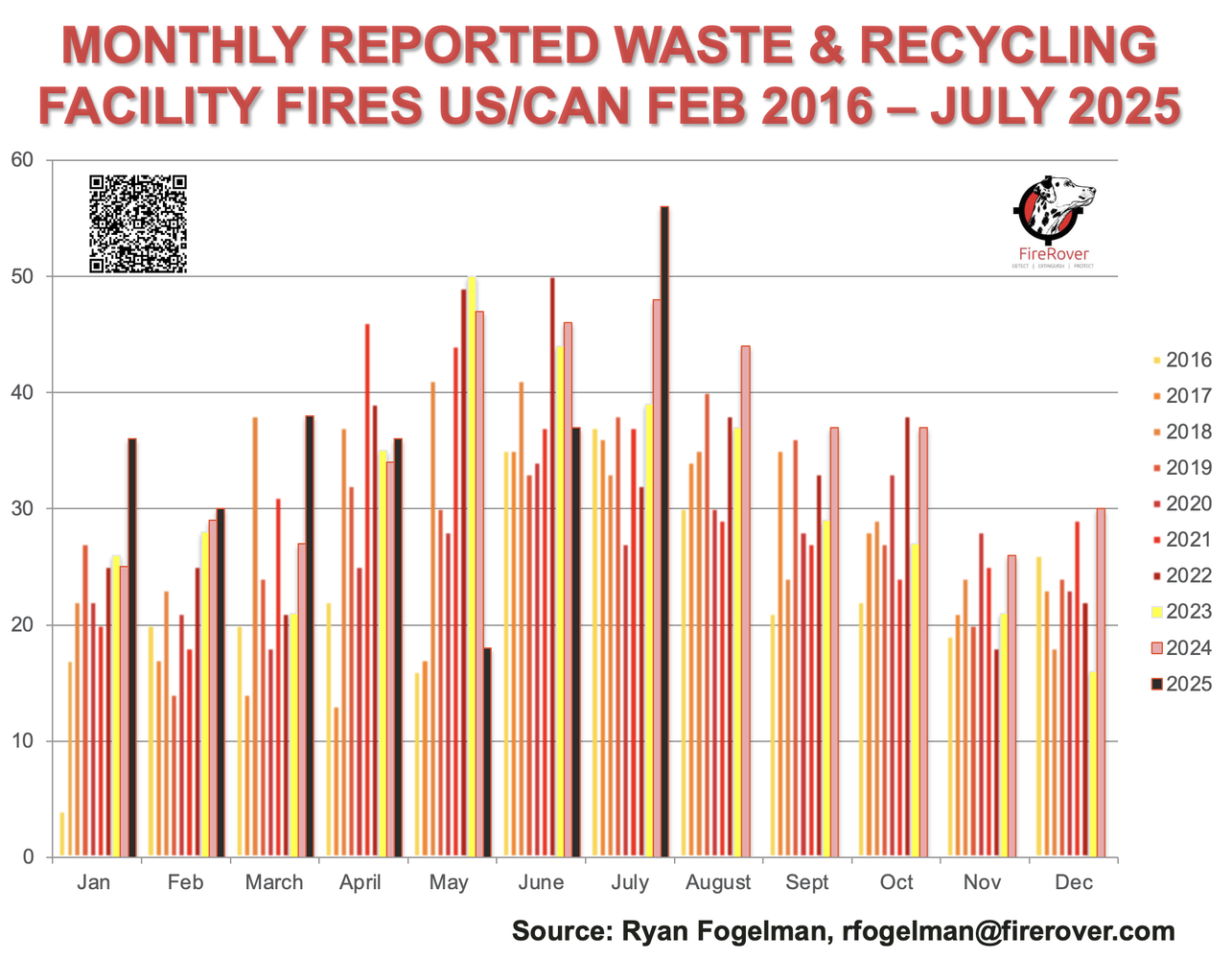
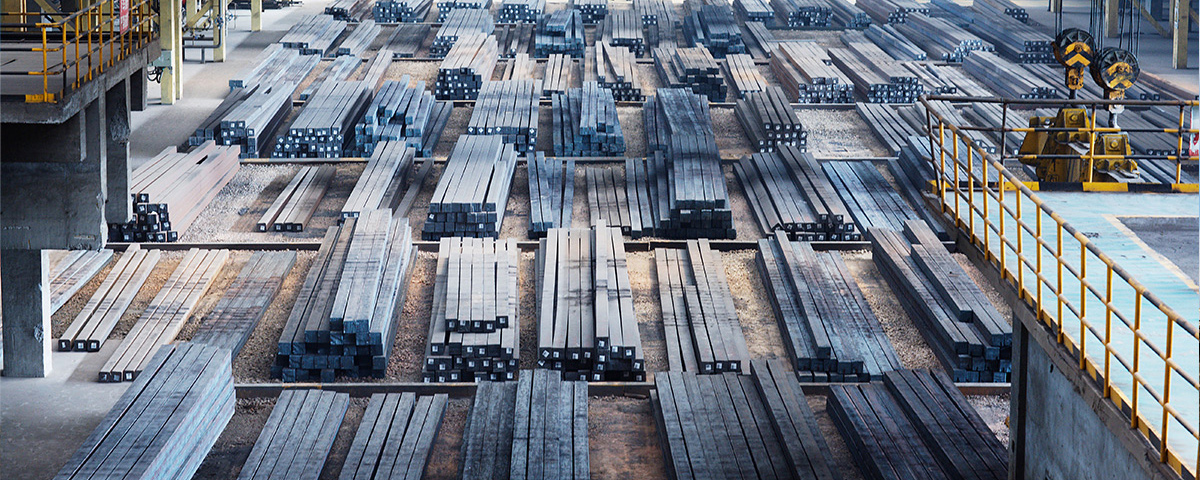
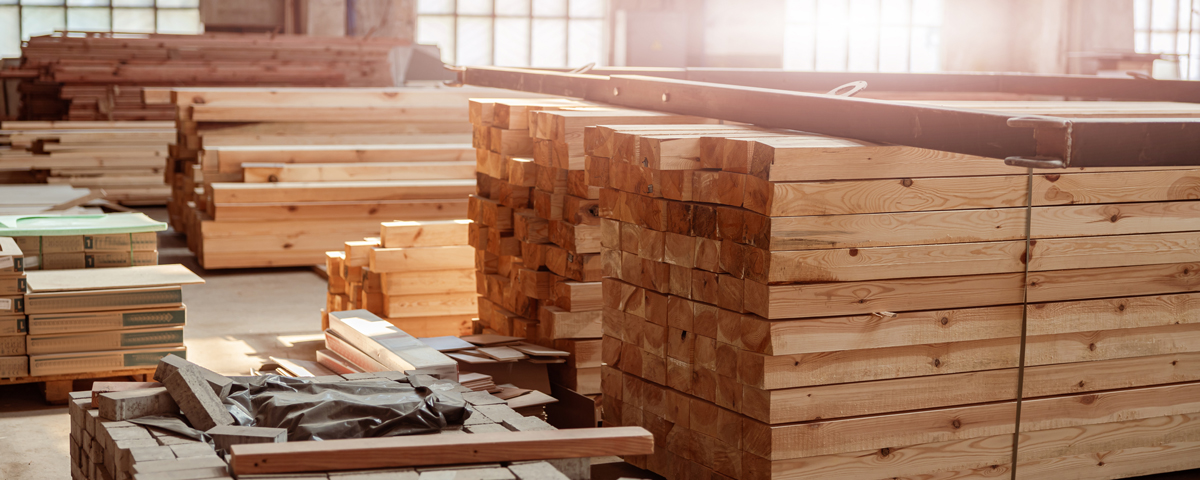
Of these 56 incidents, 33 occurred at waste, paper and plastics facilities, 11 at metal recycling yards, three each at organics facilities and construction and demolition recycling facilities and two each at rubber operations, electronic recycling operations and hazardous material operations.
This marks the lowest June and the highest July for waste and recycling facility fires in years. So, what does it all mean?
How Do 2025 Waste and Recycling Facility Fires Compare to Prior Years?
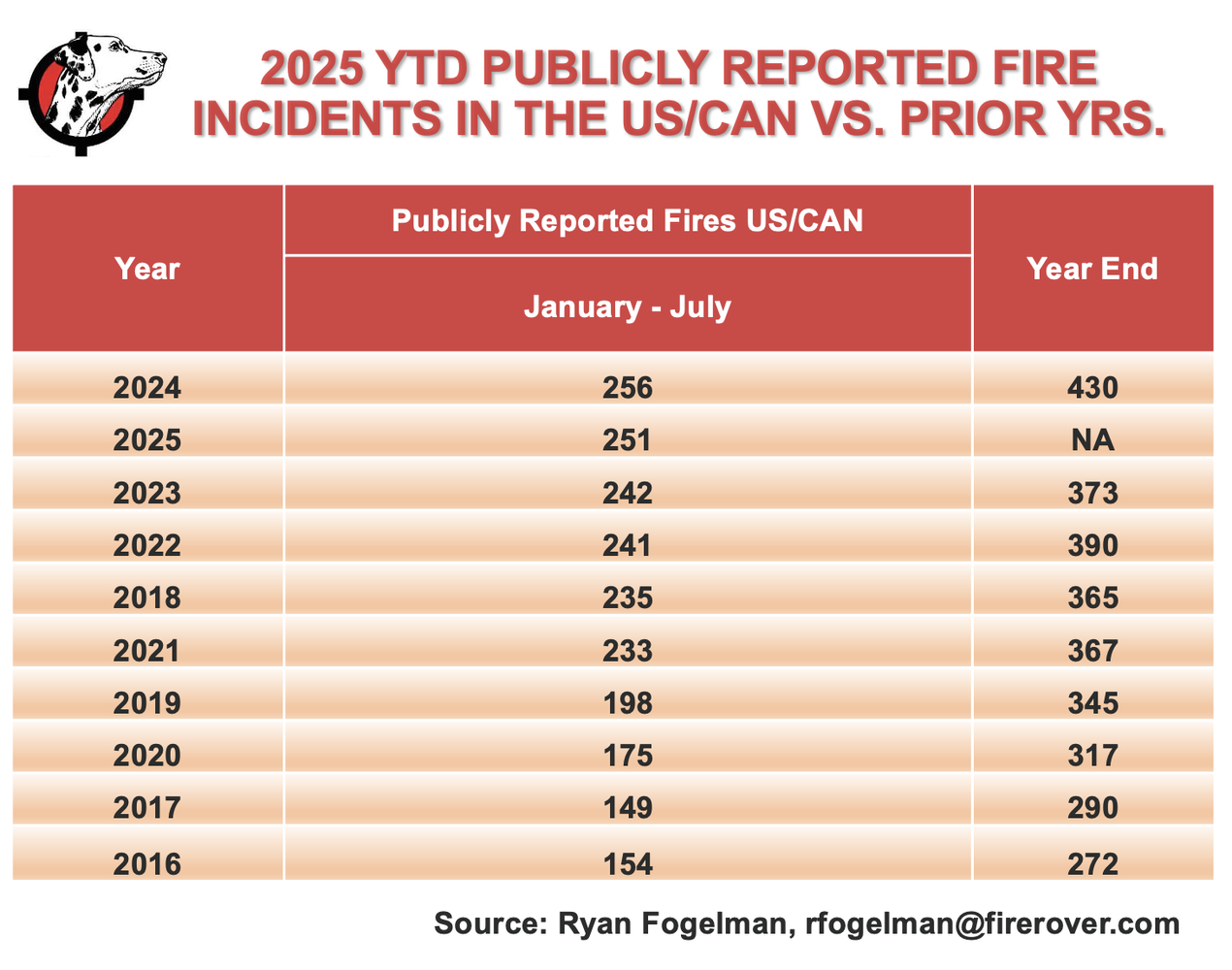
When comparing the first seven months of 2025 to the same period over the past nine years, only 2024 saw more waste and recycling facility fires. Last year’s total was only five incidents above where we are today.
To put this into perspective, at Fire Rover, we’ve already suppressed more fires in 2025 than in any previous year. We’re currently on pace to suppress more than 400 incidents at client facilities across the globe in 2025, up from 268 in 2024.
As we progress further into the second half of the year, I’m excited to finally share our midyear performance dashboard. However, it’s important to note we observed an 18.5% increase in reported fire incidents at facilities not protected by Fire Rover.
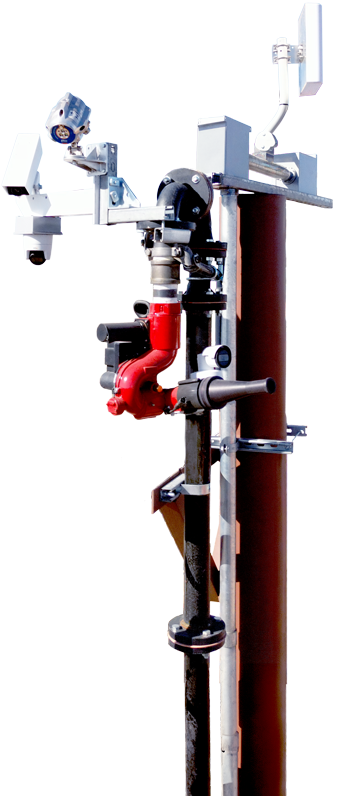
Continuous Suppression System
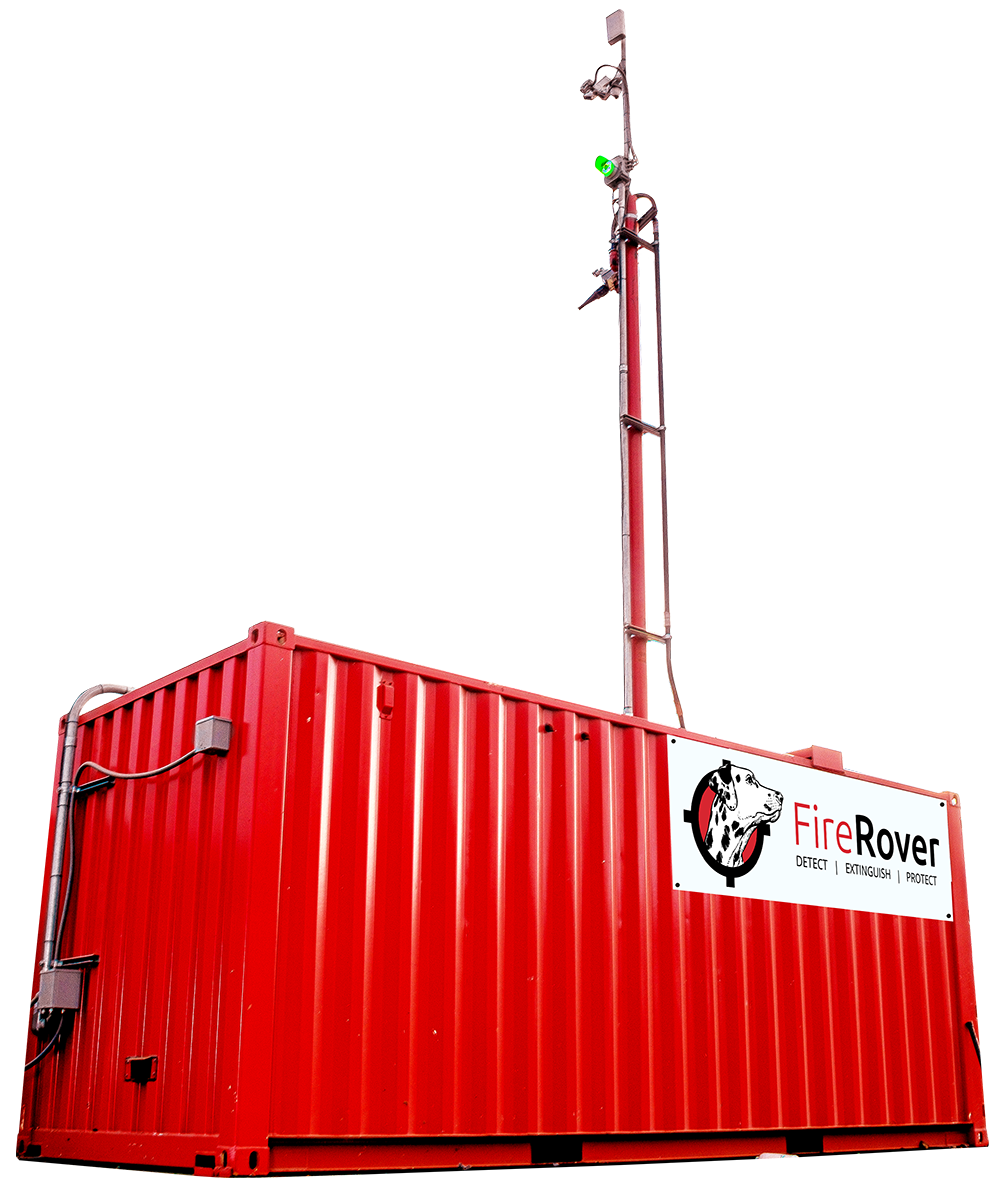
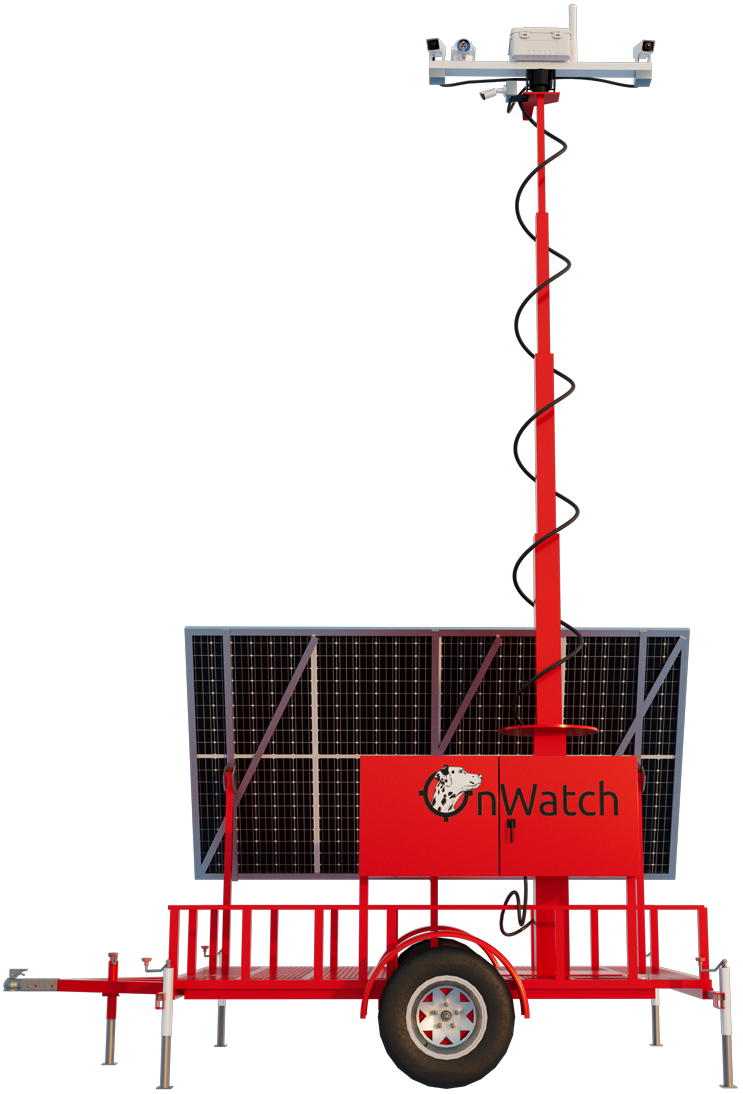
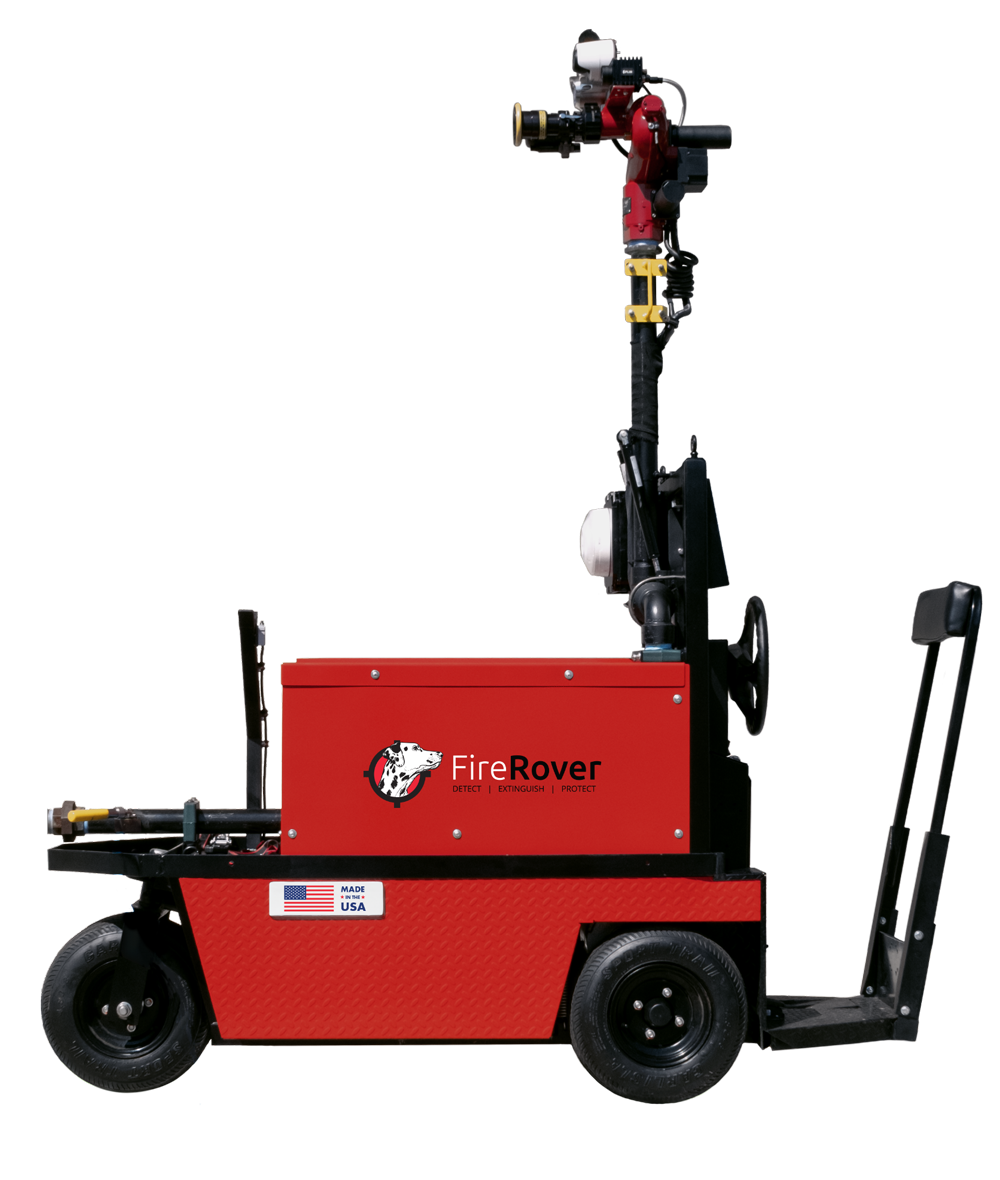
Eliminate threats before they spread. Our Continuous Suppression System provides nonstop, targeted suppression to keep fires from gaining ground and operations running safely.
Midyear Fire Rover Performance Dashboard
When we officially launched Fire Rover 10 years ago, we didn’t know much. Brad Gladstone, Pete Marry and Jeremy Dusing created the first units without knowing how and if they would work in the field. That’s not unusual in an entrepreneurial journey, but hindsight is always 20/20.
Check out the first incident video I uploaded to our Fire Rover YouTube channel in April 2016. At the time, our solution was specifically focused on protecting scrap metal operators from the threat of fires in their automotive shredder residue piles, and we used our remote, human-operated solution to stop fires, in their tracks.
Fortunately, our solution not only worked, but it turned out to be a nearly perfect solution for protecting scrap metal operations as well as other high-touch, active sites across the waste, recycling, hazardous material, rubber and battery recycling industries.The road to trying to perfect that solution wasn’t easy. During the first five years, we worked closely with our clients to expand our capabilities, refine our solution and ensure the layers of protection our solution provides is second to none.
By 2020, we were on track to protect a significant number of operators in the U.S. and Canada and had successfully brought our solution overseas to France and Australia. Today, we’re continuing to grow into new global markets at a rapid pace. We currently protect nine of the top 10 waste and recycling companies in the U.S. and Canada and are working to implement our solution in operations worldwide.
Additionally, we followed through on our commitment to achieve full FM Approvals certification. In March 2025, Fire Rover officially became a “listed” solution under six separate FM standards. While this is a major milestone, it’s not the finish line—it’s a starting point.
What Does the Performance Dashboard Show?
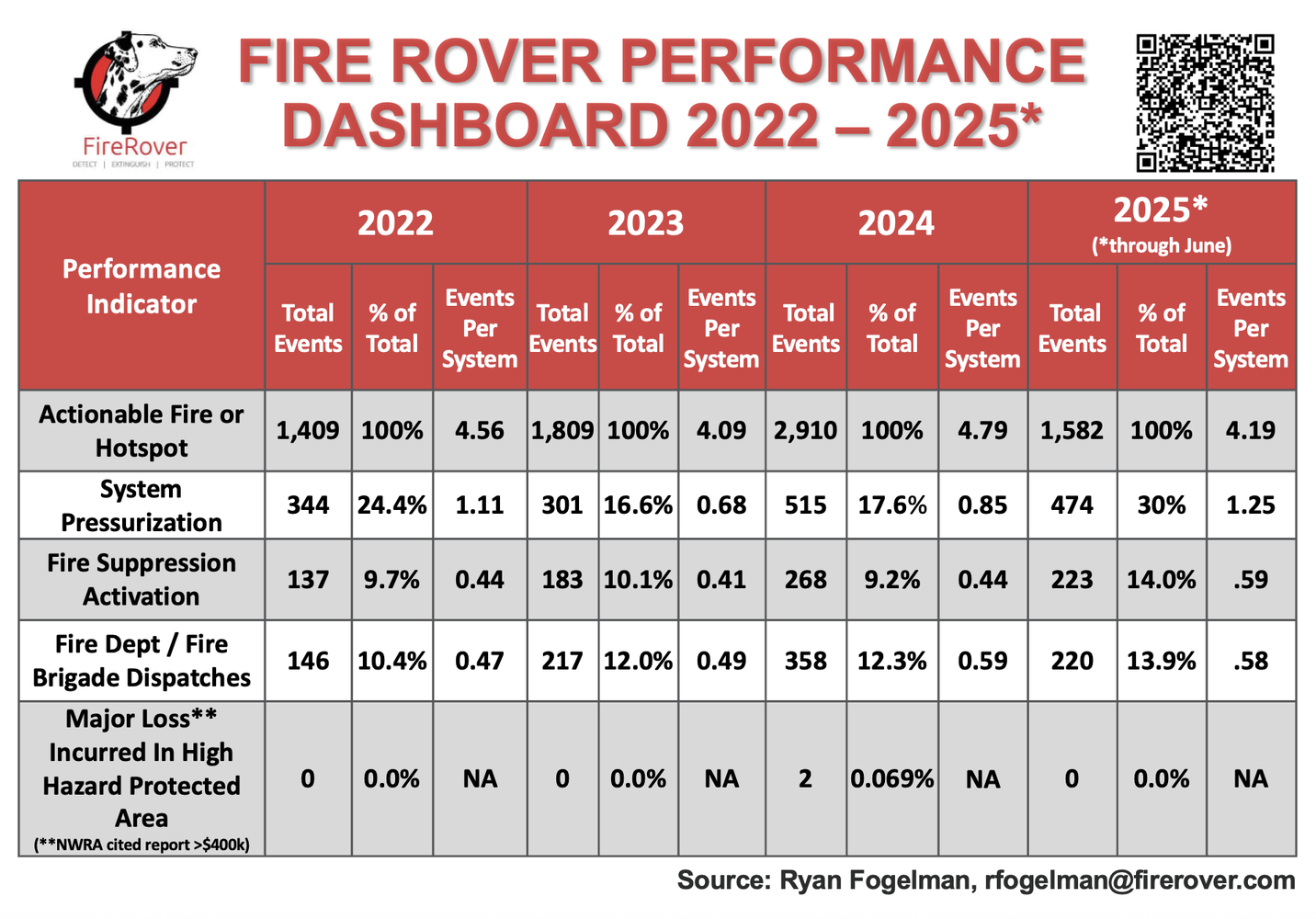
Our solution mitigates the risk of an operator incurring a major or catastrophic loss by more than 99%. We currently protect more than 850 operations globally, and we’re witnessing 1.25 events per system, which is the highest number since we began publishing our Fire Rover Performance Dashboard four years ago.
We are now suppressing more events than ever as our clients get more comfortable with our solution tackling problems on the frontlines. With our solution in place, our clients’ teams can take a less aggressive, safer approach to fighting fires. In fact, when our clients’ employees stay out of harm’s way and let us take the lead, fewer incidents rise to the level of needing a response from a local fire department.
How Often Has the System Been Overpowered?
Over the last 12 months, our system has not been overpowered, and while any fire protection solution can be overpowered, it’s worth noting that in the past 10 years, we’ve only seen two overpowering losses. Both incidents were under extreme conditions involving accelerants and explosive materials, which can be found in our high-hazard occupancies. In my opinion, no fire protection solution currently available on the market could have stopped those losses due to the circumstances of the incidents and the number of accelerants and explosive materials involved.
Talk Fire Risk With Ryan
Ryan tracks fire incidents nationwide and helps facilities reduce risk with smarter detection and suppression strategies. Connect with him to get expert guidance tailored to your operation.
How Does Fire Rover Mitigate the Risk of Waste and Recycling Facility Fires?
At Fire Rover, we take fire protection and prevention seriously. We aren’t just a fire protection solution; we’re a risk mitigation solution.
Many of our clients self-insure their first layer of personal protective equipment (PPE). Their investment in our solution gives them peace of mind that their PPE is protected at a cost that’s a fraction of premiums they would pay for a comparable insurance policy.
This level of protection hasn’t gone unnoticed by insurers, and many now offer prescriptive discounts to most of our customers based on the risk mitigation an investment in our solution provides. To be clear, we are not an insurance provider, but we do mitigate the risk of a major or catastrophic loss by more than 99%, a proven and supported claim consistently highlighted in our Fire Rover Performance Dashboards.
To the Next 10 Years
Changing how the world fights fires is no easy task, but it’s the mission I committed to on that fateful day in August 2015, when my childhood friend, Brad Gladstone, and I shook hands and agreed to work together to bring his solution to market.
Sadly, Gladstone passed away in 2019. For those of you who didn’t know him, he was a larger-than-life character who made an indelible mark on the people he trusted. With a security background, he was a protector who would do anything to ensure the people he loved were shielded from the evil of the world.
When he developed the Fire Rover solution with Pete Marry and Jeremy Dusing, I don’t think he realized just how far his vision would go. Today, the Fire Rover team works hard to continue making his vision a reality by offering top-notch solutions utilized by various industries. These solutions protect the lives of thousands and help ensure our clients can safely and efficiently run their operations daily.
To the next 10 years!
Stay Ahead of the Next Summertime Spike
Record months like July 2025 show that waste and recycling facility fires can start at any hour and in any season. What decides the outcome is how quickly a hot spot is found, verified and suppressed before it grows.
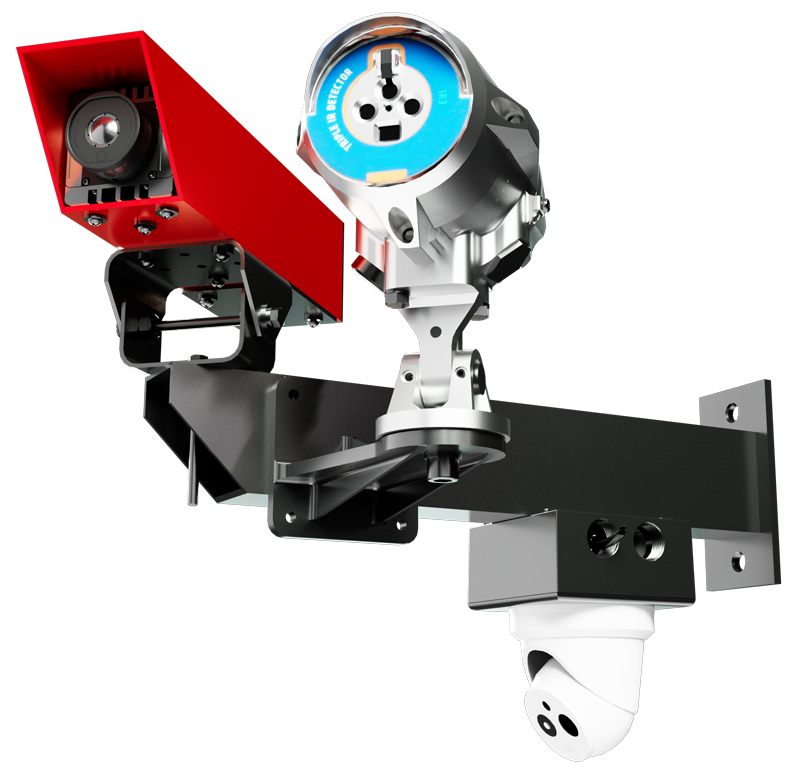
Fire Rover’s Continuous Suppression System detects, verifies and suppresses fires in seconds, so site teams can stay out of harm’s way while the threat is contained.Contact our team to see how it can fit your facility’s layout and material streams.
Related Articles
Leading Fire Protection Solutions for Private Aircraft Hangars
The Anatomy of an Electronics Recycling Fire