



Originally published in Waste360, April 2025. Incident figures reflect data available at the time of publication. For current monthly data, see the latest fire report in the resource center.
As published in Waste360, where it was the #1 article of the week.
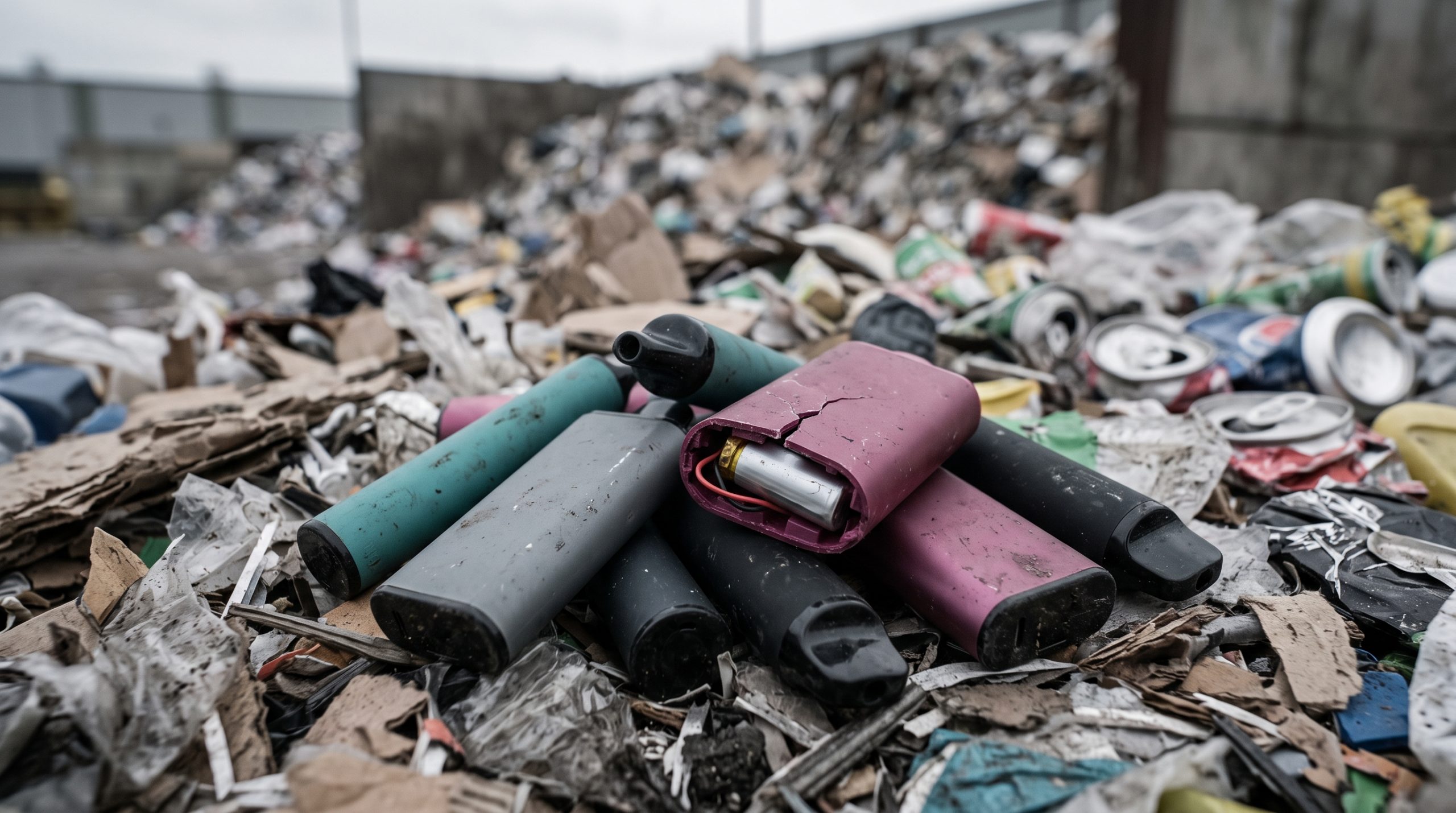
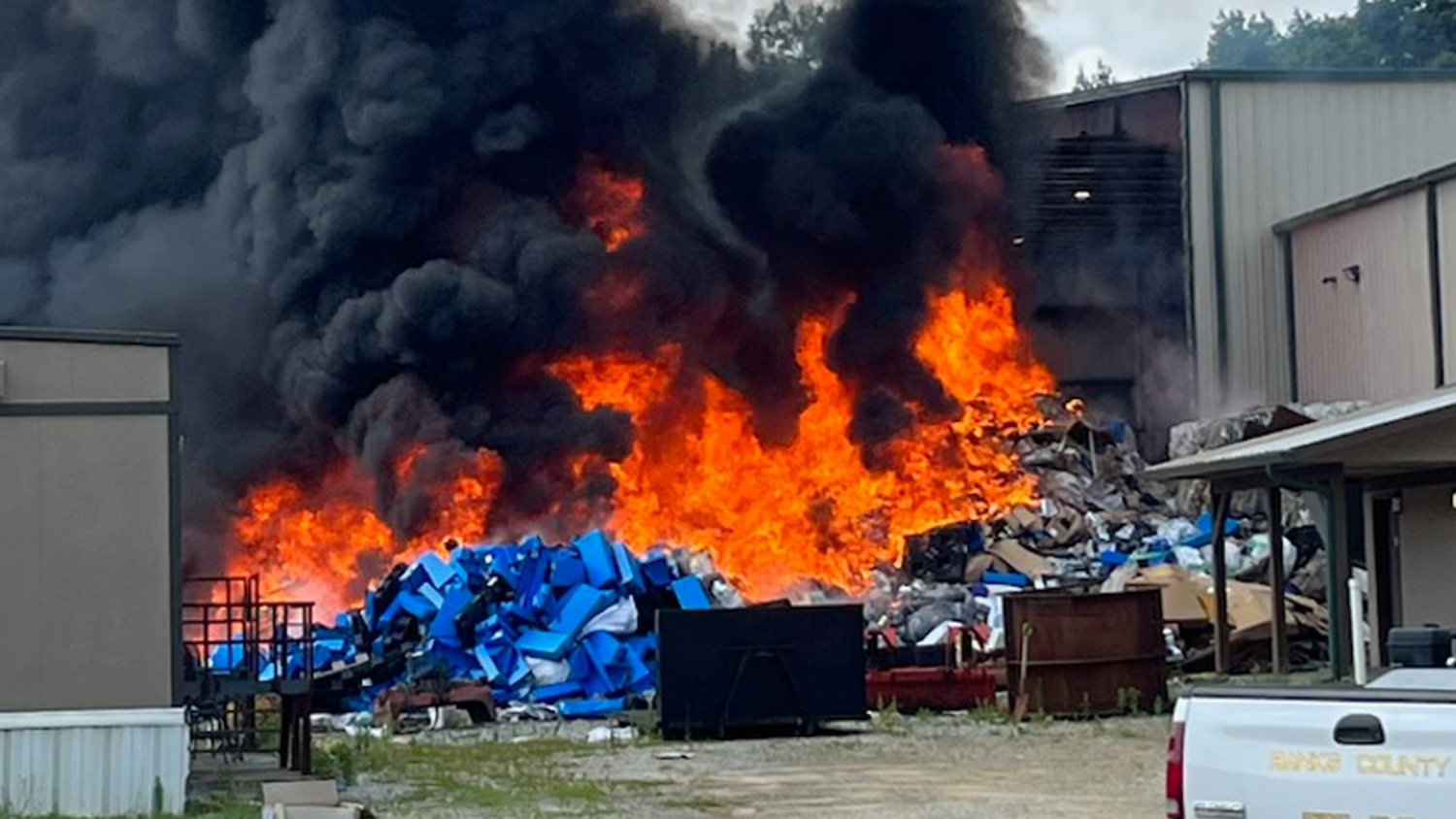
Every major or catastrophic fire in our industry makes it harder for responsible operators to convince insurers these fire risks can be effectively mitigated. With the continued uptick in improperly disposed batteries in our waste and recycling streams, as well as the lack of convenient drop-off locations for devices like vapes, the problem of waste and recycling facility fires is unfortunately not going away anytime soon.
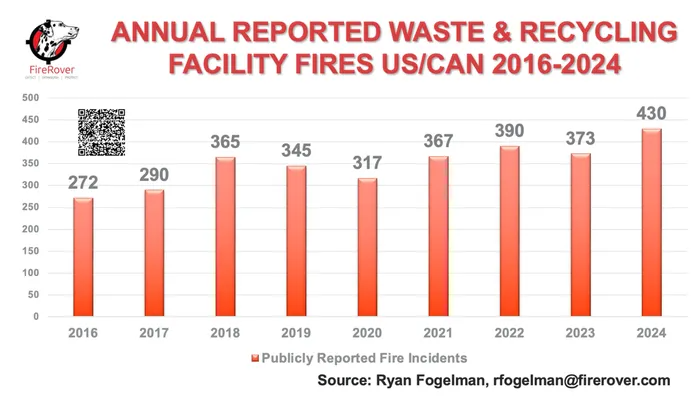
The 8th Annual Waste and Recycling Facility Fires Report Is Out
I feel like a weight has been lifted off my shoulders. You know that feeling when you finally finish a big project or your yearly taxes? That is how I felt after completing and releasing the “8th Annual Reported Waste & Recycling Facility Fires in the US & Canada” report on March 11. I presented my findings during a webinar moderated by Kirk Sander, chief of safety and standards at the National Waste & Recycling Association (NWRA), which you can watch below.
If you are a regular reader of mine, you may have noticed I have not published my monthly data for the last three months. However, in this month’s column, I have compiled three months of data for you to review.
Q1 2025 Fire Data: A Record Start to the Year
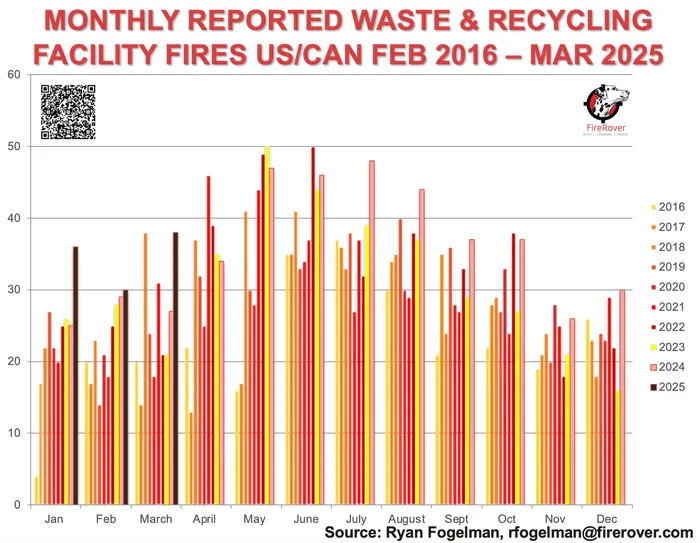
Unfortunately, the first three months of the new year have not started as I had hoped. In January, we experienced 36 reported fire incidents, the highest number since I began reporting these fires in 2016. This number far outpaced the 27 we experienced in 2019 and nearly doubled the January average of 20. February followed this upward trend with a record-breaking high of 30 incidents, and March tied the highest monthly number on record with 38.
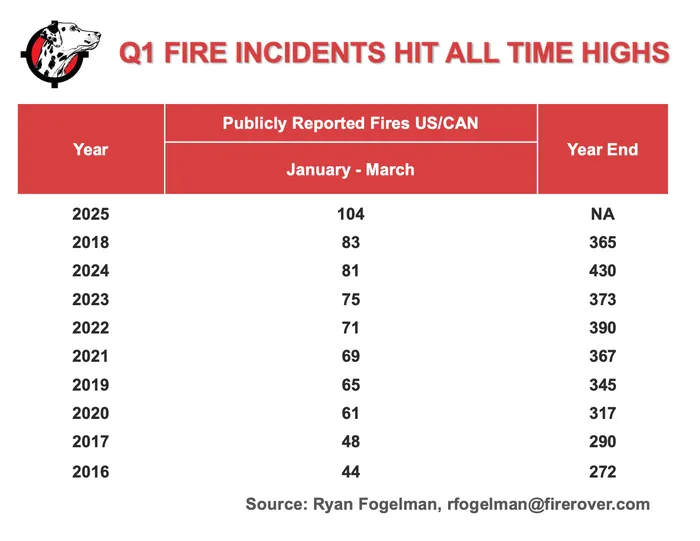
In Q1 2025, we encountered 104 fires, 59 of which occurred in waste, paper and plastic operations, 32 in metal recycling operations, four in organics operations, three in both rubber and electronic recycling facilities, two in construction and demolition recycling facilities and one in a hazardous material operation. Twenty-three of these events were considered catastrophic or incurred more than $400,000 worth of damages per NWRA’s definition. At Fire Rover, we successfully responded to over 1000 incidents, successfully suppressing over 100 fire incidents for the first time in a three month period at our clients’ facilities.
How the Industry Came to Take Facility Fires Seriously
When I first began learning about the fire incident problem in our nation’s waste and recycling facilities, it took years to get the industry to really pay attention to this serious issue. In those early years of tracking data, I used to hear comments like, “We have been successfully handling fires on our tipping floors for years,” or “Ryan is just trying to take advantage by selling his Fire Rover system when standard operating procedures are sufficient.” Then came the lithium-ion battery wave in 2018. That was the moment the problem could no longer be ignored, as fires inundated the waste and recycling industry and became more frequent, dangerous and expensive.
Early adopters of the Fire Rover system invested in us and helped us prove our system’s effectiveness. Our remote agents operate on the frontlines, working alongside our clients and fire professionals with a shared mission: to prevent “major” fires. From my frontline position at Fire Rover, I have witnessed firsthand how these batteries can explode and wreak havoc on tipping floors, in scrap metal piles, during testing environments or any time they ignite.
Why Sound the Alarm Again?
Our Fire Rover solution is currently installed in an estimated 7% of materials recovery facilities (MRFs), metal operations, hazmat operations, e-waste recycling facilities and transfer stations in the U.S. and Canada. Over the past 10 years, we have successfully done our job mitigating the risk of major losses to days before the first battery hit our tip floors.
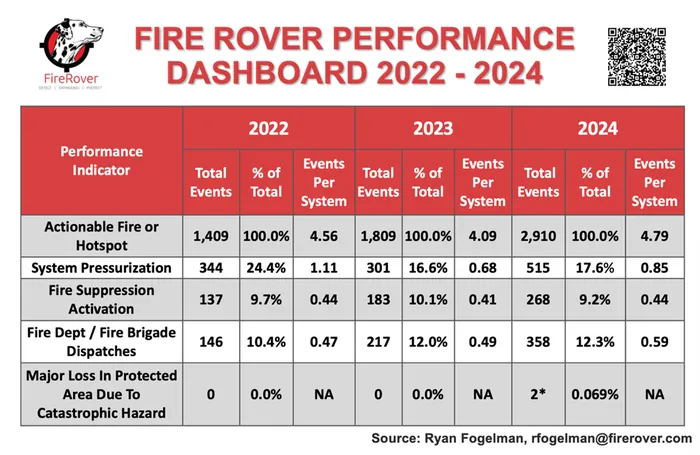
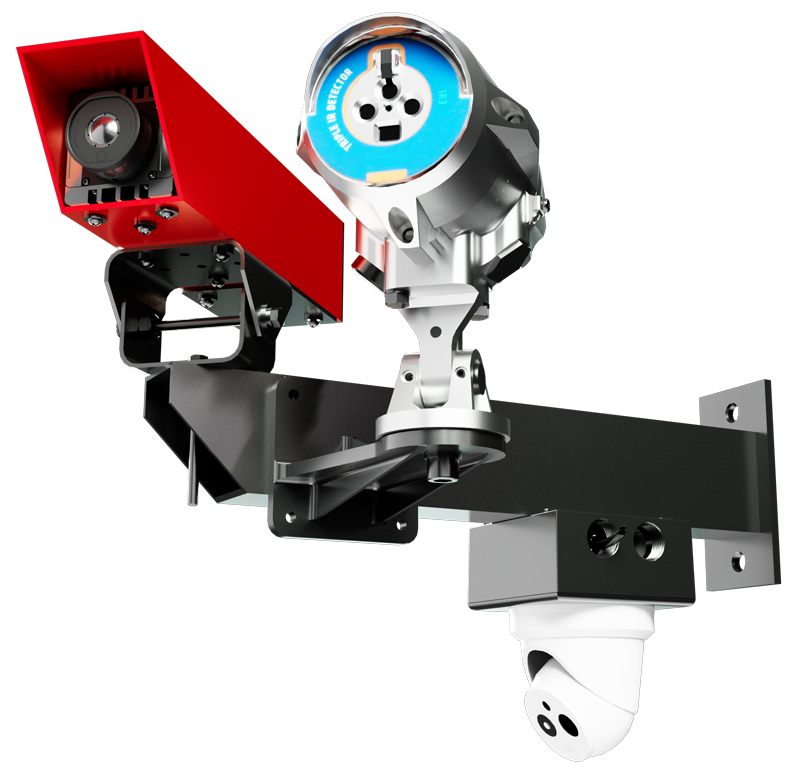
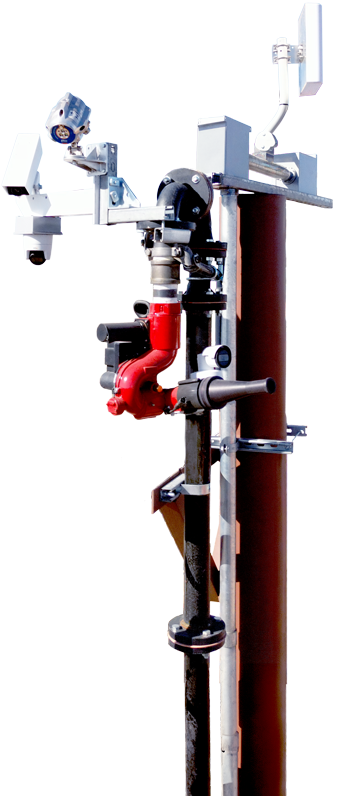
Over the past decade, our patented Fire Rover solution, including our FM Approved Continuous Suppression System, has proven itself again and again, not just in the U.S. and Canada but also in Australia, the UK and France. Through our wide range of solutions, we have been able to help clients prevent and mitigate fires caused by traditional hazards like accelerants, chemicals, hot loads and pressurized tanks as well as growing hazards like lithium-ion batteries.
In addition to our solution, our clients have implemented operational best practices, procedures and training and invested in additional fire prevention equipment to protect their employees and operations.
Case in Point: Interstate Waste Services
One of these clients is Interstate Waste Services, Inc. (IWS), which installed our Fire Rover solution at its MRF in the Bronx, New York. Sal Mastriani, vice president of risk management at IWS, has believed in our solution from the beginning and continued to work with us to protect most of IWS’s operations. In fact, Mastriani leveraged his investment in our solution, along with IWS’s strong operational performance, to prove to insurers that the company is committed to mitigating fire risks.
What Do Waste and Recycling Facility Fires Mean for Your Insurance?
So, why the urgency? Because every major or catastrophic fire in our industry makes it harder for responsible operators to convince insurers these fire risks can be effectively mitigated. With the continued uptick in improperly disposed batteries in our waste and recycling streams, as well as the lack of convenient drop-off locations for devices like vapes, this problem is unfortunately not going away anytime soon. Whether you are self-insured or have an insurance carrier, investing in your operations, training, and investing in new technology will have a positive effect on your premiums.
Putting an extremely conservative estimate on our 750+ clients, we are mitigating the risk of PPE (property, plant and equipment) for over $15 billion of their assets. The risks are only compounding and no one at our company will ever say “this is easy,” but based on our performance, we can help you get control over the endless increases you are seeing annually. If your broker is saying anything different, sorry to have to say this, but you need a new broker.
Ryan tracks fire incidents nationwide and helps facilities reduce risk with smarter detection and suppression strategies. Connect with him to get expert guidance tailored to your operation.Talk Fire Risk With Ryan
A Top-Down Approach to Fire Preparedness
Every day, I wake up with one goal: to help the industry prepare for and respond to fires via a top-down approach. This strategy has helped our clients secure favorable programs from insurers and reinsurers, build strong relationships with local government and environmental entities, provide insight and safety protocols to fire professionals and educate consumers and businesses on proper disposal practices to stop fires before they start.
With Fire Rover, we are ushering in a new era of targeted fire suppression with minimal negative impacts on the environment, human health and operations. Gone are the days of massive deluges drowning everything in their path, thanks to Fire Rover’s efficient and effective firefighting strategies and remote-operated solutions.
By harnessing advanced technologies, Fire Rover empowers facility managers by helping them get back to work sooner, with minimal downtime and minimized collateral damage. This means we are not only preventing the destruction of our waste management infrastructure but also mitigating the potentially devastating consequences of these massive fires on the environment.
Where Fire Rover Systems Are Deployed
Fire Rover’s systems are most commonly found in MRFs, but they also are utilized in waste processing facilities, scrap metal operations, lithium-ion battery operations, construction and demolition (C&D) debris recycling facilities and waste transfer stations. These systems are increasingly being installed at composting facilities, battery storage facilities, landfills, construction sites, demolition sites and other operations as more flexible solutions are developed.
New Mobile Solutions for Hot Work
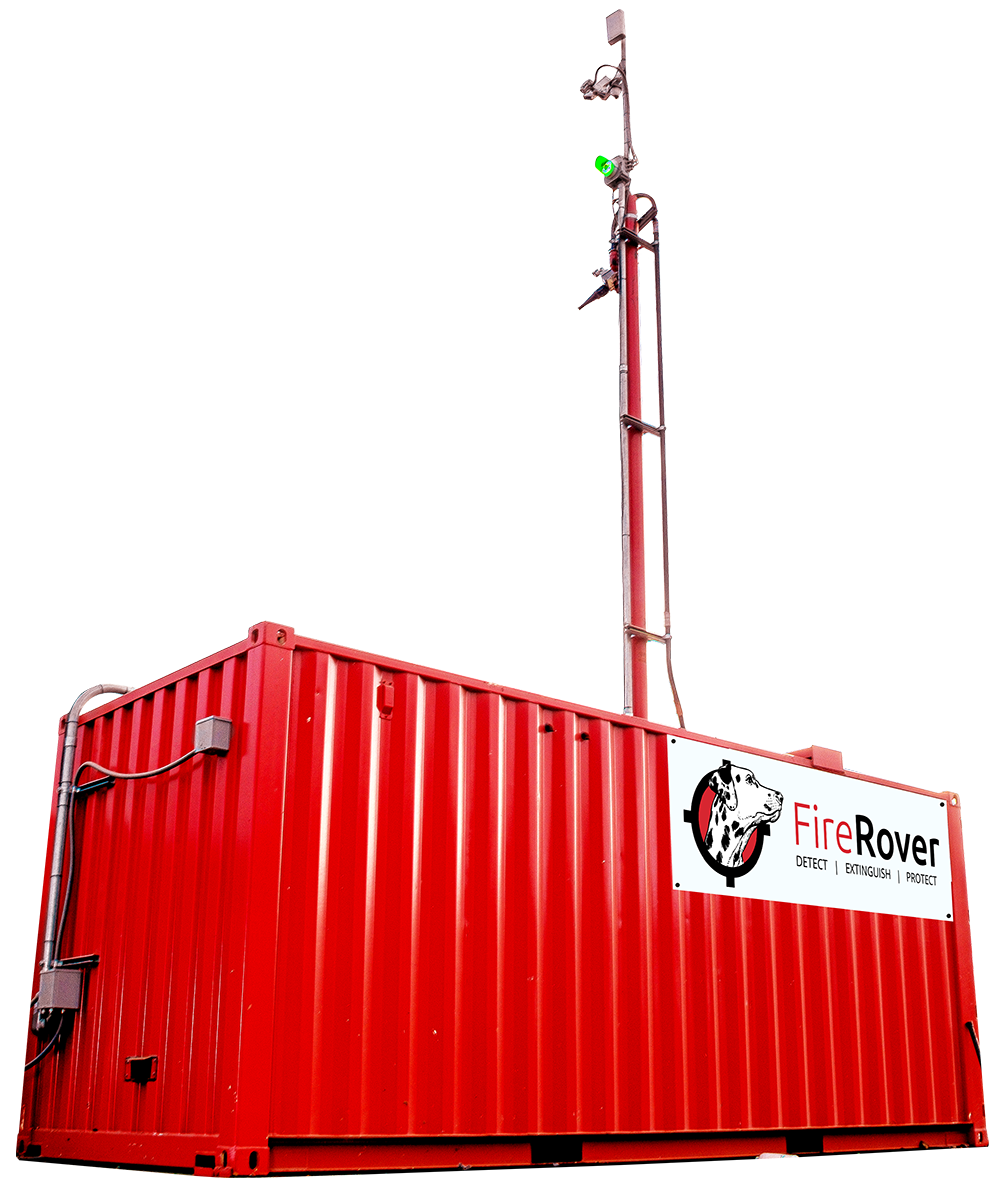
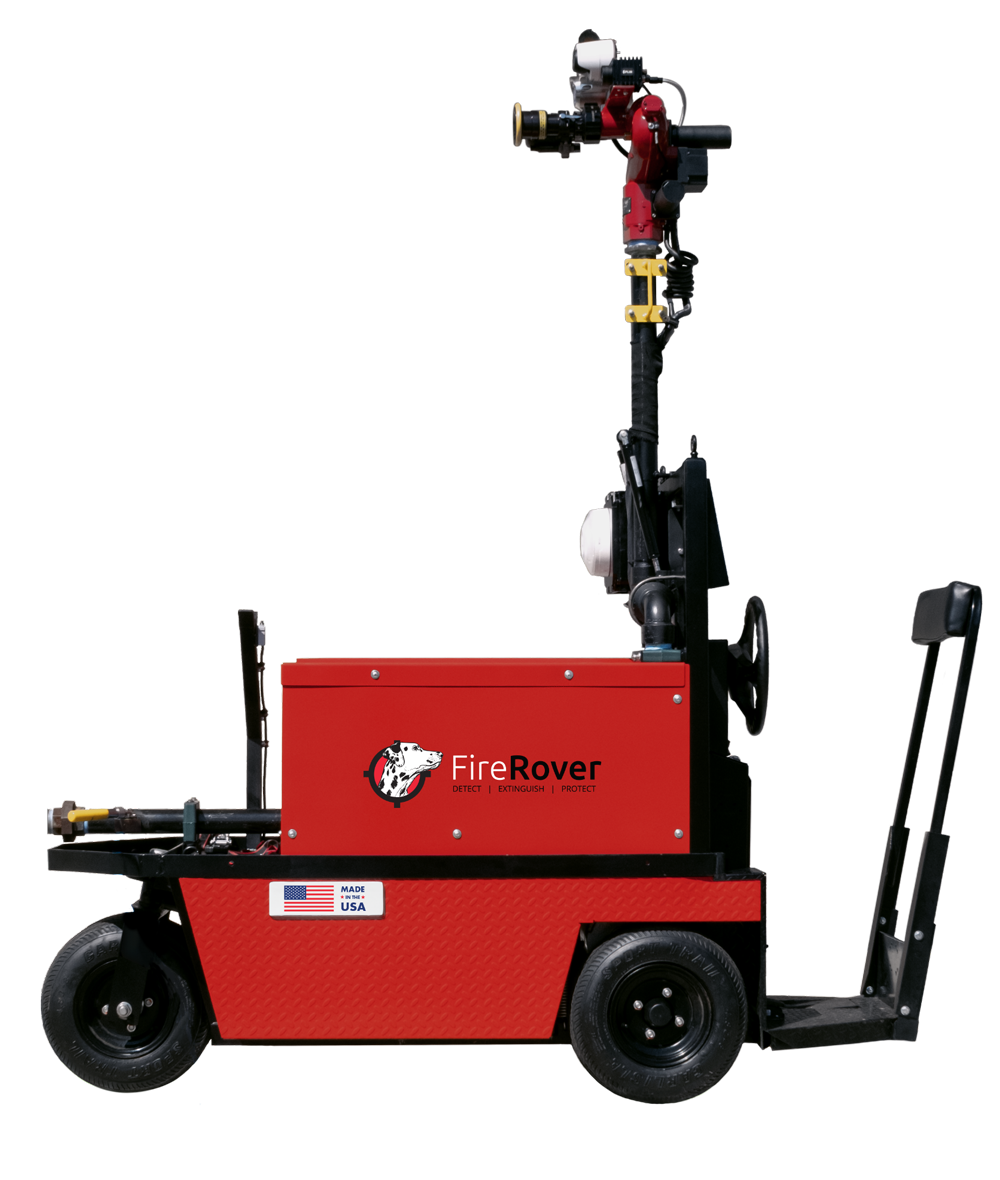
This year also was exciting as we launched our new line of mobile solutions, which includes our Mobile Suppression Unit (aka The Hotwork Robot) that supports on-site fire watch with our remote agents who can respond to a fire with suppressant when an unwanted fire starts.
Get Ahead of Waste and Recycling Facility Fires Before the Next Renewal
Every reported fire in the industry raises the bar for what underwriters expect operators to show. The facilities holding their premiums steady are the ones that can point to documented detection, verified response and a track record of small fires that stayed small.
Fire Rover’s Continuous Suppression System detects, verifies and suppresses fires at MRFs, transfer stations and scrap operations within seconds, without flooding the building or putting employees in front of the fire. Contact our team to see how a documented suppression program can support your next conversation with your insurer.
Related Articles
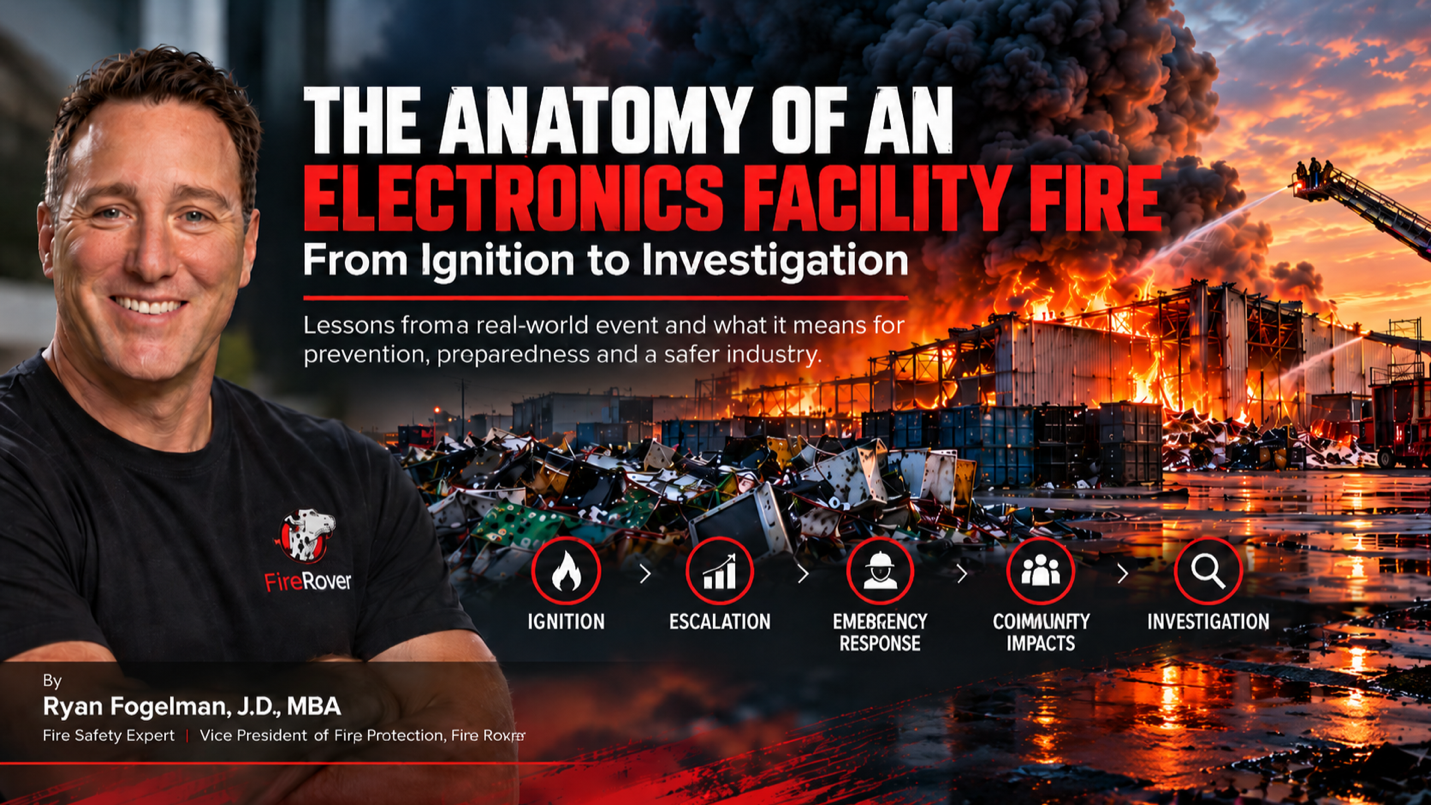
The Anatomy of an Electronics Recycling Fire
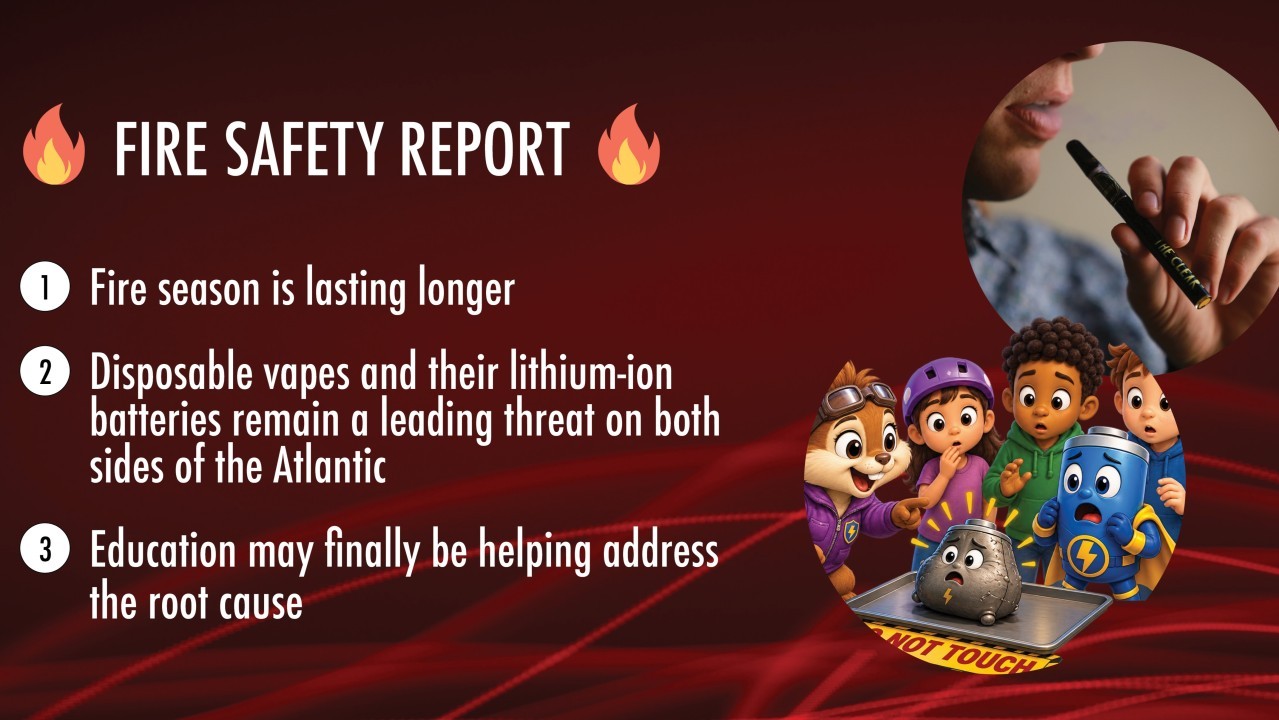
September 2026 Fire Report: The Extended Summertime Spike, the Vape Effect and a First Sign of Progress