




When the workday ends, fire risk doesn’t disappear. Even after production stops and employees leave for the day, energized equipment, charging batteries, residual heat, and combustible materials can still create fire hazards. Without employees walking the floor or performing routine visual checks, even a small fire can grow unnoticed for critical minutes, or even hours.
That makes after-hours fire safety different from fire protection during normal business operations. It’s not simply about preventing fires from starting. It’s about reducing the amount of time between ignition and response. The sooner a developing fire is detected, verified, and addressed, the greater the opportunity to minimize damage, protect valuable assets, and keep operations running. Understanding the unique risks that exist after hours is the first step toward building a stronger fire protection strategy.
For facilities that operate around the clock, or those that sit vacant overnight, the hours between the end of one shift and the beginning of the next can represent the longest period without direct human oversight. Building a comprehensive after-hours fire safety strategy helps ensure that fire protection continues even when employees are no longer there.
“This place catching on fire is what keeps me up at night” – Jeff Snyder, Rumpke Waste & Recycling
Why Fires Don’t Stop When the Workday Ends
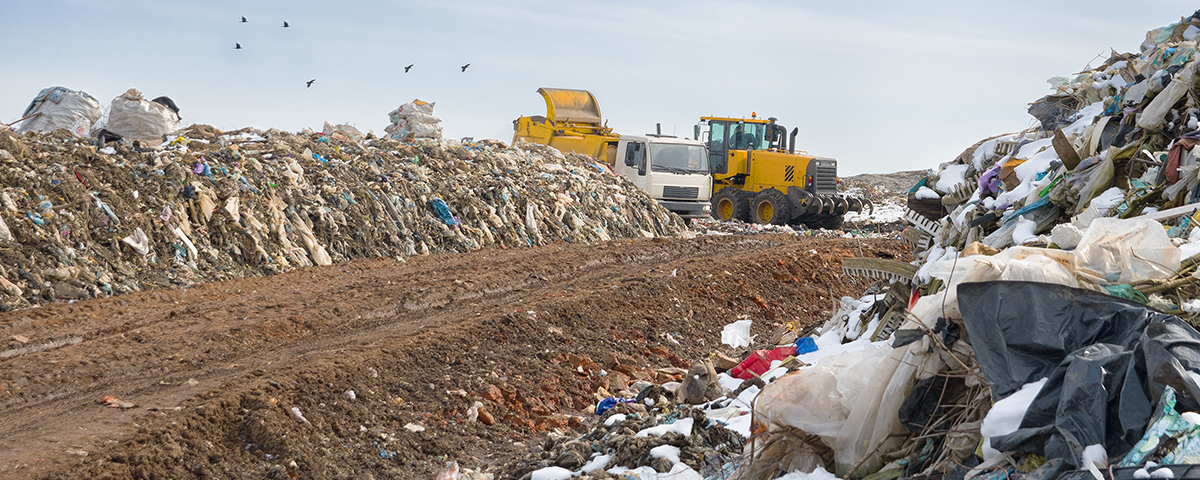
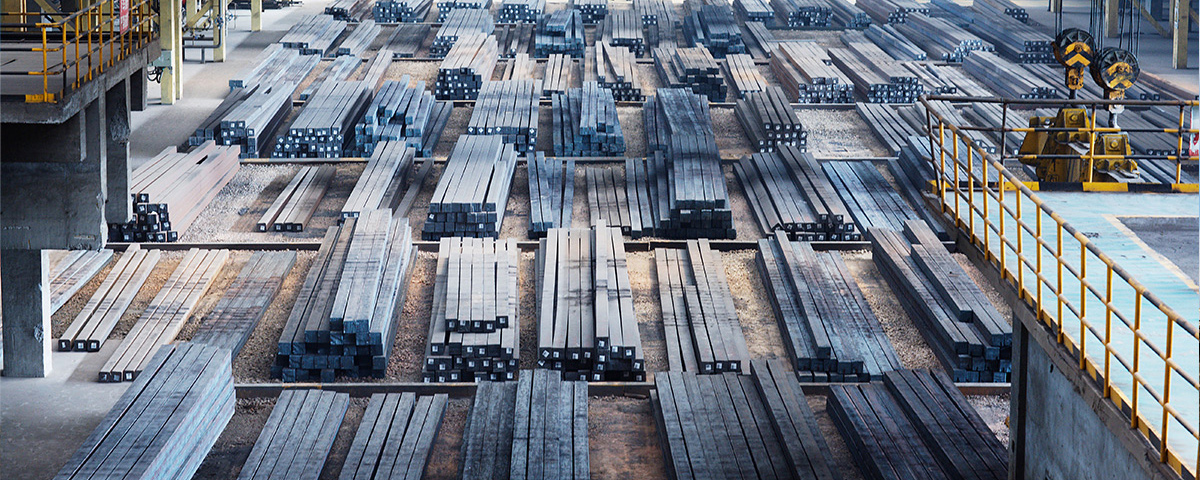
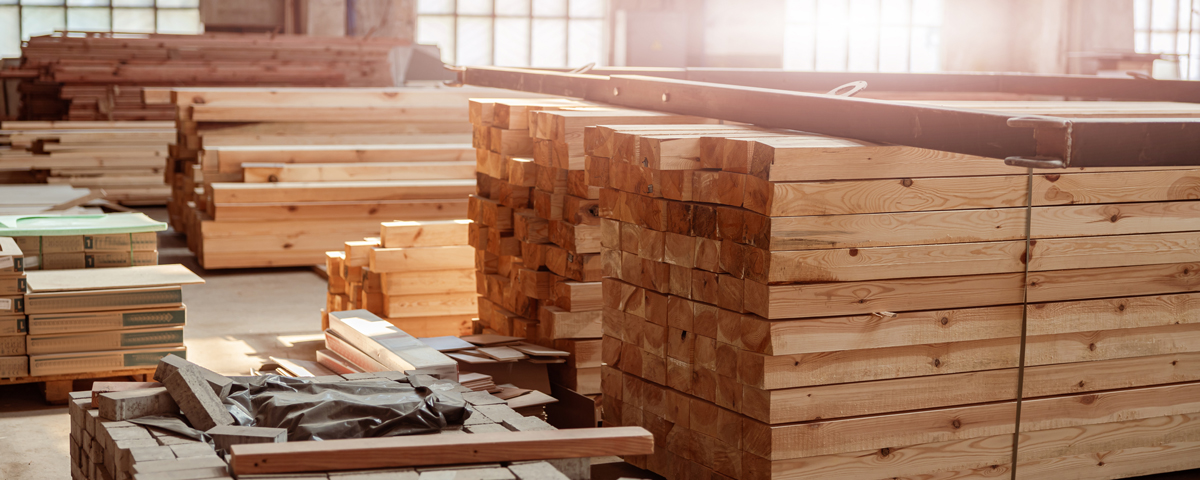
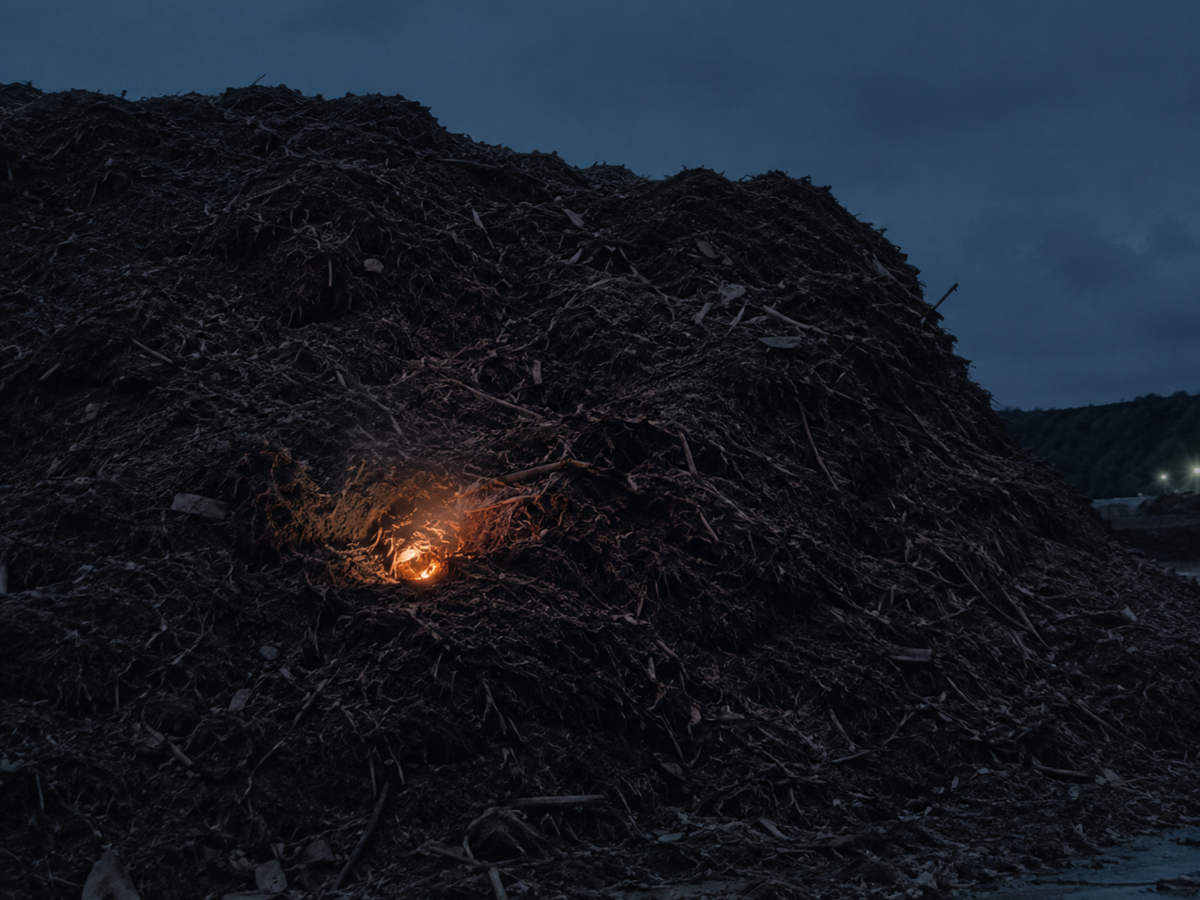
Many industrial processes continue creating fire risk long after employees leave. Manufacturing equipment may still be cooling down, conveyors and motors may retain heat, lithium-ion batteries may continue charging overnight, and combustible materials remain susceptible to ignition. Outdoor stockpiles, wood chips, scrap materials, and other stored products don’t become less hazardous simply because the facility is closed.
Industrial environments are also dynamic. Heat can continue building inside equipment, electrical faults can develop without warning, and environmental conditions like wind, humidity, or temperature changes may influence how a fire behaves. In some cases, a fire can smolder for an extended period before visible flames appear, making it even more difficult to identify without continuous monitoring.
In many industries, overnight hours create conditions where fire hazards are more difficult to detect. Without employees nearby to notice smoke, unusual odors, or overheating equipment, an issue that might have been caught quickly during the day has more time to develop. By the time someone arrives the next morning, what started as a small ignition source may have become a much larger emergency.
What Makes After-Hours Fires More Dangerous?
The greatest challenge after hours isn’t necessarily that fires occur more often. It’s that they often go unnoticed for longer periods. During normal operating hours, employees serve as an additional layer of awareness. Someone may notice smoke, hear unusual equipment noises, or recognize that something doesn’t look right. Overnight, that layer of protection is no longer there.
Every minute between ignition and response gives a fire more opportunity to spread. Damage can extend beyond equipment to nearby inventory, structural components, production areas, and adjacent assets. In addition to property loss, facilities may face extended downtime, cleanup costs, interrupted production schedules, insurance claims, and reputational impacts. Reducing response time becomes one of the most effective ways to reduce overall fire risk.
This is particularly important in facilities where valuable equipment or inventory is stored in close proximity. A fire that begins in one area can quickly affect nearby materials or production assets, multiplying both the financial impact and the time required to recover. Early awareness allows organizations to respond while the incident is still manageable.
Common Causes of Overnight Industrial Fires
After-hours fires can originate from many of the same hazards present during daytime operations. Electrical failures remain a leading concern, particularly when equipment continues operating overnight or experiences faults after employees have left. Overheated motors, bearings, and mechanical equipment can also generate enough heat to ignite surrounding combustible materials.
Common overnight fire risks include:
-
- Electrical failures: Equipment that continues operating overnight can experience faults after employees have left.
- Overheated motors, bearings, or mechanical equipment: Heat buildup can ignite nearby combustible materials.
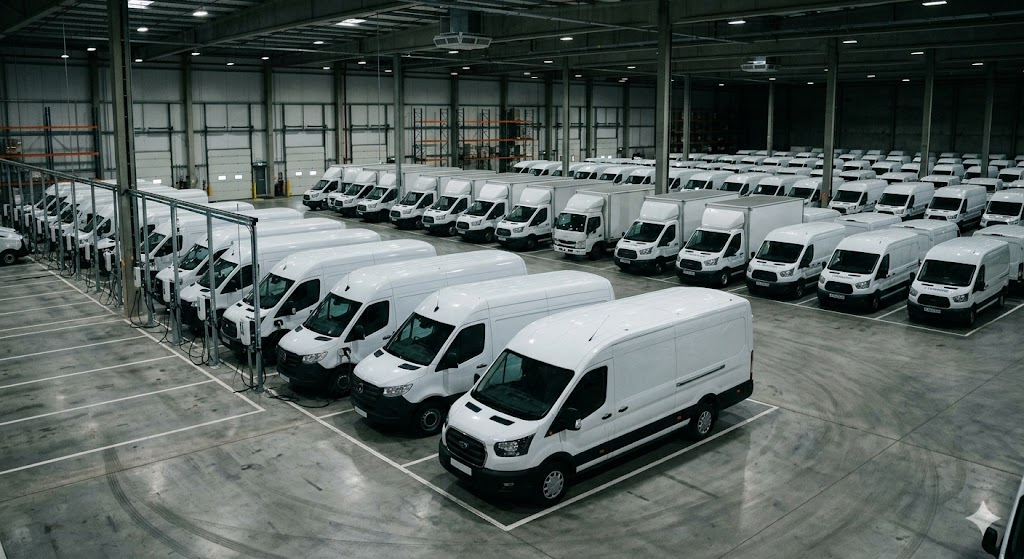
- Lithium-ion battery charging: Batteries left charging after hours can create fire risk if they overheat or fail.
- Spontaneous combustion: Certain stored materials can self-heat under the right conditions.
- Residual heat from hot work: Welding, cutting, or grinding work may leave behind heat sources that are not fully cooled.
- Combustible dust accumulation: Dust in wood processing, manufacturing, and other industrial environments can ignite if exposed to heat or sparks.
While each facility presents unique risks, many overnight fires share one characteristic: they begin small. A hotspot inside a material pile, an overheating bearing, or an electrical fault may initially affect only a limited area. Without detection, however, those early-stage events can escalate into fires that require extensive emergency response and significant recovery efforts.
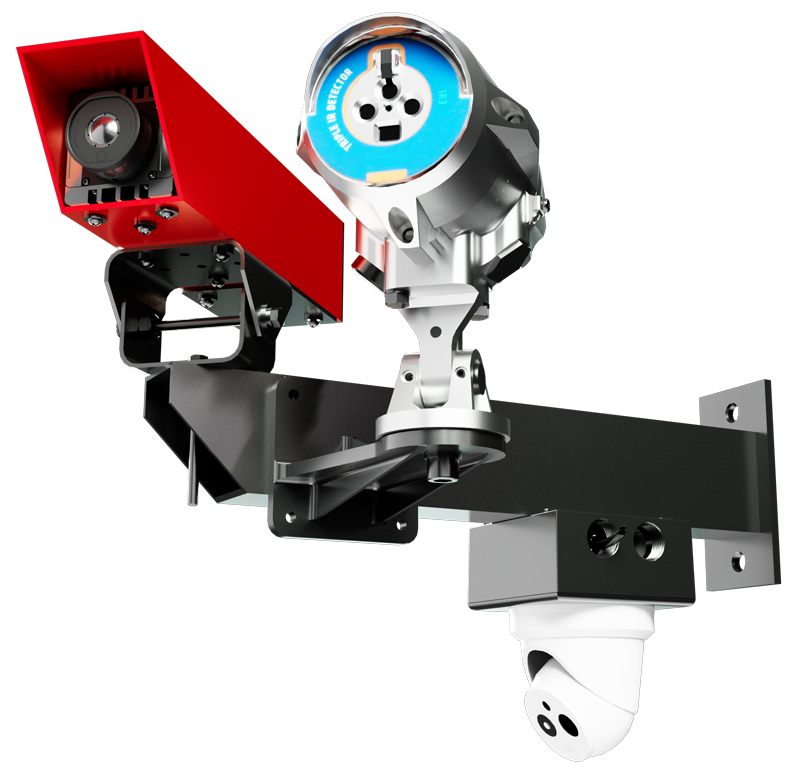
Early Detection System
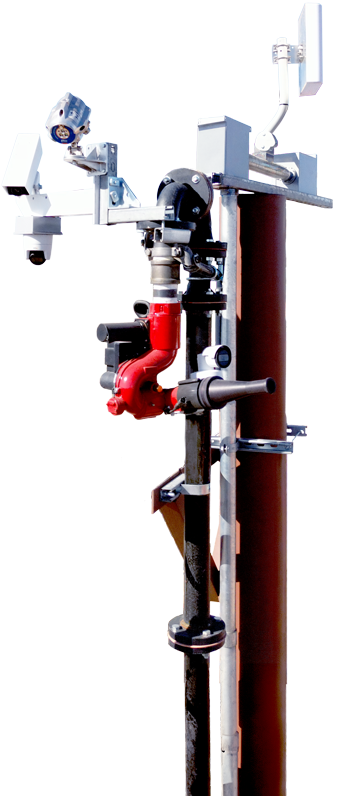
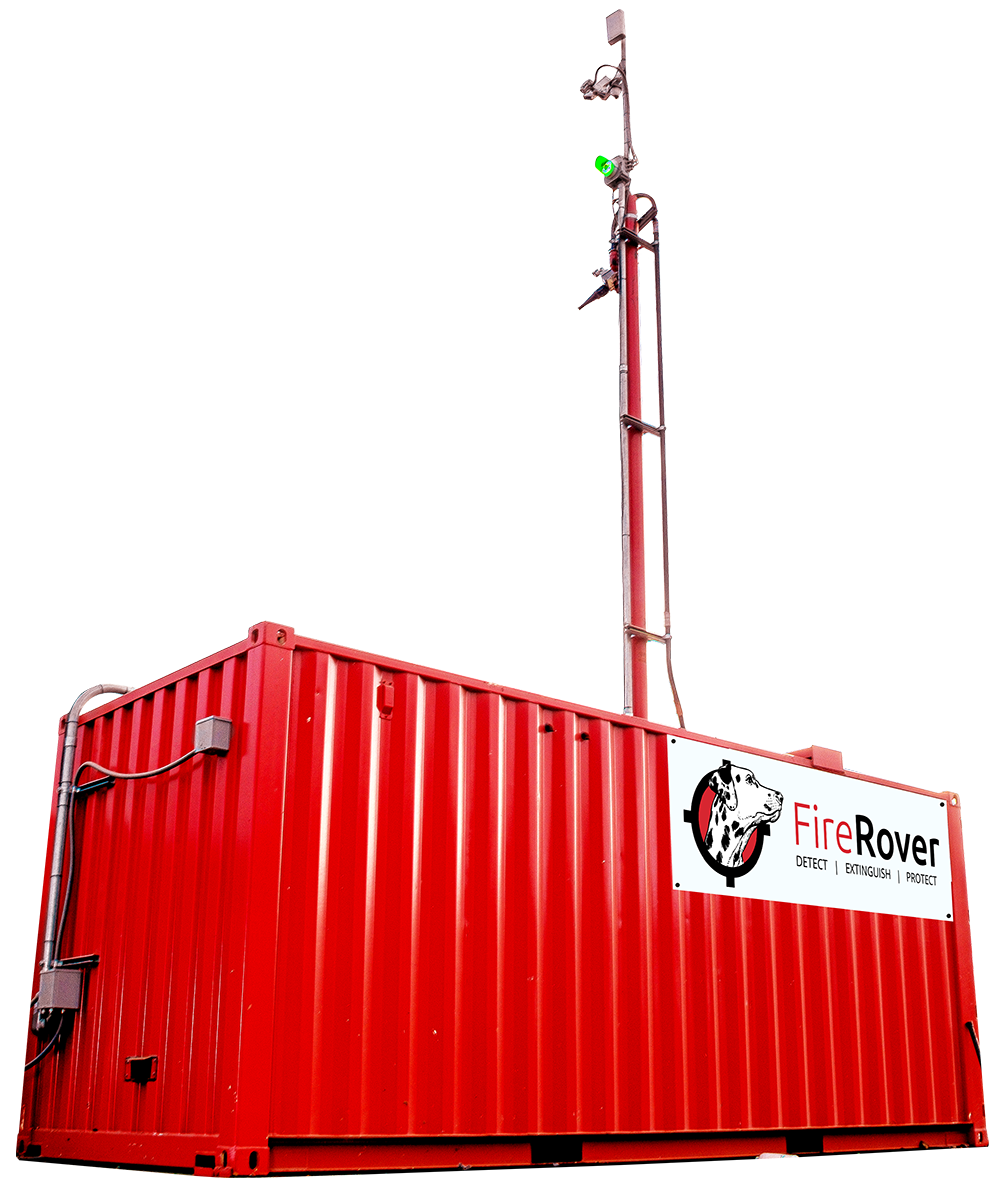
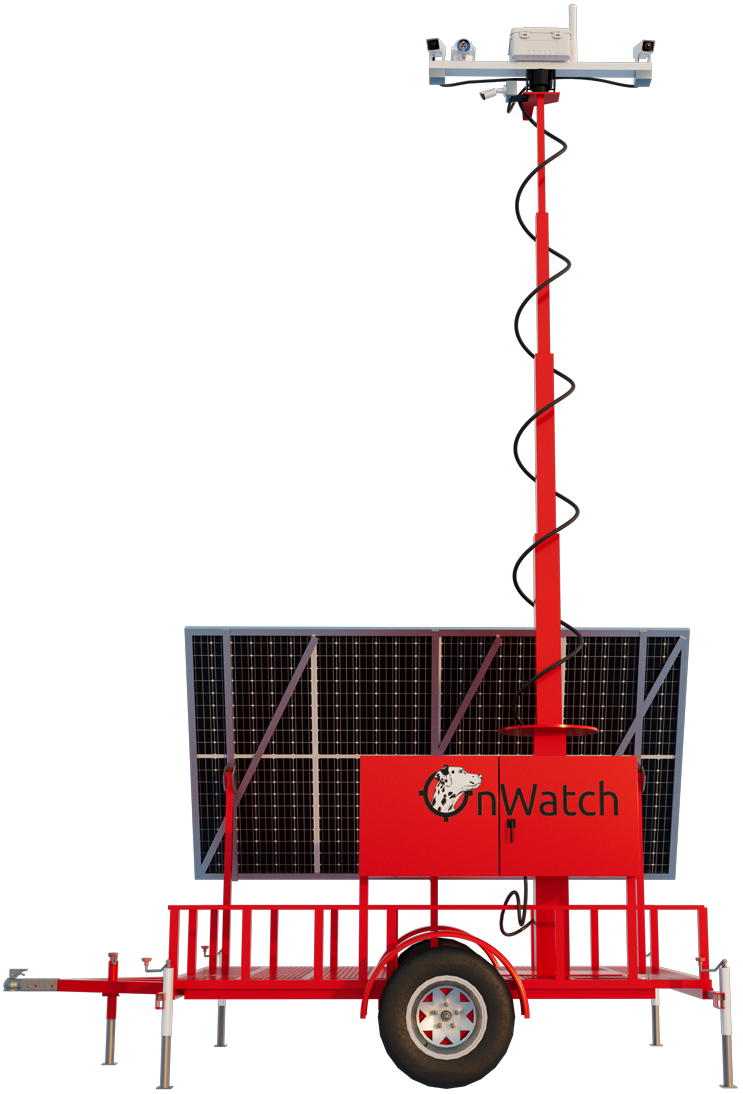
Don’t wait for smoke and flames. Fire Rover’s Early Detection System uses thermal cameras and human verification to spot fire threats instantly and dispatch emergency services quickly.
How Continuous Monitoring Helps Reduce Risk
Traditional fire protection systems often rely on smoke or heat reaching a detector before an alarm is triggered. Modern fire protection strategies take a more proactive approach by identifying developing hazards earlier in the fire lifecycle. Technologies such as thermal imaging, flame detection, and smoke analytics can help identify abnormal conditions before a fire has the opportunity to spread.
Continuous remote monitoring adds another layer of protection by ensuring alerts are reviewed in real time rather than waiting for personnel to arrive on site. Human verification helps distinguish genuine fire events from false alarms, allowing facilities to respond more confidently and efficiently. The result is faster awareness, better decision-making, and more time to limit damage.
Rather than relying solely on a notification after conditions have worsened, continuous monitoring provides facilities with earlier visibility into developing fire risks. That additional time can make the difference between addressing a localized incident and responding to a fire that has already spread throughout an operation.
Building an Effective After-Hours Fire Safety Strategy
Improving after-hours fire safety requires more than installing equipment. It begins with good operational practices, including end-of-day inspections, preventive maintenance, proper housekeeping, combustible dust management, and safe battery charging procedures. Addressing known hazards before employees leave reduces the likelihood of overnight incidents.
Facilities should also review emergency response procedures, verify that critical systems remain operational outside normal business hours, and evaluate whether existing fire detection methods provide adequate coverage when no one is on site. Identifying high-risk areas, documenting inspection procedures, and routinely evaluating equipment performance all contribute to a stronger fire safety program.
Combining sound operational practices with continuous monitoring creates a more comprehensive approach to protecting people, property, and production around the clock. Instead of relying on a single layer of protection, facilities benefit from multiple safeguards working together to reduce overall fire risk. Staying informed about evolving fire risks and prevention strategies can also help facilities strengthen their overall preparedness.
Protect Your Facility Around the Clock
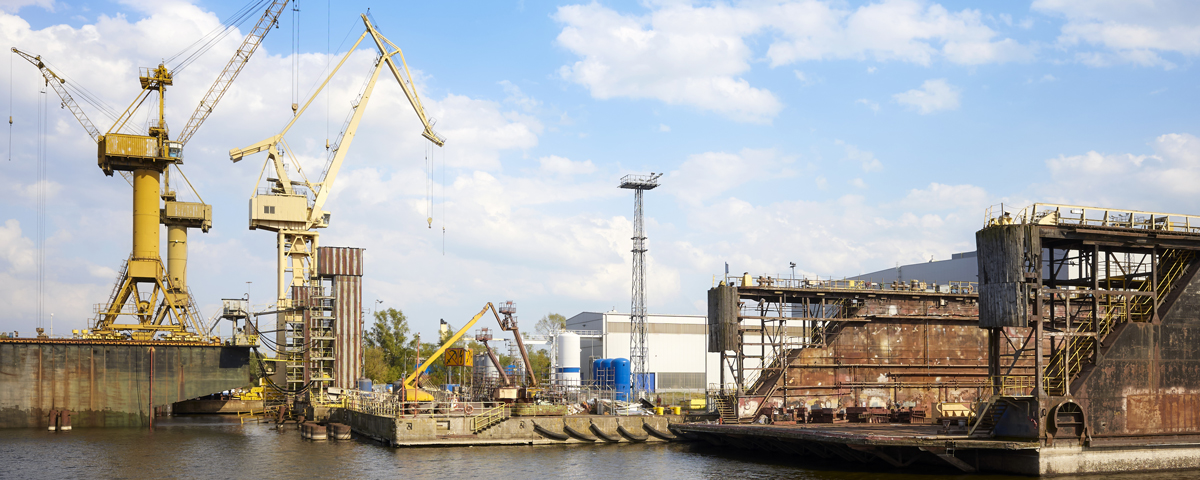
Fire risk doesn’t follow business hours, and neither should your fire protection strategy. Whether protecting manufacturing facilities, recycling operations, wood processing plants, warehouses, or other high-risk industrial environments, reducing the time between ignition and response can make a significant difference in limiting damage and maintaining operational continuity.
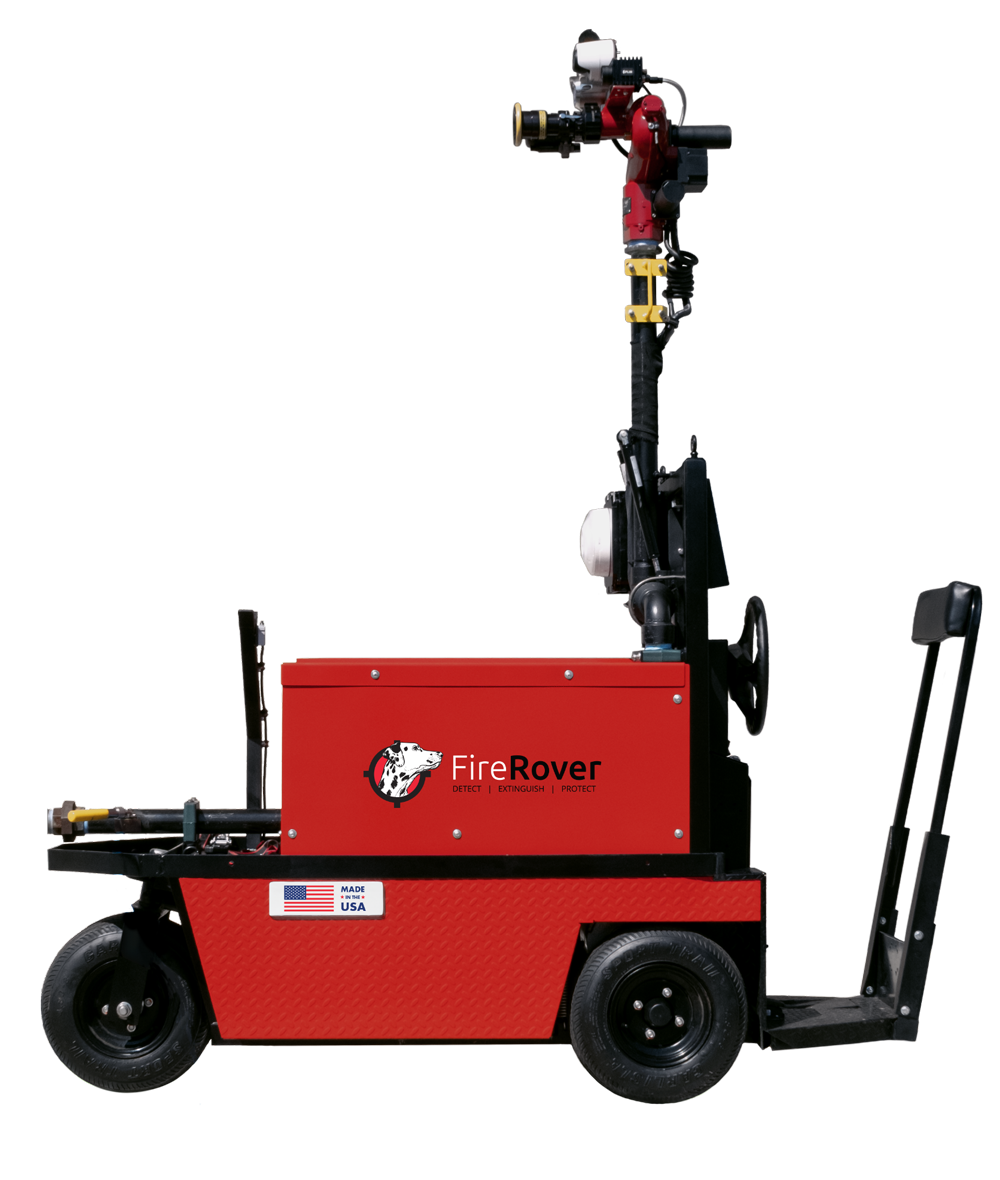
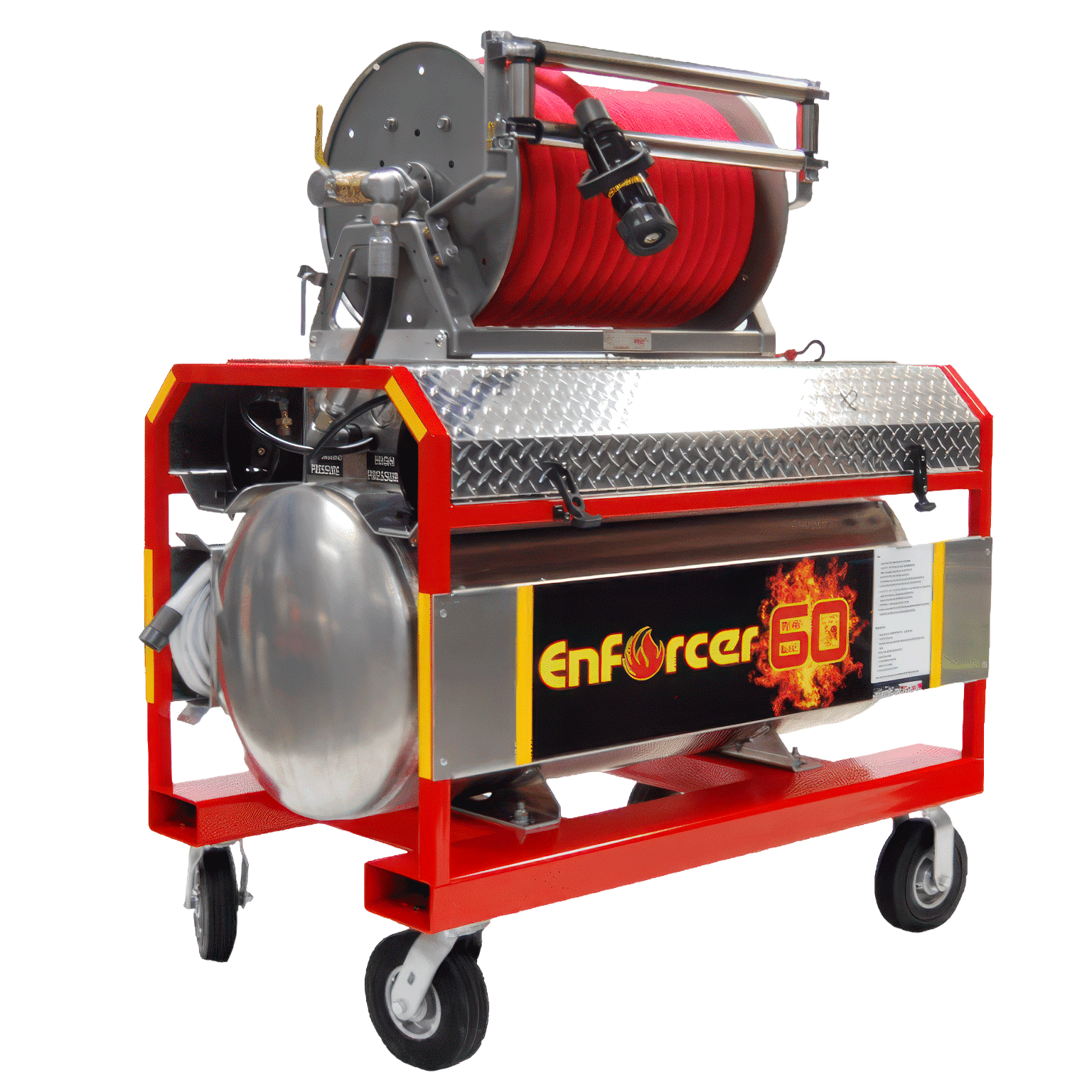
Fire Rover helps facilities strengthen after-hours fire protection through 24/7 monitoring, early fire detection, real-time human verification, and rapid targeted suppression. By identifying developing threats sooner and helping facilities respond before fires escalate, organizations can better protect their employees, assets, and operations. Even when no one is on site.
To learn how Fire Rover helps facilities reduce after-hours fire risk through continuous monitoring, early detection, and rapid response, contact our team today.
Related Articles
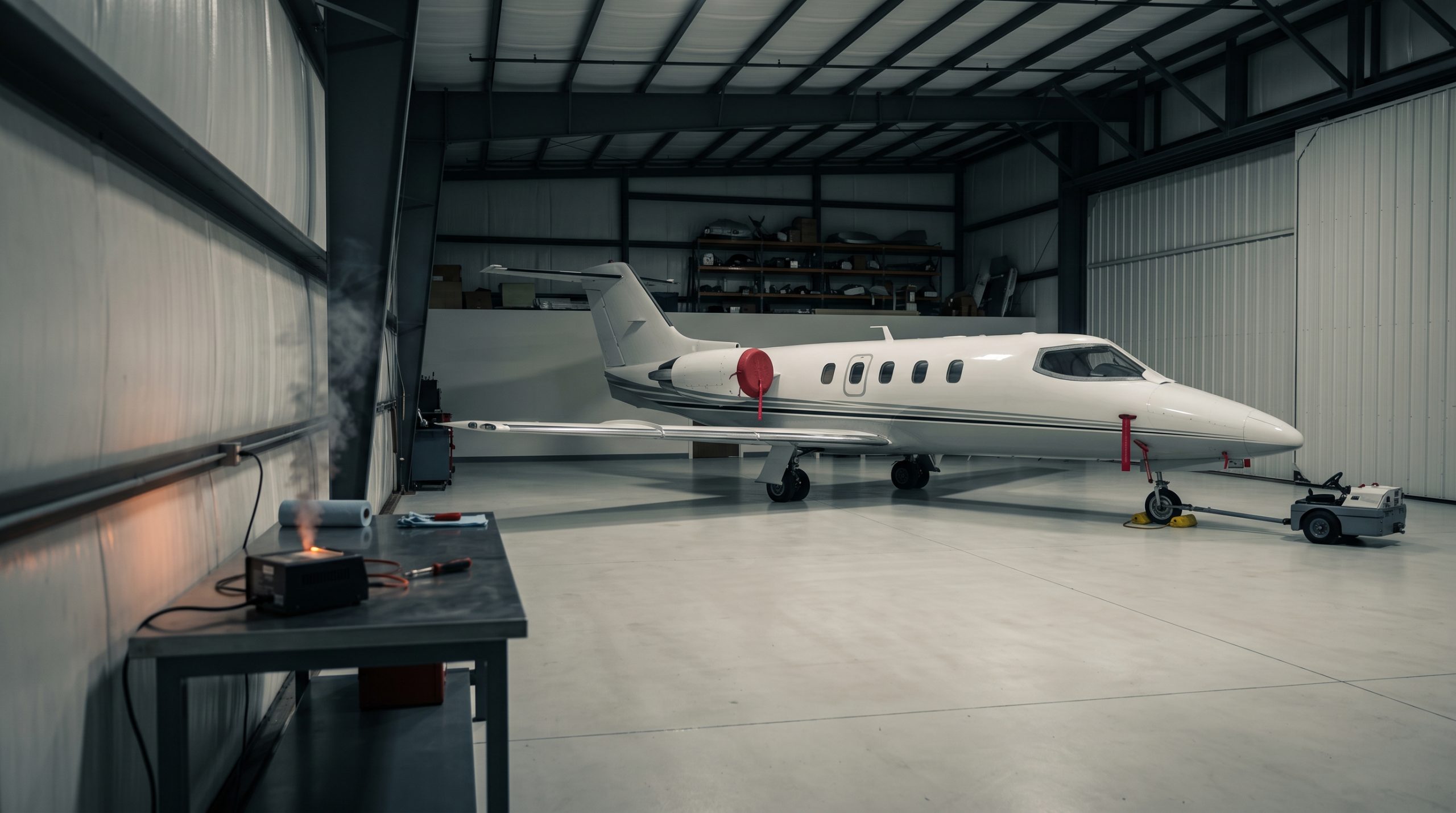
Leading Fire Protection Solutions for Private Aircraft Hangars
The Anatomy of an Electronics Recycling Fire