

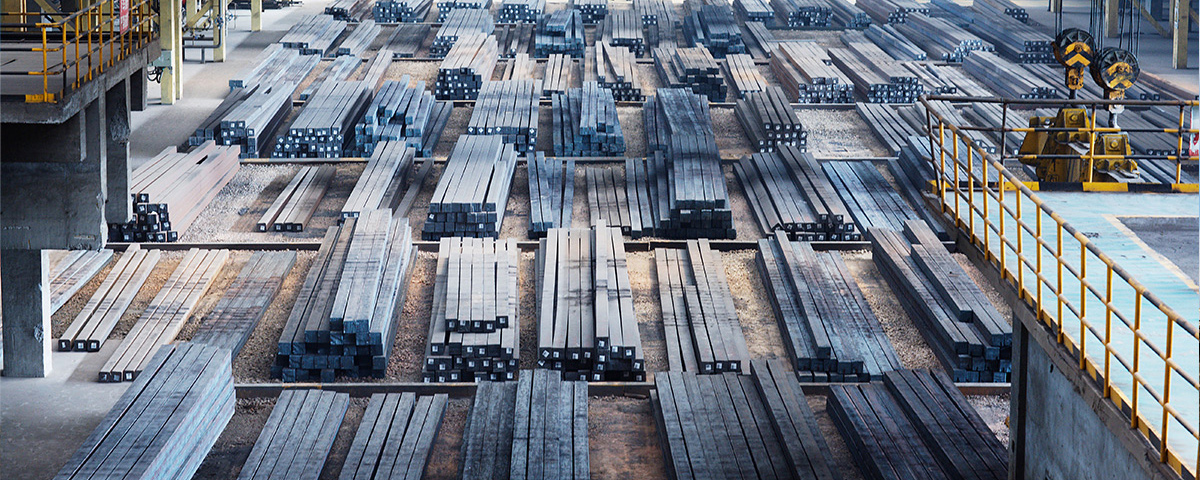




The new FM Global Data Sheet 4-14 is reshaping how high-hazard facilities plan fire protection. For years, the fire protection industry has followed one traditional assumption. If you run a high-hazard facility, you install high-hazard sprinkler systems. But what happens when your site has soaring ceilings, open-air yards, or shifting piles of combustible material? Traditional sprinklers simply aren’t built for these spaces.
Now, FM Global has addressed this gap. The company released Property Loss Prevention Data Sheet 4-14, which covers Automated Monitor Fire Suppression Systems. This landmark guidance officially recognizes monitor-based suppression systems as a viable method of primary fire protection. In fact, it applies across several high-hazard industries.
Monitor-Based Suppression Now Counts as ‘Primary’ Protection
Historically, insurers and risk managers treated these monitor systems as strictly supplementary. In other words, they were a secondary line of defense behind traditional sprinklers. However, DS 4-14 changes that view.
Under the new guidelines, FM Global formally acknowledges a key point. In specific challenging environments, monitor-based suppression systems can serve as the primary or sole fire protection solution. This matters for a clear reason. Where traditional sprinklers are impractical, too costly, or ineffective, operators finally gain an FM-compliant path forward. As a result, they can use advanced monitor-based suppression as their front-line defense.
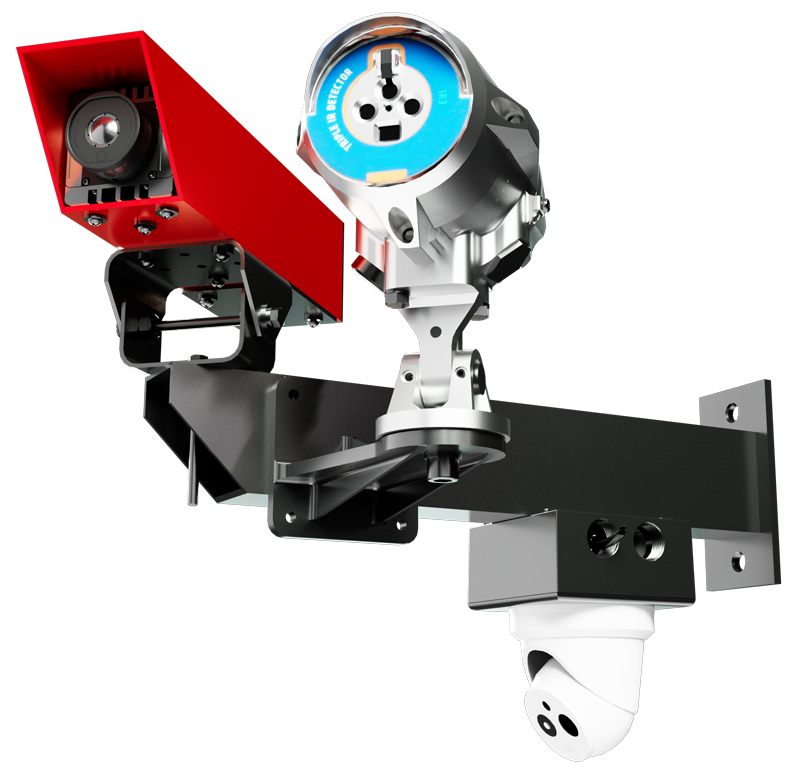
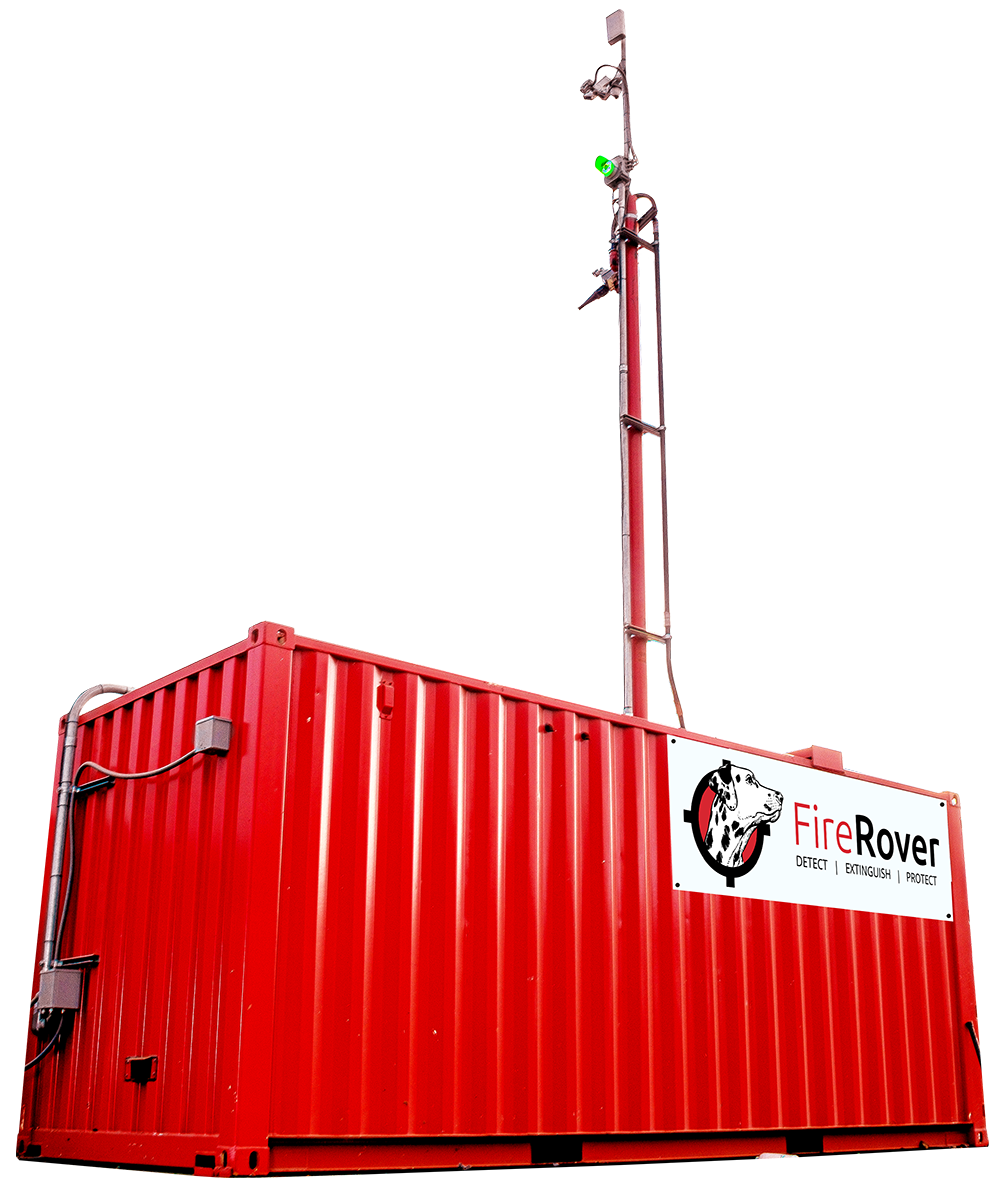
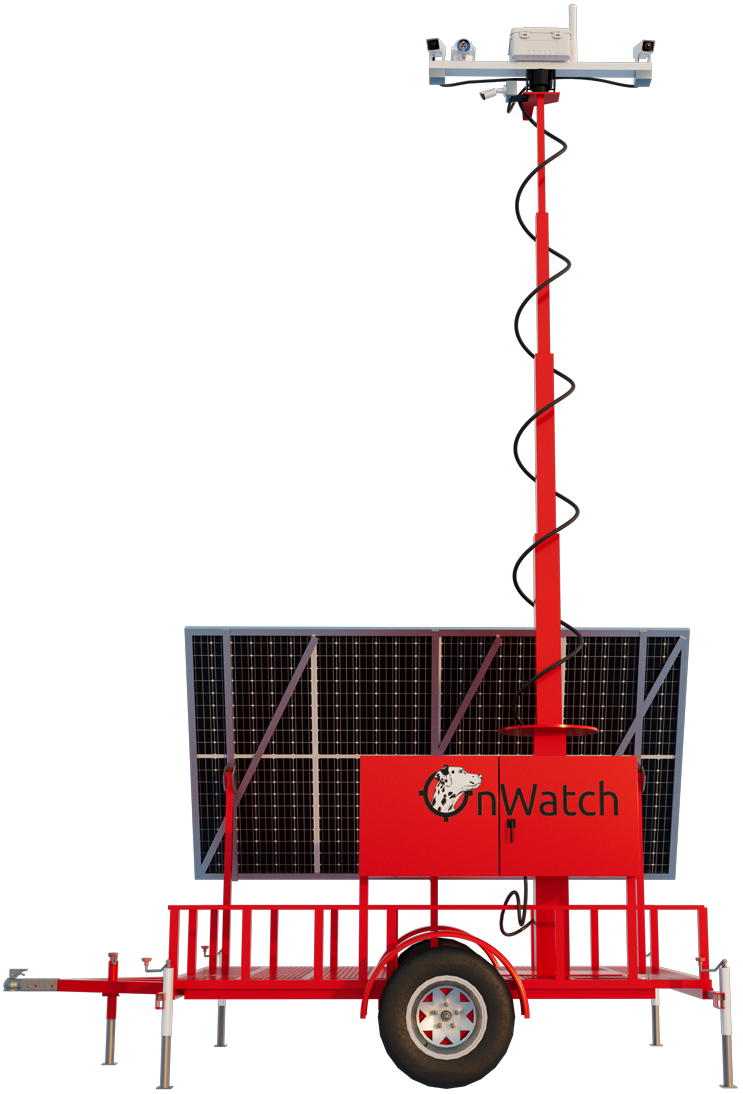
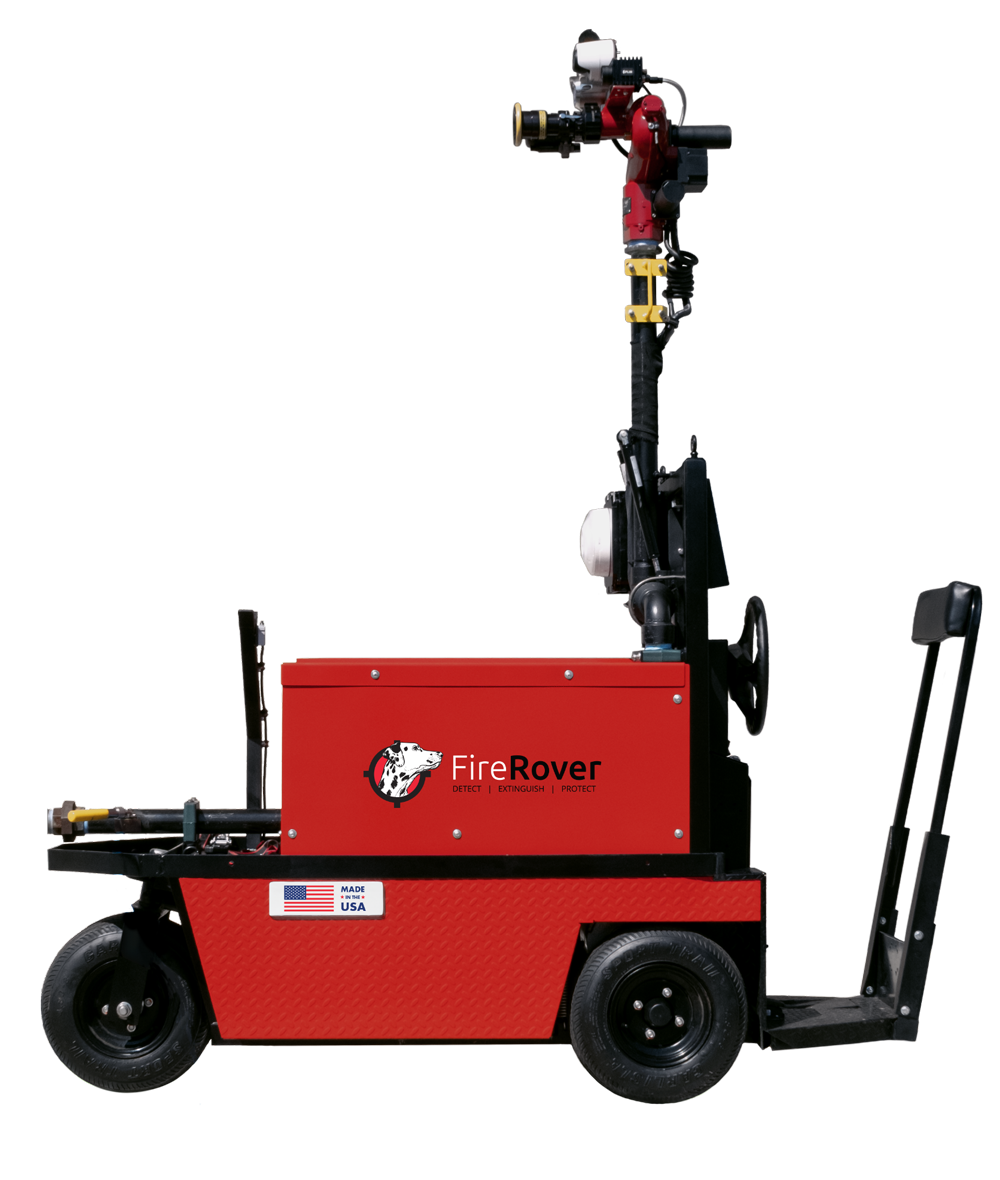
What this means: Fire Rover is listed by FM Approvals as an Automatic Detecting Remote Controlled Monitor. Detection is automatic; suppression is not. A trained operator verifies the threat and controls the monitor remotely before any agent is released. This means that you now have an alternative that protects an open-air yard or high-ceiling tipping hall. It aligns with FM Global’s design guidance for these environments. That’s why Fire Rover — listed as an Automatic Detecting Remote Controlled Monitor — can serve as your primary line of defense under FM DS 4-14.
Eliminate threats before they spread. Our Continuous Suppression System provides nonstop, targeted suppression to keep fires from gaining ground and operations running safely.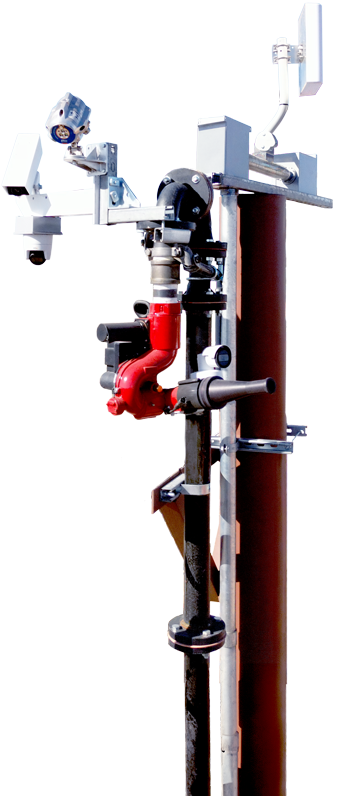
Continuous Suppression System
Broad Industry Validation Beyond Waste and Scrap
The waste and recycling industries drove much of the early demand for this technology. Yet DS 4-14 goes further. It explicitly expands the guidelines to cover other dust-heavy, organic-load industries.
Pulp, Paper, and Baled Wastepaper
The data sheet specifically highlights pulp and paper operations. For example, it addresses outdoor raw material storage. It also covers storage within non-combustible buildings tied to baled wastepaper.
Automated Storage and Retrieval Systems (ASRS)
High-density vertical warehouses create a massive challenge for in-rack sprinklers. Those sprinklers often suffer accidental pipe breaks and cause disruptive water damage. Under DS 4-14, remote controlled monitors serve as an effective supplemental safeguard. As a result, they help protect these high-value storage grids.
Wood, Timber, and Biomass Yards
These facilities store massive, open-air piles of wood chips, sawdust, and biomass. Therefore, they face constant risk from wind-driven embers and deep internal heating. Traditional sprinklers cannot cover such huge footprints. Instead, remote-operated water monitors become the ideal solution.
What this means: Maybe you manage a municipal solid waste facility, a pulp and paper mill, or an outdoor timber yard. In every case, Fire Rover delivers targeted, high-volume suppression. Moreover, it tailors that suppression to the exact materials and storage layouts recognized under FM DS 4-14.
The Critical Need for Human-in-the-Loop Verification
DS 4-14 places a strong focus on system reliability. Because these systems are complex, FM Global stresses rigorous verification. This step prevents catastrophic failures and false activations.
Why Detection Alone Shouldn’t Trigger Discharge
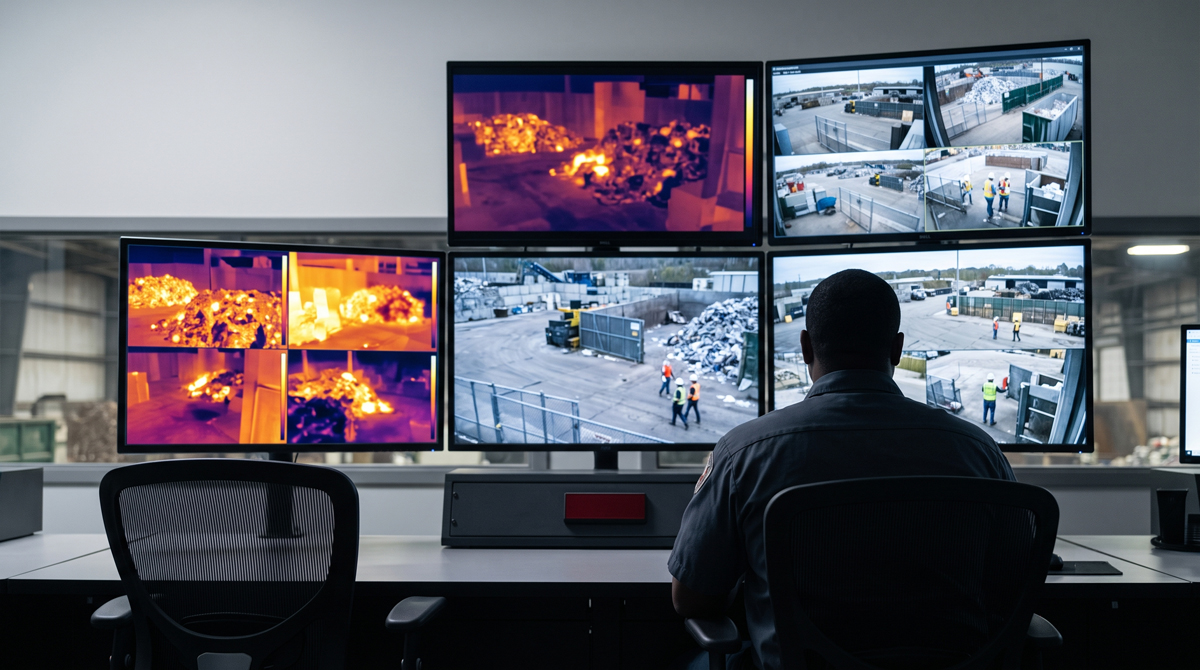
A fully automatic system — a distinct category under FM 1421 — discharges on sensor data alone, with no person in the loop. However, real industrial sites are dusty, smoky, and hot. As a result, running machinery or reflective glare can easily trip a false alarm. That false alarm then unleashes a massive, needless flood of water or chemical agent.
The Cost of False Alarms
Unnecessary activations ruin inventory, especially baled paper or biomass. In addition, they waste suppression agents and force costly downtime.
What this means: Sensor data alone can’t reliably tell a real blaze from a hot engine exhaust. Fire Rover detects automatically but does not discharge automatically. Thermal analytics flag the anomaly; a trained operator verifies it and controls the monitor remotely before any agent is released. This approach saves your paper bales, waste piles, and wood stock from accidental water damage.
As one of Fire Rover’s founding leaders, Lindsey has helped hundreds of facilities deploy proactive fire protection. She can walk you through the right solution for your site.Talk Fire Risk With Lindsey
Surviving Harsh, Outdoor Environments
Industrial operations don’t always happen under a perfect indoor ceiling. In fact, many high-risk areas sit fully exposed to the elements. Think of outdoor scrap metal piles, wood yards, and paper bunkers.
The Environmental Challenge
Wind, rain, and shifting temperatures easily disrupt fully automated nozzles. For instance, a pre-programmed nozzle cannot adjust its trajectory for a sudden 20-mph crosswind. Consequently, it misses targets and wastes water.
What this means: Outdoor hazards are chaotic. A pre-programmed nozzle can end up spraying downwind of the target. Fire Rover works differently. Our human operators adjust the aim of the monitor in real time. As a result, they account for wind drift and outdoor obstructions to hit the fire head-on.
Penetrating High-Volume Storage Piles
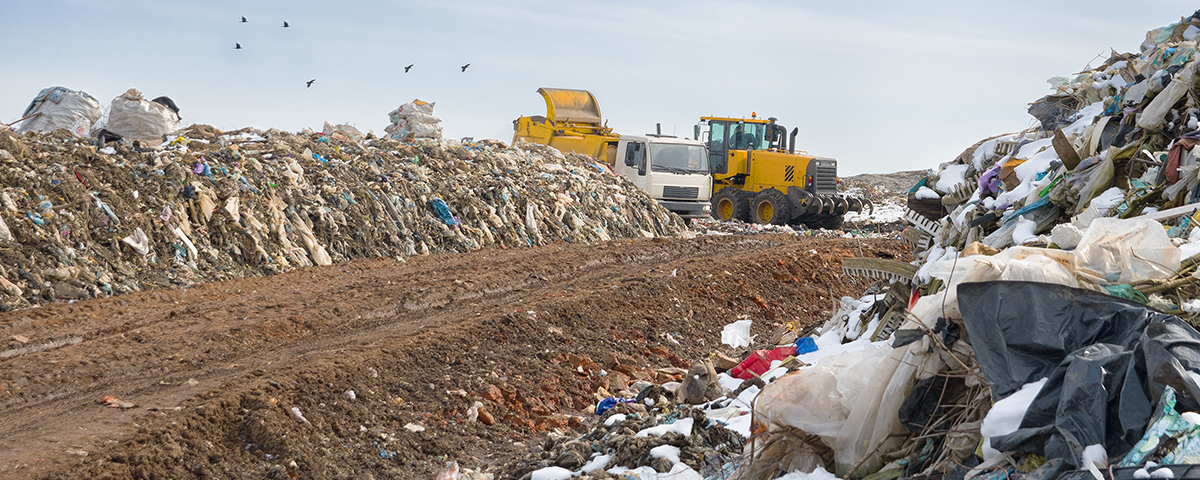
Deep-seated pile fires burn inside municipal solid waste, wood chips, or baled paper. In these cases, a simple surface spray rarely extinguishes the hazard.
The Limits of Pre-Programmed Sweep Patterns
Fully automatic systems typically run a pre-programmed sweep pattern. As a result, they wet only the outer surface of a pile. Meanwhile, the deep hot spot keeps burning underneath.
What this means: A deep pile fire needs pinpoint, sustained pressure at its root. Fire Rover operators do more than sweep the surface. Instead, they hold the high-pressure stream steady at the base of the pile. Then they coordinate with your on-site loader drivers. Together, they peel back layers to expose and extinguish the hotspot safely.
A New Standard for High-Hazard Risk Management
FM Global Data Sheet 4-14 marks a major step forward for modern fire engineering. It bridges the gap between traditional pipe-and-head sprinklers and active, smart-suppression technology.
Moreover, it does so across waste, recycling, pulp and paper, and outdoor commodity storage.
Fire Rover combines automatic detection with remote human control — precisely what its FM Approvals listing as an Automatic Detecting Remote Controlled Monitor describes. As a result, it doesn’t just meet the spirit of this new standard. Instead, it sets the benchmark for modern industrial fire protection.
Protect your facility with verified, targeted suppression. Contact the Fire Rover team today. Together, we can design a primary protection system aligned with FM DS 4-14, built around your unique operational hazards.
Related Articles

The Anatomy of an Electronics Recycling Fire
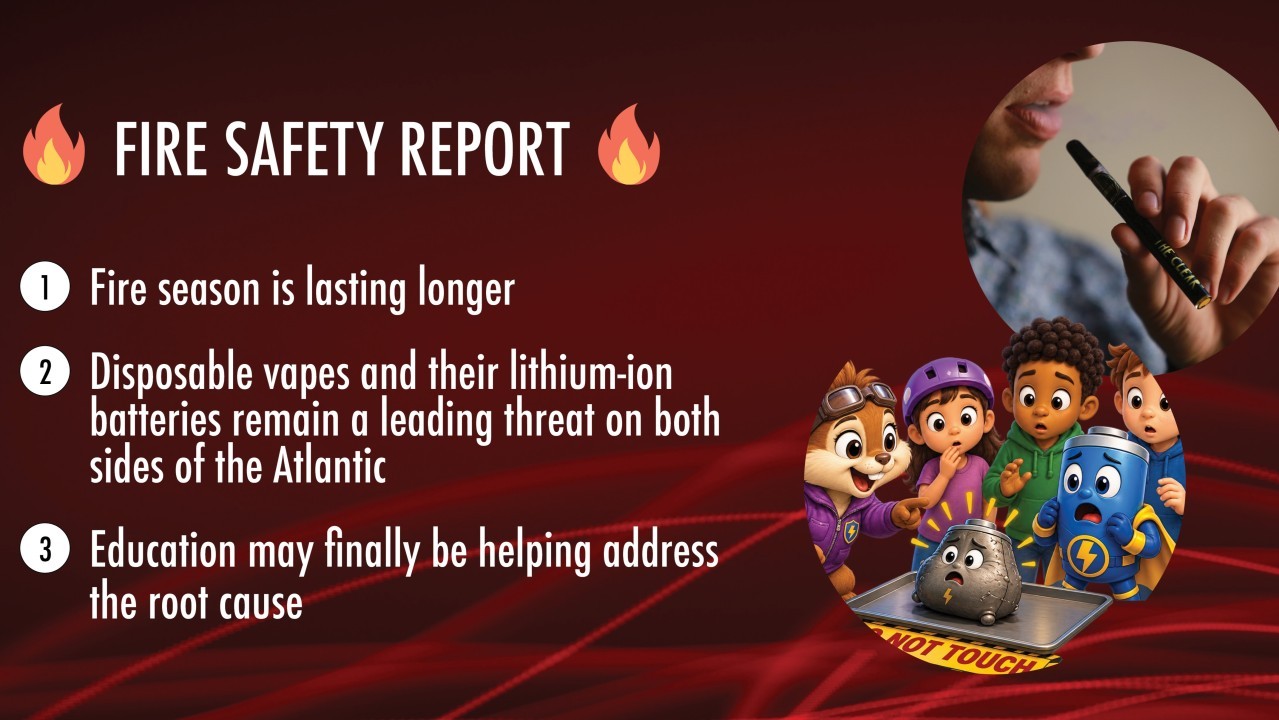
September 2026 Fire Report: The Extended Summertime Spike, the Vape Effect and a First Sign of Progress