





Unfortunately, landfill fires are more common than many operators would like — and they’re often more difficult to manage than they first appear. What starts as a small, hidden ignition can quickly evolve into a prolonged event that impacts operations, the environment, and surrounding communities.
Unlike other industrial fires, landfill fires don’t always present visible warning signs early on. They can smolder beneath the surface, spread through layers of waste, and go undetected until they become much more difficult to control. Understanding what causes these fires — and how they develop — is the first step in reducing risk.
Why Landfill Fires Are So Challenging to Detect and Control
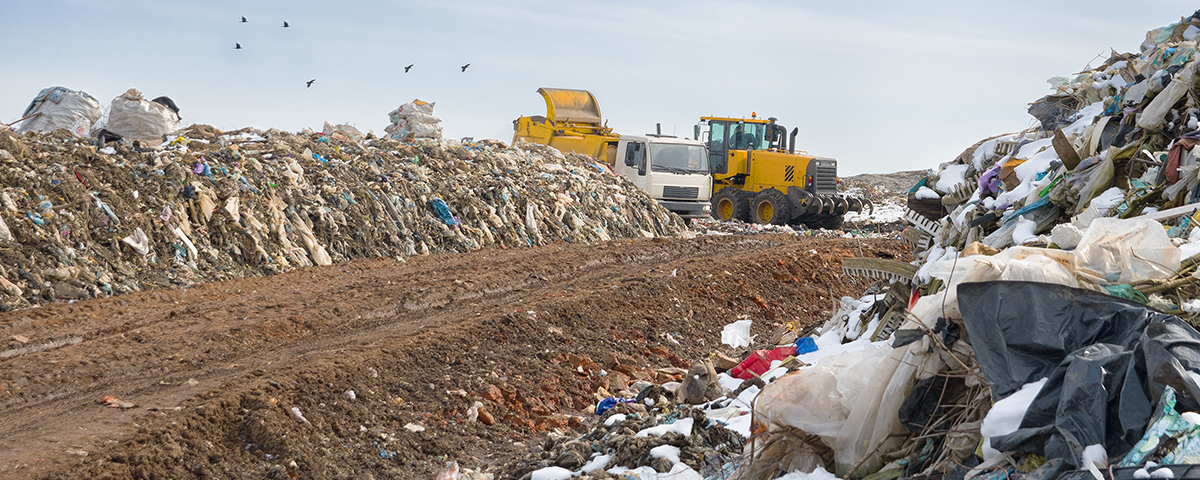
Landfills are inherently complex environments. Waste is constantly being added, compacted, and shifted, creating layers of material where heat and gases can build over time. This makes it difficult to identify where a fire may start — or whether one is already developing below the surface.
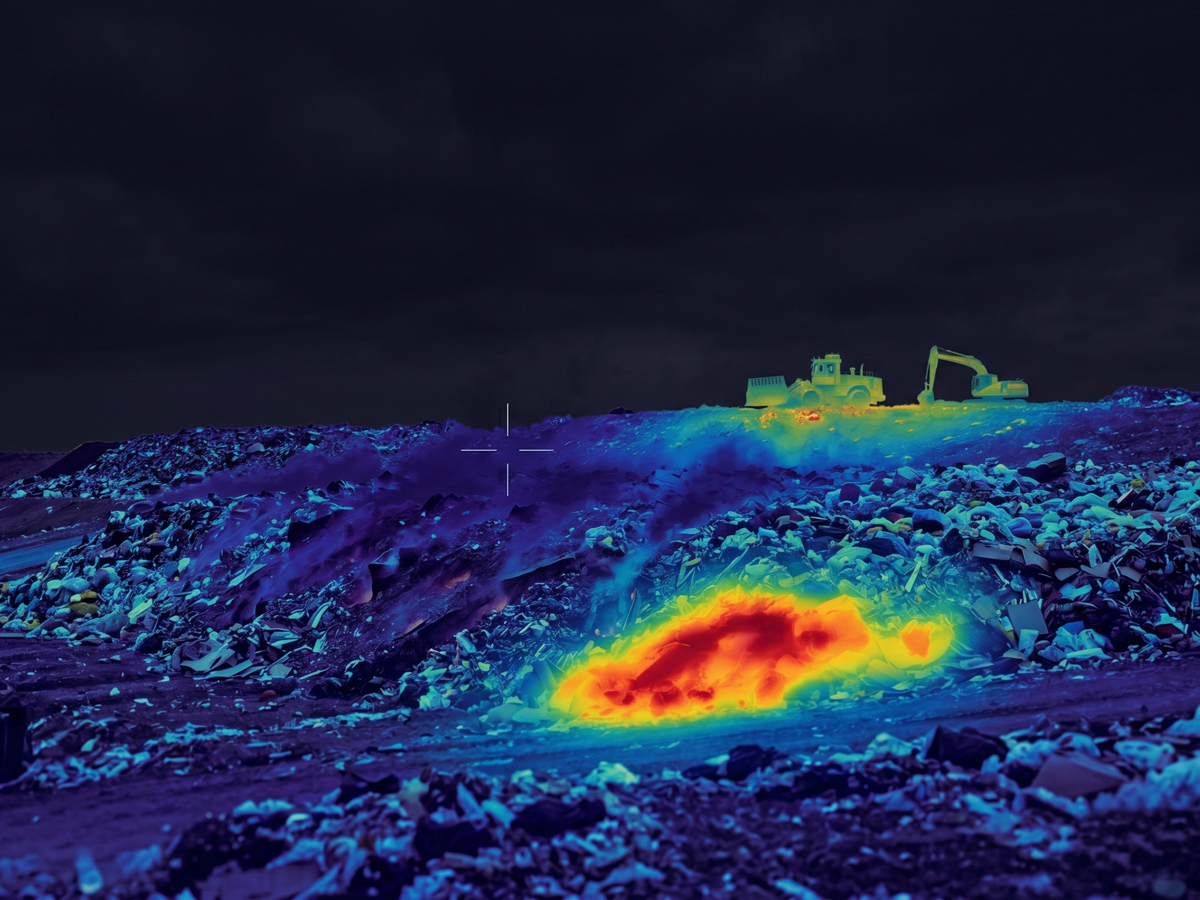
Unlike open-air fires, landfill fires often begin as smoldering events deep within waste piles. These fires can burn slowly for extended periods before becoming visible. By the time smoke or flames are detected, the fire may already be well established, requiring more aggressive response efforts.
Adding to this challenge is the sheer size and variability of landfill sites. Large outdoor areas, uneven terrain, and constantly changing material conditions make it difficult to maintain consistent visibility across the entire operation. Weather conditions, like wind or temperature shifts, can also influence how a fire behaves or spreads, further complicating detection and response.
The Most Common Causes of Landfill Fires
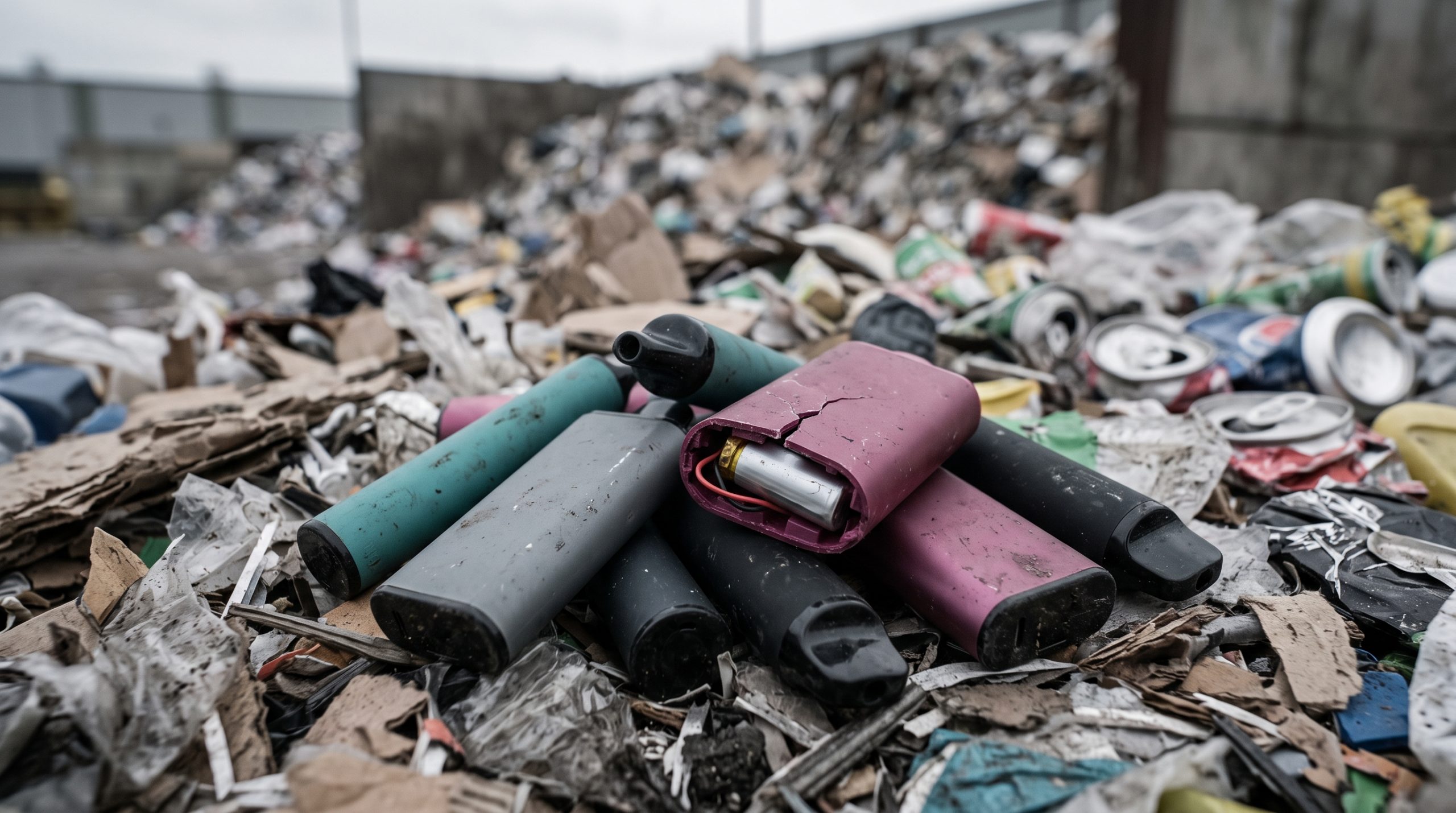
Many landfill fires are caused by materials entering the waste stream that shouldn’t be there. Lithium-ion batteries are one of the most common culprits, capable of igniting when damaged, punctured, or exposed to pressure during compaction. These ignition sources are often hidden within loads and difficult to detect before they enter the facility.
Other common causes include spontaneous combustion from organic waste, hot loads delivered to the site, and mechanical factors like equipment friction or overheating. Outside factors can also play a role, including high temperatures, lightning strikes, or unauthorized dumping of hazardous materials. In many cases, landfill fires aren’t the result of a single failure — but a combination of everyday conditions that create the right environment for ignition.
Why Lithium-Ion Batteries Are Increasing Landfill Fire Risk
Lithium-ion batteries are becoming one of the fastest-growing sources of landfill fires. As more devices, tools, and consumer products rely on rechargeable batteries, more of them are entering the waste stream — often improperly disposed of and difficult to identify during intake.
When these batteries are crushed, punctured, or exposed to pressure during compaction, they can enter thermal runaway, a rapid and self-sustaining reaction that generates extreme heat. These fires can ignite surrounding materials almost instantly and are notoriously difficult to put out. As battery usage continues to rise, landfill operators are facing a growing and increasingly unpredictable fire risk that traditional processes weren’t designed to handle.
How Fires Develop Beneath the Surface
Once an ignition source is introduced, landfill fires can develop in ways that aren’t immediately visible. Organic materials naturally generate heat as they decompose, and when combined with limited airflow, this can create ideal conditions for smoldering combustion.
As gases like methane build within the landfill, they can further contribute to fire risk. A small ignition point can grow slowly underground, spreading laterally through waste layers. When oxygen is introduced — through movement, excavation, or shifting materials — the fire can intensify rapidly and break through to the surface. Even after it’s apparently been controlled, these fires can reignite if heat remains trapped below, making them particularly difficult to fully extinguish.
Talk Fire Risk With Ryan
Ryan tracks fire incidents nationwide and helps facilities reduce risk with smarter detection and suppression strategies. Connect with him to get expert guidance tailored to your operation.
The Operational and Environmental Impact of Landfill Fires
The impact of a landfill fire goes far beyond the immediate burn area. Fires can disrupt daily operations, damage equipment, and require significant time and resources to manage. In some cases, sections of a landfill may need to be shut down entirely, affecting throughput, staffing, and revenue.
There are also environmental and regulatory implications to worry about. Smoke and emissions can impact air quality, while runoff from suppression efforts may introduce contaminants into surrounding soil or water systems. These events often draw regulatory attention and can lead to fines, reporting requirements, or operational restrictions. In addition, visible fires and smoke can affect community perception, creating reputational challenges that extend beyond the incident itself.
Why Traditional Fire Protection Methods Fall Short
Traditional fire protection strategies in landfill environments often rely on visual detection or periodic inspection. While these methods can identify obvious issues, they are limited in their ability to detect hidden or early-stage fires.
By the time smoke or flames are visible, the fire may already be widespread. Manual response efforts can be delayed, especially in large or remote areas of a facility. Large-scale suppression methods, like applying significant amounts of water or covering affected areas, can be disruptive and take up resources. In many cases, these approaches are reactive — addressing fires after they’ve already escalated rather than preventing them from growing in the first place.
The Role of Early Detection and Continuous Monitoring
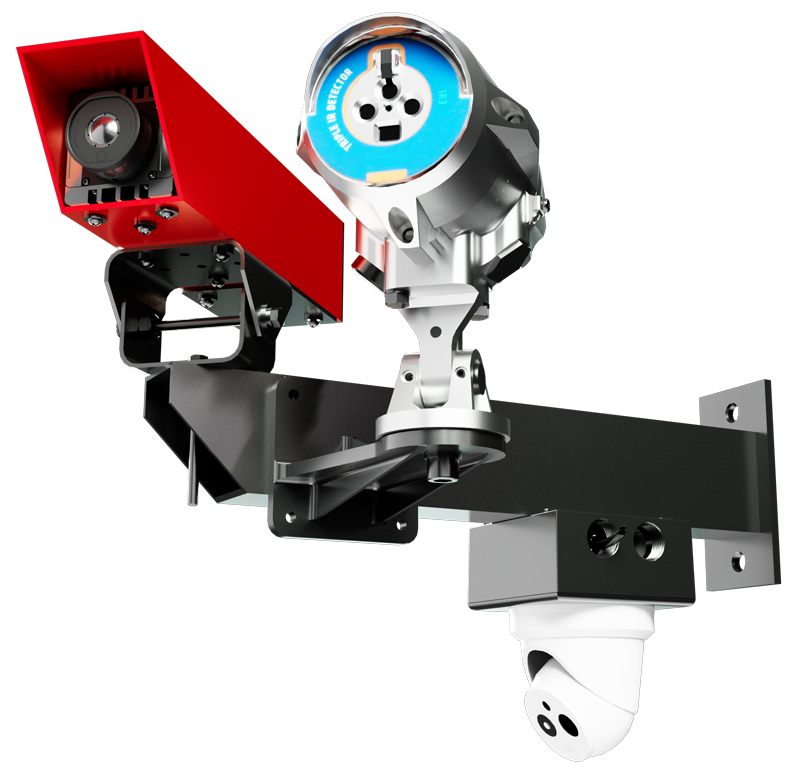
Early detection plays a critical role in reducing landfill fire risk. Technologies like thermal imaging allow facilities to monitor temperature changes and identify abnormal heat signatures before visible fire develops. This gives operators valuable time to investigate and intervene while the situation is still manageable.
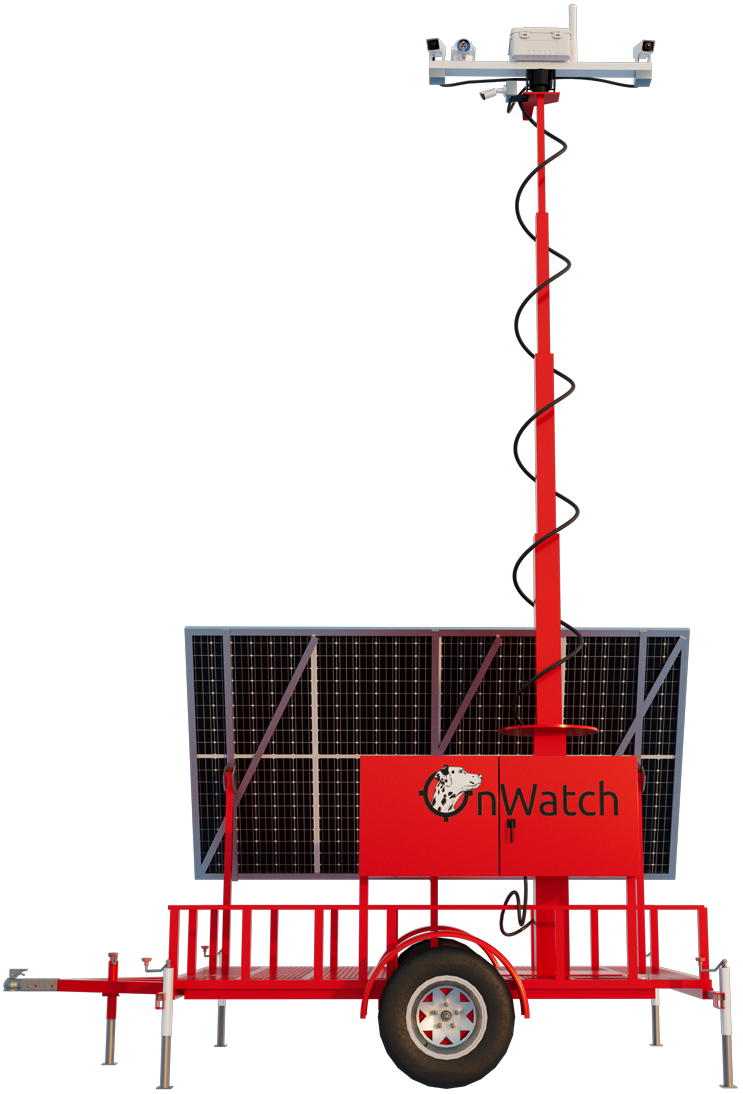
Continuous monitoring provides an additional advantage by eliminating gaps in visibility. Instead of relying on scheduled inspections, facilities can maintain 24/7 awareness across large or unmanned areas. When combined with real-time alert verification, this approach helps reduce false alarms and ensures that potential threats are assessed quickly and accurately. The result is faster response and better control over developing fire risks.
How Targeted Suppression Helps Contain Fires Faster
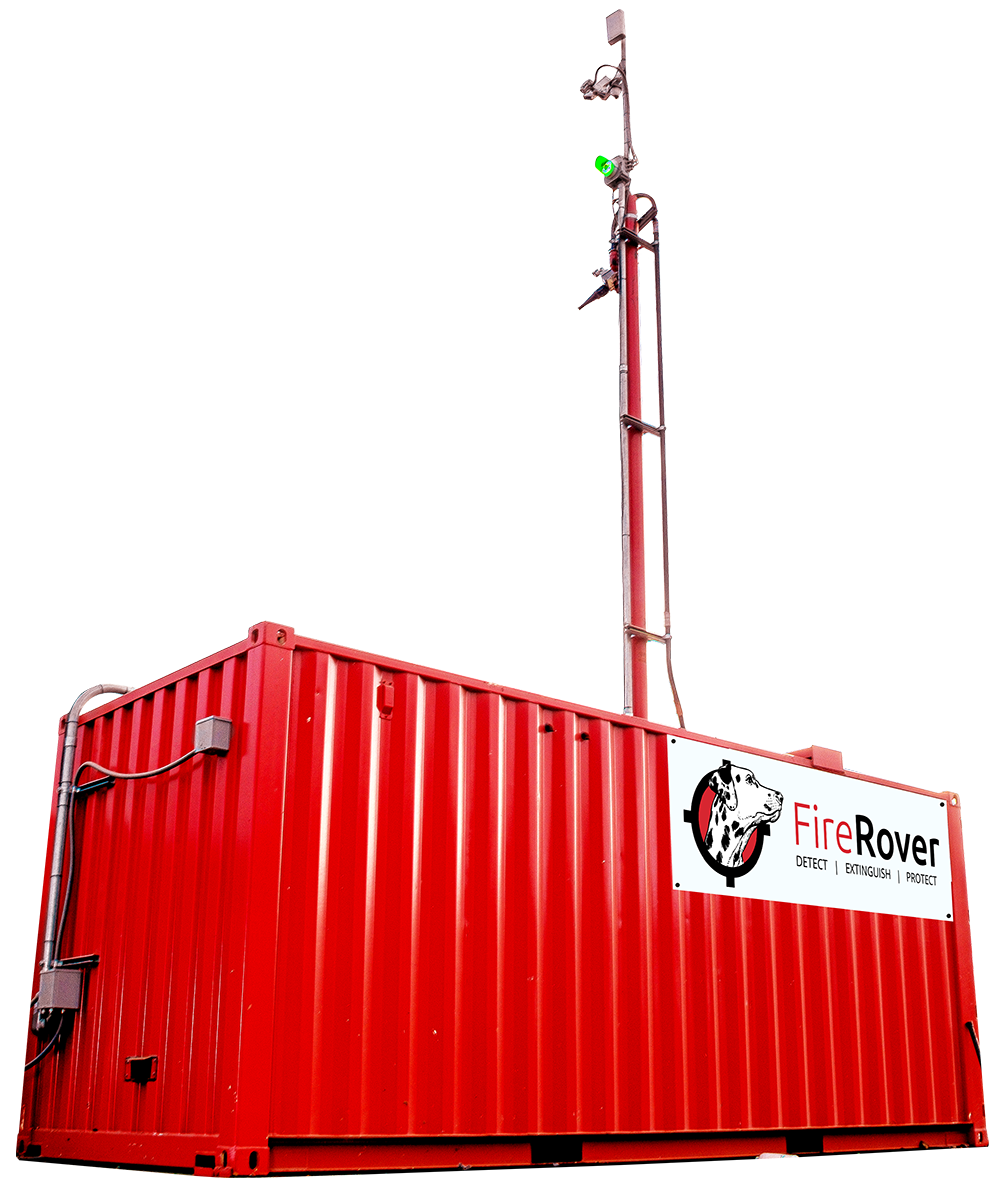
When a fire is detected early, targeted suppression can significantly improve containment outcomes. Rather than applying suppression broadly across an area, targeted systems focus directly on the source of ignition, helping stop the fire before it spreads.
This approach reduces water usage, limits damage to surrounding materials, and minimizes disruption to operations. It also allows facilities to respond to fires while they are still small and localized. By addressing ignition points quickly, operators can avoid the more extensive response measures required for larger, fully developed fires.
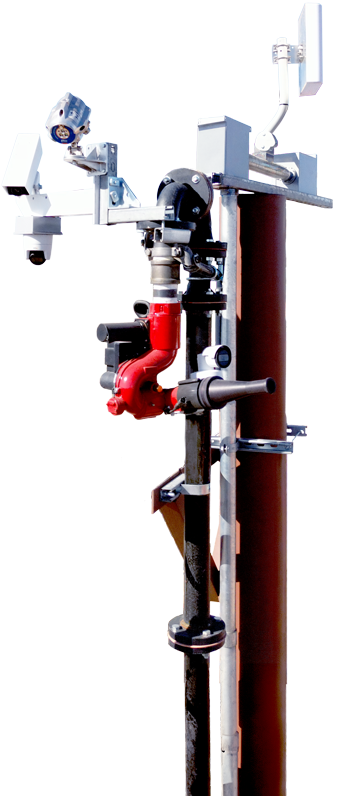
Continuous Suppression System
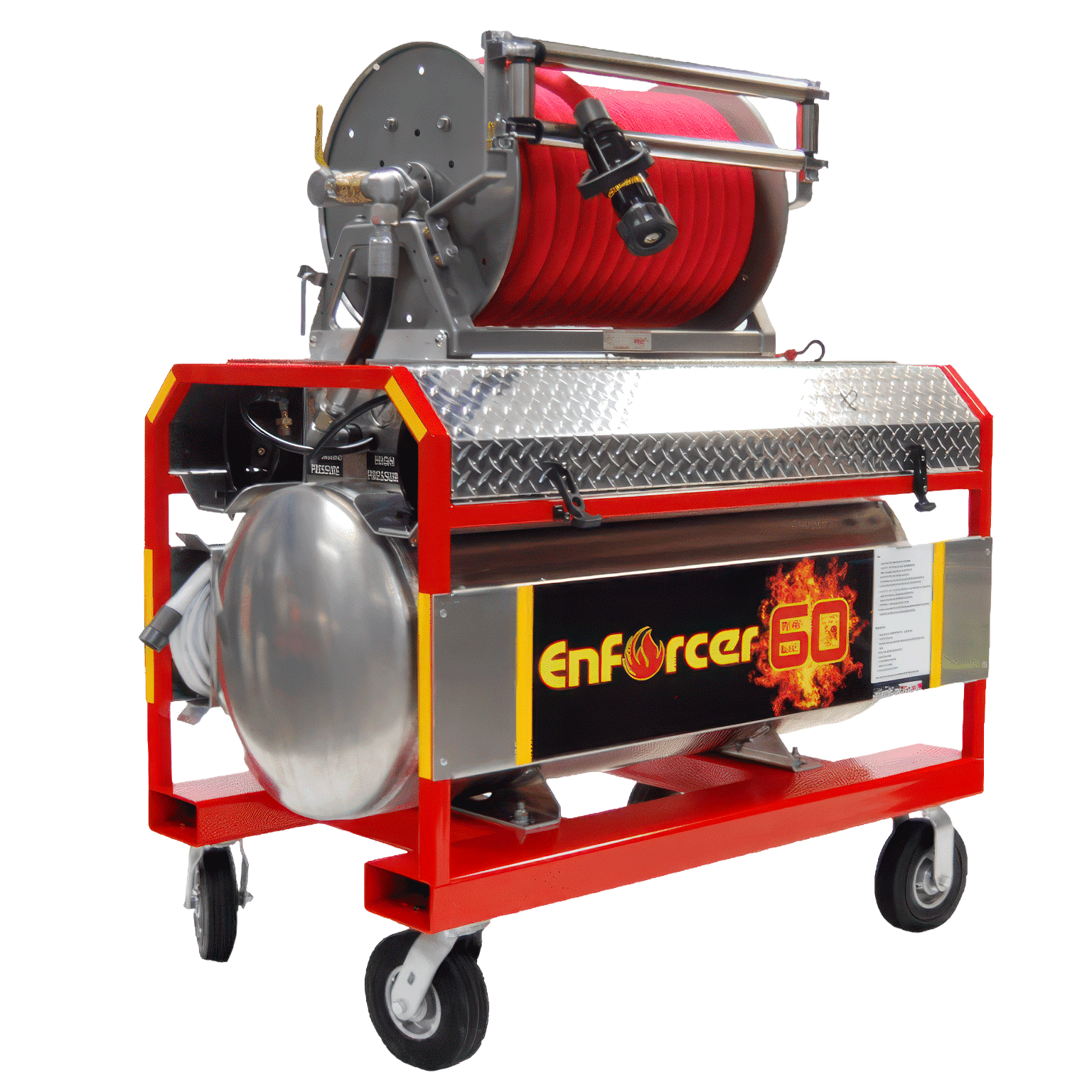
Eliminate threats before they spread. Our Continuous Suppression System provides nonstop, targeted suppression to keep fires from gaining ground and operations running safely.
Building a Safer Approach to Landfill Fire Prevention
Reducing landfill fire risk requires more than a reactive response — it requires a proactive, layered approach. Facilities that rely solely on traditional methods may find themselves responding to fires after they’ve already caused damage.
By combining early detection, continuous monitoring, and targeted suppression, operators can better manage the unique risks associated with landfill environments. This approach helps identify threats sooner, respond faster, and prevent small issues from becoming major disruptions.
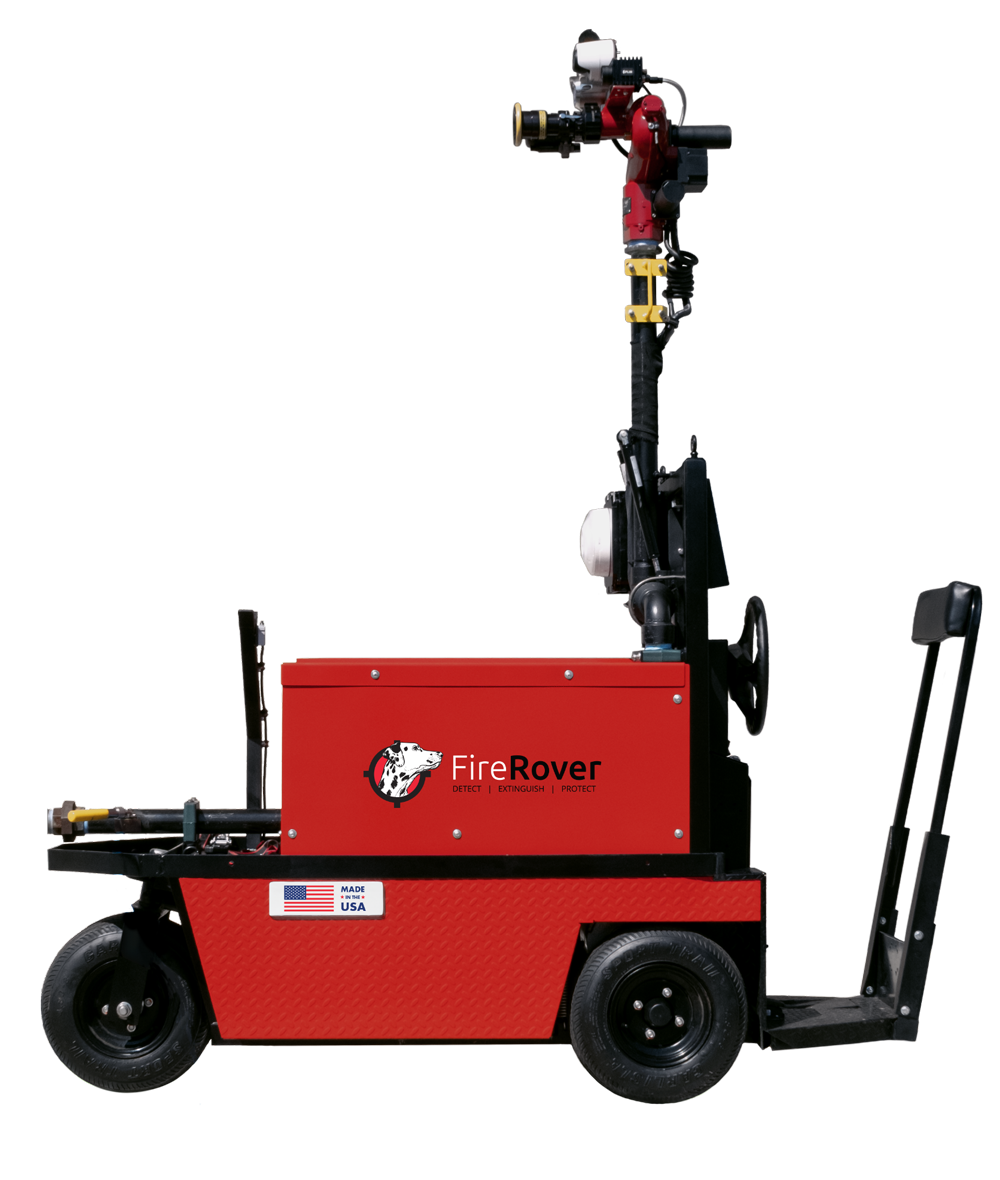
Fire Rover brings these capabilities together into a single, integrated solution—helping landfill operators detect, verify, and respond to fire risk in real time. If you’re looking to reduce risk, protect your operations, and improve response time, it may be time to take a closer look at how your facility approaches fire protection. Contact Fire Rover to learn how early detection and targeted suppression can help protect your landfill operations.
Related Articles
The Anatomy of an Electronics Recycling Fire
September 2026 Fire Report: The Extended Summertime Spike, the Vape Effect and a First Sign of Progress