







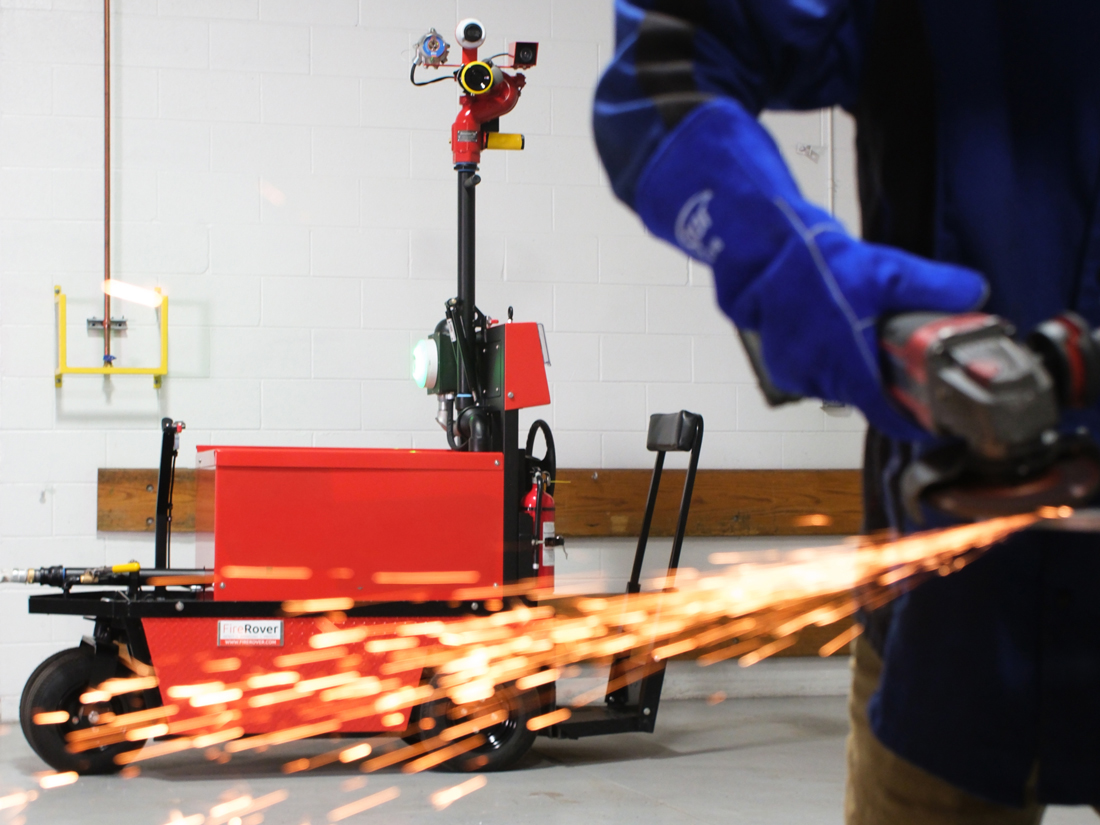
Fire watch is a common requirement in industrial environments, but it’s often misunderstood. Many facilities treat it as just a box for compliance to check rather than what it actually represents: a critical gap in fire protection. When systems go offline or risk increases, fire watch is meant to reduce exposure. Unfortunately, it doesn’t eliminate it.
In reality, fire watch introduces its own set of challenges. Human monitoring can help, but it’s inherently limited, especially in large, complex, or high-risk environments. Understanding when fire watch is required, and where it falls short, is the first step toward building a safer, more reliable fire protection strategy. In this blog we’ll talk about the risks and limitations of fire watch, and even more importantly, ways to strengthen fire protection beyond it.
What is a Fire Watch and Why is it Required?
A fire watch is a temporary safety measure put in place when fire protection systems are impaired or when high-risk activities like grinding and welding are being performed. It typically involves trained personnel actively monitoring an area for signs of fire, ready to respond or sound an alarm if a hazard is detected.
Fire watch requirements are usually driven by fire codes, insurance providers, or the Authority Having Jurisdiction (AHJ). The goal is pretty straightforward: maintain a level of safety when automatic detection or suppression systems aren’t available. Whether it’s during maintenance, system failure, or planned work, fire watch helps ensure someone is actively looking for potential threats.
While it plays an important role in maintaining compliance, fire watch is ultimately a temporary solution. It’s designed to bridge a gap, not fully replace the protection provided by permanent fire protection systems.
Common Situations Where Fire Watch is Required
Fire watch is often required when fire protection systems are taken offline. This can happen during routine maintenance, system upgrades, or unexpected failures involving sprinklers, alarms, or detection systems. During these periods, facilities are more vulnerable because they lack an automated response.
Another common scenario is during hot work operations. Activities like welding, cutting, or grinding introduce sparks and high heat into the environment, increasing the likelihood of ignition. Fire watch personnel are typically assigned to monitor these activities and remain on-site for a period after the work is completed.
Facilities may also require fire watch in high-risk environments where hazards are elevated, even if systems are technically operational. This includes areas with combustible dust, flammable materials, or complex processing equipment. In each case, the goal is the same: provide oversight when the risk of fire is higher than normal.
Talk Fire Risk With John
With 25+ years in fire protection and deep expertise in high-risk industries, John helps facilities choose the right Fire Rover system with confidence.
Fire Watch Requirements and Responsibilities
A proper fire watch involves more than simply having someone there. Personnel must constantly patrol or monitor designated areas, looking for early signs of fire, including smoke, heat, or unusual conditions. They have to be trained to recognize hazards and respond quickly if something happens.
Fire watch personnel are usually also responsible for maintaining detailed logs. These records document patrol times, observations, and any incidents, helping demonstrate compliance with fire codes and insurance requirements. Communication is another key responsibility. If a fire is detected, personnel must quickly alert emergency services and initiate response protocols.
These responsibilities require constant attention and situational awareness. Unlike automated systems, which operate continuously without fatigue, fire watch depends entirely on human focus, and that level of attention can vary over time and from person to person.
The Risks and Limitations of Traditional Fire Watch
While fire watch fulfills a necessary role, it comes with limitations. Human monitoring is subject to fatigue, distraction, and limited coverage. In large industrial facilities, it’s difficult for a single person or even a team, to maintain consistent visibility across all areas.
Another challenge is delayed detection. Fires often begin as small, hidden events smoldering within material piles, behind equipment, or inside processing systems. These early-stage conditions may not be visible right away, making them easy to miss during regular patrols.
Fire watch also lacks scalability. Monitoring multiple zones, high ceilings, or obstructed areas can quickly exceed what personnel can realistically manage. As a result, even facilities that meet fire watch requirements may still face significant exposure to risk during system impairments.
Why Early Detection is Critical During Fire Watch Conditions
When fire protection systems are offline, early detection becomes even more important. Without automated alarms or suppression, the timeline between ignition and escalation becomes much shorter and more dangerous. Identifying a fire at its earliest stage can mean the difference between a minor incident and a major loss.
In industrial environments, fires don’t always start as visible flames. They begin as heat buildup, friction, or smoldering materials. By the time smoke or flames can be seen, the fire may already be well established. This is especially true in environments like recycling facilities, manufacturing plants, and material storage areas.
Technologies like thermal imaging and advanced detection systems can identify these early warning signs before they escalate. By detecting heat anomalies or abnormal conditions, facilities can respond faster, even when traditional systems are unavailable.
How Continuous Monitoring Strengthens Fire Watch Protection
Continuous monitoring adds a powerful layer of protection during fire watch conditions. Instead of only relying on manual patrols, you can use technology to maintain constant visibility across critical areas. This helps eliminate blind spots and ensures that potential hazards are identified as early as possible.
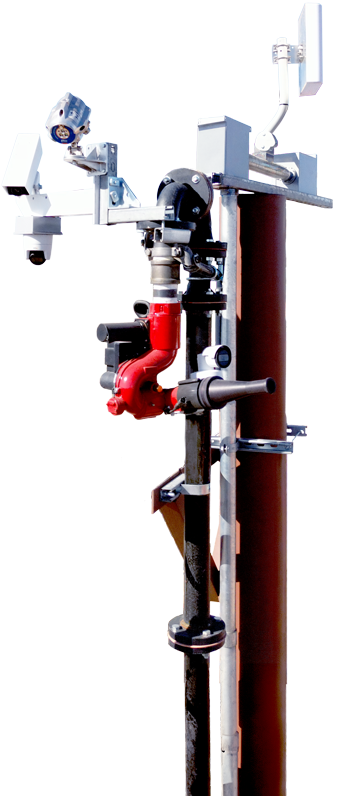
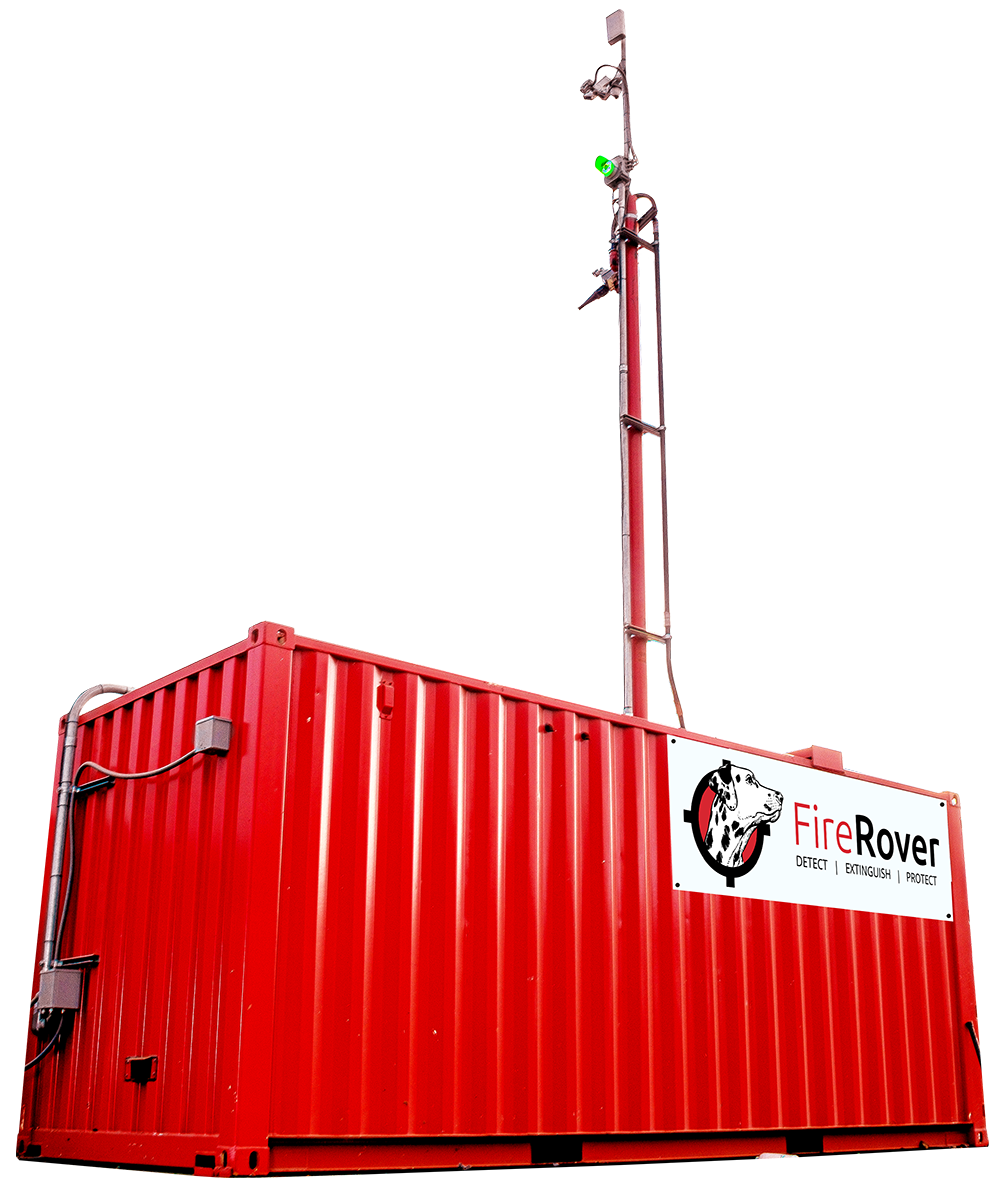
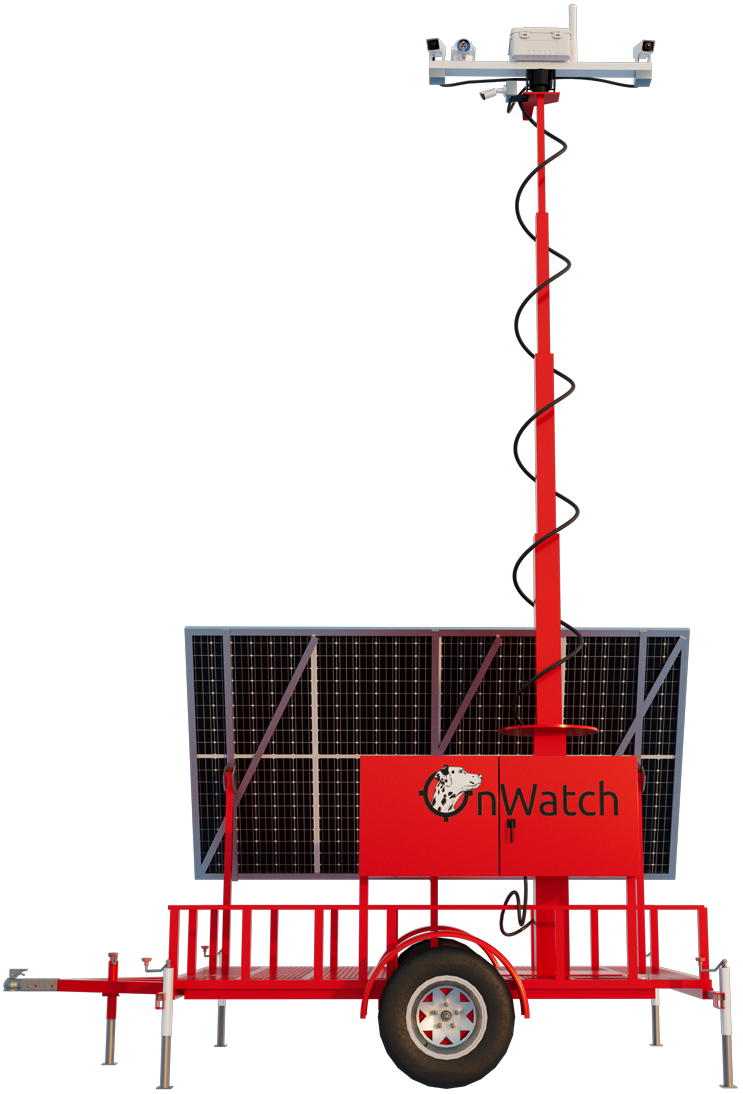
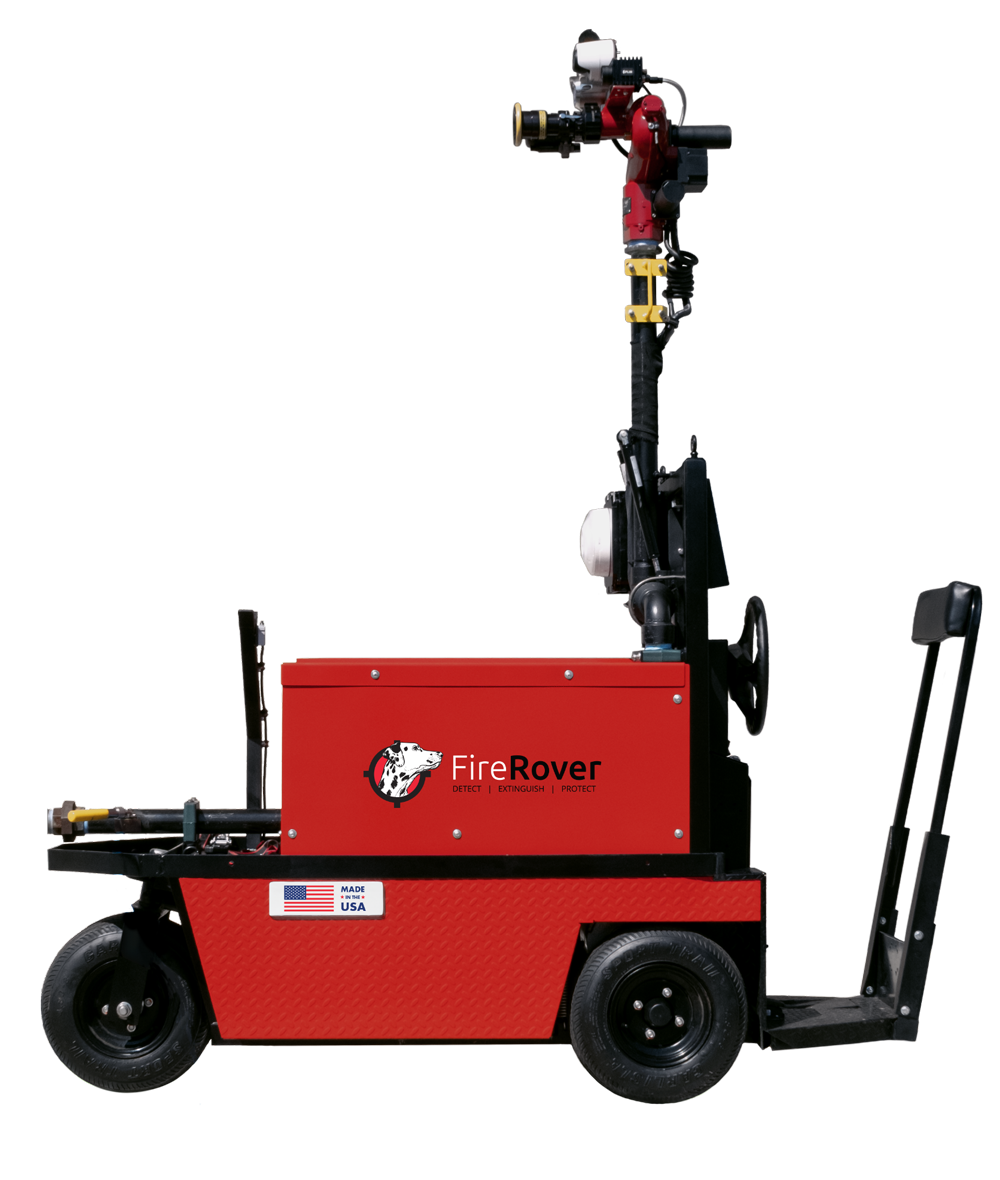
Fire Rover systems combine thermal imaging, flame detection, and human verification to deliver real-time awareness. When a potential threat is detected, trained professionals assess the situation and initiate a response. This adds both speed and accuracy to the process, which is something manual fire watch alone can’t do consistently.
Continuous monitoring doesn’t just replace fire watch. Instead, it enhances it. By pairing human presence with advanced detection technology, facilities can create a more reliable, responsive approach to fire protection.
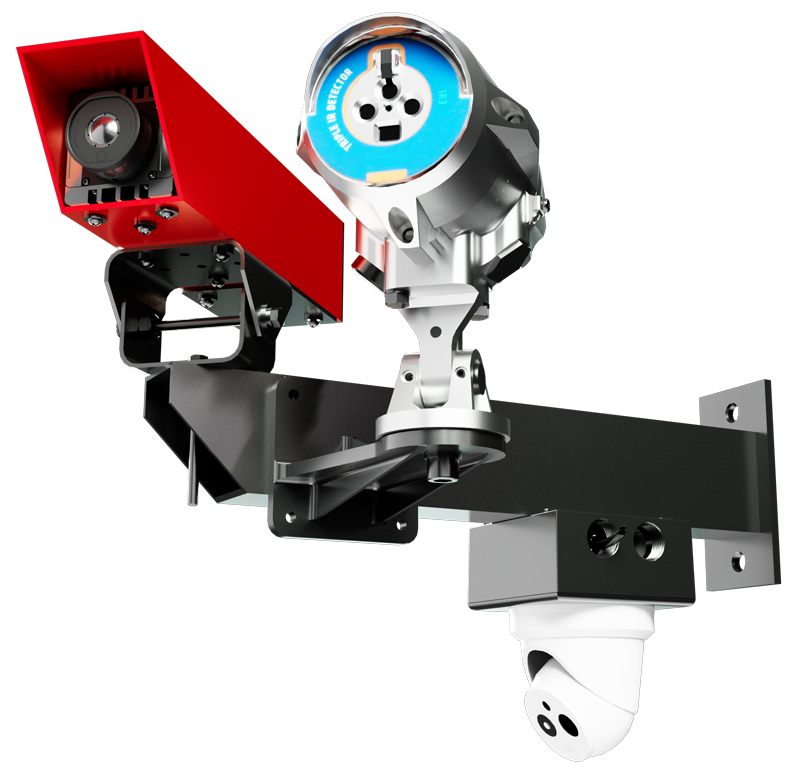
Early Detection System
Don’t wait for smoke and flames. Fire Rover’s Early Detection System uses thermal cameras and human verification to spot fire threats instantly and dispatch emergency services quickly.
Building a Safer Approach to Fire Watch and Facility Protection
Fire watch plays an important role in maintaining safety, but it’s only one part of a larger fire protection strategy. Facilities that focus solely on meeting minimum requirements may still face significant exposure, especially in large or complex environments.
A more effective approach combines fire watch with additional layers of protection. Early detection technologies, continuous monitoring, and clearly defined response protocols help close the gaps that manual oversight alone simply can’t address. This layered strategy allows facilities to identify risks sooner, respond more quickly, and reduce the likelihood of fires escalating.
By thinking beyond compliance, operators can shift from reactive protection to proactive risk management. In environments where fire can spread quickly, that shift can make a meaningful difference in both safety outcomes and operational continuity.
Strengthening Fire Protection Beyond Fire Watch
Fire watch is often required, but it shouldn’t be the only line of defense. Facilities that rely solely on manual monitoring may meet compliance standards, but they remain vulnerable to the limitations of human observation and delayed detection.
A more effective approach is layered protection. Combining fire watch with continuous monitoring, early detection, and rapid response and suppression capabilities helps close critical gaps. This approach not only improves safety but also reduces the likelihood of costly damage, operational disruption, and extended downtime.
If your facility relies on fire watch during system outages or high-risk activities, it may be time to take the next step. Fire Rover helps strengthen fire protection with real-time monitoring, human-verified detection, and rapid response, giving you greater confidence when it matters most. Contact Fire Rover to learn how you can enhance fire protection beyond fire watch.
Related Articles
Leading Fire Protection Solutions for Private Aircraft Hangars
The Anatomy of an Electronics Recycling Fire