
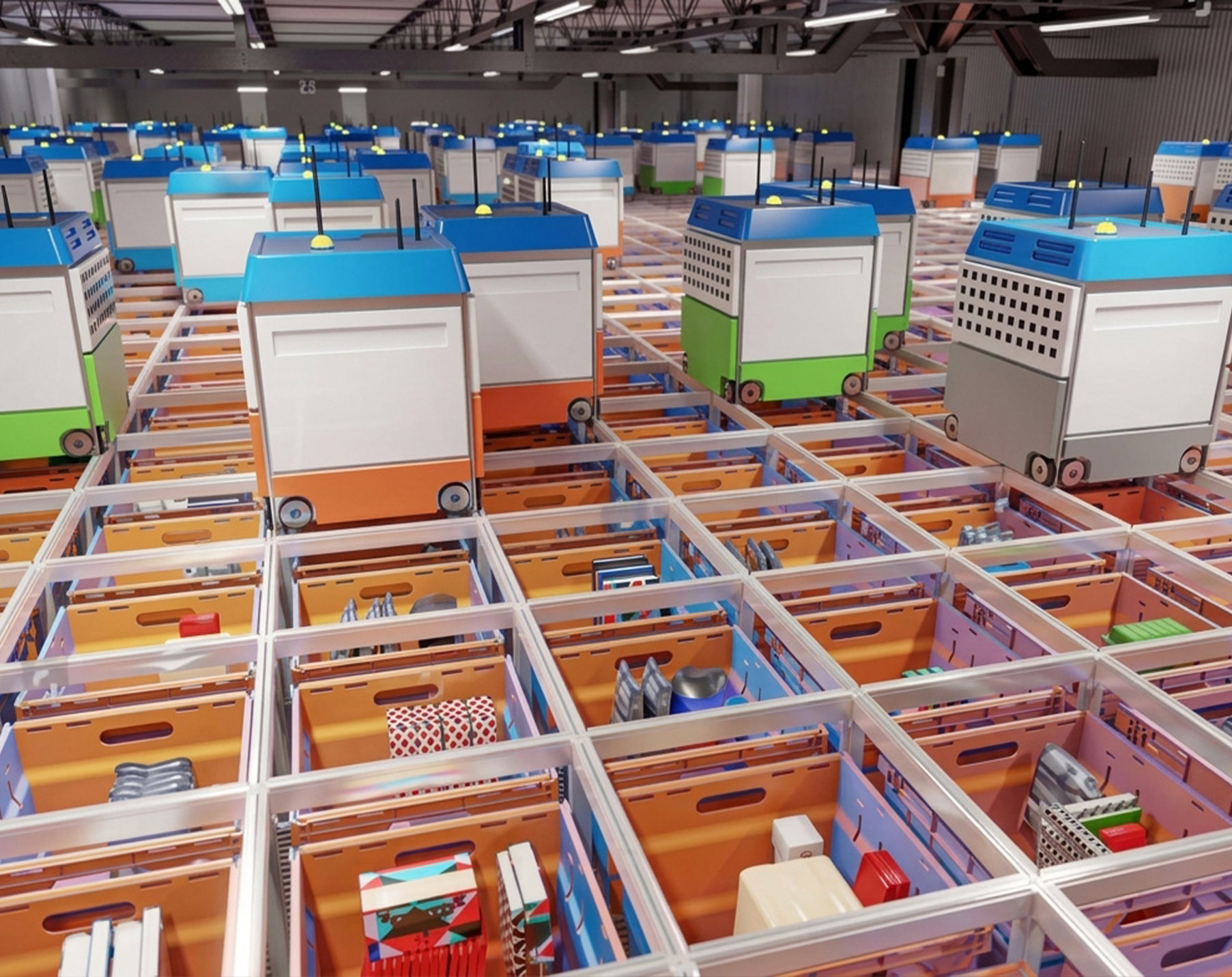
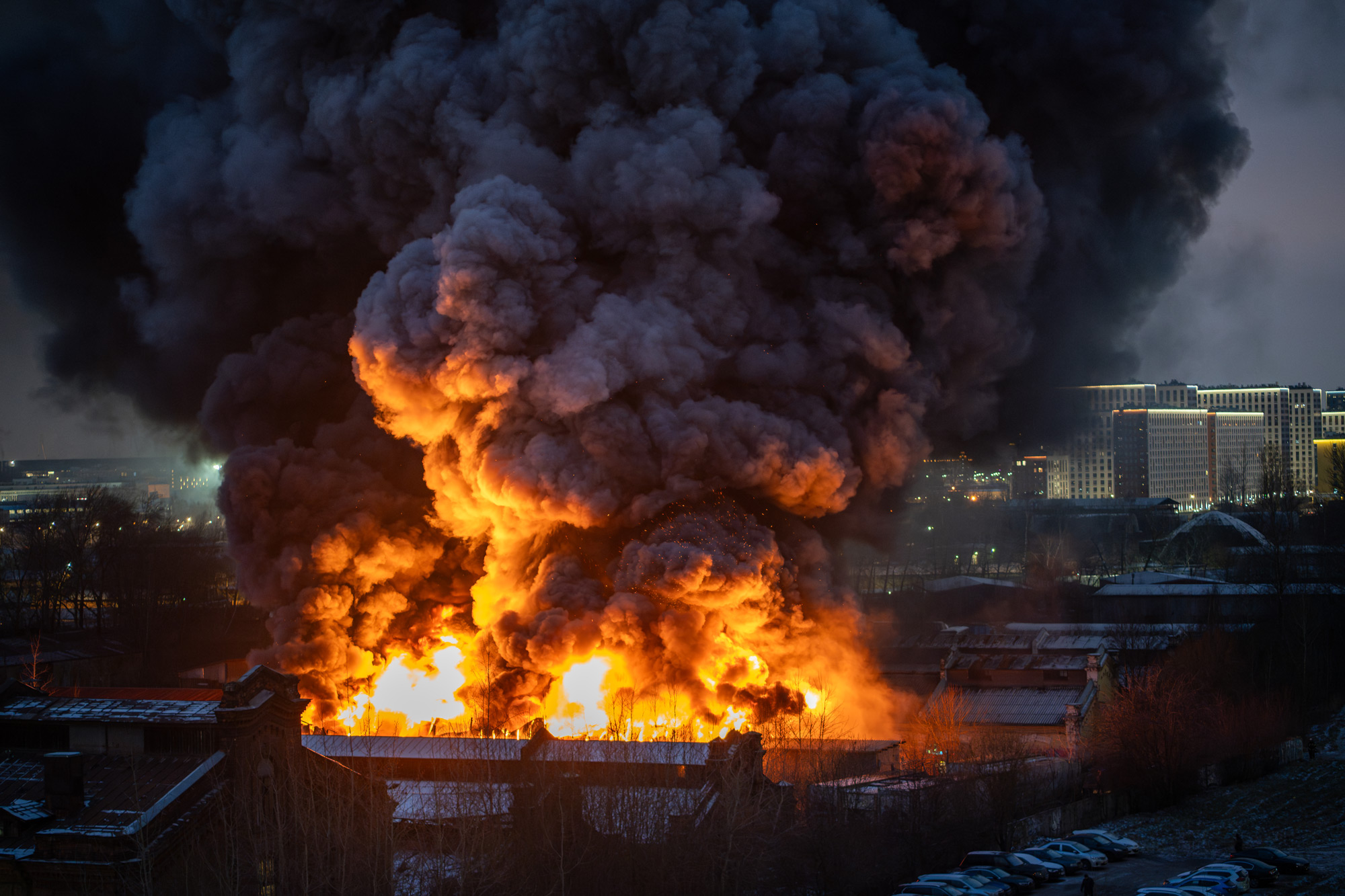

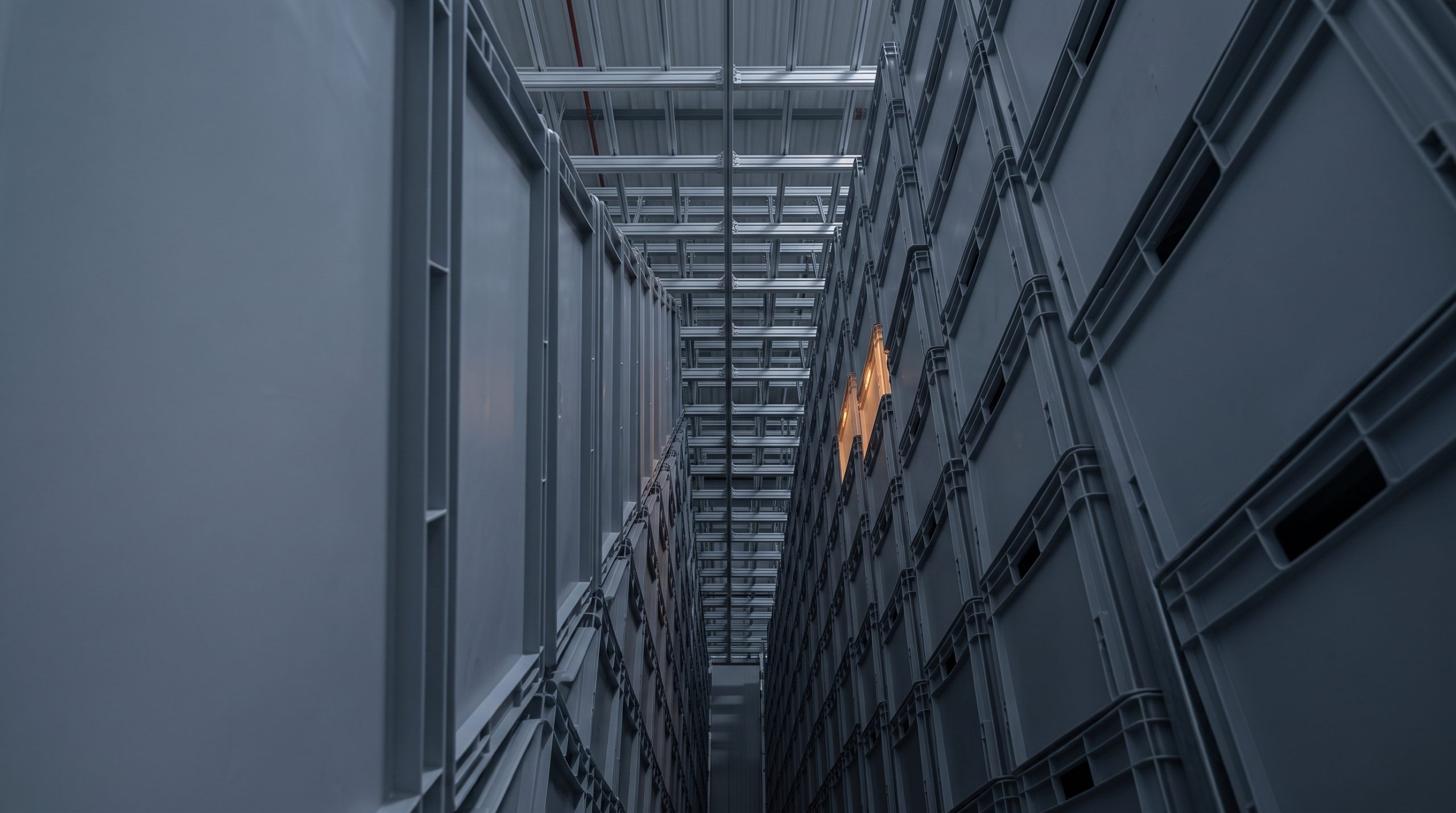
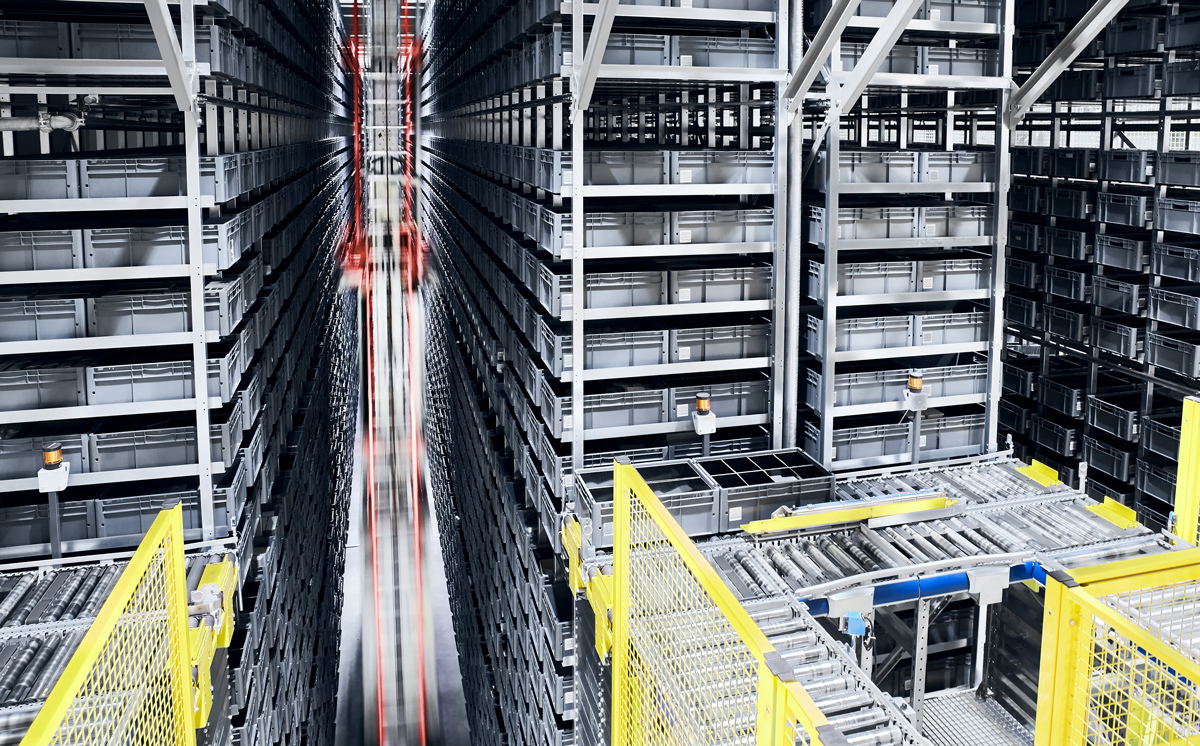
Automated storage and retrieval systems pack more product into less floor space than traditional rack storage. Totes stack floor to ceiling, robots replace expensive labor, and very little human oversight is required. These design efficiencies also make ASRS fire risk and fire suppression design more complex than conventional warehousing. A fire can start deep inside dense combustible storage, where it can evade traditional detection and limit suppression.
Beyond the severe safety and insurance risk, an ASRS fire shuts down the operation, and that downtime is often the biggest cost. A fire in the grid halts fulfillment and can result in months of rebuilding and recommissioning, or a facility that never reopens. NFPA’s Warehouse Structure Fires analysis estimates 1,508 US warehouse fires a year, causing about $323 million in direct property damage. Fires between midnight and 6 a.m. account for 18 %of incidents but 38% of the damage, which is exactly when an automated facility is most likely to run unstaffed.
Why ASRS Fire Risk is Different From a Conventional Warehouse
In a traditional warehouse, cartoned product sits on racks separated by wide forklift aisles that double as firebreaks, and in-rack sprinklers can be designed to deliver water quickly and directly to a fire. A top-loading ASRS (TL-ASRS) eliminates aisles, packing product into plastic totes with almost no wasted space. That efficiency changes the fire risk in several ways. In-rack sprinklers are no longer feasible. Melting totes drip and pool burning plastic, spreading fire downward through the stack. And once established, these fires are very difficult to contain or fully extinguish without overhaul by firefighters. Stephen Tamburello of Industrial Distribution compared a TL-ASRS to splitting a log into kindling and stacking it with air gaps: same material, faster ignition, faster burn.
Without in-rack protection, a TL-ASRS relies entirely on overhead detection and suppression, and both start at a disadvantage. When a tote ignites near the bottom of a stack, heat and smoke have to climb the full height of the grid before ceiling detection responds, and the fire grows unchecked the entire time. By the time sprinklers activate, the fire may already exceed the system’s design density, and the open-top totes stacked above it catch and hold much of the discharge before it reaches the source.
What Drives ASRS Fire Risk: Three Conditions to Plan Around
The hazards are not exotic. They are the ordinary consequences of running electrical and mechanical equipment around the clock inside a large volume of combustible product. Add a structure designed to keep people out, and three conditions account for most of the exposure.
- Robot and wire faults: Shuttles, lifts, conveyors, and grid robots run nearly nonstop. Their motors, drive components, charging contacts, and control wiring sit surrounded by totes and packaging. A seized bearing, an overheating motor, a collision, or an arcing connection puts an ignition source deep inside the storage array, in a zone no one walks past. In the NFPA data cited above, operating equipment was the heat source in 44 percent of warehouse fires. Arcing from operating equipment alone accounted for an estimated 14 percent.
- Lithium-ion batteries: They appear on both sides of the operation. Many grid robots and shuttles run on rechargeable batteries and charge at stations on or beside the grid. The totes themselves may also hold batteries or battery-containing goods. A damaged, defective, or overheating cell can enter thermal runaway, a self-sustaining reaction that generates its own heat and releases flammable gas. It can also reignite after a fire appears to be out.
- High density and minimal flue space: Flue spaces let heat and smoke rise toward ceiling detection, and they let water travel down to the seat of a fire. In an ASRS they are narrow, and the totes themselves sometimes block them. Fire spreads more easily across a shuttle aisle a few feet wide than across a forklift aisle. A fire that starts in one stack therefore has dense, continuous fuel on every side.
These conditions aren’t defects. They are what an ASRS looks like when it’s working exactly as designed, which is why its fire protection has to be built for them, not borrowed from conventional warehouse design.
Case Study: Same Hazard, Opposite Outcomes at Two Ocado Warehouses
Automated storage facilities create a fire hazard that conventional protection was never designed to handle. Two fires at Ocado’s grocery fulfillment centers in the United Kingdom, one a total loss and one contained, show why.
Andover, 2019: A Fully Sprinklered Building, Lost
The fire began with an electrical fault in a battery-charging unit at the edge of the storage array. The building appeared well protected: it was fully sprinklered, and the system had reportedly earned a gold safety award the previous year.
That protection failed. The fire was deep-seated in an inaccessible, fuel-dense area, and despite four days of effort by seven fire services, the building was a total loss. Deep voids in the grid and heavy smoke kept firefighters on the defensive. The loss cost Ocado £110 million beyond insurance, and rebuilding took more than two years.
Erith, 2021: Contained, but Not Without Cost
In July 2021, three robots collided on the grid at Ocado’s Erith facility, starting Ocado’s second fire. Attenuation measures held the damage to less than 1% of the grid, and no one was injured.
By building standards, Erith was a success. Operationally, it was not. Approximately 800 employees were evacuated, and the response required roughly 100 firefighters and 15 fire engines. Ocado canceled orders and closed the facility for several days. A fire confined to a fraction of the grid still disrupted the entire operation.
The Lesson
Both fires started at the ASRS array, from equipment performing its normal function. In both cases, the outcome depended on how quickly the fire was detected and whether the response could reach it.
Facilities like these require protection matched to the hazard: continuous thermal monitoring that identifies heat before flame, real-time verification that removes guesswork, and targeted suppression delivered from outside the structure. The objective is not only to save the building, but to stop the fire before it forces an evacuation, a major emergency response, or a shutdown.
Too Far, Too Late: The Limits of Traditional Ceiling-Level Protection
Conventional fire protection is built around the ceiling. Heat and smoke rise, a detector or sprinkler head at the ceiling responds at its design threshold, and water falls onto the fire below. In a conventional warehouse, that sequence works well. The fire is usually close to the ceiling, and the path from the ceiling back down to it is open.
An ASRS stretches both ends of that sequence. A tote begins to smolder four tiers down in a dense stack. Before anything at the ceiling can respond, that heat and smoke have to climb a narrow flue and cross a tall air space. The fire has the whole climb to grow before anyone knows it exists. When the sprinklers do open, the water has to make the same trip in reverse, down through those narrow flues, to reach the seat of the fire. The open-top totes above it catch water on the way down. Every gallon a tote holds is a gallon that never reaches the source.
Meanwhile, fire continues to spread within the dense fuel load of the array. The sprinkler systems are doing exactly what they were designed to do. The problem is that the environment requires more from a ceiling-level system than a traditional system can deliver on its own. That’s the problem ASRS operators and fire protection engineers are trying to solve: if in-rack sprinklers are unusable, and overhead sprinklers alone can’t achieve containment or final extinguishment, what is a feasible alternative?
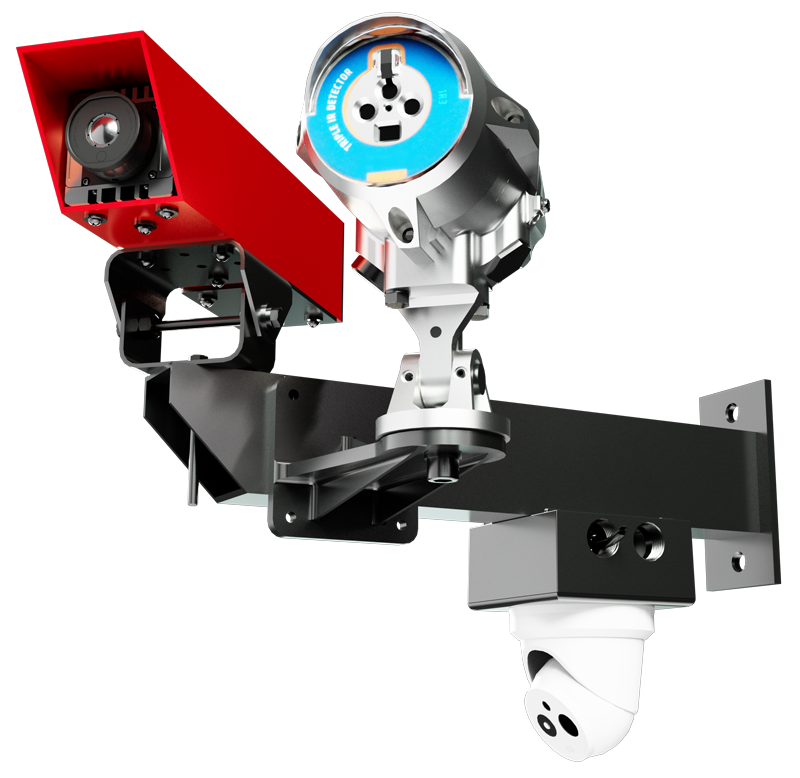
Early Detection System
Don’t wait for smoke and flames. Fire Rover’s Early Detection System uses thermal cameras and human verification to spot fire threats instantly and dispatch emergency services quickly.
The Missing Layer in ASRS Fire Protection: Faster Detection, Targeted Reach, Earlier Extinguishment
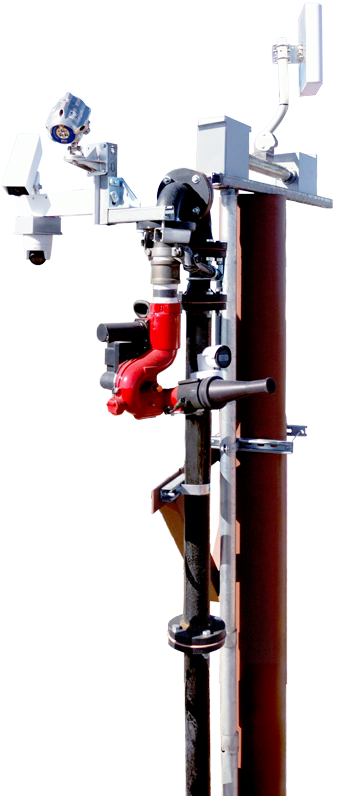
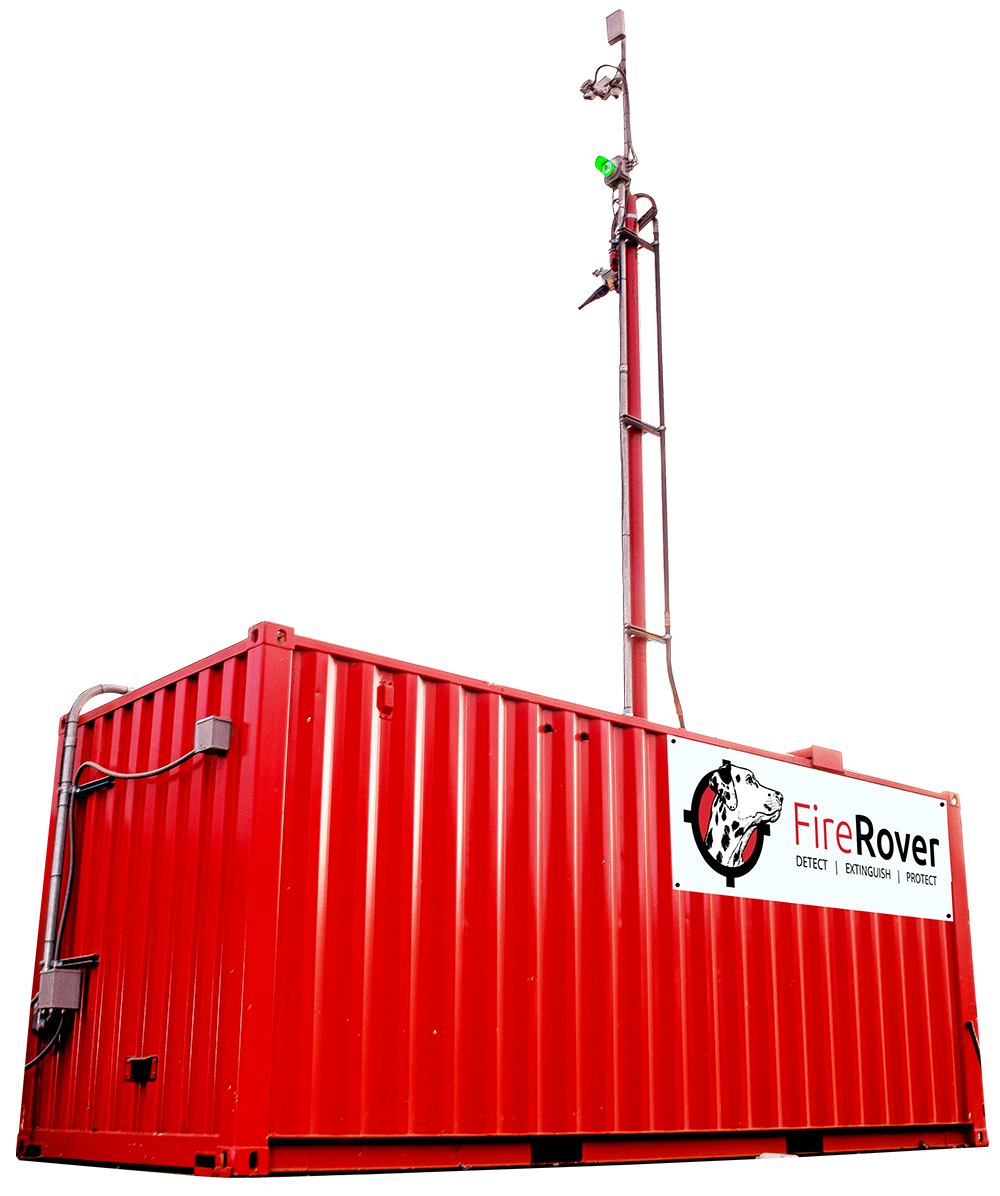
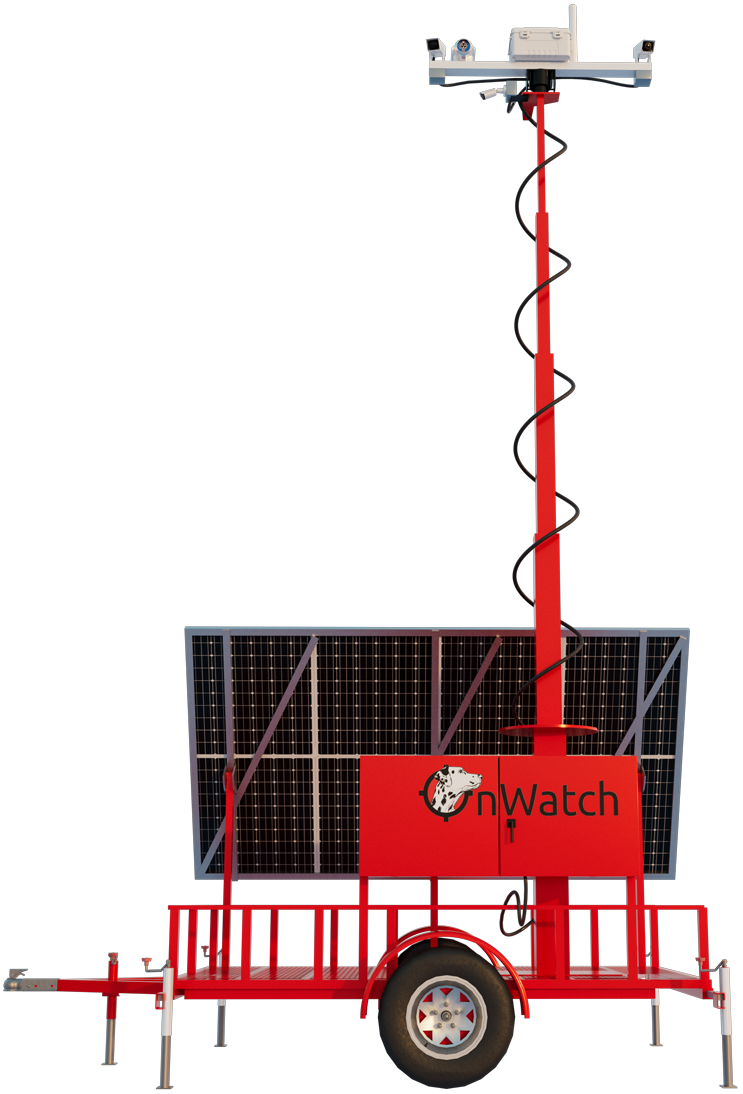
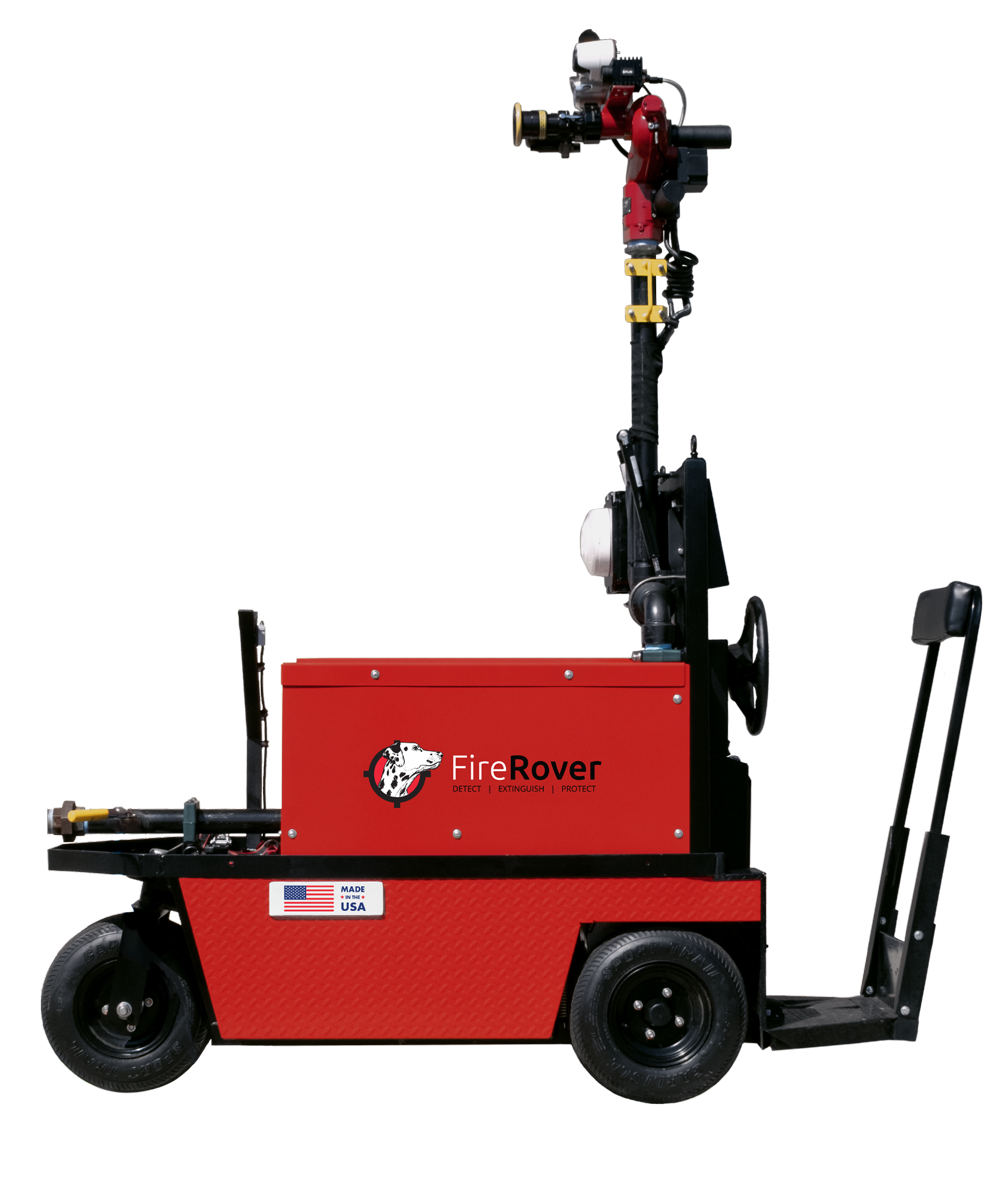
Fire Rover is a complete detection-to-suppression system that operates around the clock. Early Detection cameras combine thermal, flame, and smoke analytics to continuously monitor the protected area. When the system identifies abnormal heat or signs of fire, it sends an immediate alert to Fire Rover’s remote monitoring center. A trained operator reviews the live thermal and video feed to confirm the event and pinpoint its location. Once the fire is verified, the operator takes control of the Continuous Suppression System monitor and directs a targeted stream at the seat of the fire, adjusting the aim in real time until the threat is extinguished. Throughout the event, operators keep site personnel and responding firefighters informed with the fire’s exact location and status.
The result: fires are found earlier, confirmed by a person, and attacked at the source, all without anyone entering the hazard area.
Earlier Detection, Faster Engagement
Fires in automated storage don’t all start the same way, so detection can’t rely on a single signal. Fire Rover’s Early Detection System layers three technologies to cover multiple fire scenarios. Thermal imaging identifies abnormal heat buildup, such as an overheating battery or charging unit, before it ever ignites. Flame and spark detection responds instantly to fast-developing events like an electrical arc or a mechanical collision. Smoke analytics catches smoldering fires that produce smoke long before they generate significant heat or visible flame. Together, they close the blind spots any single sensor would leave. Each alert is verified and acted on in the early stage of a fire, well before a sprinkler head reaches its activation temperature. Earlier detection means earlier suppression, a smaller fire, less water, and a far greater chance of reaching final extinguishment quickly.
Targeted Suppression at the Seat of the Fire
Overhead sprinklers discharge where heat reaches the ceiling, not necessarily where the fire is burning. Fire Rover directs a pinpoint stream to the source, driving water down through flue spaces and openings in the storage structure along the most direct path to the fire seat. Instead of soaking the entire grid, water is directed where it’s most effective.
Fighting the Fire Without Risking Human Safety
Smoke and restricted access inside an automated storage grid can make interior firefighting unsafe. Fire Rover keeps suppression going in those conditions. Thermal imaging sees through smoke, so the operator maintains a clear view of the fire seat and continues targeted suppression remotely, from outside the hazard area. Firefighters stay out of harm’s way while the fire is controlled and the asset is protected.
Human Verification: No False Alarms, No Unnecessary Deluge
Fire Rover detects automatically but does not discharge automatically. A trained operator verifies the threat within seconds and takes remote control of the monitor. Nothing discharges until then. That eliminates two failure modes of traditional systems: false activations caused by dust, heat from operating equipment, or sensor malfunction, and the costly water damage and downtime that follow.
Aligned With FM Global Guidance
FM Global Data Sheet 8-34 recognizes that automated storage presents unique fire protection challenges. FM’s newer Data Sheet 4-14 builds on that guidance. For storage and retrieval systems, it recognizes FM Approved automated monitors as a way to help achieve final extinguishment. Fire Rover is FM Approved as an Automatic Detecting Remote Controlled Monitor, bringing early detection, human verification, and targeted suppression to the point where sprinklers alone fall short: reaching the fire seat and putting the fire out. (Learn more in How FM Global’s New Data Sheet 4-14 Validates Smart Fire Protection.)

Talk Fire Risk With Lindsey
As one of Fire Rover’s founding leaders, Lindsey has helped hundreds of facilities deploy proactive fire protection. She can walk you through the right solution for your site.
Protect Your Automated Warehouse From the Inside Out
A fire inside an ASRS puts the throughput, the inventory, and the rebuild timeline of an entire fulfillment operation at risk. It often does so during hours when no one is on site to notice.
Fire Rover’s Continuous Suppression System pairs continuous thermal, smoke, and flame monitoring with human verification and high-pressure suppression aimed at the source inside the rack structure. It is built and installed to work alongside the protection a facility already has. Contact our team to review your ASRS layout and talk through the right configuration for your site.
Related Articles
3 Ways a Fire Prevention Plan Can Improve Safety in Your Workplace
Leading Fire Protection Solutions for Private Aircraft Hangars