









Lithium-ion batteries power everything from electric vehicles and industrial equipment to energy storage systems and consumer electronics. As their use continues to expand across industries, so does the need to understand the risks associated with them, especially when it comes to fire.
While battery fires are relatively rare, they behave very differently from traditional fires. When they do happen, they’re often driven by thermal runaway. This process can escalate rapidly, spread unpredictably, and resist conventional suppression methods. For industrial facilities, that combination creates a fire risk that is both fast-moving and difficult to control.
What Is Thermal Runaway and How Does It Start
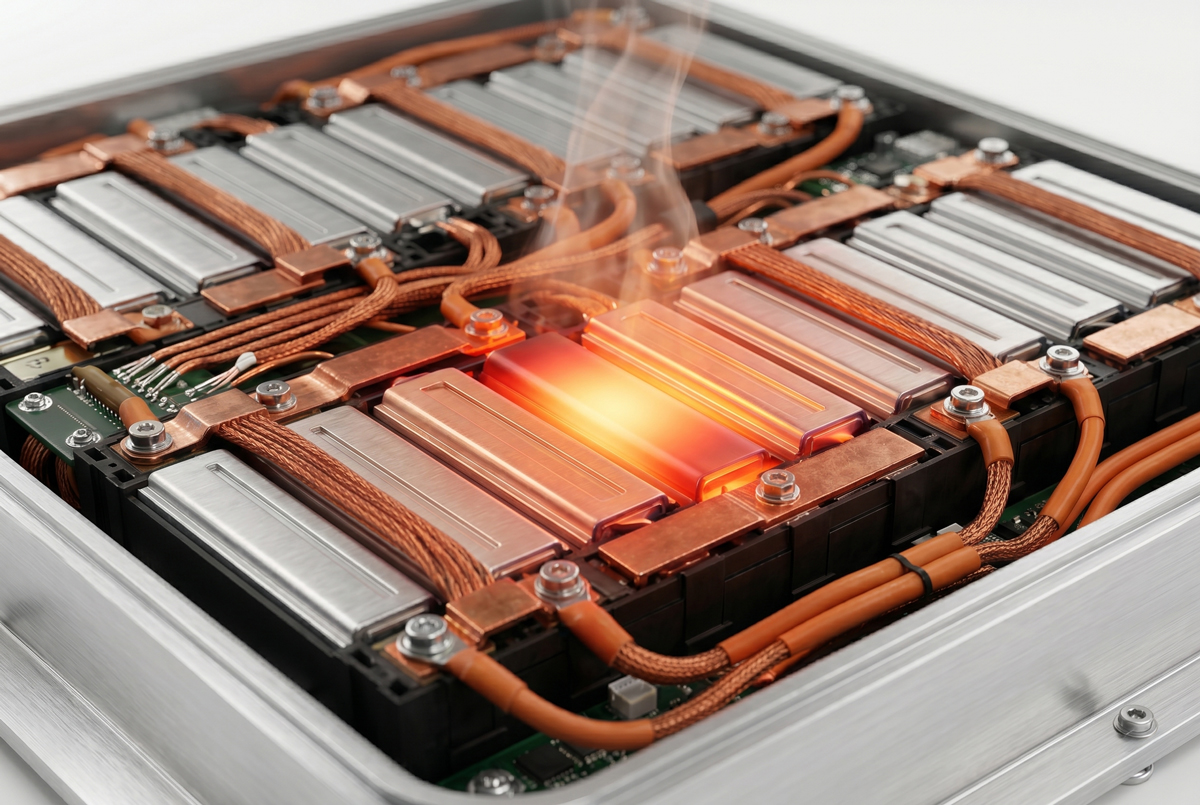
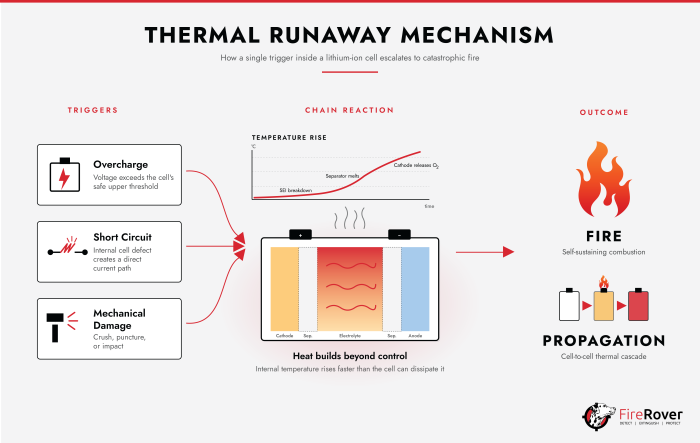
Thermal runaway is a chain reaction that occurs inside a lithium-ion battery when internal temperatures rise beyond a critical threshold. As heat builds, the battery’s internal components begin to break down, releasing energy in the form of heat and flammable gases. This additional heat accelerates the reaction, creating a self-sustaining cycle that can quickly spiral out of control.
It can be triggered in several ways. Physical damage, such as crushing or puncturing a battery, can harm the internal structure and initiate failure. Overcharging, manufacturing defects, or exposure to external heat can also create the conditions for thermal runaway. In industrial environments, batteries may be subjected to stress during handling, processing, or storage, increasing the likelihood of these triggers happening.
In many cases, the process begins at a microscopic level inside the battery, where internal components fail without any visible warning. By the time external signs appear, the reaction may already be well underway, making early detection extremely difficult without the right monitoring systems.
Talk Fire Risk With Sid
With expertise in EV fleet safety and infrastructure, Sid helps operators reduce fire risk and protect people, assets, and operations during the transition to electrification.
Why Lithium-Ion Battery Fires Escalate So Quickly
One of the most dangerous aspects of thermal runaway is how quickly it escalates. A single compromised battery cell can transfer heat to neighboring cells, triggering a cascading failure throughout the battery pack. What begins as a localized issue can become a fully involved fire in a matter of seconds.
Unlike many traditional fire scenarios, where ignition and spread may take time, thermal runaway accelerates almost instantly. The chemical reactions involved generate extreme heat, often exceeding 1,000°F, and release flammable gases that can ignite or even explode. This rapid escalation leaves very little time for delayed detection or response, making early intervention critical.
In high-density environments, this rapid escalation becomes even more dangerous. When batteries are stored or charged in close proximity, heat transfer between units can accelerate the spread, turning a single failure into a multi-unit fire event almost immediately.
Why Thermal Runaway Fires Are So Difficult to Stop
Thermal runaway fires are not only fast-moving, but they’re also uniquely difficult to extinguish. Unlike traditional fires that rely on external oxygen, lithium-ion battery fires generate their own heat and release gases that sustain combustion. This allows them to continue burning even in low-oxygen conditions.
Even when flames appear to be extinguished, the internal reaction may still be active. This creates a high risk of re-ignition, sometimes minutes or even hours after the initial event. In many cases, the goal isn’t simply to extinguish visible flames, but to cool the battery enough to stop the underlying chemical reaction.
Because of this, lithium-ion battery fires often require prolonged monitoring and repeated intervention. A situation that appears controlled can quickly become active again if residual heat remains. This persistence is what makes thermal runaway one of the most challenging fire risks to manage in industrial environments.
Where These Fires Are Most Likely to Occur
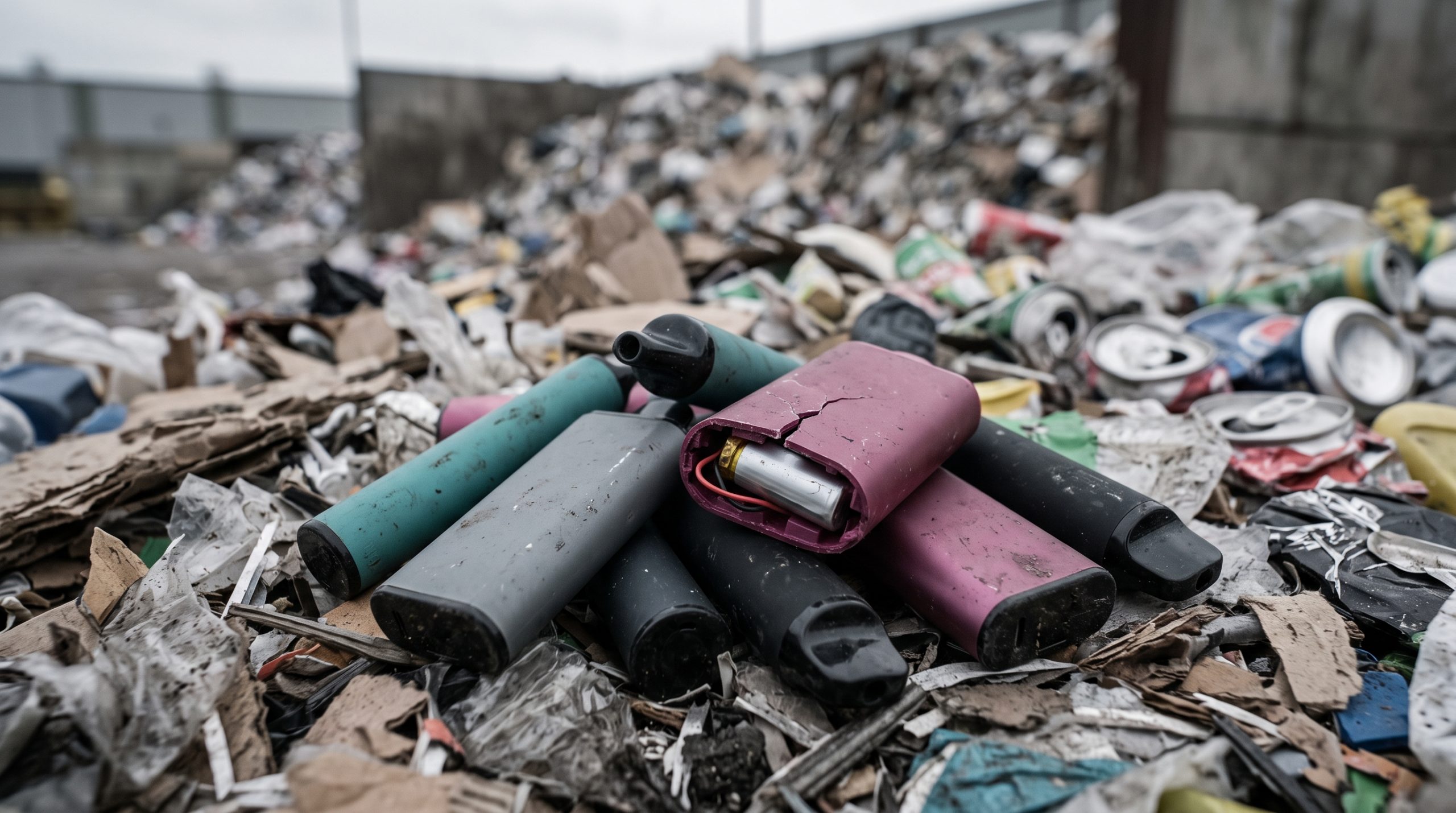
Thermal runaway incidents are most likely to occur in environments where lithium-ion batteries are stored, used, or processed at scale. This includes EV fleet facilities, recycling operations, manufacturing plants, warehouses, and energy storage sites. In each of these environments, batteries are often handled in high volumes, increasing the potential impact of a single failure.
EV fleet facilities, for example, introduce risk through overnight charging operations. Vehicles are often charging unattended, and if a battery issue develops, it may go unnoticed. In recycling and waste processing environments, batteries can be damaged during handling or shredding, creating hidden ignition risks. Across all of these settings, high battery density and close proximity between units can allow fires to spread quickly once they begin.
Warehousing and distribution environments present similar challenges, especially as battery-powered equipment and stored energy systems become more common. In these settings, batteries may be stored for extended periods, increasing the risk of unnoticed degradation or damage that can lead to thermal events.
Why Traditional Fire Protection Systems Often Fall Short
Traditional fire protection systems are designed to respond to heat, smoke, or open flame, typically after a fire has already developed. In thermal runaway scenarios, this delay can be critical. Fires may already be spreading or involving multiple battery units before systems respond.
And, many suppression systems are designed to treat large areas rather than specific ignition points. Sprinklers or deluge systems may activate across an entire facility, which can help limit overall spread but may not effectively target the source of the problem. This approach can also lead to unnecessary water use, equipment damage, and operational disruption without fully addressing the underlying thermal event.
In fast-moving fire scenarios, even a short delay in detection or response can significantly increase the scale of an incident. By the time traditional systems activate, operators are often forced into managing a larger, more complex event rather than containing a small, localized risk.
Early Detection System
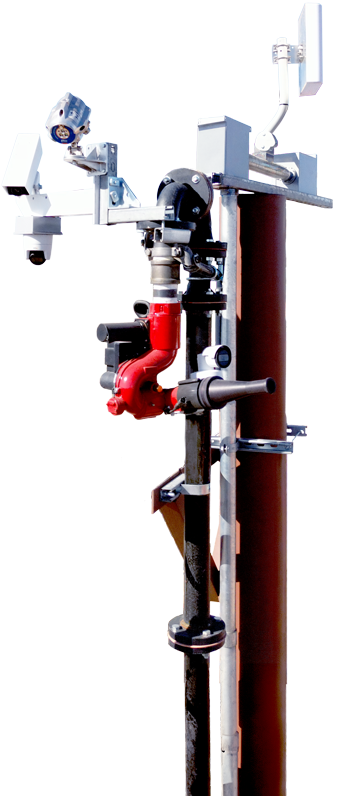
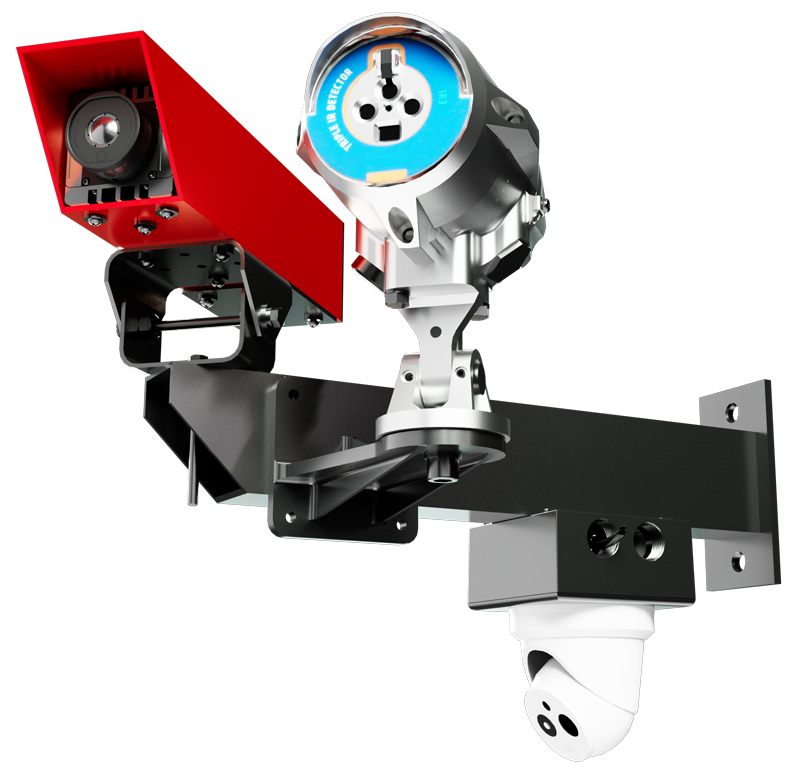
Don’t wait for smoke and flames. Fire Rover’s Early Detection System uses thermal cameras and human verification to spot fire threats instantly and dispatch emergency services quickly.
The Critical Role of Early Detection and Rapid Response
Because thermal runaway develops rapidly, detecting issues early is one of the most effective ways to reduce risk. Technologies like thermal imaging, flame detection, and smoke analytics can identify abnormal heat patterns or early warning signs before visible flames appear. This creates an opportunity to intervene while the situation is still manageable.
Continuous monitoring is especially important in environments where batteries are stored or charging unattended. Instead of relying on periodic checks or passive systems, facilities can maintain real-time awareness of conditions. Detecting heat buildup early allows operators to respond faster, reducing the likelihood that a small issue develops into a major fire event.
How Fire Rover Helps Stop Battery Fires Before They Escalate
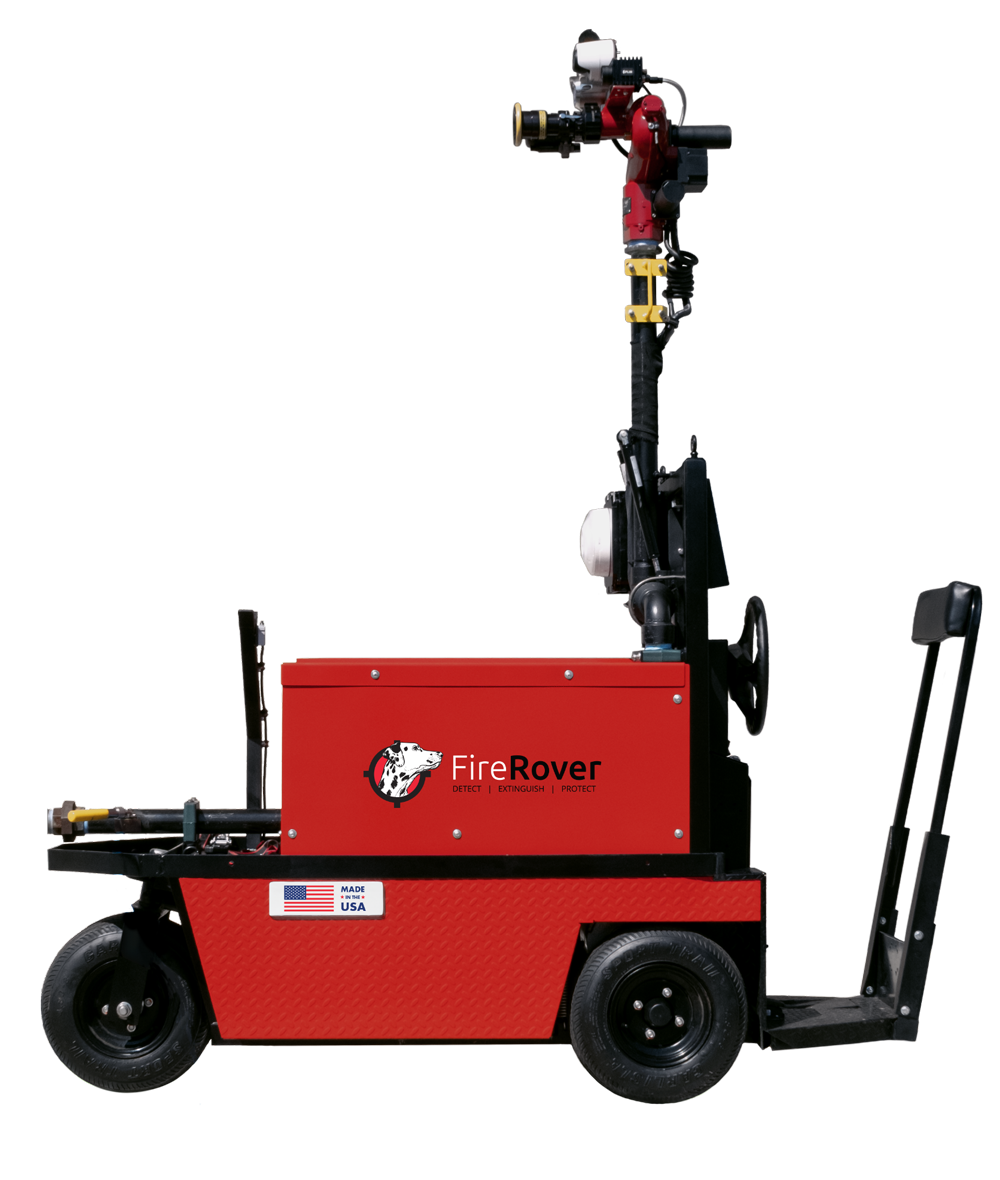
Fire Rover is designed to address the challenges of fast-moving, high-risk fire environments like those involving lithium-ion batteries. By combining advanced detection technologies with 24/7 live human monitoring, Fire Rover identifies potential fire events at their earliest stages and verifies threats in real time.
Once a risk is confirmed, targeted suppression can be deployed directly at the source of ignition. This precise response helps contain fires quickly and reduces the likelihood of spread to nearby batteries, equipment, or infrastructure. By addressing fire risks early, Fire Rover helps prevent escalation and minimizes the operational impact of battery-related incidents.
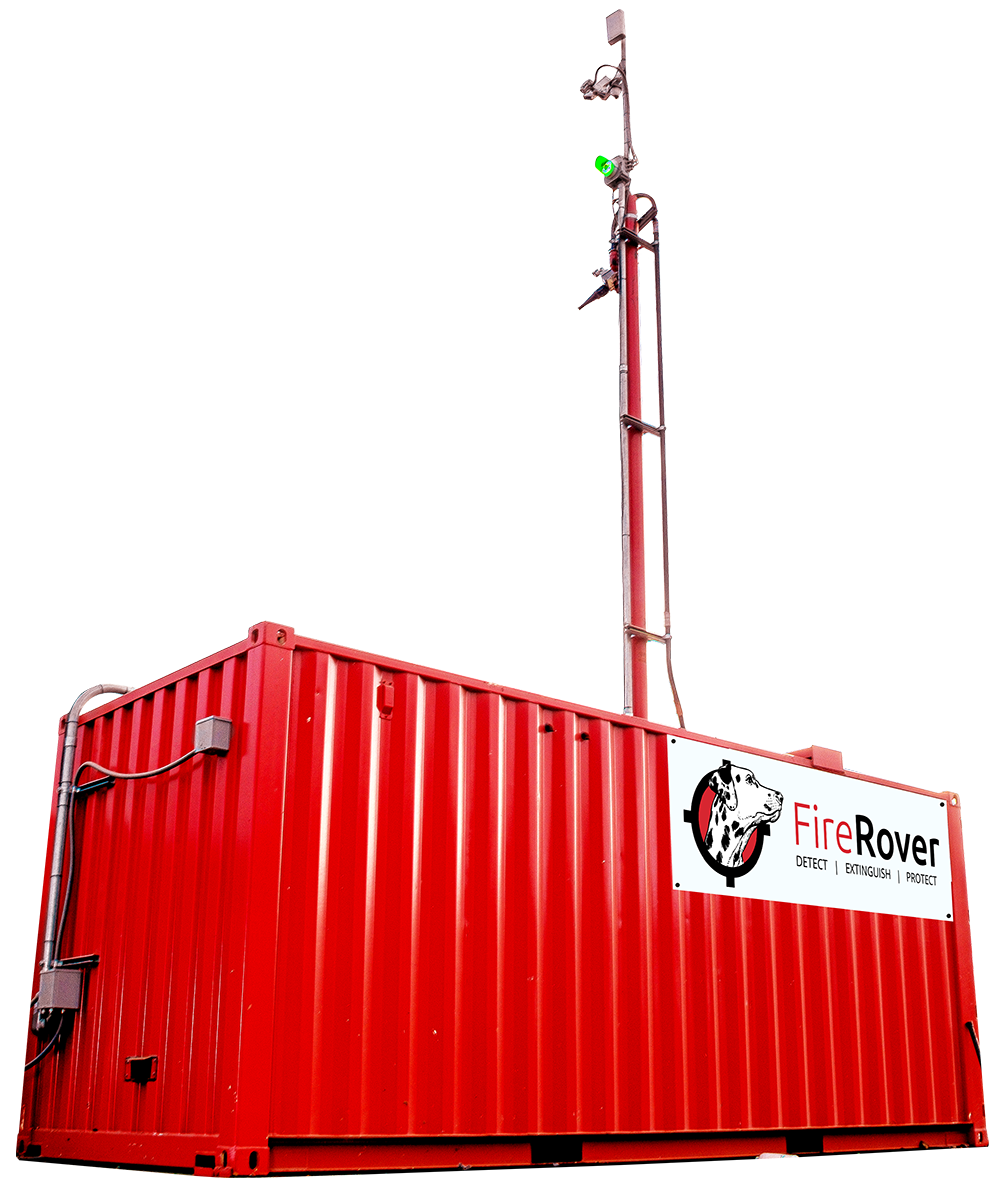
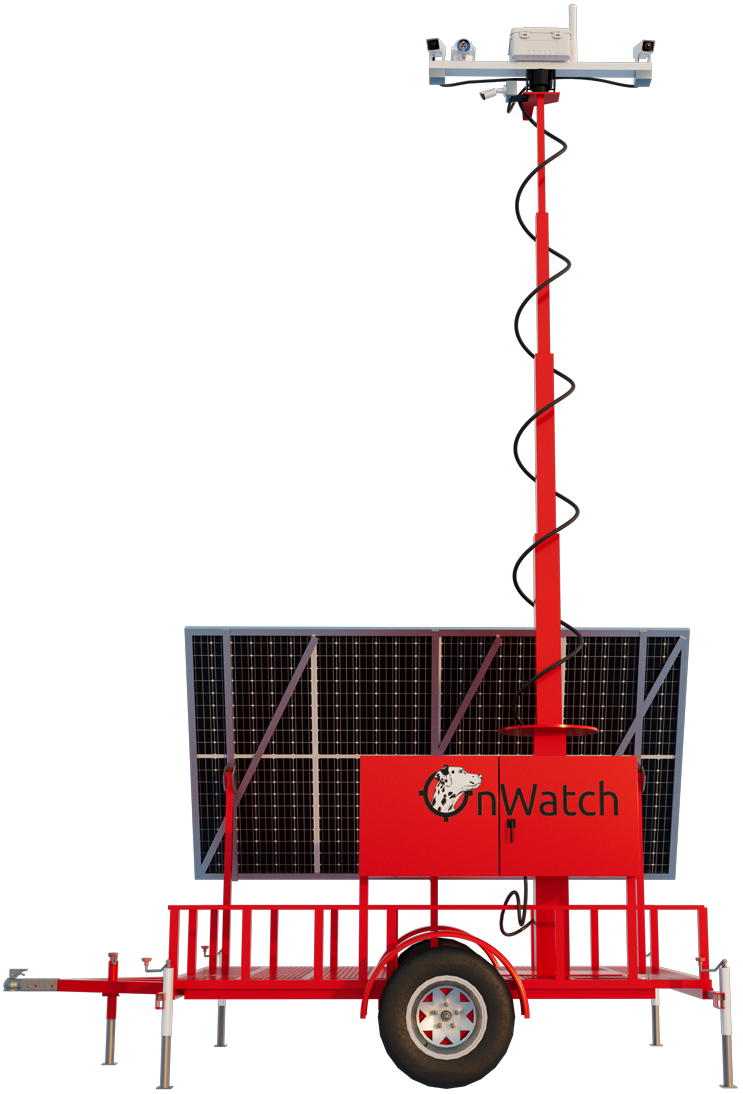
Self-Contained Suppression System
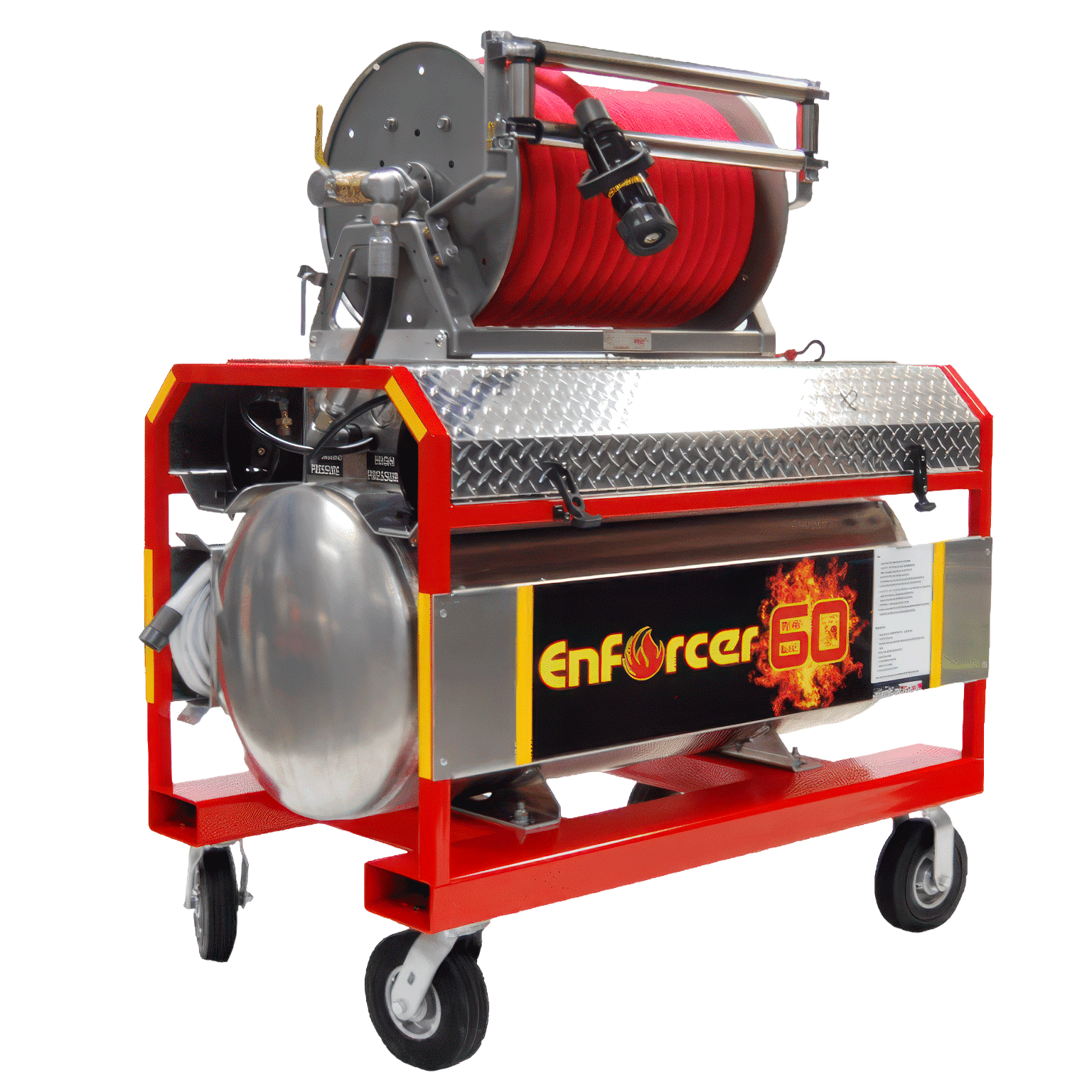
No water hookup? No problem. OurSelf-Contained Suppression System delivers autonomous fire suppression in remote or high-risk areas to provide protection where you need it most.
Strengthening Fire Protection in Battery-Driven Environments
As lithium-ion batteries continue to play a larger role in industrial operations, the risks associated with thermal runaway will remain a critical concern. These fires behave differently, escalate rapidly, and require a more proactive approach to detection and response.
Facilities that rely solely on traditional fire protection systems may find themselves reacting too late. By integrating early detection, continuous monitoring, and targeted suppression, operators can better protect their people, assets, and operations from one of the most challenging fire risks in modern industry.
If your facility is managing lithium-ion battery risks, Fire Rover can help you stay ahead of them. Contact our team to learn how early detection and targeted suppression can protect your operation before a small issue becomes a major incident.
Related Articles
The Anatomy of an Electronics Recycling Fire
September 2026 Fire Report: The Extended Summertime Spike, the Vape Effect and a First Sign of Progress