




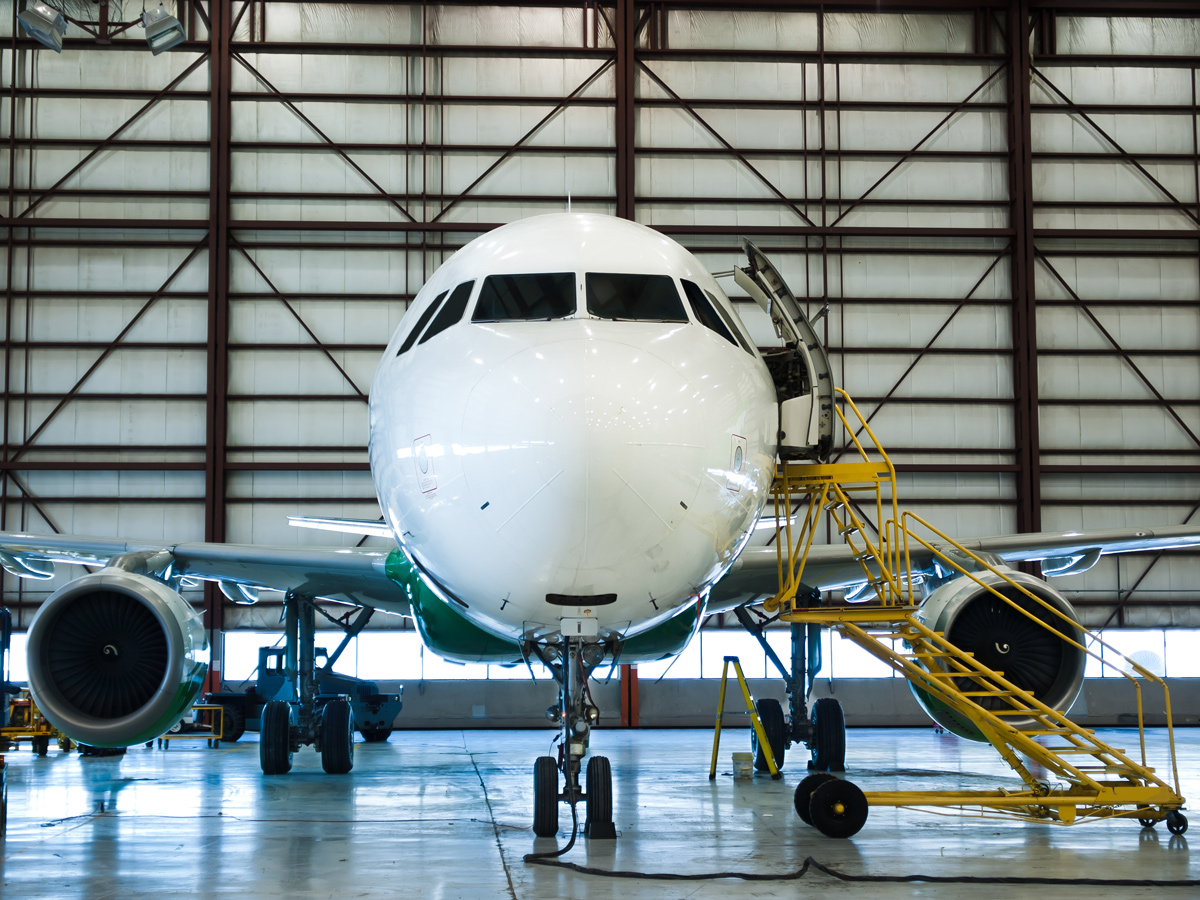


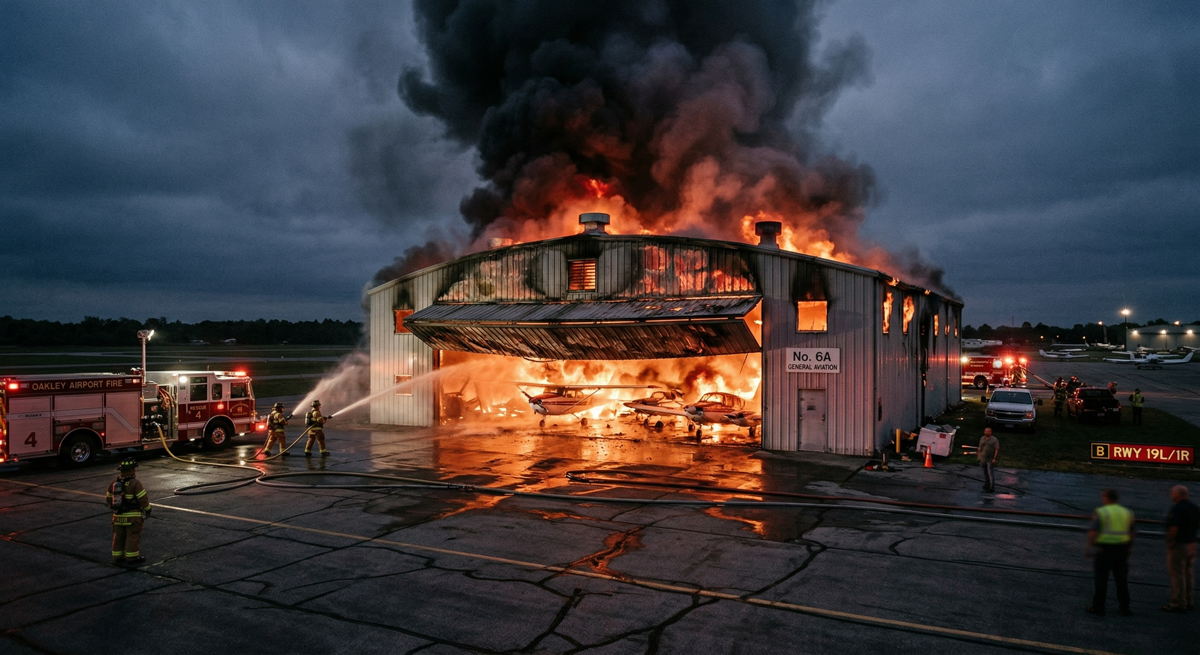
Aircraft hangars are among the highest-consequence fire environments in commercial aviation. And, while fires in hangars may be relatively infrequent, the potential impact of a single incident can be catastrophic, damaging multiple aircraft, halting operations, and creating long-term financial and regulatory challenges.
The core issue isn’t just ignition, but how quickly a fire can spread once it begins. Traditional fire protection systems are designed to respond after a fire has already developed. In large, open hangar environments, that delay can allow flames and heat to spread before suppression ever begins. As aviation operations grow more complex, operators are increasingly focused on detecting and addressing fire risks earlier, before they become major events.
Why Aircraft Hangars Are High-Consequence Fire Environments
Fire protection in aircraft hangars isn’t driven by how often fires occur, but by what is at stake when they do. A single ignition event can expose multiple aircraft, ground support equipment, and facility infrastructure, all within the same open space. The financial impact can quickly reach tens or even hundreds of millions of dollars.
Beyond direct asset loss, hangar fires can create ripple effects across operations. Aircraft are grounded, maintenance schedules disrupted, and inspections triggered by regulatory bodies. Insurance claims and increased premiums can follow, along with damage to your reputation. So preventing escalation is just as important as extinguishing the fire itself.
Common Fire Risks in Aircraft Hangars
Aircraft hangars present a range of fire risks tied to everyday operations. Maintenance, like welding, grinding, and cutting, introduces sparks and high heat into environments where flammable materials and sensitive equipment are found. Even when controlled, these processes can create unintended ignition points.
Fuel systems add another layer of risk. Jet fuel and fuel vapors may be present during servicing or repair, increasing the likelihood that a small spark becomes a fast-moving fire. Electrical systems, ground support equipment, and residual materials can also contribute to ignition risk, often in ways that are difficult to predict.
What makes these risks more challenging is that they rarely occur in isolation. A combination of heat, fuel, and airflow can create conditions where a minor issue escalates quickly. Without early detection, these overlapping risks can develop into significant fires before they’re even recognized.
How Hangar Design Contributes to Fire Growth
The physical structure of an aircraft hangar plays a major role in how fires develop and spread. Large open volumes and high ceilings allow heat to rise and disperse, delaying activation of traditional heat-based detection systems. This means a fire can grow significantly before triggering an alarm.
Airflow patterns and open layouts can also contribute to fire spread. Radiant heat and flames can move across the hangar floor, increasing the likelihood of exposure to nearby aircraft and equipment. In some cases, the design of the space can create detection blind spots, where early-stage fires go unnoticed.
These factors make timing critical. The longer a fire goes undetected, the more difficult it becomes to contain. In hangar environments, even a short delay can mean the difference between a small incident and widespread damage.
Talk Fire Risk With John
With 25+ years in fire protection and deep expertise in high-risk industries, John helps facilities choose the right Fire Rover system with confidence.
The Limitations of Traditional Foam Deluge Systems
Foam deluge systems are commonly used in aircraft hangars to control large-scale fires. They’re designed to discharge foam across the entire hangar volume once certain heat thresholds are reached. While effective at suppressing widespread fire, they are inherently reactive.
Because these systems activate after a fire has already developed, they only respond to events that have already escalated. By the time foam is deployed, the fire has usually spread beyond the initial ignition point.
There are also operational trade-offs. Full-scale discharge can impact every aircraft and piece of equipment in the hangar, regardless of whether they’re involved in the fire. Cleanup, inspection, and system reset can take significant time, leading to operational downtime and added costs. In many cases, the disruption caused by suppression can rival the impact of the fire itself.
The Role of Early Detection in Hangar Fire Protection
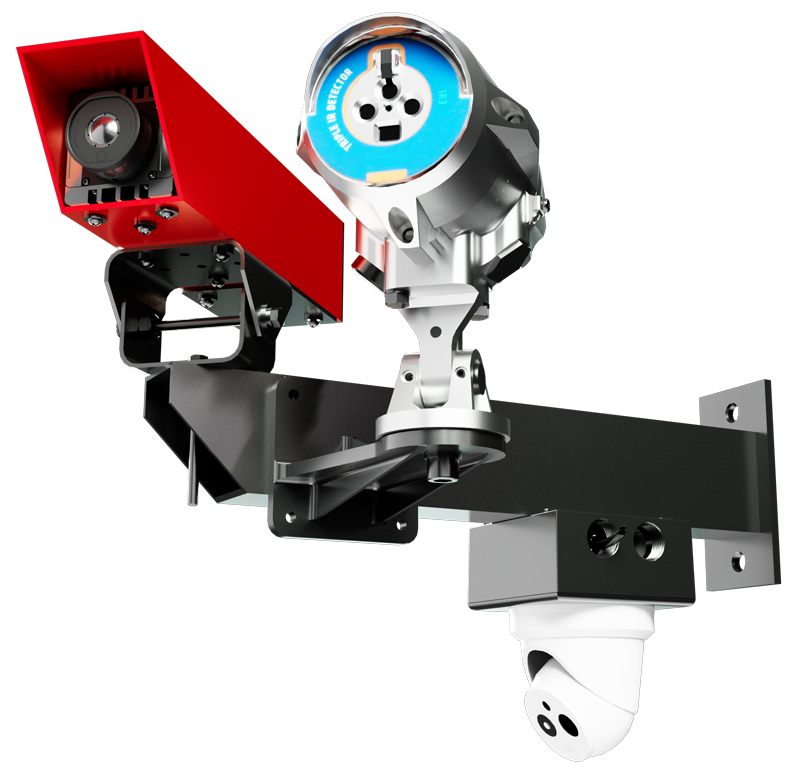
Early detection is one of the most effective ways to reduce fire risk in aircraft hangars. Technologies like thermal imaging, flame detection, and advanced analytics can identify abnormal heat conditions before visible flames appear. This allows operators to respond at the earliest stage of fire development.
Many fires begin as subtle heat signatures long before smoke or flames are visible. Detecting these early warning signs creates an opportunity to intervene before the situation escalates. This is especially important in hangar environments, where fires can spread rapidly once ignition occurs.
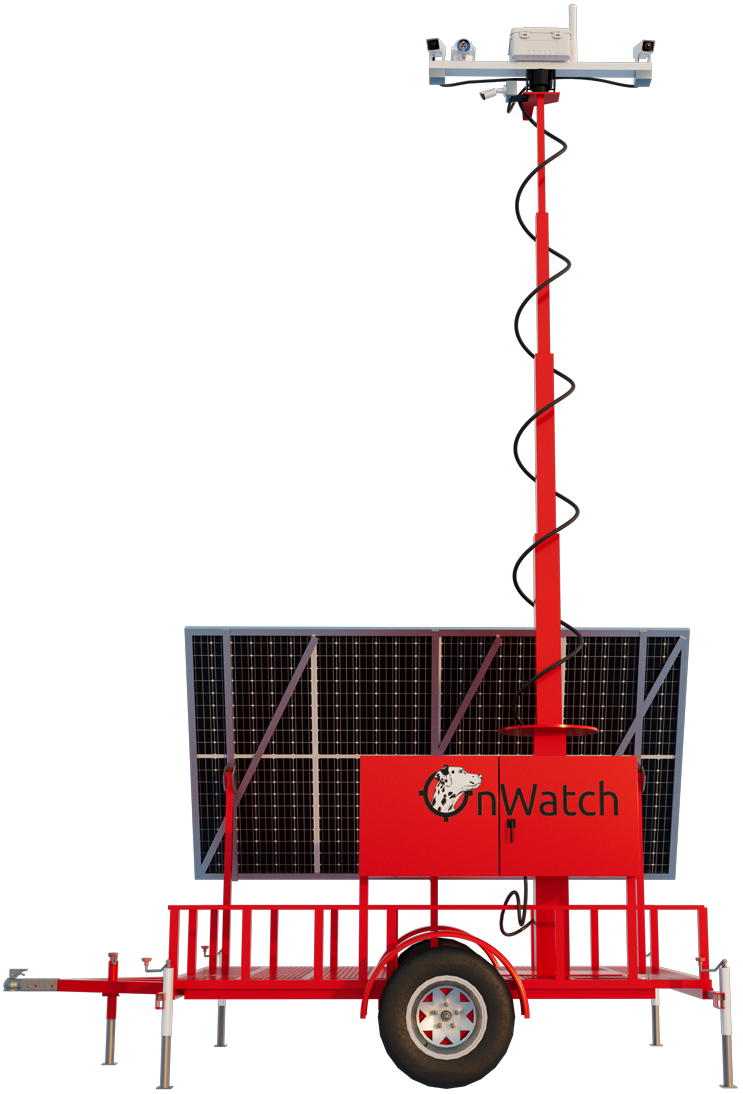
Continuous monitoring further strengthens this approach. Instead of relying on periodic checks or passive systems, facilities can maintain real-time visibility into conditions across the hangar. This constant awareness helps ensure that potential fire risks are identified and addressed immediately, even when personnel aren’t present.
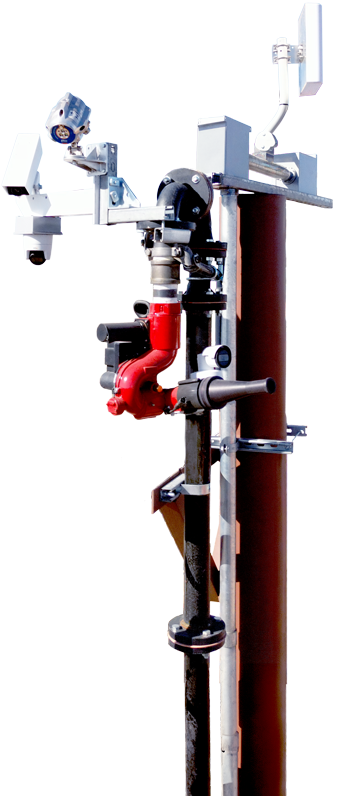
Continuous Suppression System
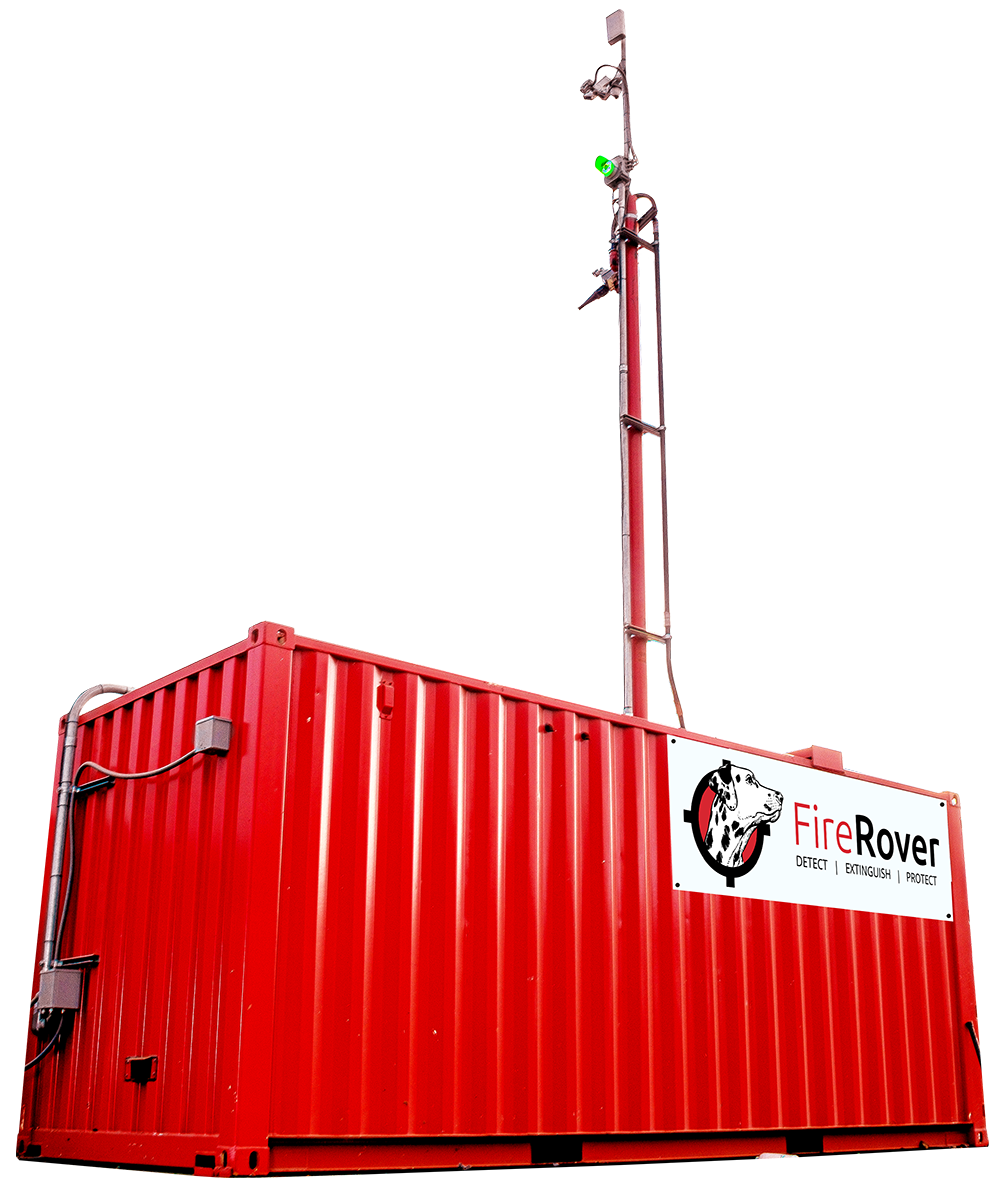
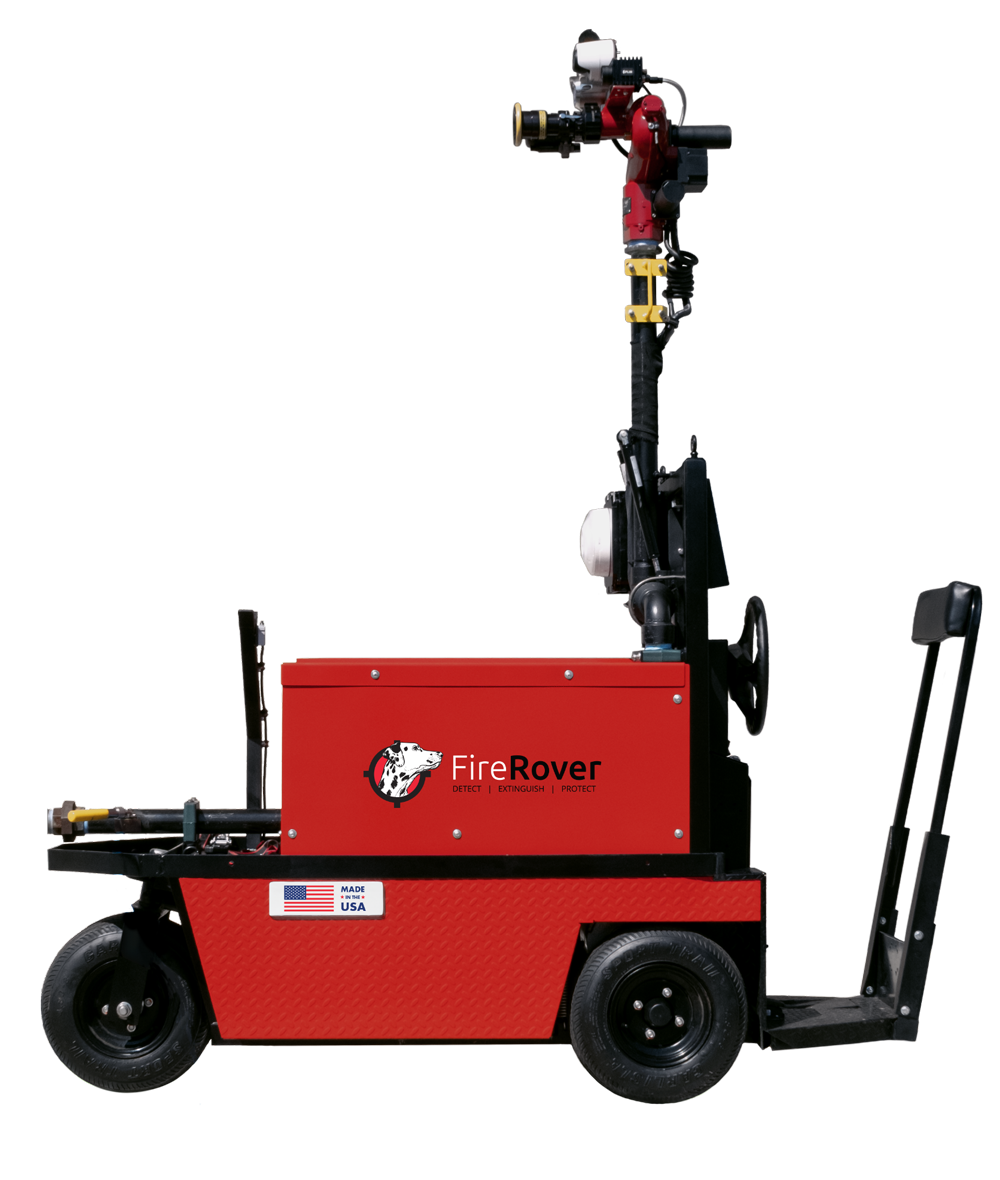
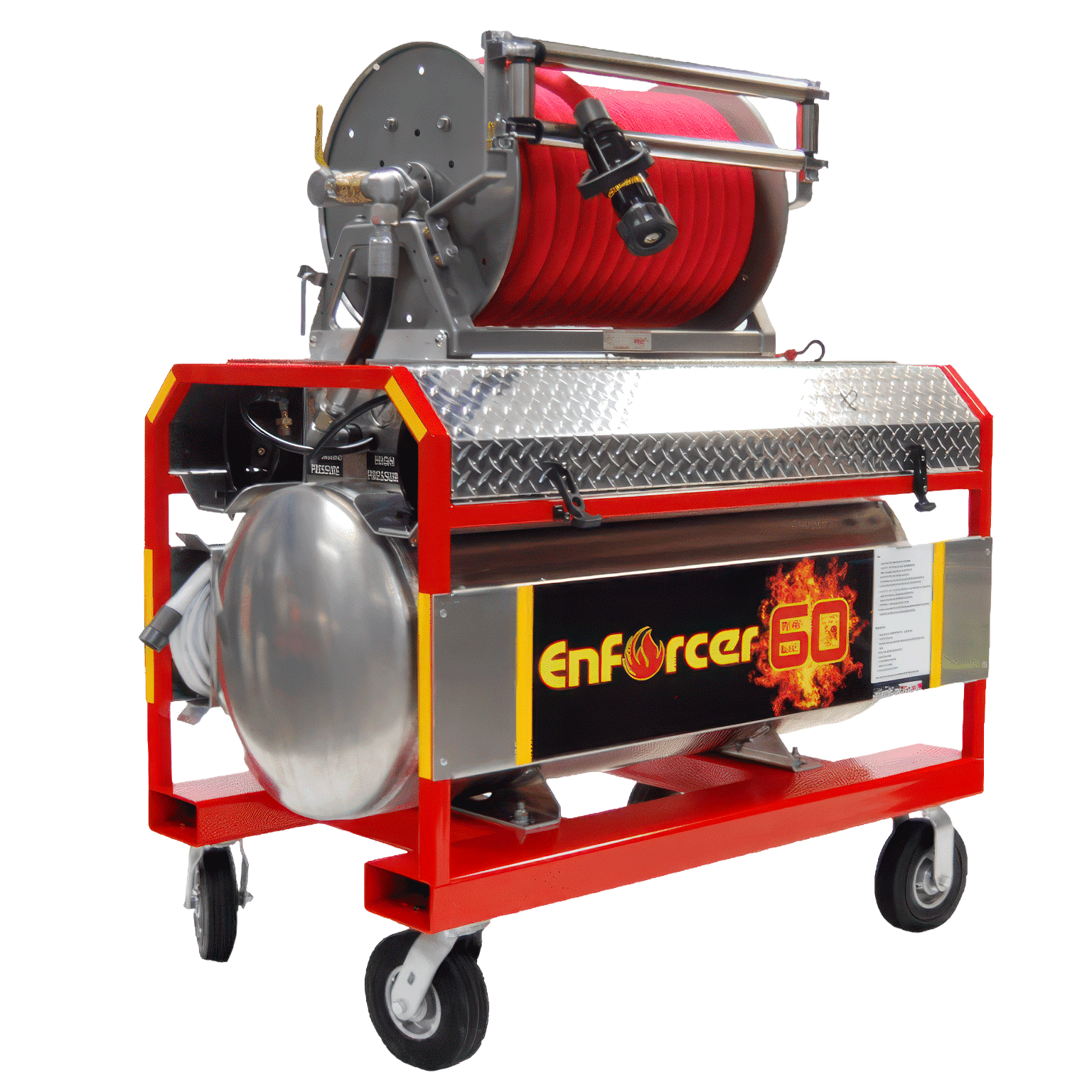
Eliminate threats before they spread. Our Continuous Suppression System provides nonstop, targeted suppression to keep fires from gaining ground and operations running safely.
Why Targeted Suppression Changes the Outcome
Targeted suppression introduces a more precise way to respond to fire incidents. Rather than activating a system that affects the entire hangar, suppression is applied directly at the point of ignition. This allows operators to contain fires quickly, often before they spread beyond the initial area.
This precision reduces the risk of damage to nearby aircraft and equipment. It also minimizes the amount of water or foam used, limiting cleanup and reducing operational disruption. In environments where downtime is costly, this can have a significant impact on recovery time.
Targeted suppression also shifts the focus from reaction to control. Instead of managing the consequences of a large fire, operators can address smaller incidents early and prevent them from becoming larger problems. This approach aligns more closely with the realities of modern hangar operations, where speed and accuracy are critical.
Modernizing Fire Protection for Aircraft Hangars
As aviation environments evolve, so do the strategies required to protect them. A modern approach to hangar fire protection combines early detection, continuous monitoring, and targeted suppression to address fire risk at every stage, from initial heat buildup to active flame.
This layered strategy enhances traditional systems rather than replacing them. Foam deluge systems remain an important component of fire protection, but they are most effective when paired with technologies that can identify and respond to threats earlier.
By integrating detection, verification, and response, facilities gain greater control over fire risk. This not only improves safety, but also reduces the likelihood of large-scale suppression events and the disruption that follows. In high-value environments like aircraft hangars, that added control is essential.
Building a Smarter Fire Protection Strategy for Aircraft Hangars
In aircraft hangars, the cost of a fire extends far beyond the initial incident. Damage to aircraft, operational downtime, regulatory impact, and long-term financial consequences all contribute to the overall risk. Relying solely on reactive systems means accepting that some level of escalation will occur before action is taken.
A more effective strategy focuses on early awareness and rapid response. By combining advanced detection technologies, continuous monitoring, and targeted suppression, facilities can address fire risks before they spread. This approach helps reduce both the likelihood and the severity of fire events.
Fire Rover supports this proactive model by adding an active layer of protection to traditional systems. With early detection, real-time human verification, and precision suppression, facilities can respond faster and with greater confidence, helping protect aircraft, operations, and long-term performance. Contact us today to talk about how we can help protect your aircraft operation.
Related Articles
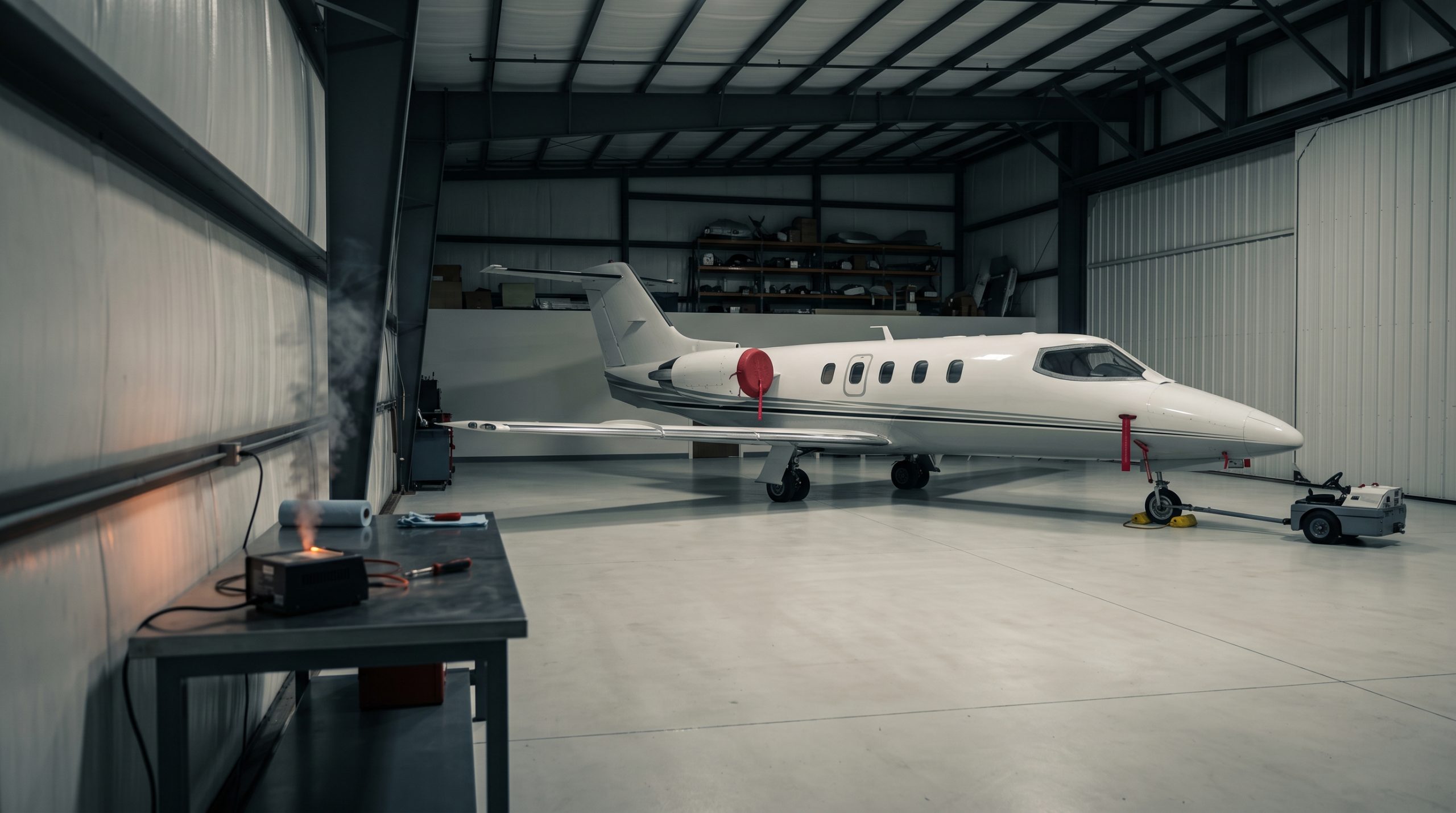
Leading Fire Protection Solutions for Private Aircraft Hangars
The Anatomy of an Electronics Recycling Fire