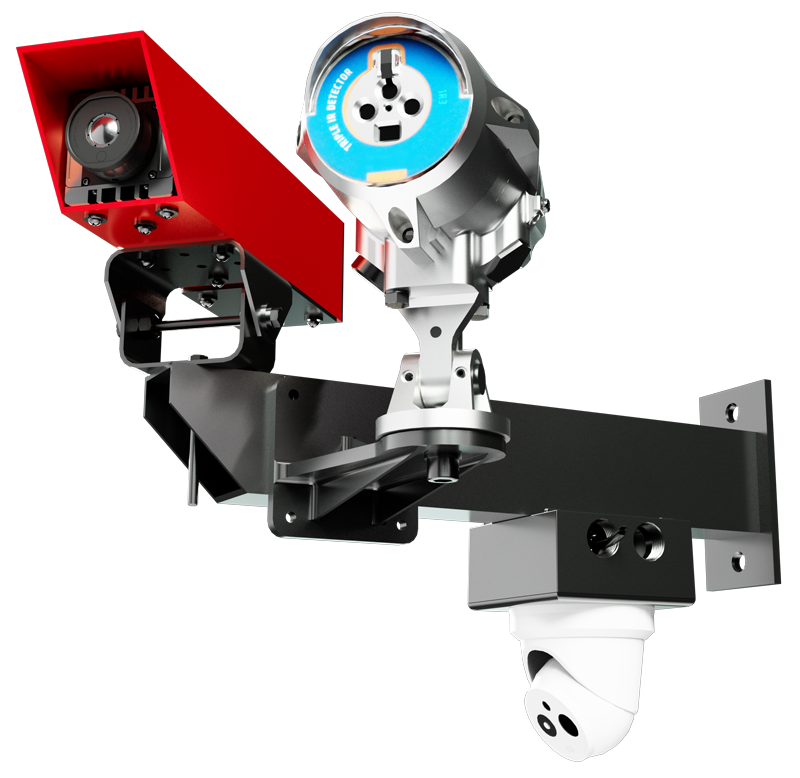
Fire Rover’s Early Detection System combines thermal, flame, and smoke analytics to identify fire risks before they spread, enabling rapid response and protecting high-risk environments around the clock.
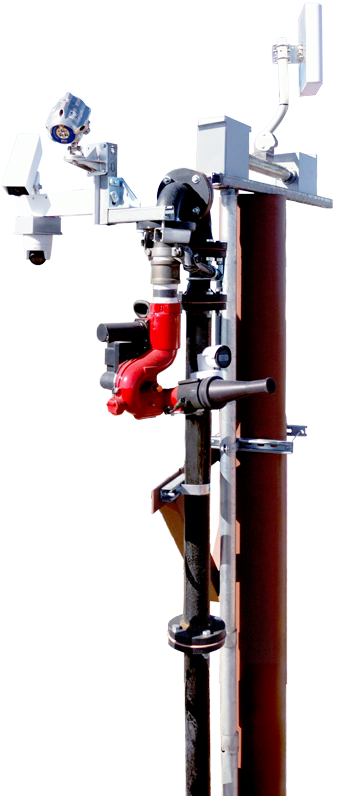
Continuous Suppression System
An automated, large-scale protection solution that detects, verifies, and suppresses fires in seconds — providing constant coverage for operations that can’t afford downtime.
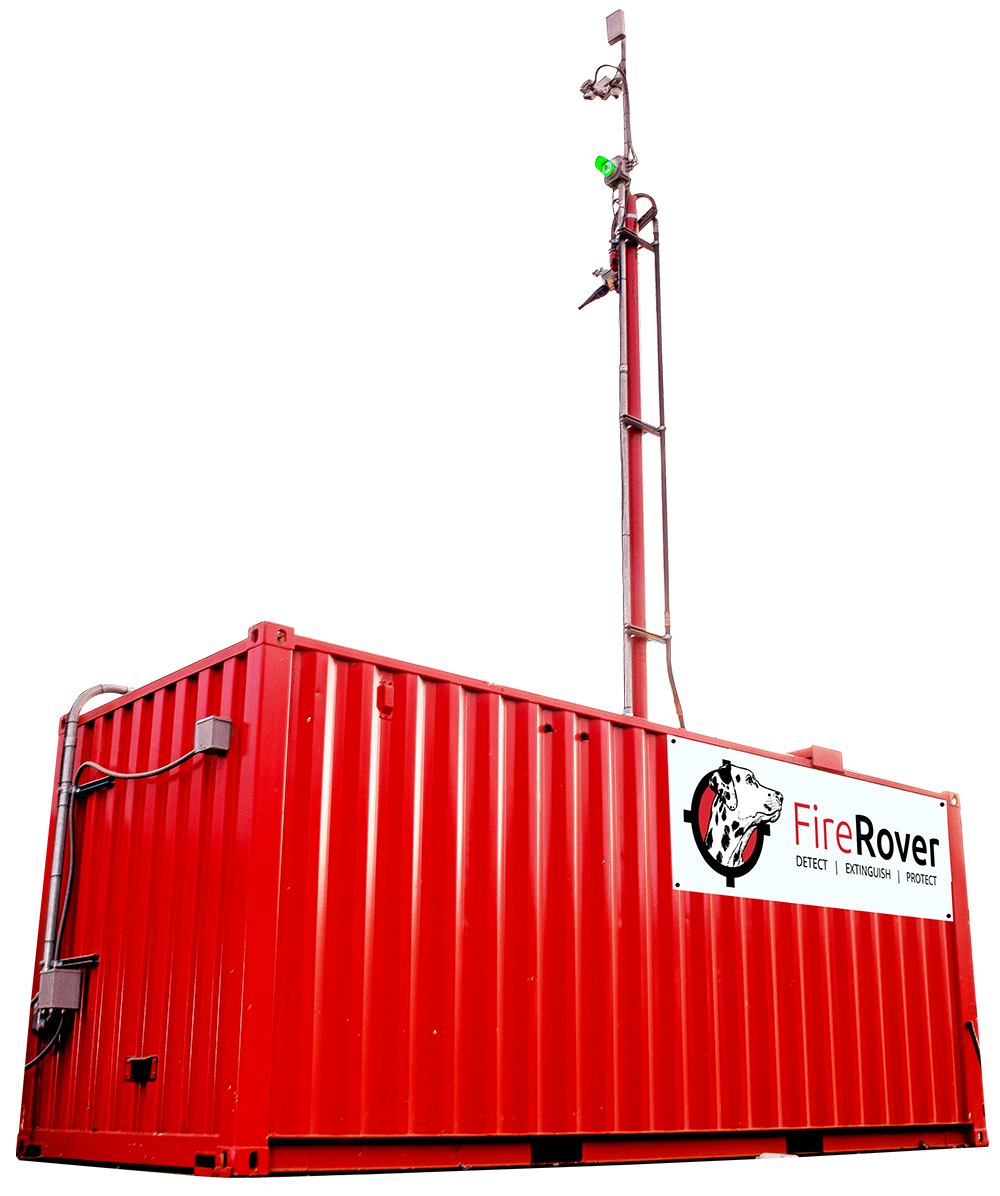
Self-Contained Suppression System
A compact, all-in-one system designed for standalone fire protection, ideal for targeted coverage in smaller or remote areas without existing infrastructure.
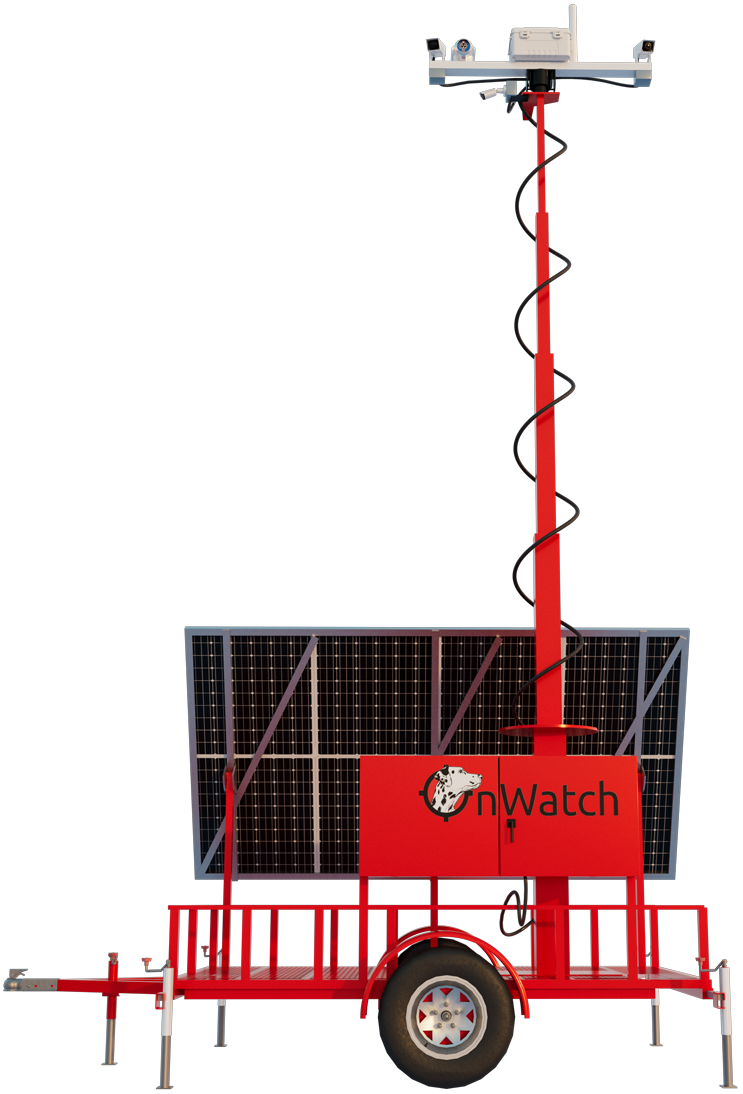
OnWatch Mobile Detection System
A flexible, camera-based monitoring system that brings real-time thermal detection and human verification anywhere it’s needed — ideal for temporary sites or expanding operations.
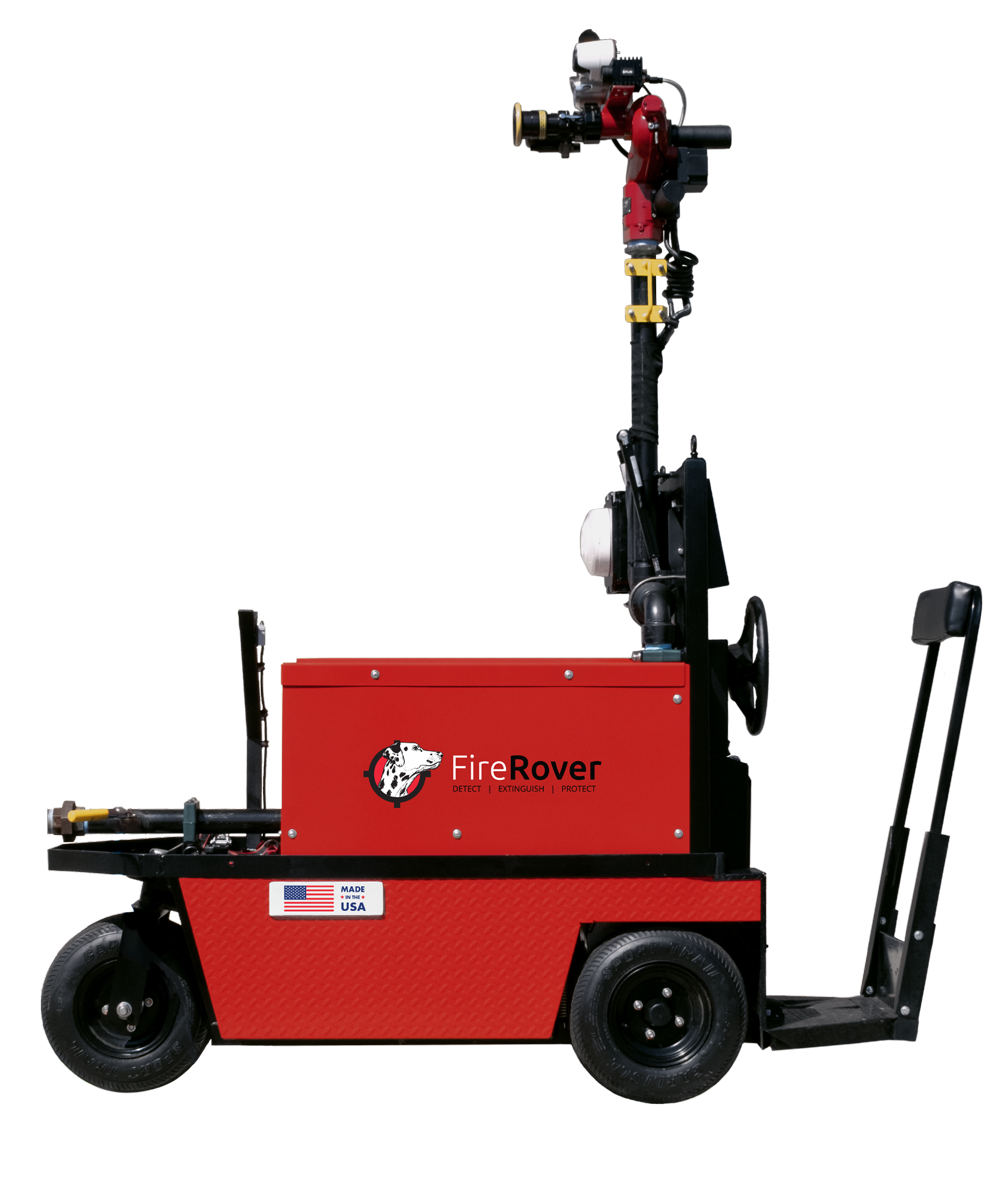
Mobile Suppression Unit System
Fire Rover’s fully mobile suppression system combines advanced detection, onboard agent storage, and remote operation to deliver rapid response and protection wherever the risk is.
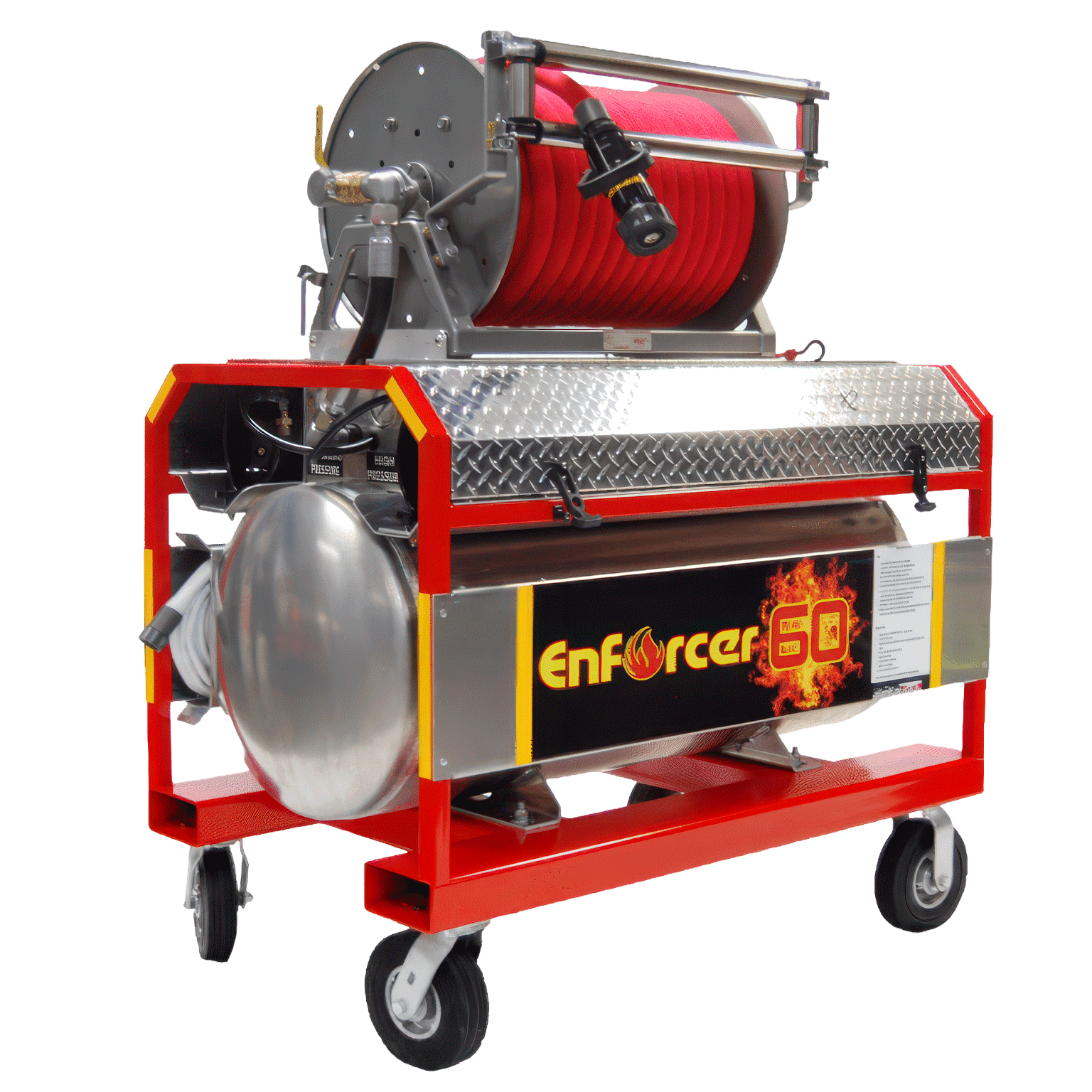
Enforcer Suppression Unit
Enforcer provides scalable, mobile suppression for industrial environments where speed and flexibility matter most.
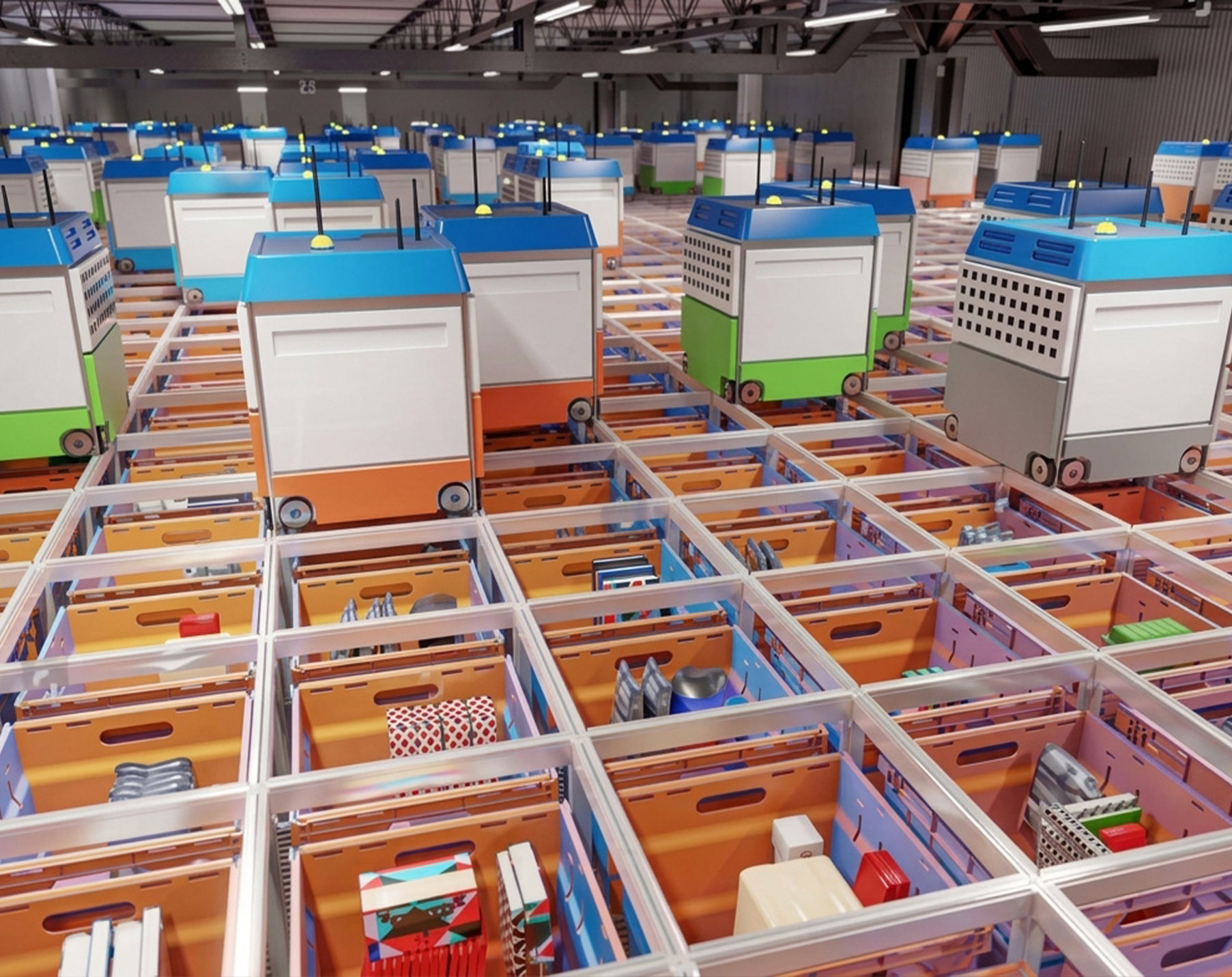
In dense ASRS racks, fires can smolder inside stacked totes long before heat or smoke reaches ceiling-level detection. Fire Rover adds continuous human-verified detection, ensuring no false discharge, and targeted high-pressure suppression aimed into the flue spaces and voids where these fires start.
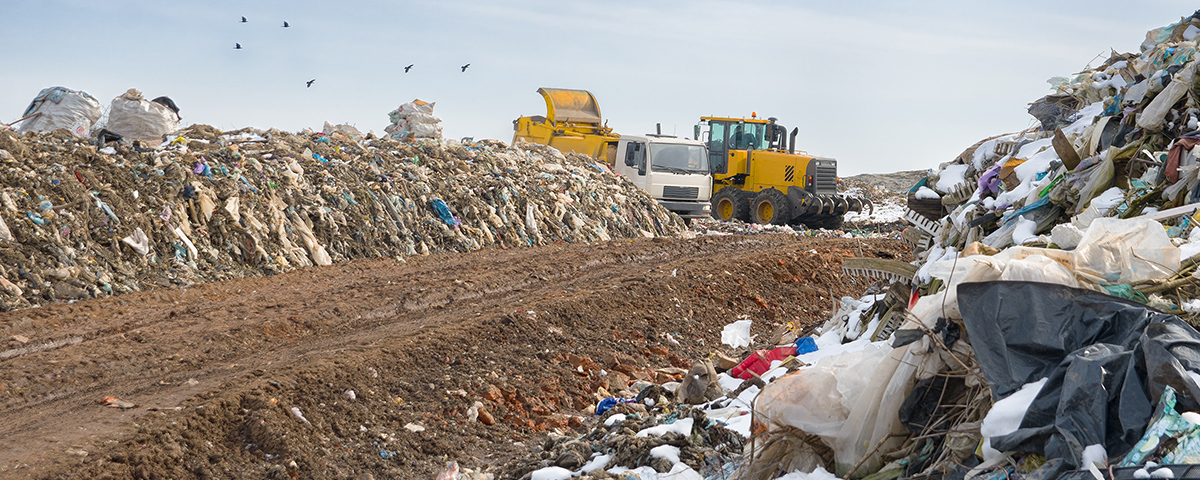
Waste and Recycling
Open air, shifting materials, and limited infrastructure make landfills especially vulnerable to incipient fires. Fire Rover provides rapid mobile detection with 24/7 thermal monitoring and video-verified alerting — delivering protection where permanent systems can’t reach.
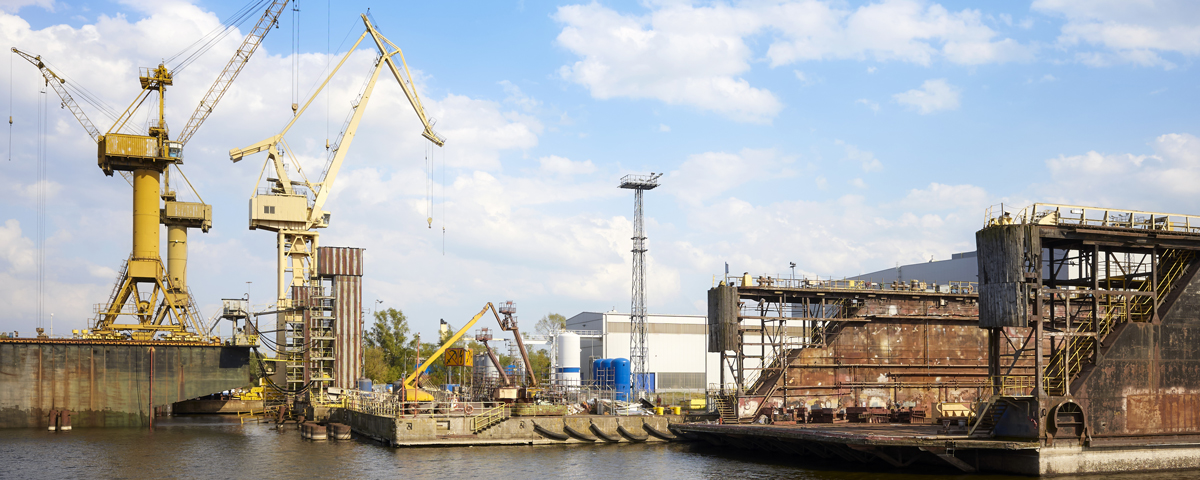
Marine
Sparks, welding equipment, and combustible materials are common in shipyards and other marine situations. Our Mobile Suppression System quickly delivers high-volume suppression directly to the ignition source — all while keeping your crew at a safe distance.
Metal Processing
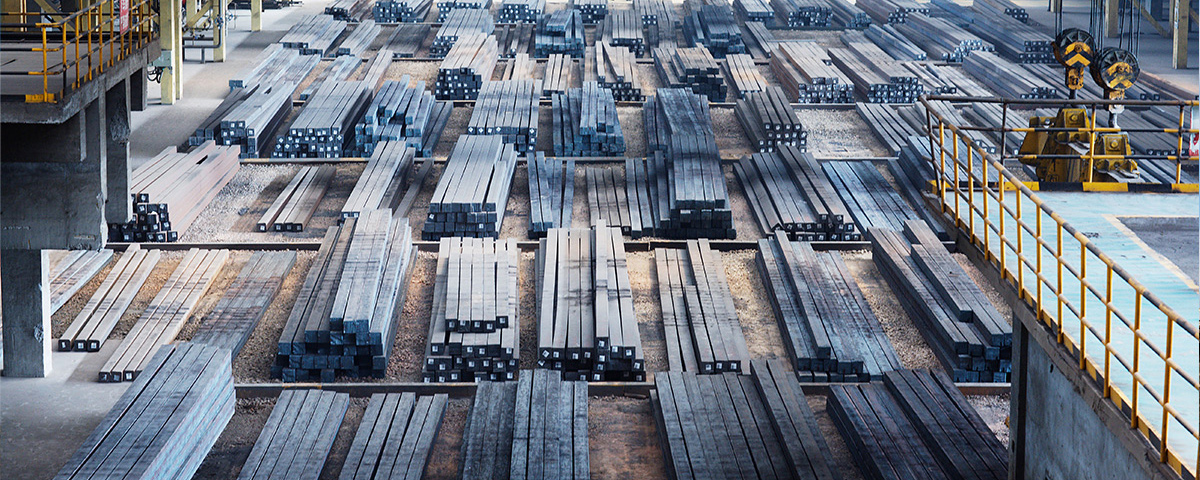
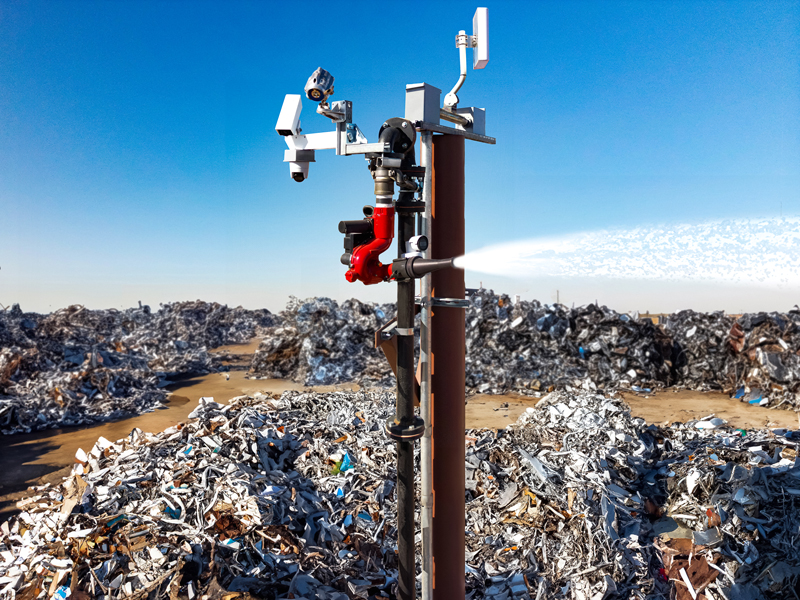
From hot loads to lithium battery ignitions, scrapyards face unpredictable fire risks. Our hybrid approach combines mobile detection, continuous suppression, and site-specific strategies to stay ahead of threats in even the harshest environments, whether indoors or outdoors.
Wood Processing
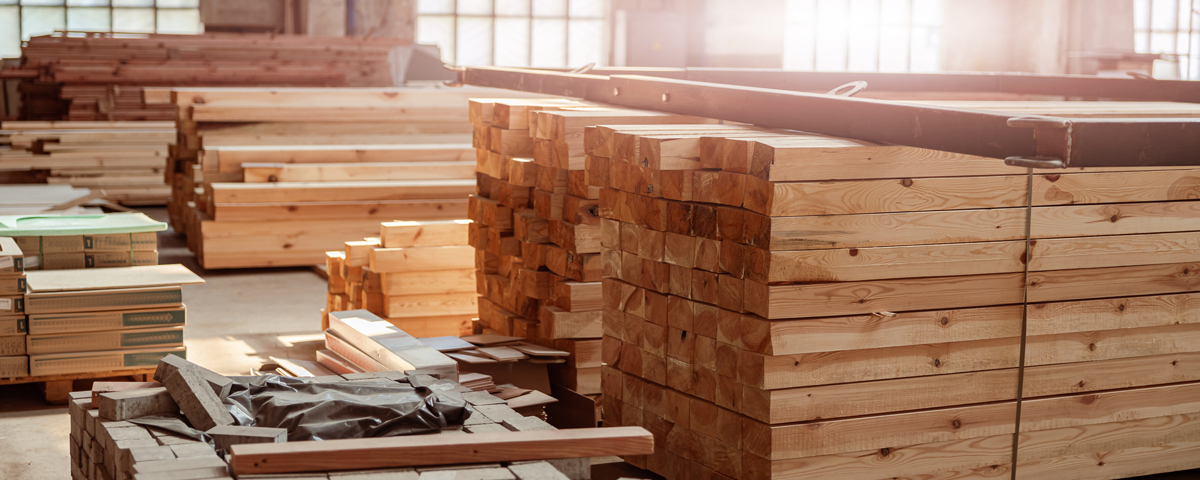
Dust, organic material, and high heat combine to make these facilities a fire hazard. Fire Rover’s integrated detection and suppression systems provide persistent monitoring and immediate suppression to prevent deep-seated fires in bulk storage or conveyor lines.
EV Fleets
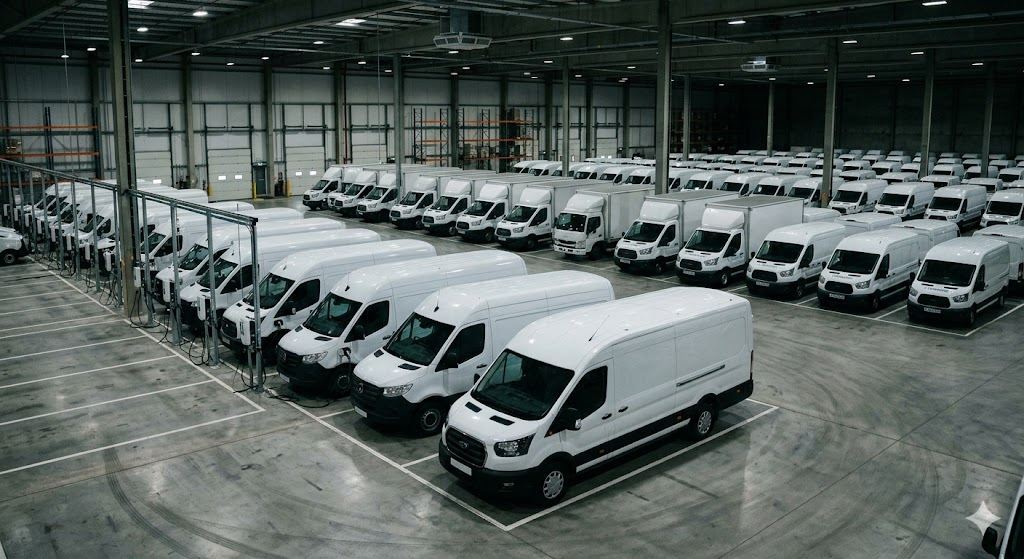
Early detection and targeted response for EV fleet facilities — helping reduce fire spread, protect vehicles, and minimize operational disruption.
Aircraft Hangars
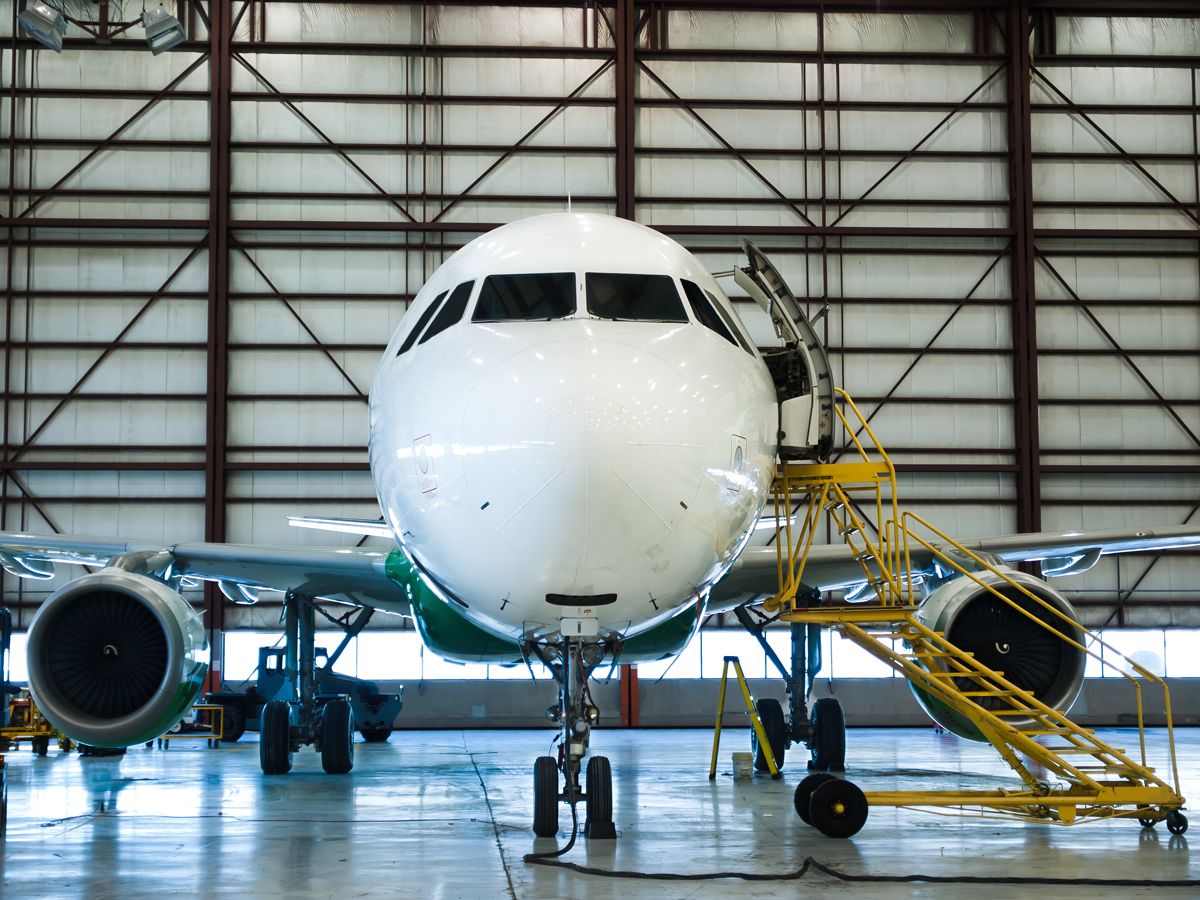
Aircraft hangars combine jet fuel, maintenance activity, and large open spaces where fires can grow quickly. Fire Rover delivers early detection and targeted suppression to protect high-value aircraft, critical equipment, and hangar operations.
Practical fire prevention insights, industry trends, and expert guidance for high-risk operations looking to reduce fire risk, protect assets, and improve safety.
Fire Reports
Monthly fire incident reports for the waste and recycling industry, highlighting risk trends, emerging patterns, and key takeaways for safer operations.
Cost of a Fire
See how a single fire can disrupt operations, damage assets, and drive major losses from both direct and indirect costs.
Fires can happen anywhere, and when they do, the consequences can be catastrophic — from property damage to injuries, downtime, and lost revenue. For businesses, industrial sites, and high-risk facilities, waiting until a fire is visible is often too late. That’s where a fire suppression system comes in.
A fire suppression system is a proactive solution designed to detect, control, and extinguish fires before they have a chance to spread. Unlike basic fire sprinklers, which release water after flames are present, modern suppression systems act quickly and precisely, using specialized agents to target the source of the fire. Whether in a recycling center, a marine environment, or a landfill, these systems protect people, assets, and operations while reducing the potential for widespread damage.
In this guide, we’ll define fire suppression, explain how these systems work, explore their benefits, and review the most common types. We’ll also look at examples of fire suppression systems in action and highlight how advanced solutions like Fire Rover take early detection and rapid response to the next level.
What Is a Fire Suppression System?
At its core, a fire suppression system is any automated or semi-automated system designed to suppress or extinguish a fire before it spreads. It goes beyond simply alerting occupants — its key function is fire control.
Many people confuse fire suppression systems with traditional sprinklers. While sprinklers are a type of suppression system, most rely on water and activate after flames appear. Fire suppression systems, by contrast, often use a range of suppression agents — from clean chemicals to foam — and can act based on early detection cues such as smoke, heat, or gas levels.
A simple definition: A fire suppression system is a setup of equipment and technology that detects a fire hazard and automatically or manually applies a suppression method to control or extinguish it.
Whether in industrial settings or high-risk outdoor sites, the primary goal is the same: stop a fire before it grows, protecting people and property.
How Does a Fire Suppression System Work?
Fire suppression systems combine detection, activation, and suppression to control fires rapidly.
Detection
Systems can detect a potential fire through:
Heat sensors: Triggered by sudden temperature increases.
Smoke detectors: Detect fine particles before flames are visible.
Manual triggers: Pull stations or buttons for human activation.
Modern solutions like Fire Rover enhance traditional detection. Using AI-driven thermal cameras, Fire Rover can identify hotspots before flames appear. Live operators verify alerts, ensuring rapid, precise intervention even in complex environments like landfills or recycling centers.
Activation
Once a threat is detected, suppression systems activate automatically or manually. Methods vary based on environment and system type.
Suppression Methods
Common strategies include:
Smothering: Removing oxygen from the fire area.
Cooling: Using water or mist to reduce temperature.
Chemical interruption: Halting the chemical reaction sustaining the fire.
Foam application: Coating flammable liquids or materials to prevent ignition.
Examples Across Industries
Landfills and Recycling Facilities: Advanced mobile or fixed systems, like Fire Rover, detect hotspots in waste piles and suppress fires before they have a chance to spread, keeping tipping floors and outdoor areas safe.
Marine/Hot Works Environments: On vessels or during welding and cutting operations, Fire Rover provides early detection of sparks or heat buildup, protecting crews and valuable equipment in high-risk marine settings.
Wood Processing and Lumber Facilities: Thermal imaging and targeted suppression systems monitor sawmills, storage piles, and processing areas for smoldering materials or overheating equipment, preventing small sparks from igniting large fires.
By combining early detection with targeted suppression, modern systems minimize damage, protect workers, and reduce downtime.
Benefits of Fire Suppression Systems
The advantages of installing a fire suppression system go far beyond compliance:
Early Fire Control and Damage Reduction: Fires are contained quickly, limiting structural and equipment damage.
Enhanced Safety for People: Employees, visitors, and first responders face fewer hazards.
Asset Protection: High-value equipment, electronics, flammable materials, and inventory are shielded from fire and water damage.
Insurance and Regulatory Compliance: Systems help meet fire codes, building regulations, and insurance requirements, potentially lowering premiums.
With these benefits, businesses gain peace of mind knowing they are prepared for emergencies, reducing the impact of unforeseen events.
Continuous Suppression System
Eliminate threats before they spread. Our Continuous Suppression System provides nonstop, targeted suppression to keep fires from gaining ground and operations running safely.
Targeted suppression without flooding spaces, protecting equipment and inventory.
Remote monitoring and human verification, ensuring early, accurate alerts.
Effectiveness outdoors and in high-risk environments where water or chemical sprinklers may be impractical.
By combining early detection, AI, and suppression, Fire Rover fills gaps that conventional systems cannot, especially in dynamic or large-scale facilities.
Talk Fire Risk With Ryan
Ryan tracks fire incidents nationwide and helps facilities reduce risk with smarter detection and suppression strategies. Connect with him to get expert guidance tailored to your operation.
How to Choose the Right Fire Suppression System for Your Business
Selecting the right system involves evaluating multiple factors:
Assets Being Protected: Electronics, flammable liquids, people, or historical artifacts each require different approaches.
Environment: Kitchens, data centers, industrial facilities, and outdoor sites present unique challenges.
Regulatory Compliance: Local fire codes, insurance requirements, and industry standards must be met.
Environmental Impact and Safety: Consider the effects of suppression agents on people and the environment.
Risk Levels: High-risk sites like battery storage or landfills benefit from early-detection systems with rapid suppression capabilities.
A tailored approach ensures that your fire suppression system provides maximum protection while aligning with operational needs and budget constraints.
Average Cost of Fire Suppression Systems
Costs vary widely depending on system type, size, and complexity:
Basic Sprinkler Systems: $1–$2 per square foot of coverage.
Specialty Foam Systems: $2,000–$10,000 depending on size and installation.
Clean Agent Systems: $3–$10 per cubic foot of protected space.
Advanced Industrial Systems Like Fire Rover: Varies by site size and risk profile; these systems provide early detection, targeted suppression, and human-verified alerts, often delivering greater ROI by preventing catastrophic damage.
Investing in the right system can reduce long-term costs by avoiding fire damage, downtime, and insurance claims.
Protect Your Facility With Fire Rover
Fires are unpredictable, but their impact doesn’t have to be. A well-designed fire suppression system protects people, property, and operations while giving facilities the confidence to operate safely. Whether you rely on traditional sprinklers, clean agents, or advanced AI-powered systems like Fire Rover, early detection and rapid response are the keys to minimizing damage and maintaining continuity.
Don’t wait until it’s too late. Contact us today to explore fire suppression solutions tailored to your business and high-risk environments.
Expert perspectives, trend analysis, and practical guidance for high-risk industries facing evolving fire threats. Explore Fire Rover’s latest thinking on risk management, operational resilience, safety, and the limitations of traditional fire protection.
What is a Fire Suppression System and How Does it Work?
Fires can happen anywhere, and when they do, the consequences can be catastrophic — from property damage to injuries, downtime, and lost revenue....Fires can happen anywhere, and when they do, the consequences can be catastrophic — from property...