
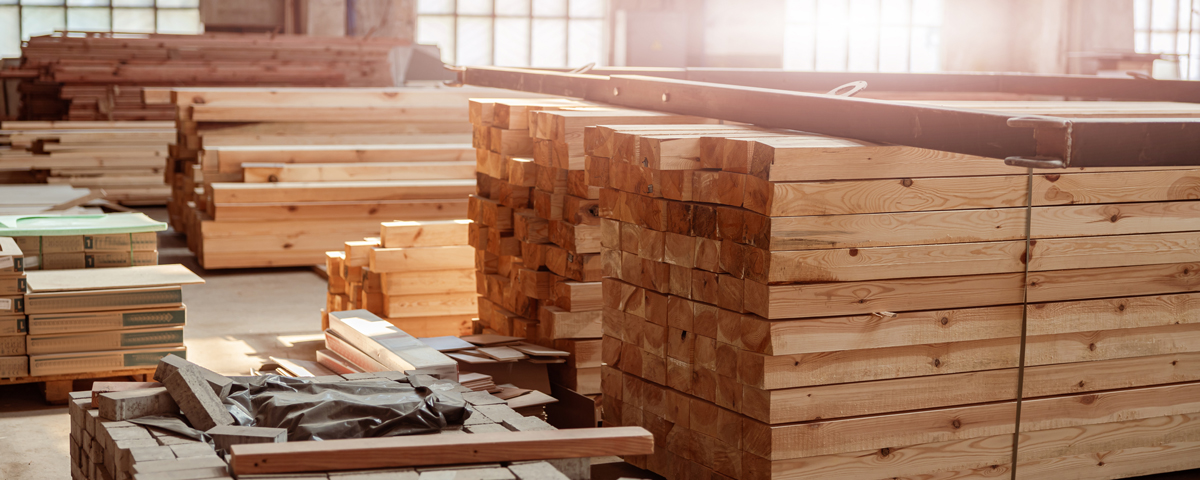


Every day in a wood processing facility means operating in a fuel-rich environment. From sawmills and lumber yards to pellet plants and engineered wood manufacturing, these operations continuously handle combustible material as part of normal production. While that’s central to the business, it also creates layered fire risk that can escalate quickly.
Combustible dust, mechanical friction, heat-generating equipment, and large stockpiles of raw and processed wood all contribute to serious risk Many fires begin small — inside ducts, beneath conveyors, within equipment housings, or deep inside material piles. In wood processing environments, however, ignition rarely stays small for long.
In this blog, we’ll explore the specific fire hazards wood facilities face, why they’re uniquely vulnerable, and how early detection can change outcomes before a minor ignition becomes a major loss.
Why Wood Processing Facilities Face Elevated Fire Risk
Wood processing environments naturally combine ignition sources and abundant fuel in close proximity. Unlike many industrial settings where combustible materials are isolated or controlled, wood facilities operate with continuous exposure to wood chips, sawdust, pellets, and finished lumber.
Mechanical processes like cutting, grinding, drying, and conveying generate friction and heat all day long. Bearings, rollers, saw blades, and motors all create potential ignition points, especially when maintenance issues arise. When those ignition sources exist along with fine combustible particles, the risk profile increases significantly.
Air handling systems add another layer of complexity. Dust collection systems, ventilation ducts, and material transfer systems can move heat, sparks, or embers from one area to another. Combined with indoor and outdoor stockpiles that may smolder undetected, wood processing facilities operate in an environment where fuel and ignition often coexist — making rapid fire spread more likely once ignition occurs.

Talk Fire Risk With John
With 25+ years in fire protection and deep expertise in high-risk industries, John helps facilities choose the right Fire Rover system with confidence.
Common Ignition Sources in Sawmills and Wood Processing Plants
Many wood processing fires begin with routine equipment issues rather than dramatic failures. Overheated bearings and conveyor rollers are frequent ignition sources, particularly in high-throughput environments where equipment runs continuously. Friction from saw blades and cutting equipment can also generate sparks or heat buildup under certain conditions.
Metal contamination in grinders and chippers presents another hazard. When foreign metal objects enter processing equipment, they can create sparks that ignite nearby dust or material. Electrical faults in high-dust environments also increase risk, especially when dust accumulates inside panels or on wiring components.
Spontaneous combustion in stored wood dust or pellet stockpiles can also occur when heat builds internally over time. Maintenance activities like hot work, introduce temporary ignition sources that require careful management. In wood facilities, fire doesn’t always start with a catastrophic event — it often begins with everyday operational friction.
The Hidden Danger of Combustible Wood Dust
One of the most serious hazards in wood processing facilities is combustible dust. Fine wood dust becomes highly dangerous when suspended in the air at sufficient concentrations. Under the right conditions, a spark or heat source can trigger a flash fire or dust explosion.
Dust explosions require several elements: combustible dust, oxygen, confinement, dispersion, and an ignition source. Wood processing facilities often contain all five. Even when a primary explosion is small, it can disturb settled dust in surrounding areas, creating secondary explosions that cause significantly greater damage.
Dust collection systems are designed to reduce this risk, but they can also become ignition zones if sparks enter ductwork or if filters accumulate combustible material. Regulatory bodies and insurers pay close attention to combustible dust in wood facilities because its presence can dramatically increase the severity of fire events. In these environments, dust can be just as dangerous as open flame.
How Fires Spread Quickly in Wood Processing Environments
The greatest danger isn’t ignition itself — it’s how quickly fire spreads through interconnected systems. A small ignition inside a conveyor housing or duct may initially appear contained, but ventilation systems can transport heat or embers to other areas of the facility.
Material piles act as sustained fuel sources. Wood chips and pellets can smolder internally for extended periods before flames become visible. Hidden smoldering beneath surface layers delays detection and allows fires to grow larger before intervention begins.
As fire spreads, accumulated dust can become airborne, increasing the risk of flash fires or explosions. What begins as localized overheating can escalate into a multi-zone event if not addressed quickly. The fuel-rich nature of wood processing environments accelerates escalation once fire takes hold.
The Operational and Financial Impact of Wood Facility Fires
Fires in sawmills, pellet plants, and lumber mills aren’t just safety incidents — they are major operational disruptions. Production shutdowns can last weeks or months depending on the extent of structural damage and equipment loss. For facilities operating on tight supply schedules, even short interruptions can affect contracts and customer relationships.
Equipment replacement costs, inventory loss, and cleanup expenses add financial strain. Raw material destruction and halted throughput can create ripple effects throughout the supply chain. Insurance claims often lead to increased premiums, especially in facilities with prior fire history or combustible dust exposure.
In addition, regulatory scrutiny may intensify following significant fire events. Investigations into dust management, equipment maintenance, and fire prevention programs can result in compliance pressures. For wood processing operations, effective fire prevention protects revenue, operational continuity, and long-term stability.
The Environmental Consequences of Wood Processing Fires
Large-scale wood facility fires produce significant environmental impact. Heavy smoke can affect air quality in surrounding communities. Combustion byproducts may contain hazardous compounds that require monitoring and mitigation.
Firefighting efforts introduce additional environmental exposure. Water and suppression agents can carry ash, debris, and contaminants into soil and nearby waterways. Cleanup and remediation efforts often continue long after visible flames are extinguished.
The environmental cost rises as burn time increases. Fires that escalate unchecked cause more material to combust and require more aggressive suppression efforts. Reducing fire growth early is one of the most effective ways to limit environmental damage in wood processing environments.
Why Traditional Fire Detection Methods Can Fall Short in Dust-Heavy Facilities
Traditional fire detection systems are often designed around occupant notification and evacuation rather than early industrial intervention. In dust-heavy environments, smoke detection may activate only after a fire has already grown beyond its earliest stage.
Airborne dust can also trigger false alarms, leading to alarm fatigue or desensitization. Facilities with large open spaces or outdoor material storage areas may experience detection blind spots where early ignition goes unnoticed.
Detection without rapid verification or response further limits effectiveness. An alert alone won’t stop fire growth if no way to confirm the threat and initiate action is in place. In high-risk wood processing facilities, awareness must translate quickly into response to prevent escalation.
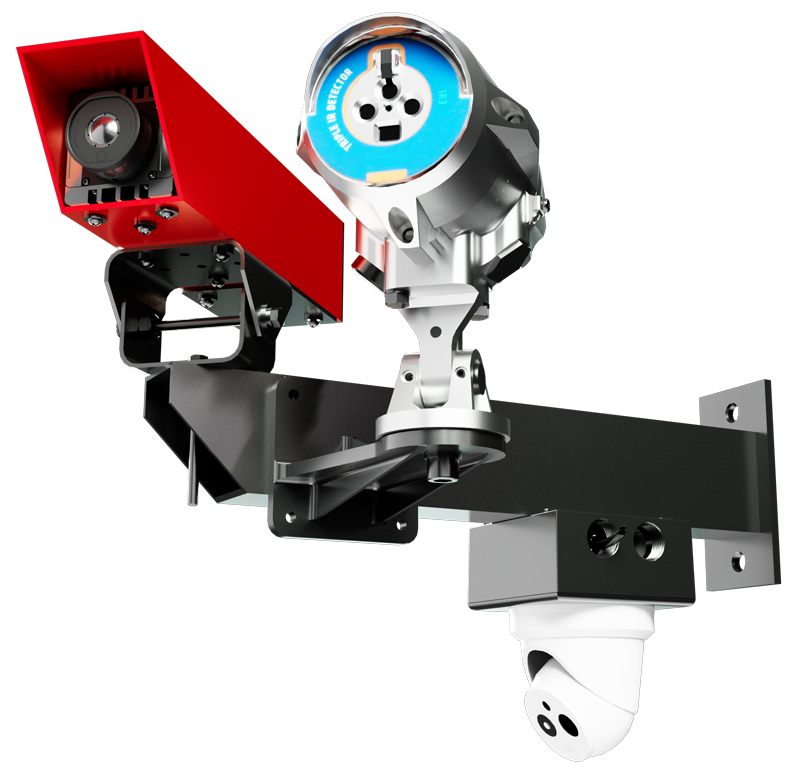
Early Detection System
Don’t wait for smoke and flames. Fire Rover’s Early Detection System uses thermal cameras and human verification to spot fire threats instantly and dispatch emergency services quickly.
Fire Prevention Strategies for Wood Processing Facilities
Effective fire prevention in wood processing facilities begins with strong housekeeping and dust management programs. Reducing accumulated dust lowers both fire and explosion risk. Regular inspection of high-friction equipment zones, including conveyors and bearings, helps identify overheating conditions before ignition occurs.
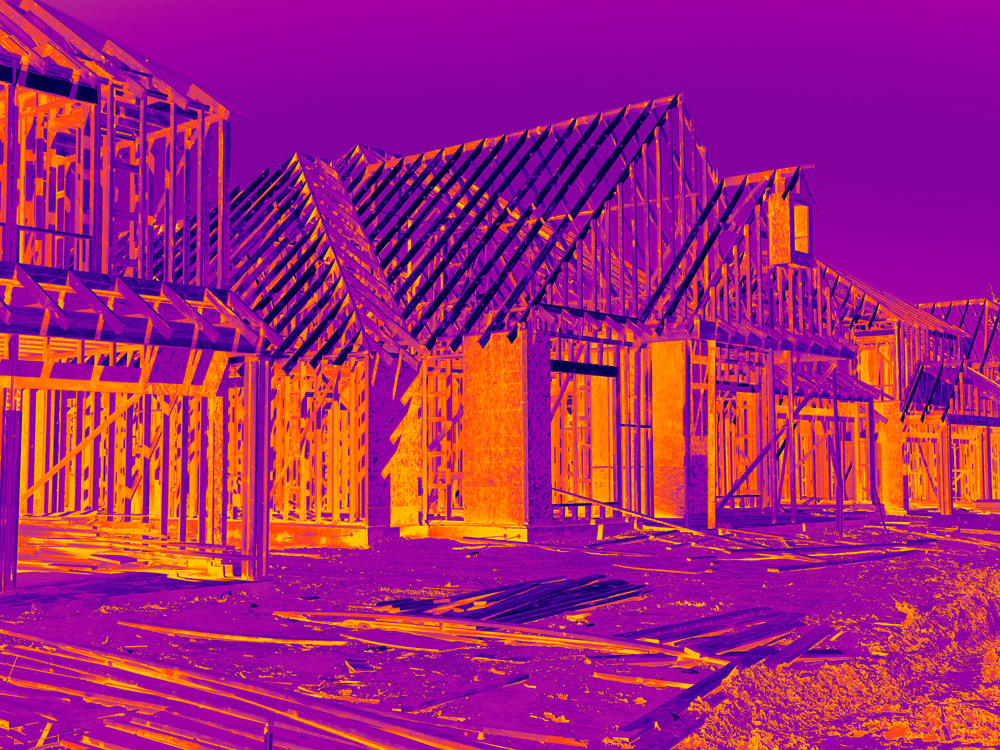
Monitoring outdoor stockpiles and pellet storage areas is equally important. Thermal monitoring can identify abnormal heat conditions inside material piles where smoldering may otherwise remain hidden. Continuous monitoring in high-risk zones provides coverage beyond periodic inspections.
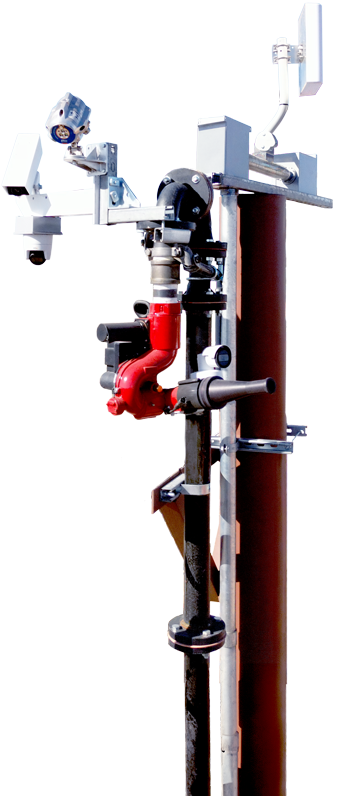
The most resilient strategies connect early detection with rapid suppression capability. Identifying abnormal heat before flames develop allows intervention while fires remain small and manageable. Wood processing fires escalate quickly due to constant fuel load, but early awareness reduces burn time and limits damage.
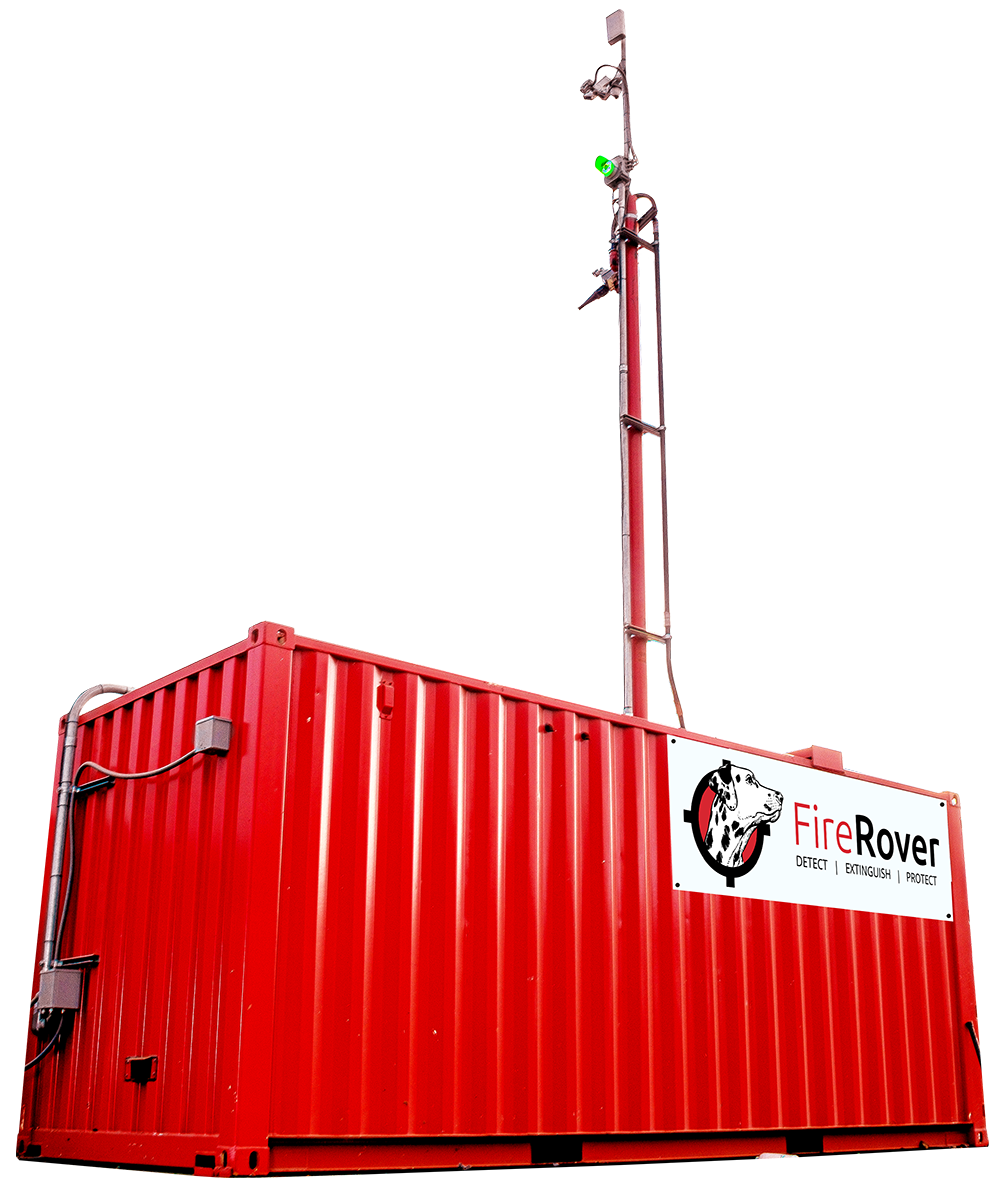
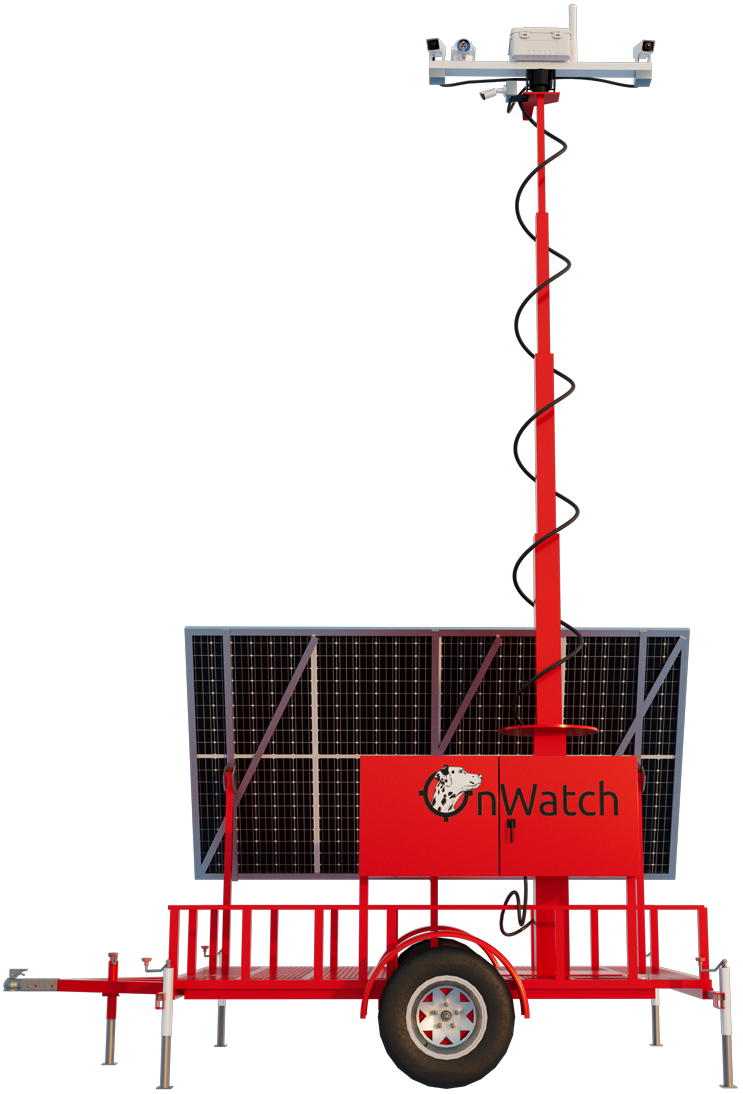
Fire Rover helps wood processing facilities detect abnormal heat conditions early and respond before fire spreads through combustible materials. By connecting detection and response, facilities can strengthen operational resilience and reduce the risk of costly fire events. Contact us to learn more about how we can protect your facility.