




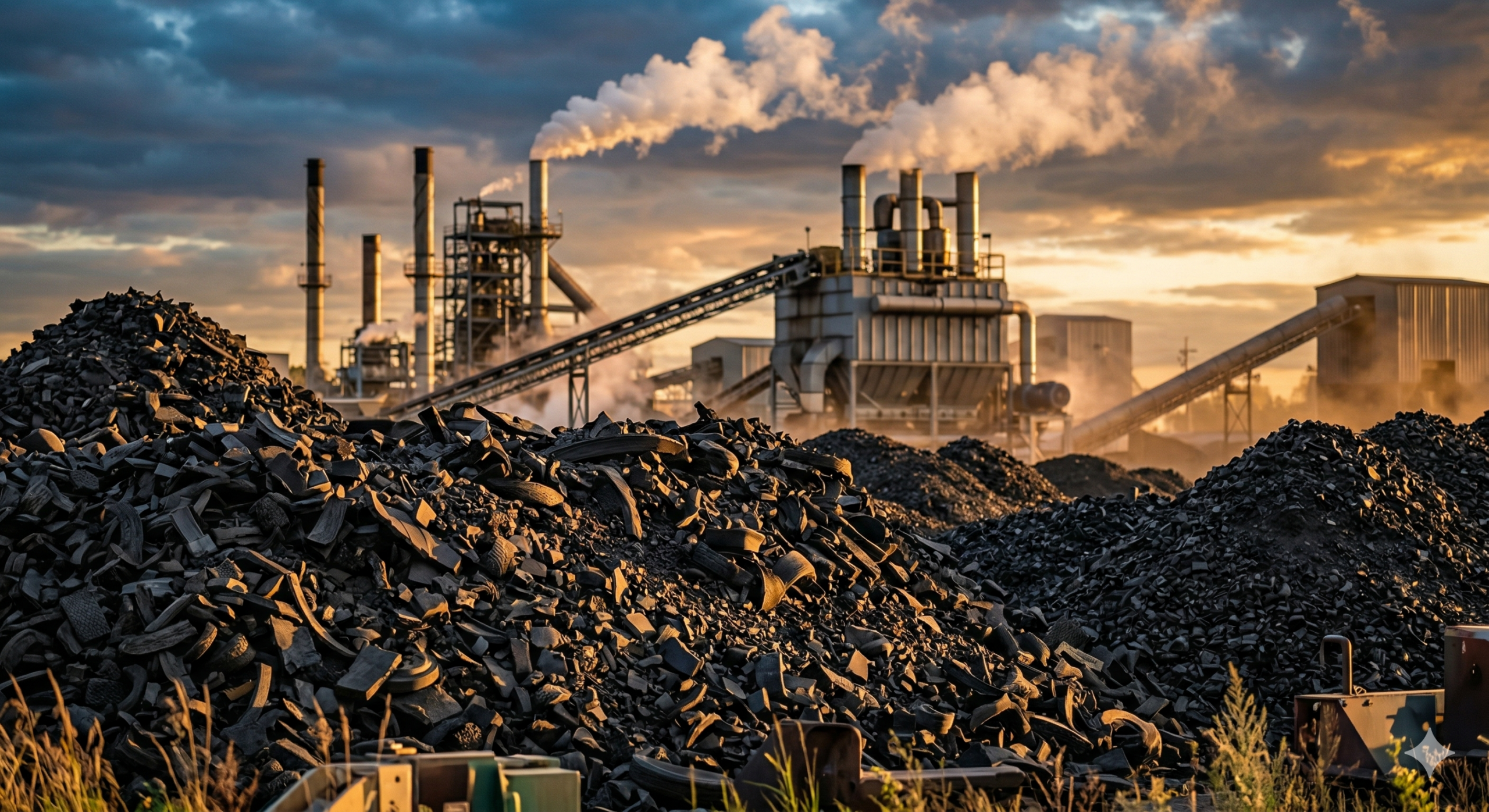
As industries pursue more sustainable energy solutions, alternative fuels are becoming increasingly common in recycling, waste management, and energy production facilities. Materials like biomass, refuse-derived fuel (RDF), and waste-to-energy feedstock are helping organizations reduce landfill waste and generate new sources of power. And emerging fuels like hydrogen are also expanding the range of energy options available.
It’s true that these fuels offer environmental and economic advantages, but unfortunately, they also introduce new fire risks. Many alternative fuels are stored or processed in ways that allow heat to build unnoticed, and their mixed or organic composition can make ignition conditions unpredictable. In environments where large volumes of combustible material are handled daily, even a small ignition event can escalate quickly.
Understanding the risks associated with alternative fuels — and implementing strategies that detect and suppress fires early — is essential for protecting facilities, employees, and operations.
The Growing Use of Alternative Fuels in Industrial Operations
Across industrial sectors, alternative fuels are helping facilities convert materials that would otherwise end up in landfills into usable energy sources. At the same time, emerging fuels like hydrogen are gaining attention as part of the transition toward cleaner energy systems.
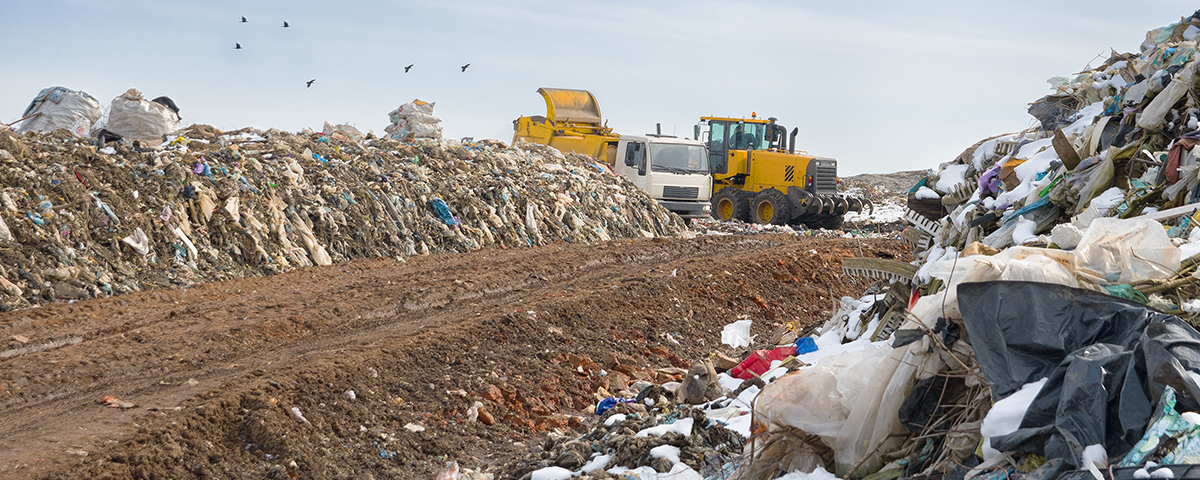
Facilities handling these fuels often operate in complex environments where materials are continuously moved, stored, processed, and transported. Waste processing centers, recycling operations, and energy facilities frequently manage large volumes of material that vary widely in composition and condition. These operations can involve shredding equipment, conveyors, storage bunkers, and open piles that handle combustible materials.
As adoption of alternative fuels grows, so does the need for fire protection strategies designed specifically for these environments. Unlike traditional fuels that can be stored in controlled systems, many alternative fuels are handled in bulk and may contain unpredictable elements that increase fire risk.
Why Alternative Fuels Present Unique Fire Risks
Alternative fuels introduce fire hazards that are a lot different from those associated with conventional energy sources. Many materials used in biomass or RDF production contain organic components that can generate heat through decomposition or microbial activity. When these materials are stored in piles or bunkers, internal heat buildup can occur without warning.
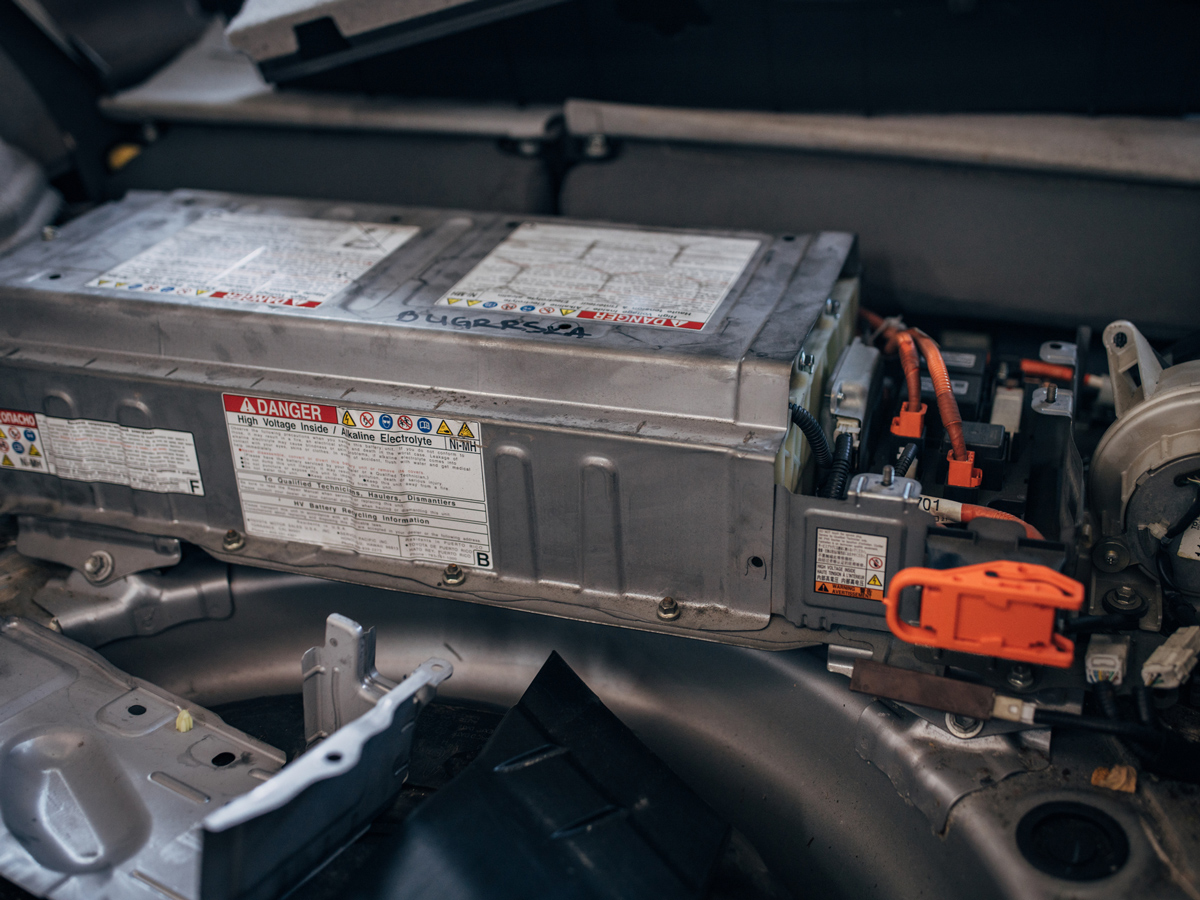
Mixed material streams also create challenges. RDF and waste-derived fuels may contain plastics, paper products, metals, and even small electronics or batteries. These unpredictable combinations can introduce ignition sources that are difficult to identify during processing. Combustible dust is another concern in facilities handling alternative fuels, particularly when fine particles accumulate around equipment or become suspended in the air.
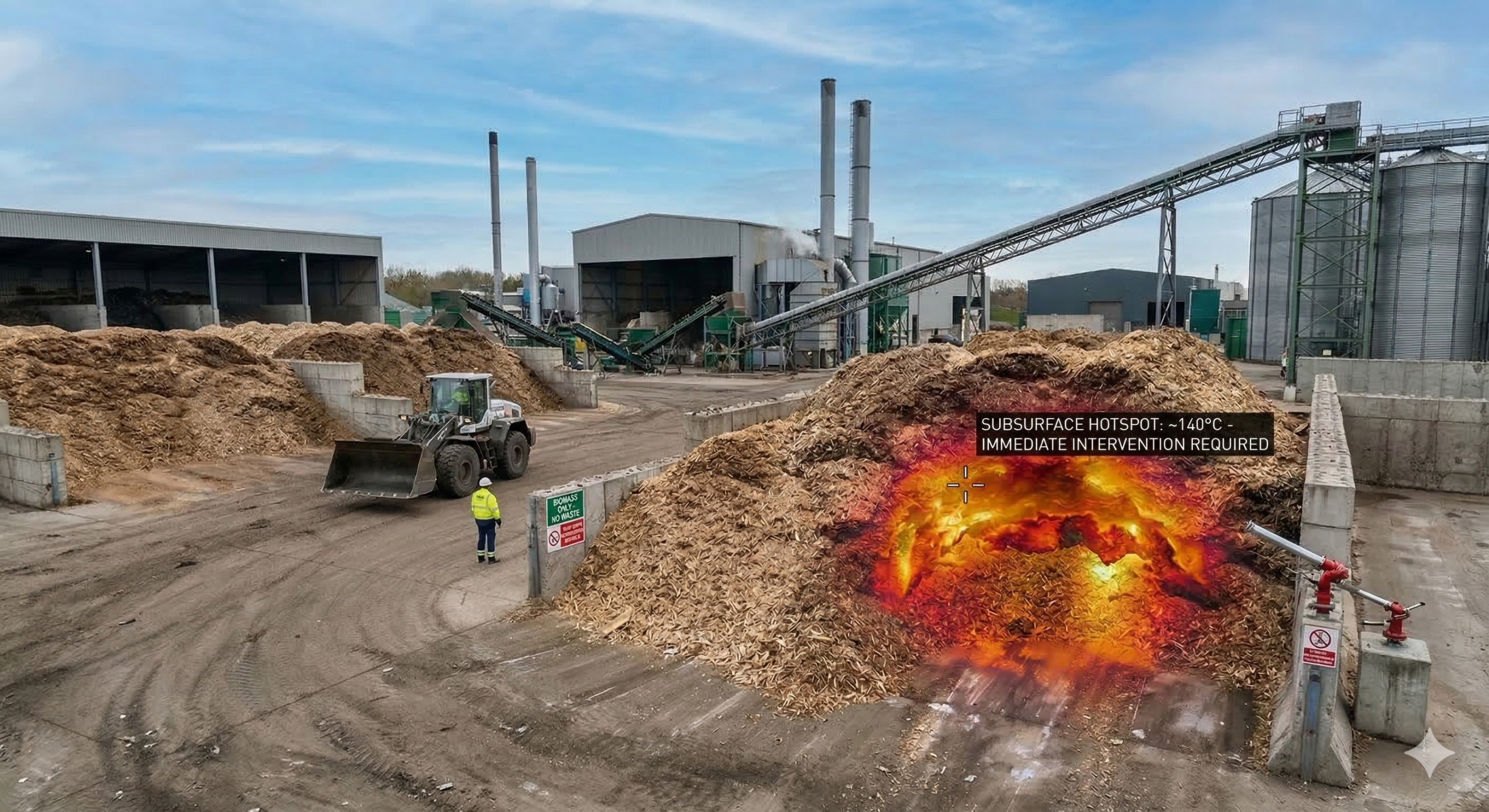
Because these materials are often stored in large volumes, fires may begin as hidden smoldering events deep within piles or confined spaces. By the time visible flames appear, the fire may already be well established and spreading through surrounding materials.
Common Fire Hazards in Alternative Fuel Facilities
Facilities handling alternative fuels face a wide range of ignition risks. One of the most common hazards is the arrival of smoldering material loads. Waste and recyclable materials can sometimes arrive at processing facilities already heated especially when organic materials have begun decomposing. When these loads are put into larger piles or processing systems, the heat can trigger ignition.
Spontaneous combustion is another risk in facilities that store biomass or RDF. Organic materials can self-heat as they break down, especially when moisture and oxygen levels allow internal heat to accumulate. Over time, this process can create ignition conditions deep inside material piles.
Processing equipment introduces additional hazards. Conveyors, shredders, grinders, and sorting equipment can generate friction heat during operation. Sparks from metal contamination in waste streams or cutting processes may also ignite combustible material. Welding or hot work can create similar risks.
In many cases, these ignition sources occur within equipment systems or inside material piles, making them difficult to detect without continuous monitoring.
Why Traditional Fire Protection Systems Often React Too Late
Traditional fire protection systems often rely on sprinkler activation after flames have already developed. While sprinklers play an important role in protection, they may not respond quickly enough to stop fires that begin deep within alternative fuel storage areas or processing systems.
For example, heat-based detection systems typically activate only after temperatures reach a predefined threshold. When fires start as slow smoldering events inside piles or equipment, significant heat buildup may occur before the system triggers. By that point, the fire may have already spread.
Large-scale suppression systems can also create operational challenges. Sprinkler or deluge activation across an entire processing area can interrupt operations, damage equipment, and require extensive cleanup. In facilities handling large volumes of combustible material, stopping a fire early — before it grows large enough to trigger facility-wide suppression — is often the most effective strategy.
Early Detection System
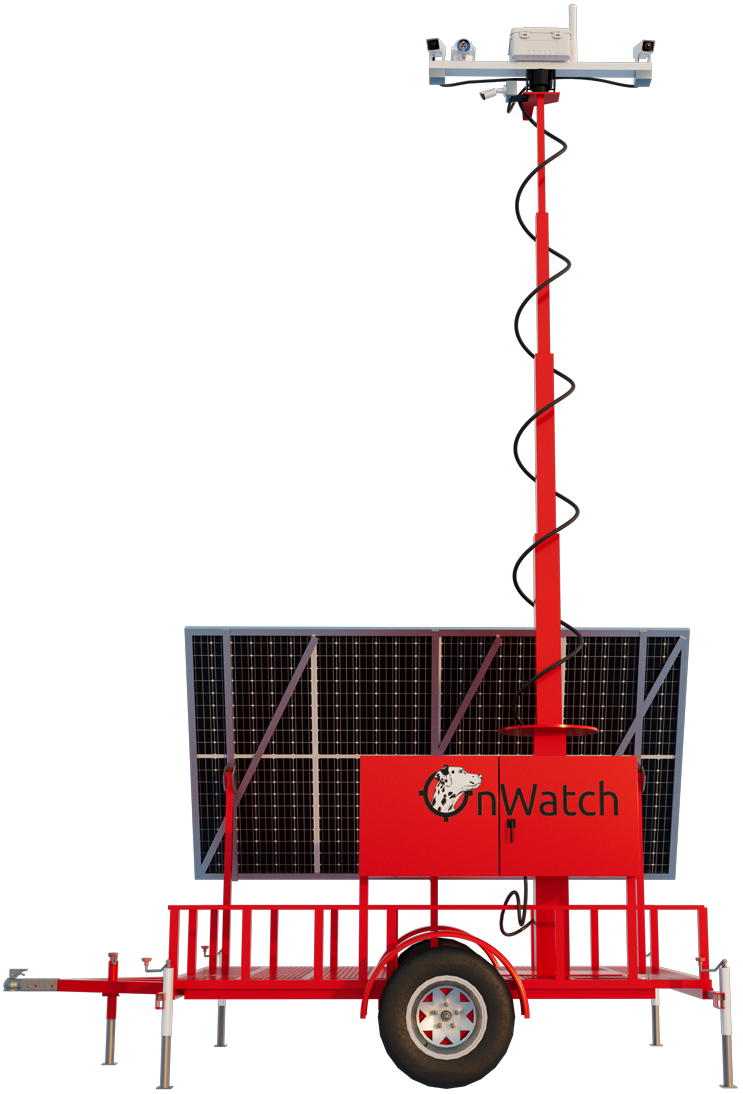
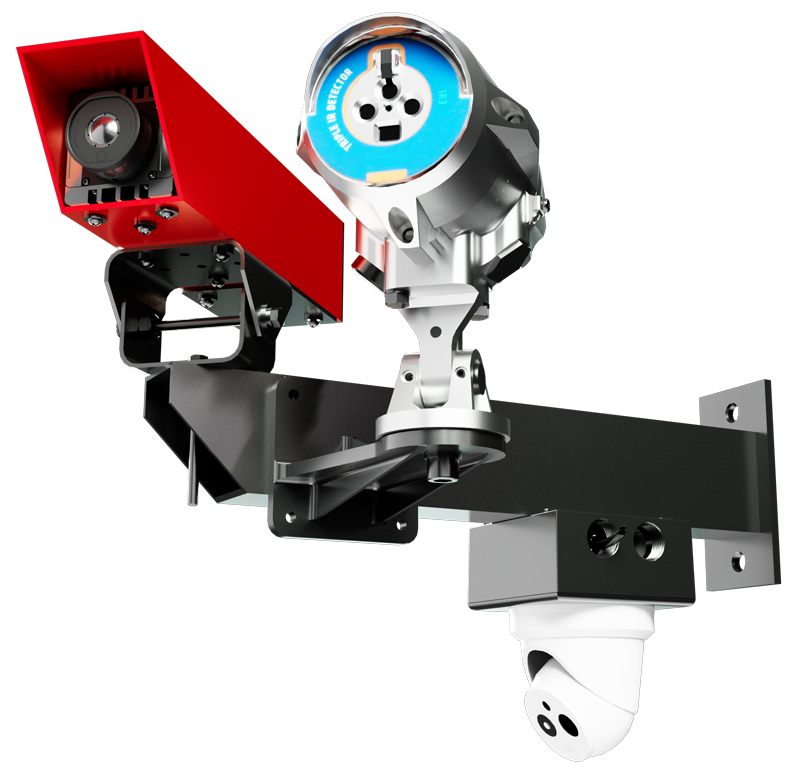
Don’t wait for smoke and flames. Fire Rover’s Early Detection System uses thermal cameras and human verification to spot fire threats instantly and dispatch emergency services quickly.
The Importance of Early Detection in Alternative Fuel Fire Protection
Early detection is one of the most important factors in preventing small ignition events from turning into large-scale fires. Technologies like thermal imaging, flame detection, and smoke analytics can identify abnormal heat conditions long before visible flames develop.
Thermal monitoring systems are particularly valuable in alternative fuel environments because they can detect subtle temperature changes within material piles, equipment zones, or storage areas. These early warning signs often indicate conditions that could lead to ignition if left unaddressed.
Continuous monitoring provides an additional layer of protection by ensuring that facilities remain under observation at all times. In environments where fires can develop slowly and remain hidden for extended periods, having systems that identify heat buildup early can significantly reduce the likelihood of a major incident.
Technologies like thermal imaging are increasingly used in industrial environments to identify these risks early and allow operators to respond before flames spread through surrounding materials.
How Targeted Suppression Helps Contain Fires Quickly
When fires are detected early, targeted suppression can help contain the ignition before it spreads throughout the facility. Instead of activating facility-wide systems, targeted suppression focuses on the specific area where heat or flames are identified.
This approach allows operators to apply water or suppression agents directly to the ignition point, reducing the amount of material involved and limiting damage to nearby equipment or infrastructure. In facilities that handle large volumes of combustible material, this precision can significantly reduce the scale of fire incidents.
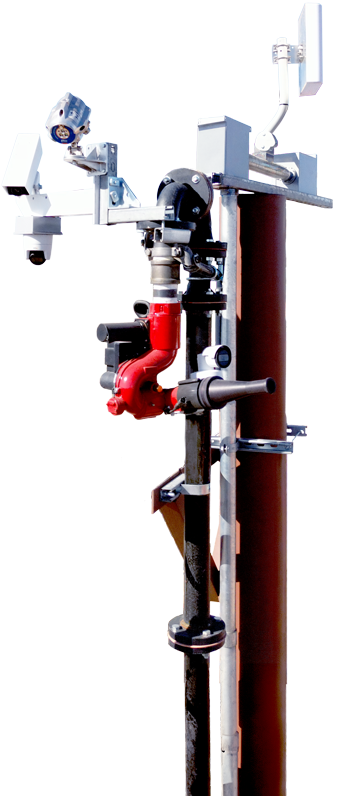
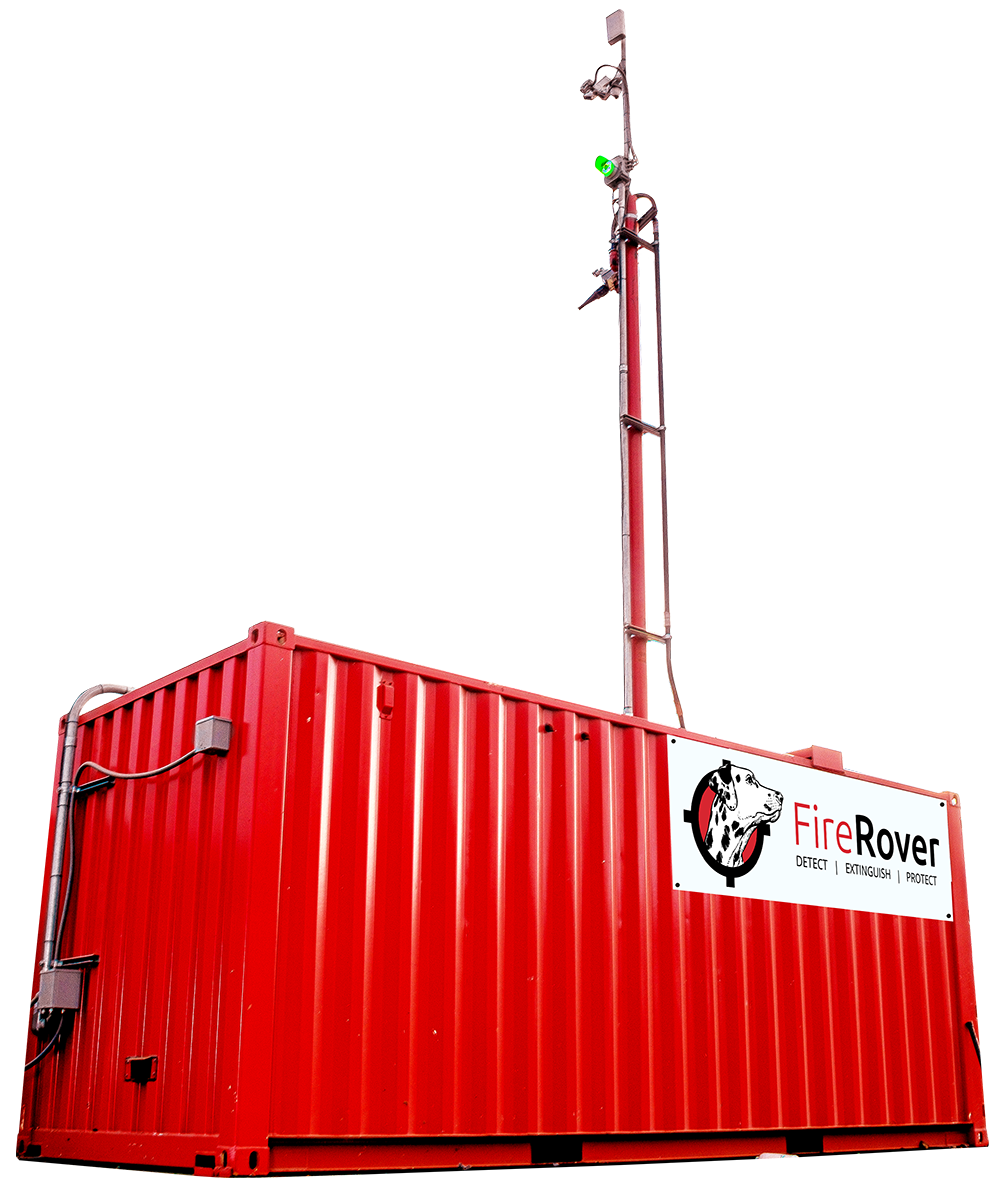
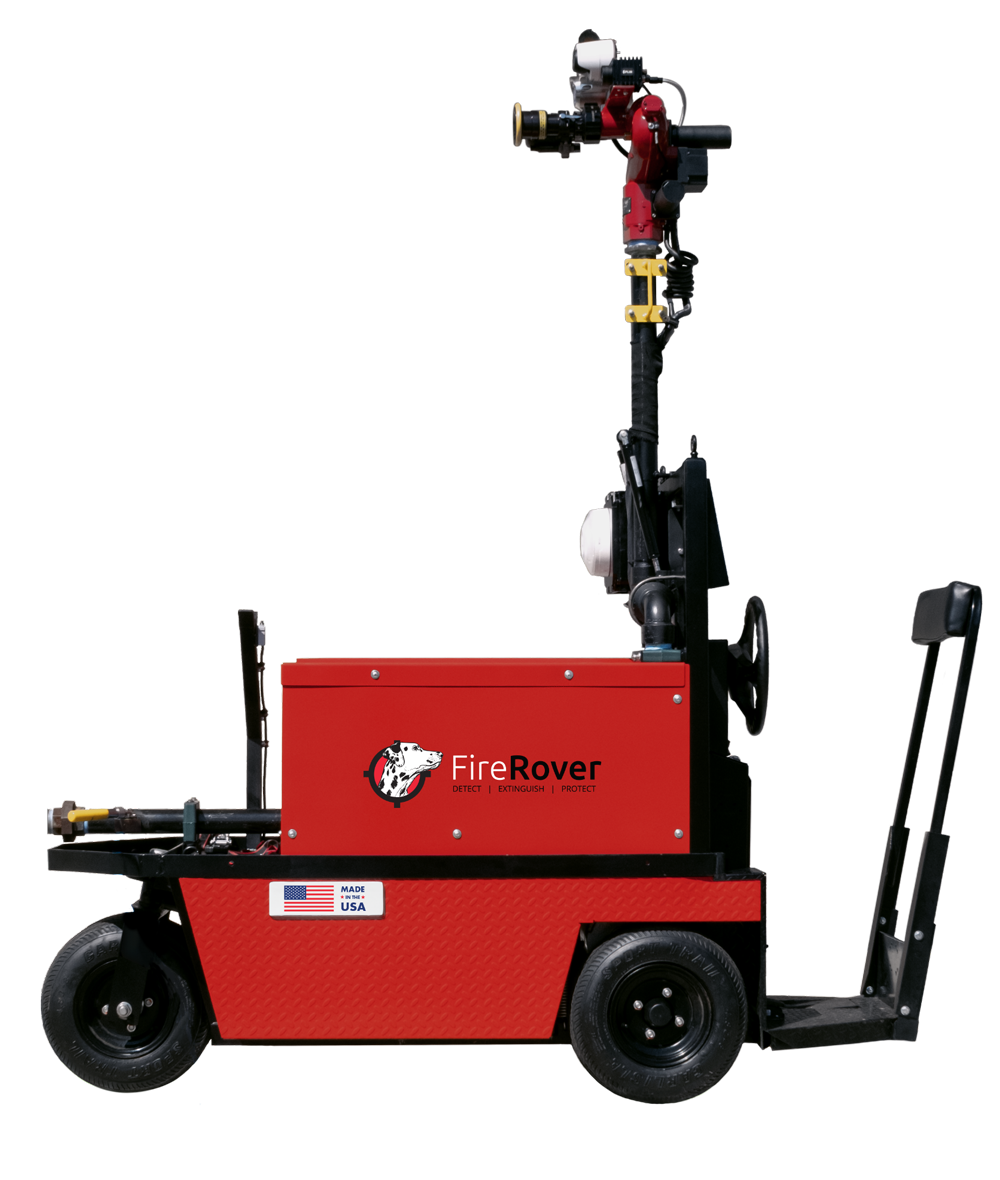
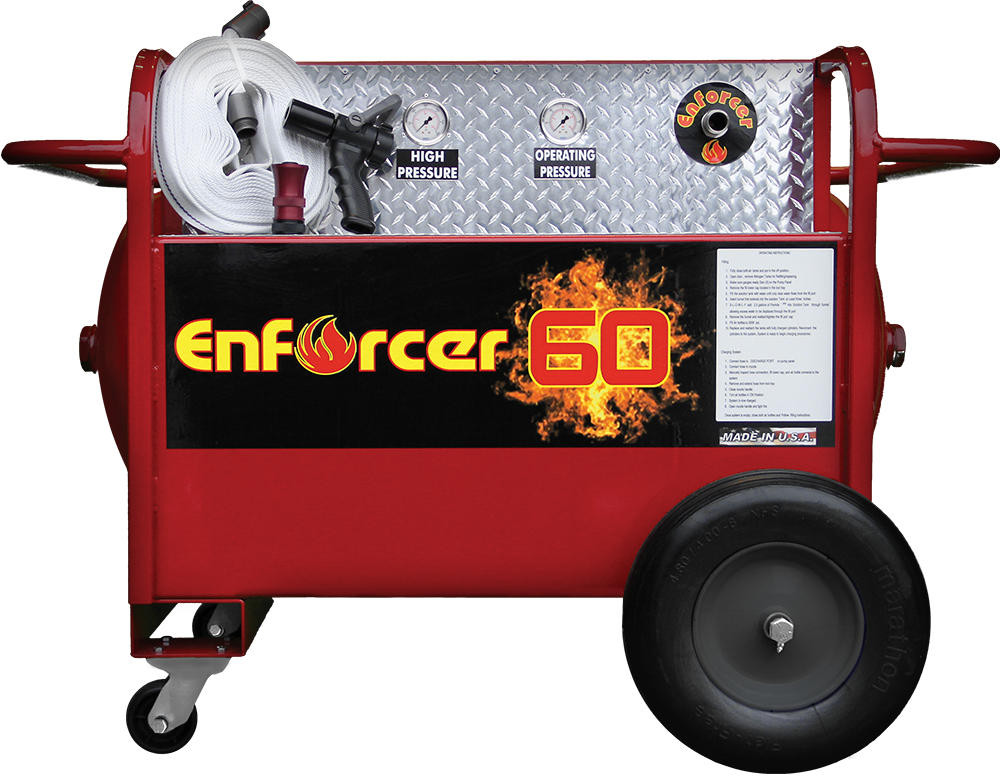
Targeted suppression also minimizes operational disruption. Rather than shutting down entire processing areas, facilities can respond quickly to localized threats and maintain continuity of operations. Systems like Fire Rover’s continuous fire suppression system and mobile suppression system are designed to address high-risk environments where fires have to be controlled quickly and efficiently.
Strengthening Fire Protection Strategies for Alternative Fuel Facilities
As alternative fuels become more common in industrial operations, fire protection strategies need to evolve to address the unique risks these materials present. Facilities handling biomass, RDF, waste-to-energy feedstock, or hydrogen should consider fire protection systems that emphasize early detection, continuous monitoring, and rapid response.
Combining advanced detection technologies with targeted suppression capabilities allows operators to address ignition events before they grow into major fires. Continuous monitoring can identify heat buildup in piles or equipment zones, while rapid suppression helps contain fires at the source.
A proactive approach to fire protection not only reduces the likelihood of major incidents but also protects employees, equipment, and operational continuity. Facilities that implement comprehensive detection and suppression strategies are better positioned to manage the growing role of alternative fuels while maintaining safe and reliable operations.
For organizations looking to strengthen their fire protection strategy, Fire Rover’s advanced detection and suppression technologies provide a powerful solution for high-risk industrial environments. To learn more about how Fire Rover can help protect your facility, contact our team today.