Talk To Us About Fire Safety

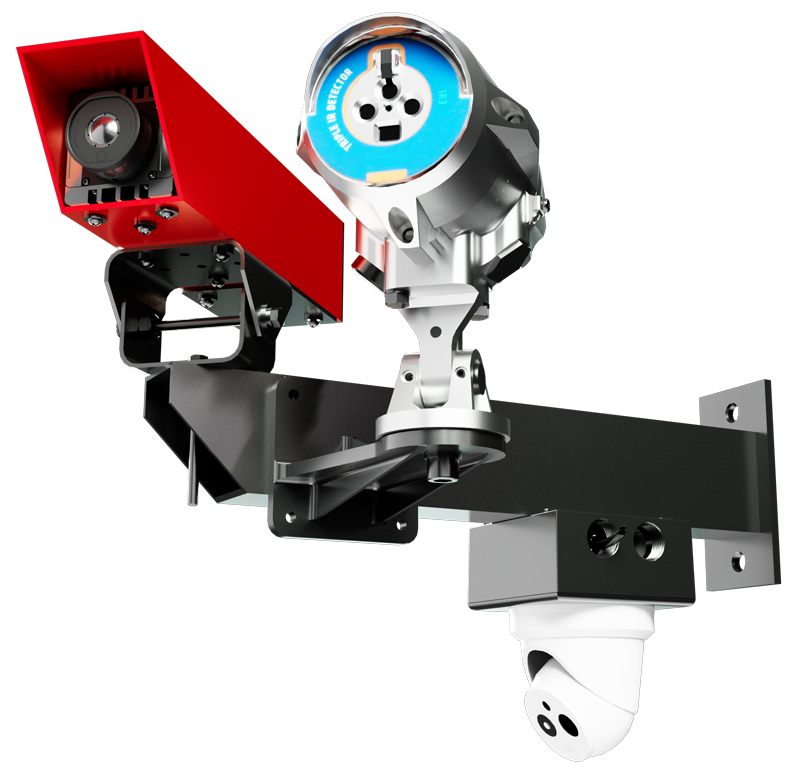
Early Detection System

Fire Rover’s Early Detection System combines thermal, flame, and smoke analytics to identify fire risks before they spread, enabling rapid response and protecting high-risk environments around the clock.

Continuous Suppression System

An automated, large-scale protection solution that detects, verifies, and suppresses fires in seconds — providing constant coverage for operations that can’t afford downtime.

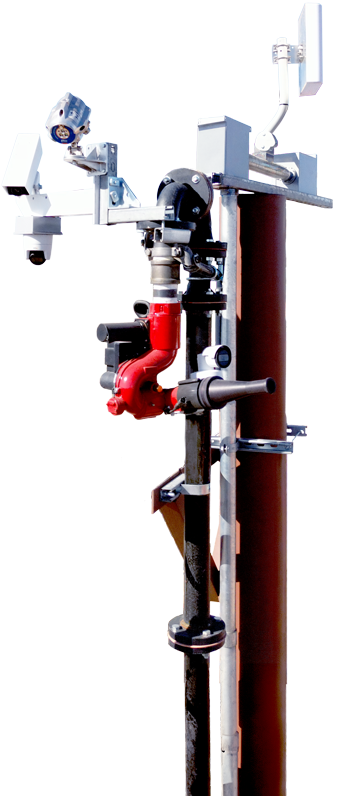
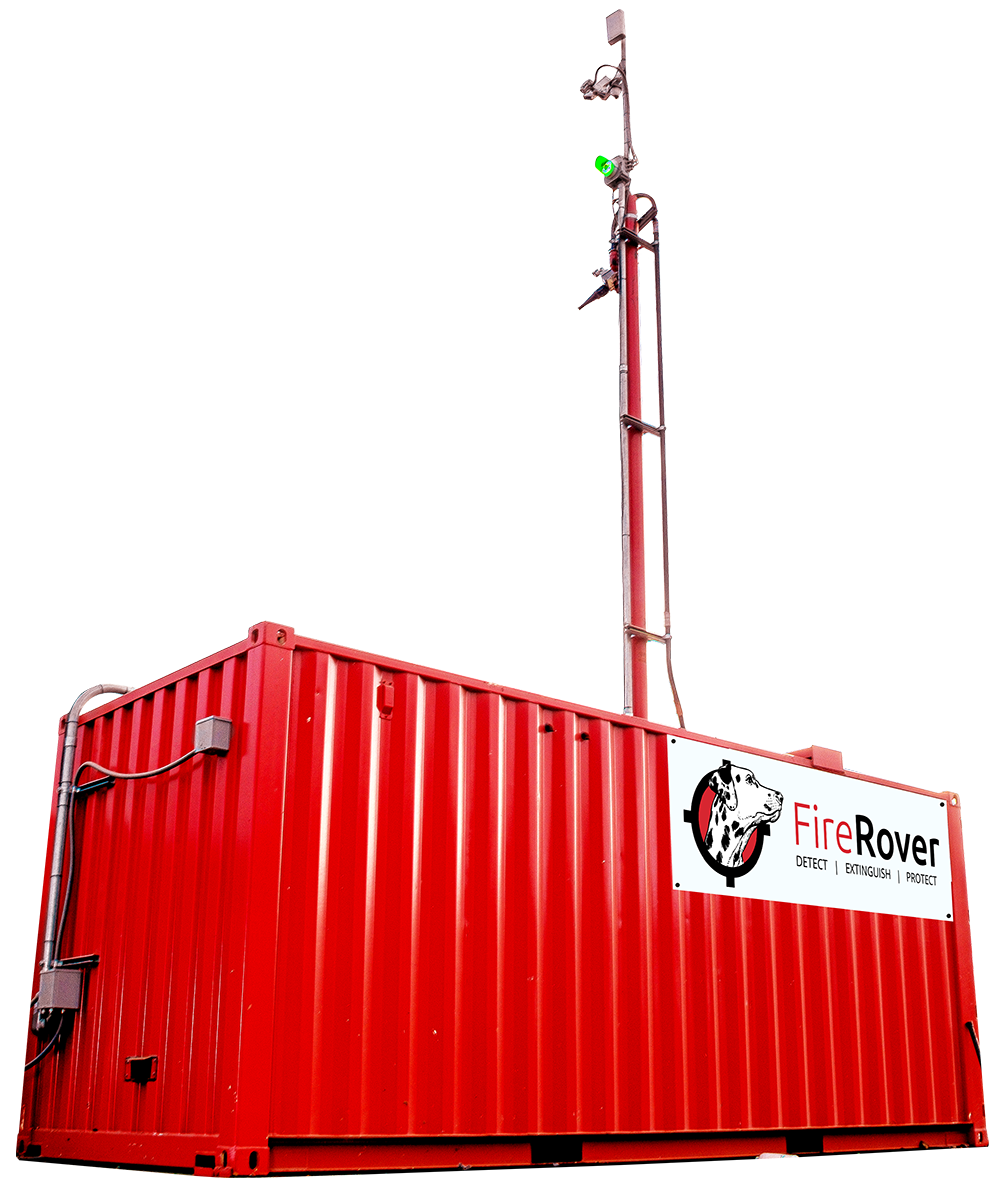
Self-Contained Suppression System

A compact, all-in-one system designed for standalone fire protection, ideal for targeted coverage in smaller or remote areas without existing infrastructure.

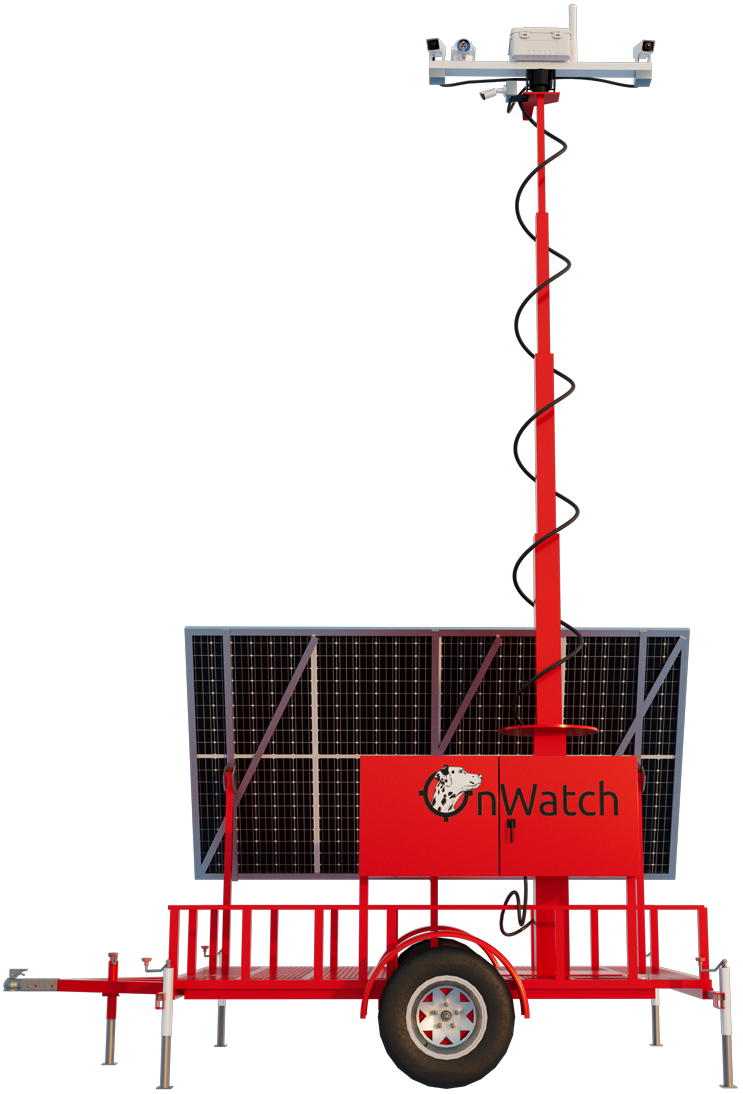
OnWatch Mobile Detection System

A flexible, camera-based monitoring system that brings real-time thermal detection and human verification anywhere it’s needed — ideal for temporary sites or expanding operations.

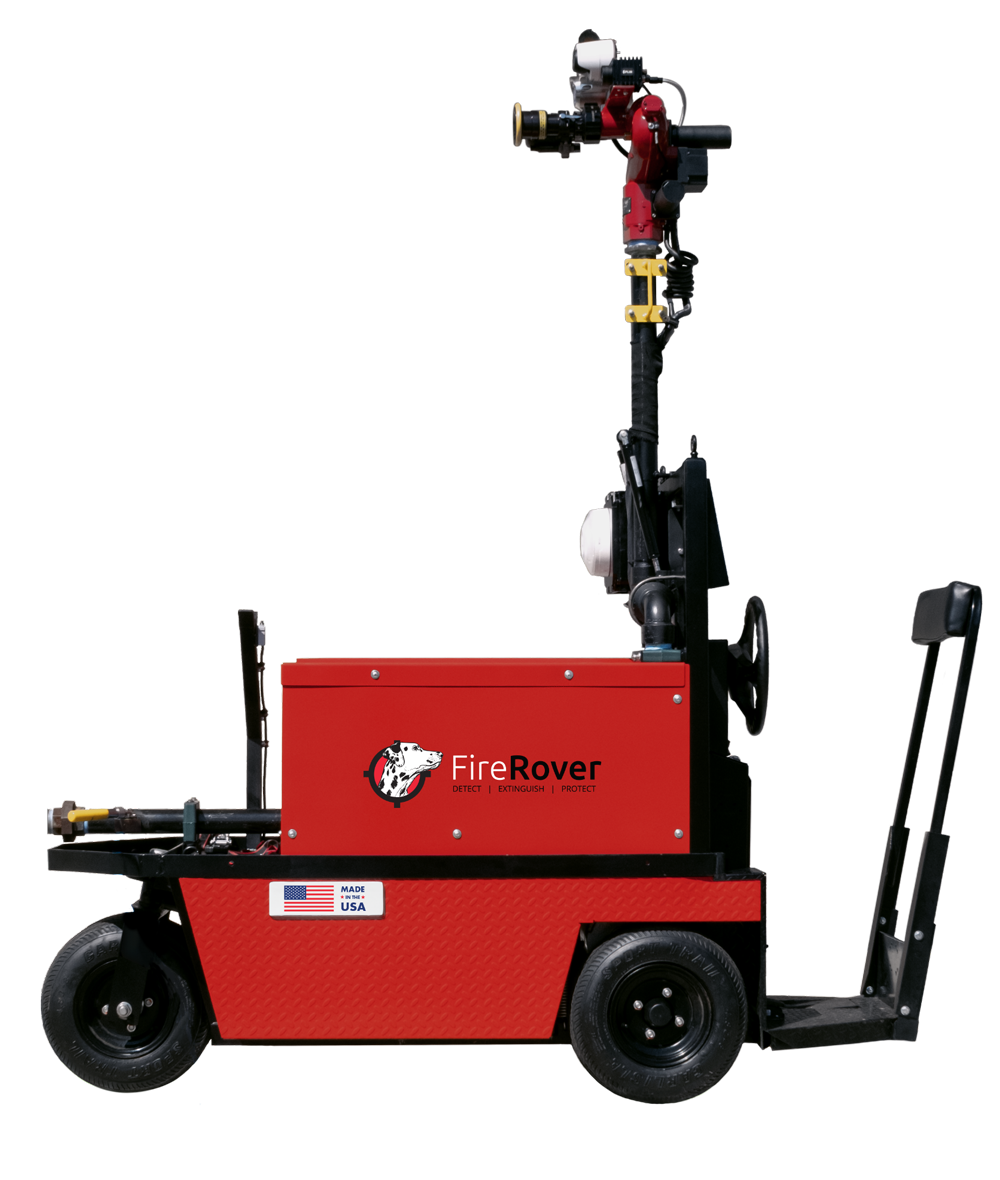
Mobile Suppression Unit System

Fire Rover’s fully mobile suppression system combines advanced detection, onboard agent storage, and remote operation to deliver rapid response and protection wherever the risk is.

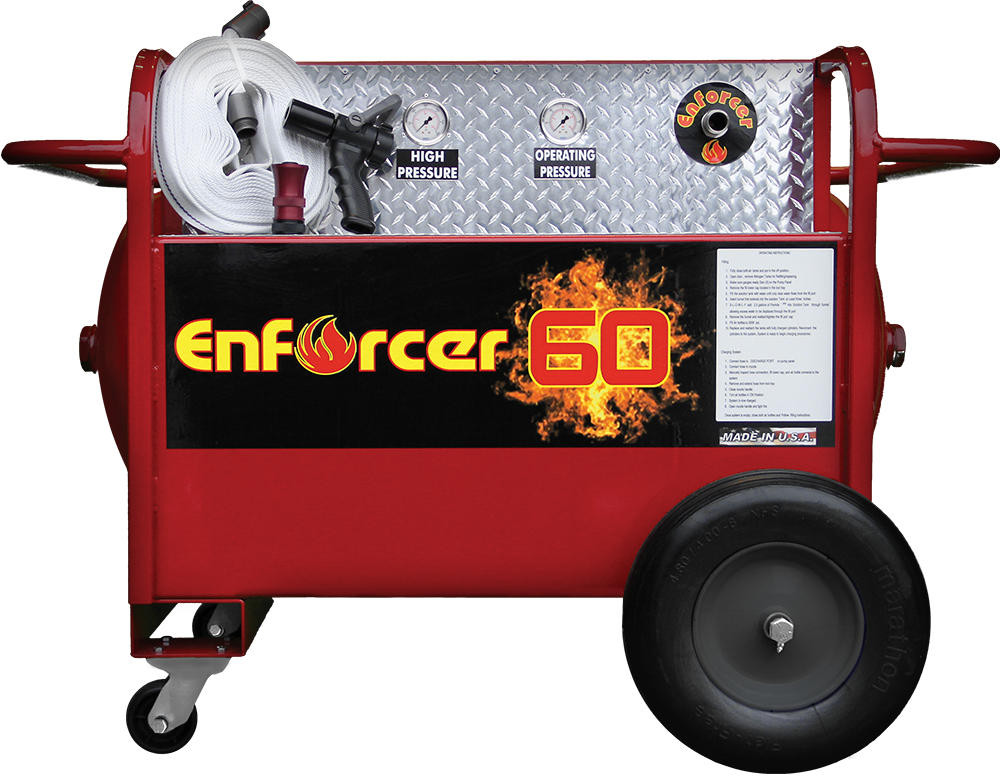
Enforcer Suppression Unit

Enforcer provides scalable, mobile suppression for industrial environments where speed and flexibility matter most.

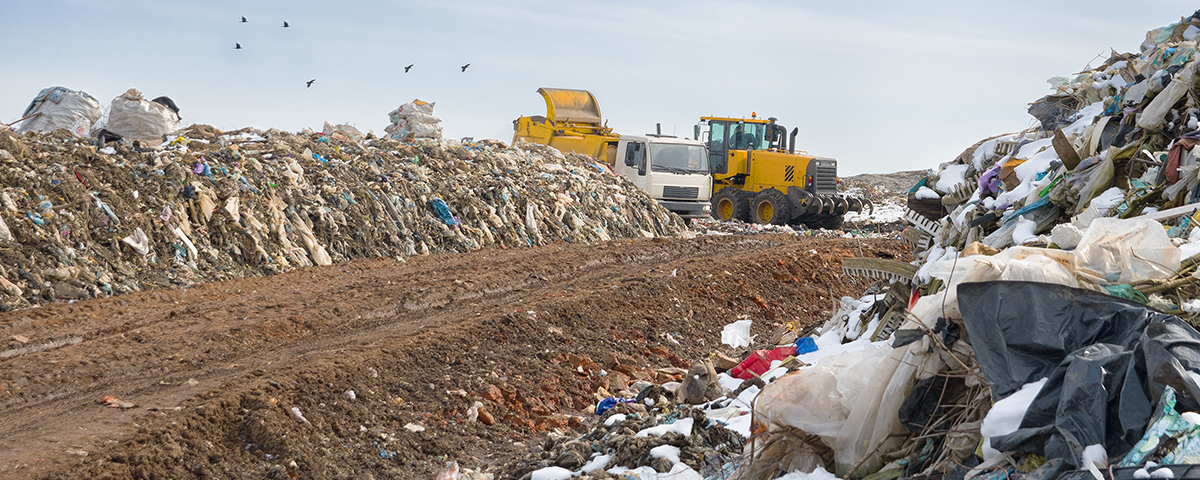
Waste and Recycling

Open air, shifting materials, and limited infrastructure make landfills especially vulnerable to incipient fires. Fire Rover provides rapid mobile detection with 24/7 thermal monitoring and video-verified alerting — delivering protection where permanent systems can’t reach.

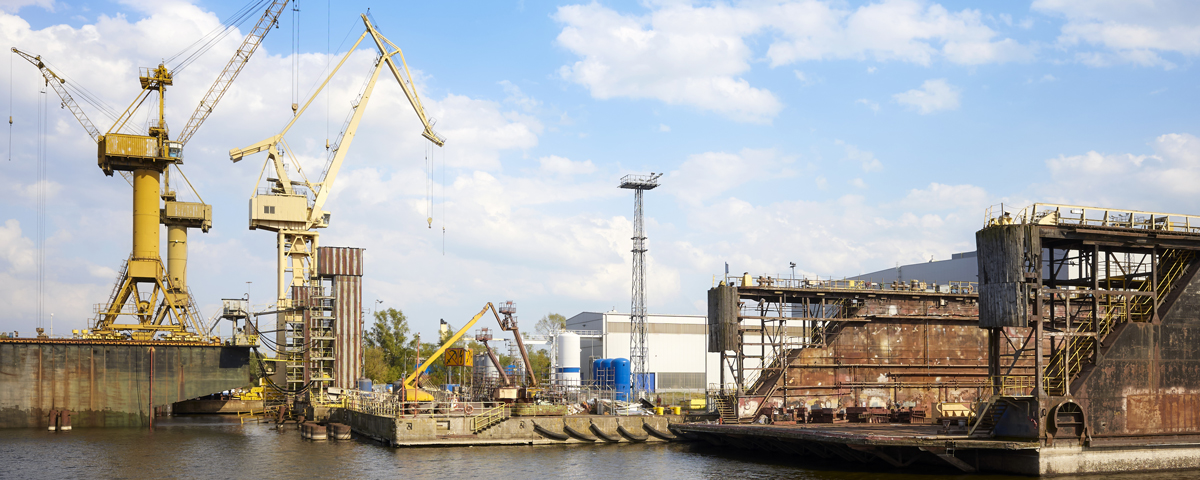
Marine

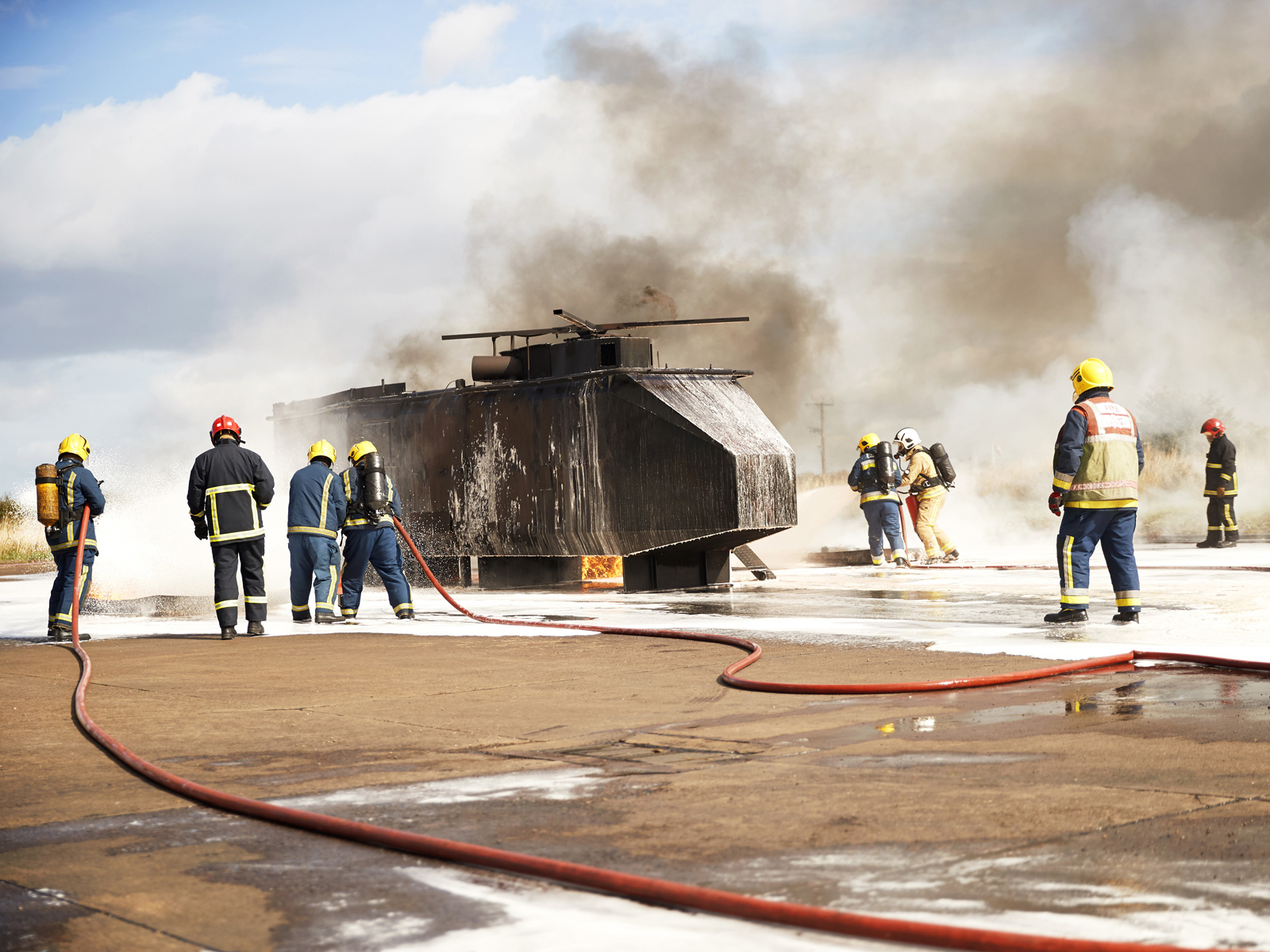
Sparks, welding equipment, and combustible materials are common in shipyards and other marine situations. Our Mobile Suppression System quickly delivers high-volume suppression directly to the ignition source — all while keeping your crew at a safe distance.

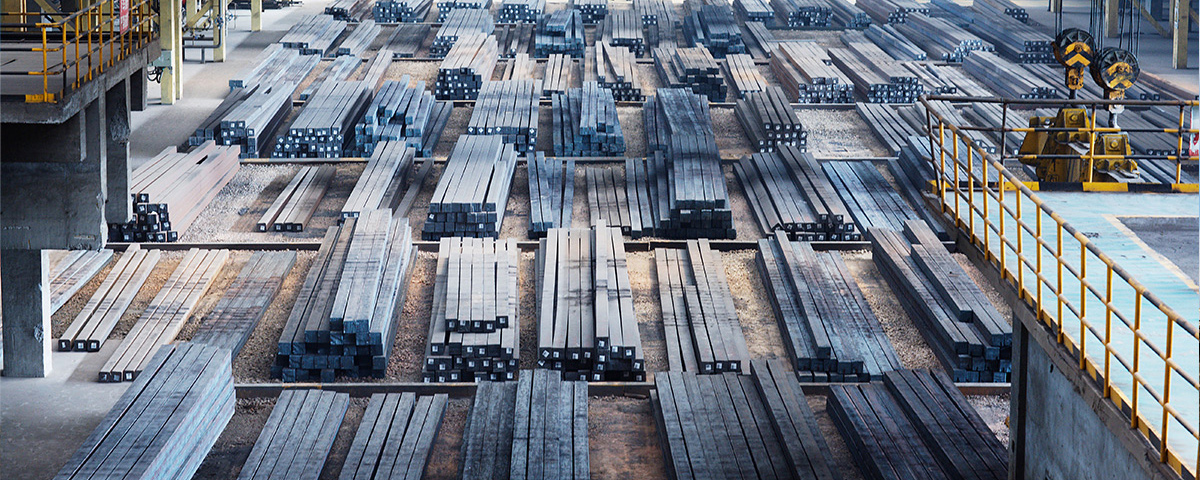
Metal Processing

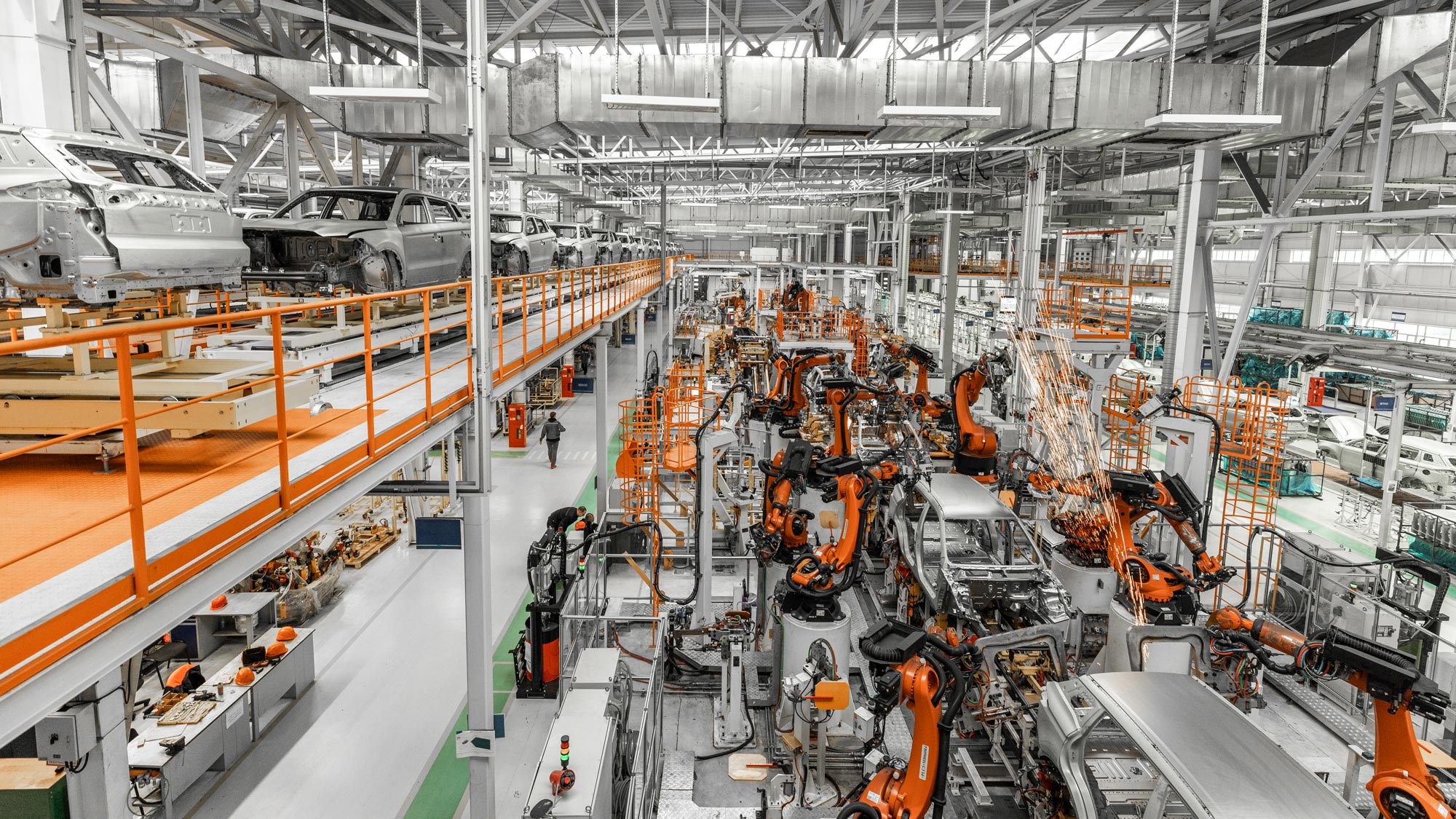
From hot loads to lithium battery ignitions, scrapyards face unpredictable fire risks. Our hybrid approach combines mobile detection, continuous suppression, and site-specific strategies to stay ahead of threats in even the harshest environments, whether indoors or outdoors.

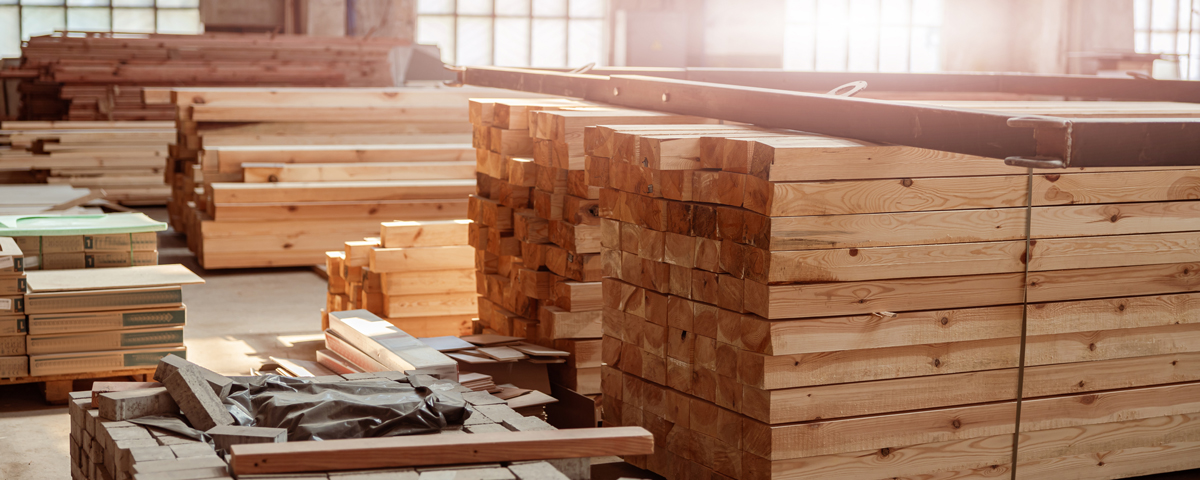
Wood Processing

Dust, organic material, and high heat combine to make these facilities a fire hazard. Fire Rover’s integrated detection and suppression systems provide persistent monitoring and immediate suppression to prevent deep-seated fires in bulk storage or conveyor lines.

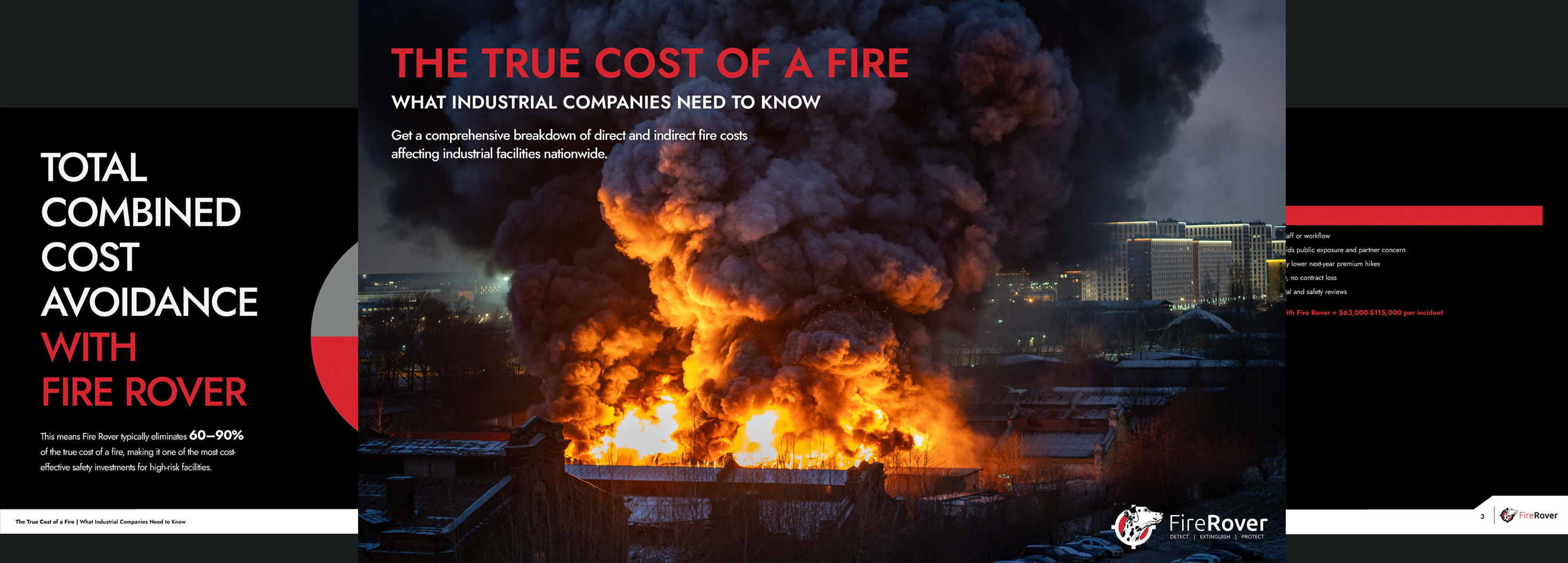
The True Cost of an Industrial Fire: What Industrial Companies Need to Know

See how a single fire can disrupt operations, damage assets, and drive major losses from both direct and indirect costs.

Breaking Down Industrial Fire Costs: Direct & Indirect

Direct damage is only the beginning — indirect costs like downtime, premium hikes, labor disruption, and lost contracts often exceed what appears on the insurance claim.

Average Cost Per Fire Event

$643,769

Illustrative national averages. Actual exposure varies by facility type, operations, and readiness.
Direct (80%)
Indirect (20%)

Direct Costs

  • Damage to equipment, structures, and inventory
  • Facility repairs and structural rebuilds
  • On-site suppression, cleanup, and disposal
  • Emergency response and mandatory inspections

Indirect Costs

  • Unplanned downtime and halted production
  • Higher insurance premiums and deductibles
  • Lost contracts or missed revenue commitments
  • Reputation damage and long-term operational disruption

Exploring the True Costs
of a Fire Event

A single fire can trigger multiple cost streams—some immediate, others unfolding long after the flames are out. Understanding how these categories stack up is essential for budgeting risk and evaluating the ROI of early detection and suppression.

Cost Impact by Category

Each bar represents its share of the national average total cost of
$643,769 per fire event*.

Insurance & Claims - $275,000
Litigation Costs - $135,000
Operational Downtime - $55,000
EPA/Environmental Fines - $13,500

*Data represents national averages. Actual fire costs vary significantly based on facility type, preparedness, and event severity.

Where Facilities Take the Hit

Direct losses often dominate the initial claim, but indirect costs—like downtime, contract penalties, supply chain delays, and brand impact—frequently exceed the visible damage.

Average Fires Per Year

Industrial fires occur thousands of times each year across the U.S. and Canada, with risk levels varying by industry.

Average Cost Per Fire

A typical industrial fire results in $643,769 in combined direct and indirect loss — not including long-term operational disruption.

High‑Risk Sectors

Manufacturing, recycling, warehousing, and logistics operations face the fastest year-over-year growth in fire incidents.

What Most Companies Overlook

Most cost models stop at the insurance claim. The real financial impact shows up later with hidden losses in productivity, relationships, and long-term risk exposure.

Operations & Productivity

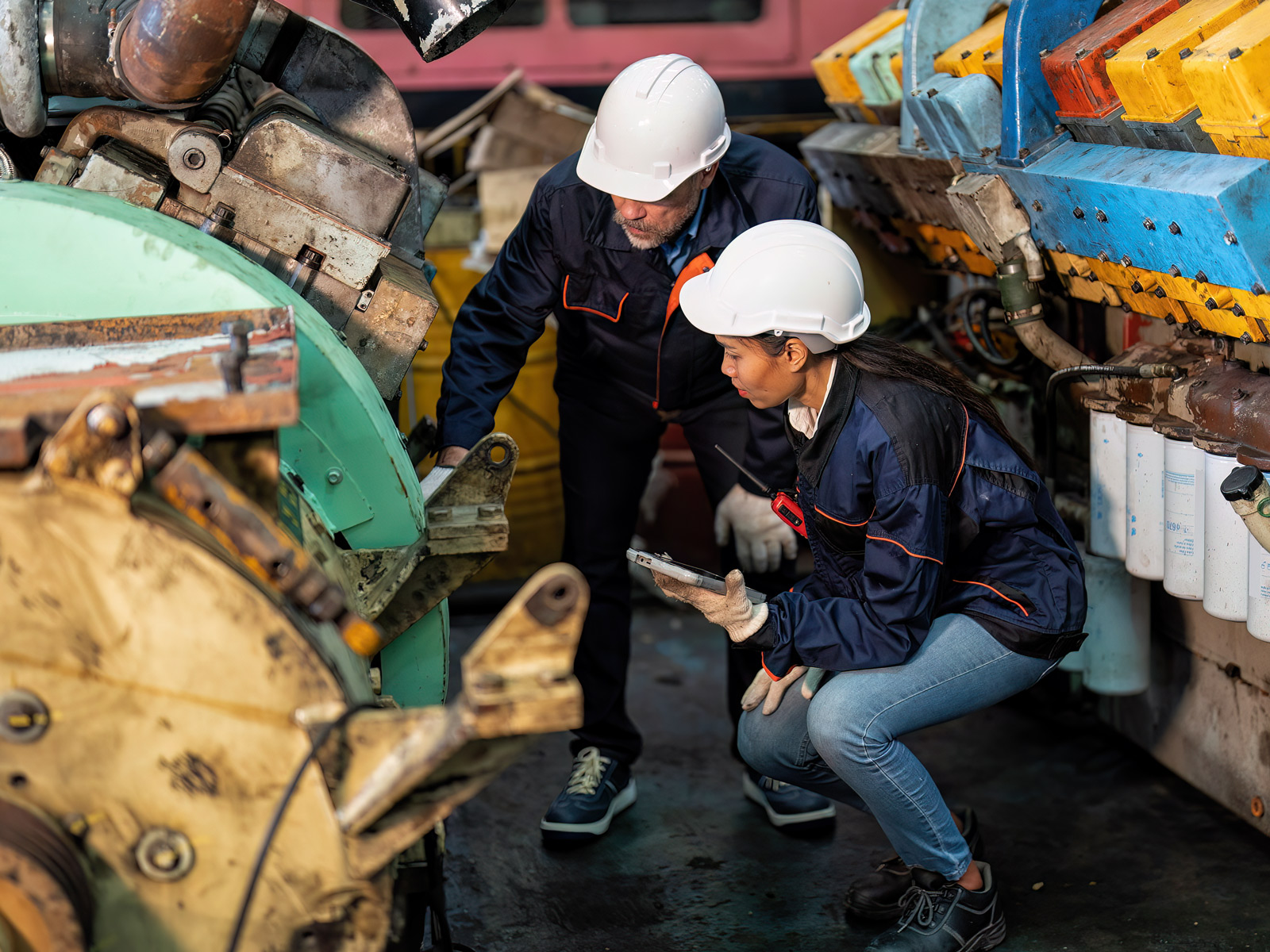
Shifts re-routed, critical lines idled, and teams pulled into recovery work instead of hitting output targets causes a ripple effect that compounds for months.
  • Unplanned Downtime
  • Overtime & Rework
  • Schedule Disruption
  • 1Week 1: Fire contained, claim filed. One major line pauses production, and backlog pressure begins immediately.
  • 2Month 1–3: Overtime, expedited freight, and missed SLAs quietly stack into six-figure indirect losses.
  • 3Year 1+: Insurance premiums jump, a key customer shifts volume, and margin erosion continues long after operations resume.

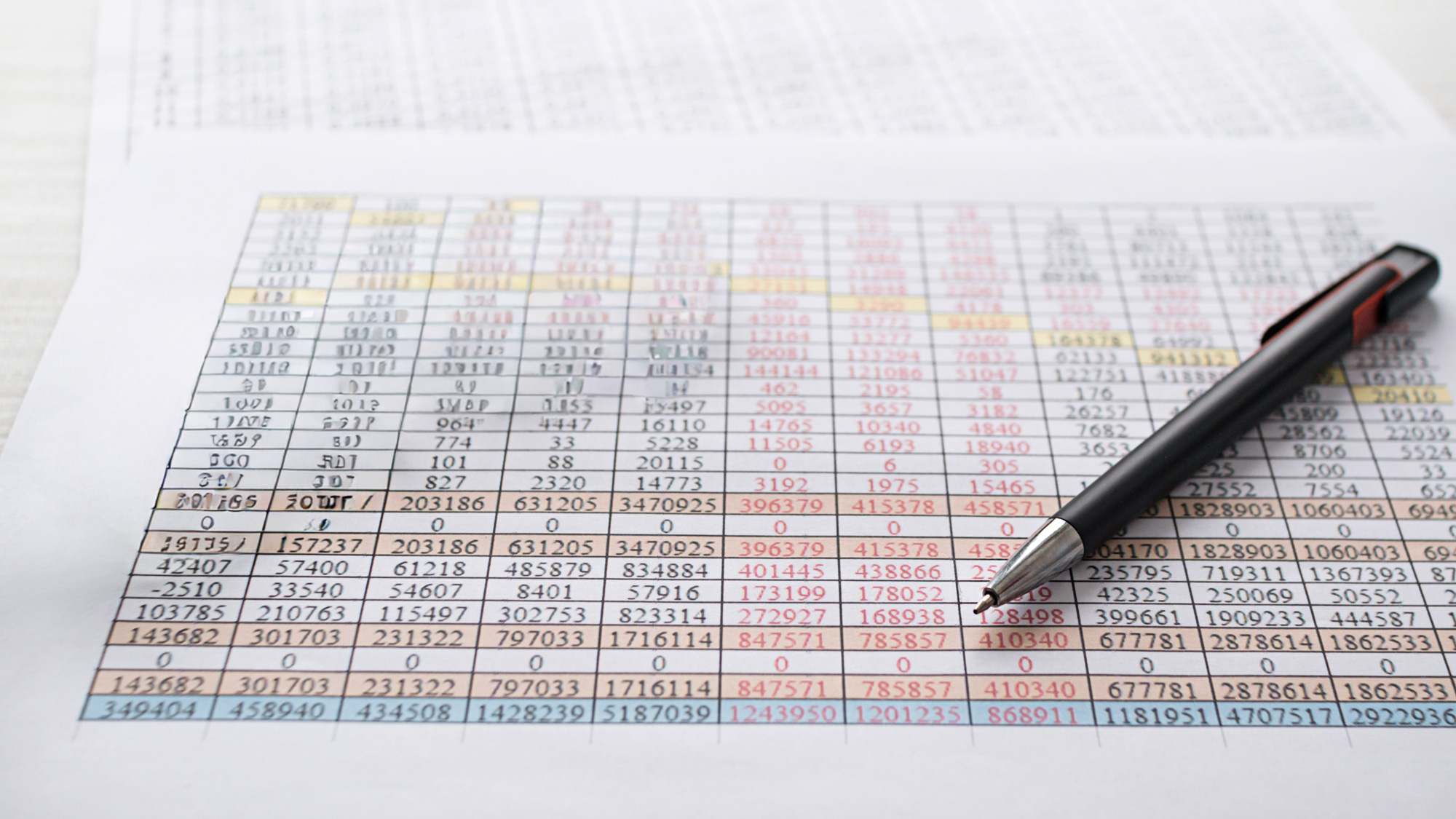
Financial Ramifications

Revenue stalls while fixed costs continue, creating immediate cash-flow pressure and long-term margin erosion. Months later, the financial impact deepens through premium increases, contract penalties, and costly shifts in supplier and customer terms.
  • Insurance Premium Increase
  • Lost Contracts
  • Regulatory Remediation

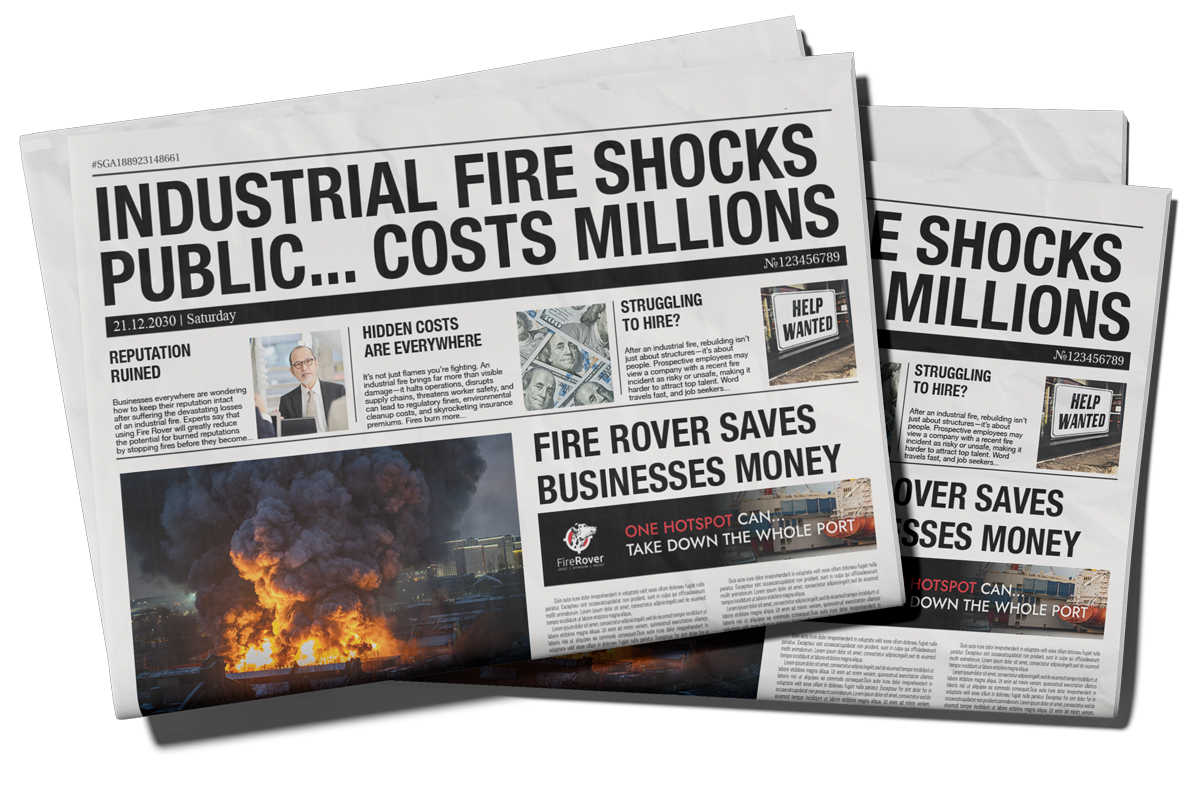
Reputations and Contracts

A single fire can weaken customer trust, prompt shifting volume to competitors, and damage the brand with regulators, partners, and the community. Even when operations resume, reputational fallout can quietly reduce market share.
  • Reputational Damage
  • Staff Turnover
  • Customer Churn

How Proactive Fire Protection Saves Millions

Delayed detection is the most expensive part of any fire event. Fire Rover delivers faster identification and response, helping facilities avoid the operational, financial, and insurance costs that drive multimillion-dollar losses.

With Traditional Approaches, You Risk:
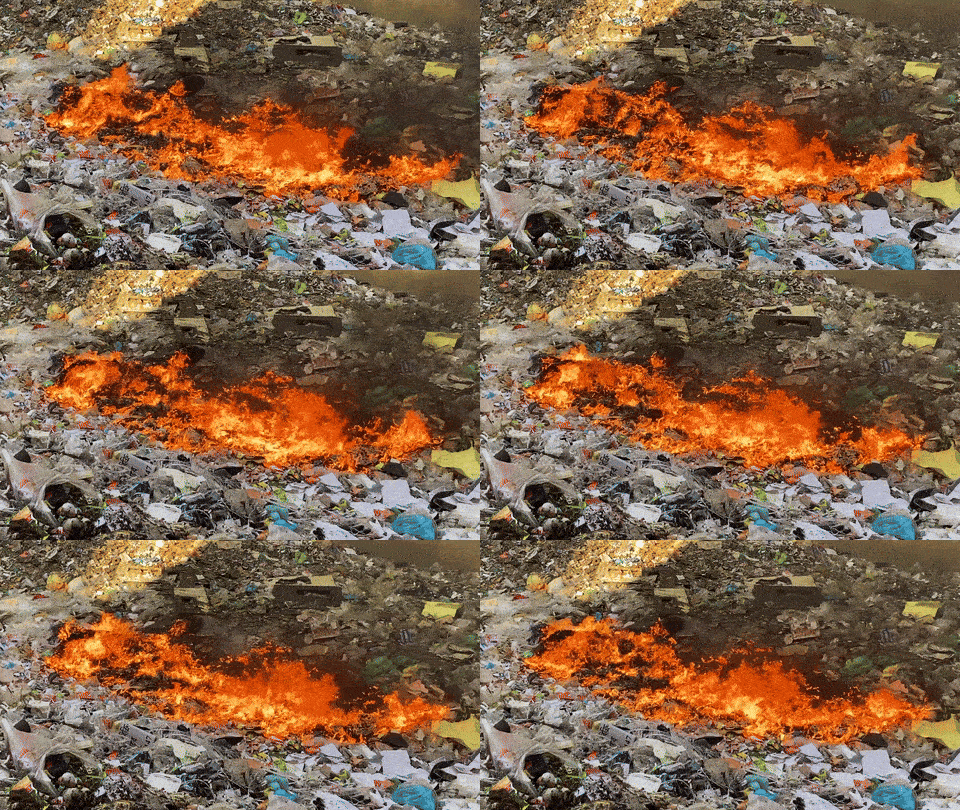
  • Slow, manual detection that relies on human fire watch and often identifies threats after ignition.
  • Longer downtime as investigations, repairs, and insurance reviews stall operations.
  • Greater regulatory exposure, including findings, citations, and elevated compliance scrutiny.
  • Poor documentation, making insurance claims slower, harder, and more expensive.
  • Higher likelihood of total-loss events, as traditional systems activate only after heat reaches sprinkler thresholds.
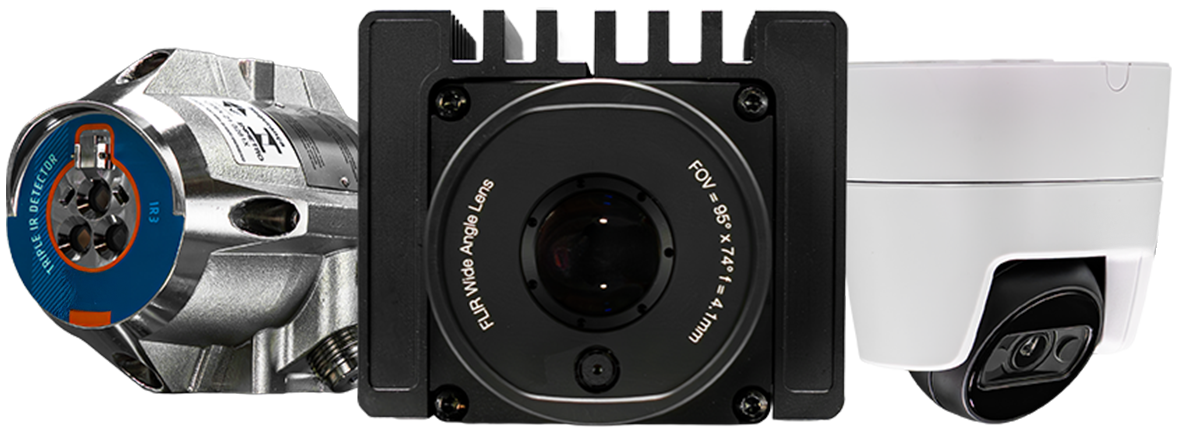
Flame Detection
Thermal Detection
Smoke Analytics

Earlier Detection, Faster Response, Clearer ROI

Verified 24/7 by human agents utilizing the latest thermal, flame and smoke analytics technology. Rapid, targeted suppression helps contain fires minutes before traditional systems engage. Documented incident records streamline insurance claims and support regulatory audits. Reduced reliance on human fire watch, lowering ongoing operational expenses.

  • Faster Detection Vs. Manual Rounds
  • Fewer Shutdowns
  • Lower Lifetime Fire Risk Cost

Flexible Configurations.
Scalable Protection.

Early Detection System

Continuous Suppression System

Self-Contained Suppression System

OnWatch Mobile Detection System

Mobile Suppression Unit System

Fire Rover In Action

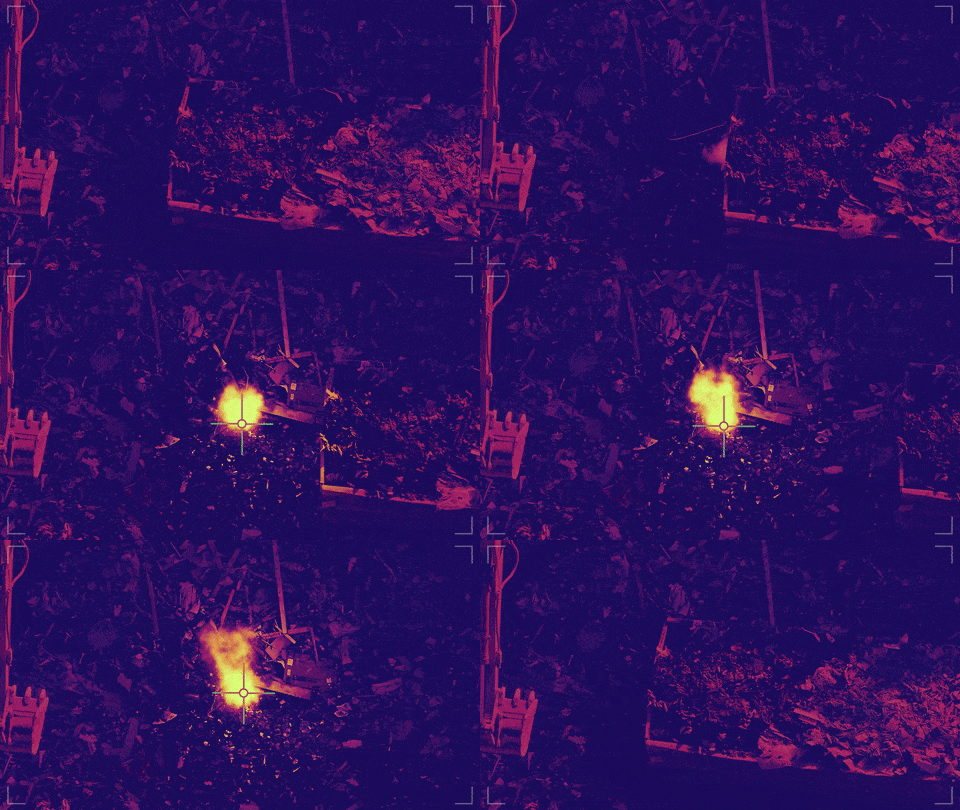
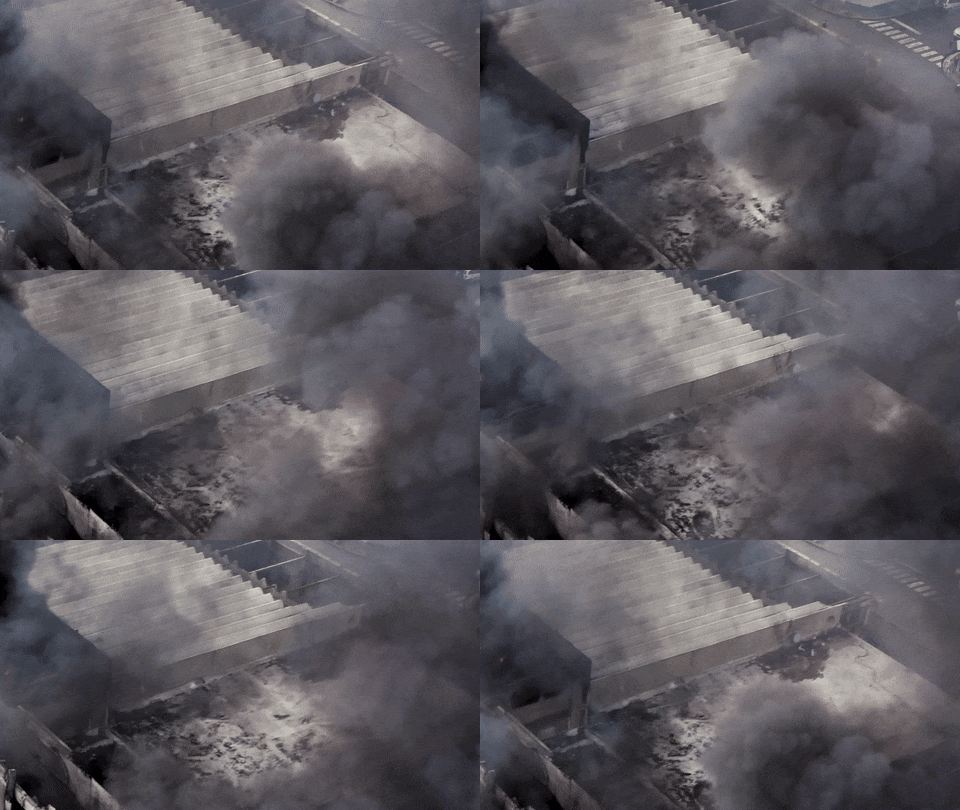
Every fire event has a cost curve. Without early detection, that curve accelerates fast—driving up asset loss, downtime, premiums, and long-term financial exposure. With Fire Rover, incidents are contained early, documented thoroughly, and prevented from becoming multimillion-dollar events.

Without Fire Rover

High exposure. Slow detection. Escalating financial loss.

  • Ignition grows unnoticed, increasing asset damage and recovery costs
  • Response begins only after visible flame or smoke, extending downtime and disrupting production
  • Limited documentation complicates insurance claims and invites premium increases
  • Repeated near-misses raise questions about future insurability and operational risk

Outcome: A small, preventable heat event becomes a high-cost incident with long-term financial consequences.

With Fire Rover

Fast detection. Contained incidents. Measurable cost reduction.

  • Thermal analytics catch early heat signatures—minimizing structural, equipment, and inventory loss
  • Live agents verify and act within seconds, preventing escalation and avoiding full-facility shutdowns
  • Automatic reporting strengthens claims, supports audits, and protects insurance relationships
  • Consistent early intervention reduces premiums, improves risk ratings, and protects annual budgets

Outcome: The incident generated a complete event record, supporting both insurer confidence and internal safety reporting.

FireRover caught a smoldering fire before our team ever saw smoke. What could have been days of downtime turned into a brief, controlled response.
Brent Shows
Area Recycling Director, GFL Environmental

Download the
Full Cost Breakdown

Want to
Talk to Us?
Get in Touch.

Contact Us
Phone: (248) 671-6899
Email: info@firerover.com

Headquarters
24505 Indoplex Circle
Farmington Hills, MI 48335

Sales and Administration
6960 Orchard Lake Road, Suite 303
West Bloomfield, MI 48322
Please fill out the form below.

This field is for validation purposes and should be left unchanged.
This field is hidden when viewing the form

Download The
Pricing Guide

Contact Us
Phone: (248) 671-6899
Email: info@firerover.com

Headquarters
24505 Indoplex Circle
Farmington Hills, MI 48335

Sales and Administration
6960 Orchard Lake Road, Suite 303
West Bloomfield, MI 48322
Please fill out the form below.

This field is for validation purposes and should be left unchanged.
This field is hidden when viewing the form